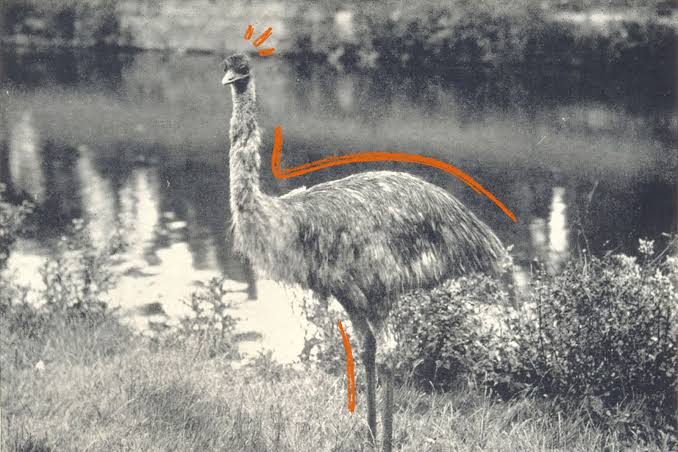
Tag: Australian history

  • The Great Emu War: When Machine Guns Failed Against Birds

    The Great Emu War: When Machine Guns Failed Against Birds

    In 1932, the Australian military deployed soldiers with machine guns to fight a war against emus. The enemy was fast, resilient, and utterly unimpressed by modern weaponry. After a month of combat, the military withdrew, having killed fewer than 1,000 of an estimated 20,000 emus. The birds won.

    This wasn’t a joke to the farmers of Western Australia. They were facing ruin as emus trampled and ate their wheat crops during the Great Depression. The government’s solution—sending in the army—seemed reasonable on paper but turned into a humiliating defeat that still makes headlines today.

    The Problem: 20,000 Birds That Wouldn’t Budge

    Emus are the second-largest living birds by height, reaching up to 1.9 meters (6.2 feet) and weighing as much as 60 kilograms (132 pounds). They’re native to Australia and can sprint at 50 kilometers per hour (31 mph). In 1932, a perfect storm of drought and a booming breeding season pushed an estimated 20,000 emus into the wheat belt of Western Australia.

    The birds migrated toward water, devouring and trampling newly planted crops. For farmers already struggling through the Depression, this was a disaster. They petitioned the government for help, and under the Defence Act 1903, the military could be called in for civil matters—including pest control.

    Sir George Pearce, the Minister for Defence and a Western Australian himself, approved the deployment. It was politically savvy: he faced pressure from rural voters and the opposition. So, on November 2, 1932, Major G.P.W. Meredith of the Royal Australian Artillery led the 7th Heavy Battery into the Campion district, about 200 kilometers (124 miles) northeast of Perth.

    Their weapons: two Lewis light machine guns, capable of firing 500–600 rounds per minute, mounted on trucks. The plan seemed simple: mow down the birds.

    The Battle: Emus Outrun the Army

    The first major engagement came on November 8. The soldiers spotted a flock of around 50 emus. They opened fire, but the birds scattered and ran—some at speeds that outpaced the trucks. The Lewis guns jammed. The emus escaped with few casualties.

    Major Meredith quickly realized the problem: emus didn’t gather in large herds like cattle. They moved in small, scattered groups, making machine-gun fire inefficient. He later compared them to “Zulu warriors” in their tactical dispersal, noting they were “more elusive than the Boer”—a reference to the Boer War.

    The media latched onto the story. Newspapers in Perth and Sydney ran near-daily updates, often mocking the operation. The term “Emu War” was coined by the press, and the public ate it up. The soldiers became a laughingstock.

    Over the next month, the military fired approximately 2,500 rounds of ammunition. The confirmed kill count: 986 emus. That’s roughly one bird for every 2.5 rounds—a staggeringly poor ratio. Some estimates put the kill count as high as 2,000, but even then, it was a fraction of the 20,000 emus in the area.

    By December 10, the military withdrew. The operation was a failure, and the government was embarrassed.

    The Aftermath: Bounties and Lessons Learned

    The government pivoted to a bounty system, paying farmers to kill emus. This proved more effective—though not decisive—than the military operation. Further culls were attempted in 1934 and 1943, but the 1932 event remains the one remembered as the “war.”

    Today, emus are a protected species in Australia, though controlled culling is still allowed in some areas. The Great Emu War serves as a case study in how not to handle wildlife management.

    But it’s also a story about desperation. The farmers weren’t fools; they were people watching their livelihoods vanish. The government wasn’t corrupt; it was trying to respond to a crisis. The military wasn’t incompetent; it was using inappropriate tools for the job.

    The real lesson? Nature doesn’t follow military strategy. Emus adapted to the threat, and the army couldn’t adapt fast enough.

    Why We Still Talk About It

    The Great Emu War has become a staple of internet culture, a reminder that even superpowers can lose to birds. It’s a story that combines absurdity with genuine human struggle, making it perfect for memes and history podcasts alike.

    But it’s also a cautionary tale about overreaching solutions. When faced with a complex problem, quick fixes—like sending in the army—often fail. The bounty system worked better because it was flexible and localized.

    In the end, the emus won the battle, but the farmers eventually found a way to coexist. The war may be over, but its legacy lives on as one of history’s strangest conflicts.

    The Great Emu War is a reminder that not all problems can be solved with force. It’s a story of human desperation, bureaucratic missteps, and the resilience of nature. And it’s a reminder that sometimes, the best response to a crisis is to step back, reassess, and try a different approach—before you end up firing 2,500 rounds at birds and losing.

    Summary

    • In 1932, Australian farmers, facing crop destruction, petitioned the government for military help against emus.
    • The military deployed Major Meredith and soldiers with Lewis machine guns; they killed fewer than 1,000 emus out of an estimated 20,000.
    • The operation lasted about a month, fired ~2,500 rounds, and cost £100–£200, with zero human casualties.
    • The media mocked the operation, coining the term “Emu War.”
    • The government later switched to a bounty system, which proved more effective.

    FAQ

    Q: Why did the military get involved in killing emus?
    A: Under the Defence Act 1903, the Australian military could be called out for civil matters, including pest control. Farmers petitioned the government after emus devastated their wheat crops, and the Minister for Defence, Sir George Pearce, approved the deployment.

    Q: How many emus were killed?
    A: Confirmed kills were around 986, though estimates range from 500 to 2,000. This was out of an estimated population of 20,000 in the area.

    Q: How many soldiers were injured or killed?
    A: Zero. The only casualties were emus—and the military’s pride.

    Q: What weapons did the military use?
    A: Two Lewis light machine guns, capable of firing 500–600 rounds per minute, mounted on trucks. They used approximately 2,500 rounds.

    Q: Are emus still a problem in Australia?
    A: Emus are protected, but controlled culling is permitted in some areas. The 1932 event remains a unique historical footnote, though emus can still cause agricultural damage.
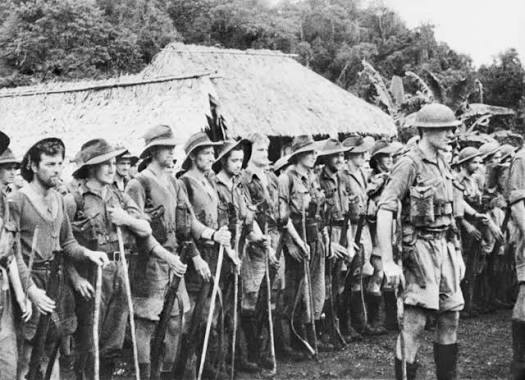
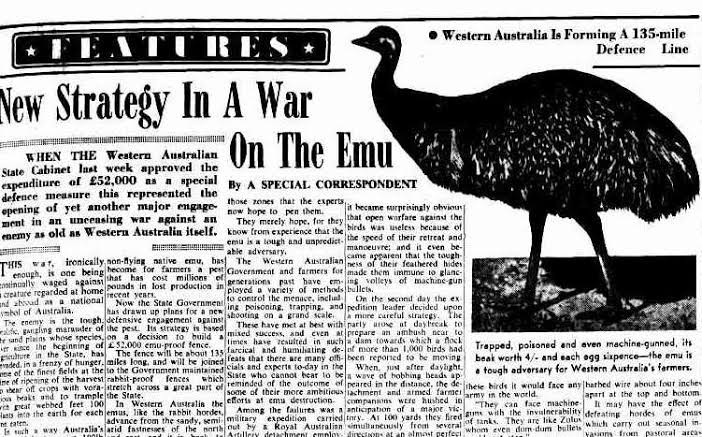
  • The Great Emu War of 1932: When Australia’s Military Lost to Birds


    In late 1932, the Australian military deployed soldiers with machine guns to cull emus in Western Australia. The operation was meant to protect farmers’ wheat crops, but it ended in embarrassment: the emus outmaneuvered the troops, and the military withdrew, declaring the birds ‘unconquerable.’ The story has become a legend of military absurdity, but the real history is more nuanced—and more revealing about the challenges of human-wildlife conflict.

    The Setup: Farmers in Crisis

    The conflict began in the wheat belt of Western Australia, where returning soldiers from World War I had been granted land under settlement schemes. These farms were marginal, and the Great Depression had collapsed wheat prices, leaving many farmers on the brink of ruin. Then, drought pushed an estimated 20,000 emus inland from their breeding grounds. The birds—standing up to 1.9 meters tall and weighing up to 60 kilograms—trampled crops, ate wheat, and, crucially, broke through the rabbit-proof fencing that farmers had erected. For the farmers, this was an existential threat.

    They petitioned the government for help, and the government, under political pressure, made an unusual decision: deploy the military. In October 1932, Major G.P.W. Meredith of the Royal Australian Artillery arrived in the Campion district with two soldiers and two Lewis light machine guns, along with 10,000 rounds of ammunition. The plan was simple—ambush the emus at water sources and mow down large groups.

    The Battle Begins

    The first engagement was a disaster. Meredith and his men set up an ambush near a waterhole, but the emus spotted them and scattered before they could fire effectively. The birds proved fast—capable of running up to 50 kilometers per hour—and erratic, making them difficult targets. When the soldiers did manage to fire, the emus simply outran the gunfire or changed direction unpredictably.

    Over the next week, the military tried various tactics: mounting a gun on a truck to chase the birds, but the terrain was too rough and the truck’s speed was no match for the emus’ agility. By November 8, the first sortie had killed only a handful of birds, and Meredith withdrew to regroup. The press had a field day, mocking the operation as a farce. International papers picked up the story, presenting it as comic relief during the grim Depression era.

    A second deployment, from November 13 to December 10, fared only slightly better. In total, official reports claimed 986 emus killed with roughly 10,000 rounds of ammunition—a ratio of about 10 bullets per bird. Other estimates put the number higher, including wounded birds, but the outcome was clear: the emus were winning. Meredith himself reportedly said, “If we had a military division with the bullet-carrying capacity of these birds, it would face any army in the world.” The military withdrew, and the government reintroduced a bounty system for emu scalps, leaving farmers to manage the problem themselves.

    Why the Emus Won

    The emus’ victory was not just a matter of luck. They had several advantages: their speed and agility made them hard to hit, and their social coordination meant that when one bird sensed danger, the entire group would scatter. They also adapted quickly to the sound of gunfire, learning to avoid areas where soldiers had been seen. Ethologists note that emus are highly alert and intelligent, traits that served them well in this encounter.

    The terrain also worked against the military. The open plains offered little cover for soldiers, while the emus could see them from a distance. The Lewis guns, designed for World War I trench warfare, were heavy and difficult to aim at fast-moving targets. In hindsight, the operation was doomed from the start.

    The Human Cost and Perspective

    For the farmers, the war was no joke. They faced genuine economic ruin, and the military’s failure left them bitter. They felt abandoned by a government that had sent soldiers with guns instead of a practical solution. The operation’s failure also highlighted a broader pattern in Australia: a long history of attempting to control native species through force, from kangaroos to dingoes, and introduced pests like rabbits and camels. The Emu War is often cited as a case study in the failure of militarized approaches to ecological problems.

    The political dimension was equally significant. The deployment was a peacetime use of the military, which was controversial and of questionable legality under the Defence Act. Opposition politicians mocked the operation, questioning the misuse of military resources during a time of economic crisis. Sir George Pearce, the Minister for Defence who authorized the deployment, was himself a Western Australian, and his decision was seen as a public relations move—showing farmers that the government was taking their concerns seriously, even if the military solution was ill-conceived.

    Myths and Misconceptions

    Popular retellings often exaggerate the scale and absurdity of the Emu War. For instance, Australia did not ‘declare war’ on emus; it was a military deployment for pest control, not a formal declaration. The operation was small-scale and short-lived, lasting only about two months in total. Some historians argue that the comedy has been overstated, noting that the military was withdrawn once it became clear the operation was ineffective, and the government quickly shifted to more practical measures like bounties.

    Another myth is that emus were ‘unconquerable’ in a strategic sense. While the birds did win the immediate skirmishes, the conflict was ultimately part of a broader human-wildlife tension that continues today. Modern wildlife management would likely use fencing, habitat modification, or controlled culling by trained professionals, not machine guns.

    The Legacy

    The Great Emu War has become a cultural touchstone, a meme that resurfaces whenever someone needs an example of human folly. It is frequently cited in lists of bizarre historical events, and the story has been told and retold with varying degrees of accuracy. But the real lesson is not just that Australia lost a war to birds—it’s that when humans try to solve complex ecological problems with military force, they often get a feathery lesson in humility.

    As for the emus, they continued to thrive in the region, and the bounty system eventually reduced their numbers enough to ease the farmers’ plight. The war may have been lost, but the farmers did not entirely lose the battle against the birds. Yet the image of Australian soldiers firing machine guns at a flock of emus remains a powerful reminder of the limits of human control over nature.

    The Great Emu War was not a formal war, nor was it a total failure for the farmers, but its legacy as a military fiasco endures. The emus’ victory was a rare instance where non-human animals were framed as strategic winners, and the event offers a compelling—and humorous—case study in the unintended consequences of human attempts to dominate nature. Perhaps the true lesson is that sometimes, the best response to a problem is not to attack it head-on, but to find a more thoughtful, adaptive solution.

    Summary

    • In late 1932, the Australian military deployed soldiers with machine guns to cull emus in Western Australia, but the operation failed after roughly two months, with only about 1,000 birds killed using 10,000 rounds of ammunition.
    • The conflict arose when drought pushed ~20,000 emus into farmland, damaging wheat crops already stressed by the Great Depression.
    • The emus’ speed, agility, and social coordination made them nearly impossible to target, leading Major Meredith to declare them ‘unconquerable.’
    • The operation was a public relations move by the government, but it backfired, becoming a global joke and a case study in failed militarized wildlife management.
    • The story is often exaggerated as a formal ‘war,’ but it was a small-scale pest control operation that nonetheless highlights the absurdity of using military force against nature.

    FAQ

    Q: Did Australia officially declare war on emus?
    A: No. The ‘Great Emu War’ was not a formal declaration of war, but a peacetime military deployment under the Defence Act to cull emus as pest control. The term ‘war’ is a media and popular culture invention.

    Q: How many emus were killed?
    A: Official reports claim 986 emus killed, but other estimates, including wounded birds, suggest around 2,500. Roughly 10,000 rounds of ammunition were used, making the operation highly inefficient.

    Q: Why did the military fail?
    A: The emus were extremely fast (up to 50 km/h), agile, and alert, making them difficult targets. The terrain was open, and the Lewis machine guns were heavy and hard to aim at moving birds. The emus also adapted quickly to the gunfire, scattering at the first sign of danger.

    Q: What happened after the military withdrew?
    A: The government reintroduced a bounty system for emu scalps, which proved more effective in reducing emu numbers. Farmers were left to manage the problem themselves, but the conflict highlighted the need for more practical wildlife management solutions.

    Q: Is the Emu War story accurate?
    A: The core facts are accurate—the military deployed, failed, and withdrew—but popular retellings often exaggerate the scale and absurdity. It was a short, small-scale operation, and the comedy has been amplified over time. Still, it remains a unique historical event where humans lost to birds in a military context.

  • The Kokoda Track: The Jungle War That Stopped Japan at Australia’s Doorstep

    The Kokoda Track: The Jungle War That Stopped Japan at Australia’s Doorstep

    In July 1942, a Japanese army landed on the northern coast of Papua New Guinea, aiming to cross the Owen Stanley Range and capture Port Moresby. The only route was a 96-kilometer footpath that clawed over razorback ridges and through fetid jungle. For four months, Australian soldiers many of them teenage conscripts fought a desperate delaying action along that track, and in the end, they did what no other Allied force had yet done: they halted a Japanese land offensive and forced it into retreat.

    The Kokoda Track Campaign was a war of extremes: heat and cold, mud and blood, courage and exhaustion. It was fought by men with little food and less sleep, against an enemy that seemed unstoppable. But the battle was not won by Australians alone it depended on the labor of Papuan villagers who carried supplies forward and wounded men back. Their story, too, is part of the track’s brutal legacy.

    The Gate to Australia

    By early 1942, Japan had swept through Southeast Asia. Rabaul had fallen, and Lae and Salamaua were in enemy hands. Port Moresby, on the southern coast of Papua, was the last Allied base between Japan and Australia. It was a critical staging point for any counteroffensive and a perfect launch pad for an invasion of Australia itself.

    The Japanese first tried to take Port Moresby by sea. That plan was shattered at the Battle of the Coral Sea in May 1942, so they devised an overland approach. The South Seas Detachment, led by Major General Tomitaro Horii, would land on the north coast at Gona and Buna, cross the Owen Stanley Range, and strike Port Moresby from the rear.

    Their intelligence said the track was passable and resistance would be light. Both assumptions were wrong.

    A Track That Breaks Men

    The Kokoda Track is not a road; it is a footpath that climbs to 2,190 meters at Mount Bellamy. It twists through dense jungle, over steep ridges, and along razorback spurs. Rain falls almost daily, turning the ground into deep mud. In the lowlands, the heat is tropical; at altitude, the nights are near freezing. There are no vehicles everything, from ammunition to food to wounded men, moves by foot.

    The first Australians to fight on the track were members of the 39th Battalion, a militia unit made up mostly of teenage conscripts many were 18 or 19 years old. They were untrained, under-equipped, and outnumbered, but they had one job: delay the Japanese long enough for experienced AIF troops to return from the Middle East.

    They did their job. From the first contact at Awala on 23 July 1942, the 39th fought a series of rearguard actions, falling back from one ridge to the next. They destroyed bridges, set ambushes, and slowed the Japanese advance at every step.

    The Long Retreat to Ioribaiwa

    The Japanese pushed hard. By late August, they had driven the Australians back to Ioribaiwa Ridge, just 40 kilometers from Port Moresby. From that ridge, soldiers could see the lights of the city—and the Coral Sea beyond. It was the closest the Japanese ever came to their objective.

    But the advance had already stalled. The Japanese supply line stretched back over the mountains, and they were running out of food and ammunition. Meanwhile, the AIF’s 7th Division was arriving from the Middle East, fresh and well-equipped. The tide was about to turn.

    On 14 September, the Japanese received orders to withdraw. The Guadalcanal campaign was consuming resources, and the South Seas Detachment was overextended. The retreat became a nightmare: starving, diseased, and harassed by Australian patrols, thousands of Japanese soldiers died on the track.

    The Recapture of Kokoda

    The Australians went on the offensive. On 2 November 1942, they recaptured Kokoda village and its airstrip—the first significant victory of the campaign. But the fighting was far from over. The Japanese retreated to the coast, where they fortified the Buna–Gona beachhead. The battle there, from November 1942 to January 1943, was even more brutal than the mountain campaign—a slog through swamps and bunkers that cost thousands of lives.

    By the time the campaign ended, the Australians had lost about 625 killed and 1,055 wounded. More than 4,000 were evacuated sick, most with malaria and dysentery. The Japanese lost around 6,500 dead—many from starvation and disease during the retreat. Of the roughly 16,000 men they deployed, only a fraction survived.

    The Fuzzy Wuzzy Angels

    The campaign would have been impossible without the Papuan villagers who served as carriers and stretcher-bearers. They carried supplies forward, often under fire, and carried wounded Australians back to safety. The troops called them “Fuzzy Wuzzy Angels” for their hair and their kindness.

    Their contribution was extraordinary. But it also came at a cost. Many were conscripted or coerced into service, and they suffered casualties and displacement. After the war, they were largely forgotten, and their post-war neglect remains a point of contention in Australian–Papua New Guinean relations.

    A Defining National Story

    For Australians, Kokoda has become a national narrative—a story of endurance, mateship, and courage. It is often compared to Gallipoli, but with a crucial difference: Kokoda was a defensive victory on Australia’s doorstep. It stopped the Japanese advance and proved that the AIF could fight and win in the most brutal conditions imaginable.

    For Japan, the campaign is a lesser-known tragedy—a costly failure driven by overreach and underestimation. For Papua New Guinea, it is a story of resilience and sacrifice, but also of exploitation and broken promises.

    The track itself remains. It is now a pilgrimage site for trekkers, who walk the same ridges and mud, often in awe of what the soldiers endured. The Kokoda Track is a monument to the men who fought there, the villagers who helped them, and the terrible cost of war in the jungle.

    The Kokoda Track Campaign was a turning point in the Pacific War. It proved that the Japanese army could be stopped on land, and it secured Port Moresby as a base for the Allied counteroffensive. But its true legacy lies in the men who fought and the Papuans who carried them—ordinary people pushed to extraordinary limits in a place that seemed designed to break them.

    Summary

    • The Kokoda Track Campaign (July–November 1942) was a series of engagements along a 96-kilometer footpath in Papua New Guinea.
    • Australian forces, including the 39th Battalion militia, halted a Japanese overland advance on Port Moresby and forced a retreat.
    • The campaign was fought in extreme conditions: dense jungle, steep mountains, mud, and constant rain.
    • Australian casualties: ~625 killed, ~1,055 wounded, ~4,000+ sick. Japanese: ~6,500 dead, many from starvation and disease.
    • Papuan villagers, known as “Fuzzy Wuzzy Angels,” served as carriers and stretcher-bearers, playing a vital role.

    FAQ

    Q: How long is the Kokoda Track?
    A: The Kokoda Track is approximately 96 kilometers (60 miles) long.

    Q: Who fought in the Kokoda Track Campaign?
    A: The campaign was fought between Australian forces (including AIF and militia units) and the Imperial Japanese Army, primarily the South Seas Detachment.

    Q: What was the outcome of the Kokoda Track Campaign?
    A: The Allies achieved a strategic victory. The Japanese advance on Port Moresby was halted and reversed, marking a turning point in the Pacific War.

    Q: What were the main causes of casualties?
    A: In addition to combat, disease—especially malaria and dysentery—was a major killer. Many Japanese died from starvation and disease during the retreat.

    Q: What role did Papuan villagers play?
    A: Papuan villagers served as carriers, stretcher-bearers, and guides, transporting supplies and wounded soldiers. They were essential to the campaign, though many were conscripted or coerced into service.

  • The Great Emu War: When Australia’s Military Lost to Birds and Changed Wildlife Policy

    Emu War | Australia, Casualties, History, Summary, & Facts | Britannica

    In late 1932, the Australian military deployed soldiers armed with machine guns to cull emus in Western Australia. The operation, dubbed the ‘Emu War’ by the press, ended in a humiliating retreat after firing 10,000 rounds and killing fewer than 1,000 birds. But beyond the comedy, this bizarre episode reshaped how Australia manages wildlife and exposed the limits of military solutions to ecological problems.

    The story begins with a desperate farming community, a government eager to appear responsive, and an enemy that refused to follow the rules of engagement. The emus—fast, erratic, and resilient—turned a straightforward cull into a national joke. Yet, the lessons from that defeat echo in modern conservation policy, where ecological understanding has replaced trigger-happy solutions.

    The Legacy: More Than a Joke

    Today, the Great Emu War is remembered as a humorous footnote in history, but its implications are serious. It demonstrated the limits of top-down, military-style solutions to wildlife conflicts and influenced a more nuanced approach to conservation. The event also underscored the tension between federal and state responsibilities for agriculture and wildlife—a debate that continues in Australia and beyond.

    As climate change and land-use changes bring humans and wildlife into new conflicts, the lessons from 1932 remain relevant: effective management requires understanding the species, the ecosystem, and the human context, not just firepower.

    The Great Emu War was a military defeat but a policy victory—it taught Australia that you cannot shoot your way out of an ecological problem. The emus, in their erratic flight, carried a message that eventually reshaped wildlife management: work with nature, not against it. And while the soldiers went home, the emus stayed, becoming an enduring symbol of resilience and a reminder that sometimes the best strategy is to adapt.

    Summary

    • In 1932, Australia deployed military forces with machine guns to cull 20,000 emus in Western Australia, but the operation failed, killing fewer than 1,000 birds with 10,000 rounds.
    • The ‘war’ was a political response to farmer complaints during the Great Depression, but it was never formally declared and was termed by the press.
    • Major Meredith’s report noted the emus’ ‘extraordinary toughness’ and recommended a bounty system, which the government adopted.
    • The event shifted wildlife policy from eradication to management, recognizing emus as native species with ecological roles.
    • The Great Emu War remains a cautionary tale about the limits of military solutions to environmental conflicts.

    FAQ

    Q: How many emus were killed in the Great Emu War?
    A: Official reports claimed 986 emus killed, though some accounts suggest 2,500–3,000 including wounded birds. The military fired approximately 10,000 rounds.

    Q: Why did the military get involved in culling emus?
    A: Farmers in Western Australia faced crop destruction and fence damage from emus, and the government wanted to appear responsive to rural voters ahead of elections. The operation was framed as a ‘military exercise’.

    Q: Did the emus actually ‘win’ the war?
    A: In a sense, yes. The military withdrew after two phases, and the emu population rebounded. The cull was widely seen as a failure, and the term ‘war’ was coined by the press to mock the operation.

    Q: What impact did the Great Emu War have on wildlife policy?
    A: It led to a shift from military-led culls to bounty systems and eventually to a more ecological approach, viewing emus as native species to be managed rather than eradicated.

    Q: Are there any lasting memorials or references to the Great Emu War?
    A: While no official memorial exists, the event is celebrated in popular culture, including a 2015 musical and various documentaries, and it remains a popular subject for historians and comedians alike.

  • The Great Emu War of 1932: When Australia Deployed Machine Guns Against Birds

    The Great Emu War of 1932: When Australia Deployed Machine Guns Against Birds

    In 1932, Australia found itself in an unlikely conflict: a military campaign against emus. With machine guns mounted on trucks, soldiers were sent to Western Australia to cull thousands of flightless birds that were devastating wheat crops. The operation, quickly dubbed the ‘Emu War,’ became a global joke—but behind the absurdity lay a desperate struggle for survival during the Great Depression.

    This is the story of how a government’s attempt to solve an agricultural crisis with military force turned into a bizarre chapter in military history, complete with evasive birds, jammed guns, and a humiliated army. It’s a tale that raises questions about bureaucracy, ecology, and the limits of conventional tactics—and it’s a reminder that sometimes reality is stranger than fiction.

    The Setting: A Perfect Storm of Crisis

    The Great Emu War didn’t happen in a vacuum. It was the product of a perfect storm of economic hardship, environmental change, and political desperation.

    In the early 1930s, Western Australian wheat farmers were already reeling from the Great Depression. Wheat prices had plummeted, and a severe drought had made the land even more unforgiving. For many, the harvest was the difference between survival and ruin.

    Then came the emus. These large, flightless birds—standing up to two meters tall—are native to Australia and migrate seasonally. In 1932, a massive influx of emus moved inland from the coast after breeding, coinciding perfectly with the wheat harvest. The birds descended on the crops, eating the grain and, perhaps worse, breaking fences that kept out rabbits—another agricultural pest. For farmers already on the brink, this was a catastrophe.

    They petitioned the government for help, and the government, under Prime Minister Joseph Lyons, responded in a way that would go down in history: they sent in the army.

    The Military Solution: A Plan Doomed from the Start

    The operation was approved with surprising speed. Minister of Defence Sir George Pearce, a Western Australian senator, championed the idea of using the military as a cheap and quick solution. The Royal Australian Artillery was tasked with the job, and Major G.P.W. Meredith of the 7th Heavy Battery was put in command.

    On 2 November 1932, Meredith and his men arrived in the Campion district with two Lewis machine guns mounted on trucks. The plan was simple: drive at the emus, open fire, and thin the herds. It sounded straightforward on paper.

    But the emus had other ideas.

    Emus are not just fast—they can run up to 50 km/h—but they are also remarkably evasive. They scatter in unpredictable patterns, making them difficult targets. The trucks, meanwhile, were slow and clumsy, unable to keep up with the birds or navigate the rough terrain.

    The Lewis guns, a World War I-era weapon, proved unreliable. They jammed frequently, and the heat and dust of the Australian outback didn’t help. Meredith and his men found themselves firing at birds that seemed to dodge bullets with uncanny skill. At one point, Meredith compared the emus to “Zulu warriors” for their tactical cunning.

    The Battle Unfolds: A Week of Frustration

    The first phase of the operation lasted about a week. Despite firing roughly 2,500 rounds of ammunition, the soldiers managed to kill an estimated 986 emus—a fraction of the 10,000 to 20,000 birds believed to be in the area. The emus were winning, and the press was having a field day.

    Newspapers around the world ran headlines like “Emu War” and “Birds Defeat Army.” The operation became a laughingstock, a symbol of bureaucratic absurdity. The Australian government, embarrassed, called off the military deployment on 10 December 1932, officially describing it as a “crop protection measure” rather than a war.

    But the story didn’t end there. A second, smaller operation was attempted in mid-November, and a follow-up in 1934 used a different approach—bounties for emu scalps rather than soldiers. This proved more effective, but the damage to the government’s reputation was done.

    The Aftermath: A Legacy of Laughter and Lessons

    The Great Emu War has become a cultural touchstone, a meme before memes existed. It’s often cited in lists of “weird history” and used as a metaphor for futile wars and government overreach. But there’s more to the story than comedy.

    From a military perspective, the operation is a case study in the failure of conventional tactics against unconventional targets. Machine guns and trucks were no match for fast, agile birds. It’s a lesson that has been echoed in modern counterinsurgency and irregular warfare.

    From an agricultural and economic standpoint, the farmers’ desperation was real. The Depression-era hardship made crop losses a matter of survival. The “war” was a symptom of a broader crisis, not just a joke.

    And from an environmental perspective, the cull raises ethical questions about human-wildlife conflict. Emus are native wildlife, and the European settlers’ approach to managing them was in stark contrast to the sustainable practices of Indigenous Australians, who had long coexisted with the birds.

    The Myths and the Reality

    One of the most persistent myths is that “the emus won.” While it’s true that the military withdrew, the birds didn’t achieve a strategic victory. Hundreds were killed, and the 1934 bounty system was more effective. The “victory” is a narrative device, not a fact.

    Another myth is that this was a “declared war.” It wasn’t. There was no formal declaration—just a military deployment for pest control, later dubbed a “war” by the press. The government was explicit in denying the term, but the label stuck.

    Finally, the scale of the operation is often exaggerated. It was a minor footnote in Australian history, involving a handful of soldiers and a few weeks of work. But its absurdity has given it a lasting place in popular culture.

    Why It Still Matters Today

    The Great Emu War is more than a quirky historical anecdote. It’s a reminder of the dangers of bureaucratic overreach, the importance of understanding the environment before acting, and the limits of military power. It’s also a testament to human resilience—and the ability to laugh at ourselves.

    In an era of climate change and increasing human-wildlife conflict, the lessons of 1932 are more relevant than ever. Modern Australia uses fencing and controlled culls to manage emu populations, not machine guns. But the underlying challenge—balancing agricultural needs with ecological preservation—remains.

    So the next time you hear about the Emu War, remember: it’s not just a joke. It’s a story about a nation’s struggle to adapt, a bird’s unexpected cunning, and the enduring power of a good headline.

    The Great Emu War of 1932 may have been a military embarrassment, but it’s also a fascinating glimpse into a moment when desperation met absurdity. It reminds us that even the most well-intentioned plans can go hilariously wrong, and that sometimes the best response to a crisis is not a machine gun, but a bit of humility and a willingness to learn from the world around us.

    Summary

    • In 1932, the Australian military deployed machine guns and trucks to cull emus damaging wheat crops in Western Australia.
    • The operation lasted from 2 November to 10 December 1932, with soldiers firing ~2,500 rounds and killing ~986 emus.
    • The emus’ speed and evasive tactics, combined with unreliable guns, made the operation ineffective and a global laughingstock.
    • The “war” was never formally declared; it was a crop protection measure that became a media sensation.
    • The event highlights the failure of conventional tactics against unconventional targets and raises ethical questions about human-wildlife conflict.

    FAQ

    Q: Did the emus actually win the war?
    A: Not in a strategic sense. The military withdrew, but hundreds of emus were killed, and a later bounty system was more effective. The “victory” is a narrative device, not a fact.

    Q: Was the Emu War a formally declared war?
    A: No. It was a military deployment for pest control, later dubbed a “war” by the press. The government explicitly denied the term.

    Q: How many emus were killed?
    A: Estimates vary, but the military killed around 986 emus in the 1932 operation, with some sources suggesting up to 2,000 including wounded. This was less than 5% of the local population.

    Q: Why were emus such a problem?
    A: Emus are large, migratory birds that ate wheat crops and broke fences, allowing rabbits into fields. During the Great Depression, this was a catastrophic threat to farmers’ livelihoods.

    Q: What happened after the war?
    A: The government switched to a bounty system, which was more effective. The 1934 follow-up used bounties, not soldiers, and the emu population remained high, but the “war” became a symbol of bureaucratic absurdity.