Tag: Tottenham Hotspur

  • Transfer Chess: Spurs’ Osimhen Pursuit and Atlético’s Grealish Gambit

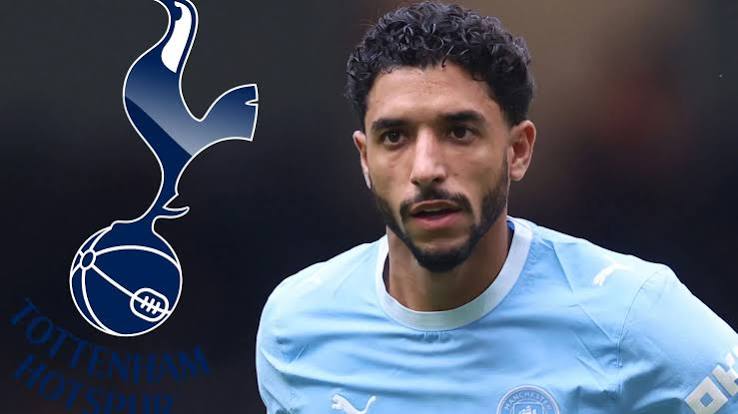
    🐓 SPURS STEP UP Osimhen PURSUIT. Tottenham have the green light to enter formal talks for Galatasaray's striker — and they believe personal terms won't be a problem. 💰 Galatasaray want £65M.

    The summer transfer window is always a high-stakes game of chess, but this year’s board is set with particularly intriguing pieces. Tottenham Hotspur, hungry for a marquee striker to lead Ange Postecoglou’s revolution, have set their sights on Napoli’s Victor Osimhen. Meanwhile, across the continent, Atlético Madrid are eyeing a shock move for Manchester City’s Jack Grealish, a player whose star has dimmed in the Premier League. These two potential deals encapsulate the shifting dynamics of European football: the pursuit of proven talent, the constraints of financial regulations, and the ever-present lure of the Saudi Pro League.

    For Spurs, the pursuit of Osimhen is more than just a transfer—it’s a statement of intent. After a fifth-place finish and Europa League qualification, the club needs a focal point to challenge the elite. For Atlético, Grealish represents a calculated risk—a chance to add creativity to a rigid system, but at a cost that could strain their wage structure. Both deals hang in the balance, shaped by release clauses, player ambitions, and the cold calculus of profit and sustainability rules.

    The Osimhen Equation: Spurs’ Search for a No. 9

    Tottenham’s interest in Victor Osimhen is rooted in a glaring need. Since Harry Kane’s departure, the club has lacked a world-class striker. Richarlison’s inconsistency and Dominic Solanke’s underwhelming debut season have left Postecoglou’s system—which demands a mobile, physical forward who can press and finish—without its ideal spearhead. Osimhen, at 25, fits the profile perfectly. His pace, power, and aerial ability have made him one of Europe’s most feared forwards, with 18 Serie A goals in 2024–25, a slight dip from his 26-goal campaign the prior season.

    Napoli, however, are not easy negotiators. President Aurelio De Laurentiis is a notorious hardball operator, and he has publicly insisted that Osimhen will not leave for less than his release clause, reported at €120–130 million. That clause, per some reports, is only active in January, meaning Napoli could demand even more in the summer—or negotiate a lower fee with add-ons. For Spurs, this is a familiar dilemma. Chairman Daniel Levy has a history of walking away from overpriced deals, as seen with Paulo Dybala and Bruno Fernandes. The club’s reluctance to pay premium fees in recent windows suggests they may pivot to cheaper alternatives like Jonathan David or Santiago Giménez if Napoli refuse to budge.

    Yet the pressure is on. With the new stadium generating record revenues, fans expect a statement signing. Osimhen would be the biggest since Kane’s departure, signaling that Spurs are ready to compete at the highest level. But the financial landscape complicates matters. Profit and Sustainability Rules (PSR) loom large, and Spurs must balance ambition with compliance. A €130 million outlay would be a club-record fee, and while the club’s commercial growth provides headroom, it’s a significant risk for a player with an injury history that includes multiple facial fractures and muscle issues.

    The Grealish Conundrum: Atlético’s Creative Gamble

    Jack Grealish’s situation at Manchester City is a study in contrasts. Signed for £100 million in 2021, he was a key figure in the treble-winning 2022–23 season. But since then, his form has dipped, and the emergence of Jérémy Doku and Phil Foden’s resurgence have pushed him down the pecking order. Pep Guardiola has publicly backed Grealish, insisting he wants him to stay, but the reality is that playing time has been reduced—a critical factor with the 2026 World Cup on the horizon. Grealish, at 29, needs regular football to secure his England spot, making a move increasingly plausible.

    Atletico Madrid’s interest is intriguing. Diego Simeone’s side finished third in La Liga and reached the Champions League quarter-finals, but they lack creativity on the left wing. Grealish’s dribbling, ball retention, and ability to draw fouls could add a new dimension to Atlético’s structured, disciplined approach. However, the financial hurdles are steep. Grealish earns around £300k per week, a wage that would shatter Atlético’s strict salary structure. A straight purchase is unlikely; a loan with an option to buy, or a player-plus-cash deal, is more realistic. Atlético’s record signing remains João Félix at €126 million, but the club is now in a cost-cutting phase, making a deal for Grealish a stretch.

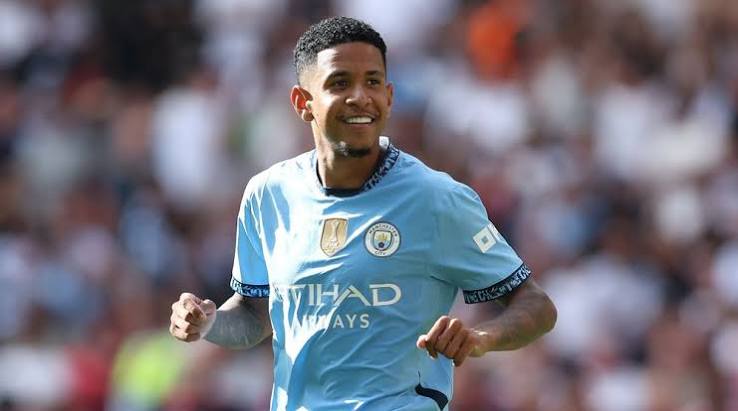
    Manchester City, for their part, are open to offers. They need to balance books after heavy spending on Haaland, Doku, and Savinho, and selling Grealish would represent pure profit for PSR purposes, as his amortized value is low. City would likely demand £60–70 million to recoup a significant portion of their outlay, a fee that might be beyond Atlético’s reach unless they offload players first. Newcastle United and a return to Aston Villa are also mooted, but Atlético’s interest adds a continental twist.

    The Saudi Wildcard and Other Complications

    Both Osimhen and Grealish have been linked with Saudi Pro League clubs, and a lucrative offer could derail European moves entirely. For Osimhen, a Saudi deal would be financially life-changing, but it would likely end his hopes of playing in the Champions League at his peak. For Grealish, a move to Saudi would be a step down competitively, but the money could be too good to refuse. The Saudi factor adds an unpredictable element to both negotiations, as clubs must compete with sovereign wealth funds that can blow past any wage structure.

    Another complication is the compressed timeline. The Club World Cup in June–July has shortened the window, forcing clubs to move quickly. This could benefit sellers, as buyers may panic and meet asking prices, or it could lead to more loan deals as clubs scramble to comply with PSR. For Spurs and Atlético, the pressure is on to secure their targets before rivals swoop in.

    The Bigger Picture: PSR, World Cup, and Ambition

    The 2026 World Cup is a year away, and players are motivated to secure regular football to guarantee national team spots. This is a driving factor for both Osimhen and Grealish. Osimhen, Nigeria’s talisman, needs to be in top form to lead his country in the tournament. Grealish, fighting for an England place, cannot afford to sit on City’s bench. This urgency could work in favor of buying clubs, as players may push for moves to ensure playing time.

    Financial regulations remain the elephant in the room. Premier League clubs are under intense scrutiny over PSR, and Spurs must be careful not to breach spending limits. Atlético, operating under La Liga’s strict financial controls, face similar constraints. Both clubs must navigate these rules while trying to strengthen their squads. The result is a transfer market where creativity is as important as cash—loan deals, player exchanges, and add-ons are becoming the norm.

    For Spurs, the Osimhen pursuit is a test of their ambition. Are they willing to break the bank for a proven striker, or will they settle for a cheaper option? For Atlético, the Grealish interest is a signal of intent, but the financial realities may force them to look elsewhere. Both deals are emblematic of the modern transfer market: high stakes, complex negotiations, and the constant threat of a Saudi wildcard.

    As the summer window unfolds, the fates of Osimhen and Grealish will be closely watched. Spurs and Atlético are at crossroads, each needing a statement signing to push them to the next level. Whether these deals materialize depends on a delicate balance of release clauses, wage demands, and financial regulations. One thing is certain: in the high-stakes game of transfer chess, every move matters, and the next few weeks will reveal who blinks first.

    Summary

    • Tottenham are pursuing Victor Osimhen as a marquee striker, but Napoli’s €120-130m release clause and Levy’s cautious history could lead to a pivot to cheaper alternatives.
    • Atlético Madrid have joined the race for Jack Grealish, but his £300k/week wages and City’s £60-70m fee demand make a loan or player-plus-cash deal more likely.
    • Both players face pressure from the 2026 World Cup, motivating them to secure regular football.
    • Saudi Pro League clubs remain a wildcard, potentially derailing European moves with lucrative offers.
    • PSR constraints and the compressed window due to the Club World Cup are shaping negotiations, favoring creative deals over straight cash purchases.

    FAQ

    Q: What is Victor Osimhen’s release clause?
    A: Osimhen’s release clause is reported at €120–130 million, but it may only be active in January, meaning Napoli could demand more in the summer or negotiate a lower fee with add-ons.

    Q: Why are Spurs interested in Osimhen?
    A: Spurs need a proven No. 9 to lead Ange Postecoglou’s system, which requires a mobile, physical striker. Richarlison and Solanke have been inconsistent, and Osimhen fits the profile perfectly.

    Q: Can Atlético Madrid afford Jack Grealish?
    A: A straight purchase is unlikely due to Grealish’s £300k/week wages and City’s £60-70m fee demand. A loan with an option to buy or a player-plus-cash deal is more realistic.

    Q: Is Grealish being forced out of Manchester City?
    A: No, Pep Guardiola has publicly backed Grealish, but his playing time has been reduced due to Doku’s emergence and Foden’s form. The decision to leave would be mutual, based on playing time.

    Q: How do the Saudi Pro League clubs factor into these deals?
    A: Both Osimhen and Grealish have been linked with Saudi clubs, and a lucrative offer could derail European moves. The Saudi factor adds unpredictability, as clubs must compete with sovereign wealth funds.

  • Cristian Romero’s Crossroads: Four Destinations That Could Define Tottenham’s Summer

    Inter Close In on Romero With €40m Spurs Agreement

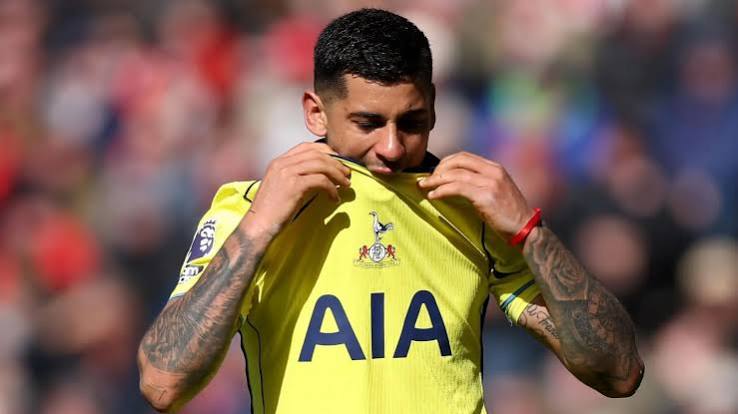
    Cristian Romero is at a tipping point. The 26-year-old Argentine World Cup winner has spent four seasons at Tottenham Hotspur, but the 2024–25 campaign has been a study in frustration: two red cards, recurring muscle injuries, and a team spiraling toward a finish outside European qualification. For a defender who built his reputation on aggressive, front-foot defending, the mismatch with Spurs’ current trajectory is glaring.

    Now, with his contract running until 2027 and Tottenham facing the financial reality of missing out on European revenue, a summer sale looks increasingly plausible. Romero is one of the club’s most saleable assets, and his public hints at wanting to compete for major trophies have not gone unnoticed. The question is not whether he leaves, but where he lands.

    Four European giants have emerged as the most credible suitors, each with a distinct pitch and set of obstacles. From Real Madrid’s galactic allure to Bayern Munich’s tactical fit, PSG’s project rebuild, and Chelsea’s Premier League rivalry, Romero’s next move will shape both his career and Tottenham’s rebuild.

    The Context: Why Romero’s Exit Makes Sense for All Parties

    Tottenham’s season has been a slow burn of disappointment. Ange Postecoglou’s high-line, possession-based system has left the defense exposed, and Romero—a defender who thrives on aggressive pressing—has often been caught in no-man’s land. His two red cards in 23 Premier League appearances are not just a disciplinary issue; they are a symptom of a tactical mismatch. When a player’s strengths become liabilities, both player and club suffer.

    Financially, Spurs are in a bind. Missing European football means a significant drop in revenue, and the club may need to sell to fund a rebuild. Romero, valued at €50–60 million but with an asking price potentially north of €70 million, is the obvious candidate. His contract through 2027 gives Tottenham leverage, but the player’s ambition is a counterweight. At 26, Romero is entering his prime and wants Champions League nights, not mid-table grind.

    Romero’s profile remains elite: a World Cup winner, Serie A Defender of the Year in 2020–21, and statistically among Europe’s top defenders in tackles, interceptions, and duels won per 90 minutes. The flaws—disciplinary lapses and injury history—are real but manageable for clubs with strong medical and coaching structures. The market is ripe for a defender of his caliber, and four clubs stand out.

    Real Madrid: The Dream Move with a Pragmatic Catch

    Real Madrid’s interest in Romero is the stuff of headlines, but it’s grounded in a genuine need. With Antonio Rüdiger turning 32 and David Alaba’s injury struggles, the club needs a long-term partner for Éder Militão. Romero’s aggressive, high-line style would fit Carlo Ancelotti’s setup, which often cedes possession and relies on quick, physical defenders to snuff out transitions.

    Yet Real Madrid’s transfer policy is a hurdle. They prefer younger signings (under 25) or free agents, and Romero’s disciplinary record—two red cards this season alone—may give the board pause. They are also monitoring other targets like William Saliba and Castello Lukeba, who fit the age profile better. The likelihood is medium: interest is real but not advanced, and Madrid may wait to see if Spurs lower their asking price.

    Bayern Munich: The Vincent Kompany Fit

    If there’s a manager who could unlock Romero’s full potential, it’s Vincent Kompany. The former Manchester City captain, now at Bayern, demands ball-playing, aggressive defenders who can defend high up the pitch—Romero’s exact profile. Bayern’s current center-back pairing of Dayot Upamecano and Min-jae Kim has been inconsistent, and the club is actively scouting for an upgrade.

    Bayern’s recent transfer strategy has favored younger, cheaper options, but Romero’s experience and World Cup pedigree could justify the premium. The Bundesliga’s physical environment might test his temperament, but Kompany’s man-management could channel that aggression productively. The likelihood is medium-high: Bayern have the financial muscle and a clear tactical need, making them the most credible suitor.

    Paris Saint-Germain: The Project Pitch

    PSG are in a rebuild, shifting toward a younger, French-core squad, but they still need experienced leadership at the back. Marquinhos is aging, and Milan Škriniar has flopped. Romero’s World Cup-winning pedigree and aggressive style fit Luis Enrique’s high-press system, which demands defenders who can step up and win duels.

    However, Ligue 1’s lower competitiveness may not appeal to Romero’s ambition. He wants to test himself against the best, and PSG’s domestic dominance doesn’t offer that. Their recent recruitment has also favored players under 25, which could make Romero an outlier. The likelihood is medium: PSG are interested, but Romero may not see them as his first choice.

    Chelsea: The Premier League Rival Angle

    Chelsea’s interest is the most intriguing from a narrative standpoint. A move across London would be a direct statement of intent, and Chelsea need a proven, experienced centre-back to anchor their young defense—Levi Colwill and Wesley Fofana are talented but raw. Romero’s aggression and leadership could be the missing piece.

    But Chelsea’s recent transfer chaos—overspending on long contracts—might make Tottenham reluctant to sell to a rival. The fee would need to be substantial, and Romero’s injury history is a risk for a club that has been burned by expensive signings. The likelihood is medium-low: interest exists, but the politics of a cross-London transfer could complicate things.

    The Verdict: Where Does Romero End Up?

    All four clubs offer something different. Real Madrid is the dream, Bayern the tactical fit, PSG the project, and Chelsea the rivalry. For Romero, the priority is Champions League football and a stable defensive structure. Bayern Munich seems the most logical destination—a club with a clear need, a manager who fits his style, and the financial resources to meet Tottenham’s asking price.

    Tottenham, meanwhile, must decide whether to cash in now or risk a depreciating asset. With Romero’s contract running to 2027, they hold the cards, but a player who wants out can be a distraction. The summer transfer window will be a test of Daniel Levy’s negotiating skills and Romero’s patience.

    Cristian Romero’s next move is more than a transfer—it’s a statement about his career trajectory and Tottenham’s rebuild. Whether he ends up at Bayern, Real Madrid, PSG, or Chelsea, the deal will reshape the defensive landscape of European football. For Spurs, the challenge is to maximize his value while planning for life without him. For Romero, the opportunity is to finally compete at the highest level. The summer window will tell us which club can turn ambition into reality.

    Summary

    • Cristian Romero is likely to leave Tottenham this summer due to a disappointing season, financial pressures, and his desire for Champions League football.
    • Real Madrid, Bayern Munich, PSG, and Chelsea are the four most credible suitors, each with unique pitches and obstacles.
    • Bayern Munich appears the most logical fit, given Vincent Kompany’s tactical demands and the club’s defensive needs.
    • Tottenham’s asking price is reportedly €70m+, and they hold leverage with Romero’s contract until 2027.
    • Romero’s disciplinary and injury issues are concerns, but his World Cup pedigree and aggressive style make him a coveted asset.

    FAQ

    Q: Why is Cristian Romero leaving Tottenham?
    A: Romero has expressed frustration with the club’s direction and wants to compete for major trophies. Tottenham’s likely failure to qualify for European football and financial pressures make a sale plausible.

    Q: What is Romero’s market value?
    A: Estimated at €50–60 million, but Tottenham’s asking price is reportedly higher, potentially €70 million or more.

    Q: Which club is the most likely destination?
    A: Bayern Munich appears the most likely, given their defensive needs and Vincent Kompany’s tactical fit. Real Madrid and PSG are also interested but have obstacles.

    Q: What are Romero’s main weaknesses?
    A: His disciplinary record (two red cards in 2024–25) and recurring injury issues are concerns, but his aggressive, ball-playing style is highly valued.

    Q: How long is Romero’s contract with Tottenham?
    A: His contract runs until June 2027, giving Tottenham significant negotiating leverage in any transfer.