Tag: public health

  • Philadelphia’s Dirty Air Isn’t Equal: How Industry and Highways Drive Asthma in Specific Neighborhoods


    Philadelphia’s air quality is failing. The five-county region recently received failing grades for ground-level ozone and fine particulate matter (PM2.5) from the American Lung Association’s annual ‘State of the Air’ report. But the problem isn’t spread evenly across the city. A new study has found that asthma rates soar in neighborhoods near industrial facilities and major roadways, and the burden falls hardest on communities already struggling with poverty and a lack of green space.

    This isn’t just about bad air—it’s about who breathes it. In some Philadelphia neighborhoods, childhood asthma rates are as high as 20–25%, compared to the national average of about 7%. The reasons trace back to decades of industrial zoning, highway construction, and redlining, which have left certain communities gasping for breath.

    The Pollution Hotspots

    The study zeroes in on a clear pattern: neighborhoods adjacent to active industrial corridors and major highways are where asthma rates spike. These are places like Nicetown-Tioga, Grays Ferry, Port Richmond, and Hunting Park—areas bisected by or bordering the region’s busiest roads and remaining industrial sites.

    PM2.5, a pollutant measured in the failing grades, is particularly insidious. These particles are 30 times thinner than a human hair, so they bypass the body’s natural defenses, penetrating deep into lung tissue and even entering the bloodstream. Ground-level ozone, or smog, acts as an irritant that inflames airways and triggers asthma attacks.

    The study found that proximity to pollution sources is a key factor. But it also highlighted another crucial element: the scarcity of green space. Neighborhoods with fewer trees and parks have less natural filtration, meaning the same level of emissions results in higher concentrations of harmful particles in the air residents breathe.

    A Legacy of Redlining and Zoning

    Why do the worst-polluted neighborhoods look the way they do? The answer lies in a history of discriminatory policy. Maps from the 1930s, created by the Home Owners’ Loan Corporation, literally graded neighborhoods by credit-worthiness, often marking Black and immigrant communities as ‘hazardous.’ This practice, known as redlining, had a lasting impact: these areas were subsequently zoned for industrial and mixed-use development.

    That’s how you get refineries and factories sitting right next to homes and schools. While Philadelphia’s manufacturing heyday is long gone, active facilities remain along the Delaware and Schuylkill rivers, and highways like I-95, I-76, and Roosevelt Boulevard cut through residential zones like concrete rivers of exhaust.

    The South Philadelphia Refinery, once the East Coast’s largest, operated until a catastrophic fire in 2019. Though now closed, residual contamination and ongoing logistics operations continue to affect nearby communities. The environmental legacy of such facilities is not easily erased.

    The Health Toll on Kids

    Asthma is a chronic disease that hits children hardest. Kids’ lungs are still developing, and they breathe more air per pound of body weight than adults, meaning they inhale more pollutants relative to their size. For families in affected neighborhoods, asthma isn’t an occasional nuisance—it’s a constant battle.

    Emergency department visits for asthma spike on high-ozone days and during heat waves, a link that is becoming more pronounced as climate change intensifies. Asthma also keeps kids out of school, leading to absenteeism rates that can derail education and add financial strain to families already dealing with medical bills and missed work.

    The new study’s finding of elevated asthma rates in these areas is not an isolated statistic. It’s a reflection of daily life for thousands of Philadelphians, many of whom are Black or Hispanic and have lower median incomes. The communities of Strawberry Mansion, Hunting Park, and Southwest Philadelphia are among the hardest hit, bearing a double burden of poverty and pollution.

    The Green Space Gap

    Walk through Chestnut Hill, and you’ll see tree-lined streets and leafy parks. Head to Nicetown, and the landscape is more concrete and bare. This disparity isn’t just aesthetic—it’s a health issue. Trees and vegetation act as natural air filters, trapping pollutants and reducing their concentration. The absence of green space in lower-income neighborhoods means that pollution hangs around longer and has a greater impact.

    Philadelphia’s park system is unevenly distributed, and the areas with the highest asthma rates often have the least access to green spaces. This gap compounds the problem: residents are exposed to more pollution and have fewer natural buffers to mitigate it.

    Environmental Racism in Action

    This pattern is a textbook example of environmental racism: the disproportionate siting of hazards in communities of color. While the intent behind today’s zoning decisions may not be discriminatory, the effect is. The cumulative result is that your zip code is a stronger predictor of your asthma risk than your genetic code.

    Advocacy groups like the Clean Air Council and PennEnvironment, along with community organizations in neighborhoods like Nicetown, are pushing for change. They argue that civil rights and environmental policy are intertwined, and that addressing air quality disparities requires confronting the legacy of redlining.

    What Can Be Done?

    The study’s findings point to several possible interventions. Reducing emissions at the source is critical: tightening regulations on industrial facilities and vehicle emissions, and investing in cleaner transportation options like electric buses and bike lanes. Increasing green space in underserved neighborhoods is another key step, providing both a buffer against pollution and a health benefit for residents.

    But these are long-term fixes. In the short term, the city can take steps like placing air quality monitors in the most affected communities to provide real-time data and better inform residents and policymakers. Schools in high-pollution zones could be equipped with air filtration systems, and healthcare providers could be trained to offer better asthma management support.

    The study makes one thing clear: the burden of Philadelphia’s poor air quality is not shared equally. The neighborhoods that have historically borne the weight of industry and highway construction are now paying a health price. Fixing this will require not just environmental policy, but a reckoning with the city’s spatial history, and a commitment to ensuring that every child—no matter their address—has the right to breathe clean air.

    Philadelphia’s failing air quality is a citywide crisis, but it’s not a citywide problem. It’s concentrated in neighborhoods where industry and highways have long neighbored homes, where green space is scarce, and where asthma rates are staggering. The new study adds to a clear body of evidence linking pollution exposure to health outcomes, and it underscores the urgency of addressing these disparities. Clean air is not a luxury—it’s a basic right. And in Philadelphia, that right is being denied to the people who need it most.

    Summary

    • The five-county Philadelphia region received failing grades for air quality due to ground-level ozone and fine particulate matter (PM2.5).
    • A new study links higher asthma rates to proximity to industrial facilities and major roadways, as well as a scarcity of green space.
    • Affected neighborhoods are predominantly Black and Hispanic/Latino communities with lower incomes, often matching historically redlined areas.
    • Childhood asthma rates in some parts of Philadelphia reach 20–25%, far exceeding the national average.
    • Addressing the issue requires both reducing emissions and increasing green space in underserved neighborhoods.

    FAQ

    Q: What are the main pollutants driving Philadelphia’s failing air quality grades?
    A: The American Lung Association’s ‘State of the Air’ report grades regions on ground-level ozone (smog) and fine particulate matter (PM2.5). PM2.5 particles are less than 2.5 micrometers in diameter—about 30 times thinner than a human hair—and can penetrate deep into the lungs, causing respiratory and cardiovascular problems.

    Q: How does the new study link pollution to asthma rates?
    A: The study found that neighborhoods located near industrial facilities and major roadways have significantly higher asthma prevalence. It also identified a correlation with green space: areas with fewer trees and parks had higher asthma rates, likely because vegetation helps filter pollutants from the air.

    Q: Why are certain neighborhoods more affected than others?
    A: The pattern is tied to historical redlining and zoning practices. In the 1930s, neighborhoods with large Black and immigrant populations were often marked as ‘hazardous’ for lending, and later zoned for industrial and mixed-use development. This led to polluting facilities and busy highways being placed adjacent to homes, particularly in lower-income communities of color.

    Q: What is the asthma rate in affected Philadelphia neighborhoods?
    A: In some neighborhoods, childhood asthma rates have been documented as high as 20–25%, compared to the national average of about 7% for children. This leads to higher rates of school absenteeism and emergency department visits.

    Q: What can be done to reduce the health impact in these areas?
    A: Solutions include reducing emissions from industrial sources and vehicles, increasing tree canopy and park access in underserved neighborhoods, and installing air filtration systems in schools. Community advocates also call for stricter zoning regulations and more air quality monitoring to protect residents.
  • The Great Stink of 1858: How a Putrid River Forced London to Build the Sewer System That Still Works Today


    In the summer of 1858, London was engulfed by a stench so vile that Parliament considered relocating. The River Thames, the city’s longtime dumping ground, had become a festering open sewer, and a blistering heatwave turned it into a biological weapon. The crisis—dubbed the Great Stink by the press—was more than an olfactory assault. It was a public health emergency that exposed the fatal flaw of Victorian urban growth: a city of nearly 3 million people had no working sewage system.

    What happened next was a political and engineering marvel. In just 18 days, Parliament authorized millions of pounds for a solution. Chief engineer Joseph Bazalgette then built a sewer network of over 1,000 miles that not only ended the stench but also eradicated cholera from central London. Remarkably, that same system still operates today, handling 2 billion liters of waste daily. The Great Stink is a case study in how a short, sharp crisis can break through political inertia and lead to lasting, transformative change.

    A City Drowning in Its Own Waste

    By the mid-19th century, London had become the largest city in the world, but its sanitation was stuck in the Middle Ages. For centuries, human waste, animal carcasses, and slaughterhouse offal had been dumped into cesspits, streets, and directly into the Thames. The invention of the flush toilet—patented in 1778 and popularized in the 1840s—made things worse. Water closets flushed waste into overflowing cesspits or into street drains designed only for rainwater, which then emptied into the river.

    London’s population had exploded from 1 million in 1800 to 2.8 million by 1858, but infrastructure had not kept pace. The Thames, which served as both the city’s water source and its sewer, was a tidal river. That meant sewage didn’t wash out to sea; it sloshed back and forth with the tides, accumulating for decades. By the 1850s, the river was effectively dead—fish had vanished, and the banks were caked with black, putrefying sludge.

    Meanwhile, cholera outbreaks in 1831, 1848, and 1853 had killed tens of thousands. Dr. John Snow had demonstrated in 1854 that cholera was waterborne, but most officials still believed in the miasma theory—that disease spread through bad air. The smell of the Thames was considered a direct threat to public health, not just an aesthetic nuisance.

    The Summer Everything Boiled Over

    The summer of 1858 was unusually hot and dry. With little rain to dilute the filth, the Thames dropped to a sluggish trickle. The heat accelerated bacterial decomposition, releasing hydrogen sulfide and other noxious gases. The result was an odor so overpowering that it permeated every corner of the city. Sufferers described it as a mix of rotten eggs and putrefying flesh.

    The epicenter of the crisis was the Houses of Parliament, which had been rebuilt just six years earlier on the banks of the Thames. MPs found the stench unbearable. They tried hanging curtains soaked in chloride of lime in the windows, a desperate measure that did little to help. The situation became so dire that Parliament seriously considered relocating to Oxford or St. Albans.

    Newspapers, led by The Times, coined the term “Great Stink” and fanned public alarm. The crisis reached its peak in June, and the political pressure became irresistible.

    Parliament Acts with Unprecedented Speed

    On August 2, 1858, Parliament passed emergency legislation—informally known as the Great Stink Act—authorizing the Metropolitan Board of Works (MBW) to borrow £3 million (roughly £300 million today) to build a comprehensive sewer system. The bill passed in just 18 days, a lightning-fast pace for a body that had previously debated sanitation for decades with little action.

    The MBW had been created just three years earlier, in 1855, with limited powers. The Great Stink gave it the mandate and money to act decisively. The man tasked with solving the problem was Joseph Bazalgette, the MBW’s chief engineer.

    Bazalgette was a civil engineer who had worked on railway and drainage projects. He had been advocating for a modern sewer system for years, and now he finally had the green light. His plan was audacious, far-sighted, and, as it turned out, nearly perfect.

    Bazalgette’s Master Plan

    Bazalgette’s design was elegantly simple in concept but massive in scale. He proposed building a network of 1,100 miles of brick-lined sewers (1,770 km) that would feed into 82 miles (132 km) of intercepting sewers running parallel to the Thames. These interceptors would catch the sewage before it reached the river and divert it downstream, east of the city, where it could be discharged safely.

    The system required enormous engineering feats. At Crossness on the south bank and Abbey Mills on the north, Bazalgette built massive steam-powered pumping stations that lifted the sewage from the low-lying sewers into the interceptors. The project also created the Victoria, Albert, and Chelsea Embankments—reclaiming land from the river and constructing new roads that still exist today.

    Construction began in 1859 and was largely completed by 1865. The materials were staggering: 318 million bricks, 880,000 cubic yards of concrete, and 670,000 cubic yards of excavation. The final cost exceeded £4.6 million—more than £500 million in today’s money.

    Designing for the Future

    Perhaps Bazalgette’s most remarkable decision was to plan for a future he could not possibly predict. London’s population at the time was about 2.8 million. Bazalgette designed the sewers to handle a population of 4.2 million—and when critics questioned the excess capacity, he reportedly replied, “We’re bound to be wrong. We’re only doing this once, and there’s always a chance.”

    That single decision has paid dividends for over 160 years. Today, London’s population has surpassed 9 million, and the sewer system Bazalgette built still handles about 2 billion liters of sewage daily. It has been upgraded and augmented, but the core network remains in service—a testament to his foresight.

    The public health impact was immediate and profound. Cholera outbreaks in central London ceased after the system was completed. The Great Stink had forced a solution that not only eliminated the smell but also ended the cycle of waterborne disease that had plagued the city for generations.

    The Legacy of the Great Stink

    The Great Stink of 1858 is often overshadowed by other Victorian achievements, but it was a turning point in urban history. It demonstrated that a short, sharp crisis—one that directly inconvenienced the powerful—could break through political gridlock. In just 18 days, Parliament authorized a project that would take decades to complete and cost millions, because the alternative was unthinkable.

    It also marked a shift in how cities viewed infrastructure. Before 1858, sanitation was a private matter. After it, governments accepted responsibility for providing clean water and safe waste disposal. The Great Stink helped pave the way for modern public health policy, urban planning, and environmental regulation.

    Today, as cities around the world face their own infrastructure crises—from aging water systems to climate change—the Great Stink offers a powerful lesson. Sometimes it takes a crisis to force the long-term investments we should have made decades ago. The trick is to build not for the present, but for the future we can only guess at.

    The Great Stink was a revolting, deadly, and transformative event. It forced Victorian London to confront the consequences of unchecked urbanization and to build a solution that would serve millions of people for generations. Joseph Bazalgette’s sewers remain one of the greatest engineering achievements in history—not just because they worked, but because they were built to last. The crisis of 1858 reminds us that when the stench of neglect becomes unbearable, even the most stubborn governments can be moved to act.

    Summary

    • In the summer of 1858, a heatwave turned London’s River Thames into an open sewer, producing a stench so bad it disrupted Parliament.
    • Parliament passed the Great Stink Act in just 18 days, authorizing £3 million for a modern sewer system.
    • Joseph Bazalgette designed and built 1,100 miles of sewers, diverting waste downstream and ending cholera outbreaks in central London.
    • The project used 318 million bricks and cost over £4.6 million; Bazalgette deliberately over-engineered for future population growth.
    • London’s sewer system still operates today, handling 2 billion liters of sewage daily, a testament to Bazalgette’s foresight.

    FAQ

    Q: What caused the Great Stink of 1858?
    A: The Great Stink was caused by centuries of human and industrial waste being dumped into the River Thames, which served as London’s open sewer. An unusually hot, dry summer accelerated bacterial decomposition, releasing hydrogen sulfide and other noxious gases that created an overwhelming stench.

    Q: How did the Great Stink lead to the sewer system?
    A: The stench was so unbearable that Parliament, located beside the Thames, was forced to act. In August 1858, it passed emergency legislation authorizing the Metropolitan Board of Works to borrow £3 million to build a comprehensive sewer system, which was designed by Joseph Bazalgette.

    Q: How did Joseph Bazalgette’s sewer system work?
    A: Bazalgette built a network of 1,100 miles of sewers that fed into 82 miles of intercepting sewers running parallel to the Thames. These interceptors diverted sewage downstream, away from central London, and used steam-powered pumping stations to lift the waste for discharge.

    Q: Is Bazalgette’s sewer system still in use?
    A: Yes. The system still operates today, handling about 2 billion liters of sewage daily. Bazalgette intentionally over-sized the sewers to accommodate future population growth, which is why they remain functional more than 160 years later.

    Q: Did the Great Stink end cholera in London?
    A: Yes, cholera outbreaks in central London stopped after the sewer system was completed. The new system removed sewage from the Thames, which was the source of drinking water, thereby eliminating the waterborne transmission of cholera.

  • The Cook Who Changed Public Health: Mary Mallon’s Cautionary Tale

    The Cook Who Changed Public Health: Mary Mallon’s Cautionary Tale

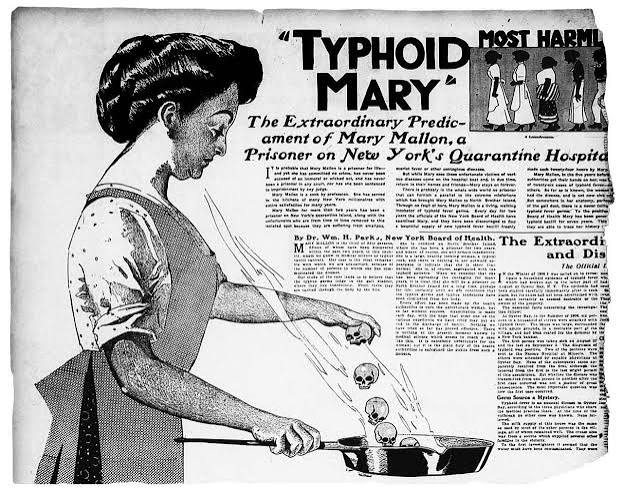
    In the summer of 1906, a mysterious typhoid outbreak struck a rented mansion in Oyster Bay, New York. Six of the eleven people in the house fell ill with high fevers and debilitating symptoms. The owner, desperate to find the source, hired a sanitation engineer named George Soper. His investigation would uncover a medical mystery that challenged everything scientists thought about infectious disease and it centered on a seemingly healthy Irish cook named Mary Mallon.

    Mallon’s story is not just a historical footnote; it’s a pivotal moment that shaped modern public health. Her case forced scientists to recognize that carriers of disease could be asymptomatic, transforming how we track and control outbreaks. But her story also raises profound ethical questions about individual rights versus public safety questions we still grapple with today during pandemics and vaccine mandates.

    A Disease That Followed a Cook

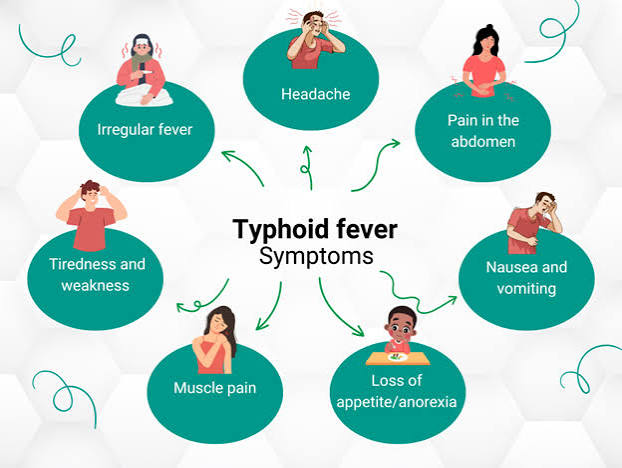
    Typhoid fever in the early 1900s was a terrifying scourge. In 1906, the United States reported around 25,000 to 35,000 cases annually, with a mortality rate of about 10%. The disease, caused by the bacterium Salmonella typhi, spreads through contaminated food and water. Once ingested, the bacteria invade the intestines, causing sustained fever, weakness, abdominal pain, and sometimes death. Without antibiotics, treatment was largely supportive—bed rest, fluids, and hope.

    George Soper, a sanitary engineer, was a pioneer in the new field of epidemiology. When he investigated the Oyster Bay outbreak, he noticed a pattern: the only person who had left the household before the outbreak was the cook, Mary Mallon. Soper traced Mallon’s employment history and found a trail of typhoid cases. Between 1900 and 1907, she had worked for eight families, and 22 cases of typhoid were linked to her, including one death. The evidence pointed to Mallon as a carrier, but she appeared perfectly healthy.

    Soper needed proof. In March 1907, he visited Mallon to request stool samples for testing. His approach was, by all accounts, aggressive and lacking in tact. He later admitted, “I had a rather bad half hour with her.” Mallon, who felt fine and had never been sick, was understandably confused and angry. She refused to believe she could spread a disease without being ill herself. When she refused to cooperate, Soper left, but he returned with police and health officials. Mallon was forcibly apprehended and taken to Riverside Hospital on North Brother Island, a quarantine facility in the East River.

    The Birth of the Carrier Concept

    At the hospital, laboratory tests confirmed Soper’s suspicion: Mallon’s stool samples tested positive for Salmonella typhi. This was a groundbreaking discovery. Before Mallon, scientists believed that only sick individuals could transmit typhoid. The idea that a healthy person could carry and spread the bacteria was revolutionary. Mallon was among the first documented cases of an asymptomatic carrier in the United States.

    The medical explanation is both fascinating and a bit unsettling. In some people infected with typhoid, the bacteria take up residence in the gallbladder, where they can survive for years without causing symptoms. These carriers shed the bacteria in their feces, which can contaminate food if they don’t practice rigorous hand hygiene. For a cook like Mallon, who prepared meals for others, the risk was significant.

    Mallon’s case proved that carriers were a real threat, but it also created a public health dilemma. How do you protect the public from someone who doesn’t look or feel sick? In the early 1900s, quarantine laws were designed for visibly ill patients, not healthy carriers. There was no legal precedent for indefinitely detaining someone who showed no symptoms. Yet, the health department, fearing further outbreaks, decided to keep Mallon isolated.

    A Life Interrupted

    Mallon spent three years on North Brother Island from 1907 to 1910. She lived in a small cottage, away from other patients, and was subjected to repeated medical tests. She never accepted her diagnosis, believing that she was being persecuted because of her Irish immigrant background. In 1909, she sued the New York City Health Department for wrongful imprisonment. The case drew significant media attention, and Mallon became a public figure—not sympathetically, but as a menace. Newspapers dubbed her “Typhoid Mary,” a label that stuck and demonized her.

    In 1910, a new health commissioner offered Mallon her freedom on one condition: she must never work as a cook again. Mallon agreed, but she struggled to find other employment. Her only skill was cooking, and she was illiterate, making it hard to secure other work. For a time, she took a job as a laundress, but the pay was poor. Eventually, she returned to cooking under the alias “Mrs. Brown,” a decision that would seal her fate.

    In 1915, an outbreak of typhoid struck Sloane Maternity Hospital in Manhattan. Twenty-five people fell ill, and two died. Health officials traced the source to a cook known as “Mrs. Brown.” It was Mary Mallon. She had been working there for several months, unaware that she was still contagious. The second outbreak destroyed any remaining public sympathy. Mallon was arrested again and confined permanently to North Brother Island.

    The Ethics of Isolation

    Mallon’s story is a cautionary tale about the tension between individual rights and public health. On one hand, her isolation protected countless people from a deadly disease. On the other hand, she was detained without due process, based on the fear of what she might do, not what she had done. She never received a trial; the health department simply kept her confined.

    Soper’s role is also troubling. He was a scientist, not a physician, and his approach was heavy-handed. He didn’t explain the science to Mallon in a way she could understand, and he didn’t offer alternatives like regular testing or education. Instead, he treated her as a problem to be solved, not a person to be helped.

    Mallon’s case also highlights the social prejudices of the time. Irish immigrants in New York faced rampant discrimination. They were often stereotyped as unclean and disease-prone. Mallon’s refusal to cooperate was seen as evidence of her ignorance and stubbornness, rather than a reasonable response to an unbelievable accusation.

    Legacy and Lessons

    Despite the ethical failures, Mallon’s case changed public health for the better. It led to the development of carrier surveillance programs, where health departments tracked individuals known to carry infectious diseases. It also prompted regulations for food handlers, requiring testing and vaccination in some cases. Today, we have a robust system for monitoring and managing carriers of diseases like typhoid, hepatitis A, and even COVID-19.

    The term “Typhoid Mary” has entered the lexicon as a metaphor for someone who spreads disease or misfortune. But it’s a loaded term that obscures Mallon’s humanity. She was a victim of circumstance, trapped by a medical condition she couldn’t control and a system that had no good answers.

    Mary Mallon died on November 11, 1938, at Riverside Hospital, after spending nearly 26 years in isolation. An autopsy revealed live typhoid bacteria still in her gallbladder—a poignant reminder that she was never cured, only contained. Her story remains a powerful case study in public health ethics, a reminder that protecting the community must not come at the cost of basic human dignity.

    Mary Mallon’s life is a complex legacy. She was both a vector of disease and a victim of a nascent public health system. Her case accelerated scientific understanding of asymptomatic carriers, leading to better surveillance and prevention strategies. But it also serves as a warning about the dangers of stigmatization and the importance of treating individuals with respect, even when they pose a risk to others. As we continue to face new infectious threats, Mallon’s story reminds us that public health measures must balance the needs of the many with the rights of the few.

    Summary

    • Mary Mallon, an Irish immigrant cook in early 1900s New York, was the first documented asymptomatic carrier of typhoid fever in the U.S.
    • Her employment history traced 22 cases of typhoid to her, and she was linked to a total of about 50 cases and 3 deaths over her lifetime.
    • George Soper’s investigation in 1906 proved that healthy carriers could spread disease, a revolutionary concept at the time.
    • Mallon was forcibly quarantined twice, spending nearly 26 years in isolation on North Brother Island, despite never showing symptoms herself.
    • Her case led to carrier surveillance programs and food-handler regulations, but also raised ethical questions about civil liberties vs. public safety.

    FAQ

    Q: Who was Mary Mallon?
    A: Mary Mallon, also known as “Typhoid Mary,” was an Irish immigrant cook in New York City who was the first documented healthy carrier of typhoid fever in the United States. She unknowingly spread the disease to dozens of people while showing no symptoms herself.

    Q: What is an asymptomatic carrier?
    A: An asymptomatic carrier is a person who is infected with a pathogen but does not exhibit any symptoms. They can still transmit the disease to others. Mary Mallon carried Salmonella typhi in her gallbladder and shed it in her feces, contaminating food she prepared.

    Q: Why was Mary Mallon quarantined?
    A: Mary Mallon was quarantined because she was a carrier of typhoid fever and worked as a cook, putting others at risk. Public health officials believed that isolating her was necessary to prevent further outbreaks, even though she was healthy herself.

    Q: How long was Mary Mallon isolated?
    A: Mary Mallon was isolated for a total of about 26 years. She was first quarantined from 1907 to 1910, then released on the condition she stop cooking. After causing another outbreak in 1915, she was re-quarantined and remained on North Brother Island until her death in 1938.

    Q: Did Mary Mallon ever accept that she was a carrier?
    A: No, Mary Mallon never fully accepted that she was a carrier. She believed she was being unfairly targeted, possibly due to her immigrant status. Even after laboratory tests confirmed she carried the bacteria, she remained skeptical and resentful of her treatment.

  • The Vanishing Public Restroom: How Cities Lost a Basic Amenity and What It Means for You

    The Vanishing Public Restroom: How Cities Lost a Basic Amenity and What It Means for You

    In the 1930s, New York City had roughly 800 public toilets. Today, with a population that has more than doubled, the city operates fewer than 1,200, many of which are in parks and not open 24/7. That’s a dramatic reduction in per-capita access, and it’s not just New York. Across the United States, public restrooms have been disappearing for decades, and the consequences are more serious than mere inconvenience.

    A Short History of Public Restrooms

    Public restrooms were once a point of civic pride. In the late 19th and early 20th centuries, cities built grand, ornate public bathhouses and restrooms as part of the ‘City Beautiful’ movement. These were seen as essential amenities for a modern city, promoting public health and sanitation. But the rise of the automobile changed everything. As car ownership soared in the mid-20th century, cities deprioritized pedestrian infrastructure, assuming people would drive to their destinations and use restrooms at home, work, or commercial establishments.

    By the 1970s and 1980s, the tide had turned against public restrooms. Concerns about crime, drug use, and vandalism led cities to actively remove them. The ‘broken windows’ policing philosophy treated public restrooms as magnets for illicit activity. New York City’s ‘Pay Toilet’ program in the 1970s was a failed attempt to privatize and monetize public restrooms, and it only accelerated their decline.

    The Rise of the Retail Restroom

    As public restrooms disappeared, businesses—especially fast-food chains and coffee shops—became de facto public restrooms. But this created a ‘bathroom apartheid’ where access depends on being a paying customer or appearing ‘respectable’ enough to be allowed in. If you’re not buying anything, or if you look homeless or ‘suspicious,’ you might be denied access. This shifts the burden from government to the private sector, and it’s not a reliable solution.

    The Cost Barrier

    Why don’t cities just build more public restrooms? The cost is a major barrier. A single self-cleaning public toilet, like the Portland Loo or the San Francisco ‘auto-toilet,’ costs between $100,000 and $250,000 to install, plus ongoing maintenance costs of $50,000–$100,000+ per year. For cash-strapped municipalities, this is a tough sell, especially when budgets are already stretched thin.

    The Bathroom Bill Era

    Since 2016, numerous state and local laws have restricted transgender individuals’ access to bathrooms matching their gender identity. This has created legal and social friction around public restroom access. In some cases, businesses have removed or restricted public access to restrooms to avoid liability, further reducing the available stock.

    COVID-19 Made It Worse

    The pandemic accelerated closures. Many public buildings, libraries, and businesses closed their restrooms during COVID-19 and never reopened them to the public, permanently reducing the available stock. This has been especially hard on people who rely on public restrooms, such as the homeless, delivery workers, and those with medical conditions.

    The Technology Angle

    Technology is not the primary cause of the decline, but it is reshaping the landscape. Smartphones and apps like Google Maps, Flush, and SitOrSquat have created ‘crowdsourced’ bathroom finders that rely on private businesses rather than public infrastructure. These apps are a symptom of the problem, not a solution—they depend on the goodwill of businesses and do not guarantee access.

    Smart city initiatives have proposed sensor-equipped restrooms that monitor usage, cleanliness, and supply levels, but adoption has been slow due to cost and privacy concerns. The ‘internet of things’ (IoT) and data-driven urban planning could help cities identify gaps in restroom coverage, but few cities have invested in this kind of infrastructure mapping.

    Why It Matters

    The lack of public restrooms is a public health issue. It contributes to urinary tract infections, dehydration (people avoid drinking water to avoid needing a bathroom), and the spread of disease. It disproportionately affects people with medical conditions like Crohn’s disease, pregnancy, and diabetes, as well as the elderly. For unhoused individuals, the lack of public restrooms forces them to use unsanitary alternatives or to rely on the kindness of strangers.

    The United Nations recognizes sanitation as a human right, and advocates argue that public restrooms are a basic dignity issue. When a city fails to provide public restrooms, it sends a message about who belongs and who doesn’t. It’s a form of social exclusion that affects the most vulnerable.

    What Can Be Done

    Some cities are experimenting with solutions. Portland’s Loo is a low-cost, easy-to-maintain public toilet that has been successful in reducing vandalism. San Francisco has installed automated self-cleaning toilets, though they’ve faced maintenance issues. Some cities are partnering with businesses to open their restrooms to the public through ‘bathroom access’ programs, but these are voluntary and not always reliable.

    Data-driven urban planning could help cities identify gaps in restroom coverage and target investments where they’re needed most. But without political will and funding, these solutions will remain piecemeal. The problem is solvable, but it requires treating public restrooms as essential infrastructure, not an afterthought.

    The decline of public restrooms is a story of urban neglect, policy failures, and shifting social norms. It’s a problem that affects everyone, but especially the most vulnerable. As cities grow and public spaces become more contested, the need for public restrooms will only become more acute. It’s time to bring back the public restroom as a basic civic amenity—not just for convenience, but for dignity and public health.

    Summary

    • Public restrooms have declined dramatically in the US, from New York City’s 800 public toilets in the 1930s to fewer than 1,200 today for a much larger population.
    • The decline is due to a combination of factors: the rise of the automobile, ‘broken windows’ policing, the cost of maintenance, and the COVID-19 pandemic.
    • The burden has shifted to private businesses, creating a ‘bathroom apartheid’ where access depends on being a paying customer.
    • Technology offers workarounds like crowdsourced bathroom finder apps, but these are not a substitute for public infrastructure.
    • The lack of public restrooms is a public health issue and a human rights concern, disproportionately affecting marginalized communities.

    FAQ

    Q: Why have public restrooms disappeared?
    A: The decline is due to a combination of factors: the rise of the automobile, which made cities less pedestrian-friendly; ‘broken windows’ policing, which treated public restrooms as crime magnets; the high cost of installation and maintenance; and the COVID-19 pandemic, which closed many restrooms permanently.

    Q: Are there any successful models for public restrooms?
    A: Yes, the Portland Loo is a low-cost, vandalism-resistant public toilet that has been successful. San Francisco has also installed automated self-cleaning toilets, though they’ve had maintenance issues. Some cities are partnering with businesses to open their restrooms to the public.

    Q: How does technology play a role?
    A: Apps like Flush and SitOrSquat crowdsource bathroom locations, but they rely on private businesses. Smart city initiatives propose sensor-equipped restrooms, but adoption is slow. Technology can help map gaps, but it’s not a substitute for public investment.

    Q: Who is most affected by the lack of public restrooms?
    A: The homeless, people with medical conditions like Crohn’s disease or diabetes, the elderly, and pregnant women are disproportionately affected. It’s also a public health issue, as it can lead to dehydration and urinary tract infections.

    Q: What can be done to solve this problem?
    A: Cities need to treat public restrooms as essential infrastructure, invest in them, and use data to identify gaps. Public-private partnerships and innovative designs like the Portland Loo can help reduce costs. Ultimately, it requires political will and funding.

  • The Forgotten Plague: How Typhoid Fever Shaped Modern Public Health

    The Forgotten Plague: How Typhoid Fever Shaped Modern Public Health

    In the 19th century, typhoid fever was a leading killer in crowded cities, striking down rich and poor alike with relentless fever and intestinal agony. Today, most people in developed countries have never seen a case, and the disease has faded from public memory. Yet typhoid is far from extinct: it still causes millions of infections each year in parts of Asia and Africa, and drug-resistant strains are spreading. More importantly, the fight against typhoid gave us the blueprint for modern public health from water chlorination to carrier tracing. Understanding this forgotten plague reveals how much of our daily safety rests on invisible infrastructure built to defeat it.

    A Fever That Changed the World

    Typhoid fever is caused by the bacterium Salmonella typhi, which spreads through contaminated food and water. In the 1800s, as cities industrialized, overcrowded tenements and poor sanitation created perfect conditions for outbreaks. The disease struck with a sustained high fever, often reaching 103-104°F, accompanied by headache, abdominal pain, and sometimes a rash of rose-colored spots. Before antibiotics, 10–30% of untreated cases were fatal. It was a scourge of urban life, killing thousands each year in cities like London, New York, and Philadelphia.

    Distinguishing Typhoid from Typhus

    A major breakthrough came in 1829 when Parisian physician Pierre-Charles-Alexandre Louis distinguished typhoid from typhus, a similar but distinct disease spread by lice. The names themselves hint at the confusion: ‘typhoid’ means ‘typhus-like.’ This clinical distinction was critical for accurate diagnosis and later for tracking outbreaks. In 1880, Karl Joseph Eberth identified the typhoid bacillus under a microscope, and in 1884, Georg Gaffky grew it in pure culture, proving it was the culprit.

    The Sanitary Awakening

    The mid-19th century saw a growing realization that filth and disease were linked. Edwin Chadwick’s 1842 report on sanitation in Britain sparked a movement to improve living conditions. John Snow’s investigation of cholera in 1854 demonstrated that water could carry disease, a principle soon applied to typhoid. The old miasma theory that disease came from ‘bad air’ gave way to germ theory as scientists like Pasteur and Koch established that microorganisms cause infections.

    Engineering Solutions

    Once the waterborne transmission was understood, cities began investing in infrastructure to protect their water supplies. Slow sand filtration plants, first used in London in 1852, removed pathogens and dramatically reduced typhoid rates. The next breakthrough came in 1908 when Jersey City, New Jersey, became the first U.S. city to continuously chlorinate its water supply. The result was staggering: within a decade, typhoid mortality in the U.S. fell by about 80%. Separate sewer systems and wastewater treatment removed sewage from the environment, and milk pasteurization mandated in many cities by the 1920s cut off another transmission route.

    The Birth of Field Epidemiology

    Typhoid forced the development of field epidemiology: the practice of tracing cases back to their sources. Investigators would interview patients, map outbreaks, and test water and food samples to identify the point of contamination. This approach proved essential when the first chronic carriers were discovered. About 1–5% of infected individuals continue to shed the bacteria for years, even without symptoms. The most famous was Mary Mallon, a cook in New York, who infected at least 47 people between 1900 and 1907. Dubbed ‘Typhoid Mary,’ she was forcibly quarantined twice, sparking debates about individual rights versus public health that still resonate today.

    Military Lessons

    Typhoid was a major military threat. During the Spanish-American War in 1898, more soldiers died from typhoid than from combat—about 1,600 deaths out of 20,000 cases. This disaster prompted the U.S. Army to mandate typhoid vaccination in 1911, using a vaccine developed by Almroth Wright. By World War I, improved sanitation and vaccination had reduced typhoid deaths among U.S. troops to near zero. Military medicine thus became a proving ground for public health measures.

    The Antibiotic Era and Its Limits

    In 1948, chloramphenicol became the first effective antibiotic against typhoid, reducing mortality to under 1%. For decades, antibiotics controlled the disease in countries with access to them. However, overuse and misuse have led to the emergence of drug-resistant strains. In 2016–2018, an extensively drug-resistant (XDR) outbreak in Pakistan resisted nearly all antibiotics, including chloramphenicol, ampicillin, and fluoroquinolones. This serves as a stark reminder that typhoid is not a disease of the past—it remains a serious threat where sanitation is poor and antibiotics are unreliable.

    The Modern Burden

    Today, typhoid still causes an estimated 11–21 million infections and 128,000–161,000 deaths each year, mostly in South Asia, sub-Saharan Africa, and Southeast Asia. The disease is a marker of inadequate water and sanitation infrastructure. Efforts to combat it include vaccination with modern vaccines like Vi-polysaccharide and Ty21a, and newer conjugate vaccines that can be given to infants as young as six months. But the ultimate solution remains the same as it was a century ago: clean water and proper sanitation.

    Why It Matters Now

    Typhoid’s legacy is everywhere. The water treatment plants, sewage systems, and food safety regulations that we take for granted were built in response to typhoid and other waterborne diseases. The practice of tracking and controlling carriers started with typhoid. The importance of vaccination campaigns was proven on the battlefield. As we face new infectious disease threats, we continue to rely on these same principles. Understanding how typhoid shaped public health helps us appreciate the fragile systems that keep us safe and the need to extend them to all parts of the world.

    Typhoid fever may be a forgotten plague in many countries, but its impact endures. The battle against it taught humanity how to build cities that do not sicken their inhabitants, how to trace and contain outbreaks, and how to protect populations through vaccination. As antibiotic resistance grows and the disease persists in the developing world, the lessons of typhoid remain as relevant as ever. The next time you turn on a tap, remember that the clean water flowing out is a triumph of public health—won through the struggle against a deadly fever.

    Summary

    • Typhoid fever, caused by Salmonella typhi, was a major killer in 19th-century cities due to poor sanitation.
    • The distinction from typhus and the germ theory paved the way for understanding waterborne transmission.
    • Sanitary engineering—filtration, chlorination, sewage systems, and pasteurization—dramatically reduced typhoid in developed countries.
    • The ‘Typhoid Mary’ case led to the concept of chronic carriers and the practice of field epidemiology.
    • Antibiotics reduced mortality, but drug-resistant strains, like the XDR outbreak in Pakistan, pose a modern threat, highlighting the need for continued vigilance and global sanitation efforts.

    FAQ

    Q: What is the difference between typhoid and typhus?
    A: Typhoid is caused by the bacterium Salmonella typhi and spreads through contaminated food and water. Typhus is caused by Rickettsia prowazekii and is transmitted by lice. They have similar symptoms—fever, headache, and rash—but are different diseases.

    Q: How is typhoid fever transmitted?
    A: It spreads via the fecal-oral route, meaning through ingestion of food or water contaminated with the feces of an infected person. It can also spread through direct contact with an infected person’s stool or urine.

    Q: What is a ‘chronic carrier’ of typhoid?
    A: A chronic carrier is a person who continues to shed the bacteria in their stool or urine for more than a year, even after recovering from symptoms. About 1–5% of infected individuals become chronic carriers, and they can unknowingly spread the disease.

    Q: Why is chlorination of water so important?
    A: Chlorination kills bacteria and other pathogens in water, making it safe to drink. The first continuous chlorination of a U.S. city water supply in Jersey City in 1908 led to a dramatic drop in typhoid cases, and it remains a crucial public health measure worldwide.

    Q: Is typhoid fever still a problem today?
    A: Yes, typhoid affects an estimated 11–21 million people annually, causing over 100,000 deaths, mostly in South Asia and sub-Saharan Africa. The emergence of drug-resistant strains, such as the XDR outbreak in Pakistan, underscores the ongoing threat.

  • Australia’s Wildlife Faces an Unprecedented Bird Flu Threat: What You Need to Know

    Australia’s Wildlife Faces an Unprecedented Bird Flu Threat: What You Need to Know


    For decades, Australia’s geographic isolation shielded it from the devastating bird flu outbreaks that have ravaged wildlife across the globe. But that protection has now eroded. In late 2024, the country confirmed its first sustained transmission of highly pathogenic avian influenza (HPAI) in wild birds—a wake-up call that the warning signs are over.

    While the current strain, H7N8, is not the infamous H5N1 that has killed millions of birds worldwide, its arrival in Australian wildlife signals a new era of vulnerability. Experts warn that H5N1’s eventual arrival is ‘inevitable,’ and the nation’s unique and endemic species could face catastrophic losses. This article unpacks the current outbreak, the looming threat, and what it means for Australia’s environment, economy, and public health.

    The Current Outbreak: H7N8 in Australia

    In mid-2024, Australian authorities detected highly pathogenic avian influenza (HPAI) H7N8 in poultry farms across Victoria, New South Wales, and the Australian Capital Territory. The virus, which likely originated from low-pathogenic strains carried by wild waterfowl, mutated into a deadly form once it entered high-density poultry operations. By late 2024, the virus had spilled back into wild birds, with confirmed deaths in waterfowl and raptors—a worrying development that marks a shift from poultry-only outbreaks to sustained wildlife transmission.

    Over 1.5 million birds have been culled in Victoria alone, causing significant economic losses and egg shortages. But the wildlife impact, while smaller in scale than the global H5N1 crisis, is a red flag. Wild birds, especially those with no prior immunity, are highly susceptible to HPAI, and the virus can spread rapidly through wetlands and along migratory routes.

    Why Australia Was Historically Protected

    Australia’s unique position—geographically isolated and with migratory bird flyways that don’t directly connect to Asia’s major routes—has long shielded it from the worst avian influenza outbreaks. Previous H7 outbreaks (1976, 1985, 1992, 1994, 1997, 2012, 2020) were all contained to poultry and quickly eradicated. The current H7N8 outbreak, however, has broken that pattern by establishing a foothold in wildlife.

    The Looming H5N1 Threat

    While H7N8 is concerning, the bigger fear is H5N1 clade 2.3.4.4b, which has caused the worst avian influenza outbreak in recorded history. Since 2021, this strain has killed hundreds of millions of birds and tens of thousands of mammals worldwide, including seals, sea lions, and even dairy cattle. It has reached Antarctica via migratory birds and is now on Australia’s doorstep. The primary pathway is through migratory shorebirds from Siberia and Alaska that visit Australia’s northern coasts each summer.

    Experts consider H5N1’s arrival in Australia ‘inevitable.’ When it comes, the impact on wildlife could be devastating. Australia’s endemic and threatened species—such as the orange-bellied parrot, swift parrot, and black-faced cormorant—have no prior exposure to HPAI and could suffer catastrophic losses. Offshore islands like Macquarie Island and Lord Howe Island, which host globally significant seabird colonies, are particularly vulnerable.

    The Ripple Effects: Agriculture, Economy, and Public Health

    Agriculture and Economy

    Australia produces around 650 million chickens annually, and the poultry industry is a major economic driver. The 2024 outbreak led to export bans, culling costs in the hundreds of millions, and national egg shortages. Free-range producers face higher risks, sparking debate over whether mandatory indoor housing should be introduced during migration seasons. The supply chain fragility exposed by the outbreak has prompted calls for more resilient farming practices.

    Public Health

    The current risk to humans from H7N8 is low—there’s no evidence of human-to-human transmission. However, H5N1 has infected humans globally, mostly poultry workers, with a case fatality rate of around 50%. Australia has a national stockpile of H5N1 vaccines and antiviral drugs, but distribution logistics and prioritization remain untested. Surveillance gaps, particularly in wastewater and wildlife testing, could delay early detection of a human case.

    Government Response and Criticisms

    Australia’s current strategy is ‘detect, cull, and contain,’ focused primarily on poultry farms. Wildlife surveillance is reactive rather than proactive, meaning outbreaks in wild birds are often detected only after significant mortality. Critics argue that this approach is insufficient, given the scale of the threat. They call for increased investment in wildlife surveillance, better biosecurity measures on farms, and contingency planning for H5N1’s arrival.

    What Can Be Done?

    While the situation is dire, there are steps that can mitigate the impact:

    • Enhanced surveillance: Monitoring wild bird populations, especially at key wetland sites and along migratory routes, can provide early warning of HPAI presence.
    • Biosecurity on farms: Strengthening measures to prevent contact between domestic poultry and wild birds, particularly during migration seasons.
    • Public awareness: Educating the public to report dead or sick birds, and to avoid handling them.
    • Research and preparedness: Investing in vaccines for wildlife, if feasible, and ensuring human pandemic preparedness plans are robust.

    Australia stands at a crossroads. The current H7N8 outbreak is a warning—a dress rehearsal for the potentially far more devastating H5N1. The choices made now will determine whether Australia’s unique wildlife can weather the coming storm.

    Australia’s long-held immunity to major bird flu outbreaks has ended. The H7N8 outbreak in wildlife is a clear signal that the nation must shift from a reactive to a proactive stance. The arrival of H5N1 is not a matter of if, but when. By investing in surveillance, biosecurity, and preparedness, Australia can reduce the impact on its irreplaceable wildlife and its people. The time to act is now.

    Summary

    • Australia is facing its first sustained outbreak of highly pathogenic avian influenza (H7N8) in wild birds, detected in late 2024.
    • The current strain is not the global H5N1, but experts say H5N1’s arrival in Australia is ‘inevitable’ and could be far more devastating.
    • Australia’s unique wildlife, including threatened species like the orange-bellied parrot, has no immunity to HPAI and is highly vulnerable.
    • The outbreak has already caused significant economic losses, including culling of over 1.5 million poultry and national egg shortages.
    • Government response has been criticized as reactive; experts call for enhanced wildlife surveillance and proactive biosecurity measures.

    FAQ

    Q: What is the difference between H7N8 and H5N1?
    A: H7N8 is a low-pathogenic strain that mutated to high pathogenicity in poultry and has now spread to wild birds in Australia. H5N1 clade 2.3.4.4b is a highly pathogenic strain that has caused mass die-offs globally. H5N1 has not yet reached Australia, but its arrival is considered inevitable.

    Q: Can humans get bird flu from wild birds?
    A: The risk is low. H7N8 has not shown human-to-human transmission. H5N1 has infected humans, mostly poultry workers, with a high case fatality rate, but it does not spread easily between people.

    Q: How can I help protect wildlife?
    A: Report dead or sick birds to local authorities, avoid handling them, and practice good biosecurity if you have poultry. Supporting conservation organizations that monitor wildlife health is also beneficial.

    Q: Is it safe to eat poultry and eggs?
    A: Yes. Properly cooked poultry and eggs are safe to eat. The virus is killed by heat, and infected flocks are culled and do not enter the food supply.

    Q: What is the government doing about the outbreak?
    A: The current strategy is ‘detect, cull, and contain,’ focused on poultry farms. Wildlife surveillance is reactive, but there are calls for more proactive measures, including increased monitoring of wild bird populations.