
Tag: preservation

  • The Secret Ingredient: How Fermentation Shaped Human History and Global Cuisines

    The Secret Ingredient: How Fermentation Shaped Human History and Global Cuisines

    Before refrigeration, before canning, before preservatives, there was fermentation—a microbial alchemy that transformed raw ingredients into foods that lasted, nourished, and defined civilizations. From the earliest beer brewed in stone mortars 13,000 years ago to the tangy kimchi in your fridge today, fermentation is not just a preservation technique; it is a thread woven through the fabric of human history, culture, and cuisine.

    This ancient practice, powered by invisible microorganisms, allowed our ancestors to survive harsh winters and long voyages, to build economies around wine and cheese, and to create culinary traditions that still anchor our identities. Understanding fermentation is understanding how humans learned to cooperate with nature to turn perishable surpluses into lasting treasures—and how that cooperation continues to shape what we eat and how we think about food.

    What Fermentation Actually Is

    At its core, fermentation is a metabolic process where microorganisms—yeast, bacteria, and molds—convert carbohydrates into alcohols, acids, or gases. This transformation not only preserves food but also profoundly changes its flavor, texture, and nutritional profile. There are several distinct types, each with its own microbial cast:

    • Lactic acid fermentation (by bacteria): yogurt, cheese, sauerkraut, kimchi, and pickles.
    • Ethanol fermentation (by yeast): beer, wine, bread, and spirits.
    • Acetic acid fermentation (by bacteria): vinegar.
    • Alkaline fermentation (by bacteria): natto and some African condiments.
    • Mold-based fermentation (by fungi): soy sauce, miso, tempeh, and cheeses like Roquefort and Camembert.

    These processes have been harnessed independently by cultures across the globe, resulting in a stunning diversity of fermented foods that reflect local ingredients and tastes.

    A 13,000-Year-Old Story

    The earliest known evidence of fermentation dates back about 13,000 years to the Natufian culture in what is now Israel, where stone mortars were used to brew beer. This predates agriculture itself, suggesting that the desire for fermented beverages may have motivated early humans to settle and cultivate grains. By 7,000 to 8,000 years ago, people in the Fertile Crescent were fermenting dairy, and cheese-making evidence in Poland dates to about 7,000 years ago. Wine production emerged in the Caucasus around 6,000 to 7,000 years ago, and soon after, Egyptians and Mesopotamians were baking leavened bread.

    Fermented foods were not just sustenance; they were central to religious rituals and social bonding. Wine became a symbol in Christian communion and Jewish Passover, while beer was offered to gods in ancient Mesopotamia. In East and Southeast Asia, soy sauce, miso, and fish sauces developed thousands of years ago, and the Romans prized garum—a fermented fish sauce—so highly that it was a staple in their cuisine and a valuable trade commodity.

    The Science and the Revolution

    For most of history, fermentation was a mysterious art. It was not until the 17th century that Antonie van Leeuwenhoek first observed yeast cells under a microscope, and only in the 1850s did Louis Pasteur prove that fermentation is caused by living microorganisms, shattering the theory of spontaneous generation. This discovery laid the foundation for modern microbiology and eventually allowed scientists to isolate specific strains for controlled fermentation, revolutionizing food production.

    The 20th century saw fermentation go industrial: mass-produced yogurt, commercial yeast, and even monosodium glutamate (MSG) are now produced through large-scale fermentation. But this industrialization also paved the way for a backlash—the 21st-century ‘fermentation revival’ celebrates artisanal sourdough, home-made kimchi, and kombucha, as people seek to reconnect with traditional methods and escape the homogeneity of ultra-processed foods.

    Health and Nutrition: Beyond the Hype

    Fermentation can make food more nutritious. It can increase the bioavailability of certain nutrients, such as B vitamins and folate, and reduce antinutrients like phytic acid in grains and legumes, improving mineral absorption. However, the widely touted probiotic benefits apply only to some fermented foods—those that still contain live beneficial bacteria, such as yogurt, kefir, and raw sauerkraut. Baked sourdough, pasteurized products, beer, and wine do not provide live probiotics.

    The human gut microbiome is indeed influenced by fermented foods, and research on their long-term health effects is promising but ongoing. Popular media often overstates these benefits, so it is wise to approach such claims with a healthy dose of skepticism.

    A World of Fermented Flavors

    Fermentation is a global phenomenon, with every region boasting its own unique creations:

    • Asia: kimchi in Korea, miso and soy sauce in Japan, tempeh in Indonesia, natto in Japan, fish sauce across Southeast Asia, and kombucha from China.
    • Europe: an array of cheeses, yogurt, sauerkraut, sourdough bread, beer, wine, and kefir from the Caucasus.
    • Africa: injera (Ethiopia), ogi (Nigeria), kenkey (Ghana), and mageu (Southern Africa).
    • Americas: pozole (Mexico), chicha (Andes), sour pickles, and fermented hot sauces like Tabasco.
    • Middle East and South Asia: idli and dosa batter (India), lassi, labneh, and pickled vegetables like turşu.

    These foods are more than just nourishment; they are markers of cultural identity and terroir. Kimchi is a national symbol of Korea, sourdough is proudly claimed by San Francisco, and wine is intrinsically linked to French culture.

    The Economic Engine of History

    Fermented goods were among the first major trade commodities. Wine, beer, cheese, and fish sauce were transported across ancient trade routes, and the desire for vinegar and pickled provisions fueled colonial expeditions. Today, industrial fermentation is a multi-billion-dollar industry, producing not only foods but also antibiotics like penicillin, vitamins, citric acid, and amino acids. The same microbial processes that once preserved a harvest now sustain global health and commerce.

    Fermentation is a testament to human ingenuity and our symbiotic relationship with the microbial world. From its accidental origins to its modern scientific mastery, it has preserved our food, enriched our nutrition, and defined our cultures. As we look to the future, fermentation continues to evolve, offering sustainable solutions for food production and a deeper connection to our culinary heritage. The next time you savor a slice of sourdough or a spoonful of kimchi, remember that you are tasting history—a history shaped by invisible allies that have been with us for millennia.

    Summary

    • Fermentation is a metabolic process using microorganisms to convert carbohydrates into alcohols, acids, or gases, preserving and transforming food.
    • Evidence of fermented beverages dates back 13,000 years, predating agriculture, and fermented foods have been central to human culture, religion, and trade.
    • Louis Pasteur’s 19th-century discovery that fermentation is biological laid the foundation for microbiology and modern industrial fermentation.
    • Fermentation can enhance nutrition by increasing nutrient bioavailability and reducing antinutrients, though probiotic benefits apply only to certain live-culture foods.
    • Today, fermentation is experiencing a revival, driven by artisanal movements and a desire for authentic, less processed foods.

    FAQ

    Q: What are the main types of fermentation?
    A: The main types include lactic acid fermentation (yogurt, sauerkraut), ethanol fermentation (beer, wine, bread), acetic acid fermentation (vinegar), alkaline fermentation (natto), and mold-based fermentation (soy sauce, tempeh, certain cheeses).

    Q: How does fermentation preserve food?
    A: Fermentation produces acids or alcohols that lower pH or create an environment hostile to spoilage-causing microorganisms, effectively preserving the food for extended periods.

    Q: Are all fermented foods probiotic?
    A: No. Only fermented foods that contain live, active cultures, such as yogurt, kefir, and raw sauerkraut, provide probiotics. Baked products, pasteurized items, and most alcoholic beverages do not.

    Q: Can fermentation improve nutritional value?
    A: Yes, fermentation can increase the bioavailability of certain nutrients like B vitamins and folate, and reduce antinutrients like phytic acid, which improves mineral absorption.

    Q: What sparked the modern fermentation revival?
    A: The revival is partly a reaction against industrialized food homogeneity and ultra-processed diets, with people seeking authenticity, flavor, and perceived health benefits from traditional fermented foods.
  • Brains Don’t Always Rot: Scientists May Finally Know Why Some Survive for Millennia

    Brains Don’t Always Rot: Scientists May Finally Know Why Some Survive for Millennia

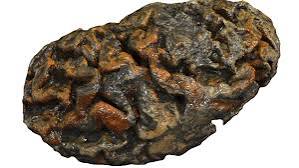
    When archaeologists cracked open a 2,600-year-old skull from a Yorkshire waterlogged pit, they expected to find nothing but dirt and bone. Instead, they found a yellow, spongy mass: a preserved human brain. The Waterloo Brain, as it’s now known, is one of over 4,400 documented cases of ancient brains surviving long after all other soft tissues have vanished. For years, these finds were dismissed as freak accidents of mummification, freezing, or bog chemistry. But a landmark study published in Proceedings of the Royal Society B in March 2025 suggests something far more surprising: brains may have an intrinsic, molecular ability to resist decay—one that doesn’t depend on the environment at all.

    Led by forensic anthropologist Alexandra Morton-Hayward at the University of Oxford, the research team analyzed 4,405 preserved brains from 213 sources, spanning every continent and climate type. They found brains preserved in arid deserts, tropical jungles, and even ordinary graves—places where no other soft tissue remained. The key, they argue, lies in a novel mechanism: protein and lipid molecules in the brain can cross-link to form a stable ‘molecular cage’ that resists enzymes and microbes. If confirmed, this discovery doesn’t just rewrite our understanding of taphonomy—it opens a window into the deep past, potentially preserving ancient DNA, proteins, and even traces of neurological disease.

    This isn’t just a curiosity for archaeologists. It challenges forensic assumptions about how long a body has been dead, hints at a macabre link between neurodegenerative disease and preservation, and raises the possibility that some ancient brains were deliberately treated. Here’s what we know—and what this breakthrough means for science.

    The Brain: The First to Go, Except When It’s Not

    The brain is about 80% water, packed with lipids and enzymes that begin digesting it from within within minutes of death. Autolysis kicks in, then putrefaction, then microbial colonization—usually reducing the organ to mush in days or weeks. That’s why the brain is typically one of the first organs to disappear, not the last.

    Yet hundreds of exceptions have been documented. The Windover Bog People in Florida, buried 7,000–8,000 years ago, yielded brains in peat bogs. Victims of the Herculaneum eruption in 79 CE had their brains vitrified—turned to glass—by volcanic heat. A medieval Norwegian church site produced a ‘brain in a jar.’ And in the Waterloo Brain case, the organ was the only soft tissue left in the skull, surviving while skin, muscle, and even the brain’s own membranes decomposed.

    Historically, each find was explained by its environment: bogs preserve through low oxygen and acidity, deserts desiccate, freezing halts decay. But as the Oxford team’s survey shows, those explanations fall short. Brains have been found in normal graves, in tropical climates, in conditions where no other soft tissue survived. The brain was the only organ left—and that demands a different explanation.

    The Molecular Cage: How Proteins and Lipids Team Up

    Morton-Hayward and colleagues propose a mechanism that operates at the molecular level, independent of external conditions. In certain chemical environments—perhaps influenced by the brain’s own composition—proteins and lipids can cross-link, forming a dense, stable matrix. This ‘molecular cage’ resists enzymatic breakdown and microbial attack, effectively fixing the tissue in place.

    The process is analogous to what happens when food browns during cooking (Maillard reactions) or when formaldehyde fixes tissue for pathology. Molecules bind together, creating a new material that’s no longer susceptible to normal decay. In the brain, this might occur spontaneously under the right conditions, perhaps triggered by the breakdown of cell membranes and the release of reactive molecules.

    Crucially, the team found that these preserved brains often retain their original structure at the microscopic level—neurons and blood vessels can still be seen. That means not just the gross shape, but the molecular architecture, is preserved. This isn’t mummification in the traditional sense; it’s a chemical transformation that could happen anywhere.

    What This Means for Archaeology and Forensics

    For archaeologists, the discovery is a potential goldmine. If brains can survive for millennia, they may contain intact DNA, proteins, and even neurotransmitters—a direct record of the past. The Waterloo Brain, for example, yielded proteins that might indicate ancient diseases, including prion proteins. This could allow scientists to trace the history of neurological disorders like Alzheimer’s or Parkinson’s across human evolution.

    For forensic scientists, the implications are more immediate. A preserved brain is no longer a reliable indicator that a body is recent—it could be centuries old. Post-mortem interval estimates may need to be revised. And the finding raises questions about burial practices: Were some brains deliberately treated to preserve them, perhaps with resins or other substances? Or is it purely chemical chance? The evidence so far suggests both may be at play.

    A Macabre Link to Neurodegenerative Disease

    One of the most intriguing hypotheses to emerge from this research is that individuals with pre-existing protein aggregates—like those seen in Alzheimer’s or Parkinson’s—might have brains that preserve better. The same cross-linking that drives disease pathology might also drive preservation. If true, ancient brains could serve as a natural archive of neurological disease history, showing how these conditions have evolved over time.

    This is a testable idea, and the Oxford team is already exploring it. They’re analyzing preserved brains for signs of amyloid plaques and Lewy bodies, comparing them to modern cases. The results could reveal whether Alzheimer’s is a modern epidemic or an ancient companion.

    The Brain as the Last Organ: Why the Brain?

    Why does the brain, of all organs, survive? Its high lipid content and low water activity in certain states may make it uniquely suited to cross-linking. But there’s also a deeper, almost philosophical resonance: the brain as the seat of consciousness, refusing to vanish. Ancient Egyptians weighed the heart, not the brain, in their judgment rituals—but perhaps they missed the true vessel of the soul.

    For modern science, the brain’s persistence is a rebellion against the expected order of decay. It’s a reminder that even in death, the body holds surprises—and that the organ we associate with thought might have a second life as a time capsule.

    The discovery that brains can preserve themselves through a molecular mechanism—independent of environment—is a paradigm shift. It turns a forensic oddity into a systematic phenomenon, with implications for archaeology, forensics, and medicine. As researchers analyze these ancient brains, they may uncover not just the history of disease, but also the chemical pathways that could one day help us preserve human tissue—or understand why it degrades. The brain, it seems, is determined to have the last word.

    Summary

    • Over 4,400 preserved ancient human brains have been documented worldwide, often as the only surviving soft tissue.
    • A 2025 Oxford study identified a novel molecular mechanism: protein-lipid cross-linking creates a stable ‘molecular cage’ that resists decay.
    • Preservation occurs in all climates, not just mummifying or freezing conditions.
    • Preserved brains may contain intact DNA, proteins, and disease markers, offering a window into ancient neurology.
    • The discovery challenges forensic post-mortem interval estimates and raises the possibility of deliberate ancient brain preservation.

    FAQ

    Q: How common are preserved ancient brains?
    A: More than 4,400 cases have been documented, according to the 2025 study, but many more may exist undiscovered.

    Q: What is the new preservation mechanism?
    A: Proteins and lipids in the brain can cross-link to form a stable molecular matrix that resists enzymes and microbes, similar to Maillard reactions in cooking or formaldehyde fixation.

    Q: Can a preserved brain provide DNA?
    A: Yes, some preserved brains, like the Waterloo Brain, have yielded intact proteins and potentially DNA, making them valuable for paleogenomics.

    Q: Does this mean brains don’t decompose in normal conditions?
    A: No, brains usually decompose quickly. But under certain chemical conditions, the cross-linking mechanism can occur in any environment, preserving the brain even when other tissues are gone.

    Q: Could this discovery help with Alzheimer’s research?
    A: The cross-linking mechanism is similar to amyloid plaque formation, and ancient brains might preserve evidence of neurodegenerative diseases, helping trace their history and evolution.

  • The Lost Theaters of Broadway: Forgotten Playhouses and Their Ghosts

    The Lost Theaters of Broadway: Forgotten Playhouses and Their Ghosts

    In the 1920s, Broadway boasted around 80 active theaters. Today, only 41 remain. The rest—more than 50 playhouses—have been demolished, converted, or otherwise lost to time. Their stories are as dramatic as any show they hosted, from elephant-filled spectacles to the sit-ins that tried to save them.

    These vanished theaters aren’t just footnotes. They were architectural marvels, cultural landmarks, and the stages where Broadway’s golden age unfolded. Their loss reshaped the district and sparked a preservation movement that protects what’s left. Let’s step back in time to visit a few of these forgotten playhouses and meet the ghosts that still haunt their memory.

    The Hippodrome: Where Elephants Took Center Stage

    When the Hippodrome Theatre opened in 1905, it was the largest theater in the world, seating 5,300 people. Located on Sixth Avenue between 43rd and 44th Streets, it wasn’t just a theater—it was a spectacle machine. Its massive stage could be flooded for aquatic ballets, and its productions featured elephants, acrobats, and casts of hundreds.

    The Hippodrome was built by showmen Frederic Thompson and Elmer “Skip” Dundy, who had found success with the Luna Park amusement park at Coney Island. They brought that same sense of wonder to Broadway. Shows like A Yankee Circus on Mars and Wizard of Oz thrilled audiences with elaborate special effects and massive scale.

    But the Hippodrome couldn’t survive the changing times. By the 1920s, its spectacles were too expensive to produce, and the theater struggled to compete with movies. It closed in 1939 and was demolished in 1950 to make way for office space. Today, the site is home to a parking garage, but the memory of those elephants and water tanks lingers in Broadway lore.

    The Ziegfeld Theatre: A Follies Palace

    Florenz Ziegfeld Jr. built the Ziegfeld Theatre in 1927 specifically for his famous Follies. Designed by architect Thomas W. Lamb, the theater was a lavish Art Deco masterpiece, with a façade decorated with a mosaic of the sun god Apollo and a lobby that rivaled any European opera house. It was located on Sixth Avenue and 54th Street.

    The Ziegfeld Theatre was as much a star as the shows it housed. The Follies were known for their beautiful chorus girls, extravagant costumes, and elaborate sets. The theater also hosted the premiere of the musical Show Boat in 1927, which many consider the first modern American musical.

    After Ziegfeld’s death in 1932, the theater fell on hard times. It became a movie house in the 1940s, showing films like Gone with the Wind. In 1966, despite protests from preservationists and theater lovers, it was demolished to make way for a 46-story office tower. The current building, known as 1345 Avenue of the Americas, sits on the site, with only a small plaque marking what was once one of Broadway’s most glamorous venues.

    The Empire Theatre: A Record-Breaking House

    The Empire Theatre opened in 1893 on Broadway and 40th Street, with a production of The Girl I Left Behind Me. It was one of the first theaters built in the new Times Square district, and it quickly became one of the most prestigious addresses on Broadway.

    The Empire was known for its elegant Beaux-Arts design and its association with actor John Drew, who starred in many productions there. But its most famous moment came in 1922 with the premiere of Abie’s Irish Rose, a comedy about a Jewish-Irish marriage that was savaged by critics but became a massive hit, running for 2,327 performances—a record at the time.

    The theater continued to host hits through the 1940s, but by the 1950s, the surrounding area was in decline. In 1953, the Empire was demolished to make way for a parking lot, and later an office building. Its loss was mourned by theater historians, who considered it one of the finest examples of 19th-century theater architecture.

    The Morosco and Helen Hayes: The Fight That Changed Broadway

    Perhaps no loss had a greater impact than the demolition of the Morosco and Helen Hayes theaters in 1982. These two historic houses, along with the smaller Bijou and Gaiety theaters, sat on a block between Broadway and Eighth Avenue, 45th and 46th Streets. They were slated for demolition to make way for the Marriott Marquis Hotel.

    The Morosco, which opened in 1917, was designed by Herbert J. Krapp and was home to many important plays, including Tennessee Williams’ The Glass Menagerie (1945) and Cat on a Hot Tin Roof (1955). The Helen Hayes, originally called the Fulton, opened in 1911 and was a favorite of the actress it was later named after.

    The plans to demolish them sparked a major controversy. A group called the “Save the Theatres” campaign organized protests, with actors like Carol Channing and Colleen Dewhurst leading the charge. They staged a 42-day sit-in at the Morosco, hoping to block the demolition. Despite their efforts, the theaters were torn down in 1982.

    The irony is that the Marriott Marquis Hotel, which replaced them, was designed with a theater—the Marquis Theatre—but it’s a modern, multi-purpose space that lacks the charm and history of the lost houses. The loss of the Morosco and Helen Hayes galvanized preservationists, leading to the creation of the Theatre District Landmark District in 1988, which now protects the exteriors of many remaining theaters.

    The New York Theatre: Where TV Made History

    Sometimes a lost theater’s story doesn’t end with its demolition. The New York Theatre, which opened in 1909 at 44th Street and Broadway, was designed by architect George Keister in a striking Beaux-Arts style. It hosted legitimate theater productions for years, but in 1936, it was converted into a CBS television studio.

    This is where The Ed Sullivan Show was broadcast from 1948 to 1971. Some of the most iconic moments in television history happened on that stage, including Elvis Presley’s hip-shaking performances and The Beatles’ American debut in 1964. The theater, now known as Studio 50, was a television landmark.

    In 1987, CBS moved out, and the building was demolished to make way for a parking garage. Today, the site is part of the Times Square redevelopment, but the ghost of Elvis and the Fab Four still seems to linger in the air of that block.

    The Criterion Theatre: A Name That Lives On

    The Criterion Theatre opened in 1900 at 1511 Broadway, designed by architect W. T. P. Dunlap. It was known for its stylish productions and its location in the heart of the theater district. In 1935, it was demolished to make way for the Criterion Center, a complex that included a smaller theater and retail space.

    The name “Criterion” was revived for the modern Criterion Theatre, which opened in 1997 and is now a popular Broadway venue. But the original Criterion is gone, its ornate interior lost to the wrecking ball. Its story is a reminder that even in the theater district, nothing is permanent.

    What We Lost, and What We Gained

    The loss of these theaters had a profound effect on Broadway. For one, it reduced the number of available venues, making it harder for new shows to find a stage. It also destroyed irreplaceable architecture, from the Art Nouveau of the New Amsterdam (which fortunately survives) to the Beaux-Arts of the Empire.

    But the losses also sparked a movement. The fight to save the Morosco and Helen Hayes led to the landmark designation of dozens of theaters in 1988. Today, organizations like the New York Public Library for the Performing Arts and the Theatre Historical Society of America maintain archives with photographs, playbills, and architectural drawings of the lost theaters, ensuring they are not forgotten.

    Broadway has always been a place of reinvention. Theaters come and go, but the spirit of live performance endures. As you walk through Times Square today, surrounded by neon and crowds, it’s worth remembering the ghosts of the theaters that once stood where you’re standing—and the shows that made them legendary.

    The lost theaters of Broadway are more than just a list of demolished buildings. They were homes to some of the most significant productions in American theater history, and their loss reshaped the district we know today. But their memory lives on in the preservation efforts they inspired and in the archives that keep their stories alive. Next time you’re at a Broadway show, take a moment to think about the playhouses that are no longer there—and the ghosts of the performances that still echo through Times Square.

    Summary

    • Over 50 Broadway theaters have been lost since the late 19th century, leaving only 41 of the peak 80.
    • The Hippodrome (1905–1939) was the world’s largest theater, featuring elephants and water tanks.
    • The Ziegfeld Theatre (1927–1966) premiered Show Boat and was demolished for an office tower.
    • The Empire Theatre (1893–1953) hosted the record-breaking Abie’s Irish Rose.
    • The 1982 demolition of the Morosco and Helen Hayes theaters sparked the preservation movement that led to the 1988 landmark designation.

    FAQ

    Q: How many Broadway theaters have been lost?
    A: More than 50 theaters have been lost since the late 19th century, with the peak number of active theaters reaching about 80 in the 1920s. Today, there are 41.

    Q: What was the largest lost theater?
    A: The Hippodrome Theatre, which opened in 1905, was the largest in the world at the time, with 5,300 seats. It was demolished in 1950.

    Q: Why were so many theaters demolished?
    A: The rise of cinema, the Great Depression, and urban renewal projects led to closures and demolitions. The 1982 Marriott Marquis project was a tipping point that sparked preservation efforts.

    Q: What is the Theatre District Landmark District?
    A: Created in 1988, it’s a historic district designated by the New York City Landmarks Preservation Commission that protects the exteriors of many surviving Broadway theaters from demolition.

    Q: Where can I find information about lost theaters?
    A: The New York Public Library for the Performing Arts and the Theatre Historical Society of America have extensive archives, including photographs, playbills, and architectural drawings.