Tag: Premier League

  • Nicolas Jackson’s Chelsea Crossroads: Four Potential Exit Routes as Tottenham Circle

    Nicolas Jackson’s Chelsea Crossroads: Four Potential Exit Routes as Tottenham Circle

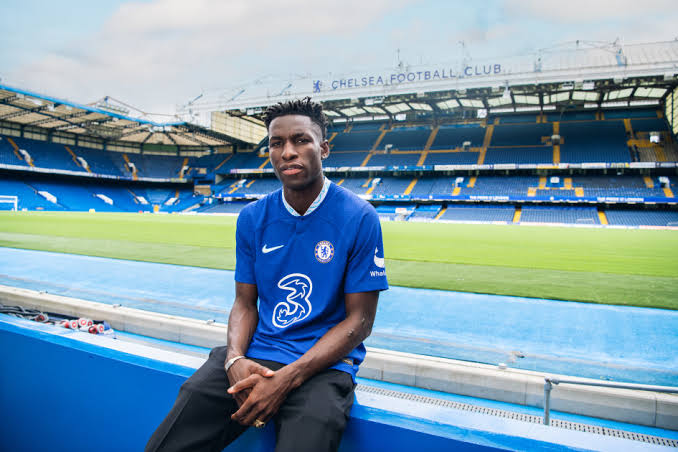
    Nicolas Jackson has reported for pre-season training at Cobham, but the 23-year-old Senegalese striker’s future at Stamford Bridge is anything but settled. Tottenham Hotspur have emerged as the most prominent suitor, yet they are far from alone in tracking a player who scored 14 Premier League goals in a chaotic debut season at Chelsea.

    For Chelsea, the calculus is not simply about football. The club’s lavish spending under Clearlake Capital — over £1 billion since 2022 — has created an urgent need to balance books against Profit and Sustainability Rules. Jackson, signed for £32 million from Villarreal on an eight-year contract, represents a valuable accounting asset. Selling him for a fee in the £40–50 million range would generate pure profit on the books, easing PSR pressure while funding further squad upgrades.

    For Jackson, the decision is personal and career-defining. He is at a crossroads: stay and fight for minutes amid new competition, or move to a club where he is the guaranteed starter. With the 2025 Africa Cup of Nations looming, regular game time is not a luxury — it is a necessity. Here are four realistic exit routes, each with its own set of stakes and subplots.

    The Tottenham Gamble: A Cross-London Switch with High Voltage

    Tottenham have been the loudest in their pursuit, and for good reason. Since Harry Kane’s departure to Bayern Munich in 2023, Spurs have lacked a reliable number nine. Richarlison has flattered to deceive and struggled with injuries, while Dane Scarlett remains a raw prospect. Manager Ange Postecoglou’s system demands a mobile, high-pressing striker who runs in behind defences — a description that fits Jackson more neatly than any other forward on Tottenham’s books.

    But a cross-London move carries symbolic weight. Transfers between Chelsea and Tottenham are rare, though not unheard of — Carlo Cudicini and William Gallas made the switch in the past. Yet the rivalry amplifies every touch, every miss, every goal. Jackson’s critics point to his wastefulness: he missed a high number of big chances in his debut season, a weakness that would be magnified under the White Hart Lane spotlight. Spurs fans are divided. Some see him as a clear upgrade on Richarlison; others worry they are buying a player who, for all his pace and directness, has yet to prove he can be clinical when it matters.

    For Tottenham, this is a gamble with clear upside. Jackson is 23, under contract until 2031 at Chelsea, and would likely cost around £40–50 million — a significant fee but one that reflects his potential rather than his current output. Postecoglou’s system could unlock the consistency that eluded him in his first Premier League season. But the risk is real: if Jackson continues to miss chances, Spurs would have paid a premium for a problem rather than a solution.

    The European Escape: Atletico Madrid and the La Liga Return

    Atletico Madrid have long admired Jackson, and their interest has not waned. Diego Simeone is seeking a long-term successor to Antoine Griezmann and Alvaro Morata, and Jackson’s profile — pace, power, and a proven track record in La Liga — makes him an attractive option. Jackson thrived at Villarreal in the 2022–23 season, scoring 12 goals in the second half of the campaign, and a return to Spain would place him in familiar surroundings.

    However, Atletico’s financial constraints are a significant hurdle. The club has been cautious in the transfer market in recent years, and meeting Chelsea’s asking price would require creative structuring or a player-plus-cash deal. Jackson would likely be the guaranteed starter in Madrid, a role that would accelerate his development and secure his place in Senegal’s squad for the 2025 AFCON. For a player who needs minutes, Atletico offers the clearest path to regular football. But the deal depends on whether Atletico can bridge the valuation gap.

    The Aston Villa Project: A Step Up in Ambition

    Aston Villa have emerged as a surprise contender, and their interest makes sense on multiple levels. Under Unai Emery, Villa have qualified for the Champions League and are building a squad capable of competing on multiple fronts. They need depth in attack, and Jackson would offer a younger, more dynamic alternative to Ollie Watkins. Villa’s ambition may appeal to a player looking to join a project on the rise.

    From Chelsea’s perspective, selling to Villa would be straightforward — no cross-London complications, no direct rivalries. Villa have the financial muscle to meet Chelsea’s valuation, especially after their Champions League windfall. For Jackson, a move to Villa would mean competing with Watkins for the starting spot, but the Premier League stage and European football would keep him in the spotlight. The question is whether Jackson wants to fight for minutes at a club that is not necessarily a guaranteed starter, or whether he prefers a move where he is the undisputed number nine.

    The Newcastle Wildcard: Money, Ambition, and a Different Kind of Pressure

    Newcastle United have been linked with Jackson, though the interest has been quieter than Tottenham’s or Atletico’s. The Magpies need a striker to complement Alexander Isak and Callum Wilson, and Jackson’s age and profile fit their recruitment strategy under the PIF ownership. Newcastle have money, but they also have financial fair play constraints that have forced them to be more prudent in recent windows.

    A move to St James’ Park would offer Jackson a central role in an ambitious project, but it would also mean competing with Isak, who is a proven Premier League scorer. Newcastle’s interest may be more opportunistic — if the price is right, they would pounce, but they are unlikely to overpay. Jackson would face intense competition for minutes, which could be both a motivation and a frustration. The Tyneside project is exciting, but it is not a guaranteed path to regular starts.

    The Chelsea Conundrum: Why Selling Is Not a Fire Sale

    Chelsea’s stance is nuanced. They are open to offers, but they are not actively pushing Jackson out. The club values his potential — he was their top scorer in 2023–24 with 17 goals in all competitions, a respectable return for a debut season at a transitional club. New signings Marc Guiu, Christopher Nkunku, and Armando Broja create competition, but Jackson’s pace and directness remain valuable assets.

    However, the PSR pressure is real. Chelsea have spent over £1 billion since 2022, and the need to sell players for pure profit is acute. Jackson, as a purchased asset, would generate a significant book profit if sold for more than his amortised value. A fee of £40–50 million would help Chelsea fund further signings and stay within financial regulations. Yet Chelsea are not desperate. They would only sell if the right offer arrives, and they would want a fee that reflects Jackson’s potential, not just his current output.

    For Jackson, staying at Chelsea means fighting for minutes in a crowded attack. He has shown he can score in the Premier League, but he has also shown inconsistency. The club’s patience is not infinite, and a new season brings new pressure. If he stays, he must prove he is the long-term answer. If he leaves, he must choose the right destination — one that offers both game time and a platform to fulfil his considerable talent.

    Nicolas Jackson’s future is a story of competing pressures: Chelsea’s financial imperatives, Tottenham’s search for a number nine, Atletico’s long-standing admiration, and the player’s own desire for regular football. Each option carries its own risks and rewards. For now, Jackson is a Chelsea player, but the transfer window has a way of reshaping narratives. The next few weeks will determine whether he stays or goes, and where his career takes its next decisive turn.

    Summary

    • Nicolas Jackson has started pre-season with Chelsea but faces an uncertain future amid interest from Tottenham, Atletico Madrid, Aston Villa, and Newcastle.
    • Chelsea are open to selling to comply with PSR rules, with a £40–50 million fee representing a pure profit on their books.
    • Tottenham offer the most prominent option, but a cross-London move carries high scrutiny and risk given Jackson’s inconsistency.
    • Atletico Madrid could provide a return to La Liga and guaranteed starts, but financial constraints may block a deal.
    • Jackson scored 14 Premier League goals in his debut season, making him a valuable asset despite criticism of his finishing.

    FAQ

    Q: Is Nicolas Jackson a proven flop at Chelsea?
    A: No. He scored 14 Premier League goals and 17 in all competitions in his debut season, making him Chelsea’s top scorer. While he missed chances, his output was respectable for a transitional season.

    Q: Are Chelsea desperate to sell Jackson?
    A: No. Chelsea are open to offers but are not fire-selling. They value him highly and would only sell if a suitable bid arrives, given his long contract and potential.

    Q: Do Tottenham and Chelsea ever do business?
    A: Rarely, but it has happened. Carlo Cudicini and William Gallas both moved between the clubs in the past, so a deal is not impossible.

    Q: What is Jackson’s contract situation?
    A: He signed an eight-year deal (with a club option for a further year) when he joined in 2023, meaning his contract runs until at least 2031.

    Q: Why does Chelsea need to sell players?
    A: Chelsea have spent over £1 billion since 2022 and must comply with Profit and Sustainability Rules. Selling players for a profit, especially those with amortised values, helps them balance the books.

  • Fulham’s €40m Gamble on Real Madrid’s Gonzalo García: A Record Fee, a Buy-Back Clause, and a Premier League Test

    Fulham’s €40m Gamble on Real Madrid’s Gonzalo García: A Record Fee, a Buy-Back Clause, and a Premier League Test

    When Fulham agreed to pay €40 million for a 21-year-old with fewer than ten senior appearances, the Premier League took notice. The fee equals the club’s record outlay, but the real story lies in the fine print: Real Madrid inserted a buy-back clause, a safety net that could bring Gonzalo García back to the Bernabéu if he fulfills his potential. This is a transfer that speaks volumes about Fulham’s ambition, Real Madrid’s financial acumen, and the ever-increasing premium on young strikers.

    For Fulham, this is a statement of intent. After years of mid-table stability under Marco Silva, the club is betting big on a player who could anchor their attack for a decade. For García, it’s a leap into the unknown—a chance to trade the glittering bench of the Champions League for the brutal physicality of English football. And for Real Madrid, it’s a masterclass in monetizing academy talent while keeping the door open for a reunion.

    But is €40 million for a player with 183 minutes of La Liga experience a shrewd investment or a reckless gamble? The answer depends on how quickly García adapts, how patient Fulham’s fans can be, and whether the buy-back clause becomes a sword of Damocles over his development.

    The Record Fee: Context and Comparisons

    Fulham’s €40 million outlay matches the fee they paid Arsenal for Emile Smith Rowe in the summer of 2024. That transfer was a signal of intent—a statement that Fulham were willing to spend big on young, proven Premier League talent. García is a different proposition: he’s unproven at the highest level, but his pedigree is impeccable. Coming through Real Madrid’s La Fábrica, he scored prolifically for Castilla and in the UEFA Youth League, earning a first-team debut under Carlo Ancelotti in 2023–24. His first senior goal came in September 2024 against Las Palmas, a late strike in a 2–0 win that hinted at his poacher’s instinct.

    But the Premier League is a different beast. The physicality, the pace, the relentless schedule—these are challenges that have broken many a promising striker. Fulham’s existing options, Raúl Jiménez (33) and Rodrigo Muniz, offer experience and potential, but neither is a long-term solution. García is seen as the future, a player who can learn from Jiménez this season and take over the mantle next. The club’s strategy under owner Shahid Khan has been to invest in high-potential assets, and García fits that mold perfectly.

    Real Madrid’s Calculated Exit

    From Real Madrid’s perspective, selling García for €40 million is a no-brainer. With Mbappé, Vinícius Jr., Rodrygo, Endrick, and Brahim Díaz ahead of him in the pecking order, García was never going to get regular minutes. The sale generates pure profit for Financial Fair Play purposes, and the reported buy-back clause—believed to be in the region of €60–70 million—gives Real Madrid the option to re-sign him if he develops into the striker they believe he can be. This is a model they’ve used before: Fran García was sold to Rayo Vallecano with a buy-back, later activated; Nico Paz was sold to Como with similar terms. It’s a win-win: the player gets playing time, the selling club gets cash, and the buy-back clause ensures the relationship isn’t severed permanently.

    For García, the move is a calculated career step. At Real Madrid, he was a bit-part player, a late substitute in a team of galacticos. At Fulham, he’ll be a key figure, a player around whom the attack can be built. The pressure, though, is immense. A record fee brings scrutiny, and if he doesn’t score early, the critics will be quick to label him a flop. But García has the temperament of a classic No. 9—left-footed, strong in the air, clinical in the box. He’s not a dribbler or a pace merchant; he’s a penalty-box predator, the kind of striker who thrives on service. Fulham’s creative players, like Smith Rowe and Andreas Pereira, should provide him with chances.

    The Buy-Back Clause: A Double-Edged Sword

    The buy-back clause is the most intriguing aspect of this deal. For Fulham, it’s a risk: if García excels, Real Madrid can trigger the clause and take him back, potentially at a profit. But it also means Fulham are essentially developing a player for Real Madrid’s benefit. This is a common arrangement in modern football, but it’s rare for a club to pay a record fee for a player with such a clause attached. Fulham’s management must be confident that either García will be so good that the buy-back becomes a moot point (because he’ll be worth more than the clause), or that they can negotiate a new deal with Real Madrid if the time comes.

    For García, the clause adds an extra layer of pressure. Every goal he scores will be scrutinized not just by Fulham fans, but by Real Madrid’s hierarchy. He’ll know that a successful season could lead to a return to the Bernabéu, but also that a poor one could see him forgotten. It’s a psychological burden that could either motivate him or weigh him down.

    The Premier League Test: What to Expect

    García’s adaptation to the Premier League will be fascinating to watch. He’s not the kind of striker who will run the channels or press relentlessly; he’s a finisher, a player who lives in the box. Marco Silva’s system at Fulham is built on possession and quick transitions, which should suit García’s style. But the physicality of English defenders—the likes of Virgil van Dijk, Ruben Dias, and William Saliba—will be a rude awakening. He’ll need to bulk up, learn to shield the ball, and adapt to the faster pace of play.

    Fulham’s fans, though, are patient. They’ve seen the club build steadily under Silva, and they understand that García is a long-term project. The hope is that he’ll be given time to settle, with Jiménez starting for the remainder of the season and García being gradually integrated. If he scores a few goals in his first season, the fee will look justified. If he struggles, the critics will point to the record price tag and the lack of experience.

    A Transfer That Defines the Market

    This transfer is a microcosm of the modern football market. Clubs are increasingly willing to pay premiums for young players with high ceilings, even if they’re unproven. The days of buying established stars for huge fees are giving way to a model of buying potential and developing it. Fulham’s €40 million for García is a bet on the future, a gamble that could pay off handsomely if he becomes the striker they believe he can be. For Real Madrid, it’s a reminder that their academy is a goldmine, a source of revenue and future talent. And for García, it’s the chance of a lifetime—a chance to prove he belongs among the elite.

    Gonzalo García’s move to Fulham is a transfer that will be dissected for years. It’s a record fee, a buy-back clause, and a test of character for a young striker. If he succeeds, he’ll be the face of Fulham’s new era. If he fails, he’ll be another cautionary tale about the dangers of paying big for potential. But for now, the football world watches with bated breath, waiting to see if this gamble pays off.

    Summary

    • Fulham have signed Gonzalo García from Real Madrid for €40 million, equalling their club-record transfer fee.
    • The 21-year-old striker has minimal senior experience but a prolific record in Real Madrid’s youth system.
    • Real Madrid have inserted a buy-back clause (reported around €60–70 million) to retain future control.
    • Fulham see García as a long-term replacement for Raúl Jiménez, with gradual integration planned.
    • The transfer highlights the trend of paying premiums for young, unproven talent in the Premier League.

    FAQ

    Q: How much did Fulham pay for Gonzalo García?
    A: Fulham paid €40 million, which equals their club-record transfer fee, matching the amount paid for Emile Smith Rowe in 2024.

    Q: Why did Real Madrid sell García if he’s so promising?
    A: Real Madrid have an abundance of attacking talent, and García was unlikely to get regular minutes. The sale generates profit and includes a buy-back clause, allowing them to re-sign him if he develops as expected.

    Q: What is a buy-back clause?
    A: A buy-back clause gives the selling club the option to re-sign the player at a predetermined fee in the future. In this case, Real Madrid can reportedly trigger a clause worth €60–70 million.

    Q: Is García ready for the Premier League?
    A: It’s uncertain. He has limited senior experience, but his youth record and playing style suggest he could adapt. Fulham plan to integrate him gradually, with Raúl Jiménez starting for now.

    Q: What does this transfer mean for Fulham’s ambition?
    A: It signals a clear intent to compete for European spots. Fulham are investing in high-potential young players to build a squad capable of sustained success.

  • Rodri to Real Madrid: The Transfer Saga That Defines Modern Football’s Power Dynamics

    Rodri to Real Madrid: The Transfer Saga That Defines Modern Football’s Power Dynamics

    When the reigning Ballon d’Or winner, a defensive midfielder who redefined the position, becomes the subject of a transfer tug-of-war between Europe’s giants, it’s more than a rumor—it’s a seismic event. Rodri’s name has been whispered in the corridors of the Santiago Bernabéu, and Barcelona’s president has publicly swooned, but Manchester City’s stance is as unyielding as a Guardiola press conference. This is the story of a player who holds the keys to three of football’s most powerful institutions, and the intricate dance of ambition, finances, and loyalty that surrounds him.

    At 30, with an ACL injury behind him and a contract running until 2027, Rodri stands at a crossroads. Real Madrid sees him as the missing piece to replace the legendary Toni Kroos and the aging Luka Modrić. Barcelona dreams of a homecoming, but their financial reality is a cold shower. Meanwhile, City, the club that made him the world’s best, refuses to even entertain the idea. The stakes are immense: a potential transfer fee exceeding €100 million, the balance of power in La Liga and the Premier League, and the legacy of a player who has already achieved everything.

    The Context: A Midfield Maestro’s Journey

    Rodri’s rise from Villarreal’s youth academy to the summit of world football is a testament to his unique talent. After a brief but impactful stint at Atlético Madrid, he joined Manchester City in 2019 for a €70 million release clause—a fee that now looks like a bargain. Under Pep Guardiola, he evolved into the quintessential modern defensive midfielder: a metronome who dictates tempo, a shield who snuffs out attacks, and a goal threat from distance. His crowning moment came in 2024 when he won the Ballon d’Or, the first defensive midfielder to do so since Fabio Cannavaro in 2006. He was also the Player of the Tournament in Spain’s Euro 2024 triumph, cementing his status as the best in the world at his position.

    But football is a cruel mistress. In September 2024, Rodri suffered an ACL injury that sidelined him for most of the 2024–25 season. His absence exposed City’s fragility—they struggled without their anchor, proving his irreplaceable value. He returned to action in the 2025 Club World Cup, but the question lingers: is he the same player post-injury? And at 30, how many peak years remain?

    Real Madrid’s Midfield Puzzle

    Real Madrid’s interest in Rodri is not a fleeting whim; it’s a calculated solution to a looming crisis. Toni Kroos retired in 2024, leaving a void in midfield creativity and control. Luka Modrić, at 39, is a living legend but a diminishing asset. The current options—Aurélien Tchouaméni, Eduardo Camavinga, Federico Valverde, and Jude Bellingham—are talented but lack the metronomic consistency Rodri offers. Tchouaméni, in particular, has been inconsistent, and Camavinga is more of a dynamic box-to-box presence than a deep-lying playmaker.

    Real Madrid’s transfer policy under Florentino Pérez has been to acquire elite players in their prime or young stars with immense potential. Rodri fits the ‘Galáctico’ mold: a proven world-class talent who could immediately anchor the midfield for the next three to four years. The club has reportedly made him a priority target for 2026, but the financial and practical hurdles are formidable. Would they pay over €100 million for a 30-year-old with a recent ACL injury? It’s a gamble that even the most ambitious clubs might hesitate to take.

    Manchester City’s Unshakeable Stance

    Manchester City’s position is unequivocal: Rodri is not for sale at any price. He is the tactical cornerstone of Guardiola’s system, the player who makes everything tick. City’s struggles during his injury absence were a stark reminder of his value. The club has no financial need to sell—City Football Group’s resources are vast—and they have historically resisted selling key starters, especially to European rivals. While they’ve sold players like Gabriel Jesus, Raheem Sterling, and Riyad Mahrez, those were not core starters at the time of their departures. Rodri is different; he’s the fulcrum.

    City’s counter-move could be a new contract with improved terms, removing any doubt about his future. Rodri’s current deal runs until 2027, and he has repeatedly expressed happiness at City. He has not publicly requested a transfer, and there’s no indication he’s agitating for a move. But in football, loyalty is often a bargaining chip, and the allure of a return to his native Madrid could be potent.

    The Player’s Perspective: A Madrid Boy’s Dilemma

    Rodri was born in Madrid and reportedly grew up supporting Real Madrid. The prospect of playing for the club he idolized as a child is a powerful emotional draw. At 30, this could be his last major contract, and a move to Real Madrid would offer a new challenge and the chance to play in La Liga, where he hasn’t competed since leaving Atlético in 2019. However, leaving City means leaving a system where he is the undisputed starter, a guaranteed trophy contender, and adored by fans. The grass isn’t always greener, especially when you’re already on the best pitch in the world.

    Rodri’s camp is reportedly aware of the interest from both Spanish giants, and some speculate they might use this as leverage in contract negotiations with City. But Rodri himself has been diplomatic, focusing on his recovery and his performances. He’s a professional’s professional, unlikely to rock the boat publicly.

    Barcelona’s Interest: Realistic or Rhetorical?

    Barcelona’s interest in Rodri is more about aspiration than actuality. President Joan Laporta has expressed admiration, but the club’s financial fair play issues and La Liga’s salary cap restrictions make a transfer nearly impossible. Barcelona’s midfield is already crowded with young talents like Pedri, Gavi, Frenkie de Jong, and Marc Casadó. Adding Rodri would be a luxury they can’t afford, both financially and in terms of squad balance.

    Some reports suggest Barcelona’s interest is being used by Rodri’s camp as leverage in negotiations with City—a classic football tactic. Laporta has a history of making public overtures to marquee players that never materialize, often for political reasons or to appease the fanbase. In this case, it’s likely more rhetoric than reality.

    The Injury Factor: A Wildcard

    Rodri’s ACL injury is the elephant in the room. At 30, a major knee injury can be career-altering. While he’s returned to training and made a comeback appearance, the question of whether he can regain his pre-injury form remains. Real Madrid, known for their meticulous medical assessments, would be taking a significant risk. City, on the other hand, have the advantage of knowing his recovery process firsthand and might be more confident in his long-term fitness.

    The injury also affects his transfer value. A club would be paying a premium for a player who might not be the same force he was. This could be a bargaining chip for City—they can argue that any offer should reflect the risk, or they can simply refuse to sell, citing his importance regardless of injury.

    The Broader Implications

    This transfer saga is more than just a player moving between clubs; it’s a reflection of modern football’s power dynamics. Real Madrid’s pursuit of Rodri signals their intent to maintain dominance in Europe, while City’s refusal underscores their financial muscle and ambition. Barcelona’s interest, however unrealistic, highlights the gap between their historical prestige and current financial reality.

    For Rodri, the decision is about legacy, loyalty, and the next chapter of his career. He’s already won everything at City—Premier League titles, a Champions League, a Ballon d’Or. A move to Real Madrid could be the ultimate validation, but it comes with risks. At 30, he might have only a few peak years left, and he must choose the environment that best suits his style and ambitions.

    As the 2026 transfer window approaches, the speculation will only intensify. But one thing is certain: Rodri’s future will be one of the most closely watched stories in football, with implications that extend far beyond the pitch.

    Rodri’s potential move to Real Madrid is a story of ambition, loyalty, and the unyielding nature of modern football’s elite. While City’s stance is firm and Barcelona’s interest is fleeting, the saga is far from over. For Rodri, the choice is personal and professional—a decision that will shape his legacy and the balance of power in European football for years to come. Whether he stays in Manchester or returns to Madrid, his impact on the game is already indelible.

    Summary

    • Real Madrid sees Rodri as the ideal replacement for Kroos and Modrić, but his age and injury history make a €100M+ transfer risky.
    • Manchester City considers Rodri unsellable, viewing him as the tactical anchor of Guardiola’s system and vital to their success.
    • Rodri, a Madrid native, faces a personal dilemma between loyalty to City and the allure of a return to his childhood club.
    • Barcelona’s interest is largely rhetorical, given their financial constraints and crowded midfield.
    • The ACL injury adds uncertainty, affecting both his transfer value and long-term performance potential.

    FAQ

    Q: Is Rodri actually leaving Manchester City?
    A: As of now, no. Manchester City has stated he is not for sale, and Rodri has not requested a transfer. The links to Real Madrid are speculative, though they persist due to his profile and Real’s need.

    Q: How much would Rodri cost?
    A: Reports suggest a fee in excess of €100 million, but City’s refusal to sell makes any valuation moot. His contract runs until 2027, giving City significant leverage.

    Q: Why is Real Madrid interested in Rodri?
    A: Real Madrid needs a world-class defensive midfielder to replace Toni Kroos and eventually Luka Modrić. Rodri is the best in the world at that position, making him an ideal target.

    Q: Can Barcelona afford Rodri?
    A: No. Barcelona’s financial fair play issues and La Liga salary cap restrictions make a transfer nearly impossible. Their interest is likely aspirational or political.

    Q: How has Rodri’s injury affected his transfer prospects?
    A: The ACL injury adds risk, potentially lowering his transfer value and making clubs hesitant. However, his return to form could mitigate those concerns.

  • 20 to Watch: The Premier League’s Breakout Stars for 2024-25

    20 to Watch: The Premier League’s Breakout Stars for 2024-25

    The Premier League has always been a crucible for young talent, but the 2024-25 season feels different. With a new Champions League format expanding fixture lists, several clubs under new managers, and the 2025 U21 Euros on the horizon, the stage is set for a fresh wave of academy graduates and shrewd signings to announce themselves. Last season gave us Kobbie Mainoo, Cole Palmer, and Rico Lewis; this year, a new crop is knocking on the door.

    From Arsenal’s 17-year-old sensation to a £30m teenager at Tottenham, these are the players who could define the next 12 months. Some are already familiar names, others are on the cusp of a breakthrough. Here’s our club-by-club guide to the youngsters worth watching.

    The Changing Landscape of Youth Development

    The Premier League’s commitment to youth is no accident. The Elite Player Performance Plan (EPPP), introduced in 2012, overhauled academy structures, while financial regulations now make homegrown players a valuable commodity. Under Profit and Sustainability Rules (PSR), selling academy graduates counts as pure profit, incentivizing clubs to either develop them for the first team or cash in. This season, with new managers at Chelsea, Brighton, and Leicester, and the expanded Champions League creating more rotation opportunities, the door is open wider than ever.

    Arsenal: Ethan Nwaneri

    Already the youngest player in Premier League history (15 years, 181 days), Nwaneri is now 17 and ready for a proper role. A left-footed attacking midfielder with exceptional close control, he’s been compared to a young Jack Wilshere. Pre-season buzz has been loud, and with Emile Smith Rowe’s departure, there’s a spot in the rotation. Expect him to feature in cup games and as a substitute, with a real chance to stake a claim.

    Aston Villa: Tim Iroegbunam

    After a successful loan at QPR, Iroegbunam returns to Villa Park with a point to prove. The 21-year-old midfielder is a physical presence, comfortable breaking up play and driving forward. With Douglas Luiz sold and John McGinn aging, Unai Emery needs legs in midfield. Iroegbunam’s pre-season form suggests he could be the answer, offering energy and a goal threat from deep.

    Bournemouth: Alex Scott

    Scott’s £25m move from Bristol City last summer was a statement of intent, but an injury-hit first season limited him to just 11 league appearances. Now fully fit, the 20-year-old playmaker is ready to show why he was so highly rated. With Dominic Solanke’s departure, Bournemouth need creativity, and Scott’s dribbling and vision could make him the focal point of their attack.

    Brentford: Ryan Trevitt

    Brentford’s model is built on finding undervalued talent, and Trevitt fits the bill. The 21-year-old midfielder impressed on loan at Exeter and has been a standout in pre-season. With Ivan Toney’s future uncertain, Brentford will need goals from midfield, and Trevitt’s late runs into the box could be a key weapon. Thomas Frank has a history of giving youth a chance, and Trevitt looks ready.

    Brighton: Jack Hinshelwood

    Hinshelwood broke through last season, making 12 league appearances as a versatile full-back/midfielder. At 19, he’s already shown remarkable composure, and new manager Fabian Hürzeler is known for promoting young players. With Brighton’s squad undergoing changes, Hinshelwood could become a regular starter, whether at right-back or in midfield. His ability to read the game belies his age.

    Chelsea: Tyrique George

    Chelsea’s academy is a production line, and George is the latest gem. The 18-year-old winger has been the talk of pre-season under Enzo Maresca, with his direct running and eye for goal. With Raheem Sterling’s future uncertain and Noni Madueke inconsistent, there’s a real opportunity for George to claim a first-team spot. He’s raw but electric, and Chelsea’s fans are already excited.

    Crystal Palace: Franco Umeh

    While Adam Wharton is already a starter, Umeh is the one to watch. The 18-year-old winger has been turning heads in the academy and impressed in pre-season. With Michael Olise gone, Palace need width, and Umeh’s pace and trickery could offer a different dimension. Oliver Glasner has shown he’s not afraid to trust youth, and Umeh could be a surprise package.

    Everton: Jenson Metcalfe

    Everton’s financial constraints mean they must rely on youth, and Metcalfe is the pick. The 19-year-old midfielder has been a regular in pre-season, showing energy and a willingness to get forward. With Sean Dyche’s side needing goals, Metcalfe’s late runs could be valuable. He’s not a household name yet, but he could be by May.

    Fulham: Jay Stansfield

    Stansfield’s loan at Birmingham last season was a revelation, scoring 12 goals in League One. Now back at Fulham, the 21-year-old striker is pushing for a starting spot. With Aleksandar Mitrović gone and Rodrigo Muniz inconsistent, there’s a vacancy up front. Stansfield’s movement and finishing make him a natural fit, and Marco Silva is a fan. This could be his breakout year.

    Ipswich Town: Omari Hutchinson

    Hutchinson’s £20m permanent move from Chelsea was a club-record fee, and the 20-year-old is expected to be the creative hub. He impressed on loan last season, helping Ipswich to promotion, and now he’s back for more. With the Tractor Boys fighting for survival, Hutchinson’s ability to unlock defenses will be crucial. He’s not just one to watch; he’s one to rely on.

    Leicester City: Will Alves

    Alves has been on Leicester’s radar since he was 15, and now at 19, he’s ready for the step up. A skillful attacking midfielder, he’s been compared to James Maddison. New manager Steve Cooper is known for developing young players, and with Kiernan Dewsbury-Hall sold, there’s a creative void. Alves could fill it, provided he gets the minutes.

    Liverpool: Trey Nyoni

    Nyoni, 17, has already scored in pre-season under Arne Slot, and the new manager is clearly impressed. A central midfielder with excellent technique, Nyoni is the latest from Liverpool’s academy. With Thiago gone and the midfield being rebuilt, there’s an opportunity for a young player to step up. Slot’s attacking style could suit Nyoni’s game perfectly.

    Manchester City: Nico O’Reilly

    Pep Guardiola has a habit of promoting one youth player each season, and O’Reilly is the favorite. The 19-year-old midfielder has been outstanding in pre-season, showing composure and a range of passing. With City’s midfield aging, O’Reilly could be the long-term successor to Kevin De Bruyne. He might not start every game, but he’ll get chances.

    Manchester United: Harry Amass

    United’s left-back position is a problem, with Luke Shaw’s injury issues and Tyrell Malacia’s fitness concerns. Amass, 17, has been a revelation in pre-season, showing maturity beyond his years. Erik ten Hag has a history of trusting youth, and Amass could be the answer. He’s not just a defensive option; he gets forward well and delivers dangerous crosses.

    Newcastle: Alex Murphy

    While Lewis Miley is already established, Murphy is the next in line. The 20-year-old center-back has impressed in pre-season, showing composure on the ball and strength in the air. With Sven Botman injured and Jamaal Lascelles aging, there’s a spot up for grabs. Eddie Howe has shown he’s willing to give youth a chance, and Murphy could be a regular by the end of the season.

    Nottingham Forest: Eric da Silva Moreira

    Forest’s new signing from St. Pauli, Moreira is an 18-year-old winger with a German youth international pedigree. He’s raw but exciting, with blistering pace and a direct style. Forest will need to be careful not to over-rely on him, but in a season where they’ll likely be fighting relegation, his energy could be a spark. He’s a wildcard, but one worth watching.

    Southampton: Tyler Dibling

    Dibling has been on the radar since he was 16, and now at 18, he’s ready to shine. A winger with excellent dribbling skills, he’s been compared to a young Gareth Bale. Southampton’s return to the Premier League will be tough, but Dibling’s ability to create something from nothing could be key. Russell Martin is a coach who encourages attacking freedom, which suits Dibling perfectly.

    Tottenham: Archie Gray

    Gray’s £30m move from Leeds raised eyebrows, but the 18-year-old is a generational talent. A midfielder who can also play right-back, he’s already captained Leeds and played in the Championship. Ange Postecoglou’s high-intensity style could be the perfect fit for Gray’s energy and technical ability. He could be a regular starter from day one.

    West Ham: Lewis Orford

    Orford, 18, is a product of West Ham’s academy, and new manager Julen Lopetegui has been impressed. A central midfielder with a good range of passing, he’s been compared to Declan Rice. With West Ham’s midfield aging, Orford could get cup appearances and the occasional league start. He’s one for the future, but the future might be now.

    Wolves: Tawanda Chirewa

    Chirewa scored on his Premier League debut last season, and now he’s looking for consistency. The 20-year-old attacking midfielder is technically gifted, with an eye for a pass. With Wolves’ squad being rebuilt, there’s an opportunity for a young player to stake a claim. Gary O’Neil has shown faith in youth, and Chirewa could be the beneficiary.

    The 2024-25 Premier League season promises to be a defining one for many young players. Whether it’s the pressure of a big-money move, the opportunity created by a new manager, or the simple need for a club to rely on its academy, these 20 players have the chance to become household names. Some will shine, others will fade, but that’s the beauty of football’s next generation. Keep an eye on them – you might just witness the birth of a star.

    Summary

    • The 2024-25 Premier League season starts 16 August 2024, with new managers and an expanded Champions League creating more opportunities for youth.
    • Key prospects include Arsenal’s Ethan Nwaneri, Chelsea’s Tyrique George, and Tottenham’s Archie Gray.
    • Financial rules (PSR) make homegrown players valuable, pushing clubs to develop or sell them.
    • Several players, like Jay Stansfield and Tim Iroegbunam, benefited from loan spells and are now ready for first-team action.
    • The 2025 U21 Euros provide extra motivation for these youngsters to perform.

    FAQ

    Q: Who is the youngest player on this list?
    A: Ethan Nwaneri (Arsenal) and Harry Amass (Man Utd) are both 17, with Nwaneri already holding the record as the youngest-ever Premier League player.

    Q: Which club has the most exciting prospect?
    A: It’s subjective, but Archie Gray at Tottenham, given his £30m price tag and immediate first-team potential, is arguably the most exciting.

    Q: Are any of these players already established first-team regulars?
    A: A few, like Adam Wharton (Crystal Palace) and Lewis Miley (Newcastle), are already starters, but we’ve highlighted alternatives (Franco Umeh and Alex Murphy) to focus on those on the cusp.

    Q: How did you choose these players?
    A: We looked for academy graduates or recent signings aged 17-21 who are likely to get significant game time this season, based on pre-season form, squad gaps, and managerial tendencies.

    Q: Will all these players definitely play in the Premier League this season?
    A: No, some may be loaned out or limited to cup appearances, but all have the potential to make an impact if given the chance.

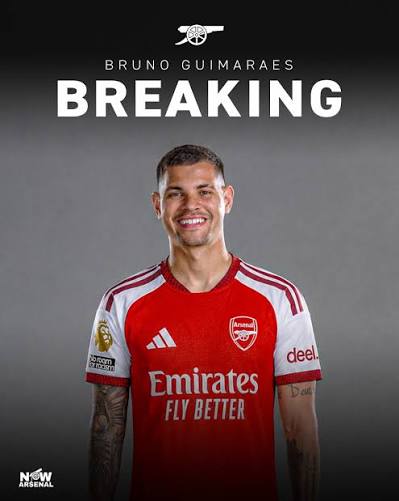
  • Arsenal’s Bruno Guimaraes Pursuit: A Transfer That Could Reshape the Premier League’s Midfield Hierarchy

    Arsenal’s Bruno Guimaraes Pursuit: A Transfer That Could Reshape the Premier League’s Midfield Hierarchy

    In the high-stakes chess game of Premier League transfers, few moves carry as much strategic weight as Arsenal’s reported pursuit of Newcastle United captain Bruno Guimaraes. This isn’t just another rumor mill story; it’s a potential seismic shift that touches on financial regulations, club ambitions, and the delicate balance of power in English football’s upper echelons.

    At its core, this is a tale of two clubs at crossroads. Arsenal, hungry to close the gap on Manchester City, see Guimaraes as the missing piece in their midfield puzzle. Newcastle, despite their Saudi-backed wealth, find themselves shackled by Profit and Sustainability Rules (PSR) that threaten to force a painful decision. The outcome could redefine both clubs’ trajectories for years to come.

    The Player: More Than Just a Midfielder

    Bruno Guimaraes is not your typical defensive midfielder. At 27, he’s a box-to-box dynamo with the technical elegance of a Brazilian playmaker and the relentless energy of a Premier League workhorse. Since his £40 million move from Lyon in January 2022, he has been the heartbeat of Newcastle’s resurgence, helping them secure Champions League football in 2022-23 and earning the captain’s armband in 2024.

    His skill set is tailor-made for Mikel Arteta’s system. Guimaraes excels at ball progression, breaking lines with incisive passes, and pressing with intelligence. He’s not a pure anchor like Rodri; rather, he’s a player who can dictate tempo, contribute goals, and provide leadership. For Arsenal, who already boast Declan Rice and Martin Ødegaard, adding Guimaraes would create a midfield trio that could dominate possession and physically overwhelm opponents.

    Arsenal’s Midfield Puzzle

    Arsenal’s interest isn’t born of desperation but of strategic foresight. Thomas Partey and Jorginho, both over 30, have struggled with injuries and consistency. While Rice has been a revelation since his £105 million move, Arteta craves more defensive solidity and physicality in the center of the park. Guimaraes, with his Premier League experience and proven ability to perform under pressure, fits the profile perfectly.

    There’s also the Brazilian connection. Guimaraes would join compatriots Gabriel Jesus and Gabriel Martinelli, easing his adaptation and potentially unlocking even more from Arsenal’s attack. The Emirates Stadium could become a hub for Brazilian talent, with Guimaraes as the orchestrator.

    Newcastle’s Financial Tightrope

    Newcastle’s dilemma is a classic case of modern football’s financial realities clashing with sporting ambition. The Public Investment Fund’s wealth is vast, but PSR rules cap losses at £105 million over three years. The club has already sold Allan Saint-Maximin to balance the books, and selling Guimaraes would represent a massive profit on their initial investment—potentially easing PSR concerns significantly before the June 30 accounting deadline.

    Manager Eddie Howe has called Guimaraes “integral” to the project, and fans would be devastated to lose their captain. But the threat of points deductions looms large, and the club may have no choice but to consider offers. The reported £100 million release clause is a double-edged sword: it protects Newcastle’s valuation but also sets a clear price that a club like Arsenal could meet.

    The Release Clause Myth

    It’s crucial to dispel a common misunderstanding: a release clause does not mean a deal is imminent. It simply means that if a club triggers it, Newcastle cannot block the transfer. However, negotiations over payment structure—installments, add-ons, and the like—still occur. Arsenal have historically been cautious with mega-deals, preferring value. Whether they’d be willing to structure a £100 million package remains to be seen.

    Moreover, Newcastle aren’t in a fire-sale mode. They have other levers, such as selling fringe players or securing new sponsorship deals. They may resist unless the offer is overwhelming. This isn’t a desperate seller; it’s a club weighing long-term consequences.

    The Ripple Effects Across the League

    If this transfer goes through, it would send shockwaves through the Premier League. For Arsenal, it signals a clear intent to challenge City’s dominance. For Newcastle, it could mark a strategic pivot—perhaps reinvesting in younger talents or reshaping the squad to comply with PSR while maintaining competitiveness.

    There’s also the broader market context. Elite midfielders are commanding astronomical fees—Rice’s £105 million move set a benchmark. Guimaraes’ fee would be comparable, and it could inflate prices further. Clubs across Europe will watch closely, as this deal could redefine how PSR-driven clubs approach player trading.

    The Human Element

    Amid the financial jargon and tactical analysis, it’s easy to forget the human side. Guimaraes has spoken warmly of Newcastle and its fans, but he’s also hinted at ambition to compete for major trophies. Arsenal offer Champions League football and a realistic title challenge—something Newcastle can’t guarantee in the near term. A move would be a step up in his career, but it would also mean leaving a club where he’s adored and has a captain’s role.

    For Newcastle fans, this is a bitter pill. Selling a fan favorite and leader could damage morale and the club’s image. But in the cold calculus of modern football, loyalty often takes a backseat to financial survival.

    The Bruno Guimaraes saga is far from over. It’s a complex negotiation involving player ambition, club finances, and strategic planning. Whether he dons the Arsenal red or stays true to Newcastle’s black and white, this transfer window will be defined by how these two clubs navigate their crossroads. For fans, it’s a reminder that in today’s game, nothing is certain until the ink dries on the contract.

    Summary

    • Arsenal have opened talks with Newcastle for Bruno Guimaraes, a 27-year-old Brazilian midfielder and Newcastle’s captain.
    • Guimaraes has a reported £100 million release clause, but negotiations over structure and add-ons are still required.
    • Newcastle face PSR pressure and may need to sell key assets before June 30 to avoid sanctions.
    • Arsenal see Guimaraes as the ideal addition to their midfield, bringing Premier League experience and leadership.
    • The transfer would have significant ripple effects on both clubs and the wider Premier League market.

    FAQ

    Q: Is Bruno Guimaraes a defensive midfielder?
    A: No, he’s more accurately a box-to-box or advanced playmaker. His strengths lie in ball progression, pressing, and goal contributions, not just defensive shielding.

    Q: Does the release clause mean Arsenal can sign him easily?
    A: Not necessarily. The release clause sets a price, but negotiations over payment structure and add-ons still occur. Arsenal may be cautious about meeting the full £100 million upfront.

    Q: Why would Newcastle sell their captain?
    A: Newcastle are under pressure to comply with Profit and Sustainability Rules (PSR), which limit losses. Selling Guimaraes would generate a significant profit and ease financial concerns, despite the sporting and fan backlash.

    Q: What would Guimaraes bring to Arsenal?
    A: He’d bring Premier League experience, leadership, and a proven ability to dictate play. He fits Arteta’s profile of a high-energy, technically gifted midfielder and would form a formidable trio with Rice and Ødegaard.

    Q: Could this transfer happen in the January window?
    A: While talks are ongoing, a January move is possible but complex. Newcastle may prefer to wait until summer to maximize the fee, but PSR deadlines could accelerate a decision.

  • Bruno Guimarães to Arsenal: Anatomy of a £100m Deal That Reshapes the Premier League

    Bruno Guimarães to Arsenal: Anatomy of a £100m Deal That Reshapes the Premier League

    The summer transfer window hasn’t officially opened, but the Premier League’s tectonic plates are already shifting. Reports of a ‘near total agreement’ between Arsenal and Newcastle for Bruno Guimarães have sent shockwaves through English football. This isn’t just another big-money move; it’s a transfer that encapsulates the modern game’s financial realities, sporting ambitions, and the delicate balance between loyalty and legacy.

    For Arsenal, securing the 27-year-old Brazilian captain would be a statement of intent—a signal that last season’s title triumph wasn’t a flash in the pan but the beginning of a dynasty. For Newcastle, it’s a painful yet pragmatic decision, forced by the cold calculus of Profit and Sustainability Rules (PSR). And for Guimarães himself, it’s the culmination of a journey from Lyon to St James’ Park to the very pinnacle of club football. But as with any saga of this magnitude, the devil is in the details—and the details are far from settled.

    The Deal on the Table: More Than Just a Release Clause

    At the heart of this transfer is a release clause, reportedly set at £100 million, that was written into Guimarães’ contract when he signed a new long-term deal in October 2023. This clause, believed to be active only for Champions League-qualified clubs, was designed to give the player an exit route to elite European competition while protecting Newcastle’s investment. Arsenal, as Premier League champions, tick that box perfectly.

    But ‘near total agreement’ is a phrase that should be treated with caution. It suggests that the two clubs have aligned on a fee and structure—likely a guaranteed sum in the region of £85-90 million with add-ons pushing the total towards that £100 million figure. However, the gap between ‘near’ and ‘total’ can be a chasm. Personal terms, agent fees, and the intricate mechanics of triggering a release clause (such as payment timelines and bank guarantees) can still derail the deal. The player’s desire to join is reportedly strong, which greases the wheels, but until the ink is dry, nothing is certain.

    Why Arsenal Are Willing to Pay Top Dollar

    Arsenal’s midfield has been the engine room of their success, with Declan Rice and Martin Ødegaard forming a formidable partnership. Yet, the squad has lacked a player who can seamlessly transition between defensive screening and progressive ball-carrying—someone who can break lines with a pass or a dribble, and who thrives under pressure. Guimarães fits this profile like a glove. His press-resistance, tactical intelligence, and leadership qualities make him an ideal partner for Rice, allowing Ødegaard to roam with more freedom.

    Moreover, this is a statement signing. After winning the title in 2023-24, Arsenal are under pressure to defend it. Bringing in a proven Premier League performer, a captain from a rival club, sends a message to the rest of the league: the Gunners are not resting on their laurels. It also addresses the squad’s depth issues—Guimarães can slot into multiple midfield roles, providing cover and competition.

    Newcastle’s PSR Puzzle: Selling the Crown Jewels

    For Newcastle, this sale is a bitter pill to swallow. Guimarães has been the heartbeat of the team since his £40 million arrival from Lyon in January 2022. He’s worn the captain’s armband, endeared himself to the Geordie faithful, and become the symbol of the club’s resurgence under Saudi ownership. Losing him feels like a step backward.

    But the financial reality is stark. Newcastle have been walking a tightrope with Profit and Sustainability Rules, and a big sale is the quickest way to balance the books and avoid future penalties. The £100 million fee would provide significant headroom for reinvestment, allowing the club to bring in multiple younger players who fit Eddie Howe’s system—or whoever is at the helm, given the swirling speculation about the manager’s future. It’s a classic case of short-term pain for long-term gain, but that logic doesn’t ease the sting for fans who see their captain walk out the door.

    The Player’s Perspective: Ambition vs. Affection

    Bruno Guimarães has never hidden his affection for Newcastle. He’s spoken warmly about the fans, the city, and the project. But he’s also hinted at a desire to compete for the biggest trophies—the Champions League, the Premier League, the Ballon d’Or conversation. Arsenal offers that platform immediately. They’re reigning champions, they’re in the Champions League, and they have a squad entering its prime. For a 27-year-old at the peak of his powers, this is the moment to make a move if he wants to maximize his career achievements.

    There’s also the financial angle. A move to Arsenal would likely come with a significant wage increase, reflecting his status as a marquee signing. And while he may feel a sense of loyalty to Newcastle, the opportunity to join a title-winning side is a powerful lure. This isn’t a player forcing a move out of discontent; it’s a player recognizing that his career trajectory demands a new challenge.

    The Ripple Effects Across the League

    This transfer, if completed, would have implications far beyond the two clubs involved. For Arsenal, it solidifies their status as a destination for top talent and could trigger a domino effect in the transfer market. Rivals like Manchester City, Liverpool, and Chelsea will have to respond, either by strengthening their own squads or by targeting the players Newcastle bring in with the proceeds.

    For Newcastle, the reinvestment strategy will be scrutinized. Will they replace Guimarães with a like-for-like star, or will they spread the funds across multiple positions? The club’s recruitment team has shown shrewdness in the past, but replacing a player of Guimarães’ caliber is no easy task. The pressure is on to get it right.

    The Verdict: A Win-Win or a Lose-Lose?

    From a purely analytical standpoint, this deal makes sense for all parties. Arsenal get a world-class midfielder who improves their starting XI and squad depth. Newcastle get a massive fee that alleviates PSR pressure and funds a rebuild. Guimarães gets to compete for the biggest honors. But football is never that simple. Arsenal are paying a premium for a 27-year-old with limited resale value. Newcastle are losing a leader and fan favorite, which could impact team morale and fan sentiment. And Guimarães is leaving a club where he’s adored to join one where he’ll have to prove himself all over again.

    Ultimately, the success of this transfer will be judged in hindsight. If Arsenal win another title with Guimarães pulling the strings, the fee will look like a bargain. If Newcastle use the money wisely and build a stronger squad, the pain will be forgotten. And if Guimarães thrives in North London, his legacy at Newcastle will be a fond memory, not a what-if. Only time will tell, but one thing is certain: this is a transfer that will define the summer of 2025.

    The Bruno Guimarães transfer saga is a microcosm of modern football—a complex web of release clauses, PSR constraints, and personal ambition. While ‘near total agreement’ suggests the end is in sight, the final steps are often the hardest. For Arsenal, this is a chance to cement their dominance; for Newcastle, a painful but necessary evolution; for Guimarães, the next chapter in a storied career. As the window opens, all eyes will be on the dotted line.

    Summary

    • Arsenal and Newcastle are reportedly in ‘near total agreement’ over a fee for Bruno Guimarães, likely around £100m with add-ons.
    • The deal is facilitated by a release clause in Guimarães’ contract, active for Champions League clubs, which Arsenal qualify for as champions.
    • Arsenal see Guimarães as the perfect partner for Declan Rice, adding leadership and press-resistant quality to their midfield.
    • Newcastle are selling due to PSR pressures, using the fee to reinvest and rebuild, despite losing their captain and fan favorite.
    • The transfer is not yet complete; personal terms, medicals, and final clauses could still cause complications.

    FAQ

    Q: What is Bruno Guimarães’ release clause?
    A: Reports indicate a release clause of around £100 million, but it’s believed to be active only for Champions League-qualified clubs. The final fee may include add-ons, with a guaranteed amount slightly lower.

    Q: Why are Newcastle selling their captain?
    A: Newcastle face Profit and Sustainability Rules (PSR) constraints, and selling Guimarães for a large fee would help balance the books and fund other signings. It’s a pragmatic decision despite fan backlash.

    Q: How does Guimarães fit into Arsenal’s midfield?
    A: He’s a box-to-box midfielder with excellent press resistance and progressive passing. He would partner Declan Rice, allowing Martin Ødegaard more creative freedom, and add leadership and depth.

    Q: Is the deal definitely happening?
    A: No. ‘Near total agreement’ is not a done deal. Personal terms, medicals, and final contract details can still cause the transfer to collapse. The player’s desire to join is a positive sign, but nothing is guaranteed until the contract is signed.

    Q: What does this mean for Eddie Howe’s future?
    A: The brief mentions Howe admitted he was powerless to stop the sale, but his current status is unclear. If he remains manager, he’ll have to rebuild without his key midfielder. If he leaves, the new manager will inherit the situation.

  • Who Is Pep Chavarría? Chelsea’s Reported Move for Rayo Vallecano Full-Back Signals a Pragmatic Shift

    Who Is Pep Chavarría? Chelsea’s Reported Move for Rayo Vallecano Full-Back Signals a Pragmatic Shift

    Chelsea’s transfer policy under Clearlake Capital has been defined by one word: youth. The club has spent hundreds of millions on teenagers and early-20s prospects, handing out eight-year contracts like confetti. So when reports emerged that the Blues were on the verge of signing 26-year-old Rayo Vallecano left-back Pep Chavarría, it raised eyebrows. Is this a one-off pragmatic move, or the beginning of a strategic correction?

    Chavarría is not a household name. He’s not a flashy, attack-minded full-back in the mold of Trent Alexander-Arnold or Reece James. Instead, he’s a solid, defensively disciplined Spanish defender who has quietly become a consistent starter in La Liga. For Chelsea, a club in desperate need of squad balance and experienced depth, Chavarría could be the kind of low-key signing that makes more sense than another 19-year-old wonderkid.

    The Player: Francisco José ‘Pep’ Chavarría García

    Born in Barcelona in April 1998, Chavarría came up through Espanyol’s youth system, making a handful of first-team appearances before moving to Rayo Vallecano in 2022—initially on loan, then permanently. At Rayo, he has become a reliable starter under manager Íñigo Pérez, playing a key role in the club’s mid-table La Liga campaigns. His contract runs until 2028, meaning Chelsea would need to pay a fee—reported to be in the region of €10–15 million—to secure his services.

    Chavarría is a left-back who can also operate as a wing-back in a back-five. His game is built on work rate, positional discipline, and one-on-one defending rather than prolific attacking output. He’s the kind of player who won’t grab headlines but will quietly put in a 7/10 performance week after week. For a Chelsea side that has often looked chaotic and unbalanced, that reliability has a certain appeal.

    Chelsea’s Left-Back Conundrum

    The Blues’ current left-back options are Marc Cucurella and Ben Chilwell. Cucurella has been inconsistent since his big-money move from Brighton, while Chilwell has struggled with recurring injuries. Persistent rumors suggest Chilwell could be sold or loaned out, which would leave Chelsea dangerously thin on that flank. Chavarría would likely be brought in as squad depth and competition—not as an automatic starter, but as a dependable option who won’t complain about rotation.

    This is a classic squad-building move: add a low-ego, experienced professional who can fill in when needed. But it also raises questions about Chelsea’s broader strategy.

    A Shift in Transfer Strategy?

    Since the Clearlake Capital takeover in 2022, Chelsea have pursued a ‘buy young, develop, sell for profit’ model. They’ve signed dozens of players aged 18–23, often on long contracts to amortize fees and maximize future sale value. This approach has been criticized for creating a bloated squad, lacking experienced leadership, and prioritizing potential over proven quality.

    Chavarría, at 26, is older than Chelsea’s typical recent signing profile. This has led some analysts to suggest that the club is making a pragmatic correction—adding mature squad players to balance out the youth. Others counter that one signing doesn’t constitute a strategy change. Chelsea have also signed older players like Raheem Sterling (28 at the time) and Christopher Nkunku (25) in recent windows, so this isn’t entirely unprecedented.

    Still, the move signals a recognition that you can’t build a squad entirely on potential. You need players who can step in and perform immediately, without a development curve. Chavarría fits that bill.

    The Rayo Vallecano Perspective

    Rayo are a well-run, financially prudent club. They won’t want to lose a key starter without a solid fee, and they may demand more than Chelsea want to pay. There’s also the question of whether Chavarría would want to leave a club where he’s a guaranteed starter for a Chelsea side where he may be a rotation option. The lure of the Premier League and a bigger salary might be enough, but it’s not a given.

    Rayo’s bargaining position is strengthened by Chavarría’s long contract, which runs until 2028. They can afford to hold out for a fair price. Chelsea, meanwhile, are known for driving hard bargains, so negotiations could be protracted. But with reports of talks at an advanced stage, a deal seems likely.

    The Data-Driven Angle

    Chelsea’s recruitment under the new ownership has been heavily data-driven. Chavarría’s underlying numbers—defensive duels won, progressive carries, pass completion under pressure—may have flagged him as a low-cost, high-reliability option compared to more expensive targets. This could be a case of Chelsea finding ‘value’ in a less glamorous market rather than chasing big names.

    In an era where full-backs are often judged by attacking output, Chavarría’s defensive solidity might be undervalued. For a team that has conceded too many goals from transitions, having a full-back who prioritizes positioning and one-on-one defending could be a smart, under-the-radar improvement.

    What This Means for Chelsea’s Squad

    If the deal goes through, Chavarría would join a squad that has been criticized for having too many players and not enough cohesion. Adding a dependable, low-ego professional who won’t demand a starting spot but can fill in when needed could be a practical move. Alternatively, it could be seen as another example of hoarding players without a clear plan.

    The key will be how Chelsea integrate him. If they sell Chilwell and bring in Chavarría as a backup to Cucurella, that’s a clear, sensible plan. If they keep all three, the squad becomes even more bloated. The next few months will reveal whether this is a strategic shift or just another piece in a confusing puzzle.

    Pep Chavarría is not the kind of signing that will get Chelsea fans excited, but he might be exactly what the club needs. At 26, he’s in his prime, experienced, and defensively reliable—qualities that have been in short supply at Stamford Bridge. Whether this signals a broader shift in Chelsea’s transfer strategy or is just a one-off pragmatic move remains to be seen. But if the deal goes through, it could be a quiet, sensible piece of business in a market where Chelsea have often been anything but sensible.

    Summary

    • Pep Chavarría is a 26-year-old Spanish left-back currently playing for Rayo Vallecano, with Chelsea reportedly close to signing him for a fee in the region of €10–15 million.
    • He is a defensively solid, workmanlike full-back, not an attacking threat, and would likely serve as squad depth behind Marc Cucurella.
    • The move could signal a pragmatic shift in Chelsea’s transfer strategy, which has heavily favored young players since the Clearlake takeover.
    • Rayo Vallecano hold a strong bargaining position with Chavarría’s contract running until 2028, so negotiations could be tough.
    • Chelsea’s data-driven recruitment may have flagged Chavarría as a low-cost, high-reliability option to address their left-back issues.

    FAQ

    Q: Who is Pep Chavarría?
    A: Pep Chavarría is a 26-year-old Spanish left-back who plays for Rayo Vallecano in La Liga. He came through Espanyol’s youth system and has been a consistent starter at Rayo since 2022.

    Q: Why are Chelsea interested in him?
    A: Chelsea need left-back depth due to injuries and inconsistent form from Marc Cucurella and Ben Chilwell. Chavarría is seen as a reliable, experienced option who can provide competition without demanding a starting spot.

    Q: Is Chavarría a young prospect?
    A: No, at 26 he is in his prime years, not a development project. He is a ready-made squad player, which is unusual for Chelsea’s recent transfer policy.

    Q: How much will Chelsea pay for him?
    A: Reports suggest a fee in the region of €10–15 million, though no official figure has been confirmed. His contract with Rayo runs until 2028, so a transfer fee is required.

    Q: Will Chavarría be a starter at Chelsea?
    A: Likely not. He would probably be brought in as squad depth and competition for Marc Cucurella, especially if Ben Chilwell leaves the club.

  • Keep Rashford: Why Selling After Barcelona Would Be Man Utd’s Biggest Mistake This Summer

    Keep Rashford: Why Selling After Barcelona Would Be Man Utd’s Biggest Mistake This Summer

    The summer transfer window is a time of high drama and high stakes, and for Manchester United, the 2025 edition is shaping up to be a defining one. With the club navigating the treacherous waters of Profit and Sustainability Rules (PSR) and a new manager’s first full season on the horizon, the rumor mill has been churning with one name above all: Marcus Rashford. Reports from The Athletic, Sky Sports, and Mundo Deportivo suggest that Barcelona, a club perennially linked with marquee signings, is circling the United No. 10. And United, desperate for funds, might just be tempted to listen.

    But selling Rashford would be a catastrophic mistake, one that could set the club back years. This isn’t just about a player’s form or a balance sheet; it’s about identity, about the soul of a club that has lost its way. Rashford is not just any player—he’s an academy graduate, a local lad who has bled for the badge since 2016. To sell him now, especially to a Barcelona side that can barely register its own players, would be to admit that United has become a selling club, a shadow of its former self. The stakes are enormous, and the decision made this summer will reverberate for a decade.

    The Financial Trap: Why PSR Is Pushing United to Sell

    Let’s be clear about the bind United finds itself in. The club posted losses of £113.2m for 2023-24, pushing its three-year total dangerously close to the Premier League’s £105m limit. The ‘sell-to-buy’ model is no longer a choice; it’s a necessity. And here’s the rub: selling an academy graduate like Rashford would be recorded as 100% pure profit on the books, a massive boost to the PSR calculation. It’s the kind of accounting magic that makes bean counters salivate.

    But this is a short-term fix with long-term consequences. Yes, United needs to raise funds, but it can do so by selling fringe players, trimming the wage bill, and being smarter in the market. The club has already made two signings this summer, and more are expected, but the core of the squad should be preserved. Rashford’s sale might bring in £60-80m, but what does it say about ambition? What message does it send to the fans, to the other players, to the world? That United is now a club that sells its best assets to balance the books? That’s not the United way.

    Barcelona’s Financial Reality: A Deal That Makes No Sense for United

    Now, let’s talk about Barcelona. The Catalan giants are in a financial mess of their own. La Liga’s spending cap for them was slashed from €650m in 2019-20 to just €204m for 2024-25. They’ve had to activate ‘economic levers’—selling off future assets—just to register players. They struggled to register Dani Olmo in January 2025. And yet, they’re being linked with Rashford, a player who would command a significant fee and wages.

    Barcelona’s interest is real, but their ability to pay is dubious. They would likely demand a loan with an obligation to buy, or a heavily structured deal, to manage their cash flow. For United, this would mean delaying the financial benefit, taking on risk, and potentially getting less than market value. It’s a deal that makes no sense for United, unless they’re desperate. And desperation is never a good negotiating position.

    Rashford’s Revival Under Amorim: A Sign of Things to Come

    Let’s not forget the football. Rashford had a poor 2023-24 season, no doubt. Eight goals in 43 appearances, off-field issues, a loss of form. But under Ruben Amorim, who took over in November 2024, there have been signs of a revival. Amorim’s 3-4-3 system has required Rashford to adapt, but he’s shown improved pressing and a return to double-digit goal contributions. He’s not back to his 2022-23 peak, when he scored 30 goals and was named in the PFA Team of the Year, but the trajectory is upward.

    Selling him now would be selling low. His value is depressed after two inconsistent seasons. If he has a strong 2025-26 under Amorim, his value could skyrocket. United would be wise to hold onto him, let him rebuild his form, and then reassess. The club has a history of selling players too early—look at the likes of Jaap Stam, David Beckham, or more recently, Romelu Lukaku. The regret is always palpable.

    The Identity Factor: Rashford Is More Than a Player

    Rashford is not just a footballer; he’s a symbol. He came through the academy, he’s a local lad, he’s been at the club since he was a kid. He’s the kind of player that fans identify with, the kind that embodies the club’s values. Selling him to Barcelona, a club that has its own financial troubles, would be a betrayal of that identity. It would say that United is no longer a club that nurtures talent, but a business that trades in it.

    Moreover, Rashford’s off-field work—his campaign against child food poverty, his advocacy for social causes—has made him a beloved figure beyond football. He’s a role model, a leader. To lose him would be to lose a part of the club’s soul. And in an era where clubs are increasingly faceless corporate entities, that soul is more important than ever.

    The Counter-Argument: Why Some Say Sell

    Of course, there are those who argue for selling. They point to his inconsistency, his high wages (£325k per week), and the tactical fit. Amorim’s system might not suit Rashford’s preferred left-wing role, and he’s been played as a striker or right-sided forward with mixed results. They argue that United needs to rebuild, and that means moving on from underperforming stars.

    But this is a false dichotomy. United can rebuild without selling Rashford. They can sell other players, they can be smarter in the market, they can develop young talent. The idea that Rashford is a liability is short-sighted. He’s 27, in his prime, and has shown he can be world-class. The problem isn’t Rashford; it’s the club’s inability to build a coherent squad around him. Selling him would be an admission of failure, not a step forward.

    The Verdict: Keep Him, Build Around Him

    The decision this summer is a test of United’s ambition. Selling Rashford to Barcelona would be the biggest mistake this summer, a move that would weaken the squad, undermine the manager, and alienate the fans. Instead, United should keep him, build around him, and give Amorim the tools to succeed. The financial pressure is real, but it can be managed without sacrificing the club’s best assets. United is not a selling club. It never has been, and it never should be.

    Manchester United stands at a crossroads. The easy path is to sell Rashford, to balance the books, to appease the accountants. But the right path is to keep him, to show faith in a player who has given so much to the club, and to build a team that can challenge for titles again. Selling Rashford to Barcelona would be a mistake that United would regret for years. The club must hold firm, keep its star, and trust in the process. The future depends on it.

    Summary

    • Selling Rashford would provide a PSR boost (100% profit) but would be a short-term fix with long-term consequences.
    • Barcelona’s financial instability means any deal would likely be a loan or heavily structured, offering little immediate benefit to United.
    • Rashford has shown signs of revival under Amorim, and selling now would mean selling low.
    • Rashford is a symbol of the club’s identity; selling him would undermine United’s values and alienate fans.
    • United can manage its finances without selling its best players; the club must show ambition, not desperation.

    FAQ

    Q: Why is Manchester United considering selling Marcus Rashford?
    A: United is under pressure to comply with the Premier League’s Profit and Sustainability Rules (PSR) after posting significant losses. Selling Rashford, an academy graduate, would be recorded as pure profit, providing a major boost to their financial position.

    Q: Can Barcelona afford to sign Rashford?
    A: Barcelona is in financial distress, with a reduced spending cap and struggles to register players. They would likely need to structure a deal as a loan with an obligation to buy, which offers limited immediate benefit to United.

    Q: Has Rashford’s form been good enough to justify keeping him?
    A: Rashford had a poor 2023-24 season but has shown improvement under Ruben Amorim, with a return to double-digit goal contributions. His 2022-23 peak, where he scored 30 goals, shows his potential.

    Q: What would selling Rashford mean for Manchester United’s identity?
    A: Rashford is an academy graduate and a symbol of the club’s values. Selling him would signal that United is a selling club, undermining its identity and alienating fans.

    Q: What should Manchester United do instead?
    A: United should keep Rashford, build around him, and manage its finances by selling fringe players and being smarter in the market. Selling the club’s best assets is not the solution.

  • Bruno Guimarães to Arsenal: The £85m Chess Match That Could Define the Summer

    Bruno Guimarães to Arsenal: The £85m Chess Match That Could Define the Summer

    The summer transfer window is still months away, but the rumour mill has already produced its first blockbuster: Arsenal and Newcastle United are in direct negotiations over Bruno Guimarães. The Brazilian midfielder, who has been the heartbeat of Newcastle’s resurgence, is now the centrepiece of a high-stakes transfer saga that pits ambition against financial necessity.

    For Arsenal, this is a statement of intent. After finishing second in the Premier League for the second consecutive season, Mikel Arteta knows his squad needs a midfield upgrade to close the gap on Liverpool. For Newcastle, it’s a painful reckoning with Profit and Sustainability Rules (PSR) that threaten to dismantle the very project that brought Guimarães to St James’ Park.

    This is not just a transfer; it’s a collision of footballing philosophies, financial realities, and personal ambition. Here’s the full breakdown of a deal that could reshape the Premier League’s balance of power.

    The Player: Why Bruno Guimarães Is Worth the Hype

    Bruno Guimarães is not your typical midfield enforcer. At 27, he’s a complete package: press-resistant, progressive, and combative. His ability to receive the ball under pressure and break lines with incisive passing makes him a perfect fit for Arteta’s system, which demands technical security in the middle of the park.

    Since joining Newcastle from Lyon in January 2022 for £35m, Guimarães has evolved from a promising talent into a genuine leader. He was instrumental in the club’s top-four finish in 2022–23, captained the side through their Carabao Cup run, and has become a mainstay in the Brazil national team with 30+ caps. His set-piece delivery is elite, his tackling is ferocious, and his leadership is intangible but undeniable.

    For Arsenal, he would be the missing piece alongside Declan Rice. While Rice excels as an anchorman, Guimarães offers a box-to-box dynamism that neither Thomas Partey nor Jorginho can consistently provide at this stage of their careers. Partey’s contract is expiring, and Jorginho is 33. The need is urgent, and Guimarães is the ready-made solution.

    The Release Clause: A Complicated Escape Hatch

    The key to this entire saga is the release clause in Guimarães’ contract, signed in October 2023 and running until 2028. Initially reported at £100m, the clause is believed to drop to around £85–90m if Newcastle fail to qualify for the Champions League. With Newcastle finishing 5th in the 2024–25 season, the lower figure is likely active.

    But here’s the catch: the clause is time-limited, typically active only during a specific window (often June–July). This creates a ticking clock. Arsenal must move quickly if they want to trigger it, but they also know Newcastle will fight tooth and nail to avoid losing their captain at a discount.

    The clause’s existence is a double-edged sword. It gives Arsenal leverage, but it also invites competition. Other European giants could swoop in, and Newcastle might prefer to sell abroad rather than strengthen a direct Premier League rival.

    Newcastle’s Dilemma: PSR vs. Sentiment

    Newcastle’s position is precarious. The club’s ambitious Saudi-backed ownership has spent heavily, but PSR rules cap losses at £105m over three years. Selling Guimarães for £85–100m would represent pure profit, given his low book value, and would instantly ease PSR concerns. It’s the cleanest solution to a financial headache that could otherwise force the sale of multiple players.

    But the sporting cost is immense. Guimarães is not just a player; he’s the symbol of Newcastle’s resurgence. Losing him would be a gut punch to fans who see him as the heart of the team. The departure of Eddie Howe—confirmed just before this brief—adds further uncertainty. A new manager might want to build around Guimarães, but the financial reality may override sentiment.

    Newcastle’s hierarchy will likely demand a premium or a player-plus-cash deal. They know Arsenal’s desperation, and they’ll exploit it. Expect tough negotiations, with Newcastle potentially holding out for closer to £100m despite the clause.

    Arsenal’s Strategy: Ambition vs. Pragmatism

    Arsenal have been linked with Guimarães since 2022, and Arteta’s admiration is no secret. But the club’s transfer policy under sporting director Edu has been disciplined. They’ve walked away from overpriced deals before—think Mykhailo Mudryk and Moisés Caicedo—and they may do so again if Newcastle’s demands become unreasonable.

    The alternative: Martín Zubimendi, who has a €60m release clause at Real Sociedad and is younger. But Zubimendi is more of a defensive midfielder, while Guimarães offers a more complete skill set. The question is whether Arsenal are willing to pay a premium for a 27-year-old or invest in a younger project.

    There’s also the striker conundrum. Some pundits argue Arsenal’s priority should be a No. 9, not a midfielder. Alexander Isak—ironically also at Newcastle—is a dream target, but that’s a separate saga. For now, the midfield is the focus, and Guimarães is the name on everyone’s lips.

    The Player’s Perspective: Ambition vs. Loyalty

    Guimarães has publicly professed his love for Newcastle and its fans. He’s spoken of the club’s project and his desire to win there. But he’s also hinted at ambition to play in the Champions League regularly and compete for major trophies. Arsenal offer that platform, and a move would likely come with a pay rise and a higher-profile stage.

    At 27, Guimarães is in his prime. This is his window to make a career-defining move. If Newcastle miss out on Europe again, his patience may wear thin. The player is reportedly open to the move, which is a significant green light for Arsenal.

    The Negotiation: What Happens Next?

    As of now, negotiations are in early-to-mid stages. No fee has been agreed, but the fact that direct club-to-club talks are confirmed is a major development. The ball is in Newcastle’s court: they can either accept a fee in the £85–90m range or gamble on keeping Guimarães and risk losing him for less later.

    The PSR deadline of June 30 looms large. If Newcastle need to balance the books by then, they may be forced to sell before that date, giving Arsenal a narrow window to strike a deal. Expect a flurry of activity in the coming weeks, with agents, intermediaries, and lawyers all playing their part.

    For Arsenal, the key is to avoid a bidding war. They’ll want to move quickly and quietly, leveraging the player’s desire to join. For Newcastle, the key is to maximize the fee while minimizing the sporting damage. It’s a high-stakes chess match, and the next move could come at any moment.

    Bruno Guimarães to Arsenal is more than a transfer rumour—it’s a litmus test for the modern football economy. It pits a club’s financial survival against its sporting ambition, a player’s loyalty against his career goals, and a manager’s tactical vision against the market’s cold logic. The outcome will send ripples across the Premier League, shaping not just the title race but the very structure of squad building in the PSR era. Whether the deal happens or collapses, the negotiations themselves are a masterclass in the complexities of modern football. Watch this space.

    Summary

    • Arsenal and Newcastle are in direct negotiations for Bruno Guimarães, with a release clause of £85–90m likely active after Newcastle’s 5th-place finish.
    • Guimarães is a proven Premier League performer who would slot perfectly into Arteta’s midfield, but Arsenal may balk at the fee for a 27-year-old.
    • Newcastle face PSR pressure and may be forced to sell, but they’ll demand a premium and could prefer a sale abroad.
    • The player is open to the move, and the PSR deadline of June 30 could accelerate talks.
    • The saga highlights the tension between financial rules and sporting ambition, with implications for both clubs’ futures.

    FAQ

    Q: What is Bruno Guimarães’ release clause?
    A: The clause is reported to be around £100m, but it drops to approximately £85–90m if Newcastle fail to qualify for the Champions League. Since Newcastle finished 5th, the lower figure is likely active.

    Q: Why are Newcastle willing to sell?
    A: Newcastle face Profit and Sustainability Rules (PSR) pressure and need to balance the books by June 30. Selling Guimarães would be pure profit and ease financial concerns.

    Q: What would Guimarães bring to Arsenal?
    A: He’s a press-resistant, progressive midfielder with leadership qualities. He would partner Declan Rice and provide a box-to-box presence that Arsenal currently lack.

    Q: Are there alternative targets for Arsenal?
    A: Yes, Martín Zubimendi is a younger, cheaper option with a €60m release clause. However, Guimarães offers a more complete skill set.

    Q: Could the deal fall through?
    A: Yes, if Newcastle demand too much or if Arsenal decide the fee is too high for a 27-year-old. Arsenal have walked away from overpriced deals before.

  • Bruno Guimarães to Arsenal: Direct Talks Confirmed, but the Hard Part Begins

    Bruno Guimarães to Arsenal: Direct Talks Confirmed, but the Hard Part Begins

    The transfer rumor mill has churned for months, but this week the noise turned into something tangible: direct club-to-club negotiations between Arsenal and Newcastle United over Bruno Guimarães. For Arsenal, it’s the kind of statement signing that signals intent to close the gap on Manchester City. For Newcastle, it’s a painful but potentially necessary financial decision. And for Bruno himself, it’s the culmination of a career arc that has always pointed toward the very top.

    But before the confetti drops, let’s be clear: negotiations are confirmed, not a deal. The £100m release clause is a fixed number, but the structure of the payment, the add-ons, and the ripple effects on both squads are still very much in play. This is a transfer that could reshape the Premier League’s balance of power—or fizzle into another summer of ‘what ifs.’ Here’s what’s really happening, what’s at stake, and why this saga is far from over.

    The Context: Why This Move Makes Sense for Arsenal

    Arsenal’s midfield has been a problem in plain sight. Thomas Partey’s contract expires this summer, and while Jorginho has been a useful stopgap, he’s not the long-term answer. Mikel Arteta needs a midfielder who can dictate tempo, break lines with passing, and—crucially—handle the physicality of a title race. Bruno Guimarães fits that profile like a glove.

    Since arriving at Newcastle in January 2022, Bruno has been the heartbeat of their midfield. His press resistance is elite; he can receive the ball under pressure and turn defense into attack in a heartbeat. His passing range is expansive, and his set-piece delivery is a weapon. At 27, he’s in his prime, with Champions League experience and a captain’s armband to his name. For Arsenal, he’s not just a signing—he’s a message.

    But there’s a catch. Arsenal’s financial fair play headroom is tight. A £100m fee would likely require sales—Emile Smith Rowe and Reiss Nelson are the names most often floated. That’s a delicate balancing act, and it’s why the negotiations are about more than just the headline number. Payment structure, installments, and potential add-ons will all be on the table.

    Newcastle’s Dilemma: The PSR Squeeze and the Captain’s Exit

    Newcastle’s position is unenviable. Bruno is their captain, their fan favorite, and the symbol of their resurgence under Eddie Howe. Losing him would be a PR blow, but the financial reality is stark. The club has been navigating Profit and Sustainability Rules (PSR) with the precision of a tightrope walker. Last summer, they sold Elliot Anderson and Yankuba Minteh to balance the books. Selling Bruno for £100m—a player they bought for £40m—would represent pure profit and give them significant headroom to reinvest.

    Eddie Howe’s departure removed a major obstacle. Howe had publicly insisted Bruno was ‘not for sale’ in previous windows, but his exit—amid a difficult season and reported dressing-room tensions—changed the calculus. The new manager may prefer to rebuild around younger talent, and the £100m fee could fund two or three key signings: a younger midfielder, a right winger, a center-back. It’s a classic ‘sell the crown jewel to build the castle’ scenario.

    Bruno’s Ambition: The Window of a Lifetime

    For Bruno, this is about timing. At 27, he’s entering the peak years of his career. He’s spoken openly about his ambition to play in the Champions League regularly and win trophies. Arsenal, as Premier League champions, offer that stage. Newcastle’s European status for 2025–26 is uncertain—likely Europa Conference League at best. The choice, from Bruno’s perspective, is clear.

    There’s also the emotional dimension. Bruno has been a loyal servant to Newcastle, but loyalty has its limits when ambition calls. He’s not a mercenary; he’s a player who has earned the right to test himself at the highest level. The release clause was reportedly inserted into his contract as a nod to that ambition, and now it’s time to see if it holds.

    The Release Clause: More Complicated Than It Looks

    The £100m figure is widely reported, but there’s nuance. Some sources suggest the clause is £100m for Champions League clubs and £80m for non-UCL clubs. Arsenal’s UCL status is confirmed—they won the league in 2023–24—so the higher figure likely applies. But the clause is just the starting point. The real negotiation is over payment structure: how much upfront, how much in installments, and what add-ons (e.g., performance-based bonuses) are included.

    There’s also the question of whether Arsenal would trigger the clause outright or try to negotiate a lower fee with Newcastle. Given the player’s desire to leave, Newcastle might be willing to accept a slightly lower figure in exchange for a cleaner deal. But that’s a gamble—if they hold firm, Arsenal might walk away. The dynamics are delicate.

    The Fan Reaction: A Tale of Two Clubs

    Newcastle fans are bracing for the worst. They’ve seen academy products sold before, but Bruno is different—he’s the captain, the talisman, the player who embodied their return to the big time. Protests are likely, and the club’s ownership will face intense scrutiny. But there’s also a pragmatic undercurrent: if the fee is reinvested wisely, the long-term health of the club could improve.

    Arsenal fans, meanwhile, are debating whether Bruno is the right profile. Some point to younger, cheaper options like Martín Zubimendi, who chose Real Sociedad over Arsenal in 2024. Others argue that Bruno’s experience and leadership are exactly what a young squad needs. The debate is healthy, but it underscores the stakes: this is a signing that will define Arsenal’s summer and potentially their season.

    The Bigger Picture: A Test Case for PSR

    This transfer is more than a club-to-club deal—it’s a test case for how elite clubs navigate financial regulations. Newcastle’s ability to sell a player for £100m and book pure profit is a masterclass in PSR compliance. For Arsenal, the challenge is funding the fee without breaching their own limits. The outcome will set a precedent for how clubs approach big-money moves in the post-PSR era.

    There’s also the competitive angle. Arsenal are trying to close the gap on Manchester City, who have dominated the Premier League for years. A signing like Bruno would be a statement of intent, but it’s not a guarantee. City’s squad depth is unmatched, and Arsenal will need more than one player to bridge the gap. Still, Bruno’s arrival would be a significant step in the right direction.

    What Happens Next: The Road Ahead

    The negotiations are confirmed, but the hard part is just beginning. Arsenal need to structure a deal that works within their financial constraints. Newcastle need to decide whether to cash in or hold out for a better offer. Bruno needs to navigate the emotional weight of leaving a club he’s captained and loved.

    One thing is certain: this saga will dominate the summer transfer window. Every press conference, every training ground sighting, every social media post will be dissected for clues. The outcome is far from certain, but the stakes couldn’t be higher. For Arsenal, it’s a chance to prove they’re serious. For Newcastle, it’s a test of their ambition. For Bruno, it’s the moment of truth.

    The Bruno Guimarães transfer saga is a perfect storm of ambition, finance, and emotion. Arsenal see a player who could transform their midfield; Newcastle see a financial lifeline; Bruno sees the stage he’s always craved. But the deal is far from done. Negotiations are confirmed, but the details—payment structure, add-ons, and the ripple effects on both squads—will determine whether this becomes a reality or another summer of speculation. One thing’s for sure: the Premier League will be watching closely.

    Summary

    • Direct club-to-club negotiations between Arsenal and Newcastle over Bruno Guimarães have been confirmed, moving the transfer beyond the ‘interest’ stage.
    • The £100m release clause is a fixed figure, but payment structure and add-ons are still negotiable, and Arsenal may need to sell players to fund the deal.
    • Newcastle face a PSR dilemma: selling their captain for a huge fee would ease financial pressure but is a PR blow and a loss of on-field leadership.
    • Bruno, at 27, sees this as his peak window to join a Champions League regular and win trophies, making a move to Arsenal attractive.
    • Eddie Howe’s departure removed a key obstacle, as he had previously insisted Bruno was not for sale, but the new manager may prefer to rebuild with younger talent.

    FAQ

    Q: Is the Bruno Guimarães to Arsenal deal done?
    A: No, negotiations are confirmed, but a fee and payment structure are not yet agreed. The release clause is £100m, but the deal is still in progress.

    Q: What is Bruno Guimarães’ release clause?
    A: It’s widely reported at £100m, with some sources suggesting it may be lower for non-Champions League clubs. Since Arsenal are in the UCL, the £100m figure likely applies.

    Q: Why are Newcastle willing to sell their captain?
    A: Financial pressure from Profit and Sustainability Rules (PSR) is a major factor. Selling Bruno for £100m would represent pure profit and allow reinvestment in multiple players.

    Q: What would Bruno Guimarães bring to Arsenal?
    A: He’s a box-to-box midfielder with elite press resistance, passing range, and set-piece delivery. He also brings leadership and Champions League experience.

    Q: Could Arsenal afford the £100m fee?
    A: They may need to sell players like Emile Smith Rowe or Reiss Nelson to fund the deal and stay within financial fair play limits.

  • Cristian Romero’s Crossroads: Four Destinations That Could Define Tottenham’s Summer

    Cristian Romero’s Crossroads: Four Destinations That Could Define Tottenham’s Summer

    Cristian Romero is at a tipping point. The 26-year-old Argentine World Cup winner has spent four seasons at Tottenham Hotspur, but the 2024–25 campaign has been a study in frustration: two red cards, recurring muscle injuries, and a team spiraling toward a finish outside European qualification. For a defender who built his reputation on aggressive, front-foot defending, the mismatch with Spurs’ current trajectory is glaring.

    Now, with his contract running until 2027 and Tottenham facing the financial reality of missing out on European revenue, a summer sale looks increasingly plausible. Romero is one of the club’s most saleable assets, and his public hints at wanting to compete for major trophies have not gone unnoticed. The question is not whether he leaves, but where he lands.

    Four European giants have emerged as the most credible suitors, each with a distinct pitch and set of obstacles. From Real Madrid’s galactic allure to Bayern Munich’s tactical fit, PSG’s project rebuild, and Chelsea’s Premier League rivalry, Romero’s next move will shape both his career and Tottenham’s rebuild.

    The Context: Why Romero’s Exit Makes Sense for All Parties

    Tottenham’s season has been a slow burn of disappointment. Ange Postecoglou’s high-line, possession-based system has left the defense exposed, and Romero—a defender who thrives on aggressive pressing—has often been caught in no-man’s land. His two red cards in 23 Premier League appearances are not just a disciplinary issue; they are a symptom of a tactical mismatch. When a player’s strengths become liabilities, both player and club suffer.

    Financially, Spurs are in a bind. Missing European football means a significant drop in revenue, and the club may need to sell to fund a rebuild. Romero, valued at €50–60 million but with an asking price potentially north of €70 million, is the obvious candidate. His contract through 2027 gives Tottenham leverage, but the player’s ambition is a counterweight. At 26, Romero is entering his prime and wants Champions League nights, not mid-table grind.

    Romero’s profile remains elite: a World Cup winner, Serie A Defender of the Year in 2020–21, and statistically among Europe’s top defenders in tackles, interceptions, and duels won per 90 minutes. The flaws—disciplinary lapses and injury history—are real but manageable for clubs with strong medical and coaching structures. The market is ripe for a defender of his caliber, and four clubs stand out.

    Real Madrid: The Dream Move with a Pragmatic Catch

    Real Madrid’s interest in Romero is the stuff of headlines, but it’s grounded in a genuine need. With Antonio Rüdiger turning 32 and David Alaba’s injury struggles, the club needs a long-term partner for Éder Militão. Romero’s aggressive, high-line style would fit Carlo Ancelotti’s setup, which often cedes possession and relies on quick, physical defenders to snuff out transitions.

    Yet Real Madrid’s transfer policy is a hurdle. They prefer younger signings (under 25) or free agents, and Romero’s disciplinary record—two red cards this season alone—may give the board pause. They are also monitoring other targets like William Saliba and Castello Lukeba, who fit the age profile better. The likelihood is medium: interest is real but not advanced, and Madrid may wait to see if Spurs lower their asking price.

    Bayern Munich: The Vincent Kompany Fit

    If there’s a manager who could unlock Romero’s full potential, it’s Vincent Kompany. The former Manchester City captain, now at Bayern, demands ball-playing, aggressive defenders who can defend high up the pitch—Romero’s exact profile. Bayern’s current center-back pairing of Dayot Upamecano and Min-jae Kim has been inconsistent, and the club is actively scouting for an upgrade.

    Bayern’s recent transfer strategy has favored younger, cheaper options, but Romero’s experience and World Cup pedigree could justify the premium. The Bundesliga’s physical environment might test his temperament, but Kompany’s man-management could channel that aggression productively. The likelihood is medium-high: Bayern have the financial muscle and a clear tactical need, making them the most credible suitor.

    Paris Saint-Germain: The Project Pitch

    PSG are in a rebuild, shifting toward a younger, French-core squad, but they still need experienced leadership at the back. Marquinhos is aging, and Milan Škriniar has flopped. Romero’s World Cup-winning pedigree and aggressive style fit Luis Enrique’s high-press system, which demands defenders who can step up and win duels.

    However, Ligue 1’s lower competitiveness may not appeal to Romero’s ambition. He wants to test himself against the best, and PSG’s domestic dominance doesn’t offer that. Their recent recruitment has also favored players under 25, which could make Romero an outlier. The likelihood is medium: PSG are interested, but Romero may not see them as his first choice.

    Chelsea: The Premier League Rival Angle

    Chelsea’s interest is the most intriguing from a narrative standpoint. A move across London would be a direct statement of intent, and Chelsea need a proven, experienced centre-back to anchor their young defense—Levi Colwill and Wesley Fofana are talented but raw. Romero’s aggression and leadership could be the missing piece.

    But Chelsea’s recent transfer chaos—overspending on long contracts—might make Tottenham reluctant to sell to a rival. The fee would need to be substantial, and Romero’s injury history is a risk for a club that has been burned by expensive signings. The likelihood is medium-low: interest exists, but the politics of a cross-London transfer could complicate things.

    The Verdict: Where Does Romero End Up?

    All four clubs offer something different. Real Madrid is the dream, Bayern the tactical fit, PSG the project, and Chelsea the rivalry. For Romero, the priority is Champions League football and a stable defensive structure. Bayern Munich seems the most logical destination—a club with a clear need, a manager who fits his style, and the financial resources to meet Tottenham’s asking price.

    Tottenham, meanwhile, must decide whether to cash in now or risk a depreciating asset. With Romero’s contract running to 2027, they hold the cards, but a player who wants out can be a distraction. The summer transfer window will be a test of Daniel Levy’s negotiating skills and Romero’s patience.

    Cristian Romero’s next move is more than a transfer—it’s a statement about his career trajectory and Tottenham’s rebuild. Whether he ends up at Bayern, Real Madrid, PSG, or Chelsea, the deal will reshape the defensive landscape of European football. For Spurs, the challenge is to maximize his value while planning for life without him. For Romero, the opportunity is to finally compete at the highest level. The summer window will tell us which club can turn ambition into reality.

    Summary

    • Cristian Romero is likely to leave Tottenham this summer due to a disappointing season, financial pressures, and his desire for Champions League football.
    • Real Madrid, Bayern Munich, PSG, and Chelsea are the four most credible suitors, each with unique pitches and obstacles.
    • Bayern Munich appears the most logical fit, given Vincent Kompany’s tactical demands and the club’s defensive needs.
    • Tottenham’s asking price is reportedly €70m+, and they hold leverage with Romero’s contract until 2027.
    • Romero’s disciplinary and injury issues are concerns, but his World Cup pedigree and aggressive style make him a coveted asset.

    FAQ

    Q: Why is Cristian Romero leaving Tottenham?
    A: Romero has expressed frustration with the club’s direction and wants to compete for major trophies. Tottenham’s likely failure to qualify for European football and financial pressures make a sale plausible.

    Q: What is Romero’s market value?
    A: Estimated at €50–60 million, but Tottenham’s asking price is reportedly higher, potentially €70 million or more.

    Q: Which club is the most likely destination?
    A: Bayern Munich appears the most likely, given their defensive needs and Vincent Kompany’s tactical fit. Real Madrid and PSG are also interested but have obstacles.

    Q: What are Romero’s main weaknesses?
    A: His disciplinary record (two red cards in 2024–25) and recurring injury issues are concerns, but his aggressive, ball-playing style is highly valued.

    Q: How long is Romero’s contract with Tottenham?
    A: His contract runs until June 2027, giving Tottenham significant negotiating leverage in any transfer.

  • The Longevity Elite: Why Wenger, Ferguson, and Now Arteta Define Premier League Staying Power

    The Longevity Elite: Why Wenger, Ferguson, and Now Arteta Define Premier League Staying Power

    In an era where a handful of bad results can trigger a P45, the Premier League’s longest-serving managers stand as monuments to a bygone age of patience—or, in some cases, to the power of a well-protected project. Arsène Wenger’s 21 years and 7 months at Arsenal remains the gold standard, edging out Sir Alex Ferguson’s 20 years and 8 months in the Premier League era alone. But as Mikel Arteta climbs the all-time rankings, a new question emerges: is longevity a relic of football’s past, or a blueprint for sustainable success in a sport increasingly defined by instant gratification?

    The Record Holders: Wenger and Ferguson

    Arsène Wenger’s tenure at Arsenal (October 1996 – May 2018) is the longest continuous reign in Premier League history, spanning 21 years, 7 months, and 23 days. His arrival revolutionized English football—from diet and training methods to a possession-based philosophy that yielded three league titles, including the unforgettable 2003–04 ‘Invincibles’ season. Yet his later years were marked by a trophy drought from 2005 to 2014, and critics argued his longevity became a liability. Still, Wenger’s consistency in securing top-four finishes provided the financial stability that allowed Arsenal to build the Emirates Stadium, a trade-off the board accepted.

    Sir Alex Ferguson’s 21 years, 1 month, and 14 days at Manchester United (November 1986 – May 2013) technically predates the Premier League, but his Premier League-specific tenure of 20 years and 8 months places him second. Ferguson’s 13 Premier League titles defined the competition’s first two decades, and his ability to rebuild teams across generations—from Eric Cantona to Cristiano Ronaldo—remains unmatched. The distinction matters: Wenger’s entire reign was within the PL era, while Ferguson’s includes pre-1992 years, a nuance often lost in casual comparisons.

    The Modern Climb: Arteta and the ‘Process’ Model

    Mikel Arteta, appointed at Arsenal in December 2019, is currently on track to enter the top 10 if he remains through the 2025–26 season. His tenure already represents a rare modern example of a club ‘sticking with the process.’ After winning the FA Cup in 2020, Arteta endured a rocky 2020–21 season, narrowly missed the title in 2022–23, and has rebuilt the squad with a clear identity. Arsenal’s patience contrasts sharply with the league’s average managerial tenure of just 1.5–2 years, and the 10 managerial changes in the 2023–24 season alone.

    Arteta and Pep Guardiola (Manchester City, 2016–present) embody a new archetype: clubs deliberately hire a manager with a long-term project, accept short-term pain, and measure success over multi-year cycles. Guardiola’s 8+ years at City have yielded multiple titles, but his longevity is also a product of a supportive board and a recruitment structure that aligns with his philosophy. This ‘process’ model is a deliberate counter-trend to the sack-happy norm, but it requires patience—a commodity in short supply.

    The Top 10 and the Changing Landscape

    Beyond the top two, David Moyes ranks third with 11 years and 1 month at Everton (2002–2013), a testament to his ability to overachieve on a budget. Jürgen Klopp’s 8 years and 6 months at Liverpool (2015–2024) and Guardiola’s ongoing tenure round out the top five. Harry Redknapp’s longest single spell was just 3 years and 10 months at West Ham, illustrating that cumulative longevity across clubs (13 years total) doesn’t always translate to long single-club reigns.

    The Premier League era is defined by escalating financial stakes, global broadcasting revenues, and instant-gratification ownership models. Sackings have become more frequent, and the pressure to qualify for the Champions League—a financial safety net—often dictates a manager’s fate. Structural factors that enable long tenures include strong academy pipelines, supportive boards, and a clear footballing philosophy. Wenger and Ferguson benefited from a less globalized, less data-driven era, where squads were smaller and owners more patient. Their longevity is partly a product of their era’s lower pressure.

    Perspectives on Longevity: Golden Age, Process, Survivor, or Stagnation?

    The ‘Golden Age’ argument holds that Wenger and Ferguson’s success was aided by a less chaotic transfer market and a more forgiving media cycle. The ‘Process’ model, exemplified by Arteta and Guardiola, suggests that clubs can deliberately choose patience as a strategy. The ‘Survivor’ perspective highlights managers like Sam Allardyce and Tony Pulis, who built long careers through pragmatic survival football, though their per-club tenures were shorter. Finally, the ‘Trophy or Bust’ critique argues that Wenger’s later years were marked by stagnation, and that his longevity was a liability. Similarly, some argue Arteta’s early years were underwhelming, and only Arsenal’s financial stability allowed him to survive.

    The Statistical View: Does Longevity Even Matter?

    Analytics suggest that managerial impact on results is often overstated; squad quality and recruitment matter more. Longevity may correlate with good recruitment structures rather than managerial genius. Ferguson’s success was built on a legendary youth academy and astute signings, while Wenger’s early years were powered by a scouting network that unearthed gems like Thierry Henry. In this light, longevity is as much a reflection of the club’s infrastructure as it is of the manager’s ability.

    Common Misunderstandings

    One common error is confusing ‘longest-serving’ with ‘most games managed.’ Ferguson managed more Premier League games (810) than Wenger (828? Actually, Wenger managed 828 PL games, Ferguson 810—so Wenger holds that record too). Another is conflating total English top-flight tenure with Premier League-only tenure. Ferguson’s overall Manchester United reign is longer than Wenger’s, but within the PL era, Wenger edges him out. Clarifying these distinctions is crucial for accurate historical comparisons.

    Longevity in the Premier League is a rare and complex achievement, shaped by era, club structure, and sheer resilience. Wenger and Ferguson set a bar that may never be reached again, while Arteta and Guardiola represent a new model of patient project-building. As the league’s average tenure shrinks, these long-serving managers remind us that sustained success is as much about institutional support as it is about individual brilliance. Whether Arteta can join the elite ranks depends not just on trophies, but on Arsenal’s continued faith in the process.

    Summary

    • Arsène Wenger holds the Premier League record for longest continuous tenure: 21 years, 7 months, 23 days at Arsenal.
    • Sir Alex Ferguson’s Premier League-only tenure is 20 years, 8 months, though his total Manchester United reign was longer (pre-dating the PL).
    • Mikel Arteta is climbing the all-time rankings and could enter the top 10 if he stays through 2025–26.
    • Average Premier League managerial tenure has fallen to 1.5–2 years, with 10 changes in 2023–24 alone.
    • Longevity is often tied to structural factors like academy pipelines, board patience, and Champions League revenue, not just managerial skill.

    FAQ

    Q: Who is the longest-serving Premier League manager of all time?
    A: Arsène Wenger, with 21 years, 7 months, and 23 days at Arsenal (October 1996 – May 2018).

    Q: Why is Sir Alex Ferguson sometimes listed as longer-serving than Wenger?
    A: Ferguson’s total Manchester United tenure (21 years, 1 month) includes years before the Premier League’s 1992 founding. His Premier League-only tenure is 20 years, 8 months, placing him second behind Wenger.

    Q: How close is Mikel Arteta to breaking into the top 10?
    A: Arteta, appointed in December 2019, would enter the top 10 if he remains at Arsenal through the 2025–26 season, surpassing managers like Harry Redknapp’s longest single spell.

    Q: What factors enable a manager to stay at a club for a long time?
    A: Key factors include a supportive board, a clear footballing philosophy, a strong academy pipeline, and consistent Champions League qualification as a financial safety net.

    Q: Does longevity always mean success?
    A: Not necessarily. Some managers like Sam Allardyce built long careers through survival football, while others like Wenger faced criticism for stagnation in later years. Longevity often correlates with good recruitment structures rather than pure managerial genius.

  • Chelsea’s Danny Welbeck Gamble: Veteran Wisdom or a Stopgap Too Far?

    Chelsea’s Danny Welbeck Gamble: Veteran Wisdom or a Stopgap Too Far?

    in a transfer market dominated by astronomical fees and teenage prodigies, Chelsea have made a move that feels almost anachronistic: signing 35-year-old Danny Welbeck on a free transfer. The two-year deal, announced with little fanfare, raises eyebrows across the Premier League. Is this a shrewd piece of business to add experience to a youthful squad, or a sign that the club’s ambitious striker hunt has stalled?

    Welbeck arrives from Brighton, where he enjoyed a late-career renaissance, scoring 10 league goals last season. For a Chelsea side that has struggled for consistency in front of goal, his signing offers a pragmatic, low-risk solution. But it also begs the question: in a squad built on potential, can a veteran with a storied injury history truly make a difference?

    This move is more than just a squad filler. It’s a statement about Chelsea’s evolving recruitment philosophy, a test of Welbeck’s durability, and a fascinating tactical experiment under Enzo Maresca. Let’s break down what the veteran brings to Stamford Bridge, the risks involved, and what it means for the club’s future.

    The Context: A Squad of Kids in Need of a Father Figure

    Chelsea’s recent transfer strategy has been clear: buy the best young talent in the world and develop them into stars. The average age of their squad is among the lowest in the Premier League, with players like Cole Palmer, Nicolas Jackson, and Moisés Caicedo still in their early 20s. While this approach has long-term potential, it has also led to a lack of on-pitch leadership and composure in crucial moments. The dressing room has been described as ‘quiet’ and ‘lacking characters’ by pundits.

    Enter Danny Welbeck. With over 500 senior appearances, a Premier League title, and 42 England caps, he brings a wealth of experience that cannot be taught. His presence is not just about what he does on the pitch, but what he offers off it. Young strikers like Jackson and Marc Guiu can learn from his movement, his pressing triggers, and his professionalism. This is a classic ‘Thiago Silva’ move—a veteran free agent who can mentor the next generation while still contributing on the field.

    The Stakes: A Stopgap or a Statement?

    Chelsea’s pursuit of elite strikers like Victor Osimhen and Benjamin Šeško has been well-documented. The club’s fans have been promised a marquee signing to lead the line. Instead, they get Welbeck. On the surface, this feels like a downgrade in ambition. But look closer, and you’ll see a calculated move.

    Welbeck is not meant to be the long-term answer. He is a rotation option, a squad player who can start 20-25 games a season and provide a different dimension. His signing allows Chelsea to be patient in the transfer market, waiting for the right opportunity rather than overpaying for a striker who may not fit Maresca’s system. It also sends a message to the existing forwards: perform or be replaced. The stakes are clear—Welbeck is here to compete, not to make up the numbers.

    Tactical Fit: More Than Just a Poacher

    Under Enzo Maresca, Chelsea have adopted a possession-based, high-pressing style. Welbeck is a perfect fit for this system. Despite his age, he remains one of the most industrious forwards in the league, ranking highly in sprints and defensive actions per 90 minutes. He is not a traditional target man; instead, he excels at dropping deep, linking play, and creating space for runners like Palmer and Madueke.

    His movement is intelligent, and his ability to hold up the ball allows Chelsea to build attacks more patiently. He also offers a threat from set pieces, with several headed goals for Brighton last season. In a team that often struggles to break down low blocks, Welbeck’s clever runs and link-up play could be invaluable.

    The Injury Question: A Risk Worth Taking?

    Welbeck’s injury history is well-documented: a broken leg in 2019, recurring hamstring issues, and over 100 missed games throughout his career. However, his time at Brighton has been remarkably stable. He played 30+ league games in each of his last two seasons, suggesting that his body has adapted to the demands of top-level football. Chelsea’s medical team will have done their due diligence, and the two-year deal (with an option for a third) indicates they are confident in his durability.

    That said, the risk remains. At 35, injuries can strike at any time, and a long-term absence would leave Chelsea short in attack. But as a free transfer, the financial risk is minimal. Even if he only plays 20 games a season, his contribution could justify the deal.

    Fan Reaction: Pragmatism vs. Ambition

    The reaction from Chelsea fans has been mixed. Some see this as a panic signing, a lack of ambition from a club that should be competing for the league title. Others view it as a smart, low-risk move that adds depth without blocking the path for young players. There’s also a hint of nostalgia—Welbeck was once a Manchester United player, and some fans may view him with suspicion. But most recognize that he is a professional who will give his all for the badge.

    Brighton’s Loss: A Leader Departs

    Brighton have lost a reliable, experienced forward who was popular in the dressing room and with fans. His departure leaves a void in leadership and goals. The Seagulls will need to replace his output, likely through internal promotion (Evan Ferguson) or a new signing. But Brighton’s data-driven model means they are well-equipped to find a replacement. For Welbeck, the move to Chelsea represents a final chance to win silverware and prove he can still perform at the highest level.

    Danny Welbeck’s move to Chelsea is a fascinating gamble. It’s a low-risk, high-reward signing that addresses a clear need for experience and leadership in a young squad. While he may not be the marquee striker fans were hoping for, his tactical fit, professionalism, and recent form suggest he can make a meaningful contribution. The real test will be whether he can stay fit and whether Maresca can integrate him effectively. If he does, this could be one of the smartest free transfers of the summer. If not, it’s a minor blip in Chelsea’s long-term rebuild. Either way, it’s a move worth watching.

    Summary

    • Chelsea have signed Danny Welbeck on a free transfer from Brighton, with a two-year deal and an option for a third.
    • Welbeck brings 500+ senior appearances, a Premier League title, and 42 England caps, offering much-needed leadership to a young squad.
    • His recent form at Brighton (10 goals in 30 league games) shows he can still contribute at the top level.
    • The signing is a tactical fit for Maresca’s high-pressing, possession-based system, with Welbeck excelling as a link-up forward.
    • The main risk is his injury history, but his improved availability at Brighton and the low financial cost make this a calculated gamble.

    FAQ

    Q: Why did Chelsea sign a 35-year-old Danny Welbeck?
    A: Chelsea needed experienced leadership in a very young squad, and Welbeck offers that at no transfer cost. He provides depth, mentorship, and a tactical fit for the manager’s system.

    Q: Is Welbeck still good enough to play in the Premier League?
    A: Yes. He scored 10 goals in 30 league appearances for Brighton last season and maintained high pressing numbers, proving he can still perform at the top level.

    Q: What will Welbeck’s role be at Chelsea?
    A: He is likely to be a rotation option, starting some games and coming off the bench in others. He will also serve as a mentor to younger strikers like Nicolas Jackson and Marc Guiu.

    Q: How long is Welbeck’s contract?
    A: He has signed a two-year deal running until summer 2027, with an option for a further year.

    Q: What are the main risks of this signing?
    A: The primary risk is his injury history, but he has been relatively durable in recent seasons. The financial risk is low due to the free transfer and modest wages.

  • Premier League’s 2026/27 Managerial Carousel: Nine New Faces Set to Break Records and Reshape the Title Race

    Premier League’s 2026/27 Managerial Carousel: Nine New Faces Set to Break Records and Reshape the Title Race

    The Premier League has always been a league of relentless change, but the 2026/27 season is shaping up to be a watershed moment. With as many as nine clubs expected to enter the campaign with a new manager at the helm, the league is poised to break its own record for managerial turnover, surpassing the eight new bosses who took charge in 2016/17. This isn’t just a statistical anomaly—it’s a signal of deeper tectonic shifts in the footballing world, from the financial chasm of Champions League qualification to the globalized coaching market that now spans from the Red Bull system to the Saudi Pro League.

    At the center of this upheaval are names like Matthias Jaissle, the 37-year-old German tactician currently plying his trade at Al-Ahli, and Xabi Alonso, the Bayer Leverkusen mastermind who turned the football world on its head with an unbeaten Bundesliga title. Their potential arrival, alongside the uncertain future of Eddie Howe at Newcastle, paints a picture of a league in transition—one where the old guard is making way for a new generation of coaches with fresh ideas and global pedigrees.

    But what does this record-breaking churn mean for the Premier League’s competitive balance, its clubs’ long-term ambitions, and the very identity of English football? As the 2025/26 season winds down, the stakes couldn’t be higher. This is a story about the relentless pursuit of success, the fragility of managerial tenure, and the ever-accelerating globalization of the beautiful game.

    The Perfect Storm: Why 2026/27 Will See Unprecedented Turnover

    The projected nine new managers entering the Premier League in 2026/27 isn’t a random spike—it’s the convergence of several long-building trends. First, there’s the contractual cliff edge. Several of the league’s most established managers, including Pep Guardiola at Manchester City and Mikel Arteta at Arsenal, have contracts that expire in 2026. While both could renew, the uncertainty alone creates a domino effect: if one of the ‘Big Six’ changes, it triggers a chain reaction across the league as clubs scramble to secure the best available candidates.

    Second, the financial stakes have never been higher. Missing out on Champions League football now costs clubs upwards of £100 million per season—a gap that makes the difference between competing for trophies and merely making up the numbers. This pressure cooker environment means that a single disappointing campaign can be fatal for a manager, regardless of their past achievements. The 2025/26 season will inevitably see several clubs fall short of their European ambitions, and the boardroom response will be swift and merciless.

    Third, the ownership landscape has shifted dramatically. Manchester United’s INEOS-led restructure and Chelsea’s Clearlake Capital regime are just two examples of new power brokers who are less patient and more willing to install their own coaching appointments. These owners view managers not as long-term partners but as interchangeable assets in a high-stakes game of football management. The result is a culture where the average tenure of a Premier League manager has shrunk to barely 18 months, and the 2026/27 season is set to be the ultimate expression of this short-termism.

    The New Guard: Jaissle, Alonso, and the Global Coaching Market

    If the 2026/27 season does see nine new managers, the most intriguing storylines will revolve around the names walking through the doors. Matthias Jaissle is the archetype of the modern, data-driven coach. His high-pressing, attacking philosophy was honed at Red Bull Salzburg, where he won two Austrian Bundesliga titles and developed a reputation for nurturing young talent. Now at Al-Ahli in Saudi Arabia, Jaissle represents the new reality of football’s coaching market—a globalized talent pool where a stint in the Gulf is no longer a career dead-end but a stepping stone to the Premier League.

    Xabi Alonso, meanwhile, is the crown jewel of this managerial cycle. His unbeaten Bundesliga title with Bayer Leverkusen in 2023/24 was one of the greatest achievements in modern football history, and his name has been linked with Liverpool and Real Madrid for years. If he does arrive in the Premier League in 2026, it would be a statement of intent—a signal that the league remains the ultimate destination for the world’s best coaching talent. Alonso’s positional play and calm authority would be a fascinating contrast to the intensity of the Premier League’s existing managerial elite.

    But the influx isn’t limited to these two. The Red Bull system alone has produced a conveyor belt of coaches—from Julian Nagelsmann to Marco Rose—and Jaissle is just the latest to be linked with a Premier League move. The Bundesliga, too, has become a fertile hunting ground, with several of its brightest young coaches reportedly on the radar of English clubs. This globalization of coaching is a double-edged sword: it brings fresh ideas and tactical innovation, but it also accelerates the decline of the traditional British manager. With only a handful of English coaches—Eddie Howe, Graham Potter, Sean Dyche—still holding top-flight jobs, the 2026/27 season could mark the point where the Premier League’s managerial ranks become truly international.

    Eddie Howe’s Crossroads: The Symbol of a Changing League

    No figure embodies the precariousness of the modern managerial career more than Eddie Howe. Since taking over Newcastle United in 2021, Howe has transformed the club from relegation battlers to Champions League contenders, earning widespread acclaim for his tactical acumen and man-management. Yet his contract expires in 2026, and with Newcastle’s Saudi-backed ownership reportedly eyeing a ‘marquee’ name to take the club to the next level, Howe’s future is far from secure.

    This is the cruel paradox of the Premier League’s managerial merry-go-round: even success is no guarantee of job security. If Newcastle do decide to move on from Howe—perhaps to bring in a Jaissle or Alonso—it would send a chilling message to every manager in the league. But it would also open up a vacancy at one of the most exciting projects in English football, creating a ripple effect that could see Howe land at another top club, further fueling the turnover.

    Howe’s situation is a microcosm of the league’s broader dilemma. On one hand, clubs crave stability and long-term project building—the kind that saw Arsenal stick with Arteta through difficult early years and reap the rewards. On the other hand, the financial pressures and the allure of a ‘big name’ are almost irresistible. The 2026/27 season will be a test of whether the Premier League can balance these competing impulses, or whether it will continue its slide into a culture of permanent revolution.

    The Historical Precedent: 2016/17 and the Myth of Chaos

    To understand what nine new managers might mean, it’s worth looking back at the current record of eight, set in 2016/17. That summer saw Chelsea, Manchester United, Manchester City, Liverpool, Tottenham, Southampton, Watford, and Hull all begin the season with new bosses. The pundits predicted chaos, but what followed was one of the most thrilling title races in Premier League history, with Antonio Conte’s Chelsea and Mauricio Pochettino’s Spurs pushing each other to new heights.

    The lesson of 2016/17 is that managerial turnover doesn’t necessarily lead to decline—it can, in fact, be a catalyst for renewal. New managers bring new ideas, new energy, and a clean slate that can unlock a squad’s potential. The 2026/27 season, with its projected nine new faces, could similarly produce a campaign of unpredictability and excitement, as clubs like West Ham, Tottenham, and Newcastle—all reportedly in the market for a new boss—seek to disrupt the established order.

    But there’s a darker reading too. The 2016/17 season also saw clubs like Watford and Hull struggle with the fallout of constant change, and the churn has only accelerated since. The Premier League’s ‘sacking culture’ has been criticized for rewarding short-termism and undermining the development of young coaches. If nine clubs do change managers in 2026/27, it will be a record that speaks to the league’s restlessness—and its refusal to let any project breathe.

    The Financial Arms Race: Paying for Success

    The managerial carousel of 2026/27 will also be a story of money. Clubs are spending record fees on compensation packages, with the likes of Chelsea and Manchester United willing to pay tens of millions to pry managers away from their current contracts. The Saudi Pro League’s aggressive poaching of European coaches—from Steven Gerrard to Nuno Espírito Santo—has only driven up prices, as Premier League clubs must now compete with Gulf state wealth for the same talent.

    This financial arms race has profound implications. It means that the ‘best’ managers are increasingly concentrated at the richest clubs, widening the gap between the haves and have-nots. It also means that clubs are less willing to take risks on unproven coaches, preferring the safety of a big name. The result is a paradox: more turnover than ever, yet less diversity in the types of managers being hired. The 2026/27 season will be a test of whether this model is sustainable—or whether the league’s relentless churn will eventually undermine its own competitiveness.

    The 2026/27 Premier League season is poised to be a historic one, not just for the football on the pitch but for the unprecedented turnover in the dugout. Nine new managers would break records and signal a league in constant flux, driven by financial pressures, ownership changes, and a globalized coaching market. Whether this churn proves to be a source of renewal or a symptom of deeper instability remains to be seen. But one thing is certain: the managers who do survive the summer of 2026 will be operating in an environment where patience is a luxury and success is measured in months, not years. For fans, it promises drama; for clubs, it’s a high-stakes gamble that will shape the league’s future for years to come.

    Summary

    • The 2026/27 Premier League season is projected to see nine new managers, breaking the current record of eight set in 2016/17.
    • Key figures include Matthias Jaissle (Al-Ahli) and Xabi Alonso (Bayer Leverkusen), with Eddie Howe’s future at Newcastle in doubt.
    • The turnover is driven by expiring contracts, financial pressure from Champions League qualification, and new ownership models.
    • The globalization of coaching is accelerating, with fewer British managers in top-flight jobs.
    • Historical precedent from 2016/17 suggests that high turnover can lead to exciting seasons, but it also raises concerns about short-termism.

    FAQ

    Q: Why are so many Premier League managers expected to leave in 2026/27?
    A: Several factors converge: expiring contracts for top managers like Guardiola and Arteta, the financial chasm between Champions League qualification and not, and new ownership groups wanting to install their own coaches.

    Q: Who are the key managers linked with Premier League moves?
    A: Matthias Jaissle, currently at Al-Ahli, and Xabi Alonso of Bayer Leverkusen are the most high-profile names. Eddie Howe’s contract situation at Newcastle also makes him a potential departure.

    Q: What is the current record for new managers in a Premier League season?
    A: The record is eight, set in 2016/17 when clubs like Chelsea, Manchester United, and Manchester City all changed managers.

    Q: How does the Saudi Pro League factor into this?
    A: The Saudi league has poached European managers, creating vacancies and driving up compensation costs, making it harder for Premier League clubs to retain their current bosses.

    Q: Is high managerial turnover necessarily bad for the Premier League?
    A: Not necessarily. The 2016/17 season with eight new managers produced a thrilling title race. However, it can also lead to instability and short-termism, as seen with clubs like Watford historically.

  • Newcastle and Eddie Howe Part Ways: A Mid-Window Shock That Redefines Ambition

    Newcastle and Eddie Howe Part Ways: A Mid-Window Shock That Redefines Ambition

    On a quiet Friday afternoon in the middle of the summer transfer window, Newcastle United dropped a bombshell: Eddie Howe, the man who ended a 70-year trophy drought, is gone. After 230 games and one League Cup, the partnership that felt like a fairy tale has dissolved in real time—not with a season-ending handshake, but with a dramatic uncoupling that leaves fans, players, and pundits scrambling for answers.

    This isn’t a sacking born of poor results. Howe just delivered a Carabao Cup and a fifth-place Premier League finish. This is a strategic rupture, a philosophical clash over how far this club can go and how to get there. The timing—mid-window, with key players linked to exits—turns a managerial change into a high-stakes chess move that could reshape Newcastle’s trajectory for years.

    The Bigger Picture: What This Means for Newcastle’s Future

    This departure is a defining moment for Newcastle’s project. It signals that the owners are serious about competing at the highest level, but it also exposes the limits of their patience. They’ve invested billions, and they want returns—not just in trophies, but in sustained title challenges. Howe delivered a trophy, but he couldn’t consistently break into the top four. The board believes a new manager can.

    But there’s a cautionary tale here. Manchester United, Chelsea, and Tottenham have all cycled through managers in recent years, often with disappointing results. Stability matters in football, and Howe provided that. The next manager will inherit a squad that’s good but not great, with PSR constraints limiting their ability to strengthen. They’ll be expected to improve on a fifth-place finish and a trophy—a tall order for anyone.

    For Howe, this is a chance to reset. He leaves with his reputation enhanced, a proven winner at the top level. He’ll be a top candidate for any Premier League or European job, and he’ll have his pick of clubs. He may even take a break, recharge, and come back stronger. But for Newcastle, the clock is ticking. The new manager—whoever it is—will have just weeks to assess the squad, make signings, and prepare for the season. It’s a high-risk, high-reward gamble that could define the club’s next decade.

    Eddie Howe’s departure from Newcastle United is a seismic event in English football—not because he failed, but because he succeeded and still wasn’t enough. It’s a story of ambition colliding with reality, of owners who want more and a manager who gave everything. As the transfer window heats up and the new manager takes the reins, one thing is certain: Newcastle will never be the same. And for Howe, the next chapter begins with a legacy intact and a point to prove.

    Summary

    • Eddie Howe leaves Newcastle after 230 games, one League Cup, and a fifth-place finish—a shock mid-window departure.
    • The split is strategic, not performance-based: a clash over transfer policy and long-term vision with the PIF ownership.
    • Timing is destabilizing: star players like Isak and Bruno Guimarães may now consider exits, and a new manager has little time to prepare.
    • Fans are divided between anger at losing a beloved coach and excitement for a potential ‘bigger name’ replacement.
    • The move signals Newcastle’s owners are ruthless in their pursuit of a title, but it’s a high-risk gamble that could backfire.

    FAQ

    Q: Why did Eddie Howe leave Newcastle United?
    A: The official statement says ‘parted ways,’ but reports suggest a strategic disagreement over transfer policy and squad rebuild. Howe wanted to keep his core intact; the board, under PSR constraints, may have wanted to sell key players to reinvest. It’s a philosophical clash, not a results-based decision.

    Q: What did Eddie Howe achieve at Newcastle?
    A: He took over a team in 19th place in November 2021 and guided them to safety, then a 4th-place finish in 2022–23 (Champions League qualification), and a 5th-place finish in 2024–25. He also won the 2024–25 Carabao Cup, ending a 70-year domestic trophy drought.

    Q: Who will replace Eddie Howe?
    A: No successor has been announced yet. Names like José Mourinho, Thomas Tuchel, and other top European coaches have been mentioned, but the club hasn’t confirmed anything. The new manager will face immediate pressure to build on Howe’s success.

    Q: Will key players like Alexander Isak and Bruno Guimarães leave?
    A: Their futures are now uncertain. Both have praised Howe publicly, and his departure could influence their decisions. However, they’re under contract, and the club may resist selling unless offers meet their valuation. A new manager could also convince them to stay.

    Q: Is this a good decision by Newcastle’s owners?
    A: It’s a gamble. Howe delivered a trophy and top-five finishes, but the owners want more. The mid-window timing is risky and could destabilize the squad. If the new manager fails to improve, the decision will be heavily criticized. If they push for a title, it’ll be seen as a masterstroke.