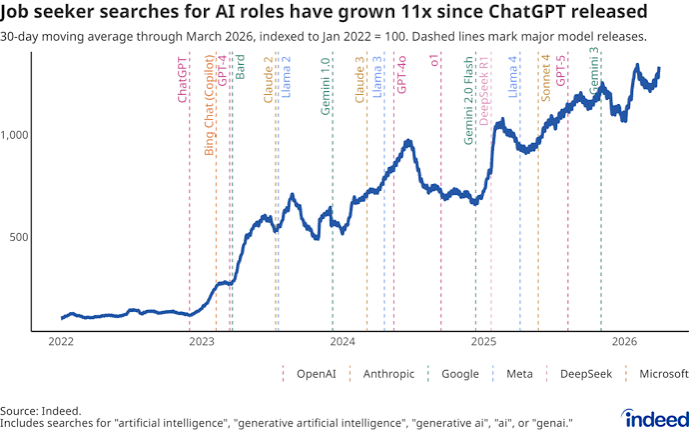
The traditional one-page resume is losing its power. In 2026, recruiters in finance are drowning in applications from highly qualified candidates, and a static PDF no longer provides the signal they need. Applicant Tracking Systems (ATS) have evolved from simple keyword scanners to AI that parses context and semantic meaning, and hiring managers are increasingly skeptical of listed skills. They want verifiable proof.
This shift is driven by a saturated job market, the rise of AI-powered recruiting tools, and a “zero-trust” hiring environment. For finance professionals whether you’re an analyst, accountant, or quant the resume is becoming a low-bandwidth tool that fails to differentiate you. Instead, recruiters are looking for what you can demonstrate, not just what you claim.
This article explains why the traditional resume is fading and what you should build instead: a portfolio of proof, a structured data-driven profile, and a visible professional reputation.
Why the Resume Is Failing in 2026
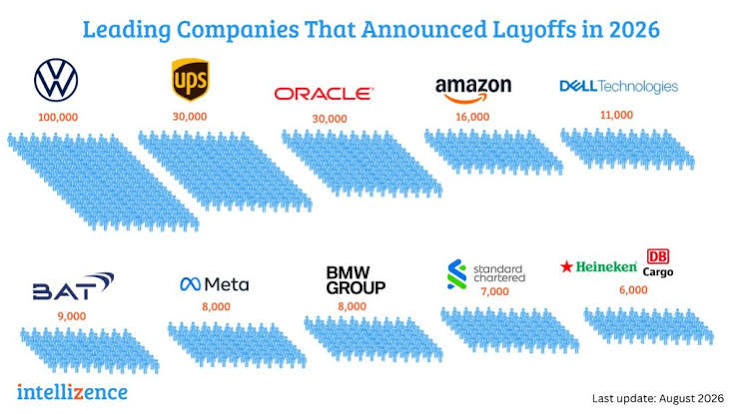
The 2023–2025 period saw massive layoffs in tech and a normalization of hybrid work. By 2026, the market is flooded with qualified candidates, and recruiters are overwhelmed. A traditional resume a static PDF is a low-bandwidth tool that can’t distinguish you in this crowd.
Applicant Tracking Systems (ATS) are the primary filter for corporate finance roles. But the narrative has shifted from “keyword optimization” to “AI semantic matching.” Modern ATS platforms use AI to parse context, not just keywords. They rank candidates based on “signal” projects, recommendations, measurable outcomes rather than “noise” like action verbs and buzzwords. Recruiters report that resumes are becoming less effective because AI can now understand what you actually did, not just what you listed.
Moreover, the “zero-trust” hiring environment means recruiters are skeptical of claimed expertise. They’ve seen too many resumes padded with skills like “Python” or “financial modeling” that don’t hold up in an interview. The shift is toward verifiable proof: certifications, public dashboards, code repositories, and case study walkthroughs.
The Portfolio Imperative
For finance roles, the portfolio is no longer just for designers. It now includes:
- Public dashboards: Tableau Public or Power BI visualizations of complex financial data. For example, a financial analyst might publish an interactive dashboard tracking key performance indicators for a retail company, with a write-up explaining the insights.
- Case study libraries: Anonymized breakdowns of past deals, turnaround projects, or efficiency improvements. For instance, an M&A analyst could share a summary of a due diligence process, omitting confidential details but showing the framework and decision points.
- GitHub or code repos: For quant roles or financial modeling automation, a repository with Python scripts that scrape financial data or automate forecasting can be more convincing than a bullet point.
Recruiters want to audit your skills before the first call. A portfolio allows them to see the actual Excel model, the Python script, or the risk assessment framework you built—not just a claim that you built it.
The Rise of the T-Shaped Profile
Generalist resumes are losing to “T-shaped” profiles: deep expertise in one area (e.g., M&A, risk, FP&A) combined with a working knowledge of adjacent tech (SQL, Python, BI tools). In a saturated market, depth signals you can deliver value immediately, while breadth shows adaptability.
For example, an FP&A professional with deep experience in budgeting and forecasting who also knows SQL and Power BI can query the data warehouse directly and build visualizations—a combination that stands out. Recruiters are moving away from chronological history toward a “competency map.” They want to know what you can do now, not just where you were in 2019.
The “Digital Business Card” + AI Optimization
You don’t have to abandon the resume entirely, but you should treat it as a data file for AI, not a document for humans. Create a “Master Resume” that is a structured data set (like JSON or a clean text file) that feeds into your LinkedIn profile, your personal site, and your PDF. This acknowledges that the ATS is the first reader. You optimize for the algorithm to understand your context, then provide a link to the human-facing portfolio.
For example, a candidate might have a personal website with a URL like “johnsmith.finance” that hosts a portfolio, a brief bio, and a link to a structured JSON file containing their work history, skills, and projects. When a recruiter’s AI tool parses their resume, it can also find the structured data and rank them higher for roles requiring specific competencies.
Building Your “Proof of Work” Portfolio
Instead of a resume, build a “proof of work” site—a personal website or a Notion page hosting your financial models, anonymized case studies, and a teardown of a recent market event.
For instance, a risk analyst could write a public teardown of the Silicon Valley Bank collapse, explaining how liquidity risk metrics failed and what a better framework would look like. This demonstrates intellectual curiosity and technical competence, and it allows the recruiter to “audit” your skills before the first call.
A quant might share a GitHub repository with a Python script that backtests a trading strategy, including documentation and results. A financial analyst could publish a Power BI dashboard that visualizes a company’s cash flow statement, with a short analysis.
The “Social Proof” Engine
Referrals are the most reliable hiring metric, but you don’t need to wait for a personal connection. Build a “social proof engine” by publishing weekly LinkedIn analyses of market trends or commenting on industry news.
For example, if you are the person who correctly predicted a rate cut or flagged a risk in a public post, you don’t need a resume—you have a reputation. Recruiters are begging for candidates who are visible. A well-written LinkedIn post that goes viral can generate inbound inquiries from hiring managers who already know your work.
The Skeptic’s View
In regulated industries like compliance, audit, or traditional banking, the resume remains a legal document required for background checks and compliance. You may still need to submit a traditional resume for formal HR processes. But even in those sectors, the portfolio and social proof can be the differentiator that gets you an interview, with the resume serving as a formality.
How to Start Now
- Audit your current skills: Identify your deep expertise area and adjacent tech skills you need to learn.
- Create a public artifact: Build a dashboard, write a case study, or publish a code repository. Start small, but make it real.
- Optimize your LinkedIn: Use your structured data to craft a headline that describes your competency map, not your job title.
- Engage publicly: Share your analyses and insights regularly on LinkedIn or a personal blog.
- Maintain the hybrid: Keep a clean, concise PDF resume for formal processes, but include a link to your portfolio at the top.
The resume isn’t dead, but its role is changing. In 2026, recruiters in finance want proof, not promises. By building a portfolio of work, optimizing for AI parsers, and cultivating a visible reputation, you can stand out in a saturated market. Start small: publish one dashboard, write one case study, or share one analysis. That’s the first step toward making your resume obsolete.
Summary
- Recruiters are overwhelmed by applications, and AI-powered ATS now parse context, not just keywords.
- Traditional resumes are less effective; recruiters want verifiable proof like portfolios, dashboards, and case studies.
- T-shaped profiles—deep expertise plus adjacent tech skills—are more attractive than generalist timelines.
- Build a “proof of work” portfolio and a structured data file (JSON) to feed AI algorithms.
- Publish your analyses publicly to build a social proof engine that attracts recruiters.
FAQ
Q: Do I still need a resume in 2026?
A: Yes, for formal HR processes and regulated industries, but treat it as a data file for AI, not a human document. Your real pitch is your portfolio and public work.
Q: What if I’m not technical?
A: You don’t need to code. A public dashboard in Power BI or a well-analyzed case study on LinkedIn is enough. The key is to show your thinking.
Q: How long does it take to build a portfolio?
A: You can start with one artifact—a single dashboard or a case study—in a weekend. Consistency matters more than volume.
Q: Will recruiters actually look at my portfolio?
A: Many will, especially if you include the link in your resume and LinkedIn. It helps you stand out, and AI tools can also surface it.
Q: What about confidentiality in finance?
A: Anonymize data and focus on your framework, not the actual numbers. For example, describe your due diligence process without naming the client.