Tag: Hollywood

  • How 1970s Blaxploitation Cinema Flipped Hollywood’s Script on Black America

    How 1970s Blaxploitation Cinema Flipped Hollywood’s Script on Black America

    In 1971, a 500,000-dollar independent film about a Black sex worker’s son on the run from the police grossed over ten million dollars at the box office. Sweet Sweetback’s Baadasssss Song was written, directed, produced, and scored by Melvin Van Peebles, who also starred in it. The movie was defiant, experimental, and unapologetically pro-Black. It proved that a film made by and for Black audiences could make serious money, and it cracked open a door that Hollywood had kept locked for decades.

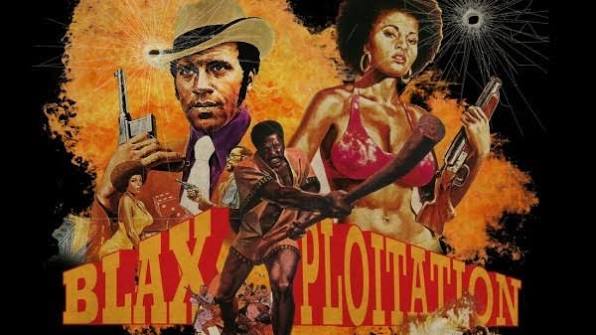
    That door led to the Blaxploitation era, a roughly five-year period from 1970 to 1975 when studios produced a wave of films featuring Black leads, Black stories, and Black music. These movies gave us John Shaft, Foxy Brown, and a funk soundtrack for every scene. But beneath the leather coats and afros, the genre was doing something more radical than just entertaining audiences—it was dismantling the stereotypes that had defined Black characters in American cinema since its inception. The films were rough, uneven, and often deeply problematic. Yet they succeeded in ways that no previous movement had: they made Black defiance profitable, and they forced Hollywood to reckon with a demographic it had long ignored.

    Before Blaxploitation: A Century of Caricatures

    To understand what Blaxploitation did, you have to look at what it replaced. For most of Hollywood’s history, Black characters were not people—they were types. There was the Mammy, the Uncle Tom, the Sambo, the tragic mulatto, and the comic buffoon. These caricatures stretched back to D.W. Griffith’s The Birth of a Nation (1915), which portrayed Black men as threats to white womanhood and celebrated the Ku Klux Klan as heroes. The film was a commercial blockbuster and a propaganda weapon that helped revive the Klan in the 1920s.

    In response, independent Black filmmakers like Oscar Micheaux produced “race films” from the 1910s through the 1940s—movies with all-Black casts that showed doctors, lawyers, and everyday families. But these films rarely reached mainstream theaters. They played in segregated venues and were often ignored by white critics.

    The Civil Rights era brought a shift. By the late 1960s, films like Guess Who’s Coming to Dinner (1967) presented Black characters with dignity—but the dignity came with strings attached. Sidney Poitier, the era’s most bankable Black star, played characters that were nearly perfect: brilliant, patient, and non-threatening. He was there to teach white audiences a lesson, not to challenge them. As the critic Donald Bogle wrote, Poitier’s roles were designed to “appease” rather than provoke.

    By 1970, that formula was stale. The studios were in financial freefall. Television had gutted their audiences, and big-budget flops like Hello, Dolly! (1969) were sinking entire companies. Hollywood needed cheap hits, and it began noticing that urban theaters—especially in Black neighborhoods—were packed. A 1968 study by the Motion Picture Association found that Black moviegoers were a significant portion of the urban audience. The message was clear: there was money to be made in Black stories. The question was what kind of stories to tell.

    The Badass Arrives: 1971’s Double Blow

    Two films in 1971 changed everything. The first was Sweet Sweetback’s Baadasssss Song. Van Peebles financed it himself after Hollywood turned him down. He shot it in 19 days with a non-union crew, and the film’s ending—Sweetback running to the border, fist raised—was a call to arms. The title song, performed by the band Earth, Wind & Fire, became a hit. Black audiences flocked to see it, and the film grossed over $10 million. It was a proof of concept that a Black-made film could be a box-office phenomenon.

    The second was Shaft, directed by Gordon Parks Sr. for MGM. Richard Roundtree played John Shaft, a private detective who walked through Harlem like he owned it. He was a Black man with a gun, a leather coat, and an attitude that said: I answer to no one. The film was a hit, and Isaac Hayes’s “Theme from Shaft” won the Academy Award for Best Original Song—the first time a Black composer won in that category. Hayes’s soundtrack, with its wah-wah guitar and funky groove, became as famous as the movie itself.

    These two films established the Blaxploitation formula. The protagonist was usually an outsider—a detective, a vigilante, a pimp, or a drug lord. He (or she) operated outside the law, often against it. The villains were corrupt white authority figures: cops, politicians, mobsters. And then there were the “Uncle Tom” characters—Black people who had sold out to the white establishment, and who received the audience’s particular contempt.

    The films were set in gritty urban landscapes: Harlem, Watts, Chicago’s South Side. The fashion was bold—leather, fur, wide-brimmed hats. And the soundtracks were often bigger than the movies. Curtis Mayfield’s score for Super Fly (1972) sold over a million copies. James Brown scored Black Caesar (1973). Marvin Gaye wrote the music for Trouble Man (1972). These soundtracks gave the films a cultural weight that extended far beyond the theater.

    The Heroes: Pam Grier, Richard Roundtree, and the Badass Who Looked Like You

    Blaxploitation stars were a new kind of Black hero. Richard Roundtree’s Shaft was confident, sexy, and unapologetic. Ron O’Neal in Super Fly was a cocaine dealer who wanted out—a morally complicated figure, to say the least. Fred Williamson and Jim Brown brought their athletic backgrounds to roles that emphasized physical power. But perhaps the most revolutionary figure to emerge was Pam Grier.

    Grier starred in Coffy (1973) and Foxy Brown (1974), both directed by Jack Hill. She played women who took revenge on the drug dealers and mobsters who destroyed their families. Grier’s characters were not sidekicks or love interests—they were the protagonists. They used their sexuality as a weapon, and they were just as violent as any male hero. This was a radical reversal of the “tragic mulatto” or the “jezebel” stereotypes that had limited Black women in film for decades. Grier became the first Black female action star, and her influence can be seen in everyone from Uma Thurman’s Bride in Kill Bill to the women of Luke Cage.

    There was also Tamara Dobson, who starred as Cleopatra Jones (1973), a government agent who drove a tricked-out car and took on an international drug ring. The film was produced by Warner Bros., a major studio, and it gave audiences a Black female action hero who answered to no one but herself.

    These heroes were not polite. They did not wait for white approval. They blew things up, shot first, and asked questions later. In doing so, they flipped a century of cinematic tropes on their heads. The “bad Negro” of old Hollywood, who was always punished for his aggression, became the hero. The audience was meant to cheer when he (or she) beat the system.

    The Problem with Blaxploitation: Critiques and Contradictions

    The genre was not without its critics—many of them Black. The term “Blaxploitation” itself was coined by Junjus Griffin, the president of the Beverly Hills–Hollywood NAACP, in a 1972 article in Variety. Griffin used it as an insult. He called the films “a blatant exploitation of the black community.” He was right to be concerned.

    Many of the films glamorized crime. Super Fly was the most notorious example. It followed Youngblood Priest, a cocaine dealer who wears expensive suits and drives a Cadillac. The movie was meant to be a cautionary tale, but audiences read it as a how-to guide. Curtis Mayfield’s soundtrack was filled with anti-drug warnings, but the imagery was seductive. The film was banned in Chicago for a time, and the NAACP and the Congress of Racial Equality (CORE) publicly condemned it.

    There was also the question of who was making the films. While Van Peebles and Parks were Black directors, many Blaxploitation films were made by white filmmakers like Jack Hill and Ralph Bakshi (who directed the animated Coonskin in 1975, a film so controversial it was protested by CORE). White producers were eager to cash in on the trend, and they often replicated the most formulaic elements: violence, sex, and revenge fantasies.

    The stereotypes did not disappear—they mutated. The “pimp” and the “drug dealer” became new stock characters, just as limiting as the old ones. Some critics argued that Blaxploitation traded one set of images for another, replacing the submissive Uncle Tom with the hyper-masculine “buck.” These were fantasies, not realistic portraits of Black life.

    And there was a structural problem. The films were made cheaply, and Black actors were often paid less than their white counterparts. Black directors were rarely given control over the final cut. The genre may have created jobs, but it did not create lasting power for Black filmmakers. When the trend faded, as all Hollywood trends do, the industry moved on, and Black actors found themselves back in supporting roles.

    The Legacy: From Shaft to Black Panther

    By 1975, the Blaxploitation wave had crashed. The studios had flooded the market, and audiences grew tired. A few films like The Mack (1973) and Black Caesar (1973) had their moments, but the genre was winding down. Some point to Mandingo (1975), a film about slavery that was both exploitative and historically dubious, as the ugly end of the era.

    But the impact did not fade. The films introduced a generation of Black actors to the screen, many of whom became enduring stars: Grier, Roundtree, Williamson, Brown, and others. They also gave Black composers a platform—the soundtracks of the era are still celebrated as masterpieces of funk and soul.

    More importantly, Blaxploitation changed what was possible. It proved that Black audiences were a powerful economic force. When Hollywood ignored them, they went elsewhere. That lesson was not lost on the filmmakers who came after. The 1980s and 1990s saw a wave of Black filmmakers—Spike Lee, John Singleton, F. Gary Gray—who cited Blaxploitation as an influence. Lee’s Do the Right Thing (1989) and Singleton’s Boyz n the Hood (1991) carried forward the tradition of telling unapologetic Black stories, though with more nuance and less genre formula.

    The direct line can be traced to 2018’s Black Panther, the first major superhero film with a predominantly Black cast. Director Ryan Coogler has spoken about the influence of Blaxploitation on his work. The film’s mix of style, politics, and commercial success would have been unimaginable without the trail blazed by Shaft and Sweet Sweetback.

    There is also the question of the term itself. “Blaxploitation” remains contested. Some see it as a badge of honor, a label that names a moment of Black cultural power. Others see it as a reminder of how the industry exploited Black creativity for white profit. Both readings are true. The films were commercial products, made by a racist industry to make money. And they were also acts of subversion, created by Black artists who found a way to make their voices heard in a system that had excluded them for decades.

    Judgment Call: The Good, the Bad, and the Complicated

    Was Blaxploitation a net positive for Black cinema? The answer is not simple. On one hand, the films were often crass, violent, and politically ambiguous. They traded in stereotypes, and they did not present a fully rounded portrait of Black life. On the other hand, they gave Black audiences something they had never had: heroes who looked like them and who fought back.

    The films also created a space for Black music and fashion to cross over into the mainstream. The soundtracks of Super Fly and Shaft are now recognized as cultural treasures. The look of the era—the leather, the afros, the bold colors—has been endlessly referenced in music videos, fashion shoots, and other films.

    The final verdict may be best left to the artists themselves. Melvin Van Peebles, who lived until 2021, never wavered in his defense of Sweet Sweetback. He saw it as a declaration of independence. Pam Grier has expressed pride in her roles, even as she acknowledges their limitations. And Gordon Parks Sr., who directed Shaft, was a photographer and writer who used his art to document the Black experience with dignity.

    What is certain is that Blaxploitation changed the conversation. It forced Hollywood to see Black audiences not as a sideline but as a central market. It gave a generation of Black artists a foothold in an industry that had excluded them. And it created a template for Black commercial cinema that persists to this day. The films were not perfect. But they were a beginning.

    The Blaxploitation era was a messy, complicated, and necessary upheaval. It was a business decision that became a cultural movement. In less than five years, a handful of films flipped the script on Hollywood’s racist history, giving Black audiences heroes, villains, and soundtracks that they could call their own. The genre had its flaws—plenty of them—but it opened a door that could not be closed. When you watch a modern film like Black Panther, you are watching a descendant of Sweet Sweetback. The names and the budgets have changed, but the spirit of defiance remains. Blaxploitation was never “good” in the way that a prestige drama is good. It was something more important: it was real, it was loud, and it was Black.

    Summary

    • Blaxploitation emerged around 1971 and peaked between 1971 and 1974, driven by the success of Sweet Sweetback’s Baadasssss Song and Shaft.
    • The genre subverted old stereotypes by presenting Black protagonists as powerful, defiant, and often anti-establishment figures.
    • It gave rise to iconic stars like Pam Grier and Richard Roundtree, and launched celebrated soundtracks by Isaac Hayes, Curtis Mayfield, and others.
    • Critics, including the NAACP’s Junjus Griffin, condemned the genre for glamorizing crime and reinforcing new stereotypes.
    • The era’s legacy is mixed but undeniable, influencing later Black cinema from Spike Lee to Black Panther.

    FAQ

    Q: What exactly is Blaxploitation?
    A: Blaxploitation is a film genre from the early 1970s that featured Black protagonists, often in action or crime stories, targeting Black audiences. The term combines “black” and “exploitation,” and it was originally used by critics who felt the films exploited Black communities.

    Q: How did Blaxploitation subvert Hollywood stereotypes?
    A: Before Blaxploitation, Black characters were often limited to demeaning roles like the Mammy, the Uncle Tom, or the comic buffoon. Blaxploitation flipped these stereotypes by making Black characters the heroes—strong, independent, and often fighting against corrupt white authority figures.

    Q: Were all Blaxploitation films made by Black filmmakers?
    A: No. While some like Melvin Van Peebles and Gordon Parks Sr. were Black, many were directed by white filmmakers like Jack Hill and Ralph Bakshi. The genre was a commercial trend, and studios often hired white directors to cash in.

    Q: Why is the era considered problematic?
    A: Critics argue that many films glamorized crime, especially drug dealing and pimping, and replaced old stereotypes with new ones like the “super-pimp” or the “buck.” The films also often lacked nuance and were made cheaply with little Black control behind the scenes.

    Q: What is the legacy of Blaxploitation today?
    A: Blaxploitation proved that Black audiences were a profitable market, which led to more opportunities for Black actors and filmmakers. Its influence is seen in music, fashion, and later films like Spike Lee’s Do the Right Thing and Marvel’s Black Panther.
  • The Unsung Heroes of Cinema: How Stunt Performers Shaped Action Films


    When you watch a hero leap from a collapsing building or a car flip mid-chase, your heart races but do you know whose body actually made that leap? Behind every death-defying moment is a stunt performer, a professional who risks life and limb so actors can look heroic. Yet, these daredevils rarely get the spotlight. They aren’t nominated for Oscars, their names are often buried in credits, and the public frequently mistakes their work for CGI or actor bravery.

    But stunt performers have been the backbone of action cinema since its earliest days. From Buster Keaton’s silent-era falls to Tom Cruise’s modern-day plane hangs, these unsung heroes have not only performed the stunts—they’ve invented the techniques, set the safety standards, and pushed the boundaries of what’s possible on screen. This article pulls back the curtain on their vital role, tracing their history, celebrating their innovations, and examining why they remain largely invisible in an industry they’ve built.

    The Silent Era: When Actors Were Their Own Stunt Doubles

    In the early 1900s, there was no such thing as a “stunt double.” Actors like Buster Keaton and Harold Lloyd performed their own death-defying feats, partly because cameras were too heavy to hide a double’s face, and partly because audiences flocked to see real danger. Keaton’s famous house facade collapse in Steamboat Bill Jr. (1928) nearly killed him—he survived only because he stood in the exact spot where a window frame fell. Harold Lloyd’s iconic clock-hanging scene in Safety Last! (1923) was shot without a safety net, and he lost two fingers in an earlier stunt.

    The serials of the 1910s, like The Perils of Pauline, featured Pearl White performing her own falls and fights, setting a precedent for female stunt performers. But as filmmaking grew more complex, the need for specialized professionals became clear. These early daredevils were the first to realize that falling from a building is a craft—one that requires training, precision, and a willingness to get hurt.

    Stunt performers are the invisible architects of action cinema. They’ve turned falls into art, crashes into science, and danger into entertainment. While awards and recognition lag behind, their influence is undeniable—from the techniques they invent to the safety standards they uphold. The next time you watch a heart-stopping chase, remember the unsung heroes who made it possible, and perhaps champion for the recognition they rightfully deserve.

    Summary

    • Stunt performers have been central to cinema since the silent era, with pioneers like Buster Keaton and Pearl White performing their own dangerous feats.
    • Innovations like Yakima Canutt’s horse fall and Dar Robinson’s deceleration device have shaped how stunts are performed safely.
    • Hong Kong action cinema, led by Jackie Chan, elevated choreography and risk, influencing Hollywood’s approach to action.
    • Despite their contributions, stunt performers lack dedicated awards like the Oscars and often go uncredited.
    • Modern safety regulations and CGI have not diminished the need for practical stunts, as seen in films like Mission: Impossible and John Wick.

    FAQ

    Q: Why don’t stunt performers have an Oscar category?
    A: The Academy has never created a competitive award for stunt work, despite decades of campaigning. In 2012, Hal Needham received an honorary Oscar, but no regular category exists. The Screen Actors Guild has awarded Outstanding Action Performance by a Stunt Ensemble since 2007, but the Oscars remain elusive.

    Q: Do actors really do their own stunts?
    A: Some do, like Tom Cruise and Jackie Chan, but most actors rely on doubles for dangerous stunts. Insurance companies often prohibit actors from performing high-risk maneuvers. Even when actors train extensively, as Keanu Reeves did for John Wick, a double is still present for the most dangerous falls or crashes.

    Q: What is the most dangerous stunt ever performed?
    A: Dar Robinson’s 220-foot fall in Highpoint (1982) is often cited as one of the most dangerous, as he invented a deceleration device to survive it. Jackie Chan’s stunts, like the mall pole slide in Police Story (1985), are legendary for their risk—he suffered severe injuries, including a dislocated pelvis.

    Q: How has CGI affected stunt work?
    A: CGI can enhance or clean up stunts, but it hasn’t replaced practical performers. Directors like Christopher Nolan and Tom Cruise champion practical effects for realism. Motion capture, as used in Avatar or The Matrix, still requires stunt performers to provide the physical movements that are then animated.

    Q: Who was the first female stunt performer?
    A: Helen Gibson is often credited as the first American woman stunt performer, starting in the 1910s. She performed horse stunts and falls in silent serials, paving the way for future generations of women in the field.

  • The Women Who Invented Film Editing and Why History Forgot Them

    The Women Who Invented Film Editing and Why History Forgot Them

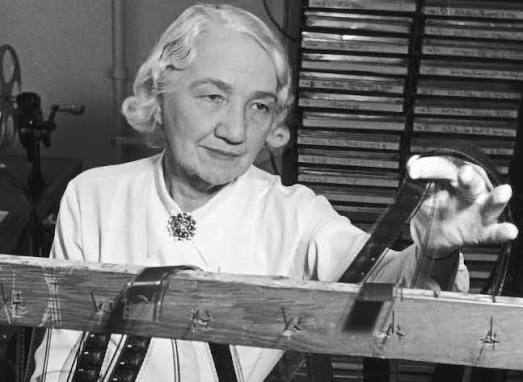
    In the 1920s, more than 60% of Hollywood film editors were women. They worked in cramped cutting rooms, splicing celluloid by hand, and in the process invented the visual grammar that still governs every movie you watch. But by the 1960s, the number had plummeted to single digits. What happened?

    This is the story of the female editors who built the language of cinema and how the industry erased them as soon as the job became prestigious. Their names Margaret Booth, Anne Bauchens, Barbara McLean are not household names, but their fingerprints are on every cut, every jump, every emotional beat in film history.

    The Silent Era’s Secret: Editing Was Women’s Work

    Today, film editing is seen as a creative, powerful role—the editor shapes the story, controls pacing, and can make or break a movie. But that wasn’t always the case. In the early 1900s, editing was considered mechanical labor, not much different from sewing or typing. It involved splicing physical strips of film, cataloging shots, and keeping meticulous logs—tasks deemed “suitable” for women because they required patience and attention to detail, not the “genius” of male directors and cinematographers.

    So studios hired women as “negative cutters” or “splicers,” paying them less than men. The film industry was born in an era of rigid gender roles, and editing fit neatly into the category of women’s work. A 1920s industry survey found that over 60% of film editors were women—a figure that has never been approached since.

    From Cutters to Creators: The Invisible Art Takes Shape

    But something unexpected happened. The women in these cutting rooms started making decisions. They chose which take to use, where to make a cut, how to pace a scene. They weren’t just splicing; they were telling stories without words.

    Silent films had no dialogue to carry exposition. Everything—emotion, plot, character—had to be conveyed through images. An editor had to decide when to show a character’s face, when to cut away to what they were looking at, how long to hold a shot. These decisions created meaning, and the women in the cutting rooms were the ones making them.

    Margaret Booth, who started at MGM in the 1920s and worked there for over 60 years, became a legend for her “invisible” cutting style. She prioritized story flow over flashy technique, believing that the best edit is one the audience doesn’t notice. Her approach—seamless, unobtrusive, emotionally driven—became the model for classical Hollywood editing.

    Anne Bauchens worked with Cecil B. DeMille for over 40 years, editing epics like The Ten Commandments (1923). She won an Academy Award for Northwest Mounted Police (1940). Barbara McLean, head of editing at 20th Century Fox, won the Oscar for Wilson (1944) and is remembered for her work on All About Eve (1950). Blanche Sewell edited The Wizard of Oz (1939). These women weren’t just technicians; they were shaping the films that defined an era.

    The Grammar of Cinema: How Women Codified the Rules

    As films grew from short novelties to feature-length narratives in the 1910s and 1920s, editors had to develop a new system for making stories coherent. This became known as the “continuity system”—a set of rules for editing that ensured viewers always knew where they were and what was happening.

    These rules included matching eyelines (if character A looks right, character B should look left), maintaining screen direction (if a car moves left-to-right in one shot, it should continue left-to-right in the next), and cutting on action (so the movement flows smoothly from one shot to the next).

    These techniques are so fundamental that we take them for granted today. But they had to be invented, and they were largely codified in the cutting rooms staffed by women. These editors discovered that by manipulating the order and duration of shots, they could control the audience’s emotional response. A quick cut could create tension; a long hold could build empathy. This was the birth of modern film language, and it was born in the hands of women.

    The Script Girl Pipeline: How Women Became Editors

    Many early female editors didn’t start with the title “editor.” They entered the industry as “script girls”—now called script supervisors—whose job was to track what had been shot, noting details like which take was good, what props were used, and where actors were standing. This gave them an encyclopedic knowledge of the footage, which made them natural candidates for editing when the need arose.

    The role was also a way for women to be near the creative process without being seen as a threat. Directors like D.W. Griffith and Cecil B. DeMille came to rely on their editors’ instincts. Irving Thalberg, the legendary MGM producer, famously said that the editor was the only person who could “save” a film in post-production. In the studio system, editors worked in centralized cutting rooms, often far from the director’s oversight, which gave them unusual autonomy.

    The Sound Revolution and the Slow Erasure

    The arrival of sound in the late 1920s was a turning point. Sound editing—handling dialogue, music, and effects—was seen as technical and “male,” so those jobs went to men. But picture editing remained a female-dominated role for another decade. By the 1930s, editing was becoming recognized as a creative and powerful position, and that’s when the tide began to turn.

    The first Academy Award for Film Editing went to a man, Conrad Nervig, in 1934. Women won later—Barbara McLean in 1944, for example—but the pattern was clear. As editing gained prestige, men increasingly took over. By the 1950s, the percentage of female editors had dropped dramatically, and by the 1960s it was in the single digits.

    This wasn’t a natural evolution; it was a systematic exclusion. The same work that was once dismissed as “women’s work” became too important for women once it was valued. The history of editing is a stark example of how gendered labor is often a matter of convenience: when the job is seen as clerical, it’s for women; when it becomes “creative,” it’s for men.

    Legacies Hidden in Plain Sight

    The editing styles developed by these women didn’t disappear when they left. The continuity system remained the backbone of Hollywood filmmaking for decades. The “invisible” cutting style—perfected by Margaret Booth—dominated until the 1960s, when a new wave of editors like Dede Allen began to break the rules.

    Allen, who worked from the 1950s through the 1990s, is often seen as the bridge between the silent-era editors and the New Hollywood of the 1970s. She brought a more aggressive, noticeable cutting style to films like Bonnie and Clyde (1967), but she always credited the women who came before her. The techniques they developed—matching action, controlling rhythm, building emotion—remain the foundation of every film edit today.

    Yet their names are barely known. Ask most film fans to name a great editor, and they’ll likely say Walter Murch or Thelma Schoonmaker. But without Margaret Booth’s invisible cuts, without Anne Bauchens’s epic pacing, without the hundreds of unnamed women in cutting rooms, the very language of film would be unrecognizable.

    The Reckoning

    In recent years, there has been a push to recognize the contributions of women in film history, and editing is finally getting its due. Documentaries, books, and retrospective screenings have begun to shine a light on the women who built the medium. The Academy’s own history is being reexamined, and the role of female editors in the silent era is now a subject of scholarly study.

    But the story is more than a list of forgotten names. It’s a lesson about how we assign value to work. The women who “saved” Hollywood’s silent era weren’t doing something inherently feminine—they were doing something that required skill, creativity, and intelligence. They were censored by the industry only when that work was recognized as valuable.

    Today, the editing room is again seeing a resurgence of women, though they still face an uphill battle. The legacy of the silent-era editors is a reminder that the medium of film is built on the labor of people who were often denied credit, denied status, and eventually denied a place in history. But their work endures in every cut, every transition, every moment of cinematic magic that moves us.

    The women who edited silent films didn’t just save individual movies—they built the entire grammar of cinema. They turned a mechanical task into a creative art, only to be pushed out when the art was recognized. Their story is a silent film in itself: full of meaning conveyed through images and actions, but with the title cards missing. The least we can do now is restore their names to the credits.

    Summary

    • In the 1920s, over 60% of film editors were women, but the role was initially dismissed as mechanical “women’s work.”
    • Female editors like Margaret Booth, Anne Bauchens, and Barbara McLean developed and standardized the continuity system—the invisible editing rules that still govern filmmaking.
    • As editing gained prestige in the 1930s and 1940s, men increasingly took over, and by the 1960s, the percentage of female editors had fallen to single digits.
    • The “invisible” editing style perfected by women remained dominant until the 1960s, when editors like Dede Allen began a more aggressive approach.
    • The story of these editors reveals how gendered labor is assigned and reassigned based on the perceived status of the work.

    FAQ

    Q: Who was Margaret Booth?
    A: Margaret Booth was an editor at MGM for over 60 years, starting in the 1920s. She was known for her “invisible” editing style that prioritized story flow and emotional pacing. She is often cited as the first true “film editor.”

    Q: Why were women initially hired as editors?
    A: Editing was seen as meticulous handwork, similar to sewing or typing. Studios also hired women at lower wages, making it economically attractive. It wasn’t until editing was recognized as a creative role that men began to dominate.

    Q: What is the “continuity system”?
    A: The continuity system is a set of editing rules—matching eyelines, screen direction, and action—that ensure visual coherence in narrative films. It was largely developed and codified by female editors in the 1910s and 1920s.

    Q: How did the arrival of sound affect female editors?
    A: Sound editing was seen as technical and male, so men took over those roles. Picture editing remained female-dominated for a while, but as editing gained prestige, men increasingly took over that as well.

    Q: Who was Dede Allen?
    A: Dede Allen was an editor active from the 1950s to the 1990s, known for her work on Bonnie and Clyde (1967). She is often considered a bridge between the invisible style of the silent-era editors and the more aggressive cutting of the New Hollywood era.

  • Dolly Parton, a Hollywood Treasure Who Lit Up the Screen With Her Authentic Self

    Dolly Parton, a Hollywood Treasure Who Lit Up the Screen With Her Authentic Self

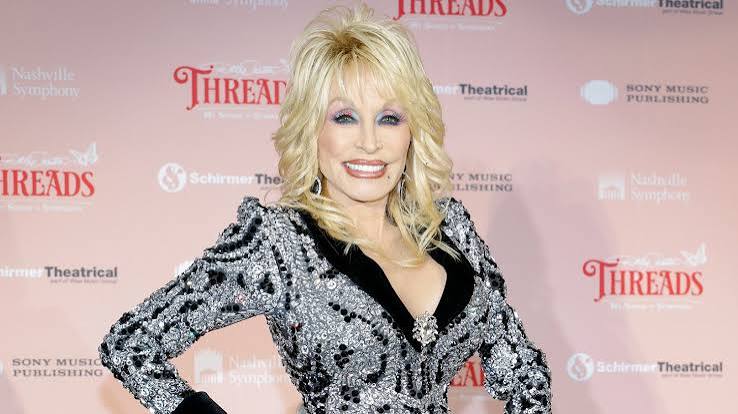
    When Dolly Parton stepped onto a movie set for the first time in 1980, she had already conquered country music with hits like “Jolene” and “I Will Always Love You.” But Hollywood was a different arena, one where many music stars stumbled. Parton didn’t just succeed—she left an indelible mark, not by transforming into someone else, but by bringing her fully formed, rhinestone-studded self to every role.

    Her filmography is small but mighty: seven feature films over four decades, each one a testament to her instinctive, unpretentious acting style. From the feminist workplace comedy “9 to 5” to the Southern ensemble drama “Steel Magnolias,” Parton proved that authenticity could be a superpower on screen. This article explores how a singer with no formal acting training became a beloved film presence, simply by being unapologetically Dolly.

    From Nashville to Hollywood: A Calculated Crossover

    By 1980, Dolly Parton was a country music superstar with two Grammy Awards and a successful variety show under her belt. Her crossover into mainstream pop was deliberate, but her move into film was equally strategic. Jane Fonda, already a Hollywood heavyweight, saw Parton on television and specifically wanted her for “9 to 5.” Fonda believed Parton could bring working-class and Southern audiences to a feminist story about workplace sexism.

    Parton’s casting was not just a stunt. She brought a natural, unforced presence that balanced the film’s more theatrical performances. Playing Doralee Rhodes, a secretary who refuses to be a victim, Parton held her own against Fonda and Lily Tomlin. The film grossed over $103 million domestically on a $10 million budget, proving that a female-led comedy could be a box office juggernaut.

    The Authentic Persona as a Creative Choice

    Parton’s on-screen characters often mirrored her public image: glamorous, witty, and shrewdly intelligent. She never played a “country bumpkin” stereotype. In “The Best Little Whorehouse in Texas” (1982), she portrayed Miss Mona, a brothel madam with dignity and heart, opposite Burt Reynolds. The film received mixed reviews but was commercially successful, and Parton’s re-recording of “I Will Always Love You” became a poignant centerpiece.

    Even in failures, Parton’s authenticity shone. “Rhinestone” (1984), where she played a country singer trying to turn Sylvester Stallone into a star, was a critical and commercial flop. But Parton later joked about it with characteristic humor, never disowning the film. That lack of self-consciousness—both on screen and in interviews—became her signature.

    “Steel Magnolias” and the Power of Ensemble Acting

    In 1989, Parton joined an ensemble cast for “Steel Magnolias,” playing Truvy Jones, the wisecracking owner of a beauty parlor in Louisiana. The film starred Sally Field, Shirley MacLaine, Olympia Dukakis, Daryl Hannah, and Julia Roberts. It was a critical and commercial success, and Parton’s performance was widely praised for its warmth and comic timing.

    Parton didn’t need to dominate the screen; she elevated the ensemble. Her Truvy was the glue of the group, offering advice and laughter while dealing with her own struggles. The film’s enduring popularity is due in part to Parton’s grounded, relatable portrayal. She proved she could hold her own among acting heavyweights, not by matching their technical craft, but by bringing her own unique, unfiltered energy.

    The Songwriting Secret Behind “9 to 5”

    One of the most famous anecdotes about Parton’s film career involves the title song for “9 to 5.” She wrote the track using her acrylic fingernails to tap on a keyboard, mimicking the sound of a typewriter. The song became a #1 hit on both country and pop charts, earned her a Grammy, and was nominated for an Academy Award. It wasn’t just a promotional tie-in—it was a cultural phenomenon that captured the frustrations and aspirations of working women everywhere.

    This songwriting ability was a unique asset for a film actress. Parton didn’t just appear in movies; she shaped their soundtracks. For “Dumplin’” (2018), a Netflix film about a plus-sized teen entering a beauty pageant, Parton contributed new songs, weaving her music into the story’s themes of self-acceptance.

    A Legacy of Authenticity Over Volume

    Parton’s film career is notable for what it isn’t: prolific. She made only seven feature films, but each one left a distinct impression. Her two Golden Globe nominations—for “9 to 5” and “The Best Little Whorehouse in Texas”—came early in her career, and while she never received major acting awards, her performances have aged well.

    In 2006, she received the Kennedy Center Honors, and in 2022, the Presidential Medal of Freedom, recognizing her broader cultural impact. But her film work remains a beloved part of her legacy. Parton’s approach to acting—relying on instinct, insisting on characters true to herself, and never toning down her look or accent—was revolutionary in its simplicity. She didn’t disappear into roles; she invited audiences into her world.

    Dolly Parton’s film career is a masterclass in the power of being yourself. In an industry that often demands transformation, she offered authenticity. Her characters were smart, capable, and warm, just like the persona she crafted on stage. Whether she was fighting workplace sexism in “9 to 5” or dishing out wisdom in “Steel Magnolias,” Parton lit up the screen not by acting, but by being unapologetically Dolly. That’s why her movies endure—and why she remains a Hollywood treasure.

    Summary

    • Dolly Parton had no formal acting training but relied on instinct and authenticity, making her on-screen presence unique.
    • Her breakout film “9 to 5” (1980) was a box office hit, grossing over $103 million, and her title song became a #1 hit.
    • She insisted on playing characters true to her identity, never toning down her look or accent, which set her apart from other music stars in film.
    • In “Steel Magnolias” (1989), she proved she could shine in an ensemble cast, earning widespread praise.
    • Though her filmography is small (seven feature films), each role left a lasting impression, and she received two Golden Globe nominations.

    FAQ

    Q: How many movies has Dolly Parton appeared in?
    A: Dolly Parton has appeared in seven feature films: “9 to 5” (1980), “The Best Little Whorehouse in Texas” (1982), “Rhinestone” (1984), “Steel Magnolias” (1989), “Straight Talk” (1992), “Joyful Noise” (2012), and “Dumplin’” (2018).

    Q: Did Dolly Parton receive any acting awards?
    A: She received Golden Globe nominations for Best Actress in a Motion Picture – Musical or Comedy for “9 to 5” (1981) and “The Best Little Whorehouse in Texas” (1983). She did not win, but her performances were widely praised.

    Q: What is the story behind the song “9 to 5”?
    A: Dolly Parton wrote the song using her acrylic fingernails to tap on a keyboard, mimicking the sound of a typewriter. The song became a #1 hit on both country and pop charts, won a Grammy for Best Country Song, and was nominated for an Academy Award.

    Q: Why is Dolly Parton considered an authentic actress?
    A: Parton had no formal acting training and relied on her natural instincts. She insisted on playing characters true to her own identity, often pushing back against studio suggestions to tone down her look or accent. This authenticity made her stand out.

    Q: What was Dolly Parton’s role in “Steel Magnolias”?
    A: She played Truvy Jones, the wisecracking, big-hearted owner of a beauty parlor in a small Louisiana town. The film was a critical and commercial success, and Parton’s performance was widely praised for its warmth and humor.

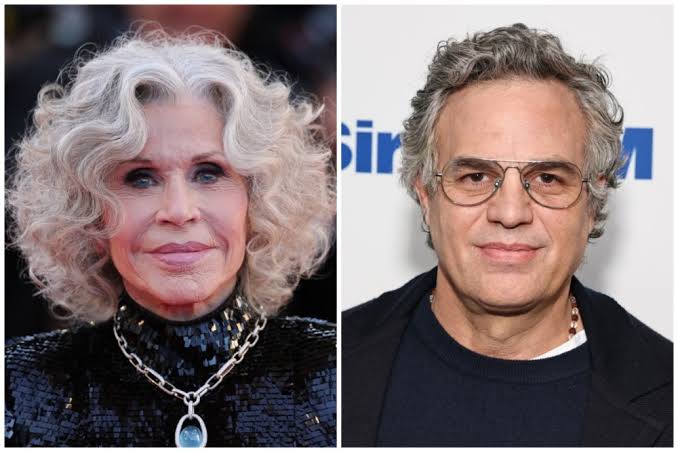
  • Jane Fonda Defends Mark Ruffalo Against Paramount’s ‘Antisemitic’ Label, Calls It a Smear

    Jane Fonda Defends Mark Ruffalo Against Paramount’s ‘Antisemitic’ Label, Calls It a Smear

    Jane Fonda Defends Mark Ruffalo in Paramount Feud

    Actress Jane Fonda has publicly defended Mark Ruffalo after Paramount Global labeled his social media comments about the Ellison family’s ties to Israel as antisemitic. Fonda, who identifies as Jewish American, called the accusation ‘a smear to delegitimize criticism of the merger.’ The dispute highlights the charged intersection of Hollywood, corporate interests, and the ongoing Israel-Hamas conflict.

    Ruffalo, a four-time Oscar nominee known for his activism, had criticized the proposed Skydance-Paramount merger, pointing to Larry Ellison’s financial support for Israel. Paramount’s response, which branded the remarks as antisemitic, has sparked a debate over where criticism of Israel ends and antisemitism begins.

    The Controversy Unfolds

    Mark Ruffalo took to social media to denounce the planned merger between Skydance Media and Paramount Global, a deal backed by Oracle co-founder Larry Ellison and his son David, CEO of Skydance. Ruffalo’s post highlighted Ellison’s donations to Israel amid the ongoing conflict, framing the merger as problematic for that reason. Paramount responded with a statement calling Ruffalo’s comments ‘antisemitic,’ a characterization that immediately drew backlash from supporters of the actor and critics of the merger.

    Jane Fonda, a longtime friend and fellow activist, issued a statement defending Ruffalo. ‘This is a smear to delegitimize criticism of the merger,’ Fonda said. ‘Criticizing a business deal or a person’s political donations is not antisemitism. We must not conflate the two.’ Fonda’s intervention carries weight, given her Jewish heritage and vocal advocacy on social issues.

    The Merger and Its Critics

    The Skydance-Paramount merger, announced in July 2024, has faced scrutiny over its governance structure, debt load, and the future of Paramount’s legacy assets. The deal, backed by Larry Ellison and RedBird Capital Partners, would create a new entity with significant influence in Hollywood. Critics, including Ruffalo, have questioned the concentration of power in the hands of a billionaire family with clear political allegiances.

    Ruffalo’s specific criticism centered on Larry Ellison’s support for Israel, particularly in the context of the Israel-Hamas war. The actor framed the merger as a potential vehicle for advancing Ellison’s political interests, a concern that resonated with many who view corporate consolidation as a threat to creative independence.

    The Antisemitism Debate

    Paramount’s accusation has ignited a familiar and contentious debate. Defenders of the label argue that Ruffalo’s focus on Ellison’s Jewish identity and Israel ties plays into harmful tropes about wealthy Jews controlling media. They contend that singling out Jewish individuals for criticism, especially when tied to Israel, can constitute antisemitism, even if unintentional.

    Critics of Paramount’s response, however, argue that conflating criticism of Israel with antisemitism is a tactic to silence legitimate dissent. They point to Fonda’s statement as evidence that the label is being weaponized to protect corporate interests. ‘We must be able to criticize policies and business deals without being accused of prejudice,’ Fonda said. ‘This is about accountability, not bigotry.’

    Industry and Public Reaction

    The controversy has rippled through Hollywood, with many actors and activists taking sides. Some have praised Fonda for her clarity and courage, while others have defended Paramount’s right to protect its leadership. The incident also underscores the broader tensions in the entertainment industry over the Israel-Hamas war, with several celebrities facing backlash for both pro-Israel and pro-Palestinian statements.

    Industry observers note the irony of a major studio engaging in a public spat with a prominent actor, potentially alienating talent and audiences. The dispute comes at a delicate time for Paramount, as the merger faces regulatory review and shareholder concerns. The studio’s decision to label Ruffalo’s comments as antisemitic may have been intended to deflect criticism, but it has instead drawn more attention to the deal’s controversial aspects.

    The Larger Implications

    At its core, this clash raises questions about the boundaries of corporate speech and individual activism. Can a corporation label an individual’s political criticism as hate speech? What responsibilities do public figures have when commenting on business deals tied to political conflicts? And how do we distinguish between legitimate criticism and prejudice in a polarized climate?

    Fonda’s statement offers a perspective that many find compelling: that criticism of specific actions or policies, no matter how harsh, is not the same as prejudice against a group. ‘We must hold people accountable for their actions, not their identities,’ she said. ‘That is the foundation of a just society.’

    The dispute between Mark Ruffalo and Paramount, with Jane Fonda’s intervention, is far from resolved. As the merger proceeds through regulatory review, the debate over what constitutes antisemitism in political discourse will likely continue. What is clear is that Fonda’s defense of Ruffalo has reframed the conversation, challenging the notion that criticism of Israel’s policies or its supporters is inherently antisemitic. Whether that reframing will hold in the court of public opinion remains to be seen.

    Summary

    • Mark Ruffalo criticized the Skydance-Paramount merger, citing Larry Ellison’s support for Israel.
    • Paramount labeled Ruffalo’s comments as ‘antisemitic,’ prompting backlash.
    • Jane Fonda, a Jewish American, defended Ruffalo, calling the label a ‘smear’ to silence dissent.
    • The dispute highlights the blurred line between criticism of Israel and antisemitism.
    • The merger’s regulatory review and public perception are now entangled in the controversy.

    FAQ

    Q: What did Mark Ruffalo say about the merger?
    A: Ruffalo criticized the Skydance-Paramount merger, pointing to Larry Ellison’s financial support for Israel as a reason to question the deal.

    Q: How did Paramount respond?
    A: Paramount labeled Ruffalo’s comments as ‘antisemitic,’ arguing that singling out Jewish individuals for criticism based on their support for Israel crosses into prejudice.

    Q: Why did Jane Fonda defend Ruffalo?
    A: Fonda, who identifies as Jewish American, said the accusation was ‘a smear to delegitimize criticism of the merger’ and that criticizing a business deal is not antisemitism.

    Q: What is the broader context of this dispute?
    A: The incident occurs amid heightened tensions over the Israel-Hamas war, with debates about where criticism of Israel ends and antisemitism begins.

    Q: What are the implications for the merger?
    A: The controversy could influence public perception and regulatory review of the merger, as well as Paramount’s relationship with talent.

  • How World War II Still Directs the Movies You Watch

    How World War II Still Directs the Movies You Watch

    In 1942, Hollywood wasn’t just making movies about the war it was making the war. Studios churned out propaganda features like Casablanca and Mrs. Miniver, while Frank Capra’s Why We Fight series played in barracks across the globe. The Office of War Information reviewed scripts, and the War Activities Committee shipped prints to troops. The result was a generation of filmmakers who learned their craft in service of a single, unambiguous story: the good war against fascism.

    Eighty years later, that story still dominates our screens. From Saving Private Ryan to Call of Duty, WWII remains the default setting for moral clarity in entertainment. But the war’s influence runs deeper than recycled plotlines. It shaped how Hollywood works with the Pentagon, how we remember (and forget) history, and why a superhero created as propaganda in 1941 still headlines blockbusters today.

    The Birth of the Modern Blockbuster

    The war didn’t just give cinema a subject it gave it a template. The combat film, perfected in the 1940s and 1950s, established the beats we still see today: the rag-tag squad, the reluctant hero, the sacrificial last stand. Twelve O’Clock High (1949) and The Bridge on the River Kwai (1957) added psychological depth, but the core structure stuck. When Steven Spielberg shot the Omaha Beach sequence for Saving Private Ryan (1998), he wasn’t inventing a new language he was amplifying one forged in the 1940s.

    But the war’s influence isn’t just aesthetic. It’s institutional. The Pentagon’s film liaison office, born from wartime collaboration, still reviews scripts today. Productions that want military hardware and cooperation must submit to oversight. That’s why you see the same heroic framing of American troops in films from Top Gun to Transformers—a direct legacy of the OWI’s wartime mandate.

    The Cold War’s Invisible Censor

    Here’s a fact that might surprise you: the Eastern Front, where Germany suffered roughly 80% of its military casualties, barely appears in American WWII films made before the 1990s. That’s not an accident. As the Cold War hardened, Hollywood quietly downplayed the Soviet role to avoid glorifying a rival superpower. The result was a Western-centric narrative that cast the US as the sole liberator a story that still shapes perceptions today.

    International filmmakers pushed back. Come and See (1985), a Soviet film, showed the war as brutal, chaotic, and morally ambiguous. Das Boot (1981) put Germans in the submarine, making audiences empathize with the enemy. Downfall (2004) humanized Hitler’s inner circle. These films didn’t just fill gaps they challenged the clean hero/villain binary that American cinema had cemented.

    The Pacific Theater and the Bomb’s Long Shadow

    The Pacific war never fit neatly into the “good war” narrative. The racialized brutality of island-hopping, the firebombing of Tokyo, and the atomic bombs raised questions that American films often sidestepped. The Thin Red Line (1998) and Letters from Iwo Jima (2006) approached the Pacific with more nuance, but it was Oppenheimer (2023) that finally forced a mainstream reckoning with the bomb’s moral weight. The film’s success showed that audiences are hungry for complexity, not just heroics.

    Alternate History: The War as Sandbox

    What if the Nazis won? That question has fueled a subgenre of speculative fiction, from Philip K. Dick’s The Man in the High Castle (1962) to the Wolfenstein video game series. These works use WWII as a moral sandbox, exploring what happens when evil isn’t defeated. Inglourious Basterds (2009) rewrote history so that Jewish soldiers assassinate Hitler a cathartic fantasy that critiques the very idea of historical accuracy. And Captain America: The First Avenger (2011) turned a 1941 propaganda comic into a modern origin story, proving that the war’s symbols still resonate.

    The Fading of Living Memory

    Tom Brokaw’s 1998 book The Greatest Generation cemented a narrative that has dominated American culture for two decades. But as the last veterans die, the war is shifting from personal testimony to mediated history. That’s why Band of Brothers (2001) and Masters of the Air (2024) feel like monuments they’re preserving a story before it’s gone. The risk is that this story becomes frozen, stripped of controversy and complexity. The challenge for filmmakers is to keep the war alive without turning it into a theme park.

    What the War Means Now

    WWII endures because it offers something modern conflicts rarely do: moral clarity. The fight against fascism was unambiguous, the stakes existential. That clarity is seductive, especially in an era of gray-area warfare. But it’s also a trap. The best WWII art Come and See, The Pianist, Letters from Iwo Jima resists that clarity, showing war as chaos, suffering, and moral decay. The war’s influence on pop culture is undeniable, but its true power lies in the questions it keeps asking.

    World War II shaped the infrastructure of modern cinema, the narratives we inherit, and the way we imagine heroism. But as living memory fades, the war is becoming something else: a mirror we hold up to ourselves. The films we make about it heroic, revisionist, or speculative reveal more about our own anxieties than about 1945. That’s why the war will never really end on screen. It’s too useful as a story, and too dangerous to forget.

    Summary

    • WWII established the combat film template and Hollywood’s ongoing partnership with the Pentagon.
    • The Cold War suppressed the Soviet role in Western narratives, shaping a Western-centric view.
    • International films like Come and See and Das Boot challenged the hero/villain binary.
    • Alternate history and superhero films use WWII as a moral sandbox, critiquing the present.
    • As living memory fades, WWII storytelling is shifting from testimony to mediated history.

    FAQ

    Q: Why does Hollywood still make WWII movies if the war ended 80 years ago?
    A: WWII offers moral clarity—a rare commodity in modern storytelling. It also has institutional support: the Pentagon’s film liaison office, a legacy of wartime collaboration, still facilitates productions that portray the military favorably.

    Q: How did the Cold War affect WWII films?
    A: To avoid glorifying the Soviet Union, American cinema downplayed the Eastern Front, where 80% of German casualties occurred. This created a Western-centric narrative that persisted for decades.

    Q: What are some non-American WWII films that offer different perspectives?
    A: Come and See (Soviet, 1985), Das Boot (German, 1981), Downfall (German, 2004), and The Pianist (Polish, 2002) all resist the clean hero/villain binary, focusing on suffering and moral ambiguity.

    Q: How does alternate history use WWII?
    A: Works like The Man in the High Castle and Wolfenstein ask “what if” the Nazis won, using the war as a sandbox to explore themes of resistance, evil, and the fragility of history.

    Q: Is the “Greatest Generation” narrative accurate?
    A: It’s a powerful but selective story. It emphasizes American heroism and unity while often marginalizing Black soldiers, Japanese-American internees, and the broader Allied coalition. Recent films and historians are complicating that narrative.

  • ‘Barbie’ Sequel Stalls as David Zaslav Won’t Approve Bigger Salaries for Ryan Gosling and Margot Robbie

    ‘Barbie’ Sequel Stalls as David Zaslav Won’t Approve Bigger Salaries for Ryan Gosling and Margot Robbie

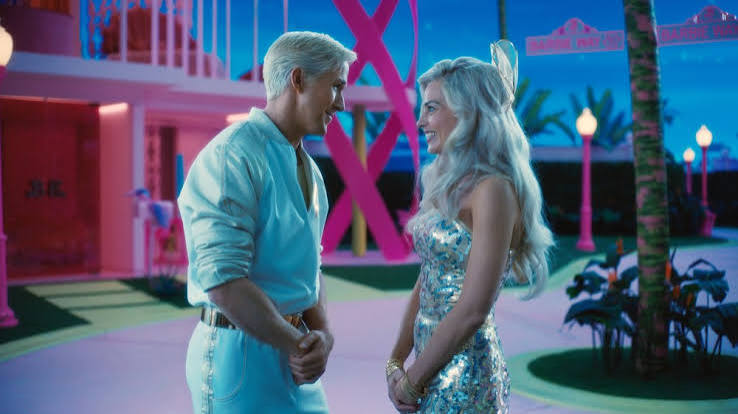
    A split image showing Margot Robbie as Barbie and Ryan Gosling as Ken on one side, and Warner Bros. Discovery CEO David Zaslav on the other, with a dollar sign or negotiation table in between.

    The record-breaking success of Barbie made it the highest-grossing film of 2023 and Warner Bros.’ biggest hit ever, but a sequel is reportedly stalled due to a salary dispute. According to insider reports, Warner Bros. Discovery CEO David Zaslav has not approved significant pay raises for stars Margot Robbie and Ryan Gosling, who are seeking compensation commensurate with the film’s $1.4 billion box office haul. The standoff highlights the tension between the studio’s cost-cutting culture and the expectations of top talent following a cultural phenomenon.

    As negotiations remain unresolved, the future of the franchise hangs in the balance. The film’s eight Academy Award nominations, including Best Picture, and its cultural impact have raised the stakes for all parties involved. With contracts potentially expiring, the window for a sequel may be closing, leaving fans and industry observers wondering whether the magic can be replicated—or if the dispute will derail the project entirely.

    The Blockbuster That Changed the Game

    Barbie, directed by Greta Gerwig and starring Margot Robbie and Ryan Gosling, grossed over $1.4 billion worldwide, becoming the highest-grossing film of 2023 and Warner Bros.’ biggest hit ever. The film received eight Academy Award nominations, including Best Picture, Best Supporting Actor for Gosling, and Best Supporting Actress for America Ferrera, winning one Oscar for Best Production Design. Its success was not just financial but cultural, with the “I’m Just Ken” musical number becoming a viral sensation and the film sparking widespread discourse on gender and identity.

    Given this unprecedented success, it would seem natural for the studio to fast-track a sequel. However, reports indicate that negotiations have hit a snag over compensation. According to anonymous sources, Zaslav is reluctant to approve the significant pay increases that Robbie, Gosling, and likely Gerwig are seeking. The talent, having delivered a once-in-a-generation hit, are leveraging their position to secure a share of the upside.

    The Studio’s Austerity Culture

    Warner Bros. Discovery under Zaslav has been characterized by aggressive cost-cutting measures. The company has shelved completed projects like Batgirl and Coyote vs. Acme for tax write-offs, creating tension with creatives. This fiscal conservatism is driven by the company’s significant debt and the need to deliver shareholder value. Zaslav’s reluctance to approve big pay bumps may stem from a broader strategy to manage costs, especially in an uncertain box-office environment.

    However, industry observers note that sequels to hit films typically involve substantial salary increases for stars. Precedents like Top Gun: Maverick and Joker: Folie à Deux show that studios are often willing to pay top dollar to secure the return of key talent. The question is whether WBD’s austerity culture will allow for such expenditures, or if it will alienate the very people who made Barbie a success.

    The Talent’s Perspective

    From the perspective of Robbie, Gosling, and Gerwig, they delivered a film that exceeded all expectations. In Hollywood, stars often take lower upfront pay in exchange for backend points, meaning their compensation is tied to performance. Given the film’s massive success, they may feel that their initial deals did not reflect the true value they brought. The sequel negotiation is an opportunity to reset terms and be compensated fairly for their contributions.

    Robbie, who also produced the film through her company LuckyChap Entertainment, has a vested interest in the franchise’s future. Gosling’s portrayal of Ken elevated his bargaining power, making him a cultural icon. Gerwig, who has stated she is open to a sequel only if the story is right, is also in high demand, with a Chronicles of Narnia adaptation for Netflix in the works. Their leverage is at its peak, and they are unlikely to settle for less than they believe they deserve.

    The Industry and Fan Reactions

    The standoff has sparked debate within the industry and among fans. Some argue that Zaslav is being short-sighted, risking a lucrative franchise over salary disputes. Others contend that the talent’s demands may be excessive, especially given the uncertainty of replicating a cultural phenomenon. There is also skepticism about whether a sequel is necessary at all, with some fans fearing it could tarnish the original’s legacy.

    The “who needs whom” question is central. While Robbie and Gosling’s characters are iconic, the Barbie IP is owned by Mattel, which may push for expansion regardless. A sequel could potentially introduce new characters or explore different storylines, reducing the reliance on the original stars. However, the chemistry between Robbie and Gosling was a key factor in the film’s success, and recasting would be risky.

    The Path Forward

    As of now, no official announcement has been made about the sequel’s status. The reports are based on anonymous sources, and the situation may still resolve. The delay could also be attributed to creative differences, scheduling conflicts, and Mattel’s involvement as IP owner. Salary is just one piece of a larger puzzle.

    If the sequel falls apart, it would signal that Zaslav is willing to sacrifice major IP for fiscal conservatism, potentially alienating top talent. On the other hand, if a deal is reached, it would demonstrate that the studio recognizes the value of its stars. The outcome will have implications for future negotiations between studios and talent, especially in an era where blockbuster success is increasingly rare.

    Conclusion

    The ‘Barbie’ sequel standoff is a classic Hollywood negotiation, pitting the studio’s cost-cutting culture against the expectations of talent who delivered a historic hit. The resolution will not only determine the fate of the franchise but also send a message about how studios value their creative partners. As fans wait with bated breath, the industry watches to see whether Zaslav will blink or hold the line.

    The future of the ‘Barbie’ sequel remains uncertain, but the stakes are clear. For Warner Bros. Discovery, it’s a test of whether fiscal conservatism can coexist with blockbuster ambitions. For Robbie, Gosling, and Gerwig, it’s about being fairly compensated for their monumental success. And for fans, it’s about whether the magic can be recaptured. Whatever the outcome, this negotiation will be a defining moment in the relationship between studios and talent in the modern era.

    Summary

    • Barbie grossed over $1.4 billion worldwide, becoming the highest-grossing film of 2023 and Warner Bros.’ biggest hit ever.
    • A sequel is reportedly stalled because CEO David Zaslav hasn’t approved higher salaries for stars Margot Robbie and Ryan Gosling.
    • The film received eight Academy Award nominations, including Best Picture, and won one Oscar.
    • The standoff reflects tension between WBD’s cost-cutting culture and talent expectations following a cultural phenomenon.
    • The outcome will have implications for future studio-talent negotiations and the fate of the franchise.

    FAQ

    Q: Is the ‘Barbie’ sequel officially cancelled?
    A: No, the sequel is not officially cancelled. Reports indicate that negotiations have stalled over salary disputes, but no official announcement has been made. The situation may still resolve.

    Q: Why are Margot Robbie and Ryan Gosling seeking higher salaries?
    A: They delivered a record-breaking hit that grossed over $1.4 billion, and they are seeking compensation commensurate with the film’s success. In Hollywood, stars often take lower upfront pay for backend points, and the sequel negotiation is a chance to reset terms.

    Q: What is David Zaslav’s role in the dispute?
    A: David Zaslav is the CEO of Warner Bros. Discovery, and he is reportedly reluctant to approve the significant pay increases. His cost-cutting approach has led to shelving projects like Batgirl and Coyote vs. Acme.

    Q: Could a sequel work without Robbie and Gosling?
    A: It’s possible, as the Barbie IP is owned by Mattel and could be expanded with new characters. However, the chemistry between Robbie and Gosling was a key factor in the film’s success, and recasting would be risky.

    Q: What are the chances of a sequel happening?
    A: The chances are uncertain. The delay could be resolved if a deal is reached, but it may also fall apart if the parties can’t agree. Creative differences, scheduling conflicts, and Mattel’s involvement also play a role.

  • Why the ‘Barbie’ Sequel Is Stuck in Negotiation Limbo

    Why the ‘Barbie’ Sequel Is Stuck in Negotiation Limbo

    When Barbie hit theaters in July 2023, it wasn’t just a movie—it was a cultural event. With over $1.4 billion at the global box office, it became the highest-grossing film of the year and shattered records for female directors. Naturally, fans and studio executives alike began clamoring for a sequel. But nearly a year later, that sequel is nowhere in sight. Reports indicate that Warner Bros. is struggling to lock in deals with director Greta Gerwig, star and producer Margot Robbie, and Ryan Gosling, with a December deadline looming. Why is a sequel to one of the most successful films of all time so hard to make? The answer lies in a complex web of creative integrity, financial leverage, and the pressure to replicate lightning in a bottle.

    The Billion-Dollar Question

    When a film grosses over $1.4 billion, the studio’s first instinct is to greenlight a sequel immediately. But Barbie isn’t your typical blockbuster. It’s a satirical, meta-commentary on feminism and consumerism—hardly the stuff of franchise formulas. The original was a delicate balance of wit, heart, and social critique, and replicating that is no easy task. Warner Bros. knows this, which is why they’re not just throwing money at the project; they’re trying to secure the same creative team that made the magic happen.

    The Talent’s Leverage

    Post-Barbie, Greta Gerwig, Margot Robbie, and Ryan Gosling are at the peak of their careers. They have the leverage to demand top dollar and creative control, and they’re using it. Gerwig, who co-wrote the script with Noah Baumbach, has been non-committal about a sequel, stating she has no immediate plans. She’s already attached to a Chronicles of Narnia adaptation for Netflix, and she’s wary of rushing a project that could tarnish her reputation as an auteur. Robbie, who produced via her company LuckyChap, is equally cautious. Gosling, who earned an Oscar nomination for his portrayal of Ken, has joked about the difficulty of topping Ken’s arc. The trio knows they hold the cards, and they’re not afraid to play them.

    The December Deadline

    According to The New York Times, Warner Bros. has until December to reach agreements with the principal talent. This deadline is likely a strategic move by the studio to force a decision. If no deal is reached, the sequel could be delayed indefinitely, or the studio might consider a reboot with new talent—a risky move that could alienate fans. The deadline also creates a sense of urgency, pushing the talent to either commit or walk away.

    Creative Direction: The Elephant in the Room

    Perhaps the biggest hurdle is the lack of a clear creative vision. Gerwig has expressed uncertainty about what a sequel would even be. The original Barbie ended on a note of self-discovery and human imperfection, leaving little room for a conventional follow-up. A sequel could explore new themes, but it risks feeling forced or redundant. The studio wants to capitalize on the IP, but the talent is protective of the original’s legacy. This tension is at the heart of the stall.

    The Studio’s Pressure

    Warner Bros. is under immense pressure from shareholders to capitalize on a billion-dollar franchise. Pop-culture relevance fades quickly, and a sequel released too late might miss the cultural moment. The studio has seen how other franchises have stumbled with delayed or misguided sequels—Joker: Folie à Deux comes to mind, which followed the original after five years but received mixed reviews. Warner Bros. doesn’t want to repeat that mistake, but they also can’t force a sequel without the right team.

    Mattel’s Stake

    Mattel, the toy company that owns the Barbie IP, has been aggressively expanding its film slate, with projects like Hot Wheels and Polly Pocket in development. A Barbie sequel is central to their strategy, and they may push for a sequel even if it means a different director or cast. However, that would be a gamble. Fans have attached themselves to Gerwig’s vision, and a sequel without her could be seen as a cash grab.

    The Audience’s Mixed Feelings

    Fans are divided. Some are eager for a sequel, while others argue that Barbie is a complete story and a sequel would dilute its message. The film’s feminist themes make it a cultural flashpoint, and any misstep could trigger backlash. There’s also curiosity about a potential Ken spinoff, which Gosling has expressed interest in. But even that would require careful handling to avoid tarnishing the original’s impact.

    What Happens Next?

    With the December deadline approaching, the ball is in the talent’s court. If Gerwig, Robbie, and Gosling agree to return, the sequel could move forward with a strong foundation. If not, Warner Bros. faces a tough choice: delay the project, reboot with new talent, or shelve it altogether. For now, fans will have to wait and see whether Barbie’s story continues or ends with that perfect, pink-tinted bow.

    The stalled Barbie sequel is a testament to the delicate dance between art and commerce. Warner Bros. wants to strike while the iron is hot, but Gerwig, Robbie, and Gosling are protecting their creative legacy. The December deadline will force a decision, but whether that decision leads to a sequel that captures the original’s magic remains uncertain. One thing is clear: the world is watching, and the pressure is on.

    Summary

    • Warner Bros. has until December to secure deals with Greta Gerwig, Margot Robbie, and Ryan Gosling for a Barbie sequel.
    • The original film grossed over $1.4 billion and won an Oscar, raising the bar for any follow-up.
    • Creative differences and a lack of clear vision are major hurdles, with Gerwig uncertain about a sequel’s direction.
    • The talent holds significant leverage post-Barbie, demanding higher pay and creative control.
    • If no deal is reached, the sequel could be delayed, rebooted, or shelved, risking fan backlash.

    FAQ

    Q: Why is the ‘Barbie’ sequel stalled?
    A: The sequel is stalled because Warner Bros. is struggling to reach agreements with director Greta Gerwig, star/producer Margot Robbie, and Ryan Gosling. The talent is leveraging their post-Barbie success for better pay and creative control, and there’s no clear creative vision yet.

    Q: What is the December deadline?
    A: The December deadline is a reported window in which Warner Bros. must lock in deals with the principal talent. If no agreement is reached, the sequel could be delayed indefinitely or the studio might consider a reboot with new talent.

    Q: Will there be a ‘Barbie’ sequel without Greta Gerwig?
    A: It’s possible, but risky. Gerwig’s vision was central to the original’s success, and a sequel without her could be seen as a cash grab. Mattel might push for a sequel regardless, but fan backlash is a real concern.

    Q: What are the chances of a Ken spinoff?
    A: Ryan Gosling has expressed interest in a Ken spinoff, but it’s not confirmed. Any spinoff would need careful handling to avoid tarnishing the original’s impact.

    Q: How much money did ‘Barbie’ make?
    A: Barbie grossed over $1.4 billion worldwide, making it the highest-grossing film of 2023 and the highest-grossing film ever directed by a woman solo.