Author: hafid

  • Fulham’s €40m Bet on Gonzalo García: A Record Fee for a Promise, Not a Proven Star

    A dynamic action shot of Gonzalo García in a Real Madrid Castilla kit, striking a ball with intensity, conveying youthful promise and the high-stakes nature of his transfer.

    Fulham have agreed a €40 million deal with Real Madrid for 21-year-old striker Gonzalo García, a fee that matches the club’s record transfer spend. On the surface, it’s a bold statement of intent from a club looking to solidify its Premier League status. But dig deeper, and this transfer is a fascinating study in modern football economics: a sale based on potential, a buy-back clause as insurance, and a young player betting on himself to make the leap from Spain’s third tier to the world’s most demanding league.

    For Real Madrid, it’s a calculated business move — cashing in on an academy product who couldn’t break into a star-studded attack. For Fulham, it’s a risk wrapped in data and ambition. And for García himself, it’s the chance to trade the fringes of the Bernabéu for the spotlight of Craven Cottage. Here’s why this deal matters, what it says about the transfer market, and what García must do to justify the price tag.

    The Player: More Than a Castilla Star

    Gonzalo García Torres is not a household name, but among those who follow Real Madrid’s youth setup, he’s long been considered one of the brightest prospects to emerge from La Fábrica. A 21-year-old centre-forward, García has been prolific for Real Madrid Castilla in the Primera Federación, Spain’s third tier. His movement off the ball, clinical finishing, and ability to hold up play have drawn comparisons to a young Álvaro Morata — another Madrid academy product who had to leave to fulfill his potential.

    García’s first-team opportunities at Real Madrid have been scarce, and for good reason. The attacking trio of Kylian Mbappé, Vinícius Júnior, and Rodrygo is arguably the most formidable in world football. Even with injuries and rotation, García found himself behind not just those stars but also experienced backups. His handful of appearances in La Liga and the Copa del Rey were cameos, not auditions. At 21, he needs regular football, and that’s exactly what Fulham can offer.

    The Fee: Record-Equalling, But Is It Fair?

    €40 million is a significant sum for a player who has never played in a top-five European league. It matches the fee Fulham paid Arsenal for Emile Smith Rowe in 2024, a player with Premier League experience and international caps. On paper, García’s price tag looks like a gamble. But context matters.

    The market for young strikers with European pedigree has inflated. Brighton paid €34 million for João Pedro, and Evan Ferguson’s valuation has soared past €50 million despite a relatively small sample size. Fulham’s recruitment under Marco Silva has been data-driven, and the club clearly sees something in García’s underlying numbers — his goals per 90, xG, and shot creation metrics in Castilla are exceptional. The fee reflects the potential ceiling, not the current floor.

    Why Fulham? The Silva Project

    Fulham’s ambition under Silva is clear. They’ve invested in young, high-potential players like Smith Rowe, Sander Berge, and Joachim Andersen, all of whom were brought in to be developed and potentially sold for profit. García fits this model perfectly. He’s a mobile, technical forward who can press from the front — a key requirement in Silva’s system. And with Raúl Jiménez now 33, Fulham need a long-term successor. García is being brought in to learn, compete, and eventually lead the line.

    There’s also a strategic angle: Fulham are betting on the Premier League’s global visibility to accelerate García’s development. If he thrives, his value could double or triple in a few years. If he struggles, the club has the coaching infrastructure to help him adapt. It’s a calculated risk, but one that could pay off handsomely.

    Real Madrid’s Perspective: Selling High, Protecting the Future

    Real Madrid rarely sell young talents outright without protections, and this deal is no exception. The reported buy-back clause (around €60–70 million) and a sell-on percentage ensure that if García develops into a top-tier striker, Madrid can bring him back — at a premium. This is standard practice for the club, which has seen the likes of Morata and Marcos Llorente leave and return or be sold for profit.

    Some Madridistas may lament another canterano leaving too early, especially given the club’s recent reliance on expensive signings like Mbappé and Jude Bellingham. But from a business perspective, selling a player who hasn’t broken into the first team for €40 million is excellent value. It’s a win-win: Fulham get a promising striker, Madrid get a cash injection and a safety net.

    The Risk: Adapting to the Premier League

    The biggest question mark is whether García can handle the physicality and pace of the Premier League. The jump from the Primera Federación to the English top flight is enormous. Defenders are faster, stronger, and more organized. The pressing is more intense, and the schedule is relentless. García’s technical ability should serve him well, but he’ll need time to adjust.

    Fulham’s coaching staff will be crucial here. Silva has a track record of improving players, and the club’s data-driven approach suggests they’ve done their homework on García’s adaptability. But there’s no guarantee. The Premier League is littered with talented players who couldn’t make the transition. For every Moisés Caicedo, there’s a Mykhailo Mudryk.

    The Bigger Picture: Premier League’s Pull

    This deal is also a microcosm of the Premier League’s financial dominance. English clubs continue to poach promising talent from La Liga and other European leagues, leveraging their broadcast revenue and global appeal. For a player like García, the Premier League offers a platform that Spain’s third tier simply can’t match. It’s a rational choice, but it raises questions about competitive balance in European football. As the gap widens, the rich get richer, and the rest scramble to hold onto their best young players.

    What’s Next for García?

    García will join Fulham in January 2025, with the deal expected to be completed immediately rather than on loan. He’ll likely be eased into the squad, given the physical demands of the Premier League. But the expectation is that he’ll eventually become the club’s starting striker. If he hits the ground running, this could be one of the smartest pieces of business in recent Premier League history. If he struggles, it’ll be a cautionary tale about paying for potential.

    Fulham’s €40 million move for Gonzalo García is a bold, calculated gamble that reflects the modern transfer market’s obsession with potential. For Real Madrid, it’s a smart sale with protections. For García, it’s the opportunity of a lifetime. Whether it works out depends on adaptation, coaching, and a little bit of luck. But one thing is certain: this is a transfer that will be scrutinized for years to come.

    Summary

    • Fulham have agreed a €40m deal with Real Madrid for 21-year-old striker Gonzalo García, matching their club-record fee.
    • García is a Real Madrid academy product who has starred for Castilla but made only sporadic first-team appearances.
    • The deal includes a buy-back clause and sell-on percentage for Real Madrid, protecting their long-term interests.
    • Fulham see García as the long-term successor to Raúl Jiménez, fitting Marco Silva’s pressing system.
    • The biggest risk is García’s adaptation from Spain’s third tier to the Premier League’s physicality and pace.

    FAQ

    Q: Who is Gonzalo García?
    A: Gonzalo García Torres is a 21-year-old Spanish striker from Real Madrid’s youth academy. He has been prolific for Real Madrid Castilla in the third tier but has limited first-team experience.

    Q: Why is the fee considered a risk for Fulham?
    A: The €40m fee is based on potential, not proven top-level output. García has never played in a top-five European league, so there’s uncertainty about how he’ll adapt to the Premier League.

    Q: Does Real Madrid have any protections in the deal?
    A: Yes, Real Madrid reportedly included a buy-back clause (around €60-70m) and a sell-on percentage, allowing them to re-sign García if he develops into a top-tier player.

    Q: What does this mean for Fulham’s squad?
    A: García is expected to be a long-term successor to 33-year-old Raúl Jiménez, providing a young, mobile option in attack under Marco Silva.

    Q: When will the transfer be completed?
    A: The deal is expected to be completed in the January 2025 transfer window, with García joining immediately rather than on loan.


  • Bruno Guimarães to Arsenal: The £100m Question That Defines the Summer

    A split image showing Bruno Guimarães in a Newcastle United kit on one side and an Arsenal-themed background on the other, with a large ‘£100m’ price tag in the middle.

    The summer transfer window is a theatre of speculation, and this year’s stage is set for one of its most compelling dramas: Bruno Guimarães and Arsenal. The Brazilian midfielder has been the heartbeat of Newcastle United’s resurgence, and now the Gunners are circling. But this isn’t just a simple transfer story—it’s a clash of ambition, financial constraints, and timing that could reshape the Premier League’s balance of power.

    While the headline screams ‘Bruno Guimarães to Arsenal,’ the subplot is just as intriguing: Newcastle are ‘clinching deals’ of their own, quietly strengthening their squad. The two narratives are intertwined, revealing the complex chess game that defines modern football’s transfer market. As the window heats up, the question isn’t just whether Arsenal can land their man—it’s whether they should, and at what cost.

    The Midfield Maestro: Why Bruno Guimarães Is Worth the Hype

    Bruno Guimarães isn’t just another midfielder; he’s a transformative presence. At 25, he’s already established himself as one of the Premier League’s most complete central players. His press resistance is elite—he can receive the ball under pressure and pivot away from trouble with a grace that belies his combative edge. His passing range allows Newcastle to transition from defence to attack in a heartbeat, and his tackling is relentless. He’s the kind of player who makes everyone around him better, a rare commodity in today’s game.

    Since joining Newcastle in January 2022 for £40 million, Guimarães has been the catalyst for their revival. He helped them secure a top-four finish and a Champions League spot in 2022-23, and his performances have earned him a contract extension that keeps him at St James’ Park until 2028. But that contract also contains a release clause—reportedly around £100 million—that becomes active in the summer of 2025. That clause is the ticking clock in this transfer saga.

    Arsenal’s Need: The Missing Piece in Arteta’s Puzzle

    Mikel Arteta has built a young, high-energy squad that pushed Manchester City to the wire last season, finishing second. But there’s a sense that something is missing—a midfielder who can control games against the best, who can break lines and also put out fires. Declan Rice has been a revelation, and Martin Ødegaard is a creative genius, but Arteta wants more depth and a different profile. Guimarães fits the bill perfectly: a box-to-box presence who can play as a deep-lying playmaker or as a more advanced disruptor.

    Arsenal’s interest is not new; they’ve been linked with Guimarães for months. But the timing is crucial. This summer, they’ve already made David Raya’s loan permanent, and they’ll need to sell players like Emile Smith Rowe or Eddie Nketiah to fund a big move. The financial reality is that Arsenal can’t just splash £100 million without balancing the books, especially with Profit and Sustainability Rules (PSR) looming large.

    Newcastle’s Dilemma: Ambition vs. Financial Reality

    Newcastle’s Saudi-backed ownership has deep pockets, but PSR is the great equalizer. The rules restrict clubs to losses of £105 million over three years, and Newcastle’s spending spree has brought them close to that limit. They need to raise funds, and selling a high-value asset is the most efficient way. But Guimarães is not just an asset; he’s the symbol of their project. Selling him would send a message that they’re not ready to compete with the elite, a message that could demoralize fans and players alike.

    Instead, Newcastle are looking to offload other players—Callum Wilson, Miguel Almirón, or even Kieran Trippier—to balance the books. They’re also ‘clinching deals’ of their own, as the headline suggests. The free transfer of Lloyd Kelly from Bournemouth and the permanent signing of Lewis Hall from Chelsea are smart, low-cost moves that strengthen the squad without breaking the bank. These deals show that Newcastle are thinking long-term, building depth while maintaining their core.

    The £100 Million Question: To Sell or Not to Sell?

    For Newcastle, the decision is stark: sell Guimarães now for a fee in excess of £100 million, or risk losing him for the same amount next summer when his release clause activates. The latter would give them time to find a replacement, but it also means a year of uncertainty and potential disruption. The former would provide immediate funds to reinvest, but it would be a PR disaster.

    For Arsenal, the question is whether to pay over the odds now or wait until 2025. Waiting would be financially prudent, but it’s a gamble—another club could swoop in, or Guimarães could sign a new contract without a release clause. The Gunners have been burned before by hesitation, and Arteta is keen to strike while the iron is hot.

    The Player’s Perspective: Ambition vs. Loyalty

    Guimarães has publicly stated he’s happy at Newcastle, and the fans adore him. But he’s also ambitious. He wants to play in the Champions League regularly, and Arsenal offer that stage. Newcastle are in the Europa Conference League this season, a step down from the elite competition. A move to Arsenal would likely mean a significant wage increase and a genuine shot at titles. The lure is strong, but so is the bond he’s formed with the Toon Army.

    His comments have been carefully measured—he’s not agitating for a move, but he’s not ruling one out either. That’s the stance of a player who knows his value and is waiting for the right moment. The ball is in the clubs’ courts.

    The Media Circus: Separating Fact from Speculation

    The ‘LIVE’ nature of transfer news means a constant stream of updates, many of them based on unnamed sources and educated guesses. It’s easy to get caught up in the frenzy, but it’s important to separate fact from fiction. The reality is that no formal bid has been made, and Newcastle have repeatedly stated they don’t want to sell. The ‘Newcastle clinch deal’ part of the headline is likely a reference to a separate signing, not a Guimarães sale.

    As the window progresses, expect more twists and turns. Arsenal may test the waters with a bid, but Newcastle will hold firm unless an astronomical offer comes in. The £100 million figure is a psychological barrier, and it’s unlikely to be broken this summer. The more probable scenario is that Guimarães stays, and Arsenal turn their attention elsewhere—or wait for 2025.

    The Bigger Picture: PSR and the New Financial Landscape

    The Guimarães saga is a microcosm of the modern transfer market. PSR has changed the game, forcing clubs to be more strategic with their spending. Even the wealthiest clubs can’t just throw money around; they have to balance the books. This has led to a rise in player swaps, free transfers, and loan deals with obligations to buy. Newcastle’s ‘clinched deals’ are a perfect example of this new reality.

    For Arsenal, the challenge is to compete with the likes of Manchester City while adhering to the rules. They’ve done well so far, but a marquee signing like Guimarães would be a statement of intent. It would show that they’re not just contenders but serious about dethroning the champions.

    What Happens Next?

    The transfer window closes on August 30, and there’s plenty of time for drama. Arsenal could make a move, but they’ll need to sell first. Newcastle will resist, but they might be forced to listen if the price is right. Guimarães will continue to play his cards close to his chest, keeping his options open.

    One thing is certain: this story is far from over. Whether it ends with Guimarães in an Arsenal shirt or staying at St James’ Park, it will have a lasting impact on both clubs and the Premier League landscape.

    The Bruno Guimarães transfer saga is a classic tale of ambition versus pragmatism, loyalty versus opportunity. Arsenal want a statement signing, Newcastle want to hold onto their crown jewel, and the player wants to win. The £100 million price tag is a barrier, but it’s not insurmountable. As the summer unfolds, keep an eye on the smaller deals—Newcastle’s ‘clinched’ signings—because they reveal the true strategy. In the end, this is about more than one player; it’s about the future direction of two ambitious clubs.

    Summary

    • Arsenal are interested in Bruno Guimarães, but Newcastle don’t want to sell and would demand £100m+.
    • Guimarães has a release clause of ~£100m that activates in 2025, making a deal this summer unlikely.
    • Newcastle are making smart, low-cost signings (Lloyd Kelly, Lewis Hall) to strengthen depth under PSR constraints.
    • Arsenal may need to sell players to fund a big move, and waiting until 2025 could be more financially prudent.
    • The player is happy at Newcastle but ambitious, leaving the door open for a future move to a Champions League club.

    FAQ

    Q: Is Bruno Guimarães definitely joining Arsenal this summer?
    A: No. While Arsenal are interested, Newcastle have no intention of selling, and any deal would require a fee in excess of £100 million. The release clause in his contract doesn’t activate until 2025, so a transfer this summer is unlikely unless a massive bid comes in.

    Q: What does ‘Newcastle clinch deal’ mean in the headline?
    A: It likely refers to a separate Newcastle signing, such as Lloyd Kelly on a free transfer or Lewis Hall on a permanent deal from Chelsea, not the sale of Guimarães.

    Q: Why is Bruno Guimarães so highly rated?
    A: He’s a complete midfielder—excellent at pressing, passing, and tackling. He’s been a key player in Newcastle’s resurgence and is considered one of the best in the Premier League in his position.

    Q: What are Profit and Sustainability Rules (PSR)?
    A: PSR are financial regulations that limit how much a club can lose over a three-year period. They restrict spending, forcing clubs to balance transfers and wages with revenue.

    Q: Could Arsenal wait until 2025 to sign Guimarães?
    A: Yes, they could. His release clause becomes active in 2025, which would make the fee more predictable. However, waiting carries risks, such as competition from other clubs or a new contract for the player.

  • Can We Prevent Dementia? A New Trial Aims to Find Out

    A diverse group of older adults engaging in healthy lifestyle activities such as walking, eating vegetables, and socializing, symbolizing dementia prevention.

    For decades, the fight against dementia has focused on finding a cure—a drug that could stop Alzheimer’s disease in its tracks. But after a string of high-profile failures, a growing number of researchers are asking a different question: What if we could prevent dementia before it starts? A new wave of clinical trials, including the U.S.-based POINTER study, is testing whether lifestyle changes—diet, exercise, cognitive training, and vascular health—can protect the brain. The stakes are enormous: over 55 million people worldwide live with dementia, and that number is expected to triple by 2050. If prevention works, it could transform how we approach brain health, much like statins and smoking cessation did for heart disease.

    The Limits of Current Treatments

    For years, the dominant theory in Alzheimer’s research was the amyloid hypothesis: the idea that clumps of beta-amyloid protein in the brain are the primary cause of the disease. Drug after drug was developed to clear these plaques, but most failed in clinical trials. The few that have been approved—like lecanemab and donanemab—only slow cognitive decline modestly, and they come with serious risks, including brain swelling and bleeding, not to mention hefty price tags. None of them cure or reverse the disease.

    This reality has led to a paradigm shift. Instead of focusing solely on treatment, researchers are now asking whether we can delay or even prevent dementia by addressing the lifestyle factors that contribute to it. The Lancet Commission estimated that up to 40% of dementia cases could be prevented or delayed by tackling 12 modifiable risk factors: low education, hypertension, hearing impairment, smoking, obesity, depression, physical inactivity, diabetes, low social contact, excessive alcohol, head injury, and air pollution.

    The FINGER Trial: A Proof of Concept

    The most compelling evidence for prevention comes from the Finnish Geriatric Intervention Study to Prevent Cognitive Impairment and Disability, or FINGER. Launched in 2015, FINGER was the first large, randomized controlled trial to show that a multidomain lifestyle intervention could improve or maintain cognitive function in at-risk older adults. The intervention combined:

    • Nutritional guidance (a Mediterranean-style diet)
    • Aerobic and resistance exercise
    • Cognitive training (computer-based and group sessions)
    • Intensive monitoring of vascular risk factors (blood pressure, cholesterol, glucose)

    After two years, the intervention group showed a 25% better cognitive performance compared to the control group—a modest but significant effect. And the benefits persisted even after the trial ended. The results were a wake-up call: lifestyle changes could make a measurable difference in brain health.

    POINTER: Testing Prevention in the U.S.

    Now, the U.S. is taking the FINGER model to the next level with the POINTER trial (Protect Brain Health Through Lifestyle Intervention). Funded by the National Institute on Aging with over $300 million, POINTER is enrolling about 2,000 older adults (ages 60–79) who have risk factors for dementia but no current diagnosis. Participants are randomly assigned to either a structured lifestyle intervention or a “self-guided” health education control group.

    What makes POINTER unique is its diversity. Unlike FINGER, which studied a highly educated, homogenous Finnish population, POINTER includes Black, Hispanic, and rural participants—groups that have been historically underrepresented in dementia research. This is crucial because lifestyle interventions may work differently across populations, and we need to know if they’re effective for everyone.

    The trial is currently ongoing, and results are expected in the coming years. If POINTER succeeds, it could shift clinical guidelines toward prescribing lifestyle interventions as standard care for at-risk patients. It could also influence public health campaigns, insurance coverage, and even urban design—think walkable cities and cleaner air.

    How Lifestyle Affects the Brain

    Why would diet and exercise have any impact on dementia? The mechanisms are still being unraveled, but researchers believe lifestyle factors work through multiple pathways:

    • Reducing neuroinflammation: Chronic inflammation is linked to Alzheimer’s, and lifestyle changes can lower inflammatory markers.
    • Improving cerebral blood flow: Exercise and blood pressure control keep blood vessels healthy, ensuring the brain gets the oxygen and nutrients it needs.
    • Enhancing neuroplasticity: Physical activity boosts brain-derived neurotrophic factor (BDNF), a protein that supports the growth and survival of neurons.
    • Improving metabolic health: Better insulin sensitivity and glucose control may protect the brain from damage.

    In short, lifestyle interventions don’t target a single disease mechanism—they support overall brain health.

    Skeptics and Challenges

    Not everyone is convinced. Critics point out that FINGER’s effect sizes were modest, and the trial was conducted in a very specific population. They argue that lifestyle changes are hard to sustain, and what works in Finland may not work in the U.S., especially in communities with limited access to healthy food or safe places to exercise.

    There’s also a tension between prevention and treatment. Some researchers worry that shifting funding toward lifestyle interventions could undercut the search for disease-modifying drugs. But many experts argue the two are complementary: lifestyle may reduce risk, but drugs will still be needed for those who already have the disease.

    The Big Picture

    Even a modest delay in dementia onset would have a massive impact. If we could delay the disease by just two to five years, we’d dramatically reduce prevalence and healthcare costs. Cardiovascular disease is a model: prevention through statins, smoking cessation, and blood pressure control transformed outcomes. Dementia could be next.

    The POINTER trial is a critical test of that idea. If it works, we may finally have a roadmap for preventing dementia—not with a pill, but with a prescription for a healthier life.

    The question of whether we can prevent dementia is no longer hypothetical. With the FINGER trial showing promise and POINTER testing it on a diverse American population, we’re on the cusp of an answer. The evidence so far suggests that lifestyle changes can make a real difference, even if they’re not a guaranteed shield. As the world’s population ages, the stakes couldn’t be higher. The next few years will tell us if prevention is truly possible—and if so, how to make it accessible to everyone.

    Summary

    • Over 55 million people live with dementia, and current drugs only modestly slow decline.
    • The Lancet Commission estimates up to 40% of dementia cases could be prevented by addressing 12 modifiable risk factors.
    • The FINGER trial showed that a multidomain lifestyle intervention improved cognition by 25% in at-risk older adults.
    • The U.S. POINTER trial is testing this approach in a diverse population, with results expected soon.
    • Lifestyle changes may work through multiple pathways, including reducing inflammation and improving blood flow.

    FAQ

    Q: What is the POINTER trial?
    A: POINTER is a U.S. clinical trial testing whether a structured lifestyle intervention—diet, exercise, cognitive training, and vascular risk monitoring—can prevent cognitive decline in older adults at risk for dementia. It’s the American adaptation of the Finnish FINGER trial.

    Q: How much of dementia is preventable?
    A: The Lancet Commission estimates that up to 40% of dementia cases could be prevented or delayed by addressing 12 modifiable risk factors, including hypertension, smoking, physical inactivity, and low education.

    Q: What lifestyle changes are recommended for brain health?
    A: The FINGER and POINTER trials use a combination of a Mediterranean-style diet, aerobic and resistance exercise, cognitive training, and monitoring of vascular risk factors like blood pressure and cholesterol.

    Q: Are there any downsides to lifestyle interventions?
    A: Critics note that effect sizes are modest and that lifestyle changes can be hard to sustain. There’s also concern that what works in one population may not work in another, which is why POINTER is testing diverse groups.

    Q: Will lifestyle interventions replace dementia drugs?
    A: No. Experts see them as complementary. Lifestyle may reduce risk, but drugs will still be needed for those with established disease. The goal is to prevent or delay onset, not necessarily to cure.

  • BMW’s New Dashboard Ads: A ‘Treat’ or a Slippery Slope?

    A close-up of a modern car dashboard screen displaying a digital advertisement, with the BMW logo subtly visible on the steering wheel.

    Imagine sitting in your parked BMW, ready to head out, when a notification pops up on the dashboard screen: ‘Enjoy your drive? Consider upgrading to our premium navigation package!’ It’s not a glitch—it’s an advertisement, delivered directly to your car’s infotainment system. BMW is now showing ads on the dashboard screens of its vehicles, and the company is framing this as a ‘treat’ for drivers, a value-add to the connected car experience. But is this a harmless perk or a troubling shift in the relationship between automakers and car owners?

    The New Reality: Ads in Your Car

    BMW has begun pushing advertisements to the central infotainment displays of its vehicles. These ads appear via over-the-air (OTA) updates, which means they can be delivered remotely without a trip to the dealership. The content so far has been limited to BMW’s own services—like promoting digital features, maintenance packages, or accessories. For example, you might see a prompt to book a service appointment or to subscribe to a premium feature. The ads are designed to appear during idle moments, such as when the car is parked or at startup, minimizing distraction while driving.

    Why BMW Is Doing This

    Automakers are facing shrinking profit margins on vehicle sales. The industry is pivoting to recurring revenue streams: subscriptions, connected services, and data monetization. BMW has been a pioneer in this space, with controversial moves like charging a subscription for Apple CarPlay (later reversed) and offering heated seats as a paid feature. In-car advertising is a natural extension of this strategy. By showing ads, BMW can generate additional income, potentially subsidizing the cost of connected services or boosting their bottom line.

    The Industry Trend: You’re Not Alone

    BMW is not the first to explore this territory. Ford patented technology for displaying ads on in-car screens in 2023. General Motors announced plans for in-car advertising in 2022, but walked back after public backlash. Tesla has experimented with ads and premium connectivity tiers, though it has avoided intrusive ads on the main display. Stellantis (the parent of Jeep and Ram) has discussed ‘data monetization’ and in-car ad opportunities. The infrastructure is already in place: modern cars run on sophisticated infotainment systems with internet connectivity, making it technically trivial to push ads.

    The Consumer Backlash: Why People Are Upset

    For many drivers, the idea of ads in a car they paid $50,000 or more for feels like a violation. It’s a fundamental shift in the ownership experience. When you buy a car, you expect to own the hardware and control what appears on its screens. Ads challenge that expectation. There are also safety concerns. Even if ads appear only when parked, the potential for distraction during navigation or at stoplights is worrying. Critics also see this as a slippery slope: if BMW starts with its own services, third-party ads for coffee shops or gas stations are likely next. And ads require data—about your location, driving habits, and preferences—raising privacy concerns.

    The Pro-BMW Argument: A Value Exchange

    BMW might argue that ads are a fair trade: they subsidize the cost of connected services, allowing features like real-time traffic or remote services to be offered at lower prices. If the ads are relevant and helpful—like reminding you to book a service appointment—they could be seen as useful notifications rather than intrusive marketing. Drivers can dismiss them, and they appear only in non-driving moments. In a world where streaming services and mobile apps have normalized ad-supported tiers, cars may be the next frontier.

    The Regulatory Gray Area

    Currently, there is little to no regulation specifically governing in-car advertising. Privacy laws like GDPR in Europe and CCPA in California may apply to data collection used for ad targeting, but the display of ads itself is largely unregulated. Consumer protection laws could be invoked if ads are misleading or if BMW frames them as ‘features’ without clear disclosure. However, the legal landscape is still catching up to this new reality.

    What This Means for You

    If you own a BMW, you might start seeing these ads soon. You can ignore them, but they’re likely here to stay. The bigger question is whether this trend will spread to other automakers. Given the industry’s financial pressures, it’s plausible that in-car ads become as common as ads on streaming platforms. As a consumer, it’s important to be aware of this shift and to voice your opinions—automakers have reversed course before in the face of public backlash, as GM did in 2022.

    BMW’s dashboard ads are a test balloon for the automotive industry. While the company frames them as a ‘treat,’ many drivers see them as an intrusion. The outcome will depend on consumer reaction and regulatory response. For now, the next time you see an ad on your car’s screen, remember: it’s not just a notification—it’s a sign of where the industry is heading.

    Summary

    • BMW is showing ads on dashboard screens, delivered via over-the-air updates, initially for its own services.
    • Automakers are exploring in-car ads as a new revenue stream due to shrinking margins on vehicle sales.
    • Consumers are concerned about ownership rights, safety, privacy, and the potential for third-party ads.
    • Regulations are currently sparse, but privacy laws may apply to data collection for ad targeting.
    • The trend is industry-wide, with Ford, GM, Tesla, and Stellantis all exploring similar ideas.

    FAQ

    Q: Will I see ads while driving?
    A: BMW says ads appear only during idle moments, like when parked or at startup, to minimize distraction. However, the potential for ads during navigation or at stoplights remains a concern.

    Q: Can I opt out of seeing these ads?
    A: Currently, there’s no clear opt-out mechanism. BMW frames the ads as a value-add, so they may be part of the connected services experience. You can dismiss them, but they may reappear.

    Q: Are these ads for third-party products?
    A: So far, ads are for BMW’s own services and products. But the infrastructure could support third-party ads in the future, which is a major concern for critics.

    Q: How does BMW deliver these ads?
    A: Through over-the-air (OTA) updates, which allow BMW to push content to the car’s infotainment system remotely, without a dealer visit.

    Q: Is this legal?
    A: There’s little regulation specifically on in-car ads. Privacy laws like GDPR and CCPA may apply to data collection, but the display of ads is largely unregulated for now.

  • Why Oil Giants Are Posting Record Profits During Wartime Crude Prices

    An illustration showing a large oil pump jack silhouette against a dramatic sunset with a rising stock market graph overlay, symbolizing record profits during wartime crude prices.

    In the second quarter of 2026, the world’s largest oil companies reported staggering profits, collectively tens of billions of dollars. ExxonMobil, Chevron, Shell, BP, and TotalEnergies all posted earnings that dwarfed their historical averages. The cause? Crude oil prices spiked to levels not seen in years, driven by ongoing geopolitical conflicts that have disrupted supply chains and added a ‘war premium’ to every barrel.

    For everyday consumers, these headlines can be baffling and frustrating. How can companies rake in record profits while families struggle with high energy bills? Is this price gouging, or is something more complex at play? Understanding the mechanics behind these windfalls requires a closer look at how global oil markets work, the role of conflict in shaping prices, and the various ways these companies actually make money.

    This article breaks down the key factors behind the profit surge, separates myth from reality, and explores the broader implications for the economy, consumers, and the energy transition. By the end, you’ll have a clearer picture of why oil company profits soar during wartime and what it means for the rest of us.

    The Perfect Storm: How Conflict Drives Oil Prices Up

    Oil prices are not set by any single company or government; they emerge from a global market where supply and demand meet. When geopolitical tensions flare, the market reacts to the fear of supply disruptions, even before any actual barrels are lost. This is known as the ‘war premium.’

    In Q2 2026, several factors converged to push crude prices well above $100 per barrel, with Brent averaging around $110–120. Key shipping lanes like the Strait of Hormuz and the Red Sea faced threats, raising insurance costs and rerouting tankers. Sanctions on major producers removed millions of barrels from the market, and OPEC+ spare capacity was limited, meaning there was little buffer to absorb any shortfall.

    At the same time, global demand remained surprisingly robust, especially from Asia. When supply tightens and demand holds steady, prices rise—sometimes sharply. This is basic economics, but it’s the foundation for the profit surge.

    Inside the Numbers: Where Do the Profits Come From?

    Oil companies are not monolithic; they operate across different segments, each with its own profit dynamics. The three main areas are:

    • Upstream (Exploration & Production): This is where crude is extracted. When oil prices jump, the revenue from selling each barrel increases directly. For a company like ExxonMobil, which produces millions of barrels per day, even a $10 increase in price can add billions to quarterly revenue.

    • Downstream (Refining & Marketing): Refineries turn crude into gasoline, diesel, and other products. When crude prices spike, product prices often lag behind, temporarily widening refining margins. This means refineries can buy crude at a lower cost relative to what they sell their products for, boosting profits.

    • Trading: Many oil giants have proprietary trading desks that profit from volatility. When prices swing wildly, these desks can make speculative bets that pay off handsomely.

    In Q2 2026, all three segments contributed to the windfall. Upstream profits soared due to high crude prices, downstream margins expanded, and trading desks capitalized on the chaos.

    The Recurring Cycle: A Historical Pattern

    This isn’t the first time oil companies have posted massive profits during conflict. In 2008, amid the Iraq War and other tensions, prices hit record highs. In 2022, after Russia’s invasion of Ukraine, ExxonMobil reported its highest annual profit ever. The pattern is consistent: conflict → supply fear → price spike → record earnings.

    Why does this keep happening? Because oil is a globally traded commodity, and geopolitical instability directly threatens its supply chain. When that threat is perceived, prices rise, and companies that hold oil inventories or have production capacity benefit enormously.

    The Critics’ View: Profiteering or Market Reality?

    Consumer advocacy groups and politicians often cry foul when oil companies report huge profits while households struggle with energy bills. They argue that these windfalls are a form of profiteering, especially when companies use the money for stock buybacks and dividends rather than increasing supply or investing in renewable energy.

    However, industry executives counter that they are price-takers, not price-setters. They argue that profits are a function of global markets, not unilateral price hikes. They also point out that reinvestment in supply is needed to stabilize prices, and that windfalls fund research into cleaner technologies.

    Both perspectives have merit. While companies don’t control oil prices, they do make strategic decisions about how to allocate profits. Critics argue that during a cost-of-living crisis, prioritizing shareholder returns over consumer relief is morally questionable.

    The Investor’s Perspective: Cheers and Concerns

    For shareholders, record profits are a welcome boon. Buybacks and dividends increase, rewarding investors who have weathered years of volatility. However, some ESG-focused investors are questioning whether these windfalls are being used to accelerate the energy transition. If fossil fuels remain this lucrative, the incentive to pivot to renewables diminishes.

    This tension is at the heart of the climate debate. High oil prices make clean energy more competitive in relative terms, but they also make oil companies richer and more powerful, potentially slowing their transition efforts.

    The Macroeconomic Impact: A Tax on the Global Economy

    High oil prices are inflationary. They raise the cost of transportation, heating, and manufacturing, which feeds into consumer prices. Central banks, already battling inflation, may be forced to keep interest rates higher for longer, slowing economic growth. In this sense, wartime oil prices act like a tax on the global economy, transferring wealth from consumers to oil-producing companies and nations.

    This dynamic creates a political dilemma. Governments face pressure to act—either by imposing windfall profit taxes, releasing strategic reserves, or pressuring OPEC+ to increase production. But such measures are often slow and politically fraught.

    Separating Myth from Reality

    Several misconceptions cloud the public debate:

    • Myth: Profits equal price gouging. In reality, profits are largely driven by global commodity prices, not unilateral price hikes. However, vertical integration can amplify margins beyond simple price pass-through.
    • Myth: Companies control oil prices. Oil prices are set by global supply and demand, OPEC+ decisions, and geopolitical events. Even the largest companies are price-takers in the spot market.
    • Myth: Windfall equals cash on hand. Accounting profits include non-cash items like inventory gains and impairment reversals. Cash flow is a better measure of actual liquidity.
    • Myth: All oil companies benefit equally. Profits vary widely by geography, asset mix, hedging positions, and exposure to specific conflicts. Some may even lose money on refining if price spikes outpace product prices.
    • Myth: Profits are immediately available for spending. Much is earmarked for debt repayment, dividends, buybacks, and capital projects; only a fraction is discretionary.
    • Myth: Wartime prices are purely speculative. While speculation amplifies moves, physical supply disruptions are real—lost barrels from sanctioned nations, damaged infrastructure, and rerouted tankers.

    The Road Ahead: What Happens Next?

    The duration of high oil prices depends on the conflict’s trajectory. If de-escalation occurs, prices may fall, and profits will normalize. But if tensions persist, we could see continued windfalls, along with ongoing inflationary pressure and political backlash.

    For consumers, the key takeaway is that oil company profits are a symptom, not the cause, of high energy prices. The root cause is geopolitical instability and the resulting supply constraints. Until the world diversifies its energy sources and reduces dependence on volatile regions, this cycle is likely to repeat.

    Oil companies’ record profits during wartime are a direct consequence of global supply disruptions and price spikes. While these windfalls are legitimate market outcomes, they raise important questions about fairness, corporate responsibility, and the pace of the energy transition. As consumers, understanding the mechanics behind these profits can help us engage in more informed debates about energy policy and the future of our economy.

    Summary

    • Oil company profits in Q2 2026 soared due to wartime crude prices, driven by supply disruptions and geopolitical tensions.
    • Profits come from upstream production, refining margins, and trading desks, all of which benefit from price volatility.
    • This is a recurring pattern seen in 2008 and 2022, where conflict leads to price spikes and record earnings.
    • Critics call for windfall taxes, while industry argues profits are market-driven and fund reinvestment.
    • High oil prices have inflationary effects, acting as a tax on the global economy and complicating central bank policy.

    FAQ

    Q: Are oil companies price gouging when they report record profits?
    A: Not necessarily. Oil prices are set by global supply and demand, not by individual companies. Profits rise because the market price of crude increases, which is a direct result of supply disruptions and geopolitical tensions. However, some companies may benefit from refining margins or trading activities that amplify profits beyond simple price pass-through.

    Q: Why don’t oil companies use their windfall profits to lower prices at the pump?
    A: Oil companies are price-takers in the global market; they cannot unilaterally lower prices without selling below market rates, which would be unsustainable. Additionally, much of the profit is allocated to dividends, buybacks, debt repayment, and capital projects. Lowering prices would require subsidizing consumers, which is not typical corporate behavior.

    Q: Do all oil companies benefit equally from high crude prices?
    A: No. Profits vary based on a company’s asset mix (upstream vs. downstream), geographic exposure, hedging strategies, and how much they rely on trading. Some may even lose money if refining margins compress or if they are heavily hedged against price increases.

    Q: What is a windfall profit tax, and could it be applied?
    A: A windfall profit tax is a levy on profits deemed excessive or unexpected. Some governments have proposed or enacted such taxes during periods of high oil prices. However, they are controversial because they may discourage investment in supply and are difficult to design without unintended consequences.

    Q: How do high oil prices affect the average consumer?
    A: High oil prices increase the cost of gasoline, heating, and goods that rely on transportation. This contributes to inflation, which can erode purchasing power and force central banks to raise interest rates, potentially slowing economic growth.

  • Cursor Removes Cost Data from Usage Dashboard: What Users Need to Know

    A screenshot or illustration of a usage dashboard with cost data removed, showing a blank or missing section where costs used to be.

    If you’re a Cursor user, you may have noticed something missing from your usage page recently: the detailed token counts and dollar costs that once helped you track your spending. This change, which also affects CSV exports, has sparked frustration and confusion across the community. In this article, we’ll break down exactly what happened, why it matters, and what you can do to stay informed about your usage.

    What Changed and What Didn’t

    Cursor, the AI-powered code editor, has removed cost-related information from its usage tracking page and CSV export. Previously, users could see detailed token counts (input and output tokens) and the corresponding dollar cost for their subscription plan. Now, that granular data is gone, replaced by more generic metrics like the number of requests or a usage percentage.

    It’s important to clarify what hasn’t changed: the usage page still exists, and you can still see some metrics. The CSV export still works, but it no longer includes the token and cost columns. So, this isn’t a removal of usage tracking altogether—it’s a removal of the cost transparency.

    Why Users Are Frustrated

    The reaction has been largely negative, especially among users on usage-based plans or those who rely on Cursor for professional work. Freelancers and small teams often use the cost data to budget and avoid surprise overage charges. Without it, they feel like they’re flying blind.

    One user on the Cursor forum put it bluntly: “I need to know how much I’m spending to decide if I should upgrade or cut back. Now I have no idea until the bill arrives.” This sentiment echoes across Hacker News, where the topic gained significant traction.

    Why Did Cursor Do This?

    Cursor hasn’t issued an official statement, so we can only speculate. Here are a few plausible reasons:

    • Simplification: Token math can be confusing for non-technical users. A percentage bar is easier to understand at a glance.
    • Anti-gaming: Some users might optimize prompts to minimize token usage, which could degrade code quality. Removing cost data discourages this behavior.
    • Pricing Overhaul: Cursor might be preparing to shift to a value-based pricing model where raw token counts matter less. Removing the data now could be a precursor to that change.

    It’s also possible that Cursor wants to steer the conversation away from cost and toward the value the tool provides. But without transparency, that’s a hard sell for budget-conscious users.

    What Can You Do?

    While you can’t force Cursor to bring back the data, you can take steps to manage your usage:

    • Monitor your usage manually: Keep a log of your sessions and estimate token usage based on your prompts. It’s not perfect, but it gives you a rough idea.
    • Use third-party tools: Some users have built browser extensions or scripts to track usage. These are unofficial, so use them at your own risk.
    • Contact support: Let Cursor know that cost transparency matters to you. If enough users complain, they might reconsider.
    • Check your plan limits: Review your subscription terms to understand what’s included and what happens if you exceed it.

    The Bigger Picture

    This change highlights a growing tension in the AI tools space: how much transparency should companies provide about the underlying costs of their services? Competitors like GitHub Copilot and OpenAI’s API dashboards still show detailed token and cost breakdowns, which makes Cursor’s move stand out.

    Whether this is a step toward a better pricing model or a misstep in user trust, only time will tell. For now, the best you can do is stay informed and vocal about your needs.

    Cursor’s removal of cost data from its usage dashboard is a significant shift that has left many users feeling in the dark. While the company hasn’t explained its reasoning, the change is deliberate and affects both the UI and CSV exports. If you rely on Cursor for work, it’s worth taking proactive steps to monitor your usage and voice your concerns. Transparency matters, and users have the power to influence product decisions.

    Summary

    • Cursor removed token counts and dollar costs from its usage page and CSV export.
    • The usage page still shows some metrics, but not the granular cost breakdown.
    • Users are frustrated, especially those on usage-based plans who need cost data for budgeting.
    • Cursor hasn’t explained the change, but speculation includes simplification, anti-gaming, or a pricing overhaul.
    • You can manually track usage, use third-party tools, or contact support to voice your concerns.

    FAQ

    Q: Did Cursor remove all usage tracking?
    A: No. The usage page still exists and shows some metrics like request counts or a usage percentage. Only the detailed token and cost information was removed.

    Q: Is this a bug?
    A: Unlikely. The change is consistent across the UI and CSV export, suggesting it was a deliberate decision.

    Q: Does this affect all subscription tiers?
    A: Reports suggest it affects multiple tiers, but the exact scope isn’t confirmed. Check your own usage page to see what’s visible.

    Q: Can I still export my usage data?
    A: Yes, the CSV export still works, but it no longer includes token and cost columns.

    Q: Is Cursor trying to hide costs to overcharge me?
    A: There’s no evidence of overcharging. The issue is about visibility, not billing accuracy. Your bill should still reflect your actual usage.

  • Canada Quietly Signs UN Cybercrime Treaty: A Surveillance Pact in Disguise?

    A stylized Canadian flag with a digital surveillance eye overlay, symbolizing the tension between national identity and digital privacy.

    In late 2025, Canada quietly signed the United Nations Convention on Cybercrime, a treaty that aims to harmonize cybercrime laws globally. But critics warn that beneath its crime-fighting surface, the treaty contains provisions that could enable mass surveillance and undermine civil liberties. The signing, which occurred with little public debate or parliamentary scrutiny, has raised alarms among privacy advocates who see it as a backdoor to expanded state powers.

    This article unpacks what the treaty actually says, why Canada signed it, and what it could mean for your digital rights. We’ll explore the fine print on data collection, the vague ‘prevention’ clause, and the geopolitical chess game that led to this moment. By the end, you’ll understand why this seemingly technical treaty is anything but mundane.

    What Is the UN Cybercrime Convention?

    Formally known as the ‘United Nations Convention on Countering the Use of Information and Communications Technologies for Criminal Purposes,’ this treaty was adopted by the UN General Assembly in December 2024. It’s a broad agreement that requires signatories to criminalize a range of cyber offenses—from illegal access to data interference, fraud, and child sexual abuse material. It also sets up frameworks for international cooperation, including mutual legal assistance and extradition.

    But the treaty goes beyond simple crime-fighting. It includes provisions for real-time collection of traffic data and preservation of electronic evidence. These are tools that law enforcement agencies love, but they come with significant privacy implications. The treaty also has a controversial ‘prevention’ clause that critics argue could be used to justify broad surveillance or content moderation mandates.

    The Quiet Signing: Why No One Noticed

    Canada signed this treaty in 2025–2026 with almost no public fanfare. There were no major press conferences, no parliamentary debates, and no consultations with civil society. This is a stark contrast to how Canada typically handles major international agreements. The government’s silence has led to accusations that it’s trying to sneak a surveillance-friendly treaty past the public.

    Why the secrecy? One possibility is that the government knows the treaty is controversial. Another is that it’s part of a broader strategy to engage with the UN process to counter Russian and Chinese influence. But whatever the reason, the lack of transparency is troubling for a treaty that could affect the digital rights of every Canadian.

    The Surveillance Provisions: What’s in the Fine Print?

    Let’s break down the most concerning parts of the treaty. First, there’s the real-time collection of traffic data. This means that internet service providers (ISPs) could be required to hand over information about who you’re communicating with, when, and from where—in real time. This is different from wiretapping, which captures the content of communications. Traffic data is metadata, and it can reveal a lot about your life, even if the content of your messages remains private.

    Second, the treaty requires signatories to preserve electronic evidence. This sounds benign, but it can mean that companies must store data for long periods, even if there’s no ongoing investigation. This could lead to data retention mandates that force companies to keep logs of your online activities for months or years.

    Third, the ‘prevention’ clause is vague. It says that countries should take measures to prevent cybercrime, but it doesn’t define what those measures are. This could be interpreted to require ISPs and platforms to monitor content for illegal activity, which would be a form of mass surveillance. It could also be used to pressure companies to weaken encryption, which would make everyone less secure.

    The Budapest Convention: A Better Alternative?

    Canada is already a party to the Budapest Convention on Cybercrime, which has been the gold standard for international cybercrime cooperation since 2001. The Budapest Convention has strong human rights protections and requires that any data collection be subject to due process. The UN treaty, in contrast, has weaker safeguards, which is why many experts see it as a step backward.

    Why would Canada sign a weaker treaty when it already has a better one? The answer may lie in geopolitics. The UN treaty was a Russian-led initiative, and by signing it, Canada can have a seat at the table when the rules are being written. But critics argue that this legitimizes a treaty that could be used by authoritarian states to justify surveillance of dissidents and journalists.

    What Does This Mean for Canadians?

    If Canada ratifies the treaty, it will need to update its laws to comply. This could mean changes to the Criminal Code and the Privacy Act. The government might argue that existing laws already meet the treaty’s requirements, but the treaty’s vague language could be used to push for more expansive surveillance powers.

    For ordinary Canadians, the most immediate impact could be on your online privacy. If ISPs are required to collect and store traffic data, that information could be accessed by law enforcement without a warrant in some cases. The treaty also creates a framework for sharing evidence across borders, which could make it easier for foreign governments to request data about Canadians.

    The Geopolitical Angle: Why Canada Signed

    Canada’s decision to sign is not just about cybercrime; it’s about international relations. The UN treaty was adopted with support from many Global South countries, who see it as a way to get technical assistance and capacity building. By signing, Canada can help shape how the treaty is implemented, potentially pushing for stronger human rights protections.

    But there’s a risk: by signing, Canada lends legitimacy to a treaty that could be used to justify authoritarian surveillance. Some argue that boycotting the treaty would be worse, as it would leave the field open to Russia and China to define the norms. It’s a delicate balance, and the Canadian government seems to be betting that it can influence the treaty from within.

    The Path to Ratification: Still a Chance for Debate

    Signing is just the first step. The treaty will only enter into force after 40 countries ratify it, and as of early 2026, fewer than 20 have done so. In Canada, ratification requires parliamentary approval, which means there’s still time for public debate. Civil society groups are already calling for hearings and consultations, and it’s possible that the government will face pressure to add reservations or interpretative declarations to protect Canadians’ rights.

    If you’re concerned about this treaty, now is the time to speak up. Contact your MP, join privacy advocacy groups, and demand that the government be transparent about its intentions. The treaty may have been signed quietly, but its impact could be loud and lasting.

    Canada’s quiet signing of the UN Cybercrime Convention is a wake-up call for anyone who cares about digital rights. The treaty’s surveillance-friendly provisions, combined with the lack of public debate, make it a dangerous precedent. While signing doesn’t mean immediate ratification, it sets the stage for a potential erosion of privacy protections. Canadians must demand transparency and accountability before this treaty moves any further.

    Summary

    • Canada signed the UN Cybercrime Convention in 2025–2026 with little public or parliamentary scrutiny.
    • The treaty includes provisions for real-time traffic data collection and electronic evidence preservation, which could enable mass surveillance.
    • The vague ‘prevention’ clause could be used to justify content monitoring or weakened encryption.
    • Canada is already a party to the stronger Budapest Convention, raising questions about why it signed a weaker treaty.
    • The treaty is not yet ratified; there is still time for public debate and parliamentary oversight.

    FAQ

    Q: What is the UN Cybercrime Convention?
    A: It’s a UN treaty adopted in December 2024 that requires countries to criminalize cybercrimes and cooperate internationally. It includes provisions for data collection and evidence sharing that worry privacy advocates.

    Q: Why is Canada’s signing controversial?
    A: Because it happened quietly, without public debate, and the treaty’s provisions could be used to justify surveillance and data retention that infringe on privacy rights.

    Q: How does this treaty differ from the Budapest Convention?
    A: The Budapest Convention has stronger human rights protections and due process requirements. The UN treaty is seen as weaker, with vaguer language that could be exploited by authoritarian governments.

    Q: What can I do to stop it?
    A: Contact your Member of Parliament, support privacy advocacy groups, and demand that the government hold public consultations before ratification.

    Q: Will this affect my online privacy?
    A: If ratified, it could lead to laws requiring ISPs to collect and store traffic data, which law enforcement could access. This could make it easier for authorities to track your online activities.

  • Centaurus A: The Galaxy That Hosts a Monster Black Hole and a Star Factory

    Centaurus A: The Galaxy That Hosts a Monster Black Hole and a Star Factory

    A composite image of Centaurus A showing its prominent dark dust lane, glowing central bulge, and radio jets, with a zoom-in on the starburst ring and active galactic nucleus.

    In the southern constellation of Centaurus, about 12 million light-years away, lies a galaxy that defies easy description. Centaurus A, also known as NGC 5128, is a cosmic oddity: a giant elliptical galaxy split by a dark, dusty lane, with jets of energy blasting from its core and a ring of furious star formation encircling a supermassive black hole. It’s one of the closest active galaxies to Earth, making it a natural laboratory for understanding some of the most violent processes in the universe.

    For decades, astronomers have studied Centaurus A across the electromagnetic spectrum, from radio waves to gamma rays. But a recent image from the James Webb Space Telescope (JWST) has peeled back the veil of dust, revealing the galaxy’s hidden heart in unprecedented detail. This new view is not just a pretty picture; it’s a window into how galaxies evolve, how black holes shape their surroundings, and how stars are born in the most extreme environments.

    What Makes Centaurus A So Special?

    Centaurus A is a starburst galaxy and an active galaxy at the same time. These two labels describe different phenomena, and Centaurus A is one of the few places where we can study both in detail.

    A starburst galaxy is one that is forming stars at an unusually high rate. In Centaurus A, this activity is concentrated in a ring around the galactic center, called the starburst ring. This ring is about 5,000 light-years across and is packed with dense clouds of gas and dust, the raw material for new stars. The rate of star formation here is estimated at 1–2 solar masses per year—that’s one to two times the mass of our Sun in new stars every year. While that might not sound like a lot compared to some extreme starbursts in the distant universe, it’s significant for a galaxy so close to us, and it’s a sign that something dramatic happened recently in this galaxy’s history.

    An active galaxy (or active galactic nucleus, AGN) is one where the central supermassive black hole is actively consuming matter. As gas and dust spiral into the black hole, they heat up and emit enormous amounts of energy across the spectrum. Centaurus A’s black hole has a mass of about 55 million times that of our Sun. It’s not the most massive black hole known, but it’s actively feeding, and it produces powerful jets of particles moving at nearly the speed of light. These jets extend for over a million light-years into intergalactic space, making Centaurus A one of the brightest radio sources in the sky.

    So, Centaurus A is both a star factory and a black hole powerhouse. The two are connected: the same event that triggered the starburst also fed the black hole.

    A Galaxy Shaped by a Cosmic Collision

    The most striking feature of Centaurus A, visible even in small telescopes, is the dark dust lane that cuts across the galaxy’s bright center. This is not a shadow or a crack; it’s a dense band of interstellar dust that absorbs visible light. In infrared images, like those from JWST, this dust glows brightly as it’s heated by nearby stars and the AGN.

    The dust lane is a clue to the galaxy’s past. Astronomers believe that Centaurus A is the result of a major merger—a collision between a large elliptical galaxy and a smaller spiral galaxy. This event likely happened between 100 and 500 million years ago. The spiral galaxy’s gas and dust were pulled into the larger galaxy, forming a warped disk and the distinctive dust lane. The merger also funneled gas toward the center, triggering both the starburst and the black hole’s feeding frenzy.

    This merger scenario explains many of Centaurus A’s peculiarities: the unusual shape, the tidal streams of stars, and the burst of star formation. It also makes Centaurus A a prime example of how galaxies grow and change through collisions—a process that is thought to be a key driver of galaxy evolution in the universe.

    The JWST View: Seeing Through the Dust

    The James Webb Space Telescope’s Mid-Infrared Instrument (MIRI) captured a stunning new image of Centaurus A on July 6, 2026. Mid-infrared light is perfect for peering through dust because the dust itself glows at these wavelengths. This allows astronomers to see structures that are hidden in visible light.

    The JWST image reveals the starburst ring in exquisite detail, showing clumps of warm dust heated by young, massive stars. It also shows the outflow from the black hole, which appears as a bright, jet-like feature. The image traces the distribution of complex molecules called polycyclic aromatic hydrocarbons (PAHs), which are often associated with star-forming regions. By mapping these molecules, astronomers can pinpoint where new stars are being born and how the AGN is affecting its surroundings.

    One of the key questions that JWST data can help answer is: does the black hole’s activity suppress or trigger star formation? This is a central question in astrophysics, and Centaurus A is an ideal place to study it because we can see both the AGN and the starburst ring in detail. The new observations will help astronomers understand the feedback mechanisms that regulate galaxy growth.

    Why Centaurus A Matters

    Centaurus A is not just a beautiful object; it’s a scientific treasure trove. Because it’s so close (only 11–13 million light-years away), we can study it in far greater detail than more distant galaxies. It’s one of the few galaxies where we can resolve the region around the black hole and the starburst ring, allowing us to test theories of black hole accretion, jet formation, and star formation in extreme environments.

    Centaurus A is also a key target for high-energy astronomy. It’s one of the few galaxies detected in very-high-energy gamma rays, which are produced by particles accelerated in the jets. Understanding how these jets accelerate particles to such extreme energies is a major goal in astrophysics, and Centaurus A provides a nearby example to study.

    Finally, Centaurus A is a reminder that the universe is dynamic and violent. Galaxies are not static islands; they collide, merge, and transform. The dust lane, the starburst ring, and the jets are all evidence of a galaxy in the midst of a major upheaval. By studying Centaurus A, we learn not only about this particular galaxy but also about the processes that shape all galaxies, including our own Milky Way, which has likely experienced mergers in its past and will merge with the Andromeda galaxy in a few billion years.

    A Multi-Wavelength Marvel

    To fully understand Centaurus A, astronomers combine observations from many telescopes. The Hubble Space Telescope shows the optical light, revealing the dust lane and the stars. The Chandra X-ray Observatory captures the high-energy emission from the jets and the black hole’s vicinity. The Atacama Large Millimeter/submillimeter Array (ALMA) sees the cold gas and dust that fuel star formation. And now JWST adds the mid-infrared view, showing the warm dust and complex molecules.

    Each wavelength tells a different part of the story. The radio jets show how the black hole’s energy is transported far into space. The X-rays reveal the hottest, most energetic regions. The infrared shows the hidden nurseries of new stars. Together, these observations paint a complete picture of a galaxy in action.

    For amateur astronomers, Centaurus A is a treat. With a magnitude of about 6.8, it’s visible with binoculars under dark skies, and a small telescope reveals its distinctive dust lane. It’s one of the brightest active galaxies in the sky, a testament to its proximity and the intensity of its activity.

    Centaurus A is a cosmic laboratory where we can witness the interplay between a supermassive black hole, a burst of star formation, and the aftermath of a galactic collision. The new JWST image adds a crucial piece to the puzzle, revealing hidden details that will keep astronomers busy for years. As we continue to study this remarkable galaxy, we gain insights into the fundamental processes that govern the universe—from the birth of stars to the growth of black holes.

    Summary

    • Centaurus A is a starburst galaxy and an active galaxy, located about 12 million light-years away.
    • It contains a supermassive black hole (~55 million solar masses) that produces powerful jets and a ring of intense star formation.
    • The galaxy’s distinctive dust lane is evidence of a past merger with a spiral galaxy.
    • JWST’s MIRI image reveals hidden structures in the starburst ring and the AGN’s outflow.
    • Studying Centaurus A helps astronomers understand galaxy mergers, black hole feedback, and star formation.

    FAQ

    Q: What is a starburst galaxy?
    A: A starburst galaxy is one that is forming stars at an unusually high rate. In Centaurus A, this is happening in a ring around the center, with new stars being born at a rate of 1–2 solar masses per year.

    Q: What is an active galactic nucleus (AGN)?
    A: An AGN is the region around a supermassive black hole that is actively consuming matter, emitting huge amounts of energy. Centaurus A’s AGN produces jets that extend over a million light-years.

    Q: Why is the dust lane important?
    A: The dust lane is a dense band of dust that absorbs visible light, creating a dark stripe across the galaxy. It’s evidence of a merger with a spiral galaxy and is a site of intense star formation.

    Q: How does JWST help study Centaurus A?
    A: JWST observes in infrared, which can penetrate dust. Its MIRI instrument reveals warm dust, star-forming regions, and the outflow from the black hole, providing a clearer view of the galaxy’s hidden activity.

    Q: Can I see Centaurus A with a telescope?
    A: Yes, Centaurus A is visible with binoculars or a small telescope under dark skies. It appears as a bright oval with a dark dust lane, and it’s one of the brightest active galaxies in the sky.

  • FIFA Scraps World Cup Sell-Off Plans After Backlash: What Happened and Why It Matters

    FIFA Scraps World Cup Sell-Off Plans After Backlash: What Happened and Why It Matters


    A football (soccer) stadium with a FIFA banner, with a crowd of fans holding protest signs, symbolizing the backlash against FIFA’s plans.

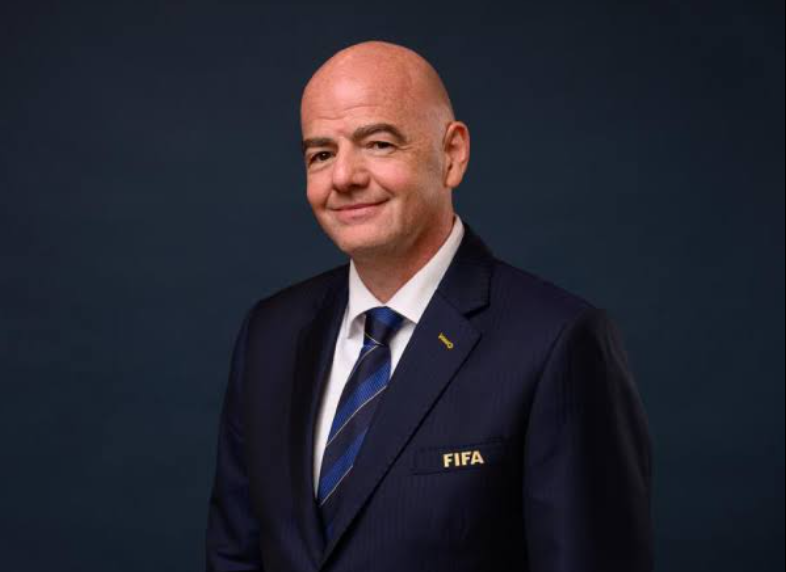
    In a surprising turn of events, FIFA President Gianni Infantino announced on Friday that the organization would abandon plans to sell off or commercialize parts of the World Cup. The decision comes after a wave of criticism from fans, national federations, and even commercial partners. Infantino’s statement emphasized unity, but the reversal raises questions about FIFA’s future financial strategies and its responsiveness to stakeholder pressure.

    This article breaks down what the sell-off plans entailed, why they were proposed, and what this reversal means for the beautiful game. We’ll also explore the broader context of FIFA’s recent commercial moves and what critics say about the organization’s true motivations.

    What Were the Sell-Off Plans?

    While FIFA has not released an official detailed proposal, reports indicate that the organization was exploring the sale of commercial rights, media packages, or even a stake in future World Cup-related assets. This could have included broadcasting rights, sponsorship inventory, or a share in the newly expanded Club World Cup. The goal was to generate significant upfront revenue to fund the expanded 48-team World Cup in 2026 and the new 32-team Club World Cup in 2025.

    It’s important to clarify that the plans did not involve selling the World Cup tournament itself. Instead, they focused on monetizing the event’s commercial potential in a more aggressive way than ever before.

    Why Did FIFA Propose This?

    FIFA has been under financial pressure to fund its ambitious expansion plans. The 48-team World Cup will require more venues, more logistics, and potentially higher costs. Similarly, the new Club World Cup format is a major undertaking. To finance these, FIFA has been seeking innovative revenue streams, and selling future commercial rights seemed like a quick way to raise capital.

    However, this approach was met with immediate resistance. Fan groups like Football Supporters Europe (FSE) and player unions voiced concerns about the commercialization of the sport’s biggest event. National federations, some of whom are FIFA Council members, also objected, fearing that such a move would undermine the integrity of the World Cup and alienate fans.

    The Backlash and the Reversal

    The backlash was swift and organized. Within a short window, FIFA faced criticism from multiple fronts. Commercial partners, including sponsors and broadcasters, were reportedly uneasy about the plans, worried about brand damage and the destabilization of existing contracts. Their quiet pressure may have been a decisive factor in the reversal.

    In his statement, Infantino said: “Having listened carefully to all the views, it has become clear that the project has created divisions of a nature that, regardless of the level of support, are no longer in the interest of the objective set out in the first place.”

    This language suggests that FIFA is positioning itself as a consultative body that listens to its stakeholders. However, critics argue that this is a tactical retreat, not a change of heart. They point to FIFA’s history of proposing aggressive commercial moves, facing backlash, and then reintroducing similar ideas in modified form later. The biennial World Cup proposal, which was shelved after widespread opposition, is a prime example.

    What Does This Mean for FIFA’s Future?

    Scrapping the sell-off plans does not mean FIFA is abandoning commercial expansion. The organization is likely to continue seeking new revenue streams, but perhaps in a more cautious manner. The reversal may also be a signal to stakeholders that FIFA is willing to listen, at least when the pressure is intense.

    For fans, this is a victory for grassroots pressure, but it may be short-lived. The underlying financial pressures that led to the proposal remain, and FIFA will need to find other ways to fund its ambitious projects. Whether that involves new sponsorship deals, increased broadcasting fees, or other commercial ventures, the debate over the commercialization of football is far from over.

    The Bigger Picture

    This incident is part of a larger pattern of FIFA’s governance under Infantino. The organization has faced repeated criticism over transparency, governance, and its commercial aggressiveness, including controversial partnerships with countries like Saudi Arabia. While this reversal may be seen as a positive step, it also highlights the delicate balance FIFA must strike between financial sustainability and the sport’s integrity.

    As the 2026 World Cup approaches, all eyes will be on FIFA’s next moves. Will they continue to push the envelope on commercialization, or will they adopt a more cautious approach? Only time will tell, but one thing is certain: the backlash against the sell-off plans has sent a clear message that the football community is watching closely.

    FIFA’s decision to scrap the World Cup sell-off plans is a significant moment in the ongoing tension between commercial interests and the sport’s traditional values. While it may be a tactical retreat, it demonstrates that stakeholder pressure can influence even the most powerful football governing body. As FIFA moves forward, it will need to navigate these challenges carefully to maintain trust and unity within the global football community.

    Summary

    • FIFA President Gianni Infantino has scrapped plans to sell off or commercialize parts of the World Cup after significant backlash.
    • The plans reportedly involved selling commercial rights, media packages, or a stake in future World Cup assets to raise revenue for expanded tournaments.
    • The backlash came from fans, national federations, and commercial partners, leading to the reversal.
    • Critics view this as a tactical retreat, not a change of heart, given FIFA’s history of similar proposals.
    • FIFA will likely continue seeking new revenue streams, but this incident highlights the importance of stakeholder engagement.

    FAQ

    Q: What exactly were the sell-off plans?
    A: The plans involved selling commercial rights, media packages, or a stake in future World Cup-related assets, such as broadcasting rights or sponsorship inventory, to generate upfront revenue. The World Cup tournament itself was not for sale.

    Q: Why did FIFA propose these plans?
    A: FIFA needed funding for the expanded 48-team World Cup in 2026 and the new 32-team Club World Cup in 2025. Selling future commercial rights seemed like a quick way to raise capital.

    Q: Who opposed the plans?
    A: Fan groups like Football Supporters Europe, player unions, national federations, and even commercial partners expressed opposition. The backlash was swift and organized.

    Q: Is this the first time FIFA has retreated under pressure?
    A: No. FIFA previously shelved the biennial World Cup proposal after widespread criticism. This pattern suggests that FIFA may test the waters with aggressive proposals and then withdraw when faced with strong opposition.

    Q: What does this mean for FIFA’s future commercial strategies?
    A: FIFA will likely continue to seek new revenue streams, but may adopt a more cautious approach. The reversal does not mean FIFA is abandoning commercial expansion, but it may be more mindful of stakeholder reactions.

  • FIFA Chief Gianni Infantino Abandons $20 Billion Private Investment Plan Amid Widespread Opposition

    FIFA Chief Gianni Infantino Abandons $20 Billion Private Investment Plan Amid Widespread Opposition

    A photo of Gianni Infantino speaking at a press conference, with a World Cup trophy or FIFA logo in the background.

    In a dramatic reversal, FIFA President Gianni Infantino has officially scrapped the proposed ‘FIFA Forward Enterprise,’ a $20 billion private investment vehicle that would have taken control of the commercial rights to the World Cup and other FIFA events. The announcement, made late Friday, comes after months of mounting criticism from football governing bodies, player unions, and transparency watchdogs, who argued the plan threatened the sport’s integrity and governance.

    The decision marks a significant setback for Infantino, who had championed the plan as a visionary way to secure long-term funding for global football development. However, the proposal’s lack of consultation and its potential to hand significant influence to private investors proved to be its undoing, creating deep divisions within the football community.

    As FIFA reverts to its traditional commercial model, the episode raises questions about Infantino’s leadership and the future direction of the sport’s global governing body.

    The Plan and Its Demise

    The FIFA Forward Enterprise was first floated in late 2024 as a mechanism to ‘de-risk’ FIFA’s revenue model and accelerate investment in football development, particularly in underserved regions. The structure would have created a new corporate entity backed by private investors, including sovereign wealth funds and private equity firms, to manage and monetize FIFA’s event rights. Proponents argued it would provide financial certainty and allow FIFA to invest without relying solely on traditional broadcast and sponsorship cycles.

    However, the plan quickly drew fire. Critics, including UEFA and other European football bodies, viewed it as a power grab that would undermine the traditional governance of the sport. Player unions like FIFPRO raised concerns about commercial pressures dictating match calendars, while transparency watchdogs warned of a ‘shadow FIFA’ with little accountability. The lack of consultation with national federations and confederations, many of whom learned of the plan through press leaks, further fueled opposition.

    In his statement, Infantino acknowledged that the project had ‘created divisions’ and said it was clear that it was not the right path forward. He emphasized that FIFA would continue with its existing commercial model, selling rights on a cycle-by-cycle basis, and reaffirmed his commitment to global football development.

    Governance and Conflict of Interest Concerns

    At the heart of the controversy were governance and conflict of interest issues. Handing commercial rights to a private entity would have stripped FIFA’s member associations of oversight and accountability, critics argued. The structure would have given private investors significant influence over FIFA’s flagship events, potentially prioritizing profit over the sport’s integrity. This historical baggage, reminiscent of the corruption scandals of the 2010s, made the plan a lightning rod for criticism.

    Infantino’s camp had argued that the plan was a visionary move to secure long-term funding, especially for Africa, Asia, and the Americas. Some smaller federations, particularly those with limited resources, were reportedly open to the idea if it meant guaranteed funding. However, the overwhelming opposition from powerful stakeholders and the public ultimately sealed its fate.

    Implications for FIFA and Infantino

    The collapse of the FIFA Forward Enterprise is a significant blow to Infantino, who has faced controversy throughout his tenure, including governance issues, human rights concerns related to the 2022 Qatar World Cup, and his push for expanded competitions. While he was re-elected unopposed in 2019 and 2023, this episode may embolden his critics and raise questions about his leadership style.

    FIFA’s financial position remains strong, with reserves exceeding $4 billion, which raises questions about why such a large external investment was needed in the first place. The decision to abandon the plan may be seen as a victory for those who advocate for transparency and accountability in football governance.

    Reactions and Next Steps

    Reactions to the announcement have been mixed. European football bodies and transparency watchdogs have welcomed the decision, viewing it as a necessary correction. FIFPRO expressed relief that player welfare concerns were heeded. However, some smaller federations that had hoped for guaranteed funding may be disappointed.

    Moving forward, FIFA will need to rebuild trust and find alternative ways to support global football development. The episode serves as a reminder of the delicate balance between commercial interests and the sport’s integrity, a challenge that will continue to shape FIFA’s future.

    The abandonment of the $20 billion FIFA Forward Enterprise marks a pivotal moment for Gianni Infantino’s presidency and for FIFA as a whole. While the plan was framed as a visionary financial strategy, its lack of transparency and consultation ultimately made it untenable. As FIFA returns to its traditional commercial model, the focus now shifts to how Infantino will navigate the ongoing tensions between modernization and governance, and whether he can restore confidence among the sport’s diverse stakeholders.

    Summary

    • FIFA President Gianni Infantino has scrapped the proposed $20 billion FIFA Forward Enterprise investment vehicle.
    • The plan would have given private investors control over commercial rights to the World Cup and other events.
    • Critics cited governance concerns, lack of consultation, and potential conflicts of interest.
    • The decision is a setback for Infantino, who had championed the plan as a way to secure long-term funding.
    • FIFA will continue with its existing commercial model, selling rights on a cycle-by-cycle basis.

    FAQ

    Q: What was the FIFA Forward Enterprise?
    A: It was a proposed $20 billion private investment vehicle that would have taken control of the commercial rights to FIFA’s events, including the World Cup, to provide financial certainty and fund global football development.

    Q: Why was the plan controversial?
    A: Critics argued it would strip FIFA’s member associations of oversight, give private investors too much influence, and lacked consultation with key stakeholders, reviving memories of past corruption scandals.

    Q: Who opposed the plan?
    A: European football bodies like UEFA, player unions like FIFPRO, transparency watchdogs, and many fans and media outlets opposed it, citing governance and integrity concerns.

    Q: What happens now?
    A: FIFA will continue with its traditional commercial model, selling broadcasting and sponsorship rights on a cycle-by-cycle basis, and will need to find alternative ways to support development.

    Q: What does this mean for Gianni Infantino?
    A: The collapse is a significant setback for Infantino, potentially emboldening critics and raising questions about his leadership and the future direction of FIFA.