You finally have a free afternoon. No deadlines, no meetings, no obligations. You sink into the couch, open a book, or scroll through your phone. And then, instead of feeling relaxed, a knot forms in your stomach. A voice in your head whispers, ‘You should be doing something productive.’
If this sounds familiar, you’re not alone. Psychologists have a name for this feeling: leisure guilt, also known as relaxation guilt or idleness aversion. It’s the anxiety or discomfort we experience when we’re not being productive. And it’s not just a minor annoyance—research shows it can seriously undermine our well-being. This article explores the science behind leisure guilt, why hustle culture fuels it, and what you can do to reclaim your rest.
The Reality of Leisure Guilt
Leisure guilt is a documented psychological phenomenon. A 2021 study in the Journal of Personality and Social Psychology found that people who viewed leisure as wasteful experienced lower well-being, higher stress, and greater depression—even when they had ample free time. The researchers, including Dr. Selin Malkoc and Dr. Rebecca Ratner from Ohio State University, demonstrated that the mere belief that “leisure is wasteful” predicts lower happiness and higher anxiety, regardless of how much time you actually have.
This isn’t a niche issue. A 2019 survey by the American Psychological Association found that 61% of Americans reported work as a significant source of stress, with many unable to “switch off” during time off. And the pressure to constantly produce has only intensified with the rise of hustle culture.
The Rise of Hustle Culture
Hustle culture is the modern glorification of overwork. It’s the Instagram posts featuring 5 AM wake-ups, the LinkedIn rants about “grinding while others sleep,” and the startup CEOs who brag about 80-hour work weeks. Figures like Gary Vaynerchuk and Elon Musk have popularized the idea that success requires relentless effort—Musk once claimed he worked 100 hours a week.
This mindset emerged prominently in the 2010s, fueled by social media and the gig economy. The COVID-19 pandemic made it worse: remote work blurred the boundaries between office and home, making it nearly impossible to disconnect. Layoffs created a climate of fear, driving many to overwork as a form of job security.
But hustle culture isn’t just a modern invention. Its roots go back to the Protestant work ethic, a concept introduced by sociologist Max Weber in 1905. The idea that hard work is a moral duty and idleness is sinful has shaped Western attitudes toward productivity for centuries. The Industrial Revolution reinforced this by making “time = money” a cultural axiom. And after the 2008 recession, economic instability made “more work = more security” a common belief.
The Brain’s Role in Leisure Guilt
Why does our brain make relaxation feel so wrong? One reason lies in our neurochemistry. Completing tasks triggers dopamine release—the brain’s reward chemical. This creates a loop where productivity feels good, and by comparison, doing nothing feels unrewarding. Over time, this can train your brain to associate rest with a lack of reward.
But rest isn’t just empty time. When you relax, your brain activates the default mode network (DMN), a set of interconnected brain regions that become active during wakeful rest. The DMN is associated with creativity, self-reflection, and memory consolidation. In other words, rest is a productive mental state—but guilt suppresses it. Instead of letting your mind wander and make creative connections, you’re stuck in a loop of anxiety.
Chronic stress from guilt-driven overwork also takes a physiological toll. Elevated cortisol levels—the stress hormone—are linked to cardiovascular disease, weakened immunity, and impaired cognitive function. So the guilt isn’t just unpleasant; it’s actively harmful.
Psychological Mechanisms: Why We Feel Guilty
Several psychological mechanisms drive leisure guilt. One is conditioned self-worth. Many people tie their identity and self-esteem to productivity. When you’re not working, you feel like you’re failing or falling behind. This is often reinforced by social comparison—scrolling through LinkedIn or Instagram and seeing others’ achievements makes rest feel like a competitive disadvantage.
Another mechanism is what some researchers call “survivor guilt transposed.” When others are struggling—during economic downturns or layoffs—relaxing can feel like a betrayal of collective struggle. You might think, “How can I enjoy myself when other people are losing their jobs?”
Fear of missing out (FOMO) also plays a role. In a fast-moving world, downtime can trigger anxiety about missed opportunities. If you’re not constantly networking, learning, or producing, you might worry you’ll fall behind.
Is Leisure Guilt Rational for Some?
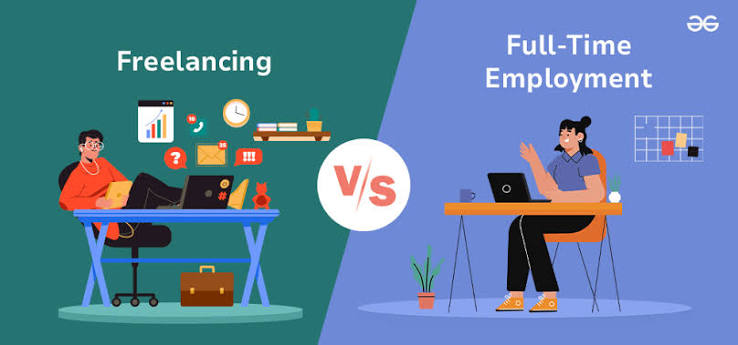
It’s important to note that leisure guilt isn’t always irrational. For gig workers, freelancers, and hourly employees, rest directly translates to lost income. In these cases, guilt is a rational response to economic pressure. Hustle culture, despite its glorification of hard work, is often a luxury of the privileged. Someone with a stable salary and paid vacation can afford to take time off; someone who gets paid per task cannot.
This class dimension is often overlooked in discussions of work-life balance. The solution for a burnout executive isn’t the same as for a rideshare driver struggling to make ends meet. Understanding the context is crucial.
Cultural Differences in Leisure Guilt
Leisure guilt isn’t universal. Studies show it’s more pronounced in individualistic, work-centric cultures like the United States, Japan, and South Korea, where long work hours are the norm. In contrast, cultures with stronger leisure norms—such as France, Spain, and the Nordic countries—tend to have lower levels of leisure guilt. For example, in France, the “right to disconnect” law requires companies with over 50 employees to establish hours when staff should not send or answer emails. This legal recognition of rest is a stark contrast to the American “always-on” mentality.
These cultural differences suggest that leisure guilt is learned, not innate. And if it’s learned, it can be unlearned.
How to Overcome Leisure Guilt
So, how do you break free from the guilt? Psychologists offer several strategies, many rooted in cognitive-behavioral therapy (CBT).
Reframe your thoughts. The guilt often stems from “should” statements: “I should be working.” Challenge this by asking yourself: “Is this thought rational? What evidence do I have that resting is harmful?” Often, you’ll find the belief is baseless.
Redefine rest as productive. Rest is not the absence of work; it’s an active component of sustainable performance. Just as athletes need rest days to build muscle, your brain needs downtime to consolidate memories, boost creativity, and prevent burnout. The default mode network is a prime example of rest’s cognitive benefits.
Schedule rest deliberately. Instead of waiting until you’re exhausted, plan rest as you would any other appointment. This removes the ambiguity and makes rest feel intentional, not lazy.
Practice self-compassion. Remind yourself that everyone needs rest. Be kind to yourself when you take a break, rather than berating yourself.
Limit social media exposure. If comparison fuels your guilt, curate your feed. Unfollow accounts that make you feel inadequate, and remember that people only show their highlights.
Start small. If you’re used to constant productivity, an entire day off might trigger anxiety. Start with 15 minutes of guilt-free rest, and gradually increase the time.
The Benefits of Rest
Research supports the idea that rest improves, rather than hinders, performance. A 2018 study in Harvard Business Review found that employees who took fewer vacation days reported lower productivity and career satisfaction over time. In other words, working more doesn’t lead to better outcomes—it leads to burnout.
Psychologists argue that rest is a basic psychological need, according to self-determination theory. When rest is denied, burnout results. So overcoming leisure guilt isn’t just about feeling better; it’s about sustaining your long-term well-being and performance.
Leisure guilt is a widespread but not insurmountable problem. It’s a product of cultural messages, neurochemical conditioning, and economic realities—not a reflection of your worth. By understanding the science behind why you feel guilty after relaxing, you can begin to challenge those thoughts and reclaim your rest. Remember, relaxation isn’t a reward for productivity; it’s a prerequisite for it. Give yourself permission to rest, and you’ll likely find that you’re not only happier but also more effective in the long run.
Summary
- Leisure guilt is a real psychological phenomenon, causing anxiety and stress when engaging in non-productive activities, even with ample free time.
- Hustle culture, rooted in the Protestant work ethic and amplified by social media, glorifies overwork and has led to widespread burnout.
- Neurologically, rest activates the brain’s default mode network, which is crucial for creativity and memory, while chronic overwork elevates cortisol and damages health.
- Leisure guilt is more common in work-centric cultures like the US and Japan, and can be rational for gig workers who lose income when they rest.
- Overcoming leisure guilt involves reframing thoughts, scheduling rest deliberately, and recognizing that rest is a key component of sustainable productivity.
FAQ
Q: Is it normal to feel guilty when I’m not working?
A: Yes, it’s very common, especially in cultures that value productivity. This feeling is called leisure guilt, and research shows it’s linked to lower well-being and higher stress.
Q: Can rest actually make me more productive?
A: Absolutely. Rest activates the brain’s default mode network, which is associated with creativity and problem-solving. Taking breaks can improve focus and prevent burnout, leading to better long-term performance.
Q: Why does hustle culture glorify overwork?
A: Hustle culture has roots in the Protestant work ethic and has been amplified by social media and economic instability. It equates constant productivity with success, but research shows this approach often leads to diminished returns.
Q: How can I stop feeling guilty about relaxing?
A: Start by challenging the thought that rest is wasteful. Remind yourself that rest is a need, not a luxury. Schedule rest deliberately, limit social media comparison, and practice self-compassion.
Q: Is leisure guilt worse in some cultures?
A: Yes, studies show it’s more prevalent in individualistic, work-centric cultures like the US, Japan, and South Korea, while cultures with strong leisure norms, like France and Spain, experience less guilt.