Tag: wildfires

  • Rewilding vs. Wildfires: Can Restoring Nature Make Britain Safer?

    Rewilding vs. Wildfires: Can Restoring Nature Make Britain Safer?

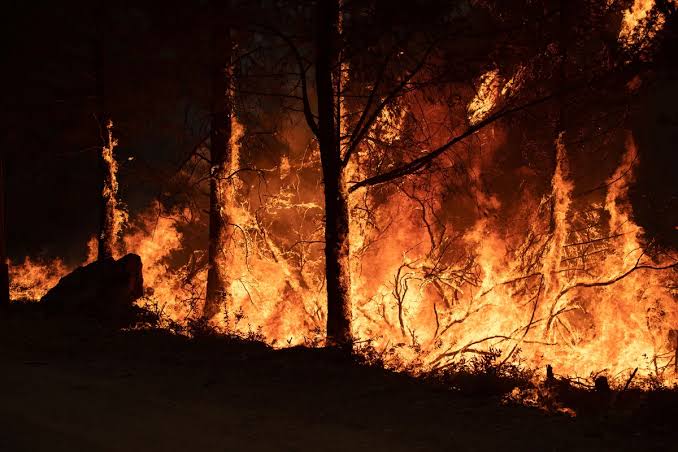
    In 2022, the UK Fire and Rescue Services attended over 44,000 wildfires a 72% jump from the previous year. The largest wildfire ever recorded on English soil scorched 1,500 hectares of the North York Moors in 2023. As climate change makes British summers hotter and drier, these numbers are likely to grow. But a growing coalition of ecologists and fire experts argue that one of the most effective tools against this rising threat isn’t more fire engines or new technology it’s bringing back the natural processes that once kept these landscapes resilient.

    Rewilding the large-scale restoration of ecosystems through reintroduced species and natural processes is often discussed in terms of biodiversity or carbon storage. But its role in wildfire prevention is less well-known, though the evidence is compelling. By rewetting drained peatlands, reintroducing grazing animals, and allowing vegetation to grow into a mosaic of habitats, rewilding can turn Britain’s flammable moorlands into fire-resistant landscapes. This isn’t just theory: early results from projects like Knepp Estate and Wild Ennerdale show measurable reductions in fuel loads and fire risk.

    This article explores the science behind rewilding’s fire-fighting potential, the practical challenges, and why current UK policy has yet to fully embrace this nature-based solution.

    Why Britain Is Burning

    Wildfires have been part of the British landscape for millennia, but their frequency and intensity are now unprecedented. The 44,000 fires in 2022 came after a summer that peaked at 40.3°C—the UK’s hottest ever recorded. The 2023 North York Moors fire burned for days, sending smoke plumes visible from space.

    The root causes are twofold. Climate change delivers the hot, dry conditions that turn vegetation into kindling. But centuries of land management have primed the landscape to burn. Vast areas of upland Britain are covered in continuous, dense stands of bracken, gorse, and heather—species that are highly flammable and spread fire rapidly. Many peatlands, drained for agriculture or forestry, have become dry, crumbling tinder that can smoulder underground for weeks.

    This is where rewilding enters the picture. It’s not about letting nature run wild in a passive sense; it’s an active restoration of the processes that create diverse, resilient ecosystems.

    The Fire-Fighting Mechanisms of Rewilding

    Rewetting the Bogs

    Drained peatlands are a fire hazard of the first order. When the water table drops, the exposed peat dries out and becomes combustible. Once ignited, peat fires can burn deep into the ground, difficult to extinguish and releasing huge amounts of carbon. Rewetting these bogs—by blocking drainage ditches and letting vegetation regrow—keeps the peat saturated. Wet peat simply doesn’t burn.

    Projects like the Great Fen in Cambridgeshire have demonstrated the dual benefits: restored wetlands support rare wildlife and act as natural firebreaks. A wet bog is a barrier fire cannot cross.

    Grazing as Fuel Management

    Large herbivores—cattle, ponies, pigs, and beavers—are nature’s lawnmowers. By grazing on grasses, shrubs, and saplings, they reduce the total amount of flammable vegetation. More importantly, their movement creates a patchwork of short grass, bare ground, and scattered scrub. This mosaic breaks up the continuous fuel layer that allows fire to spread.

    At Wild Ennerdale in the Lake District, cattle grazing has visibly reduced the dominance of bracken, a plant that can grow waist-high and burns like paper. The result is a more open, varied landscape that is less prone to large-scale fires.

    Woodland as a Natural Firebreak

    Conventional thinking might suggest that trees add fuel to a fire. But the type of woodland matters. Rewilding encourages the growth of broadleaf species like oak and birch, which are less flammable than conifers and, when mature, create a shaded, moist understory that resists ignition. Woodland also breaks up the wind, slowing fire spread.

    Research from Mediterranean ecosystems—where wildfires are a regular occurrence—shows that mosaic landscapes with a mix of woodland, scrub, and grassland experience less intense fires than uniform, dense vegetation. This principle applies directly to Britain.

    Beavers: The Engineers of Wetness

    Beavers are perhaps the ultimate rewilding fire-fighters. Their dams create ponds, wet meadows, and raised water tables that extend far beyond the immediate dam. In dry periods, these wetlands remain green and moist, serving as natural firebreaks. While beavers are only recently returning to Britain, their impact on water retention is already measurable in pilot sites.

    Evidence from the Ground

    The Knepp Estate in Sussex, a pioneer of rewilding, offers a concrete example. Its scrubland and grassland, grazed by free-roaming cattle, pigs, and deer, have proven less flammable than the surrounding arable land. In the dry summer of 2022, while neighboring fields turned brown and brittle, Knepp’s varied vegetation stayed greener and more resilient.

    In the Cairngorms Connect project in Scotland, a 600-square-kilometer landscape is being restored through natural regeneration and grazing. Early monitoring shows a more heterogeneous vegetation structure, which fire ecologists predict will slow any future blaze. Though UK-specific data is still limited, the mechanism is well-established: less continuous fuel, more moisture, and more barriers equal less fire spread.

    The Skeptics and the Real Challenges

    Not everyone is convinced. Some farmers and grouse moor managers argue that rewilding simply turns productive land into overgrown scrub that could burn. They point to the risk of dense, unmanaged woodland. This concern is not unfounded—if rewilding is done poorly, with conifers or unchecked undergrowth, it could exacerbate fire risk.

    However, rewilding is not about abandoning land. It’s about actively restoring natural processes. That includes managing grazing levels, planting fire-resistant species, and creating firebreaks. The key is that these measures work with nature, not against it, and they are designed for long-term resilience.

    Another challenge is cultural and economic. Rewilding often faces opposition from rural communities who rely on traditional land uses like sheep farming or grouse shooting. These tensions are real and must be addressed through inclusive planning. But the fire risk argument against rewilding is often based on a misconception—that more vegetation means more fuel. In reality, a diverse, moist, and grazed landscape is far less fire-prone than a uniform, dry moor.

    Policy Gaps and Next Steps

    The UK government has recognized the wildfire threat. The 2023 Wildfire Strategy for England focuses on prevention and improved response. Yet it barely mentions rewilding as a tool. Meanwhile, peatland restoration grants and the England Trees Action Plan provide funding for rewetting and tree planting, but these are not explicitly linked to wildfire risk.

    Fire and Rescue Services are beginning to work with land managers on firebreak creation and controlled burns, but a national strategy that integrates rewilding into wildfire prevention remains absent. Pilot projects like Wild Ennerdale and the Great Fen could serve as templates, but they need to be scaled up and supported by clear policy.

    The evidence suggests that rewilding is not a silver bullet—it cannot stop arson or careless campers. But it can reduce the severity and spread of fires once they start. By restoring wetlands, reintroducing grazers, and diversifying vegetation, Britain can build landscapes that are not only richer in wildlife but also safer for people and property.

    As climate change intensifies, Britain faces a future with more wildfires. Rewilding offers a proactive, nature-based solution that addresses the root causes of fire risk: excessive fuel, drained wetlands, and monotonous vegetation. The science is clear, and early projects show promise. But to make a real difference, rewilding must be integrated into national wildfire strategy, supported by funding, and implemented in partnership with local communities. The choice is stark: continue to fight fires with ever-more resources, or restore the natural resilience that once protected these lands. Rewilding won’t prevent every fire, but it could make the difference between a manageable blaze and a catastrophe.

    Summary

    • Britain faces a growing wildfire threat, with 44,000 fires in 2022 and the largest-ever recorded on land in 2023.
    • Rewilding reduces fire risk by rewetting peatlands, grazing to cut fuel loads, creating woodland mosaics, and using beavers to raise water tables.
    • Evidence from projects like Knepp Estate and Wild Ennerdale shows reduced flammability and fire spread.
    • Challenges include managing woodland regrowth and addressing rural opposition, but these are surmountable with good planning.
    • UK policy currently overlooks rewilding as a wildfire prevention tool, but integrating it could yield significant benefits.

    FAQ

    Q: Does rewilding actually make land more fire-prone by adding trees?
    A: No, if done correctly. Rewilding promotes broadleaf woodland, which is less flammable than conifers, and the mosaic of habitats it creates breaks up continuous fuel. However, poorly managed rewilding with dense conifers could increase risk, so planning and management are key.

    Q: How does grazing help prevent wildfires?
    A: Large herbivores like cattle and ponies eat grasses and shrubs, reducing the amount of flammable vegetation. They also create a patchy landscape with bare ground and short grass that acts as a natural firebreak.

    Q: Can rewilding stop all wildfires?
    A: No, it cannot prevent fires caused by arson or accidents. But it can reduce the intensity and spread of fires, making them easier to control and less damaging.

    Q: Are there any downsides to rewilding for fire risk?
    A: If rewilding leads to dense, unmanaged woodland or overgrown scrub, it could increase fuel load. This is why rewilding requires active management, including controlled grazing and creating firebreaks.

    Q: What is the current UK policy on rewilding and wildfires?
    A: The UK has peatland restoration grants and a Wildfire Strategy, but there is no national policy linking rewilding to wildfire prevention. Integrating these approaches could improve resilience.
  • Why the Spokane Wildfires Became So Catastrophic

    Why the Spokane wildfires became so catastrophic - SheSight

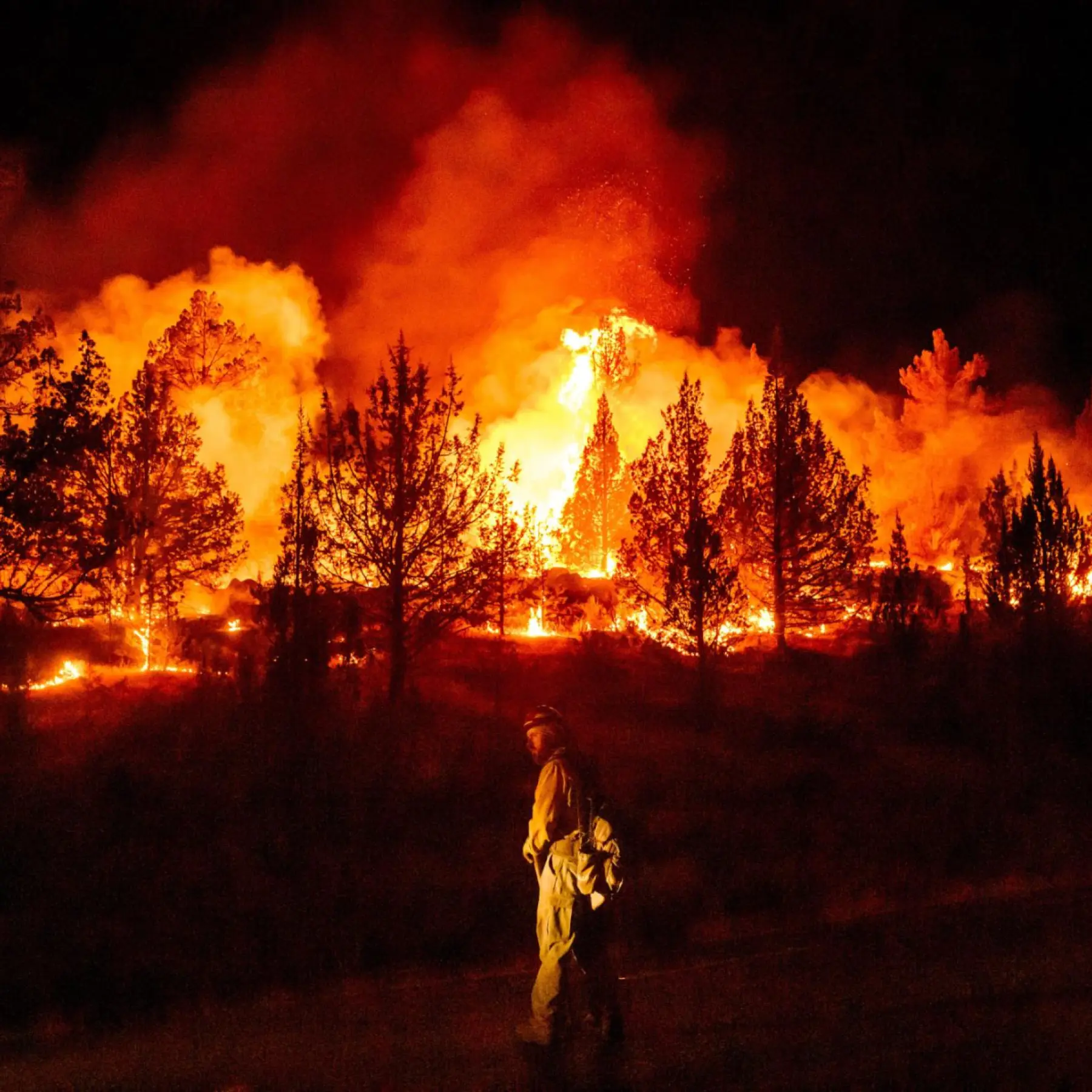
    In August 2023, the Spokane area experienced a wildfire disaster that destroyed over 300 homes and forced tens of thousands to evacuate. The Gray Fire and Oregon Road Fire, ignited within hours of each other, burned tens of thousands of acres and killed at least two people. The speed and intensity of the flames caught many off guard, turning a typical summer day into a life-threatening emergency.

    What made these fires so catastrophic? It wasn’t a single factor, but a convergence of extreme weather, decades of fire suppression, and a growing number of homes built in fire-prone landscapes. Understanding this combination helps explain why the Inland Northwest, a region not typically associated with California-style megafires, found itself in the middle of one.

    The Perfect Fire Weather Storm

    On August 18, 2023, a strong cold front swept across eastern Washington. It brought sustained winds of 30–40 mph, with gusts exceeding 50 mph. These dry winds from the southwest aligned with the terrain, creating the classic conditions for a “blow-up” fire. The National Weather Service had issued a Red Flag Warning, but even the most pessimistic forecasts underestimated the wind’s ferocity.

    Humidity levels dropped to single digits. Live fuel moisture—the water content in living plants—was at record lows. Even green trees burned readily. The combination of extreme drought (much of Spokane County was in D3 “extreme” drought), temperatures in the 90s°F, and hurricane-force gusts turned any spark into a fast-moving inferno.

    Meteorologists noted that the conditions were comparable to those seen in California’s most destructive fires, but in a region less accustomed to such extremes. In the first 48 hours, the wind-driven flames raced through populated areas, destroying hundreds of homes before firefighters could even establish containment lines.

    A Landscape Primed to Burn

    Spokane sits in the Inland Northwest, a region of Ponderosa pine forests, shrub-steppe grasslands, and transitional zones. For centuries, this landscape experienced frequent, low-intensity fires that cleared out undergrowth and kept forests open and park-like. But fire suppression policies of the last century changed that.

    The U.S. Forest Service and state agencies aggressively fought all fires, allowing dead wood and dense undergrowth to accumulate to unnatural levels. When fires do ignite now, they have more fuel to burn, making them hotter and more destructive. This fuel buildup, combined with extreme weather, created a recipe for disaster.

    Prescribed fire and forest thinning have been underfunded and underutilized in the region. Some experts argue that proactive fuel management could have reduced the fires’ intensity. However, others point out that no amount of thinning could have stopped a fire under 50 mph winds—the primary driver was weather, not fuel load.

    The result was a fire that burned with such intensity that it created its own weather, spotting embers miles ahead of the main front and overwhelming any firefighting efforts.

    Homes in the Crosshairs: The Wildland-Urban Interface

    Spokane’s suburbs have expanded significantly into surrounding forests and grasslands over the past two decades. Communities like Medical Lake, Elk, and Colbert are classic wildland-urban interface (WUI) developments—residential areas with winding roads, limited access points, and homes surrounded by trees and brush.

    Many of these homes were built before modern wildfire-resistant building codes. They feature wooden siding, cedar shake roofs, and unmanaged vegetation within the critical “defensible space” zone—the 30–100 feet around a structure that can make the difference between survival and destruction.

    When the Gray Fire tore through Medical Lake, it destroyed at least 240 homes, making it one of the most destructive fires in Washington state history. The Oregon Road Fire, near Elk, destroyed at least 120 structures. In both cases, the fires moved so quickly that many residents had only minutes to evacuate.

    Spokane County has relatively weak wildfire-resistant building codes compared to states like California. There is no mandatory “defensible space” requirement, and many homes were built with flammable materials. This lack of preparedness amplified the disaster.

    The Aftermath and Lessons Learned

    The fires were fully contained within roughly two weeks, but the damage was done. Washington Governor Jay Inslee declared a state of emergency, and FEMA later approved federal assistance for affected counties. At least two people lost their lives, and hundreds of families lost their homes.

    In the aftermath, questions arise about how to prevent such disasters in the future. Some advocate for stricter building codes and land-use planning that limits development in high-risk areas. Others call for more aggressive fuel management, including prescribed burns and mechanical thinning.

    But as the Spokane fires demonstrated, even the best preparation can be overwhelmed by extreme weather. As climate change continues to increase the frequency and intensity of heatwaves and droughts, the Inland Northwest may face more events like this. The question is whether communities will adapt in time.

    The Spokane fires are a stark reminder that wildfires are not just a California problem. They can happen anywhere the conditions align—dry fuels, strong winds, and homes in the wildland-urban interface. The only way to reduce the risk is to address all three factors, and that requires a coordinated effort from policymakers, land managers, and homeowners alike.

    The catastrophic Spokane wildfires of August 2023 were not an anomaly but a preview of what’s to come in a warming world. The combination of extreme weather, a landscape primed to burn, and homes built in fire’s path created a perfect storm. While the immediate crisis has passed, the lessons are clear: we must adapt our building practices, manage our forests more proactively, and respect the power of nature. The choice is ours—prepare now or face the consequences.

    Summary

    • The Gray and Oregon Road fires destroyed over 300 homes and killed at least two people in August 2023.
    • Extreme weather: 50+ mph winds, single-digit humidity, and severe drought created a “blow-up” fire scenario.
    • Decades of fire suppression allowed fuel loads to build to unnatural levels, intensifying the fires.
    • Homes in the wildland-urban interface, with flammable materials and no defensible space, were especially vulnerable.
    • The fires highlight the need for better land-use planning, building codes, and forest management in fire-prone regions.

    FAQ

    Q: What started the Spokane wildfires?
    A: The exact cause of the Gray Fire and Oregon Road Fire is still under investigation. However, the extreme weather conditions—high winds, low humidity, and dry fuels—allowed any ignition to spread rapidly.

    Q: How many homes were destroyed?
    A: The Gray Fire destroyed at least 240 homes, and the Oregon Road Fire destroyed at least 120 structures, for a combined total of over 300 homes lost.

    Q: Why did the fires spread so quickly?
    A: The primary factor was the strong cold front that brought sustained winds of 30–40 mph with gusts over 50 mph. Combined with extremely dry vegetation and low humidity, the fires moved at a speed that overwhelmed evacuation efforts.

    Q: Could these fires have been prevented?
    A: In the sense of stopping the ignition, perhaps. But the conditions that made them so destructive—fuel buildup and extreme weather—are the result of long-term fire suppression and climate change. Better forest management and fire-resistant building codes could reduce future risk.

    Q: Is this type of event becoming more common in the Inland Northwest?
    A: Yes. Climate change is increasing the frequency and intensity of heatwaves and droughts, which dry out vegetation and make wildfires more likely. The Spokane fires are consistent with this trend.

  • Why Western Europe’s 2026 Wildfires Were a Climate Wake-Up Call

    Why Western Europe’s 2026 Wildfires Were a Climate Wake-Up Call

    In the summer of 2022, Western Europe faced an unprecedented wildfire crisis. France and Spain saw record-breaking burns, with tens of thousands of people evacuated from their homes. For many, it felt like a scene from a disaster movie, but it was a stark reality driven by a changing climate.

    This article explores the science behind these fires, the role of climate change, and what they mean for the future. We’ll break down the complex factors—from heatwaves and drought to forest management—that turned a dry summer into a fiery inferno, and why this is a wake-up call for the entire continent.

    The 2022 Fire Season in Numbers

    The summer of 2022 was not just hot; it was historically destructive. In France, over 60,000 hectares (about 148,000 acres) went up in flames—more than six times the 15-year average. The Gironde region in the southwest saw two massive fires in July and August that together burned around 28,000 hectares and forced the evacuation of roughly 40,000 people, including many tourists. Spain fared even worse, with over 280,000 hectares burned by mid-August—the worst year on record, surpassing 2012. Portugal also suffered, with about 100,000 hectares lost, including a massive blaze in Serra da Estrela.

    These numbers are staggering, but they only tell part of the story. The fires were fueled by extreme weather: Europe experienced four distinct heatwaves in 2022. In July, temperatures soared above 40°C (104°F) in parts of France, Spain, and Portugal. Even the UK, not typically known for such extremes, recorded its first-ever 40°C reading on July 19. Compounding the heat was a severe drought—the worst in at least 500 years, according to the EU’s Joint Research Centre—with soil moisture at record lows. This combination turned forests into tinderboxes.

    The Science of Fire Weather

    To understand why these fires were so intense, we need to look at a tool called the Fire Weather Index (FWI). It’s a bit like a weather forecast for fire risk, combining temperature, humidity, wind speed, and recent rainfall. When the FWI is high, conditions are ripe for fires to start and spread rapidly. In the summer of 2022, Western Europe experienced extreme FWI values—conditions that were previously rare in the region. This is a clear sign that the fire season is no longer confined to the Mediterranean; it’s moving north.

    But weather is only part of the equation. The landscape itself plays a huge role. For decades, fire suppression policies have allowed undergrowth and dead vegetation to accumulate, creating dense fuel loads. Think of it like a forest that has never been cleaned: leaves, branches, and dry grass pile up, providing ample material for a fire to consume. Additionally, many forests in Western Europe are monocultures—plantations of highly flammable species like maritime pine and eucalyptus. These trees are like gasoline-soaked matches, ready to ignite.

    Climate Change: The Amplifier

    So, was climate change directly responsible for the 2022 fires? Scientists from the World Weather Attribution group conducted a study and found that the July heatwave in Western Europe was made about 2°C hotter and roughly 10 times more likely due to human-caused climate change. The drought was similarly amplified. In essence, climate change didn’t start the fires, but it made the conditions far more extreme, turning a bad fire season into a catastrophic one.

    This is not just about one summer. The 2022 fires are part of a broader trend. Historically, Western Europe experienced wildfires mainly in the Mediterranean basin—southern Spain, Portugal, Greece, and southern France. But in 2022, the fire line pushed northward into regions like Brittany and Normandy in France, and even the UK saw a record number of wildfires in July. This expansion is a direct consequence of a warming climate, which is making fire weather more common across the continent.

    The Human and Economic Toll

    While the 2022 fires did not cause the massive loss of life seen in previous disasters (like the 2017 Portugal fires that killed 66 people), they still had a profound impact. In Spain, a firefighter died battling the blazes. Thousands of people were evacuated, and homes, businesses, and natural habitats were destroyed. The economic cost is still being calculated, but it runs into billions of euros.

    There’s also a hidden cost: the carbon emissions. The 2022 fires in Europe released an estimated 6.4 megatonnes of carbon, according to the Copernicus Atmosphere Monitoring Service. This creates a dangerous feedback loop: fires release CO₂, which contributes to global warming, which in turn makes fires more likely. It’s a vicious cycle that we’re only beginning to understand.

    Fighting the Flames: Challenges and Responses

    Firefighting in Western Europe is a massive operation. In France, at the peak of the crisis, about 10,000 firefighters were deployed, with reinforcements from Germany, Poland, Romania, and Greece through the EU Civil Protection Mechanism. Spain activated its Military Emergency Unit for multiple fires. Both countries relied heavily on aerial firefighting fleets—water bombers and helicopters—but they faced challenges. Aging equipment and limited night-flying capability hampered efforts, especially when fires raged out of control.

    But fighting fires is only half the battle. Prevention is key. For years, the EU’s Common Agricultural Policy actually incentivized planting fast-growing, fire-prone species like eucalyptus and pine, contributing to the problem. Rural depopulation has also reduced traditional land management practices like grazing and controlled burns, which used to keep fuel loads in check. As a result, forests have become denser and more vulnerable.

    Looking Ahead: Adaptation and Mitigation

    So, what can be done? First, we must adapt to a new reality where wildfires are more frequent and intense. This means investing in better firefighting equipment, including night-flying capabilities, and improving early warning systems. It also means managing forests more actively—thinning dense stands, reintroducing controlled burns, and diversifying tree species to make landscapes more resilient.

    On a broader scale, we must tackle the root cause: climate change. The 2022 fires are a stark reminder that global warming is not a distant threat; it’s happening now, and it’s affecting our lives. Reducing greenhouse gas emissions is essential to prevent the worst-case scenarios. But even with aggressive mitigation, some level of warming is already locked in, so adaptation is crucial.

    In conclusion, the 2022 wildfires in Western Europe were a wake-up call. They showed that no region is immune to the impacts of climate change. By understanding the science behind these fires and taking proactive steps, we can better prepare for the challenges ahead.

    The 2022 fire season in Western Europe was a stark reminder that climate change is not a distant threat—it’s here, and it’s reshaping our world. The fires were a product of extreme heat, drought, and decades of forest management practices that left landscapes primed to burn. While the immediate crisis may have passed, the underlying conditions remain. It’s time to rethink how we manage our forests, how we fight fires, and how we address the root cause: our carbon emissions. The future will bring more fire, but with foresight and action, we can reduce the damage and protect our communities.

    Summary

    • In 2022, France and Spain experienced their worst wildfire seasons on record, with over 60,000 and 280,000 hectares burned, respectively.
    • The fires were fueled by extreme heatwaves and a severe drought, made more likely and intense by climate change.
    • The Fire Weather Index, which measures fire risk, reached unprecedented levels across Western Europe, pushing fires into regions not historically prone to them.
    • Decades of fire suppression and monoculture plantations have created dense fuel loads, making forests more vulnerable.
    • Adaptation measures, such as better forest management and improved firefighting capabilities, are essential, but reducing emissions is critical to prevent worse outcomes.

    FAQ

    Q: What caused the 2022 wildfires in Western Europe?
    A: The fires were primarily caused by a combination of extreme heat, drought, and strong winds, which created ideal fire weather conditions. Human activities, such as accidental ignitions, also played a role, but the severity was amplified by climate change.

    Q: How did climate change affect the fires?
    A: Climate change made the heatwave and drought more likely and more intense. Scientists found that the July 2022 heatwave was about 2°C hotter and 10 times more likely due to human-caused climate change, which directly increased fire risk.

    Q: Why are forests in Western Europe so flammable?
    A: Many forests are monocultures of highly flammable species like pine and eucalyptus, and decades of fire suppression have allowed undergrowth to accumulate, creating dense fuel loads. Rural depopulation has also reduced traditional land management practices that used to keep fuel in check.

    Q: Can we prevent such fires in the future?
    A: While we can’t prevent all fires, we can reduce their severity through better forest management, such as thinning, controlled burns, and diversifying tree species. Improved firefighting capabilities and early warning systems are also crucial. However, addressing climate change is essential to reduce the underlying risk.

    Q: Were there any fatalities in the 2022 fires?
    A: Fortunately, there was no major loss of life in France or Spain, but a firefighter died in Spain. The relatively low death toll was due to effective evacuations, but the fires still caused significant economic and environmental damage.