Tag: wellness

  • The Ultimate Morning Routine Checklist: Science-Backed Steps to Start Your Day Right

    The Morning Routine Checklist to Start Your Day with Energy & Focus

    We’ve all seen the #morningroutine videos: influencers waking at 5 AM, meditating, journaling, and sipping lemon water before the sun rises. It’s inspiring—and overwhelming. But the truth is, there’s no single ‘perfect’ morning routine. What works for a CEO might fail for a night-owl artist or a parent of three.

    This guide cuts through the hype. We’ll walk through the core components of a morning routine, backed by science and expert consensus, and show you how to build a checklist that fits your life. Whether you have 15 minutes or two hours, these steps can help you feel more energized, focused, and in control—without the guilt.

    Why Morning Routines Matter (and What They Can’t Do)

    A morning routine is a consistent sequence of actions you take upon waking, usually within the first 30–90 minutes. It’s not the same as a schedule—it’s a habitual, repeatable pattern that signals to your brain and body that it’s time to start the day.

    The appeal is obvious: in a world of remote work, constant notifications, and burnout, a routine offers a sense of agency. It can reduce decision fatigue, lower anxiety, and boost productivity. But it’s not a magic bullet. Most research on morning routines is anecdotal, not clinical. The placebo effect and self-selection bias (people who thrive on routines are more likely to adopt them) are real. So, take any ‘miracle’ claims with a grain of salt.

    That said, certain components have solid scientific backing. Let’s break them down.

    The Core Components: What to Include

    1. Hydration: Reboot Your Body

    After 7–9 hours of sleep, you’re mildly dehydrated. Drinking 8–16 ounces of water upon waking helps kickstart your metabolism, improve cognitive function, and flush out toxins. It’s simple, cheap, and effective.

    How to do it: Keep a glass or bottle on your nightstand. Drink it before you reach for your phone.

    2. Light Exposure: Set Your Circadian Clock

    This is arguably the most powerful morning habit. Getting natural sunlight within the first hour of waking (10–30 minutes) regulates your circadian rhythm and triggers the cortisol awakening response, which helps you feel alert. It also improves sleep quality at night.

    How to do it: Step outside, open your curtains, or sit by a window. If it’s dark (winter months), consider a light therapy lamp.

    3. Movement: Wake Up Your Body

    Light stretching, yoga, walking, or a full workout—any movement helps increase blood flow, reduce stiffness, and boost mood. The duration can range from 5 to 45 minutes, depending on your fitness level and schedule.

    How to do it: Start small. A 5-minute stretch or a short walk around the block is better than nothing. Gradually increase as it becomes a habit.

    4. Mindfulness or Meditation: Center Your Mind

    Spending 5–20 minutes in meditation, journaling, or breathwork can reduce stress, improve focus, and enhance emotional regulation. It’s a chance to set an intention for the day.

    How to do it: Try a guided meditation app, write three things you’re grateful for, or simply sit quietly and focus on your breath.

    5. Planning and Goal-Setting: Prioritize Your Day

    Reviewing your to-do list and identifying 1–3 top priorities helps you start the day with clarity. It prevents the ‘shiny object’ syndrome and ensures you’re working on what matters most.

    How to do it: Spend 5 minutes writing down your top three tasks for the day. Keep it simple—don’t overplan.

    6. Nutrition: Fuel Your Brain

    A balanced breakfast with protein, fiber, and healthy fats within 1–2 hours of waking stabilizes blood sugar and sustains energy. Skipping breakfast can lead to mid-morning crashes.

    How to do it: Think eggs, Greek yogurt, oatmeal, or a smoothie. Avoid sugary cereals or pastries.

    7. Avoidance Behaviors: What to Delay

    • Phone and social media: Wait 30–60 minutes before checking your phone. This prevents dopamine spikes and allows your brain to wake up naturally.
    • Snooze button: It’s often demonized, but a brief, planned 10–15 minute snooze may not be harmful for everyone. The key is to avoid repeatedly hitting snooze, which fragments sleep.
    • Caffeine: Some sleep experts recommend waiting 60–90 minutes after waking before your first coffee. This is based on adenosine receptor dynamics, but it’s a heuristic, not a hard rule. If you’re not sensitive, a morning coffee is fine.

    How to Build Your Own Checklist

    There’s no one-size-fits-all routine. Your chronotype (whether you’re a morning lark or night owl) matters. Forcing a 5 AM wake-up on a night owl can backfire. The best routine is the one you can actually stick to.

    Start Small

    Begin with just two or three components. For example:
    – Drink water
    – Get sunlight
    – Do a 5-minute stretch

    Once that feels automatic, add another element, like journaling or planning.

    Consider Your Context

    • Parents: Your routine must adapt to children’s needs. Flexibility is key. Maybe you do a 10-minute version before the kids wake up.
    • Night owls: Don’t force an early wake-up. Focus on the components you can do at your natural wake time.
    • Minimalists: A ‘slow morning’ with just coffee and reading is valid. You don’t need a 10-step routine to be productive.

    Avoid the ‘More is Better’ Trap

    Adding 10 steps doesn’t increase effectiveness. Cognitive load and time pressure can negate the benefits. Keep it manageable.

    The Skeptical View: What the Research Really Says

    Most morning routine advice is anecdotal. The strongest evidence supports light exposure, hydration, and consistent sleep/wake times. Meditation and exercise have broad health benefits, but their specific timing in the morning is less rigorously studied.

    Also, beware of the ‘morning routine industry’—apps, journals, supplements, and smart alarms are a multi-million-dollar market. They have an incentive to exaggerate claims. Use them if they help, but don’t believe the hype.

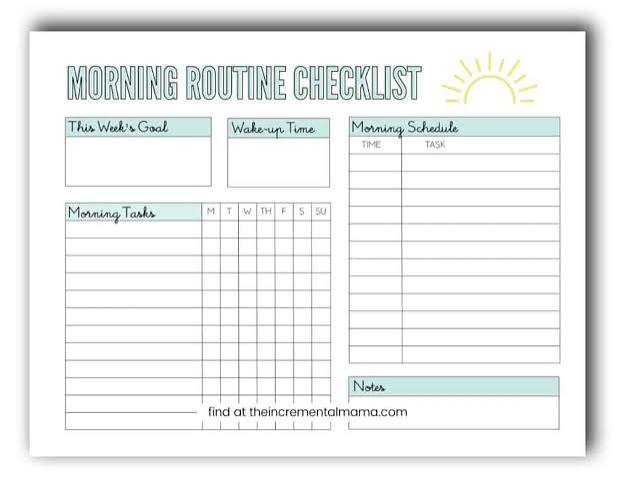
    A Sample Checklist to Get You Started

    Here’s a flexible template you can adapt:

    • Wake up (same time every day, even weekends)
    • Drink 8–16 oz of water
    • Get 10–30 minutes of natural light (or use a light lamp)
    • Move your body (5–15 minutes of stretching, yoga, or a walk)
    • Meditate or journal (5–10 minutes)
    • Review your top 3 priorities (2 minutes)
    • Eat a balanced breakfast (within 1–2 hours)
    • Delay phone and caffeine (if possible, for 30–60 minutes)

    Remember, this is a starting point, not a rigid rule. Tweak it to fit your life.

    The ultimate morning routine isn’t about perfection—it’s about consistency and self-awareness. Start with the science-backed basics: hydrate, get light, move, and plan. Then, add what feels right for you. The goal is to feel more grounded and ready for the day, not to check off a list. So, take what works, leave what doesn’t, and build a routine that’s truly yours.

    Summary

    • A morning routine is a habitual sequence of actions within the first 30–90 minutes of waking; it’s not a rigid schedule.
    • Strongest scientific support: light exposure, hydration, and consistent sleep/wake times.
    • Core components: water, sunlight, movement, mindfulness, planning, and a balanced breakfast.
    • Avoid the ‘more is better’ trap; start small and adapt to your chronotype and lifestyle.
    • Be skeptical of exaggerated claims; most advice is anecdotal, not clinically proven.

    FAQ

    Q: How long should a morning routine be?
    A: There’s no universal length. Most routines fall between 15 minutes (minimalist) and 2 hours (extensive). The key is consistency, not duration. Start with 15 minutes and adjust based on what feels sustainable.

    Q: Is it bad to check my phone first thing in the morning?
    A: Many experts recommend delaying phone use for 30–60 minutes to avoid dopamine spikes and allow your brain to wake naturally. However, if you need your phone for an alarm or a quick weather check, that’s fine—just avoid social media and email.

    Q: Should I really wait 90 minutes before drinking coffee?
    A: The ‘wait 90 minutes’ rule is based on adenosine receptor dynamics, but it’s not universally supported by clinical trials. It’s a reasonable heuristic for some, but if you’re not sensitive to caffeine, a morning coffee is fine. Listen to your body.

    Q: What if I’m a night owl? Can I still have a morning routine?
    A: Absolutely. Don’t force a 5 AM wake-up. Focus on the components you can do at your natural wake time. Light exposure and hydration are still beneficial, even if it’s later in the morning.

    Q: Are cold showers a necessary part of a morning routine?
    A: No. Cold showers are popular among some influencers, but they’re not essential. If you enjoy them, great—they may boost alertness. But you can get the same benefits from a regular shower or a splash of cold water on your face.

  • The 5-Minute Morning Routine: Science-Backed Habits to Boost Your Energy Fast

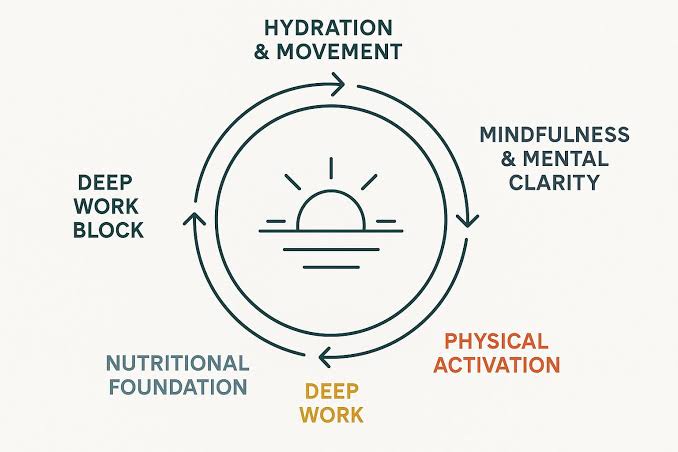
    Morning Routine for Productivity: Science-Backed 5-Phase System That Works - LifeHack

    Mornings can be brutal. The alarm blares, your body feels heavy, and the thought of tackling the day seems overwhelming. But what if a mere five minutes could set the tone for sustained energy and focus? The rise of micro-habits—small, easy actions that become automatic—has made the 5-minute morning routine a popular solution for time-poor individuals seeking a quick energy boost.

    This isn’t about adding more to your plate; it’s about strategically leveraging biology. By understanding how your body responds to light, hydration, movement, and breathing, you can design a brief ritual that works with your physiology, not against it. In this article, we’ll break down the core components of an effective 5-minute routine, backed by science, and show you how to customize it to your needs—without falling for common myths.

    Why 5 Minutes? The Power of Tiny Habits

    Behavioral psychologist BJ Fogg, creator of the ‘Tiny Habits’ method, argues that the smaller the behavior, the more likely it is to stick. A 5-minute routine is a gateway habit—it’s easy to start, requires minimal willpower, and can snowball into a more comprehensive wellness practice. Consistency trumps duration: a short routine done daily outperforms a lengthy one done sporadically. This aligns with research on habit formation, which shows that repetition and ease are key to automation.

    Moreover, a 5-minute routine addresses the immediate physiological needs of your waking body. After hours of sleep, you’re dehydrated, your blood sugar is low, and your circadian rhythm is waiting for cues to shift from sleep mode to alertness. A targeted sequence can jumpstart these processes efficiently.

    The Core Components: What Actually Works

    1. Hydration: Reboot Your System

    Your body loses water overnight through breathing and sweating, leaving you mildly dehydrated. Drinking a glass of water (about 8-12 ounces) within the first few minutes of waking helps rehydrate cells, improve blood flow, and kickstart metabolism. Adding a squeeze of lemon adds vitamin C and flavor, but the ‘detox’ claims are overstated—your liver and kidneys handle detoxification naturally. Electrolyte powders can be beneficial if you sweat heavily, but plain water is sufficient for most.

    2. Light Exposure: Set Your Circadian Clock

    Natural light is the strongest cue for your suprachiasmatic nucleus—the brain’s master clock. Getting sunlight within the first hour of waking helps regulate your circadian rhythm, increasing cortisol (the ‘wake-up’ hormone) and suppressing melatonin. A 2019 study in the Journal of Clinical Endocrinology & Metabolism found that morning light exposure improves alertness and mood. Even 5-10 minutes of outdoor light (or a lightbox in darker months) can make a difference. If you’re indoors, open curtains or step outside briefly.

    3. Movement: Get Blood Flowing

    Light stretching, yoga, or a burst of high-intensity exercise (like jumping jacks or squats) increases blood flow, delivering oxygen and nutrients to your brain and muscles. A 2019 study in the Journal of Physiology showed that brief morning exercise improves cognitive performance and metabolic health. You don’t need a full workout—just 2-3 minutes of movement can elevate your heart rate and boost energy. Even a brisk walk around the room counts.

    4. Breathing or Mindfulness: Calm the Chaos

    Deep breathing techniques, such as box breathing (inhale 4 seconds, hold 4, exhale 4, hold 4) or the 4-7-8 method, activate the parasympathetic nervous system, reducing stress and increasing alertness. A 2017 review in Frontiers in Psychology found that mindfulness practices improve attention and emotional regulation. Even 1-2 minutes of focused breathing can lower cortisol and set a calm, focused tone for the day.

    5. Cold Exposure: Optional but Potent

    A cold shower or a splash of cold water on your face can increase norepinephrine and dopamine, neurotransmitters linked to alertness and mood. Research by Dr. Rhonda Patrick and others suggests cold exposure may also improve resilience to stress. However, it’s not essential—and it’s not safe for everyone. If you have cardiovascular conditions, consult a doctor first. Start with a 30-second cold rinse at the end of your shower and gradually increase.

    Putting It Together: A Sample 5-Minute Sequence

    Here’s a practical sequence that incorporates all core elements:

    • 0:00-0:30 – Drink a glass of water (keep it by your bed).
    • 0:30-1:30 – Step outside or near a window for natural light. Do a few deep breaths.
    • 1:30-3:30 – Do 2 minutes of movement: jumping jacks, squats, or sun salutations.
    • 3:30-4:30 – Practice box breathing: 4 seconds in, 4 hold, 4 out, 4 hold.
    • 4:30-5:00 – Optional: splash cold water on your face or end your shower with a cold rinse.

    This sequence is flexible—you can swap order or omit components based on your preferences and schedule.

    Common Misconceptions: What to Avoid

    • ‘More is better’: Overcomplicating your routine defeats the purpose. Stick to 5 minutes; you can always add more later.
    • ‘Cold showers are essential’: They’re optional and can be risky for some. Listen to your body.
    • ‘Caffeine is part of the routine’: Many experts, including Dr. Andrew Huberman, recommend delaying caffeine 60-90 minutes after waking to avoid an afternoon crash. If you need coffee, wait until after your routine.
    • ‘It will fix poor sleep’: A morning routine cannot compensate for chronic sleep deprivation. Prioritize sleep hygiene first.
    • ‘Immediate energy’: Some benefits, like circadian alignment, take days to weeks. Instant energy is often just adrenaline from movement or cold water—still useful, but not a long-term fix.
    • ‘One-size-fits-all’: Your chronotype matters. Night owls may find a 5 a.m. wake-up counterproductive. Tailor your routine to your natural rhythm.

    Personalization: Adapt to Your Chronotype

    Your body’s internal clock influences when you feel most alert. If you’re a morning lark, you might naturally wake early and benefit from a vigorous routine. If you’re a night owl, forcing an early start can backfire. Instead, focus on the sequence that works for your wake time, and consider using a lightbox if you wake in darkness. Dr. Andrew Huberman suggests that light exposure is especially critical for night owls to shift their clocks earlier gradually.

    The Skeptical View: Is It All Hype?

    Some sleep researchers, like Dr. Matthew Walker, caution against over-structuring mornings. They argue that respecting natural waking patterns and sleep inertia—the grogginess you feel after waking—is more important than forcing a routine. A 5-minute routine can be beneficial, but it’s not a magic bullet. Energy management also depends on sleep quality, diet, and stress levels. Use the routine as a tool, not a cure-all.

    A 5-minute morning routine is a powerful, evidence-based way to boost energy and set a positive tone for the day. By focusing on hydration, light, movement, and breathing, you can address your body’s immediate needs without a significant time investment. Remember, consistency beats intensity—start small, personalize to your chronotype, and avoid the hype. Over time, these tiny habits can yield significant benefits for your physical and mental well-being.

    Summary

    • A 5-minute routine is effective because it’s a tiny habit that’s easy to maintain; consistency matters more than duration.
    • Key components: hydration, light exposure, movement, breathing/mindfulness, and optional cold exposure.
    • Science supports morning light for circadian rhythm, brief exercise for cognitive and metabolic benefits, and deep breathing for stress reduction.
    • Avoid common myths: cold showers aren’t essential, caffeine should be delayed, and a routine can’t fix poor sleep.
    • Personalize your routine based on your chronotype and health conditions; start small and adapt.

    FAQ

    Q: Can I do a 5-minute routine if I’m not a morning person?
    A: Yes, but tailor it to your wake time. If you’re a night owl, don’t force a 5 a.m. wake-up. Instead, do the routine when you naturally wake, and consider using a lightbox if it’s dark outside.

    Q: Is it better to do cardio or stretching in the morning?
    A: Both are beneficial. Cardio (like jumping jacks) boosts heart rate and energy quickly, while stretching improves flexibility and reduces stiffness. You can alternate days or combine both in a 2-minute block.

    Q: How long before I see benefits from a morning routine?
    A: Some effects, like increased alertness from movement or cold water, are immediate. Others, like circadian alignment, may take days to weeks. Consistency is key.

    Q: Can I drink coffee as part of my routine?
    A: Many experts recommend waiting 60-90 minutes after waking to drink caffeine to avoid an afternoon crash. If you need coffee, have it after your routine, not during.

    Q: What if I don’t have access to natural light?
    A: Use a lightbox that emits 10,000 lux for 10-20 minutes, or simply turn on bright indoor lights. Even artificial light can help, though natural light is most effective.

  • Intermittent Fasting: A Complete Guide to Benefits, Methods, and Safety

    Intermittent vs 24-Hour vs 72-Hour Fasting: A Fitness-Focused Guide

    Intermittent fasting has become one of the most talked-about health trends, but it’s not a diet—it’s an eating pattern that focuses on when you eat, not what you eat. From the popular 16:8 method to the 5:2 approach, IF promises weight loss, better metabolic health, and even longevity. But what does the science actually say? This guide breaks down the facts, the benefits, and the potential pitfalls, so you can decide if IF is right for you.

    What Is Intermittent Fasting?

    Intermittent fasting (IF) is an umbrella term for eating patterns that cycle between periods of eating and voluntary fasting. Unlike traditional diets that dictate which foods to eat, IF focuses on the timing of meals. The most common protocols include:

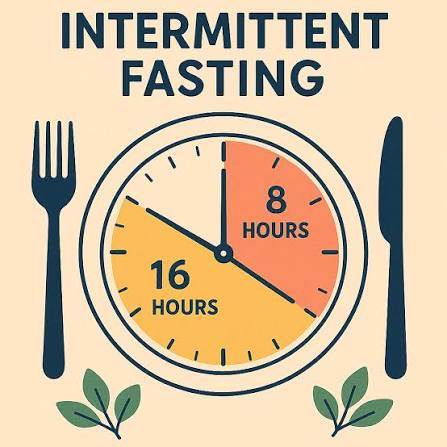
    • 16:8 method: Fast for 16 hours, eat within an 8-hour window (e.g., 12pm–8pm). This is the most popular approach.
    • 5:2 method: Eat normally for 5 days, restrict to 500–600 calories on 2 non-consecutive days.
    • Eat-Stop-Eat: Do a full 24-hour fast once or twice a week.
    • Alternate-day fasting: Alternate between regular eating days and fasting days (often modified to ~500 calories on fast days).
    • OMAD (One Meal A Day): A stricter form of 23:1 fasting, where you eat just one meal per day.

    How Does Intermittent Fasting Work?

    When you fast, your body undergoes several physiological changes. Here’s what happens behind the scenes:

    • Insulin levels drop: Lower insulin signals your body to start using stored fat for energy.
    • Glycogen depletion: After about 12–16 hours, your liver’s glycogen stores are used up, prompting a shift toward fat oxidation.
    • Autophagy: This cellular cleanup process ramps up after 18–24 hours of fasting, helping remove damaged cells (though the exact timing in humans is still debated).
    • Ketosis: Your body may start producing ketones after 12–24 hours, depending on activity and prior diet.
    • Circadian alignment: Eating earlier in the day may better match your body’s natural metabolic rhythms.

    What Are the Documented Benefits?

    Research shows that IF can offer several health benefits, though the strength of evidence varies:

    | Benefit | Evidence Strength | Notes |
    |—|—|—|
    | Weight loss / fat loss | Moderate–Strong | Comparable to calorie restriction in randomized controlled trials; adherence is key |
    | Improved insulin sensitivity | Moderate | Fasting glucose and insulin reductions observed |
    | Reduced inflammation | Moderate | Lower CRP and oxidative stress markers in some studies |
    | Cardiovascular risk markers | Moderate | Improvements in LDL, triglycerides, and blood pressure in some trials |
    | Brain health / BDNF | Preliminary | Strong in animal studies; human data limited |
    | Longevity | Preliminary | Strong in animal models; human evidence lacking |
    | Autophagy | Mechanistic | Demonstrated in animals; human evidence indirect |

    In terms of weight loss, typical results show a 3–8% reduction in body weight over 8–12 weeks, which is similar to daily calorie restriction. Importantly, IF is not superior to standard diets for preserving lean muscle mass when protein intake is adequate.

    The History and Popularity of IF

    Fasting is nothing new—it’s been part of religious traditions for centuries, including Ramadan, Yom Kippur, Lent, and Buddhist practices. Modern scientific interest began in the 1940s–60s with animal studies on calorie restriction and longevity. The 2012 BBC documentary Eat, Fast and Live Longer and Michael Mosley’s The Fast Diet brought the 5:2 method into the mainstream. Dr. Jason Fung’s The Obesity Code (2016) further popularized IF as a weight-loss tool.

    Today, IF is consistently among the top trending diets, boosted by celebrity endorsements and biohacker culture. The rise of time-restricted eating research, particularly from Satchidananda Panda’s lab at the Salk Institute, has given IF scientific credibility.

    What Do the Studies Really Say?

    Human randomized controlled trials (RCTs) on IF are relatively short (8–24 weeks) and small (n = 30–150). Most compare IF to standard calorie restriction, and the results generally show no significant advantage for weight loss when calories are matched. A 2022 review in the New England Journal of Medicine concluded that IF is a viable alternative to daily calorie restriction with comparable efficacy. However, long-term data (>1 year) are scarce, and dropout rates in trials are often 20–40%.

    The Pros and Cons: Different Perspectives

    Proponents argue that IF is simpler than calorie counting, requires no food logging, and may improve metabolic health independent of weight loss. It also promotes mindfulness around eating and reduces snacking.

    Skeptics counter that there’s no metabolic magic—weight loss is driven by calorie deficit, not fasting itself. Adherence can be challenging for some, and there’s a risk of triggering disordered eating patterns. Long-term safety data on fertility, bone health, and hormonal balance are lacking.

    The medical community generally endorses IF as safe for healthy adults, with caveats. The American Heart Association has given it a cautious thumbs-up. However, it’s not recommended for pregnant or breastfeeding women, children and adolescents, people with type 1 diabetes, or those with a history of eating disorders.

    Practical Tips for Getting Started

    If you’re considering IF, start slowly. Try the 16:8 method first, and choose an eating window that fits your lifestyle. Stay hydrated during fasting periods, and focus on nutrient-dense foods when you eat. It’s also wise to consult a healthcare provider, especially if you have underlying health conditions.

    Conclusion

    Intermittent fasting is a flexible, evidence-backed approach to eating that can support weight loss and metabolic health. But it’s not a magic bullet—success depends on adherence and overall calorie intake. If you enjoy structure and simplicity, IF might be worth trying. Just remember to listen to your body and prioritize balanced nutrition.

    Intermittent fasting is a flexible, evidence-backed approach to eating that can support weight loss and metabolic health. But it’s not a magic bullet—success depends on adherence and overall calorie intake. If you enjoy structure and simplicity, IF might be worth trying. Just remember to listen to your body and prioritize balanced nutrition.

    Summary

    • Intermittent fasting is an eating pattern that cycles between eating and fasting periods; it doesn’t specify what to eat, only when.
    • Common methods include 16:8, 5:2, Eat-Stop-Eat, alternate-day fasting, and OMAD.
    • Benefits include weight loss, improved insulin sensitivity, reduced inflammation, and better cardiovascular markers, though evidence strength varies.
    • Weight loss results are comparable to traditional calorie restriction; no metabolic magic.
    • IF is safe for most healthy adults but not recommended for pregnant women, children, people with type 1 diabetes, or those with eating disorder history.

    FAQ

    Q: Is intermittent fasting safe for everyone?
    A: No. It’s not recommended for pregnant or breastfeeding women, children and adolescents, people with type 1 diabetes, or those with a history of eating disorders. Always consult a healthcare provider first.

    Q: Will I lose muscle mass with intermittent fasting?
    A: IF is not superior to standard diets for preserving lean mass, but as long as you consume adequate protein, muscle loss is not a major concern.

    Q: How long do I need to fast to enter autophagy?
    A: The exact timing is debated, but estimates range from 18 to 72 hours in humans. Most people doing 16:8 won’t reach autophagy.

    Q: Can I drink coffee or tea while fasting?
    A: Yes, black coffee and unsweetened tea are generally allowed, as they contain minimal calories and won’t break your fast.

    Q: Will intermittent fasting help me lose weight faster than a regular diet?
    A: Studies show similar weight loss results compared to daily calorie restriction when calories are matched. The key is adherence—choose a method you can stick with.

  • Meditation for Beginners: A Practical, Evidence-Based Guide to Getting Started

    Meditation For Beginners - Mandala Yoga Dublin

    You’ve probably heard that meditation can reduce stress, improve focus, and even lower blood pressure. Maybe you’ve tried an app for a few days, only to give up because your mind wouldn’t stop wandering. Or perhaps you’re curious but feel intimidated by the lotus position and incense.

    Here’s the good news: meditation is simpler than you think, and you don’t need any special equipment or 30-minute blocks of silence. This guide will walk you through the basics, clear up common misconceptions, and give you a practical starting point—all grounded in evidence and expert consensus.

    What Meditation Really Is (and Isn’t)

    Meditation is not a single practice but a family of techniques designed to cultivate a heightened state of awareness and focused attention. Think of it as a mental workout—not a mystical escape from reality.

    Common forms for beginners include:

    • Mindfulness meditation: Observing the present moment without judgment, often using the breath as an anchor.
    • Focused attention: Concentrating on a single object, sound (like a mantra), or sensation.
    • Loving-kindness (metta): Cultivating compassion toward yourself and others.
    • Body scan: Progressively moving your attention through physical sensations.

    One of the biggest myths is that meditation means emptying your mind. In reality, it’s about noticing when your mind wanders and gently bringing it back. That ‘noticing and returning’ is the core exercise—like a bicep curl for your attention.

    Getting Started: The Practical Basics

    Duration: Start Small

    Forget the idea that you need to meditate for 30 minutes a day. Research and teachers agree that 5–10 minutes daily is effective for beginners. Consistency beats duration. A short daily practice will yield more benefit than an occasional marathon session.

    Posture: Comfort is Key

    You don’t need to sit cross-legged on the floor. The goal is a comfortable position with a straight but relaxed spine. You can sit on a chair, a cushion, or even lie down—though lying down might make you sleepy. Keep your eyes open or closed, whatever feels natural, and rest your hands on your knees or lap.

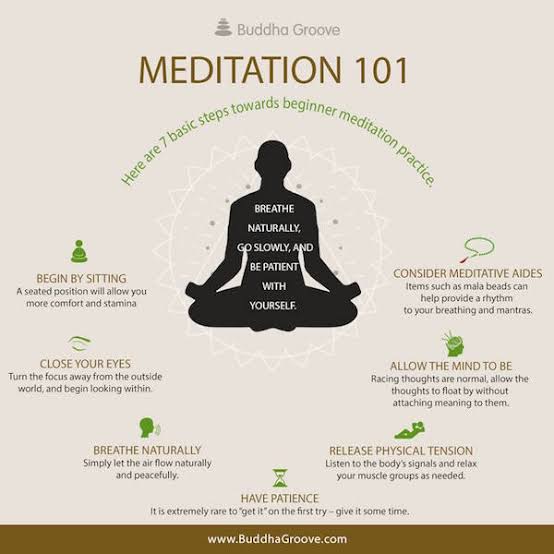
    A Simple 5-Minute Mindfulness Practice

    1. Find a quiet spot where you won’t be disturbed. Set a timer for 5 minutes.
    2. Sit comfortably with your back straight but not rigid.
    3. Close your eyes or lower your gaze.
    4. Bring your attention to your breath—notice the sensation of air entering and leaving your nostrils, or the rise and fall of your chest.
    5. When your mind wanders (and it will), simply notice that you’ve drifted, and gently return your attention to the breath. No judgment, no frustration.
    6. When the timer goes off, take a moment to notice how you feel before getting up.

    That’s it. The ‘distraction and return’ loop is the practice. Each time you notice your mind wandering and bring it back, you’re strengthening your attention muscle.

    Why It Works: The Evidence Behind the Hype

    Meditation isn’t just feel-good woo—it has a growing body of scientific support. Here’s what the research shows:

    • Reduced stress and anxiety: Moderate evidence supports meditation’s ability to lower stress markers like cortisol.
    • Improved attention and focus: Regular practice trains your ability to sustain attention and resist distraction.
    • Better emotional regulation: You become less reactive to emotional triggers.
    • Lower blood pressure: Some studies show modest reductions in blood pressure.
    • Improved sleep quality: Meditation can help quiet a racing mind at bedtime.

    These benefits accrue over weeks and months of consistent practice—not after a single session. So don’t expect a miracle after one try. Think of it like physical exercise: you wouldn’t expect to run a marathon after one jog.

    Common Misconceptions, Debunked

    • “I can’t meditate because I can’t empty my mind.” As we’ve said, that’s not the goal. You’re not trying to stop thoughts; you’re learning to observe them without getting swept away.
    • “I need to sit on the floor in lotus position.” Absolutely not. Chairs, cushions, lying down, or even walking meditation are all valid.
    • “Meditation is a religion.” While meditation has roots in Hindu and Buddhist traditions, it’s also found in Taoist, Christian, Jewish, and Islamic contemplative practices. Secular forms, like Mindfulness-Based Stress Reduction (MBSR), are widely used in healthcare without any religious framing.
    • “It works instantly.” A single session might feel relaxing, but durable changes require regular practice.
    • “I need to meditate for at least 30 minutes.” False. Short daily practice (5–10 minutes) is effective for beginners.
    • “If I get distracted, I failed.” Distraction is normal and part of the practice. The ‘repetition’ of noticing is the workout.
    • “Meditation is safe for everyone.” Generally yes, but it can exacerbate anxiety or trauma in some individuals. If you have severe mental health conditions, consult a professional before starting.

    Choosing Your Path: Secular, Spiritual, or Something In Between

    Meditation today comes in many flavors. You can use an app like Headspace or Calm, join a local meditation group, or explore traditional teachings. Some people appreciate the secular, science-based approach; others find deeper meaning in the spiritual context.

    There’s also a growing debate about “McMindfulness”—the commercialization of meditation as a productivity tool, stripped of its ethical and spiritual roots. Critics argue that this dilutes the practice, while proponents say it makes meditation accessible to more people. There’s no right answer; it’s about what resonates with you.

    Making It a Habit

    Here are some tips to stick with it:

    • Anchor it to an existing habit: Meditate right after brushing your teeth or with your morning coffee.
    • Use a timer: This prevents you from checking the clock.
    • Be kind to yourself: Missed a day? No problem. Just start again tomorrow.
    • Try different styles: If mindfulness doesn’t click, try a body scan or loving-kindness meditation.

    A Note on Accessibility and Safety

    Meditation should be inclusive. If sitting still is uncomfortable, try walking meditation or lying down. If you have a history of trauma, be cautious—silent meditation can sometimes bring up difficult emotions. In such cases, it’s wise to work with a qualified teacher or therapist.

    The Bottom Line

    Meditation is a simple, evidence-based practice that can improve your well-being—but it’s not a quick fix. Start with 5 minutes a day, keep your expectations realistic, and remember that the wandering mind is not a failure; it’s the very thing you’re training.

    Meditation is a journey, not a destination. By starting small, staying consistent, and letting go of perfectionism, you can build a practice that supports your mental and physical health. Whether you’re seeking stress relief, better focus, or a deeper sense of calm, the benefits are within reach—one breath at a time.

    Summary

    • Meditation is a family of techniques, not a single practice; mindfulness is a popular starting point.
    • Start with 5–10 minutes a day; consistency matters more than duration.
    • You don’t need to empty your mind or sit cross-legged—comfort and a relaxed spine are key.
    • Evidence supports benefits like reduced stress, improved focus, and better sleep, but they require regular practice over weeks.
    • Common myths include needing 30+ minutes, instant results, and that distraction means failure.

    FAQ

    Q: How long should I meditate as a beginner?
    A: Start with 5–10 minutes a day. It’s more effective to practice daily for a short time than occasionally for a long time.

    Q: What if I can’t stop thinking during meditation?
    A: That’s completely normal. The goal isn’t to stop thoughts but to notice them and gently return your attention to your breath. Each time you do that, you’re strengthening your focus.

    Q: Do I need to sit on the floor?
    A: No. You can sit on a chair, a cushion, or even lie down. The key is a comfortable position with a straight but relaxed spine.

    Q: Is meditation a religious practice?
    A: Meditation has roots in many religious traditions, but it’s not inherently religious. Secular forms like MBSR are widely used in healthcare and wellness settings.

    Q: Can meditation make my anxiety worse?
    A: In some cases, yes—especially if you have a history of trauma or severe anxiety. If you’re concerned, consult a mental health professional before starting a meditation practice.

  • Can You Really Fall Asleep in 60 Seconds? The Science and the Hype

    How to Fall Asleep Fast in 10, 60, or 120 Seconds | Tips and Techniques

    We’ve all been there: staring at the ceiling, willing sleep to come, and wondering if there’s a magic switch. The internet is full of claims that you can fall asleep in 60 seconds flat, often citing the ‘Military Method’ or ‘4-7-8 breathing.’ But is this realistic, or just another wellness myth?

    In this article, we’ll separate fact from fiction. You’ll learn what these techniques actually do, why they might work for some people, and why they might not work for you. We’ll also explore the science of sleep onset and give you practical, evidence-based tips to fall asleep faster—even if it takes a few minutes longer than 60 seconds.

    The 60-Second Claim: What’s Real and What’s Hype

    The idea of falling asleep in exactly 60 seconds is appealing, but it’s largely a marketing device. No universal method guarantees this for everyone. Sleep is a complex physiological process, and individual results vary based on factors like sleep debt, stress, caffeine intake, and environment.

    What does exist are techniques that aim to induce sleep quickly—often cited as 1–2 minutes. The most famous is the Military Method, developed to help fighter pilots sleep in under two minutes, even in noisy, uncomfortable conditions. Another popular one is 4-7-8 Breathing, popularized by Dr. Andrew Weil as a “natural tranquilizer for the nervous system.”

    These techniques are not magic switches. They work by activating the parasympathetic nervous system—your body’s “rest-and-digest” mode—which lowers heart rate and blood pressure, preparing you for sleep. But they require practice and consistency.

    The Military Method: Step-by-Step

    Originally published in the 1981 book Relax and Win: Championship Performance by Lloyd Bud Winter, the Military Method combines progressive muscle relaxation, controlled breathing, and mental visualization. Here’s how to do it:

    1. Relax your facial muscles—tongue, jaw, eyes, and cheeks.
    2. Drop your shoulders and let your arms go limp, one at a time.
    3. Exhale fully and relax your chest.
    4. Relax your legs—thighs, calves, and feet.
    5. Clear your mind for 10 seconds—visualize a calming scene, like lying in a canoe on a calm lake or in a dark room in a hammock.
    6. If thoughts intrude, repeat “don’t think, don’t think” or return to the visualization.

    Winter claimed a 96% success rate after six weeks of practice, but this was self-reported and not peer-reviewed. Still, the components are evidence-based for relaxation.

    The 4-7-8 Breathing Technique

    Dr. Andrew Weil adapted this from pranayama, a yogic breathing practice. Here’s the method:

    • Place the tip of your tongue behind your upper front teeth.
    • Exhale completely through your mouth.
    • Inhale quietly through your nose for 4 seconds.
    • Hold your breath for 7 seconds.
    • Exhale audibly through your mouth for 8 seconds.
    • Repeat 4 times (or up to 8 times).

    Some people feel lightheaded, so stop if you feel dizzy. This technique is a relaxation tool, not a guaranteed sleep switch.

    Other Quick-Sleep Techniques Worth Trying

    • Progressive Muscle Relaxation (PMR): Tense and release muscle groups from your toes to your head. This reduces physical tension and signals your body to relax.
    • Cognitive Shuffling: Randomly visualize unrelated images (e.g., a giraffe, a lamp, a cloud) to interrupt rumination. This keeps your brain from spiraling into anxious thoughts.
    • Reverse Psychology (Paradoxical Intention): Try to stay awake. This reduces the performance anxiety about sleeping, which often keeps people awake.
    • Eye Movement Technique: Roll your eyes gently upward while keeping them closed. This mimics the natural eye position during sleep and may help trigger the sleep response.

    Why You Might Not Fall Asleep in 60 Seconds

    First, understand that normal sleep latency for healthy adults is 10–20 minutes. Falling asleep in under 5 minutes may actually indicate significant sleep deprivation. So if you’re not asleep in a minute, that’s not a failure—it’s biology.

    Second, these techniques are most effective for people with mild insomnia or situational stress. If you have a chronic sleep disorder like sleep apnea, clinical insomnia, or restless leg syndrome, you need professional help, not a breathing hack.

    Third, hyperarousal—racing thoughts, anxiety, stress—can block sleep onset. Your brain’s “fight or flight” response is the enemy of sleep. Techniques like 4-7-8 breathing help by activating the parasympathetic system, but they won’t override severe anxiety or an underlying medical condition.

    The Science of Sleep Onset

    Sleep onset requires a drop in core body temperature, a rise in melatonin, and a shift from beta (alert) to alpha/theta brainwave activity. Breathing techniques and relaxation methods facilitate this shift by calming the nervous system.

    But here’s the catch: trying too hard to sleep creates performance anxiety, which makes sleep harder. This is the “sleep effort” trap. Paradoxically, the more you try, the less likely you are to succeed.

    Making These Techniques Work for You

    These methods work best as part of a consistent bedtime routine, not as a one-off hack. Here are practical tips:

    • Practice daily: Like any skill, the more you practice, the better you get. Don’t wait until you’re desperate for sleep.
    • Combine with good sleep hygiene: Limit screen time before bed, avoid caffeine within 6 hours, and keep a regular sleep schedule.
    • Use them as a tool, not a cure: If you’re stressed, use 4-7-8 breathing to calm down. If your mind is racing, try cognitive shuffling.
    • Be patient: It may take weeks of practice to see significant improvements. The Military Method, for example, claims a 96% success rate after 6 weeks.

    The Bottom Line

    Falling asleep in exactly 60 seconds is a nice idea, but it’s not a realistic goal for most people. What is realistic is reducing the time it takes to fall asleep from 20 minutes to 5–10 minutes, using evidence-based relaxation techniques. The “60-second” claim is more about viral marketing than science.

    Instead of chasing a magic number, focus on building a relaxing bedtime routine that works for you. Whether it’s the Military Method, 4-7-8 breathing, or simply progressive muscle relaxation, these tools can help you drift off faster—and that’s a win, even if it takes a few minutes longer than a minute.

    The next time you see a video promising “fall asleep in 60 seconds,” take it with a grain of salt. Sleep is a natural process that can’t be forced, but you can create the conditions for it to happen faster. Try the techniques we’ve outlined, practice them consistently, and pair them with good sleep hygiene. You might not hit the 60-second mark, but you’ll likely find yourself drifting off more quickly—and that’s a victory worth having.

    Summary

    • The “60-second” claim is a marketing device; no method guarantees sleep in exactly 60 seconds for everyone.
    • The Military Method and 4-7-8 breathing are popular techniques that aim to induce sleep in 1–2 minutes by activating the parasympathetic nervous system.
    • Normal sleep latency for healthy adults is 10–20 minutes; falling asleep in under 5 minutes may indicate sleep deprivation.
    • These techniques work best as part of a consistent bedtime routine, not as a one-off hack.
    • For chronic sleep disorders, seek professional help rather than relying on quick-fix methods.

    FAQ

    Q: Is it possible to fall asleep in 60 seconds?
    A: For most people, no. Sleep onset is a physiological process that typically takes 10–20 minutes. The “60-second” claim is a popularization, not a scientific guarantee.

    Q: What is the Military Method?
    A: It’s a technique developed for fighter pilots that combines progressive muscle relaxation, controlled breathing, and mental visualization to fall asleep in under two minutes. It was popularized in the 1981 book Relax and Win.

    Q: How does 4-7-8 breathing work?
    A: It involves inhaling for 4 seconds, holding for 7, and exhaling for 8. This pattern activates the parasympathetic nervous system, lowering heart rate and promoting relaxation.

    Q: Why can’t I fall asleep even with these techniques?
    A: Factors like stress, caffeine, screen time, and underlying health conditions can interfere. These techniques are most effective for mild insomnia or situational stress, not chronic sleep disorders.

    Q: Are there any risks to these techniques?
    A: 4-7-8 breathing can cause lightheadedness in some people; stop if you feel dizzy. Otherwise, these techniques are generally safe. If you have a medical condition, consult your doctor.