Tag: weight loss

  • 5 Gym Secrets Trainers Use to Stay Lean All Year (No, It’s Not Magic)

    3 SECRETS How We Stay Lean Year Round - YouTube

    Ever wonder how fitness trainers manage to look lean and defined every single day, not just before a photoshoot? It’s not because they have superhuman metabolism or spend hours on the treadmill. The truth is far more practical—and surprisingly simple. In this article, we’ll pull back the curtain on the five key strategies trainers use to stay lean year-round. These aren’t fads or quick fixes; they’re evidence-based habits that anyone can adopt.

    The Real Secret: Energy Balance, Not Magic

    Before we dive into the specific tactics, it’s crucial to understand the foundation: staying lean is all about energy balance—calories in versus calories out—over time. Trainers know that diet drives fat loss, while training preserves muscle and shapes your physique. There’s no metabolic trickery involved. The ‘secret’ is consistency, tracking, and building habits that stick.

    1. Periodized Nutrition: Eat More on Training Days, Less on Rest Days

    Instead of following a constant calorie deficit, many trainers cycle their calorie intake. On heavy training days, they eat more to fuel performance and recovery; on rest days, they eat less. This approach, known as calorie cycling, helps maintain muscle mass, keeps metabolism humming, and prevents the psychological burnout of dieting non-stop. For example, a trainer might eat 2,500 calories on leg day but drop to 2,000 on a rest day. This isn’t a license to binge—it’s a strategic way to manage hunger and energy.

    2. Daily Steps: The Underrated Fat-Loss Lever

    While gym workouts get all the attention, trainers know that non-exercise activity thermogenesis (NEAT)—the calories burned from everyday movement—is a game-changer. Many aim for 8,000 to 12,000 steps per day outside the gym. This could be walking to work, taking the stairs, or pacing during phone calls. It’s low-effort, but over a week, those steps add up to significant calorie burn. Plus, it’s easy to maintain, unlike high-intensity cardio that can spike hunger.

    3. Strength Training 3–5x a Week with Progressive Overload

    Trainers prioritize lifting weights over endless cardio. They hit the gym 3–5 times per week, focusing on compound lifts like squats, deadlifts, bench presses, rows, and overhead presses. The key is progressive overload—gradually increasing the weight or reps over time. This builds and preserves muscle, which boosts your resting metabolic rate. More muscle means you burn more calories even at rest, making it easier to stay lean.

    4. Protein Prioritization: The Satiety and Muscle Preserver

    Protein isn’t just for bodybuilders. Trainers aim for 1.6–2.2 grams per kilogram of body weight daily. Why? Protein is highly satiating, so you feel fuller longer, and it’s essential for repairing and building muscle. A trainer might structure meals around a protein source—chicken, fish, eggs, Greek yogurt, or plant-based options—and then fill in with veggies and carbs. This simple shift helps control cravings and supports a lean physique.

    5. The ‘Cheat Meal’ Strategy: One Meal, Not a Day

    When trainers indulge, they do it strategically. Most allow one flexible meal per week, not a full cheat day. A single meal might set you back a few hundred calories, but a full day of junk food can wipe out an entire week’s deficit. By limiting indulgences to one meal, trainers satisfy cravings without derailing progress. They also plan these meals ahead, so they’re a conscious choice, not a spontaneous binge.

    The Boring Truth: Consistency Beats Intensity

    If you’re looking for a revolutionary fat-loss hack, you’ll be disappointed. The real ‘secret’ is boring: sleep, steps, protein, and consistency. Trainers also use habit stacking (linking new habits to existing ones), pre-planning meals, and designing their environment to reduce temptation. They track their food and weight, but they look at 7-day averages, not daily fluctuations, to avoid overreacting.

    Busting Common Myths

    • ‘Trainers eat whatever they want’ – False. They plan indulgences; they don’t rely on luck.
    • ‘More cardio equals leaner’ – Excessive cardio can increase hunger and muscle loss. Strength training and steps win.
    • ‘Supplements are necessary’ – Food comes first; supplements are just conveniences.
    • ‘You must be in a deficit all year’ – Trainers cycle calories and take maintenance breaks.
    • ‘Spot reduction works’ – You can’t target belly fat with ab exercises; fat loss is systemic.
    • ‘The scale tells the whole story’ – Body composition matters more; use measurements and photos.
    • ‘Cheat meals ruin progress’ – One meal won’t; a cheat day might.
    • ‘Staying lean means being hungry’ – High-volume, high-protein, high-fiber foods keep you full.

    The Bottom Line

    Staying lean year-round isn’t about extreme dieting or punishing workouts. It’s about smart, sustainable habits: cycling calories, walking more, lifting heavy, prioritizing protein, and allowing the occasional treat. These strategies work because they’re built on science and consistency, not magic. So, next time you see a trainer looking fit, remember—they’re not doing anything you can’t do. It just takes a little planning and a lot of patience.

    The ‘secrets’ trainers use to stay lean are actually just evidence-based principles applied consistently. By adopting periodized nutrition, daily steps, strength training, protein prioritization, and strategic cheat meals, you can achieve and maintain a lean physique without sacrificing your sanity. Start small, stay consistent, and remember: the best workout plan is the one you can stick with for life.

    Summary

    • Energy balance is key: Fat loss comes from calories in vs. out; training preserves muscle.
    • Periodized nutrition: Cycle calories higher on training days, lower on rest days.
    • Daily steps: Aim for 8,000–12,000 steps to boost NEAT and calorie burn.
    • Strength training 3–5x/week: Focus on compound lifts with progressive overload.
    • Protein at 1.6–2.2 g/kg: Increases satiety and preserves muscle.
    • One cheat meal per week: Satisfy cravings without derailing progress.

    FAQ

    Q: Do trainers really eat whatever they want?
    A: No, they plan indulgences. They might have a favorite meal once a week, but they track their intake and stay within their calorie goals most of the time.

    Q: Is cardio necessary to stay lean?
    A: Not excessive cardio. Trainers prioritize strength training and daily steps over long treadmill sessions. Too much cardio can increase hunger and muscle loss.

    Q: Can I stay lean without tracking calories?
    A: Some trainers use intuitive eating, but most track at least initially to understand portion sizes. Tracking helps ensure you’re in the right energy balance.

    Q: How often should I have a cheat meal?
    A: Most trainers recommend one flexible meal per week. A full cheat day can undo a week’s deficit, so keep it to a single meal.

    Q: Will I be hungry all the time?
    A: Not if you prioritize protein and fiber. High-volume, nutrient-dense foods keep you full, so you can be in a slight deficit without constant hunger.

  • Intermittent Fasting: A Complete Guide to Benefits, Methods, and Safety

    Intermittent vs 24-Hour vs 72-Hour Fasting: A Fitness-Focused Guide

    Intermittent fasting has become one of the most talked-about health trends, but it’s not a diet—it’s an eating pattern that focuses on when you eat, not what you eat. From the popular 16:8 method to the 5:2 approach, IF promises weight loss, better metabolic health, and even longevity. But what does the science actually say? This guide breaks down the facts, the benefits, and the potential pitfalls, so you can decide if IF is right for you.

    What Is Intermittent Fasting?

    Intermittent fasting (IF) is an umbrella term for eating patterns that cycle between periods of eating and voluntary fasting. Unlike traditional diets that dictate which foods to eat, IF focuses on the timing of meals. The most common protocols include:

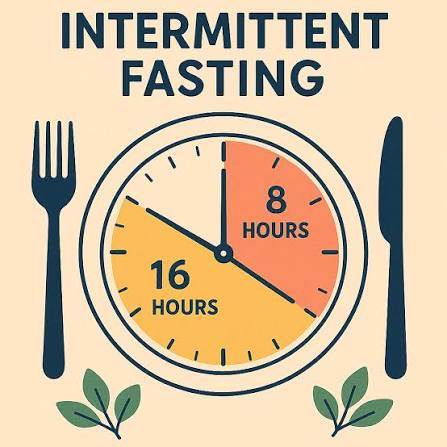
    • 16:8 method: Fast for 16 hours, eat within an 8-hour window (e.g., 12pm–8pm). This is the most popular approach.
    • 5:2 method: Eat normally for 5 days, restrict to 500–600 calories on 2 non-consecutive days.
    • Eat-Stop-Eat: Do a full 24-hour fast once or twice a week.
    • Alternate-day fasting: Alternate between regular eating days and fasting days (often modified to ~500 calories on fast days).
    • OMAD (One Meal A Day): A stricter form of 23:1 fasting, where you eat just one meal per day.

    How Does Intermittent Fasting Work?

    When you fast, your body undergoes several physiological changes. Here’s what happens behind the scenes:

    • Insulin levels drop: Lower insulin signals your body to start using stored fat for energy.
    • Glycogen depletion: After about 12–16 hours, your liver’s glycogen stores are used up, prompting a shift toward fat oxidation.
    • Autophagy: This cellular cleanup process ramps up after 18–24 hours of fasting, helping remove damaged cells (though the exact timing in humans is still debated).
    • Ketosis: Your body may start producing ketones after 12–24 hours, depending on activity and prior diet.
    • Circadian alignment: Eating earlier in the day may better match your body’s natural metabolic rhythms.

    What Are the Documented Benefits?

    Research shows that IF can offer several health benefits, though the strength of evidence varies:

    | Benefit | Evidence Strength | Notes |
    |—|—|—|
    | Weight loss / fat loss | Moderate–Strong | Comparable to calorie restriction in randomized controlled trials; adherence is key |
    | Improved insulin sensitivity | Moderate | Fasting glucose and insulin reductions observed |
    | Reduced inflammation | Moderate | Lower CRP and oxidative stress markers in some studies |
    | Cardiovascular risk markers | Moderate | Improvements in LDL, triglycerides, and blood pressure in some trials |
    | Brain health / BDNF | Preliminary | Strong in animal studies; human data limited |
    | Longevity | Preliminary | Strong in animal models; human evidence lacking |
    | Autophagy | Mechanistic | Demonstrated in animals; human evidence indirect |

    In terms of weight loss, typical results show a 3–8% reduction in body weight over 8–12 weeks, which is similar to daily calorie restriction. Importantly, IF is not superior to standard diets for preserving lean muscle mass when protein intake is adequate.

    The History and Popularity of IF

    Fasting is nothing new—it’s been part of religious traditions for centuries, including Ramadan, Yom Kippur, Lent, and Buddhist practices. Modern scientific interest began in the 1940s–60s with animal studies on calorie restriction and longevity. The 2012 BBC documentary Eat, Fast and Live Longer and Michael Mosley’s The Fast Diet brought the 5:2 method into the mainstream. Dr. Jason Fung’s The Obesity Code (2016) further popularized IF as a weight-loss tool.

    Today, IF is consistently among the top trending diets, boosted by celebrity endorsements and biohacker culture. The rise of time-restricted eating research, particularly from Satchidananda Panda’s lab at the Salk Institute, has given IF scientific credibility.

    What Do the Studies Really Say?

    Human randomized controlled trials (RCTs) on IF are relatively short (8–24 weeks) and small (n = 30–150). Most compare IF to standard calorie restriction, and the results generally show no significant advantage for weight loss when calories are matched. A 2022 review in the New England Journal of Medicine concluded that IF is a viable alternative to daily calorie restriction with comparable efficacy. However, long-term data (>1 year) are scarce, and dropout rates in trials are often 20–40%.

    The Pros and Cons: Different Perspectives

    Proponents argue that IF is simpler than calorie counting, requires no food logging, and may improve metabolic health independent of weight loss. It also promotes mindfulness around eating and reduces snacking.

    Skeptics counter that there’s no metabolic magic—weight loss is driven by calorie deficit, not fasting itself. Adherence can be challenging for some, and there’s a risk of triggering disordered eating patterns. Long-term safety data on fertility, bone health, and hormonal balance are lacking.

    The medical community generally endorses IF as safe for healthy adults, with caveats. The American Heart Association has given it a cautious thumbs-up. However, it’s not recommended for pregnant or breastfeeding women, children and adolescents, people with type 1 diabetes, or those with a history of eating disorders.

    Practical Tips for Getting Started

    If you’re considering IF, start slowly. Try the 16:8 method first, and choose an eating window that fits your lifestyle. Stay hydrated during fasting periods, and focus on nutrient-dense foods when you eat. It’s also wise to consult a healthcare provider, especially if you have underlying health conditions.

    Conclusion

    Intermittent fasting is a flexible, evidence-backed approach to eating that can support weight loss and metabolic health. But it’s not a magic bullet—success depends on adherence and overall calorie intake. If you enjoy structure and simplicity, IF might be worth trying. Just remember to listen to your body and prioritize balanced nutrition.

    Intermittent fasting is a flexible, evidence-backed approach to eating that can support weight loss and metabolic health. But it’s not a magic bullet—success depends on adherence and overall calorie intake. If you enjoy structure and simplicity, IF might be worth trying. Just remember to listen to your body and prioritize balanced nutrition.

    Summary

    • Intermittent fasting is an eating pattern that cycles between eating and fasting periods; it doesn’t specify what to eat, only when.
    • Common methods include 16:8, 5:2, Eat-Stop-Eat, alternate-day fasting, and OMAD.
    • Benefits include weight loss, improved insulin sensitivity, reduced inflammation, and better cardiovascular markers, though evidence strength varies.
    • Weight loss results are comparable to traditional calorie restriction; no metabolic magic.
    • IF is safe for most healthy adults but not recommended for pregnant women, children, people with type 1 diabetes, or those with eating disorder history.

    FAQ

    Q: Is intermittent fasting safe for everyone?
    A: No. It’s not recommended for pregnant or breastfeeding women, children and adolescents, people with type 1 diabetes, or those with a history of eating disorders. Always consult a healthcare provider first.

    Q: Will I lose muscle mass with intermittent fasting?
    A: IF is not superior to standard diets for preserving lean mass, but as long as you consume adequate protein, muscle loss is not a major concern.

    Q: How long do I need to fast to enter autophagy?
    A: The exact timing is debated, but estimates range from 18 to 72 hours in humans. Most people doing 16:8 won’t reach autophagy.

    Q: Can I drink coffee or tea while fasting?
    A: Yes, black coffee and unsweetened tea are generally allowed, as they contain minimal calories and won’t break your fast.

    Q: Will intermittent fasting help me lose weight faster than a regular diet?
    A: Studies show similar weight loss results compared to daily calorie restriction when calories are matched. The key is adherence—choose a method you can stick with.

  • Keto Diet 101: A Beginner’s Guide to Low-Carb, High-Fat Living

    What is Keto? - Elite Medical Center

    You’ve probably heard about the keto diet—maybe from a friend who lost weight, a headline about celebrities, or a social media influencer. But what exactly is it, and is it right for you? The ketogenic diet is more than just a trend; it’s a scientifically backed eating plan that shifts your body’s fuel source from carbs to fat. This guide breaks down the basics, the science, and what to expect if you’re considering going keto.

    What Is the Keto Diet?

    The ketogenic (keto) diet is a very low-carbohydrate, high-fat, moderate-protein eating plan. The goal is to push your body into a metabolic state called ketosis, where it burns fat for fuel instead of glucose from carbs.

    Typically, the keto diet breaks down like this:

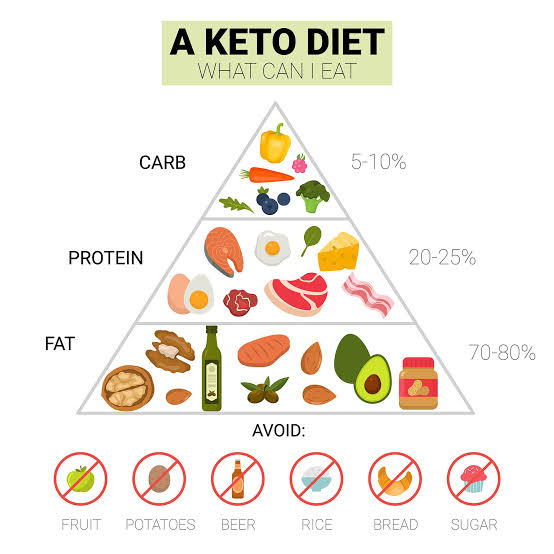
    • Fat: 70–80% of daily calories
    • Protein: 15–20% of daily calories
    • Carbohydrates: 5–10% of daily calories (usually 20–50 grams of net carbs per day)

    Net carbs are calculated by subtracting fiber and sugar alcohols from total carbs, since these aren’t fully digested and absorbed. This means you can eat plenty of non-starchy vegetables and still stay in ketosis.

    How Ketosis Works

    When you drastically cut carbs, your body’s glycogen stores (the stored form of glucose) deplete within 24–48 hours. In response, your liver starts breaking down fat into ketone bodies—acetoacetate, beta-hydroxybutyrate, and acetone—which serve as an alternative energy source.

    Nutritional ketosis is typically defined as blood ketone levels of 0.5–3.0 mmol/L. It usually takes 2–7 days to reach this state, depending on your metabolism and activity level. It’s important to note that ketosis is not the same as diabetic ketoacidosis (DKA), a dangerous condition that occurs primarily in type 1 diabetes, where ketone levels become extremely high and blood becomes acidic.

    What to Eat (and Avoid)

    Eat these foods:

    • Meat (beef, pork, chicken, lamb)
    • Fatty fish (salmon, mackerel, sardines)
    • Eggs
    • Butter, cream, cheese
    • Nuts and seeds
    • Avocados
    • Olive oil, coconut oil
    • Non-starchy vegetables (leafy greens, broccoli, cauliflower, zucchini)

    Avoid these foods:

    • Grains (wheat, rice, oats, corn)
    • Sugar and sweets (soda, candy, pastries)
    • Most fruits (berries in small amounts are sometimes allowed)
    • Starchy vegetables (potatoes, sweet potatoes, peas)
    • Legumes (beans, lentils, chickpeas)
    • Sugary drinks and most processed foods

    Potential Benefits

    Research shows the keto diet can offer several benefits, though results vary by individual.

    Weight loss: Multiple randomized controlled trials show greater short-term weight loss compared to low-fat diets. This is partly due to reduced appetite and water loss. However, long-term (12+ months) differences often diminish.

    Blood sugar control: The keto diet can significantly reduce HbA1c and fasting glucose in people with type 2 diabetes. Some patients are able to reduce or discontinue medication under medical supervision.

    Epilepsy: This is the original use of the diet, dating back to the 1920s. It remains an established treatment for drug-resistant epilepsy in children, with emerging evidence for some adults.

    Other areas of research: Preliminary studies suggest potential benefits for polycystic ovary syndrome (PCOS), metabolic syndrome, certain neurological conditions (like Alzheimer’s and Parkinson’s), and acne. However, evidence is mixed and more research is needed.

    Common Side Effects

    When you first start keto, you may experience what’s commonly called the “keto flu.” This includes headache, fatigue, brain fog, nausea, irritability, and muscle cramps during the first 1–2 weeks. These symptoms are caused by electrolyte shifts and carbohydrate withdrawal.

    Other short-term side effects include:

    • Constipation due to low fiber intake
    • Bad breath (a fruity or metallic odor from acetone)
    • Leg cramps often due to magnesium or potassium depletion
    • Elevated LDL cholesterol in some people, though others see improvements in HDL and triglycerides

    A Brief History

    The ketogenic diet was developed in the 1920s at Johns Hopkins Hospital as a treatment for epilepsy, mimicking the metabolic effects of fasting. It fell out of favor when antiepileptic drugs were introduced in the 1930s–40s, but remained a niche therapy. It re-emerged in the 1990s thanks to the Charlie Foundation and gained mainstream popularity in the 2010s as a weight-loss trend, driven by social media and books like The Art and Science of Low Carbohydrate Living.

    Today, there are several variations: Standard Keto (SKD), Cyclical Keto (CKD), Targeted Keto (TKD), and Dirty Keto (which allows processed low-carb foods). The distinction between “clean keto” (whole foods) and “dirty keto” (processed foods) is also popular.

    Is Keto Right for You?

    The keto diet can be a powerful tool, but it’s not for everyone. Medical organizations like the American Diabetes Association acknowledge it as a viable option for some populations, but emphasize the need for individualized guidance and monitoring. Long-term safety data is still limited, and the diet excludes food groups like fruits, whole grains, and legumes that are linked to chronic disease prevention.

    If you’re considering keto, especially if you have a medical condition like diabetes or high cholesterol, consult a healthcare professional before starting. They can help you decide if it’s safe and guide you on how to do it healthfully.

    The keto diet is a scientifically grounded approach to eating that can lead to weight loss, better blood sugar control, and other health benefits—but it comes with challenges and potential side effects. It’s not a one-size-fits-all solution, and it requires commitment and careful planning. If you’re curious, start by researching more, talking to a doctor, and maybe trying it for a few weeks to see how your body responds. Remember, the best diet is one that fits your lifestyle and health needs.

    Summary

    • The keto diet is very low-carb, high-fat, and moderate-protein, aiming to shift your body into ketosis.
    • Ketosis typically takes 2–7 days to achieve and is defined by blood ketone levels of 0.5–3.0 mmol/L.
    • Benefits include weight loss, blood sugar control, and epilepsy treatment, but long-term evidence is limited.
    • Common side effects include the “keto flu,” constipation, bad breath, and leg cramps.
    • Consult a healthcare professional before starting, especially if you have underlying health conditions.

    FAQ

    Q: What is the keto diet?
    A: The keto diet is a very low-carbohydrate, high-fat, moderate-protein eating plan designed to shift your body’s fuel source from glucose to ketones, which are produced from fat.

    Q: How long does it take to get into ketosis?
    A: It typically takes 2–7 days to enter nutritional ketosis, depending on factors like your metabolism, activity level, and how strictly you follow the diet.

    Q: Can I eat fruit on keto?
    A: Most fruits are too high in carbs, but small amounts of berries (like strawberries or raspberries) can be included occasionally if they fit within your daily carb limit.

    Q: What is the “keto flu”?
    A: The keto flu is a collection of symptoms like headache, fatigue, and nausea that some people experience during the first 1–2 weeks of starting keto, due to electrolyte shifts and carbohydrate withdrawal.

    Q: Is keto safe for everyone?
    A: No, keto is not suitable for everyone. People with certain medical conditions, such as type 1 diabetes, pancreatitis, or liver disease, should avoid it. Always consult a healthcare professional before starting.

  • How to Lose Belly Fat Fast (Without Exercise): Science-Backed Strategies

    How to Lose Belly Fat Fast at Home – Proven Methods – EnergieFitness

    Belly fat is more than just a cosmetic nuisance; it’s a health risk. Visceral fat, the deep fat surrounding your organs, is linked to heart disease, diabetes, and inflammation. While exercise is a common prescription, many people can’t or don’t want to exercise. The good news: you can still lose belly fat through diet and lifestyle changes alone. This article breaks down the science-backed strategies that target belly fat without breaking a sweat.

    Why Belly Fat Is Stubborn (and Dangerous)

    Belly fat isn’t all the same. Subcutaneous fat sits just under the skin, but visceral fat wraps around your liver and intestines. Visceral fat is metabolically active, releasing inflammatory compounds that increase disease risk. Waist circumference is a simple proxy: over 37 inches for men and 31.5 inches for women (WHO) signals elevated risk.

    Spot reduction is a myth. You can’t target belly fat with crunches or creams. Fat loss happens systemically—when you lose weight, you lose it from all over, though genetics dictate the order. So the goal is overall fat loss, and that starts with diet.

    The Core Principle: Caloric Deficit

    Without exercise, your only lever is diet. To lose fat, you must consume fewer calories than your body burns. A safe, sustainable rate is 0.5–1 kg (1–2 lbs) per week. Crash diets often backfire, causing muscle loss and rebound weight gain. Instead, focus on sustainable changes that create a modest deficit.

    The Insulin Connection: Cut Sugar and Refined Carbs

    Insulin is a fat-storage hormone. High insulin levels promote visceral fat storage. When you eat refined carbs and sugar, your blood sugar spikes, insulin surges, and fat burning shuts down. Reducing these foods lowers insulin, allowing your body to access stored fat.

    Practical steps: cut sugary drinks, pastries, white bread, and pasta. Replace with whole grains, vegetables, and legumes. Even modest reductions can shift your insulin levels.

    Protein: Your Fat-Loss Ally

    Protein is crucial when you’re not exercising. It increases satiety (you feel fuller), preserves lean muscle mass (which keeps your metabolism humming), and has a higher thermic effect (your body burns calories digesting it). Aim for a palm-sized portion of protein at each meal—eggs, fish, chicken, tofu, or Greek yogurt.

    Fiber: The Visceral Fat Fighter

    Soluble fiber, found in oats, flaxseed, legumes, and Brussels sprouts, has been shown to reduce visceral fat. It slows digestion, keeps you full, and feeds beneficial gut bacteria. Aim for 25–30 grams of fiber daily. Start slowly to avoid bloating.

    The Sleep and Stress Connection

    Cortisol, the stress hormone, promotes abdominal fat deposition. Chronic stress keeps cortisol elevated, signaling your body to store fat around your middle. Sleep deprivation (<6 hours) raises cortisol, increases ghrelin (hunger hormone), and lowers leptin (satiety hormone). Prioritize 7–9 hours of quality sleep and manage stress through meditation, deep breathing, or journaling.

    Alcohol: The Hidden Belly Fat Contributor

    Alcohol, especially beer and sugary cocktails, is linked to visceral fat. Ethanol provides 7 calories per gram and is metabolized first, inhibiting fat oxidation. Cutting back or eliminating alcohol can significantly reduce belly fat. If you drink, choose dry wine or spirits with a low-calorie mixer, and limit to one drink per day.

    Intermittent Fasting: A Tool for Insulin and Calorie Control

    Intermittent fasting (e.g., 16:8) restricts eating to a window, naturally reducing calorie intake and improving insulin sensitivity. Some studies show it may preferentially reduce visceral fat. It’s not magic—it works by helping you eat less. Choose a schedule that fits your life, and ensure you eat nutrient-dense foods during your window.

    What About Supplements and Detox Teas?

    Be skeptical. Most ‘fat-burning’ supplements and detox teas are diuretics or laxatives, causing temporary water loss, not fat loss. There’s no robust evidence for them. Save your money and invest in whole foods.

    Putting It All Together: A Sample Day

    Breakfast: Greek yogurt with berries and flaxseed. Lunch: Grilled chicken salad with olive oil and vinegar. Snack: Apple with almond butter. Dinner: Baked salmon with quinoa and roasted Brussels sprouts. This day provides protein, fiber, and healthy fats, keeping insulin stable and calories in check.

    The Bottom Line

    Losing belly fat without exercise is possible, but it requires discipline. Focus on a caloric deficit, cut sugar and refined carbs, prioritize protein and fiber, manage stress and sleep, and limit alcohol. Be patient—’fast’ is relative. Sustainable changes yield lasting results.

    You don’t need a gym membership to lose belly fat. By understanding the hormonal and dietary levers, you can make targeted changes that reduce visceral fat and improve your health. Start with one change today—swap a sugary drink for water, or add a serving of vegetables to your plate. Small steps compound into significant results.

    Summary

    • Belly fat is visceral fat, which is dangerous to health; spot reduction is a myth.
    • A caloric deficit is essential; without exercise, diet is the only lever.
    • Lower insulin by cutting sugar and refined carbs to reduce belly fat storage.
    • Prioritize protein and soluble fiber to increase satiety and preserve muscle.
    • Manage stress, sleep 7–9 hours, and limit alcohol to lower cortisol and belly fat.

    FAQ

    Q: Can I lose belly fat in a week?
    A: You can lose water weight and a small amount of fat, but sustainable fat loss is 0.5–1 kg per week. Rapid loss often includes muscle and water, leading to rebound.

    Q: Do ab exercises help lose belly fat?
    A: No. Ab exercises strengthen muscles but don’t target fat loss. Fat loss is systemic; you need a caloric deficit.

    Q: Are there any supplements that work?
    A: Most are ineffective or unsafe. Caffeine and green tea extract may slightly boost metabolism, but they’re not magic. Focus on diet and lifestyle.

    Q: How does intermittent fasting help?
    A: It helps by reducing calorie intake and improving insulin sensitivity. Some studies show it may preferentially reduce visceral fat.

    Q: What if I have a medical condition?
    A: Consult your doctor before making significant dietary changes, especially if you have diabetes, thyroid issues, or are on medication.