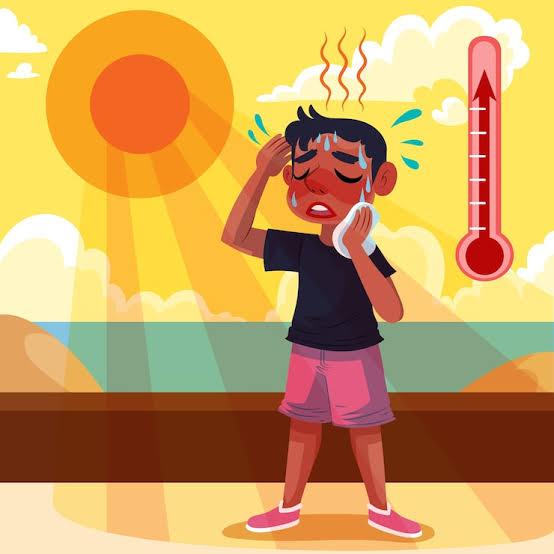
If you’ve ever noticed your joints ache more during a heatwave or your migraines seem to strike when the mercury rises, you’re not imagining it. While many of us associate weather-related pain with cold and damp, a growing body of research shows that hot weather can be just as problematic – sometimes even more so. From fibromyalgia to arthritis, chronic pain conditions often flare up in the heat, and the reasons go far beyond simply feeling uncomfortable.
This isn’t a case of ‘it’s all in your head.’ Scientists have identified concrete physiological mechanisms that explain why high temperatures can amplify pain signals. Understanding these pathways is the first step to managing your pain more effectively during hot spells – and with heatwaves becoming more frequent and intense due to climate change, this knowledge is more relevant than ever.
The Surprising Science of Heat and Pain
For centuries, people have claimed they can ‘feel a storm coming in their joints.’ But while cold and damp have long been blamed for aching bones, heat has only recently come under scientific scrutiny. A 2019 study published in the journal Pain found that higher ambient temperatures were associated with increased pain reporting in patients with chronic pain conditions. Fibromyalgia patients, in particular, show heightened tender point sensitivity when exposed to heat, and migraine sufferers frequently cite hot weather as a trigger.
So what’s happening in the body? The answer involves a complex interplay of nerves, blood vessels, and even your sleep cycle.
The Physiological Pathways: How Heat Amplifies Pain
1. Vasodilation: When Blood Vessels Widen
Heat causes your blood vessels to dilate – a process called vasodilation. This is your body’s way of trying to cool down by bringing more blood to the skin’s surface. But for people with pain conditions, this can backfire. The expansion of blood vessels can increase pressure on surrounding nerves, leading to throbbing pain. This is particularly noticeable in conditions like migraines, where the dilation of cranial blood vessels is already a key factor.
2. Nerve Sensitization: The TRPV1 Connection
Your body has specific receptors that respond to heat – the most famous being TRPV1. These receptors are involved in detecting painful heat and are also activated by capsaicin (the compound that makes chili peppers hot). When ambient temperatures rise, TRPV1 receptors can become more sensitive, effectively lowering your pain threshold. Animal studies have shown that heat stress activates these receptors, sensitizing nerves and making them more likely to fire pain signals.
3. Inflammation: Heat as a Pro-Inflammatory Factor
Heat can also increase inflammatory markers in the body. For conditions like arthritis, where inflammation is already a central issue, this can mean more swelling, stiffness, and pain. The exact mechanism isn’t fully understood, but it’s thought that heat stress triggers an immune response that ramps up inflammation.
4. Muscle Tension and Electrolyte Imbalance
When you’re hot, you sweat – and with sweat, you lose not just water but essential electrolytes like sodium and potassium. This imbalance can lead to muscle cramping and spasms, which are painful in their own right. Additionally, the fatigue that comes with heat can cause you to tense your muscles unconsciously, leading to stiffness and soreness.
The Indirect Culprits: Dehydration and Sleep Disruption
While the physiological pathways above are direct, two indirect factors can be just as powerful: dehydration and poor sleep.
Dehydration: A Pain Amplifier
Even mild dehydration – as little as 1-2% loss of body water – has been shown to reduce pain tolerance and increase sensitivity. Dehydration reduces blood volume, which can concentrate inflammatory substances and impair your body’s ability to regulate pain. It also affects the flow of cerebrospinal fluid, which can be relevant for headache sufferers. During hot weather, you lose more fluid through sweat, making it easy to become dehydrated without realizing it.
Sleep Disruption: The Vicious Cycle
Hot nights are notoriously bad for sleep. Your body needs to drop its core temperature to initiate and maintain sleep, but when the ambient temperature is high, this process is disrupted. Poor sleep is strongly linked to heightened pain perception the next day – studies show that even partial sleep deprivation can lower pain tolerance. This creates a vicious cycle: pain disrupts sleep, and poor sleep makes pain worse.
Not Everyone Is the Same: When Heat Helps
It’s important to note that heat isn’t universally bad for pain. Many people find relief from muscle stiffness and certain types of joint pain with localized heat therapy – think heating pads or warm baths. But there’s a crucial distinction between localized heat therapy and ambient heat (the temperature of your environment). While a heating pad can relax tense muscles, a hot day can cause systemic changes that aggravate pain.
Moreover, some conditions actually improve with warmth. People with Raynaud’s phenomenon, where blood vessels overreact to cold, often find heat soothing. Some individuals with certain types of arthritis report less stiffness in warm weather. The response to heat is highly individual, so it’s essential to listen to your body.
What You Can Do: Practical Tips for Managing Pain in the Heat
If you’re prone to heat-related pain flares, here are some evidence-based strategies to help you cope:
- Stay hydrated: Drink water throughout the day, even if you don’t feel thirsty. Aim for at least 8 glasses, and more if you’re active. Avoid excessive caffeine and alcohol, which can dehydrate you.
- Keep cool: Use fans, air conditioning, or cool showers to lower your body temperature. If you don’t have AC, spend time in public cooling centers or shaded areas.
- Protect your sleep: Use light bedding, take a warm (not hot) shower before bed, and keep your bedroom as cool as possible. Consider a cooling mattress pad or a fan directed at you.
- Adjust your activity: Exercise during cooler parts of the day, like early morning or evening. Avoid strenuous activity during peak heat hours.
- Talk to your doctor: If you take pain medications, ask about how heat might affect them. Some drugs can impair heat regulation or increase dehydration risk.
- Consider your environment: If you live in an urban area, be aware of the heat island effect – cities can be several degrees hotter than surrounding areas. Plan your day accordingly.
The Bigger Picture: Climate Change and Pain
As heatwaves become more frequent and intense due to climate change, the impact on people with chronic pain is a growing concern. The World Health Organization projects that heat-related health impacts will rise significantly in the coming decades. This is also a matter of climate justice – people with chronic pain may have less access to cooling, and outdoor workers with pain conditions face compounded risks during heatwaves. Understanding the link between heat and pain is not just a matter of personal comfort; it’s a public health issue that demands attention.
The connection between hot weather and pain is real, rooted in physiology, and increasingly relevant in a warming world. By understanding the mechanisms – from vasodilation to nerve sensitization to dehydration – you can take proactive steps to mitigate the impact. Remember, heat affects everyone differently, so pay attention to your own patterns and work with your healthcare provider to develop a heat-management plan. With the right strategies, you can stay more comfortable even when the mercury soars.
Summary
- Hot weather can intensify pain through physiological mechanisms like vasodilation, nerve sensitization (TRPV1 receptors), and increased inflammation.
- Dehydration and sleep disruption are major indirect amplifiers of pain during hot spells.
- Heat therapy (localized) is different from ambient heat – while a heating pad may help muscle stiffness, hot weather can worsen systemic pain.
- Not everyone responds the same; some conditions (e.g., Raynaud’s) may improve with warmth.
- Practical tips include staying hydrated, keeping cool, protecting sleep, and adjusting activity times.
FAQ
Q: Is it true that heat can make pain worse, or is it just in my head?
A: It’s not in your head – there are clear physiological mechanisms. Heat causes blood vessels to dilate, which can press on nerves, and it activates TRPV1 receptors that lower your pain threshold. It also increases inflammation and can lead to dehydration and poor sleep, all of which amplify pain.
Q: If heat makes pain worse, why do people use heating pads for pain?
A: Localized heat therapy (like a heating pad) is different from ambient heat. A heating pad can relax tense muscles and improve blood flow to a specific area, which can be soothing. But hot weather affects your whole body, causing systemic changes that may aggravate pain.
Q: Does hot weather affect all types of pain equally?
A: No. Some conditions, like fibromyalgia, arthritis, and migraines, are particularly sensitive to heat. But others, like Raynaud’s phenomenon, may actually improve with warmth. It’s highly individual, so it’s important to track your own symptoms.
Q: What should I do if I have chronic pain and a heatwave is coming?
A: Stay hydrated, keep cool with fans or AC, avoid strenuous activity during peak heat, and prioritize good sleep. If you take medications, ask your doctor if heat might affect them. Plan ahead to have a cool space available.
Q: Can dehydration really make pain worse?
A: Yes. Even mild dehydration (1-2% loss of body water) has been shown to reduce pain tolerance and increase sensitivity. It reduces blood volume, concentrates inflammatory substances, and impairs your body’s ability to regulate pain.