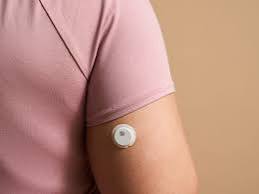
Imagine a single sensor stuck to your arm that tells you, in real time, whether your body is burning carbs or fat. That’s now a reality: the FDA has authorized the first over-the-counter wearable that continuously monitors both blood glucose and ketone levels. The device, made by Abbott Laboratories, marks a shift from single-metric tracking to a fuller picture of your metabolic state.
For years, people who follow ketogenic diets, practice intermittent fasting, or train for endurance events had to rely on finger-prick blood tests or breath analyzers—methods that give only snapshots, not trends. This new sensor, worn for up to two weeks, streams data to a smartphone app, letting users see how their metabolism responds to meals, exercise, and stress. But the approval also raises questions about cost, accuracy, and the risk of over-interpreting numbers.
A New Kind of Biosensor
The device is an expanded continuous glucose monitor (CGM). CGMs have been around for decades, primarily for diabetes care. They use a tiny filament inserted just under the skin to measure glucose in the interstitial fluid—the liquid surrounding cells—every few minutes. Abbott’s new system, part of its Lingo line, adds a second sensor that measures beta-hydroxybutyrate, the main ketone body produced when the body burns fat for fuel. Both readings are transmitted wirelessly to a receiver or smartphone app, giving users a live, dual-stream view of their metabolism.
The FDA authorized the device through its De Novo pathway, which creates a new regulatory category when no similar device exists. That means this isn’t just a one-off approval; it sets a precedent for other companies to follow. The clearance is for over-the-counter use by adults 18 and older who want to track metabolic health—not for diagnosing or managing diabetes. Users can buy it without a prescription, something the FDA has been cautious about with medical devices.
Why Combine Glucose and Ketones?
Glucose and ketones are two sides of the same metabolic coin. When you eat carbohydrates, your body breaks them down into glucose, which spikes in the blood. When you fast or eat very few carbs, insulin levels drop, and the liver starts converting fat into ketones to fuel the brain and muscles. That’s why ketone levels rise during fasting, ketogenic diets, or prolonged exercise.
Tracking both at once reveals your metabolic state more clearly than either alone. For example:
- High glucose + low ketones = fed state, carb-burning mode.
- Low glucose + high ketones = fasting or ketogenic state, fat-burning mode.
- Low glucose + low ketones = a transition state, often seen after a long fast when the body is switching fuels.
This information helps users tailor their eating and exercise. An endurance athlete might see that their ketone levels rise after a morning run, indicating they’ve tapped into fat stores. Someone on a keto diet might use the glucose reading to spot hidden carbs that are sabotaging ketosis.
What This Replaces
Before this, checking ketones was clunky. Blood test strips require a finger prick and cost about $1 per test. They give a single reading, so you can’t see trends without repeated pricks. Breath analyzers are cheaper but less accurate and still not continuous. Urine strips are indirect—they measure excess ketones spilled into urine, which lags behind blood levels and becomes less reliable as you become keto-adapted.
A CGM-like sensor changes the game. No more needles or test strips. You wear it for 10–14 days, and it logs data every few minutes. That continuous stream is what makes it powerful: you can see exactly how your metabolism responds to a specific meal or workout, not just a snapshot in time.
The Excitement and the Caveats
For the biohacker community, this is a dream come true. Real-time feedback without the hassle of finger pricks. But there are legitimate concerns. Cost is a big one: CGMs typically run $100–$300 per sensor, and insurance rarely covers wellness use. That puts this technology out of reach for many people, making it a luxury item for the wealthy.
Doctors also worry about misinterpretation. In people with diabetes, dangerously high ketone levels can signal diabetic ketoacidosis (DKA), a medical emergency. This device is not approved for diabetes management, but someone with diabetes might use it and misinterpret a high ketone reading as a sign to eat more carbs, or worse, ignore it. The app will need to be careful about how it presents data and what warnings it gives.
Accuracy is another question. Interstitial fluid readings lag behind blood by 5–15 minutes, and ketone measurement in this fluid is newer and may have more variability than blood tests. The FDA’s clearance means the device meets accuracy standards for wellness use, but it’s not intended to replace clinical-grade monitoring.
A Precedent for the Future
The De Novo pathway is significant. It means the FDA recognizes this category of device as distinct and has set performance standards. Other companies—Dexcom, Medtronic, and startups—are likely to submit their own dual-sensor wearables. This could spur innovation and drive prices down over time, just as we’ve seen with smartwatches and fitness trackers.
The approval also signals a broader shift: the FDA is becoming more comfortable with consumer health devices that don’t require a prescription. Smartwatches already measure heart rate, ECG, and blood oxygen. Now metabolic tracking is joining that club. The next step might be even more integration—perhaps a single wearable that tracks glucose, ketones, lactate, and other biomarkers.
For now, this device is a tool for the curious and the committed. If you’re on a ketogenic diet, an intermittent faster, or an endurance athlete, it offers a window into your body’s fuel management that was previously available only to researchers. But it’s not a medical device for managing disease—yet. That future may come, but it will require more studies and regulatory scrutiny.
The FDA’s authorization of the first dual glucose-ketone wearable is a milestone in consumer health technology. It gives individuals unprecedented insight into their metabolic flexibility, but it also raises questions about access, interpretation, and the line between wellness and medicine. As more devices enter this space, the real challenge will be helping people use this data wisely—not just chase numbers, but understand what they mean for their health.
Summary
- The FDA approved the first over-the-counter wearable that continuously monitors both glucose and ketone levels, made by Abbott Laboratories.
- The device uses a De Novo classification, creating a new regulatory category for similar future devices.
- It’s intended for adults to track metabolic health, not to diagnose or manage diabetes.
- Tracking both metrics together gives a fuller picture of whether the body is burning carbs or fat.
- Concerns include cost, potential misinterpretation (especially for people with diabetes), and accuracy limitations of interstitial fluid readings.
FAQ
Q: What exactly does the device measure?
A: It measures glucose and beta-hydroxybutyrate (the primary ketone body) in the interstitial fluid under the skin, transmitting data to a smartphone app.
Q: Do I need a prescription to get it?
A: No, it’s authorized for over-the-counter use by adults 18 and older.
Q: Is it approved for diabetes management?
A: No, it’s not. It’s for wellness and lifestyle tracking. People with diabetes should not use it to make treatment decisions.
Q: How long does a sensor last?
A: Typically 10–14 days, after which you replace it.
Q: Will insurance cover it?
A: Unlikely, since it’s a wellness device. Out-of-pocket costs are expected to be similar to existing CGMs, around $100–$300 per sensor.