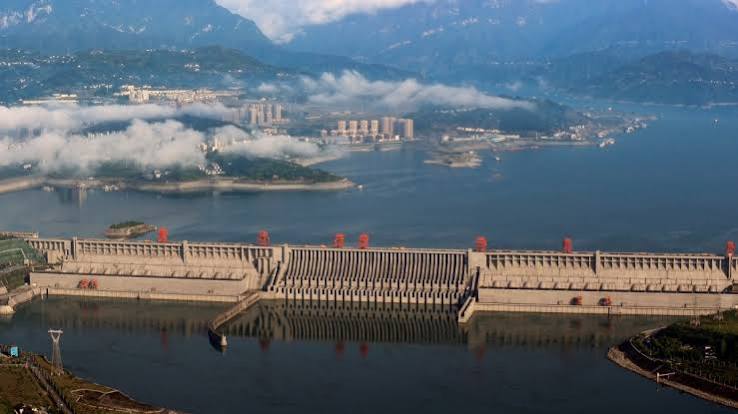
A new study from the United Nations University projects that by 2060, half of the world’s large dams could be functionally inoperable not because of structural failure, but because they’ll be choked with sediment. The American West, particularly the Colorado River Basin, is a major hotspot, with Lake Mead and Lake Powell already losing significant capacity.
This isn’t a distant problem. It’s happening now. One-fifth of the world’s reservoirs are already at high risk of filling with sediment, and the consequences—for water supply, hydropower, and flood control—are enormous. Yet the issue remains largely out of public view, overshadowed by more visible water crises.
Understanding why dams silt up, how it affects you, and what can be done is essential for anyone who relies on water stored behind a dam—which is nearly everyone on the planet.
The Hidden Threat: What Is Reservoir Sedimentation?
When a dam is built, it doesn’t just hold back water—it also traps the sand, silt, and clay that rivers carry downstream. This sediment settles to the bottom of the reservoir, slowly reducing its storage capacity. It’s a natural process, but human activities—deforestation, agriculture, mining, and urbanization—have dramatically increased sediment loads in many rivers, often by 2 to 10 times natural rates.
Think of it like a bathtub filling with sand while the tap is running. Eventually, the tub has less room for water. For a dam, that means less water available for drinking, irrigation, and industry. It also means less capacity to hold back floodwaters, and less pressure to spin hydropower turbines.
The problem isn’t new. The U.S. Bureau of Reclamation began measuring reservoir sedimentation in the 1920s. But the scale of the issue is only now becoming clear, thanks to a 2024 study in the journal Innovation that analyzed over 47,000 large dams globally using satellite data and modeling.
The Numbers Behind the Crisis
The study’s projections are stark. Currently, about 20% of the world’s reservoirs are at high risk of filling with sediment. By 2060, that could rise to 50%—meaning half of all large dams could be functionally inoperable. “Functionally inoperable” doesn’t mean the dam will collapse; it means the reservoir will have lost so much capacity that it can no longer serve its primary purposes—storing water, generating power, or controlling floods.
Globally, reservoirs lose about 0.5–1% of their storage capacity each year to sedimentation. That might sound small, but over a decade, it adds up to 1–2% of global water storage capacity. To put it in financial terms, the UNU estimates it would cost $10–20 trillion to replace the lost storage capacity worldwide over the next 50 years.
The American West: A Cautionary Tale
The Colorado River Basin is a prime example. Lake Mead and Lake Powell—the two largest reservoirs in the U.S.—have already lost significant capacity to sediment. Lake Mead has lost about 4% of its capacity since 1935, roughly 3.5 million acre-feet. Lake Powell has lost about 6% since 1963. That’s water that could have been used for cities, farms, and ecosystems.
But the problem extends beyond the Colorado. The Rio Grande, the Missouri River, and numerous smaller dams in California and the Pacific Northwest are also affected. And globally, other hotspots include the Aswan High Dam on the Nile, the Tarbela Dam in Pakistan’s Indus Basin, and China’s Yellow River—which historically carries the world’s highest sediment load.
Why It’s a ‘Ticking Time Bomb’
The UNU researchers describe the problem as a “ticking time bomb” because it’s not gradual. Many reservoirs will cross a threshold—around 80% sediment fill—where they become economically unviable to manage. Once that happens, the dam is effectively dead. The window for action is narrowing.
Several factors are making things worse. Climate change is increasing the frequency and intensity of wildfires, which in turn increases erosion and sediment runoff. Changing precipitation patterns mean more intense storms, which carry more sediment. And prolonged droughts reduce the flushing flows that would naturally clear some sediment.
What Can Be Done? Engineering Solutions and Their Limits
There are ways to manage sediment, but each comes with trade-offs. Flushing involves releasing large volumes of water to scour sediment out of the reservoir. It’s effective but requires water that many regions can’t spare, especially during droughts. Sluicing passes sediment through the dam during flood events, but it requires careful timing and can disrupt downstream ecosystems. Dredging is expensive—$5 to $20 per cubic meter—and often impractical on a large scale.
Newer approaches include designing dams with sediment-routing capabilities, creating off-channel storage, and using adaptive management strategies that adjust operations based on sediment levels. But these are not yet widespread.
The Growing Case for Dam Removal
In some cases, dam removal is the most practical solution. The U.S. has removed over 2,000 dams in the past 30 years, including the largest removal in history on the Klamath River in 2023–2024. Removing a dam can restore natural sediment flow, revive river ecosystems, and eliminate the costs of maintaining a dying structure. But removal isn’t always feasible—some dams provide essential water storage or flood protection that can’t be easily replaced.
The Economic and Infrastructure Challenge
Aging dams are a global infrastructure challenge. The American Society of Civil Engineers gives U.S. dams a poor grade, and many are reaching the end of their design life. The cost of replacing lost storage is far higher than the cost of proactive sediment management. Yet, funding for sediment removal and dam modernization remains limited.
Ignoring the problem won’t make it go away. As reservoirs fill with sediment, water supplies will dwindle, hydropower output will drop, and flood risks will rise. The choices made now—whether to invest in sediment management, redesign dams, or remove them—will shape water security for generations.
The sediment crisis is a slow-moving disaster that demands immediate attention. Half of the world’s dams could be functionally inoperable by 2060, and the American West is already feeling the effects. The solutions exist, but they require political will, funding, and a willingness to rethink how we manage our water infrastructure. The time to act is now, before more reservoirs cross the point of no return.
Summary
- A 2024 UNU study projects that 50% of the world’s large dams could be functionally inoperable by 2060 due to sediment accumulation.
- Currently, 20% of reservoirs are at high risk of filling with sediment, a ‘ticking time bomb’.
- The American West, especially Lake Mead and Lake Powell, is a major hotspot, with significant capacity already lost.
- Sediment management techniques exist (flushing, dredging, sluicing) but are costly or conflict with water needs.
- Dam removal is increasingly seen as a viable option, with over 2,000 dams removed in the U.S. in recent decades.
FAQ
Q: What does ‘functionally inoperable’ mean for a dam?
A: It means the reservoir has lost so much storage capacity to sediment that it can no longer serve its main purposes—like storing water, generating hydropower, or controlling floods—effectively. The dam itself may still stand, but it’s essentially useless.
Q: How does sediment get into reservoirs?
A: Rivers naturally carry sediment (sand, silt, clay) downstream. When a dam blocks the river, that sediment settles and accumulates behind the dam. Human activities like deforestation, agriculture, and mining can increase the amount of sediment a river carries.
Q: Can’t we just dredge the sediment out?
A: Yes, but it’s very expensive—$5 to $20 per cubic meter—and often impractical for large reservoirs. Dredging is used in some cases, but for many reservoirs, the cost is prohibitive.
Q: What are the main hotspots for this problem?
A: The American West (especially the Colorado River Basin), the Nile River (Aswan High Dam), the Indus Basin (Tarbela Dam), and the Yellow River in China are all major hotspots.
Q: Is dam removal a realistic solution?
A: In some cases, yes. The U.S. has removed over 2,000 dams in the past 30 years, including the largest removal in history on the Klamath River. However, removal isn’t always possible, as some dams provide critical water storage or flood protection.