Tag: video editing

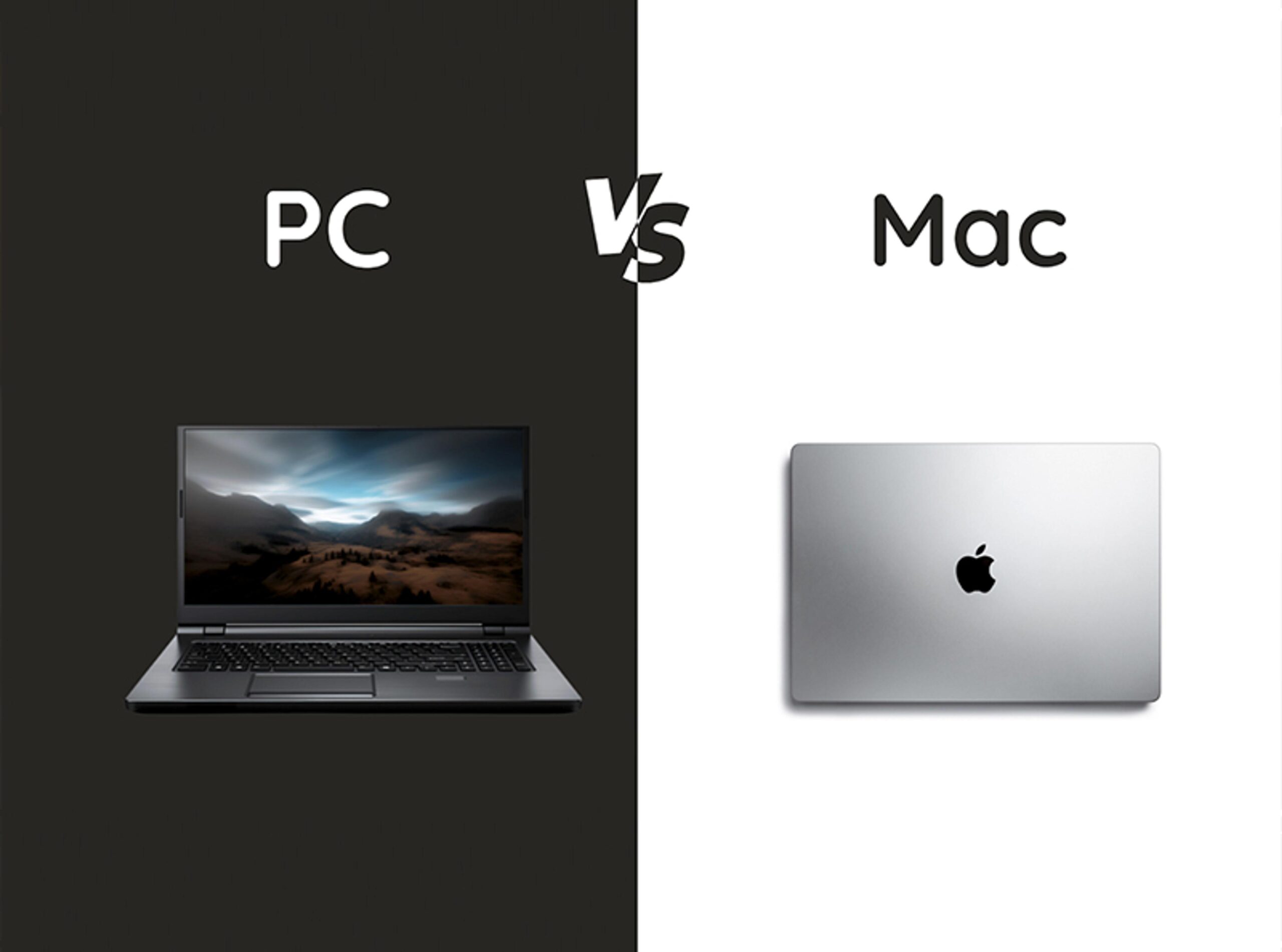
  • Mac vs PC for Video Editing: A Practical Guide for 2024

    PC Vs Mac For Gaming: Pros And Cons | HYTE

    Choosing between a Mac and a PC for video editing is one of the most debated decisions in the creative world. With Apple’s shift to its own silicon and NVIDIA’s powerful GPUs, the landscape has changed dramatically. This guide breaks down the key differences—performance, software, price, and workflow—to help you make an informed choice based on your specific needs.

    Whether you’re a solo YouTuber, a professional colorist, or a student just starting out, the right platform can save you hours of render time and frustration. But there’s no one-size-fits-all answer. The best choice depends on the codecs you shoot, the software you use, and whether you value portability or upgradability.

    The Hardware Landscape: Apple Silicon vs. PC Components

    Since 2020, Macs have used Apple’s M-series chips (M1, M2, M3, and M4). These chips use a unified memory architecture, meaning the CPU and GPU share the same RAM. This design allows for fast data access and includes dedicated media engines that accelerate video encoding and decoding for formats like H.264, HEVC, and ProRes. In contrast, PCs are built from separate components: Intel or AMD processors, NVIDIA or AMD graphics cards, and system RAM. High-end editing PCs typically feature 32–64GB of RAM, 8–16 core CPUs, and GPUs with 8–24GB of VRAM.

    For video editing, the hardware matters because it directly impacts timeline smoothness, render times, and effects performance. Macs excel at tasks that leverage their media engines, especially ProRes workflows. PCs, on the other hand, shine when you need raw multi-core processing or GPU-accelerated effects, especially with NVIDIA’s CUDA technology.

    Software Support: What Runs Where?

    Most major editing software is available on both platforms. Adobe Premiere Pro, DaVinci Resolve, and After Effects have near-feature parity on Mac and PC. Avid Media Composer, the industry standard for film and TV, also runs on both. The big exception is Final Cut Pro, which is Mac-only. Final Cut Pro is a one-time purchase (around $299) and is known for its magnetic timeline and background rendering, making it a favorite for fast, efficient editing.

    DaVinci Resolve deserves special mention because its free version is remarkably capable on both platforms. The Studio version adds features like noise reduction and HDR grading. If you’re using Resolve, the choice between Mac and PC often comes down to GPU performance—NVIDIA GPUs on PCs are heavily optimized for Resolve, but Macs handle ProRes natively.

    Performance Benchmarks: Real-World Trends

    In 2023–2024, performance between Macs and PCs is closer than ever. For ProRes workflows, Macs (especially M3/M4 Pro and Max models) have a clear advantage due to hardware acceleration. If you shoot on an iPhone or use ProRes for delivery, a Mac will feel snappy. For raw formats like RED, BRAW, or ARRIRAW, high-end PCs with NVIDIA GPUs often match or beat Macs, especially for GPU-accelerated effects and rendering.

    Export times are often comparable in real-world tests. Macs tend to win on battery efficiency and thermal management in laptops, while PCs win on raw multi-core rendering in some workloads. For 8K editing and heavy color grading, both can handle it, but PCs scale better with multiple GPUs—Macs don’t support multi-GPU setups.

    Price and Upgradability: The Long-Term Cost

    Macs are generally more expensive upfront. A MacBook Pro 14 or 16-inch with an M3 Pro or Max chip starts around $1,999–$2,499. The Mac Studio with an M2 Ultra is over $3,999. And once you buy a Mac, you can’t upgrade the RAM or storage later—they’re soldered to the motherboard.

    PCs, on the other hand, range from $1,200 for an entry-level build to $5,000+ for a high-end workstation. You can upgrade RAM, storage, and GPU over time, extending the useful life of your machine by years. This makes PCs a better long-term investment if you’re willing to tinker. However, Macs hold their resale value better, so you can recoup some cost when you sell.

    The Mac-First Argument: Why Many Editors Choose Apple

    Final Cut Pro’s magnetic timeline is a game-changer for many editors—it automatically handles clip connections and trims, saving time. ProRes is the industry standard for delivery, and Macs handle it natively, so you’ll see smooth playback and fast exports. Battery life and portability are unmatched in the MacBook Pro, making it ideal for on-location editing. The machines are also silent, even under load, which is a real benefit in a quiet studio. macOS is stable and less prone to driver issues than Windows.

    The PC-First Argument: Why Power Users Prefer PCs

    Upgradability is the biggest advantage. You can add RAM, swap GPUs, and expand storage, which can extend the life of your system by 2–3 times. NVIDIA’s CUDA acceleration is heavily optimized in DaVinci Resolve, After Effects, and Blender, so if you use these tools, a PC with an RTX GPU will give you excellent performance. Cost per frame is often better on PCs—you get more raw performance for your dollar, especially for rendering. Windows also runs more software, including some plugins and 3D tools like Unreal Engine. And PCs are easier and cheaper to repair, with no need to visit an Apple Store.

    The Nuanced View: It Depends on Your Workflow

    Ultimately, the best choice depends on your specific situation. If you shoot ProRes, a Mac is a no-brainer. If you shoot BRAW or RED, a PC (or a high-end Mac) will give you better performance. If you use Premiere or Avid, either platform works. If you use Final Cut Pro, you must get a Mac. If you use DaVinci Resolve, a PC with an NVIDIA GPU is often the best value.

    Form factor also matters. If you need a laptop, the MacBook Pro is the best editing laptop on the market. If you want a desktop tower with maximum power, a PC is the way to go. And consider long-term cost: Macs cost more upfront but hold value, while PCs cost less but may need upgrades sooner.

    The Hybrid Approach: Using Both

    Many professionals use both platforms. A MacBook Pro for field editing and client meetings, and a PC workstation for heavy rendering and 3D work. This gives you the best of both worlds, though it requires managing two ecosystems. If you have the budget, this is the most flexible setup.

    There’s no definitive winner in the Mac vs PC debate—it all comes down to your workflow, budget, and preferences. Macs offer seamless ProRes support, portability, and a polished user experience. PCs offer upgradability, GPU flexibility, and often better value for raw performance. Consider what you shoot, what software you use, and whether you need a laptop or desktop. By weighing these factors, you’ll find the platform that lets you focus on your creative work, not your hardware.

    Summary

    • Macs excel at ProRes workflows and offer unmatched portability and battery life, especially in the MacBook Pro.
    • PCs offer upgradability and GPU flexibility, with NVIDIA CUDA acceleration boosting performance in Resolve and After Effects.
    • Software support is nearly identical except for Final Cut Pro, which is Mac-only.
    • Performance is comparable in most real-world tests, but PCs scale better with multi-GPU setups.
    • Price and long-term cost: Macs cost more upfront but hold value; PCs are cheaper to upgrade and repair.

    FAQ

    Q: Is a Mac or PC better for video editing?
    A: It depends on your workflow. Macs are better for ProRes and Final Cut Pro, while PCs are better for GPU-heavy tasks and upgradability.

    Q: Can I use Final Cut Pro on a PC?
    A: No, Final Cut Pro is only available on macOS.

    Q: Do I need a dedicated GPU for video editing?
    A: Yes, a dedicated GPU is essential for smooth playback and fast rendering, especially with effects and color grading.

    Q: Are Macs more expensive than PCs?
    A: Generally, yes, Macs have a higher upfront cost, but they hold resale value better. PCs can be cheaper to upgrade over time.

    Q: Which is better for DaVinci Resolve?
    A: Both work well, but PCs with NVIDIA GPUs often offer better performance due to CUDA acceleration. Macs handle ProRes natively, which is a plus if you use that codec.
  • The Best Video Editing Tools: Free and Paid Options Compared

    The best video editing software: Filmmakers need to see this | Creative Bloq

    Video editing has never been more accessible. From a teenager with a smartphone to a Hollywood post-production house, there’s a tool for every skill level and budget. But with so many options, how do you choose? This guide breaks down the leading free and paid video editors, highlighting their strengths and ideal use cases. Whether you’re a beginner cutting your first vlog or a professional colorist, you’ll find the right fit here.

    The Evolution of Video Editing

    Video editing has come a long way from the days of tape-to-tape linear editing. The 1990s brought non-linear editing (NLE) with tools like Avid and Premiere, allowing editors to access any frame instantly. Then came the consumer boom: iMovie (1999), Windows Movie Maker (2000), and YouTube (2005) democratized video creation. Today, the creator economy and short-form platforms like TikTok and Reels have made video editing a daily habit for millions. The latest shift is AI integration—auto-captions, scene detection, and text-based editing are now standard features.

    Understanding Key Concepts

    Before diving into tools, let’s clarify some jargon:

    • NLE (Non-Linear Editor): The core architecture of all modern editors. It lets you access any part of your video randomly, like a word processor, rather than in a fixed order.
    • Proxy editing: Editing low-resolution copies of your footage for smooth performance, then swapping to high-res for the final export. Essential for 4K and 8K work.
    • Codecs & containers: H.264/H.265 are common for delivery, ProRes/DNxHR for intermediate editing, and RAW for cinema cameras. The container is the file format (like .mp4 or .mov).
    • Color correction vs. grading: Correction fixes exposure and white balance; grading sets the mood and look (e.g., teal and orange for blockbusters).
    • GPU acceleration: Using your graphics card to speed up rendering and effects. Critical for smooth 4K editing.

    The Best Paid Video Editing Tools

    Adobe Premiere Pro

    • Price: $22.99/month (single app)
    • Platform: Windows, Mac
    • Key Strength: Industry standard, deep integration with After Effects, vast plugin ecosystem.

    Premiere Pro is the go-to for many professionals, from YouTubers to corporate video teams. Its timeline is flexible, and the integration with After Effects for motion graphics is seamless. The subscription model includes regular updates and cloud features. If you’re collaborating with a team, Premiere’s shared projects and Adobe Team Projects are robust.

    Final Cut Pro

    • Price: $299 one-time
    • Platform: Mac only
    • Key Strength: Optimized for Apple Silicon, magnetic timeline, fast rendering.

    Final Cut Pro is a favorite among Mac users. Its magnetic timeline automatically snaps clips together, preventing gaps and simplifying edits. It’s incredibly fast on M1/M2 chips, and the one-time price is a relief compared to subscriptions. The downside: it’s Mac-only, so if you switch to Windows, you’ll need to learn a new tool.

    DaVinci Resolve Studio

    • Price: $295 one-time (free version available)
    • Platform: Windows, Mac, Linux
    • Key Strength: Best-in-class color grading, node-based workflow.

    DaVinci Resolve is the industry standard for color grading. The Studio version adds features like noise reduction, HDR grading, and collaborative tools. The node-based workflow is powerful but has a learning curve. The free version is so capable that many professionals use it for everything except the most advanced features.

    Avid Media Composer

    • Price: ~$24.99/month or $1,299 perpetual
    • Platform: Windows, Mac
    • Key Strength: Standard in film/TV broadcast, collaborative workflows.

    If you’re aiming for Hollywood, Avid is the tool. It’s been used on countless films and TV shows. Its media management and collaboration features are unmatched. However, it’s overkill for most solo creators, and the interface feels dated compared to modern tools.

    Vegas Pro

    • Price: ~$299–$499
    • Platform: Windows
    • Key Strength: Long-standing consumer/prosumer favorite, intuitive timeline.

    Vegas Pro has been around for decades. It’s known for its straightforward timeline and powerful audio tools. It’s a solid choice for Windows users who want a one-time purchase without the complexity of DaVinci.

    The Best Free Video Editing Tools

    DaVinci Resolve (Free)

    • Price: $0
    • Platform: Windows, Mac, Linux
    • Key Strength: Professional color grading, no watermark, unlimited tracks.

    The free version of DaVinci Resolve is a game-changer. It includes most of the Studio features, including professional color grading, multi-cam editing, and audio post-production. There’s no watermark and no time limit. The only limitations are some advanced effects and collaboration features. For beginners, the learning curve is steep, but the payoff is huge.

    CapCut

    • Price: $0 (freemium)
    • Platform: Windows, Mac, Mobile, Web
    • Key Strength: TikTok/Reels/Shorts optimized, AI features, templates.

    CapCut is the darling of the short-form video world. It’s free, with a Pro tier for extra features. It offers auto-captions, background removal, and a huge library of templates and effects. It’s incredibly easy to use, making it perfect for social media creators. The mobile app is especially popular.

    Shotcut

    • Price: $0 (open source)
    • Platform: Windows, Mac, Linux
    • Key Strength: Cross-platform, open-source, wide format support.

    Shotcut is a powerful open-source editor that runs on all major platforms. It supports a wide range of formats and has a clean interface. It’s a great choice for Linux users or those who prefer open-source software. The learning curve is moderate.

    OpenShot

    • Price: $0 (open source)
    • Platform: Windows, Mac, Linux
    • Key Strength: Beginner-friendly, simple interface.

    OpenShot is one of the easiest editors to learn. It has a simple drag-and-drop interface and basic effects. It’s perfect for absolute beginners who just want to cut clips together. However, it lacks advanced features like color grading.

    HitFilm Express

    • Price: $0 (freemium)
    • Platform: Windows, Mac
    • Key Strength: VFX/compositing focus, good for beginners.

    HitFilm Express is a free editor with built-in visual effects and compositing tools. It’s great for beginners who want to add effects without learning After Effects. The free version includes a lot, but some advanced features require a paid upgrade.

    iMovie

    • Price: Free with Apple devices
    • Platform: Mac, iOS
    • Key Strength: Simple, elegant, good for beginners.

    iMovie comes free on every Mac and iPhone. It’s perfect for quick edits, trailers, and simple projects. It’s not as powerful as Final Cut Pro, but it’s a great starting point. The mobile version is surprisingly capable.

    Clipchamp

    • Price: Free (Microsoft)
    • Platform: Web, Windows
    • Key Strength: Browser-based, integrated with Windows 11, stock library.

    Clipchamp is Microsoft’s answer to easy video editing. It’s web-based, so you can use it anywhere, and it’s integrated into Windows 11. It includes a stock library and templates. The free tier is generous, with paid plans for more features.

    Kdenlive

    • Price: $0 (open source)
    • Platform: Windows, Mac, Linux
    • Key Strength: Feature-rich open-source alternative.

    Kdenlive is another open-source editor that’s more advanced than Shotcut or OpenShot. It supports multi-track editing, effects, and transitions. It’s a good middle ground for Linux users who need more power.

    How to Choose the Right Tool for You

    For Beginners and Casual Creators

    If you’re just starting, prioritize ease of use. CapCut is perfect for short-form social media. iMovie (Mac) or Clipchamp (Windows) are great for simple projects. OpenShot is also beginner-friendly. You don’t need advanced features yet—focus on learning the basics.

    For Professionals and Commercial Editors

    If you’re editing for a living, reliability and industry compatibility matter. Premiere Pro is the standard in corporate and agency work. Avid is essential for film/TV. DaVinci Resolve Studio is the best for color grading. Many pros use a combination, like Premiere for editing and DaVinci for color.

    For YouTubers and Social Media Creators

    Speed and captions are key. CapCut is the fastest for short-form. For long-form YouTube, Premiere Pro with plugins like AutoCaptions is powerful. DaVinci Resolve free is also excellent for quality. AI features like auto-reframe are now essential—check if your tool has them.

    For Filmmakers and Colorists

    If you’re serious about color, DaVinci Resolve is non-negotiable. The free version is used by professionals for grading. Final Cut Pro is efficient for Mac users. Premiere is flexible for workflow. Consider RAW support and HDR capabilities.

    For Open-Source and Privacy Advocates

    If you want no cost and no telemetry, Shotcut, OpenShot, and Kdenlive are excellent. They’re community-driven and respect your privacy. DaVinci Resolve free is also a great choice, though it’s not open-source.

    The Future of Video Editing

    The market is growing, with a projected increase from $1.2 billion in 2023 to over $2 billion by 2030. The trend is toward subscription models, but one-time purchases like Final Cut Pro and DaVinci Resolve Studio remain popular. Free tools are becoming more powerful—DaVinci Resolve free is a prime example. AI is the next frontier, with features like auto-captions and scene detection becoming standard. As a creator, you have more options than ever. The best tool is the one that fits your workflow and budget.

    Choosing the right video editing tool depends on your needs, budget, and platform. For beginners, free tools like CapCut and iMovie are perfect. For professionals, Premiere Pro and DaVinci Resolve Studio are industry standards. And for those who want professional quality without the price tag, DaVinci Resolve free is unbeatable. Try a few, and see which one feels right. Happy editing!

    Summary

    • Free tools are powerful: DaVinci Resolve free offers professional color grading, while CapCut is ideal for short-form social media.
    • Paid tools offer depth: Premiere Pro is the industry standard, Final Cut Pro is great for Mac users, and DaVinci Resolve Studio is best for color.
    • Consider your platform: Mac users have Final Cut Pro and iMovie; Windows users have Vegas Pro and Clipchamp; Linux users have Shotcut and Kdenlive.
    • AI is the future: Auto-captions, scene detection, and auto-reframe are becoming standard features.
    • Subscription vs. one-time: Adobe and Avid are subscription-based, while Final Cut Pro and DaVinci Resolve Studio are one-time purchases.

    FAQ

    Q: What is the best free video editing software?
    A: DaVinci Resolve is widely considered the best free option due to its professional color grading and no watermark. CapCut is also excellent for social media creators.

    Q: Is Final Cut Pro worth the one-time cost?
    A: If you’re a Mac user and need a fast, efficient editor without a subscription, Final Cut Pro is worth it. It’s optimized for Apple Silicon and has a magnetic timeline that speeds up editing.

    Q: Can I use DaVinci Resolve for professional work?
    A: Absolutely. The free version is used by professionals for color grading and editing. The Studio version adds advanced features like noise reduction and collaboration tools.

    Q: What’s the difference between color correction and color grading?
    A: Color correction fixes technical issues like exposure and white balance. Color grading sets the mood and style, like making a scene look warm or cinematic.

    Q: Do I need a powerful computer for video editing?
    A: It depends on the resolution and effects. For 4K editing, a modern CPU and GPU are recommended. Many tools support proxy editing, which lets you edit low-res copies for smoother performance.