Tag: Transfer

  • Kevin Kelsy’s Rangers Move: A High-Upside Bet from the MLS Fringe

    Kevin Kelsy’s Rangers Move: A High-Upside Bet from the MLS Fringe

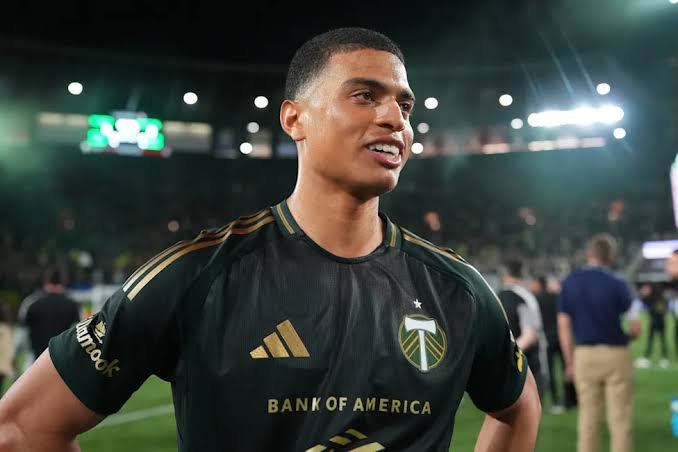
    On the final day of the January transfer window, Rangers FC completed a deal that had been simmering beneath the surface for weeks: the signing of 20-year-old Venezuelan forward Kevin Kelsy from the Portland Timbers. The fee remains undisclosed, but Transfermarkt pegs his value in the €2–4 million range modest outlay for a player who, just months earlier, had been made a permanent signing by Portland after a successful loan. For Rangers, this is a calculated gamble on raw potential. For Portland, it’s a quick turnaround that raises questions about their long-term planning. For Kelsy, it’s the chance to prove he belongs on a bigger stage.

    This move doesn’t scream ‘headline grabber’ in the way a £20 million Premier League signing might. But it’s exactly the kind of transfer that defines the modern football market: clubs buying young, undervalued assets from less-heralded leagues, betting on development and resale value. Rangers have increasingly looked to MLS and South America for exactly this profile—athletic, physical forwards who can adapt to the rigours of Scottish football and European competition. Kelsy fits that mould to a tee.

    But the move also carries risk. Kelsy’s numbers in MLS were promising, not prolific. His adaptation to a new league, a new system, and the weight of expectation at Ibrox will determine whether this is a shrewd piece of business or another cautionary tale. Let’s break down what Rangers are getting, what Portland are giving up, and why this transfer says more about the changing dynamics of the global player market than it does about any single club’s ambition.

    Who is Kevin Kelsy?

    Standing at 6’4″ with surprising pace for his size, Kelsy is the archetype of the modern target man—a physical presence who can hold up play, stretch defenses with runs in behind, and occupy centre-backs. He joined Shakhtar Donetsk as a teenager in 2021, a move that promised a launchpad into European football’s elite. Then Russia invaded Ukraine, and Shakhtar’s world was upended. Kelsy, like many young players in that squad, saw his development disrupted by a war that forced the club to play home matches in exile and scattered its roster.

    A loan to Portland Timbers in the summer of 2024 offered him a reset. In MLS, he found minutes and a platform. His returns—roughly 8 goals in 25+ appearances—were solid for a 19-year-old adapting to a new continent. Portland saw enough to trigger a permanent transfer in early 2025. Barely weeks later, they sold him to Rangers. The speed of that turnaround is striking, and it suggests either a club with a clear sell-on strategy or a change in sporting direction under head coach Phil Neville.

    Why Rangers Need a Striker

    Rangers have spent much of the 2024–25 season wrestling with inconsistency in front of goal. Cyriel Dessers has blown hot and cold, Danilo has struggled with injuries, and the team’s reliance on midfield contributions has masked the absence of a reliable No. 9. Manager Philippe Clement has made no secret of his desire for a mobile, physical forward who can lead the line in the Scottish Premiership and European nights. Kelsy, at 20, is not the finished article—but he offers a profile that Rangers lack: raw athleticism, a willingness to run the channels, and a frame that can handle the physical demands of Scottish defences.

    There’s also a clear financial logic at play. Rangers have increasingly targeted undervalued markets—MLS, South America, parts of Europe—for young players who can be developed and sold on for profit. Kelsy fits that model perfectly. A €3 million signing who performs well in the Scottish Premiership and Europa League could be worth three times that in two years. The club’s recruitment strategy mirrors that of many mid-tier European sides: find the raw material, refine it, and cash in when the time is right.

    Portland’s Quick Turnaround: Smart Business or Misstep?

    For Portland, the decision to sell Kelsy so soon after making his move permanent is double-edged. On one hand, it’s a smart piece of business if they secured a sell-on clause or turned a quick profit on a player whose value had already appreciated. On the other, it leaves a hole in their attack and raises questions about their recruitment philosophy. Why commit to a player permanently if you’re going to flip him months later?

    The likely answer lies in the market. Portland may have received an offer that exceeded their valuation, or Kelsy may have expressed a desire to move to Europe. In MLS, selling young assets is often the most sustainable path to revenue, especially for clubs that don’t have the spending power of the league’s biggest spenders. Fans may feel frustrated, but the front office will see this as a success story: identify talent, develop it, sell it on.

    The Scouting Challenge: Is He Ready?

    Kelsy’s raw attributes are undeniable, but his production in MLS was moderate, not spectacular. He scored goals, yes, but he also went through dry spells and sometimes struggled to impose himself on games. The Scottish Premiership is a step up in intensity and tactical organisation, and European competition is another level entirely. Rangers’ system under Clement demands forwards who can press intelligently, link play, and finish chances—often with limited space. Kelsy’s hold-up play is serviceable, but his decision-making in the final third remains a work in progress.

    There’s also the question of mental resilience. Moving from Portland to Glasgow is a culture shock. The scrutiny at Ibrox is relentless. Young forwards who arrive with promise either embrace that pressure or wilt under it. Kelsy’s performances for Venezuela’s youth teams and his brief senior international experience suggest he has the temperament, but the proof will come in the high-stakes environment of an Old Firm derby or a Europa League knockout tie.

    A Positive Step for Venezuelan Football

    Kelsy’s move is also notable for what it represents off the pitch. Venezuelan football has long been the underdog of South America, but a new generation of players is emerging—and Kelsy is part of that wave. His development at Rangers will be closely watched by a national team that has genuine hopes of qualifying for the 2026 World Cup. A young forward getting regular minutes in a European league is exactly what Venezuela needs to close the gap with the continent’s traditional powers.

    The Bottom Line

    This is a transfer with multiple layers. For Rangers, it’s a low-risk, high-reward bet on a physical specimen who could develop into a key player and a sellable asset. For Portland, it’s a quick profit and a testament to their scouting network—even if it leaves a short-term gap. For Kelsy, it’s the opportunity of a lifetime: a chance to prove that his potential is real, and that he belongs on the European stage.

    Kevin Kelsy’s move to Rangers is a deal that rewards scrutiny. It’s not a marquee signing, but it speaks to a broader trend in football: clubs finding value in overlooked markets and betting on development. Whether Kelsy thrives at Ibrox will depend on his adaptation, his mentality, and the patience of a fanbase that demands results. But for a player who has already navigated the disruption of war and the challenge of a new continent, this is just the next step in a journey that could lead anywhere.

    Summary

    • Rangers signed 20-year-old Venezuelan forward Kevin Kelsy from Portland Timbers on the final day of the January window, with the fee undisclosed and estimated in the €2–4 million range.
    • Kelsy offers a physical profile Rangers lack: 6’4″, pace, and hold-up play, but his MLS numbers were moderate—roughly 8 goals in 25+ appearances—making him a prospect rather than a proven scorer.
    • Portland made Kelsy permanent in early 2025 before selling him weeks later, raising questions about their strategy but potentially securing a quick profit or sell-on clause.
    • Rangers’ recruitment model increasingly targets young, undervalued players from MLS and South America, betting on development and resale value.
    • The move is a positive for Venezuelan football, as Kelsy joins a growing wave of young players pushing for World Cup qualification.

    FAQ

    Q: Why did Rangers sign Kevin Kelsy?
    A: Rangers needed a physical, mobile forward to address inconsistency in front of goal from players like Cyriel Dessers and Danilo. Kelsy’s profile—young, athletic, and internationally experienced—fits both their tactical needs and their financial model of buying undervalued assets to develop and sell on.

    Q: Why did Portland sell Kelsy so soon after making his move permanent?
    A: The quick turnaround suggests Portland either received an offer exceeding their valuation or Kelsy expressed a desire to move to Europe. It’s likely they secured a sell-on clause or turned a quick profit, which is a common strategy for MLS clubs.

    Q: What are Kelsy’s strengths and weaknesses?
    A: His strengths are his physical attributes: 6’4″ frame, pace, and ability to hold up play. His weaknesses include inconsistent finishing and decision-making in the final third, which are typical for a 20-year-old still developing.

    Q: How did Kelsy end up at Portland in the first place?
    A: He signed with Shakhtar Donetsk as a teenager, but the Russian invasion disrupted his development. He was loaned to Portland in 2024, impressed enough to trigger a permanent move in early 2025, and then was sold to Rangers shortly after.

    Q: Is Kelsy ready for the Scottish Premiership?
    A: He has the raw attributes, but his MLS production wasn’t prolific. The Scottish Premiership is more physical and tactically demanding, and European competition adds another layer. His adaptation will be key, but his youth and physicality give him a reasonable chance to succeed.
  • Arsenal’s €4.5M Bet on Georgia’s Next Winger: The Andria Bartishvili Story


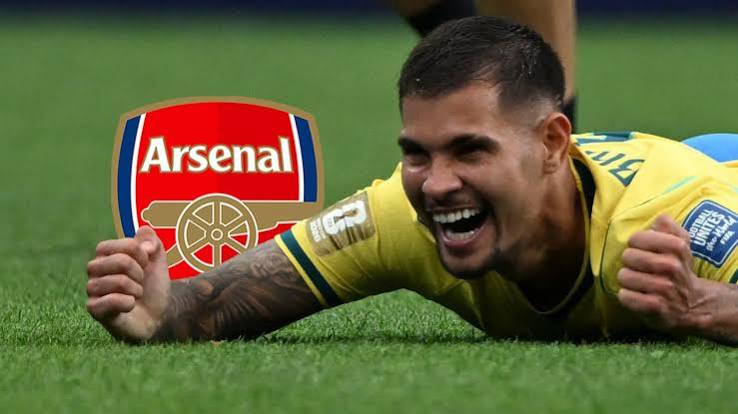
    Arsenal have reportedly agreed a €4.5 million fee for Georgian teenager Andria Bartishvili, a winger currently on loan at FC Iberia 1999 Tbilisi from Kolkheti-1913 Poti. The deal, expected to be completed in a future window, has already drawn inevitable comparisons to Napoli’s Khvicha Kvaratskhelia.

    But this is not just another ‘wonderkid’ headline. It’s a calculated, low-risk investment in an emerging football market, with implications for Arsenal’s recruitment model, Georgia’s footballing rise, and the player’s own uncertain path to the Premier League.

    The Georgian Footballing Renaissance

    Georgia’s run to the Round of 16 at Euro 2024 was not a fluke. It was the culmination of years of investment in youth development, with players like Kvaratskhelia, Georges Mikautadze, and Giorgi Mamardashvili now starring in Europe’s top leagues. Bartishvili represents the next wave, and his reported move to Arsenal is a signal that European clubs are taking the Georgian market seriously.

    Kolkheti-1913 Poti, his parent club, is not a traditional powerhouse. Founded in 1913 in the Black Sea port city, they have historically bounced between divisions. Their recent strategy of developing and selling young talent is paying off. Bartishvili’s loan to FC Iberia 1999 Tbilisi (formerly Saburtalo) is telling: Iberia has a stronger academy and regularly competes in European qualifiers, offering a higher level of competition than Kolkheti currently can.

    Why Arsenal? Why Now?

    Arsenal’s recruitment under Edu and Arteta has been methodical. They target undervalued markets and young players with high resale value. The reported €4.5 million fee is trivial for a Premier League club, especially one that has spent heavily on first-team stars. Even if Bartishvili never plays a minute for the first team, a successful loan or two could see his value multiply, ensuring a profit on any sale.

    The ‘new Kvaratskhelia’ tag is both a blessing and a burden. Kvaratskhelia emerged through Dinamo Tbilisi’s academy and proved himself in the Russian league before Napoli. Bartishvili’s path is more grassroots, and he is still raw. But his reported attributes—left-footed, pacy, a dribbler who takes on defenders—fit the profile Arteta often favours in wide areas.

    The Reality Check: Work Permits and Loan Pathways

    Post-Brexit, UK work permit rules are a significant hurdle for non-UK players. Bartishvili, likely 17 or 18, would need to accumulate points based on international appearances, the quality of his current league, and the transfer fee. The €4.5m fee helps, but it may not be enough on its own. A loan to a European club with a more favourable coefficient—Belgium, the Netherlands, or Spain—could be the bridge to a permit and eventual Premier League football.

    Arsenal’s recent history with ‘project’ signings is mixed. Marquinhos, a Brazilian winger signed at a similar age, struggled on loan and was sold. But there are also successes like Folarin Balogun, who developed via loans and was sold for a profit. Bartishvili’s path will likely mirror this: a loan to a satellite club, regular senior minutes, and then a decision on his long-term future.

    What This Means for Georgian Football

    For Kolkheti-1913, this deal is transformative. A €4.5m fee for a player who came through their system validates their development model and provides financial stability. For the Georgian league, it is another proof point that its best young players can attract interest from Europe’s elite. The challenge remains retention: if every talented teenager is sold, the domestic league risks becoming a feeder system, though that may be an acceptable price for the national team’s long-term gains.

    Bartishvili himself is at a pivotal moment. The ‘new Kvaratskhelia’ label carries weight, but it also invites scepticism. He is unproven outside Georgia, and the jump from the Erovnuli Liga to the Premier League is enormous. However, the raw materials—senior football at a young age, a willingness to take risks, and the physicality required—are evident.

    The Verdict: A Smart, Speculative Move

    Arsenal are not signing Bartishvili to solve an immediate first-team problem. They are signing him as an asset, a bet on his development curve. The fee is low, the potential upside is significant, and the loan pathway provides a safety net. The ‘new Kvaratskhelia’ comparison is lazy—Kvaratskhelia was already an international star before Napoli—but it does highlight the potential ceiling.

    In the short term, expect an official announcement, a loan move to a European club, and gradual integration into Arsenal’s academy or senior setup. In the long term, Bartishvili could become a first-team contributor, a sellable asset, or a cautionary tale. The Georgian footballing renaissance suggests he has the platform; the rest is up to him and Arsenal’s development staff.

    Arsenal’s reported agreement for Andria Bartishvili is a low-risk, high-reward punt on an emerging talent from a rising football nation. It fits their recruitment model, supports Georgian football’s development, and offers the player a genuine pathway to the top. But the hype must be tempered: the Premier League is a different universe from the Georgian top flight. Whether Bartishvili becomes the next Kvaratskhelia or fades into obscurity depends on his adaptation, his loans, and the club’s patience. For now, it’s a story worth watching, not just for Arsenal fans, but for anyone tracking the globalization of football talent.

    Summary

    • Arsenal have reportedly agreed a €4.5m fee for Georgian winger Andria Bartishvili, currently on loan at FC Iberia 1999 Tbilisi.
    • The deal is a speculative investment, fitting Arsenal’s strategy of buying undervalued young talent.
    • Bartishvili is dubbed the ‘new Kvaratskhelia,’ but the comparison is premature given his unproven status outside Georgia.
    • Work permit rules may necessitate a loan to a European club before he can play in England.
    • The move underscores Georgia’s footballing rise and the commercial viability of its youth products.

    FAQ

    Q: Who is Andria Bartishvili?
    A: Andria Bartishvili is a teenage Georgian winger, currently playing on loan at FC Iberia 1999 Tbilisi from Kolkheti-1913 Poti. He has been dubbed the ‘new Kvaratskhelia’ due to his playing style and nationality.

    Q: How much will Arsenal pay for Bartishvili?
    A: Reports suggest a fee of €4.5 million (approximately £3.8 million or $4.9 million), though add-ons and official terms are unconfirmed.

    Q: Why does Bartishvili need a work permit?
    A: Post-Brexit, non-UK players require a work permit based on a points system. Bartishvili may not initially qualify, so a loan to a European club could help him gain eligibility.

    Q: When will the transfer be completed?
    A: The deal is reported for a future window (likely January or summer 2025), pending official confirmation, medical, and registration.

    Q: Will Bartishvili play for Arsenal’s first team immediately?
    A: Unlikely. He would probably be loaned out or placed in the academy to develop, given his age and the level of the Georgian league.

  • Bruno Guimaraes to Arsenal: The Record-Breaking £100m Midfield Gamble

    Bruno Guimaraes to Arsenal: The Record-Breaking £100m Midfield Gamble

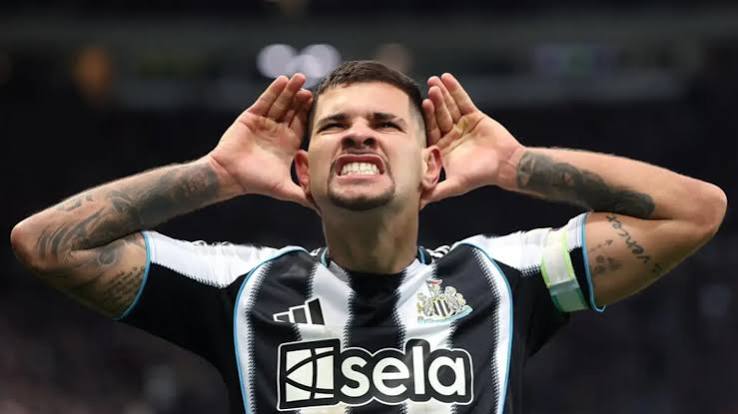
    Arsenal are on the verge of signing Bruno Guimaraes from Newcastle United for a fee in the region of £85-£100 million, a move that would make the 28-year-old the most expensive midfielder aged 28 or older in football history. This transfer is not just a statement of intent from Mikel Arteta’s side; it’s a financial and tactical gamble that could redefine how clubs value players entering their prime.

    The deal, which has been rumored for over a year, finally appears to be materializing. With personal terms reportedly agreed and Newcastle under pressure to comply with Profit and Sustainability Rules (PSR), the stars have aligned for a blockbuster move. But as Arsenal prepare to break the bank, questions linger: Is Bruno worth the record fee? And what does this mean for both clubs?

    The Record in Sight

    When Casemiro moved from Real Madrid to Manchester United for £70m in 2022, he set the benchmark for midfielders aged 28 or older. Two years later, that record is about to be obliterated. Bruno Guimaraes, at 28, is set to command a fee that could reach £100m, surpassing Casemiro’s mark by a significant margin and entering the territory of younger superstars like Enzo Fernández (£106.8m) and Declan Rice (£105m).

    What makes this particularly striking is the age factor. Traditionally, midfielders over 28 have seen their market value decline, as clubs prioritize younger assets with resale potential. But Bruno’s profile defies convention. His relentless pressing, progressive passing, and goal threat from midfield have made him one of the Premier League’s most influential players since joining Newcastle in January 2022. At 28, he is in his prime, with a fitness record that shows he rarely misses matches. For Arsenal, this is a calculated bet that his best years are still ahead.

    Why Arsenal Are Going All In

    Mikel Arteta’s system demands a midfielder who can do it all: win duels, break lines, and contribute goals. Bruno fits that mold perfectly. He is a box-to-box dynamo who can partner with Declan Rice in a double pivot or play as the advanced No. 8, offering more attacking thrust than the aging Jorginho or the injury-prone Thomas Partey.

    Bruno’s leadership is another factor. He is a vocal presence on the pitch, a natural captain who has been the heartbeat of Newcastle’s resurgence. Arsenal have lacked that commanding figure in midfield since the departure of Granit Xhaka. Bruno would fill that void and then some.

    Premier League experience is the ultimate bonus. There is no adaptation risk; Bruno knows the league’s physical demands intimately. He has already proven he can dominate games against the Big Six, including Arsenal themselves. This is a signing designed to close the gap on Manchester City.

    Newcastle’s Dilemma

    For Newcastle, selling their crown jewel is a painful but pragmatic decision. The club’s PSR constraints mean they must balance the books, and a fee of this magnitude would provide pure profit, easing their financial compliance. The funds would allow them to strengthen multiple positions, from right wing to center-back to backup striker.

    But the sporting cost is significant. Bruno is not just a player; he’s the symbol of Newcastle’s Saudi-backed revival. Selling him signals a step backward, even if the money is good. The club’s fans will see this as prioritizing finances over ambition, especially after the high of winning the 2025 Carabao Cup, their first major trophy in 70 years.

    Bruno’s own ambition is a factor. He has reportedly expressed a desire to play Champions League football regularly and compete for titles. Newcastle’s ceiling under PSR may be limited, and Arsenal offer a realistic path to silverware. At 28, he cannot afford to wait.

    The Financial Mechanics

    A £90m+ signing will require Arsenal to offset sales to comply with PSR. Expect outgoings like Emile Smith Rowe or Eddie Nketiah to be on the chopping block. Bruno would also command a substantial wage, likely in the £250k-£300k per week range, making him one of Arsenal’s top earners.

    Is it worth it? In a market where Declan Rice cost £105m at 24, a £100m fee for a 28-year-old with Bruno’s pedigree is not outrageous. His availability and consistency are rare commodities. Arsenal are not just buying a player; they are buying a guarantee of performance.

    Bruno Guimaraes to Arsenal is a transfer that makes sense on multiple levels. For Arsenal, it’s a statement of intent and a tactical upgrade. For Newcastle, it’s a financial necessity and a sporting sacrifice. For Bruno, it’s the chance to compete at the highest level. The record fee is a risk, but in the high-stakes world of Premier League football, it’s a calculated one.

    Summary

    • Bruno Guimaraes is set to join Arsenal for £85-£100m, making him the most expensive midfielder aged 28+ in history.
    • The transfer is driven by Arsenal’s need for a box-to-box midfielder and Newcastle’s PSR constraints.
    • Bruno’s age is not a concern given his fitness record and Premier League experience.
    • Arsenal will need to offload players to balance the books for this signing.

    FAQ

    Q: Why is Bruno Guimaraes considered the most expensive midfielder aged 28+?
    A: The current record for a midfielder aged 28 or older is Casemiro’s £70m move to Manchester United in 2022. Bruno’s fee is expected to exceed £85m, breaking that record.

    Q: What is Newcastle’s reason for selling Bruno?
    A: Newcastle must comply with Profit and Sustainability Rules (PSR), and selling Bruno for a huge fee provides pure profit, easing financial compliance. They also have to balance books to avoid sanctions.

    Q: How will Arsenal fund the transfer?
    A: Arsenal will likely offset the cost by selling players such as Emile Smith Rowe or Eddie Nketiah to meet PSR requirements.

    Q: What role will Bruno play at Arsenal?
    A: He is expected to play as a box-to-box No. 8, partnering with Declan Rice in midfield, offering more attacking thrust and leadership.

    Q: Is Bruno’s age a concern?
    A: At 28, he is in his prime, and his fitness record shows he rarely misses matches. Arsenal are betting that his best years are still ahead.

  • Nicolas Jackson’s Chelsea Crossroads: Four Potential Exit Routes as Tottenham Circle

    Nicolas Jackson’s Chelsea Crossroads: Four Potential Exit Routes as Tottenham Circle

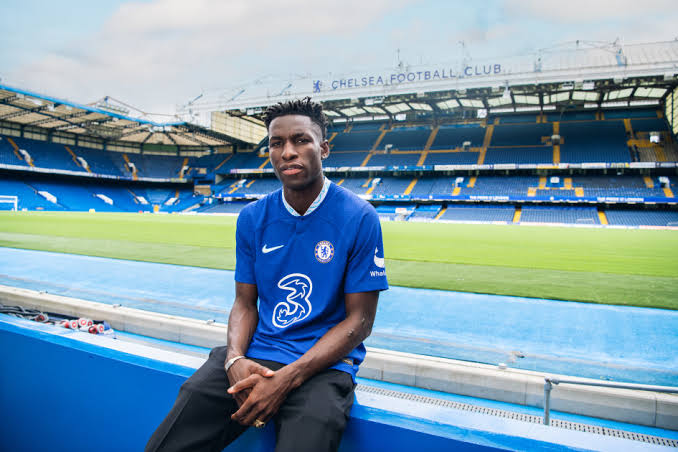
    Nicolas Jackson has reported for pre-season training at Cobham, but the 23-year-old Senegalese striker’s future at Stamford Bridge is anything but settled. Tottenham Hotspur have emerged as the most prominent suitor, yet they are far from alone in tracking a player who scored 14 Premier League goals in a chaotic debut season at Chelsea.

    For Chelsea, the calculus is not simply about football. The club’s lavish spending under Clearlake Capital — over £1 billion since 2022 — has created an urgent need to balance books against Profit and Sustainability Rules. Jackson, signed for £32 million from Villarreal on an eight-year contract, represents a valuable accounting asset. Selling him for a fee in the £40–50 million range would generate pure profit on the books, easing PSR pressure while funding further squad upgrades.

    For Jackson, the decision is personal and career-defining. He is at a crossroads: stay and fight for minutes amid new competition, or move to a club where he is the guaranteed starter. With the 2025 Africa Cup of Nations looming, regular game time is not a luxury — it is a necessity. Here are four realistic exit routes, each with its own set of stakes and subplots.

    The Tottenham Gamble: A Cross-London Switch with High Voltage

    Tottenham have been the loudest in their pursuit, and for good reason. Since Harry Kane’s departure to Bayern Munich in 2023, Spurs have lacked a reliable number nine. Richarlison has flattered to deceive and struggled with injuries, while Dane Scarlett remains a raw prospect. Manager Ange Postecoglou’s system demands a mobile, high-pressing striker who runs in behind defences — a description that fits Jackson more neatly than any other forward on Tottenham’s books.

    But a cross-London move carries symbolic weight. Transfers between Chelsea and Tottenham are rare, though not unheard of — Carlo Cudicini and William Gallas made the switch in the past. Yet the rivalry amplifies every touch, every miss, every goal. Jackson’s critics point to his wastefulness: he missed a high number of big chances in his debut season, a weakness that would be magnified under the White Hart Lane spotlight. Spurs fans are divided. Some see him as a clear upgrade on Richarlison; others worry they are buying a player who, for all his pace and directness, has yet to prove he can be clinical when it matters.

    For Tottenham, this is a gamble with clear upside. Jackson is 23, under contract until 2031 at Chelsea, and would likely cost around £40–50 million — a significant fee but one that reflects his potential rather than his current output. Postecoglou’s system could unlock the consistency that eluded him in his first Premier League season. But the risk is real: if Jackson continues to miss chances, Spurs would have paid a premium for a problem rather than a solution.

    The European Escape: Atletico Madrid and the La Liga Return

    Atletico Madrid have long admired Jackson, and their interest has not waned. Diego Simeone is seeking a long-term successor to Antoine Griezmann and Alvaro Morata, and Jackson’s profile — pace, power, and a proven track record in La Liga — makes him an attractive option. Jackson thrived at Villarreal in the 2022–23 season, scoring 12 goals in the second half of the campaign, and a return to Spain would place him in familiar surroundings.

    However, Atletico’s financial constraints are a significant hurdle. The club has been cautious in the transfer market in recent years, and meeting Chelsea’s asking price would require creative structuring or a player-plus-cash deal. Jackson would likely be the guaranteed starter in Madrid, a role that would accelerate his development and secure his place in Senegal’s squad for the 2025 AFCON. For a player who needs minutes, Atletico offers the clearest path to regular football. But the deal depends on whether Atletico can bridge the valuation gap.

    The Aston Villa Project: A Step Up in Ambition

    Aston Villa have emerged as a surprise contender, and their interest makes sense on multiple levels. Under Unai Emery, Villa have qualified for the Champions League and are building a squad capable of competing on multiple fronts. They need depth in attack, and Jackson would offer a younger, more dynamic alternative to Ollie Watkins. Villa’s ambition may appeal to a player looking to join a project on the rise.

    From Chelsea’s perspective, selling to Villa would be straightforward — no cross-London complications, no direct rivalries. Villa have the financial muscle to meet Chelsea’s valuation, especially after their Champions League windfall. For Jackson, a move to Villa would mean competing with Watkins for the starting spot, but the Premier League stage and European football would keep him in the spotlight. The question is whether Jackson wants to fight for minutes at a club that is not necessarily a guaranteed starter, or whether he prefers a move where he is the undisputed number nine.

    The Newcastle Wildcard: Money, Ambition, and a Different Kind of Pressure

    Newcastle United have been linked with Jackson, though the interest has been quieter than Tottenham’s or Atletico’s. The Magpies need a striker to complement Alexander Isak and Callum Wilson, and Jackson’s age and profile fit their recruitment strategy under the PIF ownership. Newcastle have money, but they also have financial fair play constraints that have forced them to be more prudent in recent windows.

    A move to St James’ Park would offer Jackson a central role in an ambitious project, but it would also mean competing with Isak, who is a proven Premier League scorer. Newcastle’s interest may be more opportunistic — if the price is right, they would pounce, but they are unlikely to overpay. Jackson would face intense competition for minutes, which could be both a motivation and a frustration. The Tyneside project is exciting, but it is not a guaranteed path to regular starts.

    The Chelsea Conundrum: Why Selling Is Not a Fire Sale

    Chelsea’s stance is nuanced. They are open to offers, but they are not actively pushing Jackson out. The club values his potential — he was their top scorer in 2023–24 with 17 goals in all competitions, a respectable return for a debut season at a transitional club. New signings Marc Guiu, Christopher Nkunku, and Armando Broja create competition, but Jackson’s pace and directness remain valuable assets.

    However, the PSR pressure is real. Chelsea have spent over £1 billion since 2022, and the need to sell players for pure profit is acute. Jackson, as a purchased asset, would generate a significant book profit if sold for more than his amortised value. A fee of £40–50 million would help Chelsea fund further signings and stay within financial regulations. Yet Chelsea are not desperate. They would only sell if the right offer arrives, and they would want a fee that reflects Jackson’s potential, not just his current output.

    For Jackson, staying at Chelsea means fighting for minutes in a crowded attack. He has shown he can score in the Premier League, but he has also shown inconsistency. The club’s patience is not infinite, and a new season brings new pressure. If he stays, he must prove he is the long-term answer. If he leaves, he must choose the right destination — one that offers both game time and a platform to fulfil his considerable talent.

    Nicolas Jackson’s future is a story of competing pressures: Chelsea’s financial imperatives, Tottenham’s search for a number nine, Atletico’s long-standing admiration, and the player’s own desire for regular football. Each option carries its own risks and rewards. For now, Jackson is a Chelsea player, but the transfer window has a way of reshaping narratives. The next few weeks will determine whether he stays or goes, and where his career takes its next decisive turn.

    Summary

    • Nicolas Jackson has started pre-season with Chelsea but faces an uncertain future amid interest from Tottenham, Atletico Madrid, Aston Villa, and Newcastle.
    • Chelsea are open to selling to comply with PSR rules, with a £40–50 million fee representing a pure profit on their books.
    • Tottenham offer the most prominent option, but a cross-London move carries high scrutiny and risk given Jackson’s inconsistency.
    • Atletico Madrid could provide a return to La Liga and guaranteed starts, but financial constraints may block a deal.
    • Jackson scored 14 Premier League goals in his debut season, making him a valuable asset despite criticism of his finishing.

    FAQ

    Q: Is Nicolas Jackson a proven flop at Chelsea?
    A: No. He scored 14 Premier League goals and 17 in all competitions in his debut season, making him Chelsea’s top scorer. While he missed chances, his output was respectable for a transitional season.

    Q: Are Chelsea desperate to sell Jackson?
    A: No. Chelsea are open to offers but are not fire-selling. They value him highly and would only sell if a suitable bid arrives, given his long contract and potential.

    Q: Do Tottenham and Chelsea ever do business?
    A: Rarely, but it has happened. Carlo Cudicini and William Gallas both moved between the clubs in the past, so a deal is not impossible.

    Q: What is Jackson’s contract situation?
    A: He signed an eight-year deal (with a club option for a further year) when he joined in 2023, meaning his contract runs until at least 2031.

    Q: Why does Chelsea need to sell players?
    A: Chelsea have spent over £1 billion since 2022 and must comply with Profit and Sustainability Rules. Selling players for a profit, especially those with amortised values, helps them balance the books.

  • Bruno Guimarães to Arsenal: Anatomy of a £100m Deal That Reshapes the Premier League

    Bruno Guimarães to Arsenal: Anatomy of a £100m Deal That Reshapes the Premier League

    The summer transfer window hasn’t officially opened, but the Premier League’s tectonic plates are already shifting. Reports of a ‘near total agreement’ between Arsenal and Newcastle for Bruno Guimarães have sent shockwaves through English football. This isn’t just another big-money move; it’s a transfer that encapsulates the modern game’s financial realities, sporting ambitions, and the delicate balance between loyalty and legacy.

    For Arsenal, securing the 27-year-old Brazilian captain would be a statement of intent—a signal that last season’s title triumph wasn’t a flash in the pan but the beginning of a dynasty. For Newcastle, it’s a painful yet pragmatic decision, forced by the cold calculus of Profit and Sustainability Rules (PSR). And for Guimarães himself, it’s the culmination of a journey from Lyon to St James’ Park to the very pinnacle of club football. But as with any saga of this magnitude, the devil is in the details—and the details are far from settled.

    The Deal on the Table: More Than Just a Release Clause

    At the heart of this transfer is a release clause, reportedly set at £100 million, that was written into Guimarães’ contract when he signed a new long-term deal in October 2023. This clause, believed to be active only for Champions League-qualified clubs, was designed to give the player an exit route to elite European competition while protecting Newcastle’s investment. Arsenal, as Premier League champions, tick that box perfectly.

    But ‘near total agreement’ is a phrase that should be treated with caution. It suggests that the two clubs have aligned on a fee and structure—likely a guaranteed sum in the region of £85-90 million with add-ons pushing the total towards that £100 million figure. However, the gap between ‘near’ and ‘total’ can be a chasm. Personal terms, agent fees, and the intricate mechanics of triggering a release clause (such as payment timelines and bank guarantees) can still derail the deal. The player’s desire to join is reportedly strong, which greases the wheels, but until the ink is dry, nothing is certain.

    Why Arsenal Are Willing to Pay Top Dollar

    Arsenal’s midfield has been the engine room of their success, with Declan Rice and Martin Ødegaard forming a formidable partnership. Yet, the squad has lacked a player who can seamlessly transition between defensive screening and progressive ball-carrying—someone who can break lines with a pass or a dribble, and who thrives under pressure. Guimarães fits this profile like a glove. His press-resistance, tactical intelligence, and leadership qualities make him an ideal partner for Rice, allowing Ødegaard to roam with more freedom.

    Moreover, this is a statement signing. After winning the title in 2023-24, Arsenal are under pressure to defend it. Bringing in a proven Premier League performer, a captain from a rival club, sends a message to the rest of the league: the Gunners are not resting on their laurels. It also addresses the squad’s depth issues—Guimarães can slot into multiple midfield roles, providing cover and competition.

    Newcastle’s PSR Puzzle: Selling the Crown Jewels

    For Newcastle, this sale is a bitter pill to swallow. Guimarães has been the heartbeat of the team since his £40 million arrival from Lyon in January 2022. He’s worn the captain’s armband, endeared himself to the Geordie faithful, and become the symbol of the club’s resurgence under Saudi ownership. Losing him feels like a step backward.

    But the financial reality is stark. Newcastle have been walking a tightrope with Profit and Sustainability Rules, and a big sale is the quickest way to balance the books and avoid future penalties. The £100 million fee would provide significant headroom for reinvestment, allowing the club to bring in multiple younger players who fit Eddie Howe’s system—or whoever is at the helm, given the swirling speculation about the manager’s future. It’s a classic case of short-term pain for long-term gain, but that logic doesn’t ease the sting for fans who see their captain walk out the door.

    The Player’s Perspective: Ambition vs. Affection

    Bruno Guimarães has never hidden his affection for Newcastle. He’s spoken warmly about the fans, the city, and the project. But he’s also hinted at a desire to compete for the biggest trophies—the Champions League, the Premier League, the Ballon d’Or conversation. Arsenal offers that platform immediately. They’re reigning champions, they’re in the Champions League, and they have a squad entering its prime. For a 27-year-old at the peak of his powers, this is the moment to make a move if he wants to maximize his career achievements.

    There’s also the financial angle. A move to Arsenal would likely come with a significant wage increase, reflecting his status as a marquee signing. And while he may feel a sense of loyalty to Newcastle, the opportunity to join a title-winning side is a powerful lure. This isn’t a player forcing a move out of discontent; it’s a player recognizing that his career trajectory demands a new challenge.

    The Ripple Effects Across the League

    This transfer, if completed, would have implications far beyond the two clubs involved. For Arsenal, it solidifies their status as a destination for top talent and could trigger a domino effect in the transfer market. Rivals like Manchester City, Liverpool, and Chelsea will have to respond, either by strengthening their own squads or by targeting the players Newcastle bring in with the proceeds.

    For Newcastle, the reinvestment strategy will be scrutinized. Will they replace Guimarães with a like-for-like star, or will they spread the funds across multiple positions? The club’s recruitment team has shown shrewdness in the past, but replacing a player of Guimarães’ caliber is no easy task. The pressure is on to get it right.

    The Verdict: A Win-Win or a Lose-Lose?

    From a purely analytical standpoint, this deal makes sense for all parties. Arsenal get a world-class midfielder who improves their starting XI and squad depth. Newcastle get a massive fee that alleviates PSR pressure and funds a rebuild. Guimarães gets to compete for the biggest honors. But football is never that simple. Arsenal are paying a premium for a 27-year-old with limited resale value. Newcastle are losing a leader and fan favorite, which could impact team morale and fan sentiment. And Guimarães is leaving a club where he’s adored to join one where he’ll have to prove himself all over again.

    Ultimately, the success of this transfer will be judged in hindsight. If Arsenal win another title with Guimarães pulling the strings, the fee will look like a bargain. If Newcastle use the money wisely and build a stronger squad, the pain will be forgotten. And if Guimarães thrives in North London, his legacy at Newcastle will be a fond memory, not a what-if. Only time will tell, but one thing is certain: this is a transfer that will define the summer of 2025.

    The Bruno Guimarães transfer saga is a microcosm of modern football—a complex web of release clauses, PSR constraints, and personal ambition. While ‘near total agreement’ suggests the end is in sight, the final steps are often the hardest. For Arsenal, this is a chance to cement their dominance; for Newcastle, a painful but necessary evolution; for Guimarães, the next chapter in a storied career. As the window opens, all eyes will be on the dotted line.

    Summary

    • Arsenal and Newcastle are reportedly in ‘near total agreement’ over a fee for Bruno Guimarães, likely around £100m with add-ons.
    • The deal is facilitated by a release clause in Guimarães’ contract, active for Champions League clubs, which Arsenal qualify for as champions.
    • Arsenal see Guimarães as the perfect partner for Declan Rice, adding leadership and press-resistant quality to their midfield.
    • Newcastle are selling due to PSR pressures, using the fee to reinvest and rebuild, despite losing their captain and fan favorite.
    • The transfer is not yet complete; personal terms, medicals, and final clauses could still cause complications.

    FAQ

    Q: What is Bruno Guimarães’ release clause?
    A: Reports indicate a release clause of around £100 million, but it’s believed to be active only for Champions League-qualified clubs. The final fee may include add-ons, with a guaranteed amount slightly lower.

    Q: Why are Newcastle selling their captain?
    A: Newcastle face Profit and Sustainability Rules (PSR) constraints, and selling Guimarães for a large fee would help balance the books and fund other signings. It’s a pragmatic decision despite fan backlash.

    Q: How does Guimarães fit into Arsenal’s midfield?
    A: He’s a box-to-box midfielder with excellent press resistance and progressive passing. He would partner Declan Rice, allowing Martin Ødegaard more creative freedom, and add leadership and depth.

    Q: Is the deal definitely happening?
    A: No. ‘Near total agreement’ is not a done deal. Personal terms, medicals, and final contract details can still cause the transfer to collapse. The player’s desire to join is a positive sign, but nothing is guaranteed until the contract is signed.

    Q: What does this mean for Eddie Howe’s future?
    A: The brief mentions Howe admitted he was powerless to stop the sale, but his current status is unclear. If he remains manager, he’ll have to rebuild without his key midfielder. If he leaves, the new manager will inherit the situation.

  • Max Arfsten’s Middlesbrough Move: A Calculated Gamble with World Cup Implications

    Max Arfsten’s Middlesbrough Move: A Calculated Gamble with World Cup Implications

    When Middlesbrough agreed to pay $7.5 million for a winger with just one senior international cap, eyebrows were raised. But Max Arfsten is no ordinary fringe player. The 24-year-old arrives from Columbus Crew as a proven winner in MLS, with an MLS Cup and Leagues Cup to his name, and a skill set that could thrive under Michael Carrick’s system. This transfer is more than a routine Championship signing—it’s a strategic bet on a player whose trajectory could define both Boro’s playoff push and the USMNT’s World Cup ambitions.

    The Context: A Championship Club with a Proven Model

    Middlesbrough have long operated as a development club, buying low and selling high. The recent sales of Morgan Rogers to Aston Villa and Djed Spence to Tottenham are prime examples. Arfsten fits this model perfectly: a 24-year-old entering his prime, with a track record of success, and the potential to be sold for a significant profit if he performs in the Championship. The £5.5 million fee is a clear statement of intent—this is not a squad player, but a first-team starter expected to contribute immediately.

    The Player: More Than Just a Pace Merchant

    Arfsten’s numbers at Columbus are solid: 15 goals and 18 assists in over 100 appearances. But his value goes beyond stats. In Wilfried Nancy’s possession-based, high-pressing system, Arfsten was a relentless two-way player, pressing from the front and providing width. He’s left-footed but not one-dimensional; he can cut inside to shoot or go down the outside to deliver crosses. This versatility will be crucial in the Championship, where defenses are organized and space is at a premium.

    The Stakes: A World Cup on the Horizon

    The 2026 World Cup on home soil is a massive motivator for US players. Arfsten’s move to the Championship is a calculated step to secure regular European minutes and prove he can handle a more physical, tactical league. However, the Championship is not a top-five league, and USMNT coaches may still favor players in the Premier League or Bundesliga. A strong 18 months at Boro could earn him a Premier League move before the tournament, but a failure to adapt could see him fall further down the pecking order.

    The Skeptic’s View: Level of Competition and Consistency

    Critics will point to the gap in quality between MLS and the Championship. The physical intensity and tactical rigor of English football’s second tier are a step up. Arfsten’s goal tally is modest for a winger, and he has struggled against low-block defenses. His one international cap, earned in a January friendly, does not make him a proven international performer. The transition may take time, and Boro fans will need patience.

    The Columbus Perspective: Good Business, But a Loss

    For Columbus, losing a fan favorite is a blow, but the fee represents excellent business for a player signed from the USL for a nominal fee. The Crew have depth on the wings, with players like Diego Rossi and Alexandru Mățan ready to step up. The money can be reinvested to strengthen other areas of the squad.

    The Verdict: A Win-Win Transfer with Risks

    This transfer is a win-win on paper. Middlesbrough get a proven winner with upside, Arfsten gets a platform to showcase his talents, and Columbus get a healthy return on investment. The risks are real—the level of competition, the pressure of a new league, and the weight of World Cup expectations—but the potential rewards are equally significant. If Arfsten adapts quickly, this could be the move that propels both Boro and his international career to new heights.

    Max Arfsten’s move to Middlesbrough is a calculated gamble for all parties. For the player, it’s a chance to prove he belongs on a bigger stage. For the club, it’s a smart investment in a player with resale value. For Columbus, it’s a profitable exit. The next 18 months will reveal whether this bet pays off—and whether Arfsten can turn his potential into a World Cup starting spot.

    Summary

    • Middlesbrough signed Max Arfsten from Columbus Crew for $7.5 million (€6.5m / £5.5m).
    • Arfsten, 24, is a USMNT winger with one cap, but a proven winner in MLS (MLS Cup 2023, Leagues Cup 2024).
    • The move is a strategic step for his 2026 World Cup hopes, but the Championship is a step up in physicality and tactics.
    • Boro see him as a first-team starter, not a development project, and hope to sell him for profit later.
    • Columbus benefit from a good fee for a player signed from the USL, with depth to cover his departure.

    FAQ

    Q: How much did Middlesbrough pay for Max Arfsten?
    A: The reported fee is $7.5 million, which is approximately €6.5 million or £5.5 million.

    Q: Is Max Arfsten a regular for the USMNT?
    A: No, he has only one senior cap, earned in a January 2025 friendly. He is a fringe international, not a starter.

    Q: What position does Arfsten play?
    A: He is primarily a right winger but can also play on the left or as an attacking midfielder. He is left-footed and likes to cut inside, but he can also go down the outside.

    Q: Why is this move important for the 2026 World Cup?
    A: Regular Championship football against physical defenders will be a better test than MLS, and could help him earn a Premier League move before the tournament, boosting his chances of making the US squad.

    Q: What are the risks of this transfer?
    A: The main risks are the gap in level between MLS and the Championship, his modest goal tally, and the pressure of adapting to a new league while carrying World Cup expectations.