Tag: Transfer window

  • Man City’s €500m Rebuild: Gakpo and Ndiaye as Late-Window Signals of Desperation or Design?


    Manchester City’s pursuit of Liverpool’s Cody Gakpo and Everton’s Iliman Ndiaye in the final days of the January transfer window has sent shockwaves through the Premier League. With their gross spend across the 2024/25 season approaching €500m, these potential additions would underscore a frantic effort to arrest a shocking title defence. But are these moves a sign of panic, or a calculated step in a long-planned squad overhaul? The answer likely lies somewhere in between, shaped by an unprecedented injury crisis, an ageing core, and the looming shadow of 115 Premier League charges.

    City’s current predicament is stark. Without Ballon d’Or winner Rodri for most of the season due to an ACL injury, and with recurring defensive injuries to Rúben Dias, John Stones, and Nathan Aké, their form has plummeted from title favourites to a scrap for top-four. The squad that dominated English football for years suddenly looks vulnerable, and the club’s response has been to open the chequebook on a scale that even they have rarely matched.

    The Financial Snowball: How City Reached €500m

    The €500m figure is not a single-window record, but a rolling total across the summer 2024 and January 2025 windows. Key signings include Omar Marmoush (€75m), Nico González (€60m), Abdukodir Khusanov (€40m), and Savinho (€25m rising to €40m), adding to previous big-money arrivals like Erling Haaland (€60m release clause), Jérémy Doku (€60m), and Matheus Nunes (€62m). Even with significant sales—Julián Álvarez to Atlético Madrid for ~€95m, Joao Cancelo, and Cole Palmer previously—the gross outlay is staggering.

    City’s accounting methods soften the blow. Transfer fees are amortised over contract length, so a €100m signing on a five-year deal costs just €20m per year against Profit and Sustainability Rules (PSR). With revenues around £715m annually, City have headroom, but the 115 charges for alleged financial breaches loom large. The club argues compliance, yet every extravagant purchase fuels the narrative of financial doping, especially if the verdict goes against them.

    Why Gakpo? The Profile City Lacks

    Cody Gakpo, 27, has been a revelation under Arne Slot at Liverpool, contributing goals and assists across the Premier League and Champions League. He fits the profile of a Guardiola “inside forward”—direct, physical, and capable of playing wide or centrally. City lack exactly that type of player, with their current wide options often favouring intricate combinations over raw power.

    Liverpool’s public stance is that Gakpo is not for sale, especially mid-season with a title push underway. Yet City’s reported willingness to offer €80–100m could test that resolve. As the old adage goes, every player has a price. For City, the price might be worth paying to salvage a top-four finish and send a message to rivals that they remain a force.

    Ndiaye: The More Attainable Target

    Iliman Ndiaye, 24, has been a bright spot in Everton’s otherwise difficult season, with 7+ goals and assists in the league by late January. His versatility across the front line and pressing ability make him an attractive option. Crucially, he is homegrown, which aids squad registration.

    Everton’s financial position makes them vulnerable. Having previously breached PSR, they must balance books before 30 June. A €50m+ offer for Ndiaye would be hard to refuse, even if it weakens their survival bid. This is a classic case of a club with a prized asset forced to sell, while the buying club leverages its financial muscle.

    Late-Window Scramble or Long-Planned Move?

    The timing—reports emerging in the final week of the window—suggests desperation. City have been reactive, not proactive, scrambling to address a crisis that has been building all season. Yet it’s also possible these targets were on a long-term list, and the injury crisis merely accelerated the timeline. Guardiola’s contract extension in November 2024 signaled a rebuild, and these signings could be the first pieces of a younger, hungrier squad.

    The contrast with City’s usual calculated approach is stark. Historically, they identify targets months in advance and negotiate patiently. A late-window swoop for a Liverpool player, with the inherent difficulty of dealing with a rival, feels more like a Hail Mary than a strategic masterstroke.

    The Broader Context: Guardiola’s Gamble and the 115 Charges

    Guardiola is staking his legacy on this squad. With Kevin De Bruyne (33), Ilkay Gündoğan (34), and Bernardo Silva (30) past their peaks, he needs fresh legs. But the 115 charges add an existential uncertainty. If found guilty, City could face severe sanctions, including points deductions or even expulsion. Spending €500m while under investigation is a bold move, signaling confidence in their legal position, but it also raises the stakes.

    Should City fail to secure Champions League football, the financial consequences would be severe, potentially triggering a fire sale. These signings are thus not just about immediate performance but about securing the club’s long-term future—on and off the pitch.

    What the Numbers Say: Fee Projections and PSR Impact

    For Gakpo, a fee of €80–100m would be a premium for a player Liverpool bought for €40m in January 2023. His market value has soared under Slot, but selling a key player mid-season to a direct rival is unprecedented. Liverpool’s reluctance is understandable; they would need a replacement at short notice, and the message to their fans would be damaging.

    Ndiaye, valued at around €50m given his form and homegrown status, would be a more rational purchase. Everton’s need to sell is acute, and City could structure a deal with add-ons to fit their PSR calculations. For City, Ndiaye offers depth and youth, fitting the “generational refresh” narrative.

    The Bottom Line: Desperation or Design?

    Ultimately, these moves are a mix of both. The injuries and poor form have forced City’s hand, but the targets themselves are well-suited to Guardiola’s system and the squad’s needs. Gakpo would be a statement signing, Ndiaye a smart piece of business. Both would address glaring gaps.

    Yet the timing and the sheer scale of spending raise questions about the club’s strategy. Are they building for the future or trying to paper over cracks? The answer may only become clear in May, when the season’s trophies are decided and the verdict on the 115 charges is delivered.

    Manchester City’s pursuit of Cody Gakpo and Iliman Ndiaye is a high-stakes gamble. With gross spend soaring past €500m, the club is betting that money can buy success and stability. But in a season defined by crisis, these late-window moves could either be the catalyst for a remarkable turnaround or a symbol of a club in freefall. The next few months will reveal whether this is the beginning of a new dynasty or the end of an era.

    Summary

    • Manchester City’s gross transfer spend for 2024/25 could exceed €500m with the potential additions of Cody Gakpo and Iliman Ndiaye.
    • Gakpo, a top target, would cost €80–100m, but Liverpool are reluctant to sell mid-season.
    • Ndiaye is more attainable due to Everton’s financial constraints and could be had for around €50m.
    • The spending spree is driven by an injury crisis and an ageing squad, but also occurs under the cloud of 115 Premier League charges.
    • These moves represent both a desperate scramble for top-four and a calculated long-term rebuild under Pep Guardiola.

    FAQ

    Q: Why is Manchester City spending so much money?
    A: City are facing an injury crisis (notably Rodri’s ACL) and an ageing core, prompting a rebuild. They also need to secure Champions League qualification, making significant investment necessary.

    Q: Will Liverpool sell Cody Gakpo?
    A: It’s unlikely unless City offer an extraordinary fee (€80-100m). Liverpool value Gakpo highly and are in a title race, so they have little incentive to sell mid-season.

    Q: Is Iliman Ndiaye a realistic target for City?
    A: Yes, because Everton’s financial situation under PSR rules makes them vulnerable to bids. A €50m+ offer could be too good to refuse.

    Q: How does City’s spending comply with Financial Fair Play?
    A: City amortise transfer fees over contract length, spreading the cost. Their massive revenues (~£715m/year) give them room under PSR, though the 115 charges could change that if they are found guilty.

    Q: What are the 115 charges against Manchester City?
    A: The Premier League has charged City with 115 alleged breaches of financial rules, including failing to provide accurate financial information. The hearing concluded in December 2024, but the verdict is pending.


  • Chelsea’s Late Push for Lamine Camara: A Strategic Move or a Squad Bloat Gamble?

    Chelsea’s Late Push for Lamine Camara: A Strategic Move or a Squad Bloat Gamble?

    As the summer transfer window hurtles toward its close, Chelsea are scrambling to finalize a deal for AS Monaco’s Lamine Camara. The 21-year-old Senegalese midfielder has reportedly given the move his blessing, but Monaco are yet to give the green light. With the deadline looming, this is a race against the clock that could reshape Chelsea’s midfield for years to come.

    But why the urgency? Chelsea’s squad is already brimming with young talent in the center of the park. This late pursuit raises questions about strategy, squad harmony, and whether the Blues are addressing a genuine need or merely adding another asset to their ever-growing collection.

    The Midfield Puzzle at Stamford Bridge

    Chelsea’s midfield is arguably the most crowded area of their squad. Since the Clearlake Capital takeover, the club have invested heavily in young, high-potential central players: Moisés Caicedo arrived for a British record fee, Enzo Fernández cost over €100 million, and Romeo Lavia, Lesley Ugochukwu, and Carney Chukwuemeka were all signed as prospects. Yet, despite this wealth of options, injuries have exposed a fragility. Lavia’s recurring fitness issues and Fernández’s workload management have left gaps in the lineup.

    Enter Lamine Camara. The Senegal international is not just another body; he brings a left-footed profile that Chelsea lack. His ability to play as a deep-lying playmaker or surge forward as a box-to-box midfielder offers tactical flexibility. But is he a need or a luxury? The answer may lie in Chelsea’s long-term vision.

    The Camara Profile: Young, Hungry, and Proven

    Camara’s journey from Génération Foot in Senegal to the top of Ligue 1 is a testament to his raw talent and determination. The same academy that produced Sadio Mané and Ismaila Sarr has now yielded another gem. After impressing at FC Metz, he earned a move to AS Monaco for €15–17 million in 2024. At Monaco, he has been a regular, featuring in Ligue 1 and European competitions. His international pedigree includes a call-up for the 2023 Africa Cup of Nations, where he gained invaluable experience.

    This is a player who fits Chelsea’s recruitment strategy to a T: young, high-upside, and with resale value. Sporting directors Paul Winstanley and Laurence Stewart have consistently targeted such profiles. Camara’s passing range and energy are exactly what modern Premier League midfielders need. But does he walk into Chelsea’s starting XI? Not immediately. So why the rush?

    Monaco’s Bargaining Position

    AS Monaco are under no financial duress. They have a history of selling stars for profit—Aurélien Tchouaméni to Real Madrid, Youssouf Fofana to AC Milan—but they do so on their own terms. With the deadline approaching, Monaco know Chelsea’s desperation is a negotiating tool. They may demand a premium fee or insist on a loan-back arrangement. The player’s desire to move is a factor, but Monaco have the leverage.

    The phrase ‘waiting for the green light’ from Monaco suggests that Chelsea have not yet met their valuation. This is a classic late-window standoff. Chelsea have been here before, often paying over the odds to get their man. Will they blink first?

    Fan and Media Skepticism

    Not everyone is convinced this is the right move. Some Chelsea fans point to more pressing needs—a striker, a centre-back—rather than another midfielder. Others see this as smart succession planning, especially if doubts persist over the futures of Kiernan Dewsbury-Hall or Carney Chukwuemeka. Media speculation has linked Chelsea’s interest to potential outgoings, hinting at a squad reshuffle to balance the books under Profit and Sustainability Rules.

    This is not a panic buy; it’s a calculated bet on potential. But with the clock ticking, the question is whether Chelsea can execute it without disrupting the harmony of a squad already bursting at the seams.

    The Tactical Fit

    Camara’s skill set is tailor-made for the Premier League. His left foot provides balance, his passing range can unlock deep defenses, and his stamina allows him to press relentlessly. In a system that demands intensity, he could thrive. Yet, Chelsea’s midfield is already crowded. Manager Enzo Maresca will have to manage egos and minutes. For Camara, the risk is clear: moving to a club where game time is not guaranteed could hamper his development ahead of AFCON and World Cup qualifiers.

    But the allure of the Premier League and the potential for Champions League football are powerful draws. Chelsea’s project, with its emphasis on youth, is appealing. The question is whether Camara can break into a midfield that already boasts Caicedo, Fernández, and Lavia.

    The Deadline Dilemma

    The transfer deadline is set for Tuesday, September 1. This is an unusual date, as most European leagues close on August 31 or September 1, but the exact timing can vary. Chelsea must act fast if they are to secure Camara. Monaco hold the cards, and they know it. Any deal will likely involve structured payments to comply with PSR, and possibly a player swap to sweeten the pot.

    This late push is not just about signing a player; it’s about sending a message. Chelsea are serious about building for the future. Whether Camara is the missing piece or just another piece in a crowded puzzle remains to be seen.

    The next few days will reveal whether Chelsea can pull off this late deal. For Camara, it could be a career-defining move. For Chelsea, it’s a chance to add a dynamic, young midfielder to their arsenal. But with Monaco playing hardball, nothing is certain. One thing is clear: this transfer saga is far from over, and the stakes are high for all parties involved.

    Summary

    • Chelsea are seeking to sign Lamine Camara from AS Monaco before the transfer deadline on September 1.
    • Camara is a 21-year-old Senegalese midfielder with a left-footed profile that Chelsea lack.
    • Monaco are not under financial pressure and may demand a premium fee or loan-back arrangement.
    • The move is seen as a long-term investment, but some fans question the need for another young midfielder.
    • Camara’s game time at Chelsea is uncertain, which could impact his international career.

    FAQ

    Q: Why are Chelsea so keen to sign Lamine Camara?
    A: Chelsea’s recruitment strategy targets young, high-potential players with resale value. Camara fits this profile perfectly, offering a left-footed option in midfield with tactical flexibility.

    Q: What is AS Monaco’s stance on the deal?
    A: Monaco are not under pressure to sell and are likely to demand a significant fee or a loan-back arrangement. They have a history of selling key players but on their own terms.

    Q: How does Camara fit into Chelsea’s crowded midfield?
    A: Camara would add depth and a different skill set, but breaking into the starting XI will be tough with players like Caicedo, Fernández, and Lavia ahead of him.

    Q: What are the risks for Camara if he moves to Chelsea?
    A: The main risk is limited game time, which could hinder his development and affect his place in Senegal’s national team setup.

    Q: Is the transfer deadline definitely September 1?
    A: The brief states September 1, but the exact date and time can vary between leagues. It’s always best to verify with official sources.

  • The £500m Window: How Manchester City, Newcastle, and Aston Villa Are Chasing Chelsea’s Transfer Record

    The £500m Window: How Manchester City, Newcastle, and Aston Villa Are Chasing Chelsea’s Transfer Record

    Highest transfer sales in a single window: Manchester City, Newcastle & Aston Villa chase record | Transfermarkt

    In the summer of 2023, Chelsea spent approximately £435 million in a single transfer window, shattering every previous record for gross expenditure by a Premier League club. That figure, fueled by Todd Boehly’s aggressive recruitment strategy, stood as a landmark of financial audacity. Now, just two years later, three clubs — Manchester City, Newcastle United, and Aston Villa — are positioning themselves to challenge that benchmark, each with distinct motivations and constraints.

    The pursuit of a record-breaking window is more than a vanity project. For City, it’s about refreshing an aging squad while maintaining domestic dominance. For Newcastle, it’s a declaration of intent under Saudi ownership, tempered by strict financial regulations. For Aston Villa, it’s a strategic push to solidify Champions League status. But the path to a £500m summer is fraught with regulatory hurdles, squad-balancing complexities, and the ever-present risk of overreach.

    The Record and Its Context

    Chelsea’s summer 2023 spend of £435 million — with net spend exceeding £300 million — remains the highest gross outlay by a single club in one window. The global record, too, belongs to the Blues, dwarfing Real Madrid’s £300 million splurge in 2019 and Barcelona’s £350 million post-Neymar spree in 2017. Manchester City’s previous club record of £250 million in 2017 now seems modest by comparison.

    But records are made to be broken, and this summer’s market dynamics have created a perfect storm. The new Champions League format offers unprecedented financial rewards, with top-four finishes worth over £100 million in prize money and broadcast revenue. Meanwhile, stricter UEFA Financial Sustainability Regulations (FSR) and Premier League Profit and Sustainability Rules (PSR) have forced clubs to innovate — selling academy products as “pure profit” to fund acquisitions. The clubs chasing the record are doing so not just for glory, but for competitive survival.

    Manchester City: The Calculated Evolution

    City’s approach has long been “net spend lite” — buy few, high-impact players, sell well. Under Pep Guardiola, they’ve consistently operated within a sustainable model, relying on a revenue stream exceeding £700 million annually. That financial muscle gives them immense PSR headroom, but it also raises expectations.

    The current squad is aging. Kevin De Bruyne’s departure, along with the advancing years of İlkay Gündoğan and Kyle Walker, signals an imminent rebuild. City have been linked with high-value midfield reinforcements and a potential marquee striker. Their record spend of £250 million in 2017 — which brought Kyle Walker, Bernardo Silva, and Ederson — could be eclipsed if they commit to a full-scale refresh.

    Yet City’s spending is rarely reckless. They’ve mastered the art of selling fringe players for inflated fees, and their commercial partnerships have grown exponentially. A £400 million window isn’t out of the question, but it would require a strategic rationale — perhaps a response to Arsenal’s resurgence or Liverpool’s rebuild under Arne Slot.

    Newcastle United: Ambition vs. Regulation

    Newcastle’s rise under Saudi Arabia’s Public Investment Fund (PIF) has been meteoric but measured. In 2022, they spent £120 million; in 2023, £150 million. Now, they’re reportedly ready to “go big” to break into the top four consistently. The club’s owners have unlimited wealth, but PSR caps their spending to a fraction of that.

    Newcastle have been forced to sell players like Allan Saint-Maximin and Chris Wood to balance the books. Their challenge is converting commercial growth — including lucrative sponsorship deals with Saudi-linked entities — into PSR headroom. The Premier League’s associated party transaction (APT) rules have tightened, but Newcastle have navigated them so far.

    A record-breaking window would signal a shift in the Premier League’s power structure. But it’s a double-edged sword: overspend and face points deductions like Everton and Nottingham Forest did in 2023–24. Newcastle’s strategy will likely involve selling high-value assets (e.g., Bruno Guimarães or Alexander Isak) to fund a £300 million+ splurge, though that would complicate the “record” narrative.

    Aston Villa: The Strategic Leap

    Aston Villa’s transformation under Unai Emery has been remarkable. Champions League qualification for 2024–25 unlocked a revenue stream that justified a £150 million summer spend last year. Now, they’re planning an even bigger window to compete on multiple fronts — domestically, in Europe, and in the new 36-team Champions League format.

    Villa’s owner, Nassef Sawiris, has deep pockets but has been disciplined. Unlike Newcastle, Villa haven’t needed to sell star players to fund purchases. Their commercial revenues have grown, and their squad is young and hungry. A £200 million+ window is plausible, especially if they can offload squad players for decent fees.

    The club’s ambition is clear: they don’t want to be a one-season wonder in the Champions League. They need depth to survive the grueling schedule. Whether they can reach Chelsea’s £435 million mark is doubtful, but a £250 million window would still be a club record and a statement of intent.

    The Regulatory Tightrope

    All three clubs must navigate a complex web of regulations. UEFA’s FSR limits spending to a certain percentage of revenue, while the Premier League’s PSR allows losses of £105 million over three years. The “PSR arbitrage” — selling academy players for pure profit — has become a vital tool. Chelsea themselves exploited this by selling Mason Mount and others in 2023.

    The risk of breaching these rules is real. Points deductions have already been handed out, and the threat of transfer bans looms. A record-breaking window requires either massive revenue or a well-executed sell-off. For City, revenue is abundant; for Newcastle and Villa, it’s a delicate balance.

    The Verdict: What Would It Take?

    To break Chelsea’s record, a club would need to spend over £435 million in gross fees. That’s roughly the GDP of a small nation. It would require signing four or five players at £80-100 million each, or a dozen at £30-40 million. No club has ever come close to that scale without a financial windfall like Neymar’s sale.

    Manchester City have the revenue to do it, but they’d need to justify it strategically. Newcastle could, if they sell well, but PSR constraints make it nearly impossible. Aston Villa are the dark horses — their revenue growth is steep, and Sawiris could inject equity, but the rules limit that too.

    More likely, we’ll see a “net spend record” rather than gross. City’s net spend has been historically low; a £200 million net spend would be a departure. Newcastle’s net spend could reach £150 million if they sell well. Villa might hit £120 million. Any of these would be club records, but none would eclipse Chelsea’s £300 million net spend.

    The real question isn’t whether the record falls, but how these clubs evolve. A failed overspend could set a club back years. A well-executed window, even at £300 million, could define a decade. The stakes are enormous, and the pressure is mounting.

    The pursuit of Chelsea’s transfer record is a high-stakes gamble. For Manchester City, it’s about sustaining greatness; for Newcastle, it’s about breaking the elite; for Aston Villa, it’s about staying there. But the record itself may remain untouched — the regulatory landscape and financial realities make a £435 million gross spend unlikely. What matters more is how these clubs balance ambition with sustainability. The window isn’t just about spending; it’s about building a future that survives the scrutiny of FFP and the test of time.

    Summary

    • Chelsea’s summer 2023 spend of £435 million is the highest gross outlay in a single window by any club, with net spend exceeding £300 million.
    • Manchester City, Newcastle, and Aston Villa are all positioned to challenge that record, but face distinct regulatory and financial constraints.
    • The new Champions League format and stricter PSR rules have created a two-tier market: clubs that can sell to buy, and those that cannot.
    • City’s revenue gives them headroom, but they must rebuild an aging squad; Newcastle must balance PIF wealth with PSR limits; Villa are spending to consolidate Champions League status.
    • Breaking the record is unlikely, but a club-record window for each is plausible, with net spend more realistic than gross.

    FAQ

    Q: What is the current Premier League record for gross spend in a single window?
    A: Chelsea’s summer 2023 window, approximately £435 million, is the highest gross spend by a Premier League club in one transfer window.

    Q: Why is net spend often more important than gross spend?
    A: Net spend (spending minus player sales) reflects a club’s actual financial outlay and is a key metric for compliance with Financial Fair Play (FFP) and Profit and Sustainability Rules (PSR).

    Q: How are clubs like Newcastle able to spend so much despite FFP?
    A: Newcastle’s wealth is tied to PIF, but they must still comply with PSR, which allows losses of £105 million over three years. They generate revenue through sponsorships and player sales to fund transfers.

    Q: Could a club actually break Chelsea’s £435 million record?
    A: It’s unlikely given current regulations, but a club with massive revenue (like Manchester City) could theoretically do it if they sold players aggressively and had a strategic need.

    Q: What are the risks of a record-breaking window?
    A: The main risks are breaching FFP/PSR, leading to points deductions or transfer bans, and destabilizing the squad with too many new players.

  • The €300 Million Exit: How Manchester City, Newcastle, and Aston Villa Are Chasing a Transfer Income Record and What It Really Means

    The €300 Million Exit: How Manchester City, Newcastle, and Aston Villa Are Chasing a Transfer Income Record and What It Really Means

    The summer transfer window has long been a theater of excess, but the 2025 edition is shaping up as a fire sale disguised as a rebuild. Manchester City, Newcastle United, and Aston Villa three Premier League clubs with very different financial pressures are all reportedly preparing to offload players in bulk, with combined potential sales that could smash the existing record for highest gross transfer income in a single window. That record, roughly €280–300 million, was set by Chelsea in 2023. Now, it’s not a question of if the mark falls, but which club gets there first—and what it costs them on the pitch.

    This isn’t just a story about numbers on a spreadsheet. It’s a story about the brutal arithmetic of modern football, where selling your best players is often the only way to keep buying new ones, and where a headline-grabbing income figure can hide a precarious financial reality. For Newcastle, it’s survival. For Aston Villa, it’s a painful trade-off. For Manchester City, it’s a strategic reset. But for all three, the chase for the record is a symptom of a deeper condition: the Premier League’s financial dominance, which forces even the richest clubs to sell—and sell big—just to stay compliant.

    The Record That Keeps Moving

    To understand why this summer matters, you have to look at how quickly the record has escalated. In 2017, Monaco’s €180 million haul—fueled by the sales of Kylian Mbappé and Bernardo Silva—was considered extraordinary. By 2019, Ajax had pushed it to €200 million with the departures of Matthijs de Ligt and Frenkie de Jong. In 2022, Ajax did it again, hitting €220 million. Then came Chelsea’s summer of 2023, when the club sold Mason Mount, Kai Havertz, Mateo Kovačić, and Édouard Mendy, among others, to bank a figure that various sources place between €280 million and €300 million.

    Each jump represented a new level of financial engineering. But the underlying logic stayed the same: sell a cluster of players in one window to reset the books, often to fund a parallel spending spree. Chelsea, for instance, sold over €280 million and then spent over €400 million—a grotesque illustration that gross income is not the same as net income. The record is a headline, not a measure of financial health.

    Three Clubs, Three Different Stakes

    Manchester City: The Strategic Reset

    City’s situation is the most comfortable, if that word applies to a club with Pep Guardiola’s standards. The squad has aged in key positions, and several fringe players—Kalvin Phillips, João Cancelo, and possibly Bernardo Silva if a suitable bid arrives—are expected to leave. The projected income, between €150 million and €250 million, would come from players who are surplus to requirements or entering the final years of their contracts. This is not desperation; it’s squad management. City’s ownership has deep pockets, but they still must comply with Profit and Sustainability Rules (PSR) and UEFA’s Financial Fair Play. Selling players generates pure profit—the difference between the book value and the sale price—which is the fastest way to improve a club’s financial position. For City, a €200 million window would fund a significant rebuild without triggering regulatory alarms.

    Newcastle United: The Survival Sale

    The Saudi-backed club is under the most pressure. Newcastle narrowly avoided a PSR breach in 2024 by selling Allan Saint-Maximin and others in a last-minute scramble. The club’s owners are wealthy, but PSR limits how much they can inject as equity. With a wage bill that has ballooned since the takeover, the only way to balance the books is to sell high-value assets. Bruno Guimarães, Alexander Isak, and Callum Wilson are all candidates. A sale of Isak, who could fetch over €150 million, would be a painful but potentially necessary move. Newcastle’s projected income of €150–300 million could set a new record, but it would come at the cost of losing their most potent attacking threat. That’s the trade-off: financial survival now versus sporting ambition later.

    Aston Villa: The Champions League Hangover

    Villa qualified for the Champions League in 2024–25, a triumph that also inflated their wage bill and put them on a tighter PSR leash. Selling a star like Ollie Watkins, Douglas Luiz, or Jhon Durán could bring in €100–200 million. This is not a fire sale born of panic, but a calculated move to align spending with revenue. Villa’s owners have shown ambition, but they are also aware that a single season of overreach could trigger sanctions. Selling one or two key players this summer might feel like a step backward, but it could be the difference between sustained European football and a downward spiral.

    The PSR Puzzle: Why Selling Players Is the Only Way Out

    Profit and Sustainability Rules allow clubs to lose a maximum of £105 million over three seasons. The key detail is that player sales count as pure profit, meaning a club can offset losses by selling academy graduates or any player whose book value is lower than the sale price. This creates a perverse incentive: it’s often easier to sell a player than to cut operating costs. For clubs like Newcastle and Villa, which have spent heavily to compete, the summer window becomes a rolling deadline. Miss it, and you risk a points deduction or a transfer ban. Hit it, and you get a clean slate—at least until the next cycle.

    UEFA’s Financial Fair Play rules add another layer, with squad cost ratio limits tightening from 2025–26. Clubs must now ensure that spending on wages, transfers, and agent fees does not exceed 70% of revenue. Selling players is the quickest way to bring that ratio down. A mega-window of sales is no longer a luxury; it’s a compliance tool.

    The Record vs. Reality: Why the Numbers Lie

    Before we crown a new record holder, a note of caution. Gross transfer income is not the same as actual cash received. Deals are often structured with add-ons based on appearances, trophies, or Champions League qualification—money that may never materialize. Sell-on clauses complicate things further: clubs like Benfica and Ajax routinely retain 10–20% of future sales, meaning their income is partially deferred. And then there’s the timing: a €300 million figure might include payments spread over several years.

    The record is also a matter of dispute. Transfermarkt, Deloitte, and club accounts often disagree on figures due to how they treat performance-related bonuses and other variables. So when the press release says “record-breaking,” take it with a grain of salt. The truth is often messier and less flattering.

    The Bigger Picture: Premier League Dominance Distorts the Market

    All three clubs chasing the record are in the Premier League, and the current record holder is Chelsea. That’s not a coincidence. English clubs generate the highest broadcast and commercial revenues in the world, giving them outsized buying power—but also forcing them to sell to comply with regulations. The result is a self-perpetuating cycle: the Premier League’s wealth attracts the best players, which drives up wages and transfer fees, which in turn forces clubs to sell more aggressively to stay within the rules. The record income window is a symptom of this distortion, not a cause for celebration.

    Critics argue that this financial dominance is damaging competitive balance, both domestically and in Europe. When three clubs in the same league can each sell €200 million worth of players in a single window, it underscores the sheer scale of money flowing through English football. It also raises questions about sustainability. If the record falls this summer, it will be another milestone in a race that shows no signs of slowing down.

    The chase for the highest transfer income in a single window is more than a statistical curiosity. It’s a window into the financial mechanics of modern football, where selling is as important as buying, and where a record can be both a badge of financial necessity and a warning sign. Manchester City, Newcastle, and Aston Villa are each pursuing their own version of the same strategy: sell big, comply, and hope the squad left behind is good enough. Whether any of them actually break the record depends on the market, the add-ons, and a bit of luck. But one thing is certain: the record won’t stand for long. It never does.

    Summary

    • The record for highest gross transfer income in a single window is around €280–300 million, set by Chelsea in summer 2023.
    • Manchester City, Newcastle, and Aston Villa could all surpass this mark in 2025, with projected sales of €150–300 million each.
    • The sales are driven by Profit and Sustainability Rules (PSR) and UEFA Financial Fair Play, where player sales count as pure profit.
    • Gross income figures are often inflated by add-ons and payment structures; the real cash received is usually lower.
    • The Premier League’s financial dominance enables these mega-windows, but also distorts the global transfer market.

    FAQ

    Q: What is the current record for highest transfer income in a single window?
    A: The record is approximately €280–300 million, set by Chelsea in the summer of 2023 through the sales of Mason Mount, Kai Havertz, and others.

    Q: Why do clubs sell players in bulk?
    A: Clubs sell players to comply with financial regulations like PSR and UEFA FFP, which limit losses and spending. Player sales generate immediate profit, helping clubs balance their books and fund new signings.

    Q: Does a high transfer income mean a club is financially healthy?
    A: Not necessarily. Gross income doesn’t account for spending, add-ons, or deferred payments. A club can sell €300 million and still spend €400 million, leaving them in a worse position.

    Q: Which of the three clubs is under the most pressure to sell?
    A: Newcastle United, which narrowly avoided a PSR breach in 2024 and may need to sell a star like Alexander Isak to comply with rules.

    Q: How do add-ons affect the reported transfer income?
    A: Many deals include performance-based add-ons that may never be triggered. The reported figures often include these potential payments, inflating the actual income received.

  • Record-Breaking Summer: 11 Premier League Clubs Smash Transfer Ceilings

    Record-Breaking Summer: 11 Premier League Clubs Smash Transfer Ceilings

    This summer’s transfer window has been anything but quiet. While the Premier League’s biggest clubs have been cautious under financial rules, a wave of record-breaking spending has swept through the league—11 clubs have set new club records for the highest fee paid for a single player. That’s more than double the typical number in recent windows, and it includes three clubs that had never before made such a splash.

    Behind the headline numbers lies a story of shifting power, strategic gambles, and the ever-growing financial muscle of England’s top flight. From newly promoted sides betting on survival to mid-table clubs challenging the establishment, each record fee tells a unique tale of ambition and risk.

    The Unusual Scale of This Summer’s Spending

    In the past, a summer might see four to seven clubs break their transfer records. This year, that number has jumped to 11—a clear signal that the financial landscape of the Premier League is evolving. The new Champions League format, with its expanded 36-team league phase, has boosted potential revenue, giving clubs more confidence to spend. At the same time, Profit and Sustainability Rules (PSR) have forced many to sell before they can buy, but those with strong revenue streams or player sales have used the window to make statement signings.

    The result: a summer where record fees have become almost routine. But the details matter. Some of these records are based on guaranteed fees, while others include performance-related add-ons that may never be triggered. The distinction is crucial for understanding the true financial commitment.

    The Big Six: Restraint or Strategy?

    Among the traditional top clubs, the approach has been mixed. Some have broken records to keep pace, while others have shown unusual restraint. For example, Manchester United’s signing of Leny Yoro for £52m from Lille was a club record for a defender, but it fell short of the overall club record. Arsenal, Liverpool, and Chelsea have made significant signings but not necessarily at record-breaking levels—Chelsea’s £54m deal for Kiernan Dewsbury-Hall was notable but nowhere near their £115m outlay for Moises Caicedo last summer.

    The absence of some big names from the record-breakers list is telling. Under PSR, clubs like Manchester City and Newcastle have had to be more careful, balancing their books while still strengthening their squads. For these clubs, breaking a record may not be necessary if they can identify value in less obvious markets.

    The Mid-Tier Revolution: Leveling Up

    Aston Villa, West Ham, and Brighton are prime examples of the Premier League’s “leveling up.” Villa broke their record twice this summer—first for Ian Maatsen (£37.5m) and then for Amadou Onana (£50m)—signaling their intent to compete in the Champions League after a fourth-placed finish last season. West Ham’s £40m signing of Max Kilman from Wolves was a clear statement of ambition under new manager Julen Lopetegui. Brighton, known for their data-driven recruitment, splashed out £40m on Yankuba Minteh from Newcastle, a club-record deal that raised eyebrows given his limited first-team experience.

    These clubs are no longer just selling clubs. They are competing for top talent, and their willingness to break records reflects a belief that they can push for European places consistently. The gap between the traditional top six and the rest is narrowing, and this summer’s spending is proof.

    Three New Entries: Survival and Ambition

    The three clubs breaking their records for the first time are likely to be newly promoted or recently stabilized teams. Ipswich Town, back in the Premier League after 22 years, broke their record twice—first for Omari Hutchinson (£20m) and then for Liam Delap (£20m). These signings are a clear signal of intent to stay up, investing in young talent with resale value.

    Luton Town, who were relegated last season, are not in the Premier League this summer, so the new entries are more likely to be clubs like Bournemouth, Fulham, or Crystal Palace. Bournemouth broke their record with the £40m signing of Evanilson from Porto, a statement of ambition under new owner Bill Foley. Fulham’s £22m deal for Emile Smith Rowe from Arsenal was a club record, showing they are willing to invest in proven Premier League talent. Crystal Palace, meanwhile, broke their record with the £30m signing of Maxence Lacroix from Wolfsburg, a move that strengthens their defense.

    For these clubs, breaking a record is a calculated risk. They are spending to survive or to push for a top-half finish, but they must be careful not to jeopardize their financial stability in the long term.

    Funding the Splurge: Where Does the Money Come From?

    Record fees do not happen in a vacuum. Each club has had to find the funds, whether through player sales, owner investment, or revenue growth. Aston Villa, for instance, sold Douglas Luiz to Juventus for £42m, helping to offset their spending. West Ham’s sale of Declan Rice to Arsenal for £105m last summer provided the financial headroom for this year’s splurge. Brighton, known for their trading model, have consistently sold players for profit, allowing them to reinvest.

    Some clubs are gambling on future revenue. Ipswich’s £20m fee for Omari Hutchinson is a significant outlay for a newly promoted club, but they are betting on Premier League survival to secure the financial rewards that come with it. Similarly, Bournemouth’s £40m for Evanilson is a club-record fee that reflects their owner’s willingness to invest, but it also puts pressure on the player to deliver immediately.

    The influence of PSR cannot be overstated. Clubs are more aware than ever of the need to balance their books, and this has led to a more strategic approach to spending. Breaking a record is not just about signing a talented player; it is about doing so in a way that does not put the club at risk of sanctions.

    Value for Money: Are These Records Justified?

    Whether these record signings are worth the money is a matter of debate. Some, like Amadou Onana at Aston Villa, are young, proven talents with high resale value. Others, like Max Kilman at West Ham, are established Premier League players who should slot in immediately. But there are risks. A record fee raises expectations, and if the player fails to perform, the club is left with a depreciating asset.

    Take Yankuba Minteh at Brighton. At 20, he has shown promise but has limited experience at the top level. The £40m fee is a gamble, but Brighton’s track record in developing young players suggests it is a calculated one. Similarly, Ipswich’s £20m for Liam Delap, who has struggled to break through at Manchester City, is a bet on potential rather than current output.

    Ultimately, value is determined by performance on the pitch. If these players help their clubs achieve their goals—whether survival or European qualification—the fees will be remembered as bargains. If not, they will be seen as costly mistakes.

    The Deadline Day Factor

    As the window closed on August 30, more deals were expected to be announced. Some clubs may have been waiting until the final hours to complete their record signings, taking advantage of last-minute opportunities. The full picture of this summer’s spending may only become clear after the dust settles, but the trend is undeniable: the Premier League is getting more competitive, and clubs are willing to break records to stay ahead.

    The record-breaking summer of 2024 is not just a collection of big fees; it is a reflection of the league’s evolving economics. With revenue growing and PSR forcing smarter decisions, clubs are finding new ways to invest in talent. Whether this trend continues will depend on how these signings perform, and whether the financial gamble pays off.

    The summer of 2024 will be remembered as a watershed moment in Premier League spending. Eleven clubs breaking their transfer records in a single window is unprecedented, and it signals a shift in the balance of power. Mid-tier clubs are no longer content to sell their best players; they are now competing for top talent. The three new entries into the record-breaking club show that even the league’s smaller sides are willing to gamble on survival. As the season unfolds, the true value of these record fees will be measured in points, goals, and league positions. For now, the message is clear: the Premier League is richer, more competitive, and more unpredictable than ever.

    Summary

    • 11 Premier League clubs set new transfer records this summer, the highest number ever in a single window.
    • Three clubs broke their records for the first time, signaling ambition from newly promoted or mid-table sides.
    • Mid-tier clubs like Aston Villa, West Ham, and Brighton are closing the gap on the traditional top six.
    • Record fees are often funded by player sales, owner investment, or new revenue streams like the Champions League.
    • The financial risks are significant, but the potential rewards—survival or European qualification—justify the gamble for many clubs.

    FAQ

    Q: What is a transfer record?
    A: A transfer record is the highest fee a club has ever paid to acquire a single player from another club. It can be broken multiple times in one window if a club makes several expensive signings.

    Q: Which clubs broke their transfer records this summer?
    A: As of the end of the window, 11 Premier League clubs have broken their records. The exact list includes Aston Villa, West Ham, Brighton, Bournemouth, Fulham, Crystal Palace, Ipswich Town, and others, but the full list is subject to final confirmation of all deals.

    Q: Are these record fees guaranteed or could they include add-ons?
    A: Many reported fees include performance-related add-ons. A club’s transfer record may only be broken if the add-ons are met, so the initial guaranteed fee may be lower than the potential total.

    Q: How do clubs afford these record-breaking signings?
    A: Clubs fund record signings through a combination of player sales, owner investment, and revenue from competitions like the Champions League. Profit and Sustainability Rules require clubs to balance their spending over a three-year period.

    Q: Did any of the traditional ‘Big Six’ clubs break their records this summer?
    A: No major traditional top-six club broke its overall transfer record this summer. Clubs like Manchester United and Arsenal made significant signings, but not at record-breaking levels, reflecting strategic restraint under financial rules.

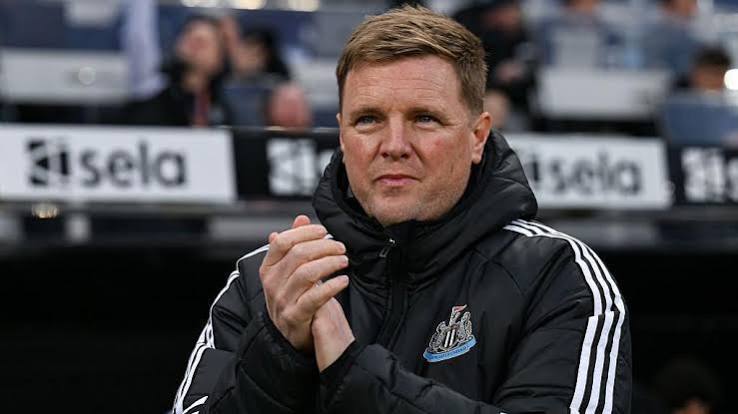
  • Newcastle and Eddie Howe Part Ways: A Mid-Window Shock That Redefines Ambition

    Newcastle and Eddie Howe Part Ways: A Mid-Window Shock That Redefines Ambition

    On a quiet Friday afternoon in the middle of the summer transfer window, Newcastle United dropped a bombshell: Eddie Howe, the man who ended a 70-year trophy drought, is gone. After 230 games and one League Cup, the partnership that felt like a fairy tale has dissolved in real time—not with a season-ending handshake, but with a dramatic uncoupling that leaves fans, players, and pundits scrambling for answers.

    This isn’t a sacking born of poor results. Howe just delivered a Carabao Cup and a fifth-place Premier League finish. This is a strategic rupture, a philosophical clash over how far this club can go and how to get there. The timing—mid-window, with key players linked to exits—turns a managerial change into a high-stakes chess move that could reshape Newcastle’s trajectory for years.

    The Bigger Picture: What This Means for Newcastle’s Future

    This departure is a defining moment for Newcastle’s project. It signals that the owners are serious about competing at the highest level, but it also exposes the limits of their patience. They’ve invested billions, and they want returns—not just in trophies, but in sustained title challenges. Howe delivered a trophy, but he couldn’t consistently break into the top four. The board believes a new manager can.

    But there’s a cautionary tale here. Manchester United, Chelsea, and Tottenham have all cycled through managers in recent years, often with disappointing results. Stability matters in football, and Howe provided that. The next manager will inherit a squad that’s good but not great, with PSR constraints limiting their ability to strengthen. They’ll be expected to improve on a fifth-place finish and a trophy—a tall order for anyone.

    For Howe, this is a chance to reset. He leaves with his reputation enhanced, a proven winner at the top level. He’ll be a top candidate for any Premier League or European job, and he’ll have his pick of clubs. He may even take a break, recharge, and come back stronger. But for Newcastle, the clock is ticking. The new manager—whoever it is—will have just weeks to assess the squad, make signings, and prepare for the season. It’s a high-risk, high-reward gamble that could define the club’s next decade.

    Eddie Howe’s departure from Newcastle United is a seismic event in English football—not because he failed, but because he succeeded and still wasn’t enough. It’s a story of ambition colliding with reality, of owners who want more and a manager who gave everything. As the transfer window heats up and the new manager takes the reins, one thing is certain: Newcastle will never be the same. And for Howe, the next chapter begins with a legacy intact and a point to prove.

    Summary

    • Eddie Howe leaves Newcastle after 230 games, one League Cup, and a fifth-place finish—a shock mid-window departure.
    • The split is strategic, not performance-based: a clash over transfer policy and long-term vision with the PIF ownership.
    • Timing is destabilizing: star players like Isak and Bruno Guimarães may now consider exits, and a new manager has little time to prepare.
    • Fans are divided between anger at losing a beloved coach and excitement for a potential ‘bigger name’ replacement.
    • The move signals Newcastle’s owners are ruthless in their pursuit of a title, but it’s a high-risk gamble that could backfire.

    FAQ

    Q: Why did Eddie Howe leave Newcastle United?
    A: The official statement says ‘parted ways,’ but reports suggest a strategic disagreement over transfer policy and squad rebuild. Howe wanted to keep his core intact; the board, under PSR constraints, may have wanted to sell key players to reinvest. It’s a philosophical clash, not a results-based decision.

    Q: What did Eddie Howe achieve at Newcastle?
    A: He took over a team in 19th place in November 2021 and guided them to safety, then a 4th-place finish in 2022–23 (Champions League qualification), and a 5th-place finish in 2024–25. He also won the 2024–25 Carabao Cup, ending a 70-year domestic trophy drought.

    Q: Who will replace Eddie Howe?
    A: No successor has been announced yet. Names like José Mourinho, Thomas Tuchel, and other top European coaches have been mentioned, but the club hasn’t confirmed anything. The new manager will face immediate pressure to build on Howe’s success.

    Q: Will key players like Alexander Isak and Bruno Guimarães leave?
    A: Their futures are now uncertain. Both have praised Howe publicly, and his departure could influence their decisions. However, they’re under contract, and the club may resist selling unless offers meet their valuation. A new manager could also convince them to stay.

    Q: Is this a good decision by Newcastle’s owners?
    A: It’s a gamble. Howe delivered a trophy and top-five finishes, but the owners want more. The mid-window timing is risky and could destabilize the squad. If the new manager fails to improve, the decision will be heavily criticized. If they push for a title, it’ll be seen as a masterstroke.