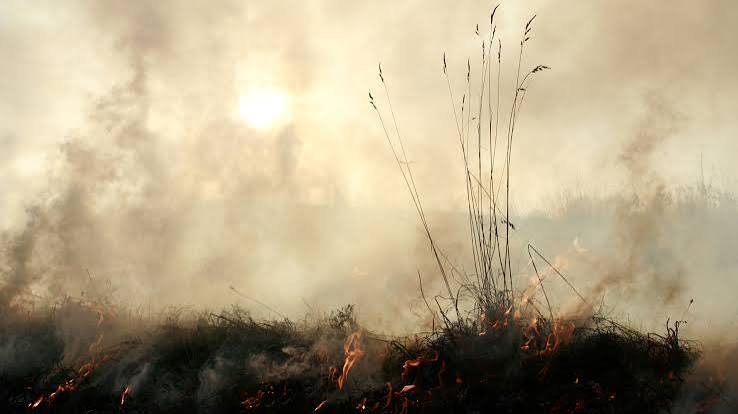
In 2023, the world sweltered through the hottest year on record, and a strong El Niño added fuel to the fire. Now, climate researcher Jong-Seong Kug warns that a ‘super El Niño’ a rare, extreme version of this natural climate phenomenon could be the final push that tips an already stressed climate system over a critical edge. The result could be irreversible changes, from Amazon dieback to coral reef collapse.
Kug, a distinguished scientist at Pohang University of Science and Technology (POSTECH) in South Korea, has spent years studying how these extreme events interact with the planet’s most vulnerable systems. His message is not one of doom, but of urgency: the risk is real, and it’s closer than we think.
What is a Super El Niño?
El Niño is part of the El Niño–Southern Oscillation (ENSO) cycle, a natural seesaw of ocean temperatures in the tropical Pacific that influences weather worldwide. During El Niño, trade winds weaken, allowing warm water to slosh eastward toward South America. This shift alters atmospheric circulation, bringing drought to some regions and floods to others.
A super El Niño is the extreme end of this spectrum. Sea surface temperatures in the central-eastern Pacific can exceed 2°C above average for months. The last three super El Niños 1982–83, 1997–98, and 2015–16 each caused catastrophic floods, droughts, and heatwaves across the globe. The 1997–98 event, for instance, killed an estimated 2,000 people and caused over $30 billion in damages.
The Tipping Point Concept
A climate tipping point is a threshold beyond which a system undergoes rapid, self-sustaining change—often irreversible. Think of the Amazon rainforest: as temperatures rise and droughts become more frequent, parts of it may shift from lush forest to savanna. That transition could release massive amounts of carbon, accelerating warming further.
The IPCC lists several such tipping elements: the collapse of the Greenland ice sheet, the dieback of the Amazon, the loss of coral reefs, and shifts in the Atlantic Meridional Overturning Circulation (AMOC), to name a few.
These systems are already under stress. The planet has warmed about 1.2–1.3°C above pre-industrial levels, and 2023–24 saw record-breaking heat and a strong—but not super—El Niño. That event contributed to extreme weather but did not trigger a known tipping point. Yet it underscored how close we may be.
Kug’s Research: How El Niño and Warming Interact
Kug’s work focuses on how global warming affects El Niño intensity. His research, published in top journals like Nature and Science, suggests that as oceans warm, the likelihood of super El Niño events increases. Warmer oceans provide more energy for these events to grow, and some models project that their frequency could double by the end of the century.
But Kug’s concern goes beyond the events themselves. He studies how a super El Niño could interact with other parts of the climate system. For example, a severe El Niño can trigger droughts in the Amazon, making the forest more susceptible to fires. Those fires release carbon, which adds to global warming, which in turn increases the chance of more El Niños—a dangerous feedback loop.
In a 2023 interview, Kug said, “A super El Niño could act as the straw that breaks the camel’s back. The climate system is already stressed; one large perturbation could push it across a critical threshold.”
The Scientific Debate: How Real Is the Risk?
Not all scientists agree that a single El Niño, however extreme, could trigger a global tipping point. Some argue that tipping points are driven by long-term warming trends, not short-term events. They point out that even the 2015–16 super El Niño, which caused massive coral bleaching, did not cause a permanent collapse of the Great Barrier Reef—though it came close.
Others question whether super El Niños will actually become more frequent. While some climate models project an increase, others show no significant change. This uncertainty is a key area of ongoing research.
Still, many experts agree with Kug’s broader point: extreme events can hasten tipping points, especially for vulnerable systems like the Amazon or coral reefs. A 2020 study in Nature Climate Change found that the 2019–20 Australian bushfires, exacerbated by drought and heat, pushed ecosystems to the brink in ways that were not fully reversible.
The Stakes: Economic and Humanitarian Impacts
A super El Niño is not just an environmental concern. It could cause billions of dollars in damages—wiping out crops in Southeast Asia, triggering floods in South America, and worsening food and water insecurity in southern Africa. The 2015–16 event, for example, led to food shortages for over 60 million people globally.
Insurance companies and disaster preparedness agencies are already using El Niño forecasts to plan for the worst. But as Kug warns, the worst-case scenario may go beyond short-term disasters. If a tipping point is crossed, the effects could last for centuries.
What Can Be Done?
Kug emphasizes that his warning is not a reason for despair. “Every fraction of a degree of warming we avoid matters,” he says. “We still have time to act, but the window is narrow.”
Reducing greenhouse gas emissions remains the most effective way to lower the risk of crossing tipping points. Adaptation measures—such as strengthening early warning systems and building climate-resilient infrastructure—can also help communities survive the impacts of extreme El Niños.
But the urgency is clear. The climate system is already under pressure, and the next super El Niño—whenever it comes—could be the event that pushes it over the edge.
Jong-Seong Kug’s warning is a stark reminder that the climate crisis is not a distant future problem. It is a present-day risk, amplified by natural variability. A super El Niño may not be the sole cause of a tipping point, but it could be the final straw. The good news is that we still have agency. By cutting emissions and preparing for extreme events, we can reduce the odds of crossing that critical threshold—and keep the planet within safe boundaries.
Summary
- A super El Niño is an extreme form of El Niño, with sea surface temperatures exceeding 2°C above average.
- Climate researcher Jong-Seong Kug warns that a super El Niño could push the climate system past a tipping point, causing irreversible changes.
- Tipping points include Amazon dieback, coral reef collapse, and ice sheet loss, which are already stressed by ~1.3°C of warming.
- Kug’s research suggests warming oceans may make super El Niños more frequent, amplifying feedback loops.
- While some scientists debate the likelihood, the risk is real and underscores the urgency of emissions reductions and adaptation.
FAQ
Q: What exactly is a super El Niño?
A: A super El Niño is an extreme form of the El Niño phenomenon, where sea surface temperatures in the central-eastern Pacific exceed 2°C above average for several months. Historical examples include 1982–83, 1997–98, and 2015–16.
Q: How could a super El Niño trigger a tipping point?
A: A super El Niño adds a large, short-term perturbation to an already stressed climate system. For example, it can cause severe droughts in the Amazon, increasing fire risk and potentially pushing the forest past a threshold where it can no longer recover.
Q: Are tipping points inevitable?
A: No. Tipping points are probabilistic and depend on cumulative stress. While a super El Niño could be the final push, reducing emissions and limiting warming can lower the risk.
Q: Did the 2023–24 El Niño cause a tipping point?
A: No, the 2023–24 El Niño was strong but not classified as super, and it did not trigger a known tipping point. However, it contributed to record global temperatures and extreme weather, highlighting the risk.
Q: What can individuals do to help?
A: Individuals can reduce their carbon footprint, support climate-friendly policies, and advocate for emissions reductions. Collective action is essential to address the root cause.