Tag: surveillance

  • The $1 Car Insurance Fee Funding Flock Cameras in Texas

    The $1 Car Insurance Fee Funding Flock Cameras in Texas

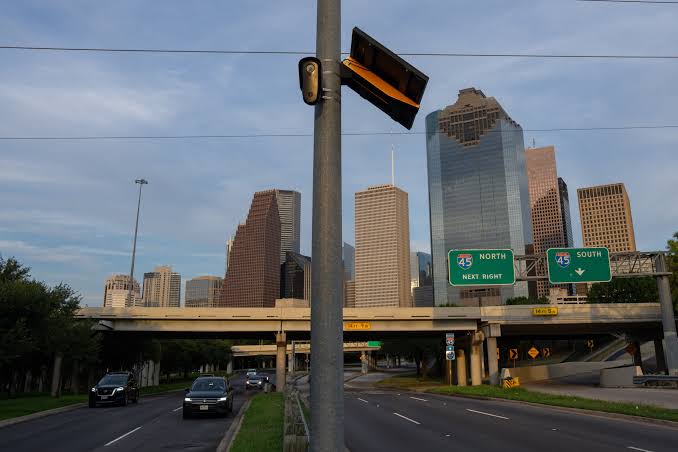
    If you drive a car in Texas, you’re likely paying a hidden $1 fee on your auto insurance policy. That dollar doesn’t go to the insurance company it funds the Motor Vehicle Crime Prevention Authority (MVCPA), a state agency created in 2001 to combat auto theft. But in recent years, the MVCPA has been using that money to buy Flock Safety cameras, automated license plate readers that are popping up on poles across the state.

    These cameras aren’t just watching for stolen cars. They’re part of a growing network of surveillance that records every vehicle that passes by whether it’s involved in a crime or not. And most drivers have no idea their insurance premiums are footing the bill. This article explains how that $1 fee works, how it got redirected from fighting auto theft to funding a private surveillance company, and what it means for your privacy.

    How the $1 Fee Works

    Back in 2001, the Texas Legislature created the MVCPA to tackle a specific problem: auto theft. To fund it, they added a $1 surcharge to every motor vehicle liability insurance policy written in the state. If you buy car insurance in Texas, you pay this fee—it’s listed as a line item on your policy, often bundled into the premium so you don’t notice it.

    The MVCPA then distributes this money as grants to local law enforcement agencies. For years, those grants went to auto theft task forces, bait vehicles, and investigative units. The idea was straightforward: use a small fee on every driver to fund efforts to catch car thieves.

    But over time, the agency’s mandate broadened. The Legislature expanded the definition of “motor vehicle crimes” to include things like hit-and-runs and theft from vehicles. That change opened the door for funding technology like license plate readers, which can help solve a wide range of crimes beyond just auto theft.

    The $1 fee on your car insurance was meant to fight auto theft—and it still does, in part. But it’s also become a funding stream for a private surveillance company with cameras on thousands of poles across Texas. Whether that’s a good use of your dollar depends on how you weigh public safety against privacy. If you’re uncomfortable with the trade-off, ask your state representative why a fee for fighting auto theft is now paying for mass surveillance—and whether that’s what you signed up for when you bought your policy.

    Summary

    • A $1 fee on every car insurance policy in Texas funds the Motor Vehicle Crime Prevention Authority (MVCPA), a state agency created in 2001 to fight auto theft.
    • The MVCPA now uses those funds to give grants to police departments to buy Flock Safety cameras—automated license plate readers that record every passing vehicle.
    • Texas has become one of Flock’s largest markets, with hundreds of agencies using the cameras.
    • Critics argue this is a form of warrantless mass surveillance, since the cameras capture everyone’s movements, not just suspects’.
    • Supporters say the cameras help solve crimes like car theft and hit-and-runs, and that the fee is already in place, so it’s a natural evolution of the MVCPA’s mission.

    FAQ

    Q: How do I know if I’m paying the $1 fee?
    A: Check your auto insurance policy document—it should list a $1 surcharge for “Motor Vehicle Crime Prevention Authority” or similar. It’s often bundled into your total premium, so you may not see it unless you read the fine print.

    Q: What exactly do Flock cameras do?
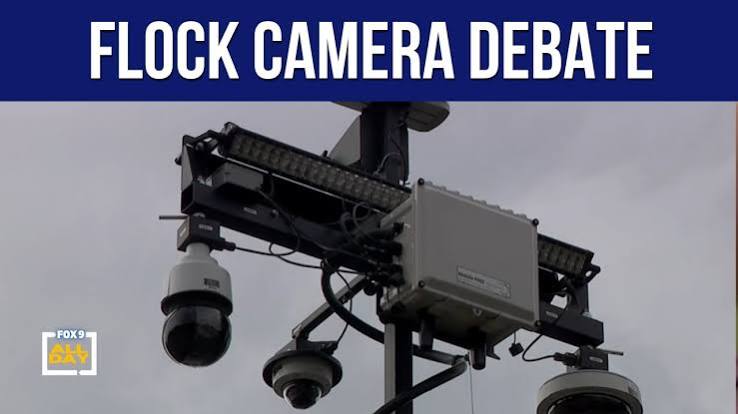
    A: Flock cameras are solar-powered, cellular-connected devices that capture license plates and vehicle characteristics (make, model, color, and sometimes roof racks or bumper stickers). They take photos of every vehicle that passes and store the data for 30 days by default.

    Q: Can the police access my data without a warrant?
    A: Flock cameras capture data on all vehicles, not just suspects. Law enforcement can search that data for specific plates or vehicle descriptions. In many cases, they do this without a warrant, raising privacy concerns.

    Q: Why are these cameras controversial?
    A: Privacy advocates argue that ALPRs create a searchable database of everyone’s movements, which could be used for purposes beyond crime-solving, such as tracking people at protests or reproductive health clinics. There’s also concern about equitable deployment—cameras often go in affluent suburbs where residents can afford the subscription.

    Q: Is the $1 fee a new tax?
    A: No, the fee has existed since the early 2000s. What’s changed is how the money is allocated. Instead of only funding auto theft task forces, the MVCPA now also funds ALPR networks, which is a significant departure from its original mission.

  • The Eye in the Sky: What Casino Surveillance Teams Actually Watch

    The Eye in the Sky: What Casino Surveillance Teams Actually Watch

    When you step onto a casino floor, the chime of slot machines and the shuffle of cards are not the only things tracking your every move. High above the gaming tables, in a windowless room packed with monitors, a team of former police officers and military analysts is watching. They can zoom in on the sweat on a dealer’s brow, follow a single chip as it changes hands, and flag a player who seems a little too interested in the ceiling.

    Casino surveillance, often called ‘the eye in the sky,’ is one of the most secretive operations in the gaming industry. But what exactly do these teams watch for? The answer goes far beyond catching cheaters. From employee theft to money laundering, and even your body language, casinos are collecting a staggering amount of data on everyone who walks through their doors.

    A City of Cameras

    Walk into any large casino on the Las Vegas Strip, and you’re being recorded by more cameras than you’d find in a typical airport. Modern casinos can have anywhere from 1,000 to 3,000 cameras, with some mega-resorts exceeding 5,000. These aren’t just scattered around the gaming floor. They cover entrances, parking garages, cash-handling rooms, and even back-of-house areas where employees take breaks.

    The coverage is near-total for anything involving money. Every gaming table, cashier cage, and ATM has a camera angle that captures it from multiple views. Slot machines are monitored both by overhead cameras and through internal data feeds, so surveillance operators can see exactly what’s happening on the screen in real time, even if the player is standing in the way.

    These cameras are not your average security cameras. Many are PTZ (pan-tilt-zoom) models with 36x to 50x optical zoom. From across the room, they can read the suit of a card or the denomination of a chip. In high-stakes areas, 4K resolution and facial recognition software add another layer of scrutiny, though the use of facial recognition varies by jurisdiction. In Macau and parts of the U.S., it’s deployed to flag known cheats and banned players. Elsewhere, privacy laws restrict its use.

    More Than Cheaters: The Surprising Targets

    If you think surveillance is all about catching card counters and card markers, think again. While cheating at table games is a major focus, the biggest theft problem in casinos is often internal. Employee theft—whether a dealer skimming chips, a cashier pocketing a payout, or a slot attendant faking a jackpot—accounts for a larger share of losses than patron theft. That’s why surveillance teams watch employees just as closely as customers.

    One of the most common schemes they’re trained to spot is collusion between a dealer and a player. A dealer might signal the value of their hole card with a subtle hand gesture, or a player might ‘past-post’ by adding a bet after the outcome is known. These moves are easy to miss for the untrained eye but stand out to an operator who’s seen thousands of hands.

    Surveillance also plays a role in comp fraud. Players who claim they played for six hours at a $100 table when they actually played for one hour at a $5 table are committing fraud. Operators watch for patterns of play that don’t match the player’s claimed activity.

    Then there’s money laundering. Casinos are attractive targets for criminals looking to legitimize dirty money. Surveillance teams look for ‘structuring’—breaking up large transactions into smaller ones to avoid reporting thresholds—or ‘chip walking,’ where someone buys chips, plays briefly, and then cashes out, creating a paper trail that looks like gambling winnings.

    The Human Element: Watching the Watchers

    All the cameras in the world wouldn’t help without skilled eyes to interpret the footage. That’s where the human element comes in. A typical Las Vegas Strip casino employs 50 to 150 surveillance operators, many of them former law enforcement or military personnel. They’re trained to read body language, betting patterns, and dealer mechanics.

    A surveillance operator might notice that a player at a blackjack table never looks at the dealer, only at the cards. That could signal an advantage player who’s tracking cards. Or they might see a dealer whose hands move in an unusual pattern after a high-value player sits down—a potential sign of collusion.

    The job is psychologically demanding. Operators work in shifts, often in windowless rooms with banks of monitors. They must maintain intense focus for hours, knowing that a single missed detail could cost the casino thousands of dollars. Some casinos are now using AI-based behavioral analytics to help flag anomalies, like a player who stands too close to a slot machine or a dealer who touches their face at the same time every hand. But the human eye remains the final authority.

    The Regulatory Web: More Than Just House Rules

    Casino surveillance isn’t just a matter of house policy; it’s heavily regulated. In Nevada, the Gaming Control Board sets minimum standards for camera coverage, requiring that all gaming tables, cashier cages, and count rooms be under surveillance. Record retention rules vary by jurisdiction, but most casinos keep general footage for 7 to 30 days, and longer if it’s related to a jackpot or dispute.

    Surveillance rooms are off-limits to anyone without a gaming license. Operators must pass background checks and undergo continuous training. In some states, like New Jersey, footage can be subpoenaed in legal disputes. In others, it’s considered proprietary and is closely guarded.

    This regulatory framework exists because casinos are both a target for crime and a magnet for litigation. Surveillance footage protects the casino from fraudulent injury claims (someone slipping on a wet floor they caused) and supports the house in disputes over payouts. It also helps catch pickpockets and other criminals who prey on patrons.

    What It Means for You

    For the average player, being watched is a fact of life in a casino. But it’s not just about catching cheats. The data collected can be used to build a profile of your behavior. Casinos watch high rollers to ensure they get the right comps—if you’re playing $500 a hand, they want to know it, so they can offer you a free suite. But they’re also collecting information on your habits, your preferences, and even your reactions to wins and losses.

    Privacy advocates raise concerns about this level of monitoring, especially with face recognition and data sharing with law enforcement. Casinos, on the other hand, argue that surveillance protects everyone—patrons and staff alike. And in a business where millions of dollars change hands every day, the eye in the sky is unlikely to blink.

    The next time you toss a chip onto a craps table, remember that someone, somewhere, is probably watching. But it’s not personal—it’s just business. Casino surveillance is a sophisticated mix of technology and human intuition, designed to protect the house, the employees, and the patrons. While the idea of being constantly monitored might feel uncomfortable, it’s also what keeps the game fair and the casino safe. So play your cards right, and you’ll have nothing to worry about.

    Summary

    • Modern casinos can have 1,000 to 3,000+ cameras, with some exceeding 5,000, covering every angle of the gaming floor and back-of-house areas.
    • Surveillance teams watch for more than just cheating: employee theft, comp fraud, money laundering, and safety incidents are all major targets.
    • Operators are often former law enforcement or military, trained to read body language and betting patterns.
    • AI and facial recognition are increasingly used, but human operators remain essential.
    • Regulatory bodies like the Nevada Gaming Control Board mandate minimum surveillance standards and record retention periods.

    FAQ

    Q: Are casinos allowed to use facial recognition?
    A: It depends on the jurisdiction. Some, like Macau and parts of the U.S., use it to flag known cheats and banned players. Others restrict its use due to privacy laws.

    Q: Can surveillance footage be used against me?
    A: In some jurisdictions, such as New Jersey, footage can be subpoenaed in legal disputes. In others, it’s considered proprietary and is not shared without a court order.

    Q: Do casinos watch card counters?
    A: Yes, but card counting is legal. Casinos can’t arrest you, but they can ban you from the property. Surveillance teams track counters to identify them and alert security.

    Q: How long do casinos keep surveillance footage?
    A: It varies, but generally 7 to 30 days for general footage. Footage related to jackpots or disputes may be kept longer.

    Q: Can employees see the surveillance feed?
    A: No. Surveillance rooms are off-limits to anyone without a gaming license, and operators are required to maintain confidentiality.

  • Winona’s Flock Cameras Stolen: What It Means for Surveillance and Safety

    Winona’s Flock Cameras Stolen: What It Means for Surveillance and Safety

    In a small Minnesota city, something unusual happened: every single automated license plate reader camera owned by the police was cut down and stolen in one coordinated operation. The Winona Police Department lost its entire fleet of Flock Safety cameras overnight, leaving investigators without a tool they had come to rely on. This incident raises important questions about the role of surveillance technology in small towns, the vulnerabilities of such systems, and what happens when they are taken away.

    For residents of Winona, the theft is both puzzling and concerning. Were the cameras targeted by criminals trying to avoid detection? Or was this an act of protest against mass surveillance? The answer is not yet clear, but the event highlights a growing tension between public safety and privacy in communities across the United States.

    What Are Flock Cameras?

    Flock cameras are automated license plate readers (ALPRs) made by a private company called Flock Safety. They are small, solar-powered devices that can be attached to existing poles, like streetlights or utility poles. Each camera takes photos of every license plate that passes by and uploads the data to a cloud-based system. Police can then search for specific plates—for example, those linked to a stolen car or an AMBER Alert—and get a list of locations where that vehicle has been seen.

    Unlike traditional surveillance cameras that record video, Flock cameras only capture still images of license plates and vehicle characteristics (like make, color, and unique features). They do not record people’s faces or live video feeds. The idea is to provide investigators with leads, not to monitor people in real time.

    The Theft: A Coordinated Effort

    On August 4, 2026, Winona Police discovered that all of their Flock cameras had been cut down from their poles and stolen. This was not a random act of vandalism—it required planning, tools, and likely multiple people working together. To remove a camera, someone would need to climb up to the pole, cut the mounting bracket (possibly with an angle grinder or bolt cutters), and then lower the device down without being noticed. Doing this for every camera in the city suggests the thieves knew exactly where each one was located and had a way to move quickly.

    Authorities described the theft as “coordinated,” meaning they believe it was a deliberate operation, not a spontaneous crime. As of the initial report, no suspects had been identified, and the investigation was ongoing.

    Why Would Someone Steal All the Cameras?

    There are several possible motivations, and the truth may be a combination of them:

    • Criminal activity: Criminals who want to avoid being tracked might steal the cameras to reduce the chance of being caught. If the cameras are gone, police lose a valuable tool for solving property crimes and identifying suspects.
    • Anti-surveillance activism: Some people oppose automated license plate readers because they see them as an invasion of privacy. While most activists would not endorse theft, a few might resort to direct action to remove what they see as an intrusive surveillance system.
    • Profit: Flock cameras are not cheap—they cost around $2,000 to $3,000 each. They could be resold on the black market or stripped for parts.
    • Personal grudge: Someone with a vendetta against the police department might have targeted the cameras as a way to cause disruption.

    The Impact on Winona Police

    For a department in a city of about 27,000 people, losing all Flock cameras is a significant setback. These cameras were likely used to solve crimes like car thefts, burglaries, and even more serious offenses. Without them, investigators will have to rely on traditional methods, such as witness interviews and physical evidence, which can be slower and less effective.

    The financial cost is also a concern. Replacing the cameras could cost tens of thousands of dollars, money that might have to come from the city’s budget or grants. This could mean fewer resources for other public safety needs.

    The Privacy Debate

    This incident also brings up the ongoing debate about surveillance technology. Supporters of Flock cameras argue that they help solve crimes and make communities safer. They point to cases where ALPRs led to arrests or helped find missing persons. Opponents, however, worry about the potential for abuse. They ask: Who gets to access the data? How long is it stored? Can it be used to track innocent people?

    In Winona, the theft might actually fuel both sides. Police might say, “The fact that criminals stole the cameras proves they are effective—criminals want them gone.” Privacy advocates might respond, “This shows that surveillance infrastructure is vulnerable and can be used against the community.”

    What Happens to the Data?

    One question that often comes up is: What about the data already collected? Flock cameras typically store data in the cloud, not on the device itself. So even though the cameras are gone, the data they collected before the theft is likely still available to police. That means the thieves did not erase the past records—they only stopped future collection.

    This is an important point because it means the theft does not erase the surveillance that already occurred. It only prevents new data from being gathered.

    The Broader Implications

    This incident is not just about Winona. It highlights a vulnerability in how surveillance systems are deployed. Many cities and towns have installed Flock cameras without thinking much about their physical security. If a determined group can steal an entire fleet in one night, what does that say about the resilience of such systems?

    It also raises questions about the role of private companies in public safety. Flock Safety is a for-profit company that sells its cameras to police departments. When a camera is stolen, does the company offer a discount for replacements? Do they provide insurance? These are practical concerns that other departments might now consider.

    Looking Ahead

    As the investigation continues, Winona will have to decide whether to replace the cameras. Some residents may push for their return, citing public safety. Others may see this as an opportunity to reconsider whether such surveillance is necessary. The city council might hold public meetings to discuss the issue.

    For now, the cameras are gone, and the community is left to grapple with what that means. The theft was a bold move, but its consequences are still unfolding.

    The theft of Winona’s Flock cameras is a striking example of how surveillance technology can be both a tool for safety and a target for those who oppose it. While the investigation continues, the incident forces a conversation about privacy, security, and the lengths some will go to avoid being watched. Whether Winona rebuilds its camera network or rethinks its approach, this event will likely be a case study for other communities facing similar decisions.

    Summary

    • All of Winona Police Department’s Flock license plate reader cameras were stolen in a coordinated theft on August 4, 2026.
    • The cameras were cut down from their poles, indicating a planned operation by individuals with knowledge of their locations.
    • Motivations could include criminal avoidance, anti-surveillance activism, profit, or a personal grudge.
    • The theft impacts police investigative capabilities and carries significant replacement costs.
    • The incident highlights vulnerabilities in physical security of surveillance systems and sparks debate about privacy vs. safety.

    FAQ

    Q: What are Flock cameras?
    A: Flock cameras are automated license plate readers made by Flock Safety. They capture images of license plates and vehicle details, which police can search to help solve crimes.

    Q: Why were all the cameras stolen?
    A: The exact motive is unknown, but possibilities include criminals wanting to avoid detection, anti-surveillance activists, thieves looking to sell the hardware, or someone with a grudge against the police.

    Q: Will the stolen cameras affect police work?
    A: Yes, the loss of the cameras means police lose a tool for identifying suspects and solving crimes. They will have to rely on traditional investigative methods.

    Q: Is the data from the cameras lost?
    A: No, the data is stored in the cloud, not on the cameras themselves. So the data collected before the theft is still available to police.

    Q: What happens next?
    A: The police are investigating the theft. The city will need to decide whether to replace the cameras, which could be costly. The incident may also prompt public discussions about surveillance in Winona.

  • Canada Quietly Signs UN Cybercrime Treaty: A Surveillance Pact in Disguise?

    Canada Quietly Signs UN Cybercrime Treaty: A Surveillance Pact in Disguise?

    In late 2025, Canada quietly signed the United Nations Convention on Cybercrime, a treaty that aims to harmonize cybercrime laws globally. But critics warn that beneath its crime-fighting surface, the treaty contains provisions that could enable mass surveillance and undermine civil liberties. The signing, which occurred with little public debate or parliamentary scrutiny, has raised alarms among privacy advocates who see it as a backdoor to expanded state powers.

    This article unpacks what the treaty actually says, why Canada signed it, and what it could mean for your digital rights. We’ll explore the fine print on data collection, the vague ‘prevention’ clause, and the geopolitical chess game that led to this moment. By the end, you’ll understand why this seemingly technical treaty is anything but mundane.

    What Is the UN Cybercrime Convention?

    Formally known as the ‘United Nations Convention on Countering the Use of Information and Communications Technologies for Criminal Purposes,’ this treaty was adopted by the UN General Assembly in December 2024. It’s a broad agreement that requires signatories to criminalize a range of cyber offenses—from illegal access to data interference, fraud, and child sexual abuse material. It also sets up frameworks for international cooperation, including mutual legal assistance and extradition.

    But the treaty goes beyond simple crime-fighting. It includes provisions for real-time collection of traffic data and preservation of electronic evidence. These are tools that law enforcement agencies love, but they come with significant privacy implications. The treaty also has a controversial ‘prevention’ clause that critics argue could be used to justify broad surveillance or content moderation mandates.

    The Quiet Signing: Why No One Noticed

    Canada signed this treaty in 2025–2026 with almost no public fanfare. There were no major press conferences, no parliamentary debates, and no consultations with civil society. This is a stark contrast to how Canada typically handles major international agreements. The government’s silence has led to accusations that it’s trying to sneak a surveillance-friendly treaty past the public.

    Why the secrecy? One possibility is that the government knows the treaty is controversial. Another is that it’s part of a broader strategy to engage with the UN process to counter Russian and Chinese influence. But whatever the reason, the lack of transparency is troubling for a treaty that could affect the digital rights of every Canadian.

    The Surveillance Provisions: What’s in the Fine Print?

    Let’s break down the most concerning parts of the treaty. First, there’s the real-time collection of traffic data. This means that internet service providers (ISPs) could be required to hand over information about who you’re communicating with, when, and from where—in real time. This is different from wiretapping, which captures the content of communications. Traffic data is metadata, and it can reveal a lot about your life, even if the content of your messages remains private.

    Second, the treaty requires signatories to preserve electronic evidence. This sounds benign, but it can mean that companies must store data for long periods, even if there’s no ongoing investigation. This could lead to data retention mandates that force companies to keep logs of your online activities for months or years.

    Third, the ‘prevention’ clause is vague. It says that countries should take measures to prevent cybercrime, but it doesn’t define what those measures are. This could be interpreted to require ISPs and platforms to monitor content for illegal activity, which would be a form of mass surveillance. It could also be used to pressure companies to weaken encryption, which would make everyone less secure.

    The Budapest Convention: A Better Alternative?

    Canada is already a party to the Budapest Convention on Cybercrime, which has been the gold standard for international cybercrime cooperation since 2001. The Budapest Convention has strong human rights protections and requires that any data collection be subject to due process. The UN treaty, in contrast, has weaker safeguards, which is why many experts see it as a step backward.

    Why would Canada sign a weaker treaty when it already has a better one? The answer may lie in geopolitics. The UN treaty was a Russian-led initiative, and by signing it, Canada can have a seat at the table when the rules are being written. But critics argue that this legitimizes a treaty that could be used by authoritarian states to justify surveillance of dissidents and journalists.

    What Does This Mean for Canadians?

    If Canada ratifies the treaty, it will need to update its laws to comply. This could mean changes to the Criminal Code and the Privacy Act. The government might argue that existing laws already meet the treaty’s requirements, but the treaty’s vague language could be used to push for more expansive surveillance powers.

    For ordinary Canadians, the most immediate impact could be on your online privacy. If ISPs are required to collect and store traffic data, that information could be accessed by law enforcement without a warrant in some cases. The treaty also creates a framework for sharing evidence across borders, which could make it easier for foreign governments to request data about Canadians.

    The Geopolitical Angle: Why Canada Signed

    Canada’s decision to sign is not just about cybercrime; it’s about international relations. The UN treaty was adopted with support from many Global South countries, who see it as a way to get technical assistance and capacity building. By signing, Canada can help shape how the treaty is implemented, potentially pushing for stronger human rights protections.

    But there’s a risk: by signing, Canada lends legitimacy to a treaty that could be used to justify authoritarian surveillance. Some argue that boycotting the treaty would be worse, as it would leave the field open to Russia and China to define the norms. It’s a delicate balance, and the Canadian government seems to be betting that it can influence the treaty from within.

    The Path to Ratification: Still a Chance for Debate

    Signing is just the first step. The treaty will only enter into force after 40 countries ratify it, and as of early 2026, fewer than 20 have done so. In Canada, ratification requires parliamentary approval, which means there’s still time for public debate. Civil society groups are already calling for hearings and consultations, and it’s possible that the government will face pressure to add reservations or interpretative declarations to protect Canadians’ rights.

    If you’re concerned about this treaty, now is the time to speak up. Contact your MP, join privacy advocacy groups, and demand that the government be transparent about its intentions. The treaty may have been signed quietly, but its impact could be loud and lasting.

    Canada’s quiet signing of the UN Cybercrime Convention is a wake-up call for anyone who cares about digital rights. The treaty’s surveillance-friendly provisions, combined with the lack of public debate, make it a dangerous precedent. While signing doesn’t mean immediate ratification, it sets the stage for a potential erosion of privacy protections. Canadians must demand transparency and accountability before this treaty moves any further.

    Summary

    • Canada signed the UN Cybercrime Convention in 2025–2026 with little public or parliamentary scrutiny.
    • The treaty includes provisions for real-time traffic data collection and electronic evidence preservation, which could enable mass surveillance.
    • The vague ‘prevention’ clause could be used to justify content monitoring or weakened encryption.
    • Canada is already a party to the stronger Budapest Convention, raising questions about why it signed a weaker treaty.
    • The treaty is not yet ratified; there is still time for public debate and parliamentary oversight.

    FAQ

    Q: What is the UN Cybercrime Convention?
    A: It’s a UN treaty adopted in December 2024 that requires countries to criminalize cybercrimes and cooperate internationally. It includes provisions for data collection and evidence sharing that worry privacy advocates.

    Q: Why is Canada’s signing controversial?
    A: Because it happened quietly, without public debate, and the treaty’s provisions could be used to justify surveillance and data retention that infringe on privacy rights.

    Q: How does this treaty differ from the Budapest Convention?
    A: The Budapest Convention has stronger human rights protections and due process requirements. The UN treaty is seen as weaker, with vaguer language that could be exploited by authoritarian governments.

    Q: What can I do to stop it?
    A: Contact your Member of Parliament, support privacy advocacy groups, and demand that the government hold public consultations before ratification.

    Q: Will this affect my online privacy?
    A: If ratified, it could lead to laws requiring ISPs to collect and store traffic data, which law enforcement could access. This could make it easier for authorities to track your online activities.