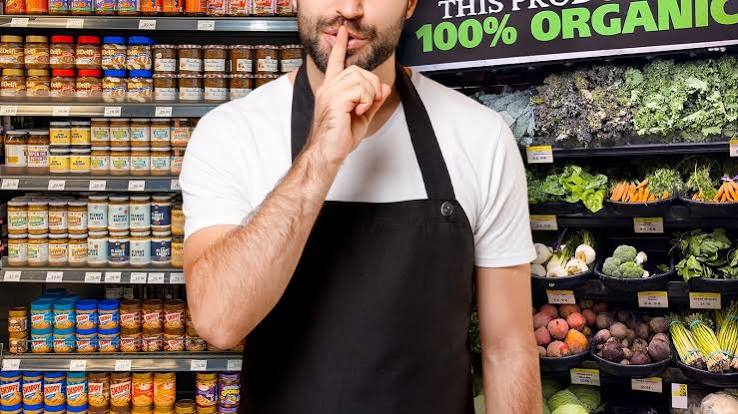
Have you ever wondered why the milk at the front of the shelf always seems to expire sooner, or why the produce section is always at the edge of the store? The modern supermarket is a carefully engineered environment designed to influence your choices—and often, to sell you older stock first. But with a few insider tips, you can outsmart the system and consistently bring home the freshest food possible.
From understanding date labels to knowing when to shop for markdowns, these ten secrets will transform the way you navigate the aisles. You’ll not only get better quality, but you’ll also save money and reduce food waste. Let’s dive in.
1. The Perimeter Is Your Friend
Grocery stores are designed with a purpose: fresh items like produce, dairy, meat, and bakery are placed on the perimeter, while processed goods fill the center aisles. This layout encourages impulse buys and maximizes profit margins. For the freshest picks, stick to the outer edges of the store. The center aisles are where you’ll find shelf-stable items that don’t spoil quickly, so you can shop those less frequently.
2. Decode Date Labels Like a Pro
“Sell-by,” “Best-by,” and “Use-by” dates are not federally regulated (except for infant formula). They are manufacturer suggestions for peak quality, not safety indicators. Most foods remain safe past these dates if stored properly. For example, milk can often last a few days past its sell-by date if kept cold, and eggs can be good for weeks. Trust your senses—if it looks and smells fine, it’s probably okay.
3. Reach to the Back for the Freshest Stock
Stores rotate stock using FIFO (First In, First Out). Newer products are placed at the back of shelves, while older ones are pulled to the front. So, to get the freshest items, reach to the back. This is especially true for dairy, eggs, and packaged goods. You’ll often find a later expiration date on the back-row items.
4. Don’t Be Fooled by Misted Produce
Produce is often misted with water to keep it looking crisp. But that mist can mask wilting and actually accelerate spoilage once you get it home—excess moisture promotes mold. Choose produce that looks dry and firm, and avoid items sitting directly under the misters. Also, check the bottom of the display for older items that may be hidden.
5. Shop Dairy and Eggs from the Back of the Case
Dairy and eggs are typically stocked from the back of the refrigerated case, with the oldest dates at the front. The coldest part of the case is usually at the back, near the vent. So, reach to the back for the coldest, freshest carton of milk or eggs. This ensures you get the longest shelf life.
6. Look for Morning Markdowns on Meat and Seafood
Meat and seafood departments often mark down items approaching their sell-by date, usually in the morning or early afternoon. These are safe if cooked or frozen the same day. Look for “Manager’s Special” or “Reduced” stickers—they indicate items nearing expiration, not spoiled ones. This is a great way to save money on high-quality protein.
7. Know When to Shop for Bakery Freshness
Many “fresh” baked goods arrive par-baked or frozen and are finished on-site. The true bake time is often early morning, before the store opens. So, if you want the freshest bread or pastries, shop in the morning. By evening, those items may be a day old, even if they still look fresh.
8. Use Bulk Bins with Caution
Bulk bins are typically restocked less frequently than packaged items and can harbor dust and cross-contamination. Older product may be mixed with new, so you might not get the freshest batch. If you do use bulk bins, choose stores with high turnover and look for bins that are frequently refilled. For maximum freshness, opt for packaged items instead.
9. Consider Store Brands for Equal Quality
Store brands (private label) are often produced by the same manufacturers as national brands, sometimes in the same facilities, but at a lower price. Quality can be equal or better, and freshness depends on turnover—popular store brands move quickly, so they’re often fresher. Don’t overlook them for staples like canned goods, dairy, and frozen items.
10. Shop Seasonally and Locally
Produce that is in season locally is often fresher and cheaper. Out-of-season items are typically shipped long distances and may be harvested early, then ripened with ethylene gas. For the freshest food, shop at farmers’ markets or join a CSA (Community Supported Agriculture). You’ll get produce picked at peak ripeness, often within 24 hours of harvest.
By applying these ten secrets, you’ll not only get fresher food, but you’ll also save money and reduce waste. Remember, the store’s layout and practices are designed to maximize profit—your job is to shop smart. Next time you’re in the aisles, reach to the back, check the dates, and don’t be afraid to grab that markdown steak. Your taste buds (and wallet) will thank you.
Summary
- Shop the perimeter for fresh items; center aisles are for shelf-stable goods.
- Date labels are not safety indicators—trust your senses.
- Reach to the back for newer stock, especially dairy and eggs.
- Look for morning markdowns on meat and seafood for deals.
- Choose store brands—often same quality, lower price, and high turnover.
FAQ
Q: Is it safe to eat food past its sell-by date?
A: Yes, for most foods. Sell-by dates are about peak quality, not safety. If stored properly, many items are safe for days or even weeks past the date. Use your senses—if it looks and smells fine, it’s likely okay.
Q: Why does produce from the store spoil faster than I expect?
A: Misting in the display case adds moisture, which can promote mold growth once you bring it home. Choose dry, firm produce and store it properly to extend its life.
Q: Are store brands lower quality than national brands?
A: Not necessarily. Store brands are often made by the same manufacturers as national brands, sometimes in the same facilities. Quality is often comparable, and because they sell quickly, they may be fresher.
Q: What’s the best time to shop for the freshest food?
A: Early morning is best for freshly stocked items and markdowns on meat and seafood. Late evening may offer deeper discounts on perishables, but selection may be limited.
Q: How can I tell if a product is truly fresh?
A: Look for signs of proper storage: cold dairy cases, dry produce, and intact packaging. Check dates and reach for items at the back. For produce, choose items that are firm and free of blemishes.