
Tag: saving money

  • 10 Clever DIY Repairs That Will Save You $1,000 This Year

    5 Easy DIY Car Maintenance Tasks That Could Save You $1,000 This Year

    Home repairs can feel like a financial black hole. Between the cost of parts and the hefty labor fees charged by professionals, a single fix can easily set you back a few hundred dollars. But here’s the good news: many common household issues are surprisingly easy to tackle yourself, even if you’re not particularly handy. With a little patience and the right guidance, you can save a significant chunk of change—potentially over $1,000 a year.

    This isn’t about becoming a master carpenter or an electrician. It’s about knowing which repairs are truly beginner-friendly and offer the highest return on your time. From a running toilet that wastes water (and money) to a drafty window that drives up your energy bill, these are the fixes that pay for themselves. Let’s dive into ten clever DIY repairs that can put real money back in your pocket.

    1. Fix a Running Toilet

    A running toilet isn’t just annoying—it can waste up to 200 gallons of water a day, adding a noticeable bump to your water bill. The culprit is often a worn-out flapper, which costs about $10 at any hardware store. Replacing it is a 10-minute job: turn off the water supply, flush to drain the tank, remove the old flapper, and snap in the new one. A plumber would charge $150–$250 for this simple fix. Do it yourself and pocket the difference.

    2. Replace a Faucet Washer or Cartridge

    That dripping faucet isn’t just a nuisance—it can waste thousands of gallons of water a year. Most leaks are caused by a worn-out washer or cartridge, which you can replace for under $30. Start by turning off the water valves under the sink, then disassemble the faucet handle to access the cartridge. Take the old part to the hardware store to match it, install the new one, and reassemble. A plumber would charge $200–$350 for this repair. You’ll save that and gain a sense of accomplishment.

    3. Patch Small Drywall Holes

    Whether it’s a doorknob dent or a nail hole from a picture frame, small drywall holes are easy to fix with a patch kit and some spackle. Clean the area, apply the patch, spread spackle over it, sand smooth, and paint. Materials cost $10–$30, and the job takes about an hour. Hiring a handyman for this would run you $100–$200. Plus, you’ll avoid the annoyance of living with an eyesore.

    4. Clear a Clogged Drain Without Chemicals

    Before you call a plumber for a slow or clogged drain, try a drain snake. You can rent one from a hardware store for $20–$40, or buy a manual one for about $15. Remove the drain cover, feed the snake in, and twist to break up the clog. This is a messy but straightforward job that takes 30–60 minutes. A plumber’s visit for a clogged drain typically costs $100–$300. Skip the harsh chemicals—they can damage pipes—and go mechanical.

    5. Reset or Replace a Garbage Disposal

    If your garbage disposal hums but doesn’t grind, it might just be jammed. First, try pressing the reset button on the bottom. If that doesn’t work, use an Allen wrench to manually turn the blades from the underside. If the disposal is truly dead, replacing it is a DIY-friendly project: disconnect the power, unscrew the mounting ring, and swap in a new unit (around $100–$150). A plumber would charge $150–$400 for this. Just be sure to turn off the power at the breaker before starting.

    6. Change Your HVAC Filter Regularly

    This is the easiest repair on the list—and one of the most impactful. A dirty HVAC filter makes your system work harder, increasing energy bills and shortening its lifespan. Filters cost $10–$30, and replacing them quarterly takes five minutes. Over a year, you could save $50–$100 on energy costs, and you’ll avoid a costly breakdown down the road. Mark it on your calendar and make it a habit.

    7. Caulk Windows and Doors

    Drafty windows and doors let warm air escape in winter and cool air in summer, driving up your energy bills. Sealing gaps with caulk or weatherstripping is a cheap, effective fix. Buy a tube of caulk ($5–$10) and a caulking gun ($10), then run a bead along the seams. For doors, add weatherstripping tape. This project takes a few hours and can save $100–$300 annually in energy costs. It’s a classic high-ROI DIY.

    8. Replace a Toilet Flapper (Again, But Worth It)

    Yes, we mentioned flappers, but this one deserves its own spot because it’s so common and so easy. If your toilet runs intermittently, the flapper is the likely culprit. It’s a $10 part and a 10-minute fix. A plumber would charge $100–$200. Even if you’ve done it before, it’s worth repeating—this is the single easiest way to save money on a repair.

    9. Replace a Dishwasher Door Gasket

    A worn-out dishwasher gasket can cause leaks that damage your floor and subfloor—a repair that could cost $1,500 or more. The gasket itself costs $15–$30 and can be replaced in about 30 minutes. Remove the old gasket by pulling it out of the channel, clean the area, and press the new one in place. This is a preventive measure that saves you from a much bigger headache (and bill) later.

    10. Fix a Squeaky Door Hinge

    A squeaky hinge is a minor annoyance, but it’s also a sign of friction that can wear out the hinge over time. Fix it by applying a few drops of WD-40 or a silicone lubricant to the hinge pin. If the door sticks, you might need to sand the edge or adjust the strike plate. This takes 10 minutes and costs nothing if you have lubricant on hand. A handyman would charge $50–$150 for this. It’s a small win, but it adds up.

    The Bottom Line: Know Your Limits

    While these ten repairs are all DIY-friendly, it’s crucial to know when to call a professional. Gas line work, major electrical, structural changes, and anything involving refrigerant should be left to the experts. A botched DIY job can cost more than the professional would have charged. Always turn off water or power before starting, and if you hit a snag, don’t hesitate to stop and reassess. With these ten repairs, you’re well on your way to saving $1,000 or more this year—without breaking a sweat.

    DIY repairs aren’t just about saving money—they’re about gaining confidence and self-reliance. Start with one or two of these projects, and you’ll quickly see how satisfying (and lucrative) it can be. Remember, the goal isn’t to do everything yourself; it’s to know which things are worth your time. With these ten repairs, you’re making a smart investment in your home and your wallet.

    Summary

    • Save $1,000+ annually by tackling common repairs like running toilets, leaky faucets, and clogged drains yourself.
    • High-ROI projects like fixing a running toilet (10 minutes, $200 saved) and caulking windows ($100–$300 saved) offer the best return on time.
    • Preventive maintenance (e.g., replacing a dishwasher gasket) can avoid costly water damage down the road.
    • Know your limits: Avoid DIY for gas, major electrical, or structural work—a botched job can cost more than a pro.
    • Always turn off water/power before starting, and take the old part to the store to ensure you buy the right replacement.

    FAQ

    Q: Is DIY always cheaper than hiring a professional?
    A: Not always. If you buy the wrong part, make multiple trips, or damage something, you can spend more than a pro would charge. Stick to beginner-friendly repairs and research thoroughly before starting.

    Q: What tools do I need for these repairs?
    A: Most require just a screwdriver, an adjustable wrench, and maybe a plumber’s wrench. For drains, you’ll need a drain snake (rentable). For caulking, a caulking gun. Start with basic tools and add as needed.

    Q: Will DIY repairs void my appliance warranty?
    A: Possibly. Some warranties require certified technicians for repairs. Check your warranty before working on a new appliance. For older appliances, it’s usually safe.

    Q: How do I know if a repair is too difficult for me?
    A: If it involves gas lines, electrical panels, structural walls, or refrigerant, call a pro. Also, if you start and feel overwhelmed, stop and reassess—it’s better to hire someone than to make things worse.

    Q: Can renters do these repairs?
    A: Yes, with landlord permission. Many minor repairs like patching nail holes, re-caulking, and fixing squeaky doors are renter-friendly and can help you get your security deposit back.
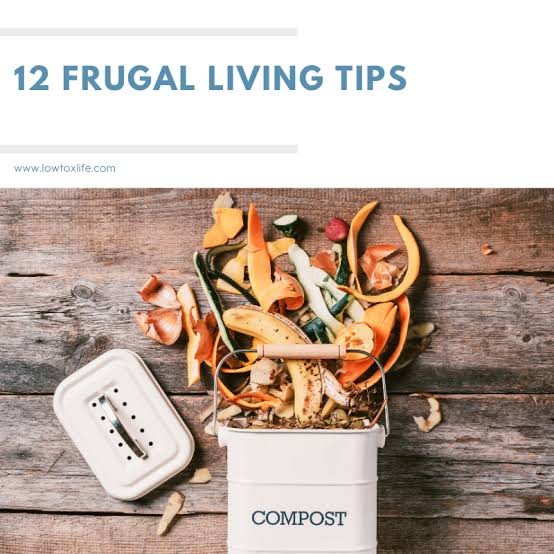

  • 12 Frugal Living Tips That Can Realistically Double Your Savings This Year

    12 Frugal Living Tips – Low Tox Life

    Frugal living isn’t about deprivation or pinching every penny until it screams. It’s about making mindful choices that maximize the value of every dollar you earn. In a world where 64% of Americans live paycheck to paycheck and credit card debt has surpassed $1.1 trillion, the idea of ‘doubling your savings’ sounds like a pipe dream. But here’s the truth: while no legitimate financial expert can guarantee you’ll literally double your savings in a year, most households can cut their discretionary spending by 20–50% by plugging ‘spending leaks’—those sneaky subscriptions, impulse buys, and energy waste that quietly drain your bank account.

    This isn’t about extreme couponing or dumpster diving (unless you’re into that). It’s about practical, sustainable changes that redirect wasted money into a high-yield savings account, where it can grow at 4–5% APY. For example, if you currently save $200 a month, cutting just $200 more in waste and earning 4% interest could leave you with nearly $4,900 in a year—versus $2,400 without changes. That’s close to doubling, and it’s achievable for most people.

    In this guide, we’ll walk through 12 actionable frugal living tips that focus on cutting waste without sacrificing joy. Whether you’re a seasoned saver or just starting, these strategies will help you build a healthier financial future—one mindful dollar at a time.

    1. Automate Your Savings: Pay Yourself First

    The easiest way to save more is to make it automatic. Set up a recurring transfer from your checking account to a high-yield savings account on payday. This ‘pay yourself first’ approach ensures you save before you have a chance to spend. Even $50 a week adds up to $2,600 a year, and with a 4% APY, you’ll earn interest on top. The key is to treat savings like a non-negotiable bill—because your future self deserves it.

    2. Audit Your Subscriptions: The Silent Budget Killer

    The average person spends $86 a month on subscriptions—and often underestimates by three times. That’s over $1,000 a year! Take an afternoon to list every subscription: streaming services, gym memberships, apps, magazines, even that ‘free trial’ you forgot to cancel. Use a spreadsheet or a dedicated app to track them. Then, cancel anything you haven’t used in the last 30 days. You can always re-subscribe later if you miss it. This single audit can free up hundreds of dollars annually.

    3. Meal Plan Like a Pro: Cut Food Waste and Dining Out

    Americans spend an average of $6,000 a year on food away from home. That’s a massive leak. Start by planning your meals for the week: check your pantry, make a shopping list, and stick to it. Batch-cook on Sundays to have ready-to-eat meals for busy weekdays. Not only will you reduce the temptation to order takeout, but you’ll also cut food waste—the USDA estimates that 30-40% of the food supply is wasted. A little planning can save you $200–300 a month.

    4. Embrace the ‘Latte Factor’—But Make It Work for You

    The ‘latte factor’ isn’t about giving up your daily coffee; it’s about being aware of small, recurring expenses. If you buy a $5 latte every workday, that’s $1,300 a year. Instead, brew coffee at home and treat yourself to a café latte once a week. You’ll still enjoy the experience, but you’ll save over $1,000 annually. The same logic applies to bottled water, snacks, and other impulse buys. Small changes compound into big savings.

    5. Slash Your Energy Bills with Efficiency Upgrades

    The Department of Energy says households can save 10–30% on energy bills through efficiency measures—that’s $200–400 a year on average. Start with simple fixes: switch to LED bulbs, unplug electronics when not in use, and seal drafts around windows and doors. Invest in a programmable thermostat to automatically adjust heating and cooling when you’re away. These upgrades pay for themselves quickly and reduce your carbon footprint too.

    6. Kill Impulse Purchases with the 24-Hour Rule

    Impulse purchases cost the average American $1,800 a year. To curb this, implement a 24-hour rule: for any non-essential item over $50, wait a full day before buying. This cooling-off period helps you distinguish between ‘want’ and ‘need.’ Often, the urge fades, and you’ll realize you didn’t need it after all. For online shopping, add items to your cart and then close the tab—if you still want it tomorrow, you can buy it then.

    7. Negotiate Your Bills: A Few Minutes Can Save Hundreds

    Many people never negotiate their cable, internet, or insurance bills, but a simple phone call can yield significant savings. Research competitor rates, then call your provider and ask for a better deal. Be polite but firm—mention you’re considering switching. Loyalty doesn’t always pay; companies often offer retention discounts to keep you. You can save $100–500 a year per bill. Set a reminder to do this annually.

    8. Use the Library and Free Community Resources

    Your local library is a goldmine of free resources: books, e-books, audiobooks, movies, and even museum passes. Instead of buying books or renting movies, borrow them. Many libraries also offer free workshops, classes, and internet access. Similarly, look for free community events—concerts, festivals, and fitness classes—that provide entertainment without the price tag. This isn’t about deprivation; it’s about discovering free alternatives that enrich your life.

    9. Practice ‘No-Spend’ Challenges to Reset Your Habits

    A no-spend challenge is a powerful way to reset your spending habits. Choose a period—a weekend, a week, or even a month—where you only spend on essentials like rent, utilities, and groceries. This forces you to get creative with what you already have and reveals how much you spend on non-essentials. Many people find they save $200–500 during a month-long challenge. Afterward, you’ll be more mindful of your spending.

    10. Buy Used and Refurbished: Quality at Half the Price

    Before buying anything new, check if you can get it used or refurbished. Platforms like eBay, Facebook Marketplace, and Craigslist offer everything from furniture to electronics at a fraction of the retail price. For tech, consider certified refurbished products from manufacturers—they’re often like new and come with warranties. This not only saves money but also reduces waste. The key is to inspect items carefully and buy from reputable sellers.

    11. Grow Your Own Food—Even Just a Few Herbs

    You don’t need a farm to save on groceries. Start with a small herb garden on your windowsill—basil, mint, and parsley are easy to grow and cost pennies compared to store-bought. If you have outdoor space, try tomatoes, lettuce, or peppers. Even a modest garden can save you $100–300 a year, and the fresh taste is unbeatable. Plus, gardening is a rewarding hobby that reduces stress.

    12. Redirect Your Savings into a High-Yield Account

    All these tips only work if you actually save the money you free up. Open a high-yield savings account (HYSA) that offers 4–5% APY—much better than the near-zero rates of traditional banks. Automatically transfer the money you save from each tip into this account. For example, if you save $100 on groceries, transfer that $100 to savings. This ‘pay yourself the difference’ strategy ensures your frugality translates into real savings growth.

    The Bottom Line: Frugality Is a Tool, Not a Punishment

    Frugal living isn’t about living a life of lack; it’s about making conscious choices that align with your values and goals. By cutting waste, you free up resources to spend on what truly matters—whether that’s travel, education, or early retirement. Remember, the goal isn’t to be cheap; it’s to be intentional. Start with one or two tips, and gradually incorporate more. Over time, you’ll see your savings grow, and you’ll feel more in control of your financial future.

    Doubling your savings in a year isn’t a magic trick—it’s a realistic goal when you combine mindful spending with smart saving strategies. By plugging the leaks in your budget, you can redirect thousands of dollars into a high-yield account, where it can grow. The 12 tips above are practical, sustainable, and designed to fit into your life without making you feel deprived. Start small, stay consistent, and watch your savings—and your peace of mind—grow.

    Summary

    • Automate savings to pay yourself first and ensure consistent growth.
    • Audit subscriptions—the average person spends $86/month, often underestimating by 3x.
    • Meal planning can save $200–300/month by reducing dining out and food waste.
    • Energy efficiency upgrades can cut bills by 10–30%, saving $200–400/year.
    • Redirect all savings into a high-yield account (4–5% APY) to maximize growth.

    FAQ

    Q: Is it really possible to double my savings in a year?
    A: While no one can guarantee a literal doubling, most households can reduce discretionary spending by 20–50%. Combined with high-yield savings interest, this can nearly double your annual savings if you have significant spending leaks.

    Q: What’s the first step to start saving more?
    A: Begin by tracking your spending for a month to identify where your money goes. Then, automate a transfer to savings on payday, and audit subscriptions to cut waste.

    Q: How can I save money without feeling deprived?
    A: Focus on cutting waste, not joy. For example, brew coffee at home but still treat yourself weekly. Use the library for free entertainment, and buy used items for quality at lower prices.

    Q: Are there any risks to extreme frugality?
    A: Extreme frugality can lead to burnout, social isolation, or hoarding if taken too far. It’s important to balance saving with spending on experiences and needs that support your well-being.

    Q: What’s the best way to make my savings grow faster?
    A: Put your savings in a high-yield savings account with 4–5% APY. Automate transfers to ensure consistency, and consider investing for long-term growth once you have an emergency fund.

  • 10 Grocery Store Secrets to Get the Freshest Food

    Secrets Grocery Stores Don't Want You To Know

    Have you ever wondered why the milk at the front of the shelf always seems to expire sooner, or why the produce section is always at the edge of the store? The modern supermarket is a carefully engineered environment designed to influence your choices—and often, to sell you older stock first. But with a few insider tips, you can outsmart the system and consistently bring home the freshest food possible.

    From understanding date labels to knowing when to shop for markdowns, these ten secrets will transform the way you navigate the aisles. You’ll not only get better quality, but you’ll also save money and reduce food waste. Let’s dive in.

    1. The Perimeter Is Your Friend

    Grocery stores are designed with a purpose: fresh items like produce, dairy, meat, and bakery are placed on the perimeter, while processed goods fill the center aisles. This layout encourages impulse buys and maximizes profit margins. For the freshest picks, stick to the outer edges of the store. The center aisles are where you’ll find shelf-stable items that don’t spoil quickly, so you can shop those less frequently.

    2. Decode Date Labels Like a Pro

    “Sell-by,” “Best-by,” and “Use-by” dates are not federally regulated (except for infant formula). They are manufacturer suggestions for peak quality, not safety indicators. Most foods remain safe past these dates if stored properly. For example, milk can often last a few days past its sell-by date if kept cold, and eggs can be good for weeks. Trust your senses—if it looks and smells fine, it’s probably okay.

    3. Reach to the Back for the Freshest Stock

    Stores rotate stock using FIFO (First In, First Out). Newer products are placed at the back of shelves, while older ones are pulled to the front. So, to get the freshest items, reach to the back. This is especially true for dairy, eggs, and packaged goods. You’ll often find a later expiration date on the back-row items.

    4. Don’t Be Fooled by Misted Produce

    Produce is often misted with water to keep it looking crisp. But that mist can mask wilting and actually accelerate spoilage once you get it home—excess moisture promotes mold. Choose produce that looks dry and firm, and avoid items sitting directly under the misters. Also, check the bottom of the display for older items that may be hidden.

    5. Shop Dairy and Eggs from the Back of the Case

    Dairy and eggs are typically stocked from the back of the refrigerated case, with the oldest dates at the front. The coldest part of the case is usually at the back, near the vent. So, reach to the back for the coldest, freshest carton of milk or eggs. This ensures you get the longest shelf life.

    6. Look for Morning Markdowns on Meat and Seafood

    Meat and seafood departments often mark down items approaching their sell-by date, usually in the morning or early afternoon. These are safe if cooked or frozen the same day. Look for “Manager’s Special” or “Reduced” stickers—they indicate items nearing expiration, not spoiled ones. This is a great way to save money on high-quality protein.

    7. Know When to Shop for Bakery Freshness

    Many “fresh” baked goods arrive par-baked or frozen and are finished on-site. The true bake time is often early morning, before the store opens. So, if you want the freshest bread or pastries, shop in the morning. By evening, those items may be a day old, even if they still look fresh.

    8. Use Bulk Bins with Caution

    Bulk bins are typically restocked less frequently than packaged items and can harbor dust and cross-contamination. Older product may be mixed with new, so you might not get the freshest batch. If you do use bulk bins, choose stores with high turnover and look for bins that are frequently refilled. For maximum freshness, opt for packaged items instead.

    9. Consider Store Brands for Equal Quality

    Store brands (private label) are often produced by the same manufacturers as national brands, sometimes in the same facilities, but at a lower price. Quality can be equal or better, and freshness depends on turnover—popular store brands move quickly, so they’re often fresher. Don’t overlook them for staples like canned goods, dairy, and frozen items.

    10. Shop Seasonally and Locally

    Produce that is in season locally is often fresher and cheaper. Out-of-season items are typically shipped long distances and may be harvested early, then ripened with ethylene gas. For the freshest food, shop at farmers’ markets or join a CSA (Community Supported Agriculture). You’ll get produce picked at peak ripeness, often within 24 hours of harvest.

    By applying these ten secrets, you’ll not only get fresher food, but you’ll also save money and reduce waste. Remember, the store’s layout and practices are designed to maximize profit—your job is to shop smart. Next time you’re in the aisles, reach to the back, check the dates, and don’t be afraid to grab that markdown steak. Your taste buds (and wallet) will thank you.

    Summary

    • Shop the perimeter for fresh items; center aisles are for shelf-stable goods.
    • Date labels are not safety indicators—trust your senses.
    • Reach to the back for newer stock, especially dairy and eggs.
    • Look for morning markdowns on meat and seafood for deals.
    • Choose store brands—often same quality, lower price, and high turnover.

    FAQ

    Q: Is it safe to eat food past its sell-by date?
    A: Yes, for most foods. Sell-by dates are about peak quality, not safety. If stored properly, many items are safe for days or even weeks past the date. Use your senses—if it looks and smells fine, it’s likely okay.

    Q: Why does produce from the store spoil faster than I expect?
    A: Misting in the display case adds moisture, which can promote mold growth once you bring it home. Choose dry, firm produce and store it properly to extend its life.

    Q: Are store brands lower quality than national brands?
    A: Not necessarily. Store brands are often made by the same manufacturers as national brands, sometimes in the same facilities. Quality is often comparable, and because they sell quickly, they may be fresher.

    Q: What’s the best time to shop for the freshest food?
    A: Early morning is best for freshly stocked items and markdowns on meat and seafood. Late evening may offer deeper discounts on perishables, but selection may be limited.

    Q: How can I tell if a product is truly fresh?
    A: Look for signs of proper storage: cold dairy cases, dry produce, and intact packaging. Check dates and reach for items at the back. For produce, choose items that are firm and free of blemishes.