We’ve all been there: staring at the ceiling, willing sleep to come, and wondering if there’s a magic switch. The internet is full of claims that you can fall asleep in 60 seconds flat, often citing the ‘Military Method’ or ‘4-7-8 breathing.’ But is this realistic, or just another wellness myth?
In this article, we’ll separate fact from fiction. You’ll learn what these techniques actually do, why they might work for some people, and why they might not work for you. We’ll also explore the science of sleep onset and give you practical, evidence-based tips to fall asleep faster—even if it takes a few minutes longer than 60 seconds.
The 60-Second Claim: What’s Real and What’s Hype
The idea of falling asleep in exactly 60 seconds is appealing, but it’s largely a marketing device. No universal method guarantees this for everyone. Sleep is a complex physiological process, and individual results vary based on factors like sleep debt, stress, caffeine intake, and environment.
What does exist are techniques that aim to induce sleep quickly—often cited as 1–2 minutes. The most famous is the Military Method, developed to help fighter pilots sleep in under two minutes, even in noisy, uncomfortable conditions. Another popular one is 4-7-8 Breathing, popularized by Dr. Andrew Weil as a “natural tranquilizer for the nervous system.”
These techniques are not magic switches. They work by activating the parasympathetic nervous system—your body’s “rest-and-digest” mode—which lowers heart rate and blood pressure, preparing you for sleep. But they require practice and consistency.
The Military Method: Step-by-Step
Originally published in the 1981 book Relax and Win: Championship Performance by Lloyd Bud Winter, the Military Method combines progressive muscle relaxation, controlled breathing, and mental visualization. Here’s how to do it:
- Relax your facial muscles—tongue, jaw, eyes, and cheeks.
- Drop your shoulders and let your arms go limp, one at a time.
- Exhale fully and relax your chest.
- Relax your legs—thighs, calves, and feet.
- Clear your mind for 10 seconds—visualize a calming scene, like lying in a canoe on a calm lake or in a dark room in a hammock.
- If thoughts intrude, repeat “don’t think, don’t think” or return to the visualization.
Winter claimed a 96% success rate after six weeks of practice, but this was self-reported and not peer-reviewed. Still, the components are evidence-based for relaxation.
The 4-7-8 Breathing Technique
Dr. Andrew Weil adapted this from pranayama, a yogic breathing practice. Here’s the method:
- Place the tip of your tongue behind your upper front teeth.
- Exhale completely through your mouth.
- Inhale quietly through your nose for 4 seconds.
- Hold your breath for 7 seconds.
- Exhale audibly through your mouth for 8 seconds.
- Repeat 4 times (or up to 8 times).
Some people feel lightheaded, so stop if you feel dizzy. This technique is a relaxation tool, not a guaranteed sleep switch.
Other Quick-Sleep Techniques Worth Trying
- Progressive Muscle Relaxation (PMR): Tense and release muscle groups from your toes to your head. This reduces physical tension and signals your body to relax.
- Cognitive Shuffling: Randomly visualize unrelated images (e.g., a giraffe, a lamp, a cloud) to interrupt rumination. This keeps your brain from spiraling into anxious thoughts.
- Reverse Psychology (Paradoxical Intention): Try to stay awake. This reduces the performance anxiety about sleeping, which often keeps people awake.
- Eye Movement Technique: Roll your eyes gently upward while keeping them closed. This mimics the natural eye position during sleep and may help trigger the sleep response.
Why You Might Not Fall Asleep in 60 Seconds
First, understand that normal sleep latency for healthy adults is 10–20 minutes. Falling asleep in under 5 minutes may actually indicate significant sleep deprivation. So if you’re not asleep in a minute, that’s not a failure—it’s biology.
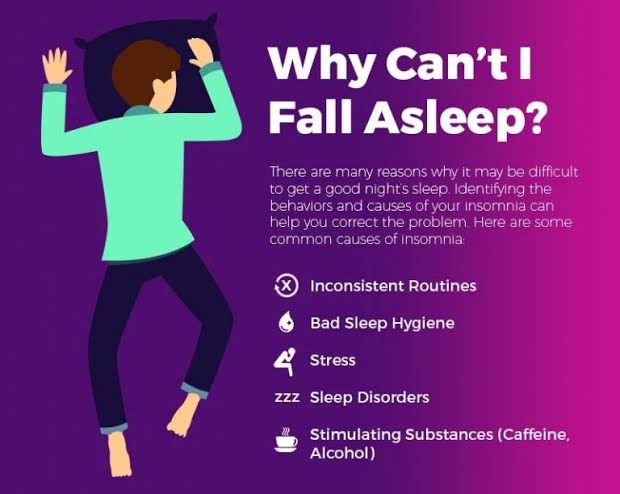
Second, these techniques are most effective for people with mild insomnia or situational stress. If you have a chronic sleep disorder like sleep apnea, clinical insomnia, or restless leg syndrome, you need professional help, not a breathing hack.
Third, hyperarousal—racing thoughts, anxiety, stress—can block sleep onset. Your brain’s “fight or flight” response is the enemy of sleep. Techniques like 4-7-8 breathing help by activating the parasympathetic system, but they won’t override severe anxiety or an underlying medical condition.
The Science of Sleep Onset
Sleep onset requires a drop in core body temperature, a rise in melatonin, and a shift from beta (alert) to alpha/theta brainwave activity. Breathing techniques and relaxation methods facilitate this shift by calming the nervous system.
But here’s the catch: trying too hard to sleep creates performance anxiety, which makes sleep harder. This is the “sleep effort” trap. Paradoxically, the more you try, the less likely you are to succeed.
Making These Techniques Work for You
These methods work best as part of a consistent bedtime routine, not as a one-off hack. Here are practical tips:
- Practice daily: Like any skill, the more you practice, the better you get. Don’t wait until you’re desperate for sleep.
- Combine with good sleep hygiene: Limit screen time before bed, avoid caffeine within 6 hours, and keep a regular sleep schedule.
- Use them as a tool, not a cure: If you’re stressed, use 4-7-8 breathing to calm down. If your mind is racing, try cognitive shuffling.
- Be patient: It may take weeks of practice to see significant improvements. The Military Method, for example, claims a 96% success rate after 6 weeks.
The Bottom Line
Falling asleep in exactly 60 seconds is a nice idea, but it’s not a realistic goal for most people. What is realistic is reducing the time it takes to fall asleep from 20 minutes to 5–10 minutes, using evidence-based relaxation techniques. The “60-second” claim is more about viral marketing than science.
Instead of chasing a magic number, focus on building a relaxing bedtime routine that works for you. Whether it’s the Military Method, 4-7-8 breathing, or simply progressive muscle relaxation, these tools can help you drift off faster—and that’s a win, even if it takes a few minutes longer than a minute.
The next time you see a video promising “fall asleep in 60 seconds,” take it with a grain of salt. Sleep is a natural process that can’t be forced, but you can create the conditions for it to happen faster. Try the techniques we’ve outlined, practice them consistently, and pair them with good sleep hygiene. You might not hit the 60-second mark, but you’ll likely find yourself drifting off more quickly—and that’s a victory worth having.
Summary
- The “60-second” claim is a marketing device; no method guarantees sleep in exactly 60 seconds for everyone.
- The Military Method and 4-7-8 breathing are popular techniques that aim to induce sleep in 1–2 minutes by activating the parasympathetic nervous system.
- Normal sleep latency for healthy adults is 10–20 minutes; falling asleep in under 5 minutes may indicate sleep deprivation.
- These techniques work best as part of a consistent bedtime routine, not as a one-off hack.
- For chronic sleep disorders, seek professional help rather than relying on quick-fix methods.
FAQ
Q: Is it possible to fall asleep in 60 seconds?
A: For most people, no. Sleep onset is a physiological process that typically takes 10–20 minutes. The “60-second” claim is a popularization, not a scientific guarantee.
Q: What is the Military Method?
A: It’s a technique developed for fighter pilots that combines progressive muscle relaxation, controlled breathing, and mental visualization to fall asleep in under two minutes. It was popularized in the 1981 book Relax and Win.
Q: How does 4-7-8 breathing work?
A: It involves inhaling for 4 seconds, holding for 7, and exhaling for 8. This pattern activates the parasympathetic nervous system, lowering heart rate and promoting relaxation.
Q: Why can’t I fall asleep even with these techniques?
A: Factors like stress, caffeine, screen time, and underlying health conditions can interfere. These techniques are most effective for mild insomnia or situational stress, not chronic sleep disorders.
Q: Are there any risks to these techniques?
A: 4-7-8 breathing can cause lightheadedness in some people; stop if you feel dizzy. Otherwise, these techniques are generally safe. If you have a medical condition, consult your doctor.