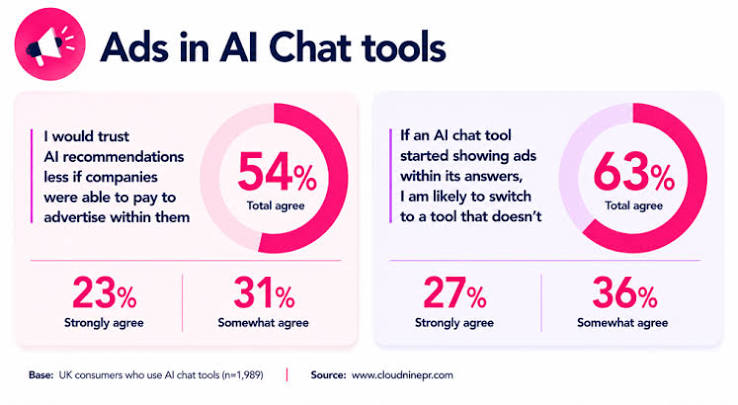
Nearly half of consumers say they would trust an AI to recommend products. That’s 48% — a figure that could reshape e-commerce, marketing, and the very nature of shopping. But what does that number actually mean? It’s not a blanket endorsement of AI. It’s a conditional, context-dependent trust that varies by product, platform, and person.
This article unpacks the 48% statistic, explores why the other 52% remain skeptical, and looks at what it takes to build or break consumer trust in AI recommendations. From the evolution of recommendation engines to the rise of generative AI, we’ll examine the factors that drive trust and the pitfalls that erode it.
The Anatomy of the 48%
The 48% figure comes from a survey asking consumers if they’d trust an AI to recommend products. It’s a significant minority, but not a majority. To understand what this number really means, we need to look at the conditions under which trust is granted.
Trust in AI is conditional. Consumers are more likely to trust AI for low-stakes, low-cost purchases — a book, a movie, a pair of socks — than for high-stakes ones like a car, a medical device, or financial advice. The stakes matter. A wrong book recommendation is a minor annoyance; a wrong car recommendation is a costly mistake.
Context also plays a role. Trust in a recommendation algorithm embedded in a familiar platform (like Netflix or Amazon) may be higher than trust in a standalone AI chatbot. Consumers have years of experience with Netflix’s suggestions, many of which have been spot-on. That track record builds trust.
From Invisible Algorithms to Visible AI
Recommendation systems have been around since the 1990s, when Amazon introduced collaborative filtering — “customers who bought this also bought that.” These early algorithms were invisible, operating behind the scenes. Consumers didn’t think about them; they just saw suggestions.
The rise of deep learning and neural networks in the 2010s made recommendations hyper-personalized, but still opaque. Netflix, Spotify, and TikTok use AI to serve content tailored to individual tastes, often with uncanny accuracy.
The game changed in 2022 with generative AI. ChatGPT and similar tools made AI visible and conversational. Instead of passively receiving suggestions, consumers now ask an AI directly: “What should I buy for a camping trip?” This shift changes the trust calculus. When AI is a visible agent, consumers scrutinize it more.
Why Do People Trust AI? The Key Drivers
Research points to several factors that build trust in AI recommendations:
- Transparency: When users understand why a recommendation was made, they trust it more. “Because you watched The Crown” is more persuasive than a mysterious algorithm.
- Control: Giving users the ability to adjust, override, or dismiss AI suggestions increases trust. A recommendation is a suggestion, not a command.
- Track record: Past accuracy builds trust. If an AI consistently recommends good books, you’ll trust it more over time.
- Brand reputation: Trust in the platform hosting the AI transfers to the AI itself. If you trust Amazon, you’re more likely to trust Amazon’s AI.
- Perceived stakes: As mentioned, low-risk items generate higher trust. You’ll let AI pick a movie, but not a surgeon.
Why Do the Other 52% Say No?
Skepticism is not irrational. The “black box” problem is real: consumers can’t see how AI arrives at its recommendations. This opacity breeds distrust. Here are the main concerns:
- Manipulation: AI may be optimized for seller profit, not consumer benefit. If a recommendation serves the retailer’s bottom line more than your needs, it’s not trustworthy.
- Bias: Algorithms trained on historical data can perpetuate existing biases — racial, gender, or socioeconomic. This can lead to unfair or discriminatory recommendations.
- Privacy: Recommendations require vast amounts of personal data. Many consumers are uncomfortable with the surveillance required to power these systems.
These are legitimate concerns, and they explain why a majority of consumers remain wary.
The Generational and Cultural Divide
Trust in AI is not monolithic. Younger consumers (18–34) grew up with algorithmic feeds and are generally more trusting of AI. Older consumers (55+) often prefer human judgment and established brands. The 48% figure likely skews younger and more digitally native.
Culture also matters. Research shows that trust in AI varies by country — higher in East Asia, lower in parts of Europe and North America. Collectivist cultures may value “what people like me buy,” while individualist cultures want “what’s best for me.” These differences shape how recommendations are received.
The Optimistic and Skeptical Views
The Optimistic View: AI as a Trusted Advisor
AI can process far more data than any human, leading to better, more personalized recommendations. In niche categories — indie music, obscure books, specialized gear — AI often outperforms human curators. As AI becomes more explainable (the field of XAI), trust is likely to increase.
The Skeptical View: The Black Box Problem
Consumers cannot verify how AI arrives at recommendations, creating an inherent trust deficit. The 52% majority likely includes those who fear manipulation or loss of autonomy. They want to know: Is this AI working for me, or for the seller?
What Does This Mean for Businesses?
For retailers and platforms, the 48% figure represents a huge opportunity. AI-driven recommendations already drive an estimated 35% of Amazon’s revenue. But to win over the skeptical majority, businesses must address the trust deficit.
Transparency is key. Explain why a recommendation was made. Give users control — let them tune the AI’s parameters or opt out entirely. Build a track record of accurate, beneficial recommendations. And above all, ensure the AI is aligned with the consumer’s interests, not just the seller’s.
Regulation is also coming. The EU AI Act (2024) and similar frameworks mandate transparency in AI-driven decisions, including recommendations. Businesses that embrace transparency now will be ahead of the curve.
The Future of Trust in AI Recommendations
As AI becomes more explainable and consumers gain more control, trust is likely to grow. The 48% may become 60% or 70% over time. But trust is fragile. One high-profile failure — a harmful recommendation, a privacy breach — could set back progress significantly.
The path forward is clear: build AI that is transparent, controllable, and genuinely beneficial. The 48% are ready to trust; the 52% are waiting for a reason to.
The 48% figure is a starting point, not a finish line. It shows that a substantial portion of consumers are open to AI-driven recommendations, but trust is conditional and easily lost. For businesses, the message is simple: earn trust through transparency, control, and alignment with consumer interests. For consumers, the message is equally clear: AI can be a powerful tool, but it’s up to you to decide when to trust it.
Summary
- 48% of consumers trust AI to recommend products, but trust is conditional and context-dependent.
- Trust is higher for low-stakes, low-cost purchases and on familiar platforms with a good track record.
- Key trust drivers: transparency, control, track record, brand reputation, and perceived stakes.
- The skeptical 52% worry about manipulation, bias, and privacy.
- Younger and more digitally native consumers are more trusting; cultural and geographic factors also play a role.
- Businesses can build trust by being transparent, giving users control, and aligning AI with consumer interests.
FAQ
Q: Does the 48% trust statistic mean nearly half of consumers will buy anything an AI recommends?
A: No. The statistic reflects conditional trust — consumers may trust AI for some products but not others, and trust doesn’t always translate to purchase behavior. People might say they trust AI but still rely on human reviews or friends.
Q: What kinds of AI recommendations are included in this statistic?
A: The statistic covers product recommendations specifically (e.g., retail, e-commerce), not high-stakes decisions like medical, financial, or legal advice. Trust is generally higher for low-risk purchases.
Q: Why are younger consumers more trusting of AI recommendations?
A: Younger consumers (18–34) grew up with algorithmic feeds on platforms like Netflix and Spotify, so they’re more familiar with AI-driven suggestions and have seen them work well over time.
Q: Can AI recommendations be biased?
A: Yes. Algorithms trained on historical data can perpetuate existing biases, leading to unfair or discriminatory recommendations. This is one of the key concerns raised by skeptics.
Q: What can companies do to increase trust in their AI recommendations?
A: Companies can build trust by being transparent about how recommendations are made, giving users control to adjust or opt out, maintaining a good track record, and ensuring the AI is aligned with consumer interests rather than just seller profits.