Tag: Real Madrid

  • Fulham’s €40m Gamble on Real Madrid’s Gonzalo García: A Record Fee, a Buy-Back Clause, and a Premier League Test

    Fulham’s €40m Gamble on Real Madrid’s Gonzalo García: A Record Fee, a Buy-Back Clause, and a Premier League Test

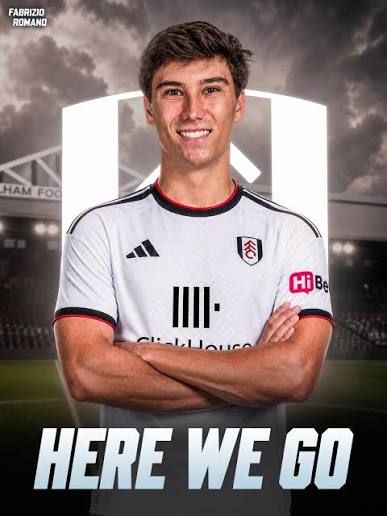
    When Fulham agreed to pay €40 million for a 21-year-old with fewer than ten senior appearances, the Premier League took notice. The fee equals the club’s record outlay, but the real story lies in the fine print: Real Madrid inserted a buy-back clause, a safety net that could bring Gonzalo García back to the Bernabéu if he fulfills his potential. This is a transfer that speaks volumes about Fulham’s ambition, Real Madrid’s financial acumen, and the ever-increasing premium on young strikers.

    For Fulham, this is a statement of intent. After years of mid-table stability under Marco Silva, the club is betting big on a player who could anchor their attack for a decade. For García, it’s a leap into the unknown—a chance to trade the glittering bench of the Champions League for the brutal physicality of English football. And for Real Madrid, it’s a masterclass in monetizing academy talent while keeping the door open for a reunion.

    But is €40 million for a player with 183 minutes of La Liga experience a shrewd investment or a reckless gamble? The answer depends on how quickly García adapts, how patient Fulham’s fans can be, and whether the buy-back clause becomes a sword of Damocles over his development.

    The Record Fee: Context and Comparisons

    Fulham’s €40 million outlay matches the fee they paid Arsenal for Emile Smith Rowe in the summer of 2024. That transfer was a signal of intent—a statement that Fulham were willing to spend big on young, proven Premier League talent. García is a different proposition: he’s unproven at the highest level, but his pedigree is impeccable. Coming through Real Madrid’s La Fábrica, he scored prolifically for Castilla and in the UEFA Youth League, earning a first-team debut under Carlo Ancelotti in 2023–24. His first senior goal came in September 2024 against Las Palmas, a late strike in a 2–0 win that hinted at his poacher’s instinct.

    But the Premier League is a different beast. The physicality, the pace, the relentless schedule—these are challenges that have broken many a promising striker. Fulham’s existing options, Raúl Jiménez (33) and Rodrigo Muniz, offer experience and potential, but neither is a long-term solution. García is seen as the future, a player who can learn from Jiménez this season and take over the mantle next. The club’s strategy under owner Shahid Khan has been to invest in high-potential assets, and García fits that mold perfectly.

    Real Madrid’s Calculated Exit

    From Real Madrid’s perspective, selling García for €40 million is a no-brainer. With Mbappé, Vinícius Jr., Rodrygo, Endrick, and Brahim Díaz ahead of him in the pecking order, García was never going to get regular minutes. The sale generates pure profit for Financial Fair Play purposes, and the reported buy-back clause—believed to be in the region of €60–70 million—gives Real Madrid the option to re-sign him if he develops into the striker they believe he can be. This is a model they’ve used before: Fran García was sold to Rayo Vallecano with a buy-back, later activated; Nico Paz was sold to Como with similar terms. It’s a win-win: the player gets playing time, the selling club gets cash, and the buy-back clause ensures the relationship isn’t severed permanently.

    For García, the move is a calculated career step. At Real Madrid, he was a bit-part player, a late substitute in a team of galacticos. At Fulham, he’ll be a key figure, a player around whom the attack can be built. The pressure, though, is immense. A record fee brings scrutiny, and if he doesn’t score early, the critics will be quick to label him a flop. But García has the temperament of a classic No. 9—left-footed, strong in the air, clinical in the box. He’s not a dribbler or a pace merchant; he’s a penalty-box predator, the kind of striker who thrives on service. Fulham’s creative players, like Smith Rowe and Andreas Pereira, should provide him with chances.

    The Buy-Back Clause: A Double-Edged Sword

    The buy-back clause is the most intriguing aspect of this deal. For Fulham, it’s a risk: if García excels, Real Madrid can trigger the clause and take him back, potentially at a profit. But it also means Fulham are essentially developing a player for Real Madrid’s benefit. This is a common arrangement in modern football, but it’s rare for a club to pay a record fee for a player with such a clause attached. Fulham’s management must be confident that either García will be so good that the buy-back becomes a moot point (because he’ll be worth more than the clause), or that they can negotiate a new deal with Real Madrid if the time comes.

    For García, the clause adds an extra layer of pressure. Every goal he scores will be scrutinized not just by Fulham fans, but by Real Madrid’s hierarchy. He’ll know that a successful season could lead to a return to the Bernabéu, but also that a poor one could see him forgotten. It’s a psychological burden that could either motivate him or weigh him down.

    The Premier League Test: What to Expect

    García’s adaptation to the Premier League will be fascinating to watch. He’s not the kind of striker who will run the channels or press relentlessly; he’s a finisher, a player who lives in the box. Marco Silva’s system at Fulham is built on possession and quick transitions, which should suit García’s style. But the physicality of English defenders—the likes of Virgil van Dijk, Ruben Dias, and William Saliba—will be a rude awakening. He’ll need to bulk up, learn to shield the ball, and adapt to the faster pace of play.

    Fulham’s fans, though, are patient. They’ve seen the club build steadily under Silva, and they understand that García is a long-term project. The hope is that he’ll be given time to settle, with Jiménez starting for the remainder of the season and García being gradually integrated. If he scores a few goals in his first season, the fee will look justified. If he struggles, the critics will point to the record price tag and the lack of experience.

    A Transfer That Defines the Market

    This transfer is a microcosm of the modern football market. Clubs are increasingly willing to pay premiums for young players with high ceilings, even if they’re unproven. The days of buying established stars for huge fees are giving way to a model of buying potential and developing it. Fulham’s €40 million for García is a bet on the future, a gamble that could pay off handsomely if he becomes the striker they believe he can be. For Real Madrid, it’s a reminder that their academy is a goldmine, a source of revenue and future talent. And for García, it’s the chance of a lifetime—a chance to prove he belongs among the elite.

    Gonzalo García’s move to Fulham is a transfer that will be dissected for years. It’s a record fee, a buy-back clause, and a test of character for a young striker. If he succeeds, he’ll be the face of Fulham’s new era. If he fails, he’ll be another cautionary tale about the dangers of paying big for potential. But for now, the football world watches with bated breath, waiting to see if this gamble pays off.

    Summary

    • Fulham have signed Gonzalo García from Real Madrid for €40 million, equalling their club-record transfer fee.
    • The 21-year-old striker has minimal senior experience but a prolific record in Real Madrid’s youth system.
    • Real Madrid have inserted a buy-back clause (reported around €60–70 million) to retain future control.
    • Fulham see García as a long-term replacement for Raúl Jiménez, with gradual integration planned.
    • The transfer highlights the trend of paying premiums for young, unproven talent in the Premier League.

    FAQ

    Q: How much did Fulham pay for Gonzalo García?
    A: Fulham paid €40 million, which equals their club-record transfer fee, matching the amount paid for Emile Smith Rowe in 2024.

    Q: Why did Real Madrid sell García if he’s so promising?
    A: Real Madrid have an abundance of attacking talent, and García was unlikely to get regular minutes. The sale generates profit and includes a buy-back clause, allowing them to re-sign him if he develops as expected.

    Q: What is a buy-back clause?
    A: A buy-back clause gives the selling club the option to re-sign the player at a predetermined fee in the future. In this case, Real Madrid can reportedly trigger a clause worth €60–70 million.

    Q: Is García ready for the Premier League?
    A: It’s uncertain. He has limited senior experience, but his youth record and playing style suggest he could adapt. Fulham plan to integrate him gradually, with Raúl Jiménez starting for now.

    Q: What does this transfer mean for Fulham’s ambition?
    A: It signals a clear intent to compete for European spots. Fulham are investing in high-potential young players to build a squad capable of sustained success.
  • Rodri to Real Madrid: The Transfer Saga That Defines Modern Football’s Power Dynamics

    Rodri to Real Madrid: The Transfer Saga That Defines Modern Football’s Power Dynamics

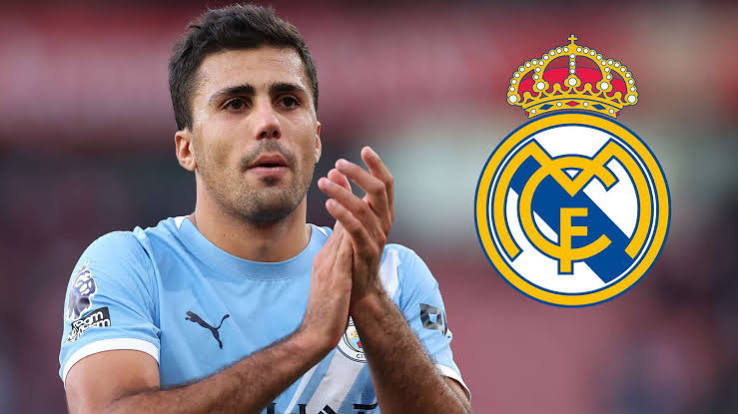
    When the reigning Ballon d’Or winner, a defensive midfielder who redefined the position, becomes the subject of a transfer tug-of-war between Europe’s giants, it’s more than a rumor—it’s a seismic event. Rodri’s name has been whispered in the corridors of the Santiago Bernabéu, and Barcelona’s president has publicly swooned, but Manchester City’s stance is as unyielding as a Guardiola press conference. This is the story of a player who holds the keys to three of football’s most powerful institutions, and the intricate dance of ambition, finances, and loyalty that surrounds him.

    At 30, with an ACL injury behind him and a contract running until 2027, Rodri stands at a crossroads. Real Madrid sees him as the missing piece to replace the legendary Toni Kroos and the aging Luka Modrić. Barcelona dreams of a homecoming, but their financial reality is a cold shower. Meanwhile, City, the club that made him the world’s best, refuses to even entertain the idea. The stakes are immense: a potential transfer fee exceeding €100 million, the balance of power in La Liga and the Premier League, and the legacy of a player who has already achieved everything.

    The Context: A Midfield Maestro’s Journey

    Rodri’s rise from Villarreal’s youth academy to the summit of world football is a testament to his unique talent. After a brief but impactful stint at Atlético Madrid, he joined Manchester City in 2019 for a €70 million release clause—a fee that now looks like a bargain. Under Pep Guardiola, he evolved into the quintessential modern defensive midfielder: a metronome who dictates tempo, a shield who snuffs out attacks, and a goal threat from distance. His crowning moment came in 2024 when he won the Ballon d’Or, the first defensive midfielder to do so since Fabio Cannavaro in 2006. He was also the Player of the Tournament in Spain’s Euro 2024 triumph, cementing his status as the best in the world at his position.

    But football is a cruel mistress. In September 2024, Rodri suffered an ACL injury that sidelined him for most of the 2024–25 season. His absence exposed City’s fragility—they struggled without their anchor, proving his irreplaceable value. He returned to action in the 2025 Club World Cup, but the question lingers: is he the same player post-injury? And at 30, how many peak years remain?

    Real Madrid’s Midfield Puzzle

    Real Madrid’s interest in Rodri is not a fleeting whim; it’s a calculated solution to a looming crisis. Toni Kroos retired in 2024, leaving a void in midfield creativity and control. Luka Modrić, at 39, is a living legend but a diminishing asset. The current options—Aurélien Tchouaméni, Eduardo Camavinga, Federico Valverde, and Jude Bellingham—are talented but lack the metronomic consistency Rodri offers. Tchouaméni, in particular, has been inconsistent, and Camavinga is more of a dynamic box-to-box presence than a deep-lying playmaker.

    Real Madrid’s transfer policy under Florentino Pérez has been to acquire elite players in their prime or young stars with immense potential. Rodri fits the ‘Galáctico’ mold: a proven world-class talent who could immediately anchor the midfield for the next three to four years. The club has reportedly made him a priority target for 2026, but the financial and practical hurdles are formidable. Would they pay over €100 million for a 30-year-old with a recent ACL injury? It’s a gamble that even the most ambitious clubs might hesitate to take.

    Manchester City’s Unshakeable Stance

    Manchester City’s position is unequivocal: Rodri is not for sale at any price. He is the tactical cornerstone of Guardiola’s system, the player who makes everything tick. City’s struggles during his injury absence were a stark reminder of his value. The club has no financial need to sell—City Football Group’s resources are vast—and they have historically resisted selling key starters, especially to European rivals. While they’ve sold players like Gabriel Jesus, Raheem Sterling, and Riyad Mahrez, those were not core starters at the time of their departures. Rodri is different; he’s the fulcrum.

    City’s counter-move could be a new contract with improved terms, removing any doubt about his future. Rodri’s current deal runs until 2027, and he has repeatedly expressed happiness at City. He has not publicly requested a transfer, and there’s no indication he’s agitating for a move. But in football, loyalty is often a bargaining chip, and the allure of a return to his native Madrid could be potent.

    The Player’s Perspective: A Madrid Boy’s Dilemma

    Rodri was born in Madrid and reportedly grew up supporting Real Madrid. The prospect of playing for the club he idolized as a child is a powerful emotional draw. At 30, this could be his last major contract, and a move to Real Madrid would offer a new challenge and the chance to play in La Liga, where he hasn’t competed since leaving Atlético in 2019. However, leaving City means leaving a system where he is the undisputed starter, a guaranteed trophy contender, and adored by fans. The grass isn’t always greener, especially when you’re already on the best pitch in the world.

    Rodri’s camp is reportedly aware of the interest from both Spanish giants, and some speculate they might use this as leverage in contract negotiations with City. But Rodri himself has been diplomatic, focusing on his recovery and his performances. He’s a professional’s professional, unlikely to rock the boat publicly.

    Barcelona’s Interest: Realistic or Rhetorical?

    Barcelona’s interest in Rodri is more about aspiration than actuality. President Joan Laporta has expressed admiration, but the club’s financial fair play issues and La Liga’s salary cap restrictions make a transfer nearly impossible. Barcelona’s midfield is already crowded with young talents like Pedri, Gavi, Frenkie de Jong, and Marc Casadó. Adding Rodri would be a luxury they can’t afford, both financially and in terms of squad balance.

    Some reports suggest Barcelona’s interest is being used by Rodri’s camp as leverage in negotiations with City—a classic football tactic. Laporta has a history of making public overtures to marquee players that never materialize, often for political reasons or to appease the fanbase. In this case, it’s likely more rhetoric than reality.

    The Injury Factor: A Wildcard

    Rodri’s ACL injury is the elephant in the room. At 30, a major knee injury can be career-altering. While he’s returned to training and made a comeback appearance, the question of whether he can regain his pre-injury form remains. Real Madrid, known for their meticulous medical assessments, would be taking a significant risk. City, on the other hand, have the advantage of knowing his recovery process firsthand and might be more confident in his long-term fitness.

    The injury also affects his transfer value. A club would be paying a premium for a player who might not be the same force he was. This could be a bargaining chip for City—they can argue that any offer should reflect the risk, or they can simply refuse to sell, citing his importance regardless of injury.

    The Broader Implications

    This transfer saga is more than just a player moving between clubs; it’s a reflection of modern football’s power dynamics. Real Madrid’s pursuit of Rodri signals their intent to maintain dominance in Europe, while City’s refusal underscores their financial muscle and ambition. Barcelona’s interest, however unrealistic, highlights the gap between their historical prestige and current financial reality.

    For Rodri, the decision is about legacy, loyalty, and the next chapter of his career. He’s already won everything at City—Premier League titles, a Champions League, a Ballon d’Or. A move to Real Madrid could be the ultimate validation, but it comes with risks. At 30, he might have only a few peak years left, and he must choose the environment that best suits his style and ambitions.

    As the 2026 transfer window approaches, the speculation will only intensify. But one thing is certain: Rodri’s future will be one of the most closely watched stories in football, with implications that extend far beyond the pitch.

    Rodri’s potential move to Real Madrid is a story of ambition, loyalty, and the unyielding nature of modern football’s elite. While City’s stance is firm and Barcelona’s interest is fleeting, the saga is far from over. For Rodri, the choice is personal and professional—a decision that will shape his legacy and the balance of power in European football for years to come. Whether he stays in Manchester or returns to Madrid, his impact on the game is already indelible.

    Summary

    • Real Madrid sees Rodri as the ideal replacement for Kroos and Modrić, but his age and injury history make a €100M+ transfer risky.
    • Manchester City considers Rodri unsellable, viewing him as the tactical anchor of Guardiola’s system and vital to their success.
    • Rodri, a Madrid native, faces a personal dilemma between loyalty to City and the allure of a return to his childhood club.
    • Barcelona’s interest is largely rhetorical, given their financial constraints and crowded midfield.
    • The ACL injury adds uncertainty, affecting both his transfer value and long-term performance potential.

    FAQ

    Q: Is Rodri actually leaving Manchester City?
    A: As of now, no. Manchester City has stated he is not for sale, and Rodri has not requested a transfer. The links to Real Madrid are speculative, though they persist due to his profile and Real’s need.

    Q: How much would Rodri cost?
    A: Reports suggest a fee in excess of €100 million, but City’s refusal to sell makes any valuation moot. His contract runs until 2027, giving City significant leverage.

    Q: Why is Real Madrid interested in Rodri?
    A: Real Madrid needs a world-class defensive midfielder to replace Toni Kroos and eventually Luka Modrić. Rodri is the best in the world at that position, making him an ideal target.

    Q: Can Barcelona afford Rodri?
    A: No. Barcelona’s financial fair play issues and La Liga salary cap restrictions make a transfer nearly impossible. Their interest is likely aspirational or political.

    Q: How has Rodri’s injury affected his transfer prospects?
    A: The ACL injury adds risk, potentially lowering his transfer value and making clubs hesitant. However, his return to form could mitigate those concerns.

  • El Clásico: The Enduring Rivalry That Defines Football’s Soul

    El Clásico: The Enduring Rivalry That Defines Football’s Soul

    Every few months, the football world stops. Not for a World Cup final or a Champions League night, but for a league match between two clubs separated by 600 kilometers and a chasm of identity. Barcelona vs. Real Madrid—El Clásico—is more than a game; it’s a cultural referendum, a political flashpoint, and a showcase of football’s highest artistry. With hundreds of millions tuning in from Lagos to Los Angeles, this rivalry transcends sport, embedding itself in the global consciousness.

    But what makes this fixture so magnetic? It’s not just the galaxy of stars—from Di Stéfano to Messi, from Cruyff to Bellingham—or the trophy cabinets that bulge with European Cups. It’s the collision of philosophies: Catalonia’s defiant ‘Més que un club’ against Madrid’s regal assertion of Spanish unity. As the 2024-25 season unfolds, with a new generation of protagonists, El Clásico remains a living, breathing drama that shapes careers and defines eras.

    The Roots of a Rivalry: Politics, Identity, and Football

    To understand El Clásico, you must look beyond the pitch. Barcelona is the capital of Catalonia, a region with its own language, culture, and a centuries-old yearning for autonomy. Real Madrid, the capital’s club, has historically been seen as the establishment’s team—especially during Francisco Franco’s dictatorship (1939-1975), when the regime used football as a tool for national unity. While historians debate the extent of Franco’s favoritism toward Madrid, the perception stuck: Barça became a symbol of Catalan resistance, a peaceful rebellion played out in stadiums.

    This political undercurrent gives every Clásico a weight that transcends sport. When Barcelona players wear the Catalan flag on their kits, or when Camp Nou erupts in a sea of ‘senyeras’ during the national anthem, it’s a reminder that this is more than a game. For many Catalans, Barça is a proxy for their identity; for Madridistas, their club represents the idea of a unified Spain. The rivalry is a microcosm of the country’s tensions, but it’s also a unifying force—for 90 minutes, the world watches a shared passion.

    The Tactical Chess Match: Tiki-Taka vs. Galácticos

    On the pitch, El Clásico has often been a clash of footballing ideologies. Barcelona, nurtured by Johan Cruyff’s philosophy and La Masia’s conveyor belt of talent, became synonymous with ‘tiki-taka’—a possession-based, short-passing style that suffocates opponents. Think of Xavi and Iniesta’s metronomic midfield, or Messi’s telepathic understanding with his teammates. It’s football as art, a collective symphony.

    Real Madrid, by contrast, has historically favored a more direct, explosive approach. The ‘Galácticos’ era—Zidane, Figo, Ronaldo, Beckham—was about individual brilliance, moments of magic that decide games. Madrid’s counter-attacking prowess under Carlo Ancelotti, with Vinícius Jr. and Jude Bellingham, is a modern evolution: lethal in transition, clinical in front of goal. The contrast is stark: Barça’s patient build-up vs. Madrid’s lightning strikes. Yet, both styles have evolved. Xavi’s Barça now mixes possession with verticality, while Ancelotti’s Madrid can dominate possession when needed. The tactical battle is a living laboratory, where coaches adapt and innovate.

    The Icons: From Di Stéfano to Yamal

    El Clásico has been defined by its icons. In the 1950s, Alfredo Di Stéfano led Madrid to five consecutive European Cups, setting a standard of dominance. Johan Cruyff, in the 1970s, brought ‘Total Football’ to Barcelona and sparked a revolution. Diego Maradona’s brief but dazzling stint at Barça added to the lore. Then came the era that redefined the rivalry: Lionel Messi vs. Cristiano Ronaldo. From 2009 to 2018, these two titans pushed each other to unprecedented heights, with Messi scoring a record 26 Clásico goals. Their duels were not just matches; they were global events, with every touch dissected.

    Now, a new generation is writing its own chapters. Jude Bellingham, with his knack for late goals, has become Madrid’s Clásico hero. On the other side, Lamine Yamal, born in 2007, represents Barça’s future—a prodigy from La Masia who embodies the club’s attacking DNA. The torch has passed, but the intensity remains. Each Clásico is a chance for a new star to etch their name into history.

    The Numbers Game: Trophies, Records, and Bragging Rights

    As of early 2025, Real Madrid leads the all-time head-to-head with roughly 105 wins to Barcelona’s 100, with about 52 draws. Madrid also boasts a record 15 European Cups, while Barça has 5. In La Liga, Madrid leads with ~35 titles to Barça’s ~27. But Barcelona holds the edge in Copa del Rey, with a record ~31 trophies. These numbers are not just statistics; they fuel the narrative of superiority. Every Clásico is a chance to shift the balance, to claim bragging rights for the next few months.

    The financial stakes are equally high. Both clubs are among the world’s richest, with revenues exceeding €800 million annually. They are global brands, with massive social media followings and merchandise sales. Their rivalry extends to the boardroom, where they’ve even collaborated—controversially—on the European Super League project, showing that off-pitch interests can align despite on-pitch animosity.

    The Modern Era: A Rivalry Reborn

    Post-Messi and post-Ronaldo, El Clásico has evolved. Barcelona won La Liga in 2023, while Madrid claimed the title in 2022 and 2024, along with Champions League triumphs in those years. The 2024-25 season has already delivered a thrilling 3-2 Madrid win at the Bernabéu, with Bellingham scoring a stoppage-time winner. The rivalry remains as fierce as ever, but the context has shifted. Both clubs are navigating financial constraints and rebuilding squads, yet the hunger for victory is undiminished.

    Off the pitch, the political dimension persists, but it’s more nuanced. Many fans insist the rivalry is purely sporting, and the political narrative is oversimplified. Yet, when the teams meet, the symbolism is inescapable. The atmosphere at Camp Nou and the Bernabéu is electric, a cauldron of noise and color. Ultra groups, though heavily policed, add an edge. For neutrals, it’s a spectacle; for fans, it’s a matter of identity.

    Why It Matters: The Global Phenomenon

    El Clásico is broadcast in over 180 countries, with an estimated audience of hundreds of millions. It’s a cultural export, a brand that transcends football. The rivalry drives tourism, with fans traveling from around the world to witness the spectacle. It influences political discourse in Spain, with politicians using the match to score points. It’s a stage where heroes are made and legacies are forged.

    For the players, a Clásico is the ultimate test. For the fans, it’s a rollercoaster of emotion. For the neutral, it’s a masterclass in football. El Clásico is not just a match; it’s a phenomenon that encapsulates the beauty, drama, and complexity of the beautiful game.

    El Clásico is more than a football match; it’s a living history of Spain, a canvas for footballing genius, and a global spectacle that unites and divides in equal measure. As long as Barcelona and Real Madrid exist, this rivalry will endure, evolving with the times but never losing its intensity. Whether you’re a fan of tiki-taka or Galácticos, of Catalonia or Castile, El Clásico is a reminder of why we love this sport: for the passion, the drama, and the sheer unpredictability of it all.

    Summary

    • El Clásico is the most-watched club football match globally, with an estimated audience of hundreds of millions.
    • The rivalry is rooted in political and cultural tensions between Catalonia and the Spanish state, with Barcelona symbolizing resistance and Madrid representing unity.
    • Tactically, it’s a clash of styles: Barcelona’s possession-based tiki-taka vs. Real Madrid’s direct, counter-attacking approach.
    • The Messi-Ronaldo era (2009-2018) defined a generation, with Messi scoring a record 26 Clásico goals.
    • As of early 2025, Real Madrid leads the head-to-head with ~105 wins to Barcelona’s ~100, and both clubs remain among the world’s richest and most successful.

    FAQ

    Q: Why is it called ‘El Clásico’?
    A: The term ‘El Clásico’ (The Classic) was popularized in the early 20th century to describe the historic rivalry between Spain’s two most successful clubs, FC Barcelona and Real Madrid. It’s now used globally to refer to any match between them.

    Q: How often do Barcelona and Real Madrid play each other?
    A: They meet at least twice a year in La Liga, and can face off in other competitions like the Copa del Rey, Supercopa de España, and UEFA Champions League. In some seasons, they’ve played as many as five times.

    Q: Who has won more El Clásico matches?
    A: As of early 2025, Real Madrid leads with roughly 105 wins to Barcelona’s 100, with about 52 draws. However, the record is constantly changing with each match.

    Q: What is the political significance of El Clásico?
    A: The rivalry has political undertones: Barcelona represents Catalonia’s quest for autonomy, while Real Madrid is often seen as the establishment’s club. This was especially pronounced during Franco’s dictatorship, when Barça became a symbol of resistance.

    Q: Who are the all-time top scorers in El Clásico?
    A: Lionel Messi holds the record with 26 goals in El Clásico, followed by Cristiano Ronaldo with 18. Alfredo Di Stéfano and Karim Benzema are also among the top scorers.

  • Fulham’s €40m Bet on Gonzalo García: A Record Fee for a Promise, Not a Proven Star

    Fulham’s €40m Bet on Gonzalo García: A Record Fee for a Promise, Not a Proven Star

    Fulham have agreed a €40 million deal with Real Madrid for 21-year-old striker Gonzalo García, a fee that matches the club’s record transfer spend. On the surface, it’s a bold statement of intent from a club looking to solidify its Premier League status. But dig deeper, and this transfer is a fascinating study in modern football economics: a sale based on potential, a buy-back clause as insurance, and a young player betting on himself to make the leap from Spain’s third tier to the world’s most demanding league.

    For Real Madrid, it’s a calculated business move — cashing in on an academy product who couldn’t break into a star-studded attack. For Fulham, it’s a risk wrapped in data and ambition. And for García himself, it’s the chance to trade the fringes of the Bernabéu for the spotlight of Craven Cottage. Here’s why this deal matters, what it says about the transfer market, and what García must do to justify the price tag.

    The Player: More Than a Castilla Star

    Gonzalo García Torres is not a household name, but among those who follow Real Madrid’s youth setup, he’s long been considered one of the brightest prospects to emerge from La Fábrica. A 21-year-old centre-forward, García has been prolific for Real Madrid Castilla in the Primera Federación, Spain’s third tier. His movement off the ball, clinical finishing, and ability to hold up play have drawn comparisons to a young Álvaro Morata — another Madrid academy product who had to leave to fulfill his potential.

    García’s first-team opportunities at Real Madrid have been scarce, and for good reason. The attacking trio of Kylian Mbappé, Vinícius Júnior, and Rodrygo is arguably the most formidable in world football. Even with injuries and rotation, García found himself behind not just those stars but also experienced backups. His handful of appearances in La Liga and the Copa del Rey were cameos, not auditions. At 21, he needs regular football, and that’s exactly what Fulham can offer.

    The Fee: Record-Equalling, But Is It Fair?

    €40 million is a significant sum for a player who has never played in a top-five European league. It matches the fee Fulham paid Arsenal for Emile Smith Rowe in 2024, a player with Premier League experience and international caps. On paper, García’s price tag looks like a gamble. But context matters.

    The market for young strikers with European pedigree has inflated. Brighton paid €34 million for João Pedro, and Evan Ferguson’s valuation has soared past €50 million despite a relatively small sample size. Fulham’s recruitment under Marco Silva has been data-driven, and the club clearly sees something in García’s underlying numbers — his goals per 90, xG, and shot creation metrics in Castilla are exceptional. The fee reflects the potential ceiling, not the current floor.

    Why Fulham? The Silva Project

    Fulham’s ambition under Silva is clear. They’ve invested in young, high-potential players like Smith Rowe, Sander Berge, and Joachim Andersen, all of whom were brought in to be developed and potentially sold for profit. García fits this model perfectly. He’s a mobile, technical forward who can press from the front — a key requirement in Silva’s system. And with Raúl Jiménez now 33, Fulham need a long-term successor. García is being brought in to learn, compete, and eventually lead the line.

    There’s also a strategic angle: Fulham are betting on the Premier League’s global visibility to accelerate García’s development. If he thrives, his value could double or triple in a few years. If he struggles, the club has the coaching infrastructure to help him adapt. It’s a calculated risk, but one that could pay off handsomely.

    Real Madrid’s Perspective: Selling High, Protecting the Future

    Real Madrid rarely sell young talents outright without protections, and this deal is no exception. The reported buy-back clause (around €60–70 million) and a sell-on percentage ensure that if García develops into a top-tier striker, Madrid can bring him back — at a premium. This is standard practice for the club, which has seen the likes of Morata and Marcos Llorente leave and return or be sold for profit.

    Some Madridistas may lament another canterano leaving too early, especially given the club’s recent reliance on expensive signings like Mbappé and Jude Bellingham. But from a business perspective, selling a player who hasn’t broken into the first team for €40 million is excellent value. It’s a win-win: Fulham get a promising striker, Madrid get a cash injection and a safety net.

    The Risk: Adapting to the Premier League

    The biggest question mark is whether García can handle the physicality and pace of the Premier League. The jump from the Primera Federación to the English top flight is enormous. Defenders are faster, stronger, and more organized. The pressing is more intense, and the schedule is relentless. García’s technical ability should serve him well, but he’ll need time to adjust.

    Fulham’s coaching staff will be crucial here. Silva has a track record of improving players, and the club’s data-driven approach suggests they’ve done their homework on García’s adaptability. But there’s no guarantee. The Premier League is littered with talented players who couldn’t make the transition. For every Moisés Caicedo, there’s a Mykhailo Mudryk.

    The Bigger Picture: Premier League’s Pull

    This deal is also a microcosm of the Premier League’s financial dominance. English clubs continue to poach promising talent from La Liga and other European leagues, leveraging their broadcast revenue and global appeal. For a player like García, the Premier League offers a platform that Spain’s third tier simply can’t match. It’s a rational choice, but it raises questions about competitive balance in European football. As the gap widens, the rich get richer, and the rest scramble to hold onto their best young players.

    What’s Next for García?

    García will join Fulham in January 2025, with the deal expected to be completed immediately rather than on loan. He’ll likely be eased into the squad, given the physical demands of the Premier League. But the expectation is that he’ll eventually become the club’s starting striker. If he hits the ground running, this could be one of the smartest pieces of business in recent Premier League history. If he struggles, it’ll be a cautionary tale about paying for potential.

    Fulham’s €40 million move for Gonzalo García is a bold, calculated gamble that reflects the modern transfer market’s obsession with potential. For Real Madrid, it’s a smart sale with protections. For García, it’s the opportunity of a lifetime. Whether it works out depends on adaptation, coaching, and a little bit of luck. But one thing is certain: this is a transfer that will be scrutinized for years to come.

    Summary

    • Fulham have agreed a €40m deal with Real Madrid for 21-year-old striker Gonzalo García, matching their club-record fee.
    • García is a Real Madrid academy product who has starred for Castilla but made only sporadic first-team appearances.
    • The deal includes a buy-back clause and sell-on percentage for Real Madrid, protecting their long-term interests.
    • Fulham see García as the long-term successor to Raúl Jiménez, fitting Marco Silva’s pressing system.
    • The biggest risk is García’s adaptation from Spain’s third tier to the Premier League’s physicality and pace.

    FAQ

    Q: Who is Gonzalo García?
    A: Gonzalo García Torres is a 21-year-old Spanish striker from Real Madrid’s youth academy. He has been prolific for Real Madrid Castilla in the third tier but has limited first-team experience.

    Q: Why is the fee considered a risk for Fulham?
    A: The €40m fee is based on potential, not proven top-level output. García has never played in a top-five European league, so there’s uncertainty about how he’ll adapt to the Premier League.

    Q: Does Real Madrid have any protections in the deal?
    A: Yes, Real Madrid reportedly included a buy-back clause (around €60-70m) and a sell-on percentage, allowing them to re-sign García if he develops into a top-tier player.

    Q: What does this mean for Fulham’s squad?
    A: García is expected to be a long-term successor to 33-year-old Raúl Jiménez, providing a young, mobile option in attack under Marco Silva.

    Q: When will the transfer be completed?
    A: The deal is expected to be completed in the January 2025 transfer window, with García joining immediately rather than on loan.