On a sweltering July 4th weekend in 1924, a restaurateur in Tijuana, Mexico, faced a crisis: his kitchen was nearly bare, but his dining room was packed with Hollywood celebrities and thrill-seeking Americans. With Prohibition in full swing, they had crossed the border for cocktails and nightlife, and they were hungry.
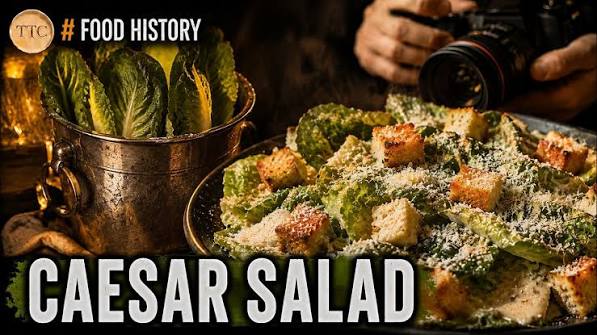
What happened next became culinary legend. The restaurateur, an Italian immigrant named Caesar Cardini, scraped together romaine lettuce, garlic, croutons, Parmesan cheese, eggs, olive oil, Worcestershire sauce, and lemon juice. He tossed it tableside with theatrical flair, and the Caesar salad was born—accidentally, according to the story, but with lasting impact.
This is the tale of how a humble improvisation in a Mexican border town became one of the world’s most beloved dishes, and why its true history is more complicated—and more fascinating—than the legend suggests.
The Accidental Creation: Myth or Marketing?
The popular narrative is irresistible: a busy holiday, a low-stocked pantry, and a quick-thinking chef who invented a masterpiece out of necessity. But some food historians raise an eyebrow at the convenient timing. Cardini was a seasoned restaurateur who had run successful establishments in Sacramento and San Diego. Would he really have been caught so unprepared on the busiest night of the year?
It’s possible the “accident” was a crafted origin story, a bit of publicity gold that Cardini—or his family—cultivated to give the salad a memorable hook. The exact year is also murky: some accounts say 1924, others 1926 or 1927. That inconsistency undermines the neat “Fourth of July rush” anecdote.
Regardless of whether it was a genuine improvisation or a deliberate signature dish, Cardini knew showmanship. He served the salad with whole romaine leaves, meant to be eaten with the fingers, and prepared it tableside—a performance that dazzled diners and set his restaurant apart in Tijuana’s competitive dining scene.
A Salad Born of Its Place and Time
To understand the Caesar salad, you have to understand Prohibition-era Tijuana. From 1920 to 1933, the United States banned alcohol, but just south of the border, Tijuana thrived as a playground for Americans seeking booze, gambling, and nightlife. San Diego was a short drive away, and Hollywood celebrities, socialites, and tourists flocked to the town’s bars and restaurants.
Cardini, an Italian immigrant who had come to the U.S. via Mexico, saw an opportunity. He opened Caesar’s Restaurant (part of the Hotel Caesar) to cater to this cross-border crowd. His menu reflected his Italian-American heritage, but he used ingredients available in Mexico—a blend that was itself a kind of border cuisine.
The salad fit the era’s fascination with tableside service, where dishes were prepared with flourish at the diner’s table. Cardini’s performance—rubbing a garlic clove around the bowl, coddling eggs, grating Parmesan—was as much entertainment as it was cooking.
The Original Recipe: No Anchovies
Here’s a surprise for many: the original Caesar salad contained no anchovies. The savory umami came from Worcestershire sauce, which itself contains anchovies, but the fish were not present in the dish. Cardini’s original dressing was a simple emulsion of coddled egg, lemon juice, olive oil, and Worcestershire, flavored by garlic that had been rubbed on the bowl.
Julia Child, who ate at Cardini’s restaurant as a child, later described the original as having no anchovies. The addition of anchovies is often credited to Caesar’s brother, Alex Cardini, an aviator who may have created a separate dish called the “Aviator’s Salad” that later merged with the Caesar name. Over time, anchovies became standard in many versions, but purists argue they have no place in the authentic recipe.
The salad also originally featured whole romaine leaves, designed to be picked up and eaten with the fingers. Modern versions, chopped and served in bowls, are a departure from Cardini’s intent.
From Finger Food to Global Phenomenon
After Prohibition ended, Cardini returned to the United States, but the salad’s popularity endured. In the 1940s, he began bottling and selling Caesar Cardini salad dressing, and his daughter, Rosa Cardini, played a crucial role in marketing it to American households after World War II. The bottled dressing helped cement the salad’s place in home cooking.
By the mid-20th century, the Caesar salad had become a staple of fine dining across the U.S., symbolizing sophistication and continental flair. As it spread, it morphed: restaurants chopped the lettuce, added chicken or shrimp, and swapped raw eggs for pasteurized versions due to salmonella concerns.
Today, you can find Caesar salad everywhere from fast-food chains to Michelin-starred restaurants. It’s a trajectory from luxury to ubiquity, a dish that started as a tableside spectacle and ended as a convenience food.
Who Owns the Caesar Salad?
The salad’s identity is tangled. It was born in Mexico, created by an Italian immigrant for American customers. Tijuana locals have long claimed it as part of their culinary heritage, even though it’s not typically classified as Mexican food. In the U.S., it became a symbol of mid-century elegance before becoming a generic menu item.
This ambiguity is part of its charm. The Caesar salad is a true border creation, a blend of Italian technique, Mexican ingredients, and American tastes. Its history reflects the cultural intermingling of the early 20th century, and its evolution mirrors broader changes in how we eat—from elaborate theater to quick convenience.
Whether you prefer it with anchovies or without, chopped or whole-leaf, the Caesar salad remains a testament to the power of improvisation—and a reminder that great food often comes from unexpected places.
The Caesar salad’s journey from a Tijuana dining room to global ubiquity is a story of innovation, marketing, and cultural blending. While the details of its origin may be disputed, its impact is undeniable. Next time you toss a Caesar salad, remember: you’re enjoying a piece of culinary history that was born on the border, perfected by showmanship, and shared with the world—one crunchy leaf at a time.
Summary
- The Caesar salad was invented in Tijuana, Mexico, in the 1920s by Italian immigrant Caesar Cardini, not in Italy or the U.S.
- The “accident” story may be embellished; Cardini likely created the salad deliberately as a signature dish.
- The original recipe had no anchovies—umami came from Worcestershire sauce. Anchovies were added later by others.
- Cardini originally served the salad with whole romaine leaves, meant to be eaten with the fingers.
- The salad’s popularity spread through tableside theater, then bottled dressing, and eventually became a global staple.
FAQ
Q: Where was the Caesar salad invented?
A: It was invented in Tijuana, Mexico, at Caesar Cardini’s restaurant, likely on a busy July 4th weekend in the 1920s.
Q: Did Julius Caesar have anything to do with the salad?
A: No. The salad is named after Caesar Cardini, the Italian-born restaurateur who created it.
Q: Are anchovies an original ingredient?
A: No. The original recipe did not include anchovies; the savory flavor came from Worcestershire sauce. Anchovies were added later, possibly by Caesar’s brother.
Q: Why did Cardini serve whole romaine leaves?
A: He intended diners to eat the leaves with their fingers, a deliberate departure from typical fork-and-knife dining, adding to the theatrical experience.
Q: How did the Caesar salad become so popular?
A: After Cardini began bottling the dressing and his daughter Rosa marketed it post-WWII, the salad became a staple in American homes and restaurants, eventually spreading globally.