Before refrigerators, before canning, humans relied on invisible allies to keep food from spoiling. Caravans crossed deserts with yogurt in goatskins. Sailors staved off scurvy with sauerkraut. Korean households buried earthenware pots of spiced cabbage each autumn. These practices weren’t just clever storage tricks they were masterclasses in microbial chemistry, conducted long before anyone knew microbes existed.
Today, fermentation is experiencing a renaissance, driven by a $540 billion global market and kombucha sales that exploded from $600 million in 2015 to over $2 billion by 2023. But the real surprise is how much modern science is still unraveling: from the precise metabolic pathways that create umami to the emerging understanding of postbiotics—beneficial compounds produced by microbes that survive even when the live cultures don’t.
What Fermentation Actually Does
At its core, fermentation is a metabolic process where microorganisms—yeast, bacteria, or molds—convert carbohydrates into alcohols, acids, or gases, all without oxygen. This anaerobic transformation isn’t just a curiosity; it’s a preservation mechanism. When Lactobacillus bacteria feast on sugars in cabbage, they produce lactic acid, dropping the pH to levels where spoilage organisms can’t survive. The result: sauerkraut that lasts for months without refrigeration.
Different microbes produce different results. Yeast like Saccharomyces cerevisiae turn sugars into ethanol and carbon dioxide—the basis of beer, wine, and bread. Acetobacter bacteria convert ethanol into acetic acid, giving vinegar and kombucha their tang. And Bacillus species break down proteins in soybeans to create the pungent, ammonia-rich natto popular in Japan. Each process is a carefully orchestrated chemical dance that preserves, but also transforms flavor, texture, and aroma.
From Ancient Accidents to Intentional Craft
Fermentation is among humanity’s oldest food technologies. Archaeologists have found evidence of fermented beverages at the Jiahu site in China dating to 9,000 BCE. In Mesopotamia, brewers and bakers held high social status because their work provided dietary staples. Across cultures, the same pattern emerged: something went wrong—or right—with stored food, and someone realized the result was delicious and long-lasting.
Early fermentation was accidental, driven by wild microbes in the environment. Only later did humans learn to “back-slop”: reserving a portion of a successful batch to seed the next. This practice, still used by artisanal producers, essentially domesticated microbial communities over millennia.
The Science Milestones: From Pasteur to the Microbiome
The scientific understanding of fermentation began in earnest in 1857, when Louis Pasteur demonstrated that living microorganisms cause fermentation, overturning prevailing chemical theories. Pasteur’s work led to pasteurization, initially developed to control unwanted fermentation in wine and beer.
In 1905, Elie Metchnikoff proposed that lactic acid bacteria in yogurt contributed to the remarkable longevity of Bulgarian peasants, giving birth to the probiotic concept. But it took another century for technology to catch up with his observations. Modern metagenomics and 16S rRNA sequencing have revealed that fermented foods contain vastly more complex microbial communities than previously imagined—each with its own metabolic contributions.
Health Benefits: Probiotics, Postbiotics, and Bioavailability
The health halo around fermented foods is supported by real science, though with important nuances. Probiotics—live microorganisms that confer health benefits when consumed in adequate amounts—are the most famous component. Common strains include Lactobacillus, Bifidobacterium, and Saccharomyces boulardii.
But not all fermented foods retain live cultures. Most commercial sourdough bread, canned sauerkraut, and pasteurized beer are heat-treated after fermentation, killing the microbes. That’s where postbiotics come in: heat-killed microbes and their metabolites—short-chain fatty acids, enzymes, and peptides—also offer benefits. This matters because you can still get health advantages from fermented foods that have been processed.
Fermentation also increases the bioavailability of certain nutrients. The process reduces phytates and other antinutrients that block mineral absorption, making iron and zinc more accessible. Some fermented foods synthesize vitamins: natto produces vitamin K2, and many fermented vegetables generate B-group vitamins.
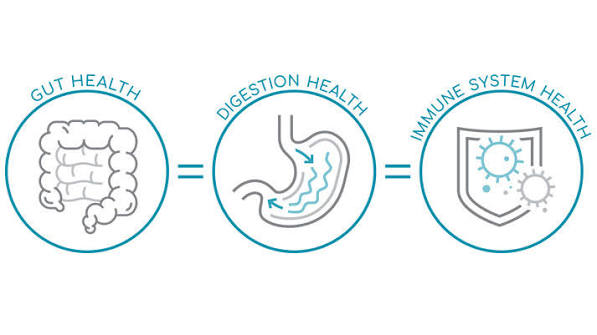
The gut microbiome is another frontier. Fermented foods can modulate gut microbiota composition, though research is still emerging on whether these effects are lasting or require ongoing consumption. The science is young, but the potential is substantial.
The Global Flavor Revolution
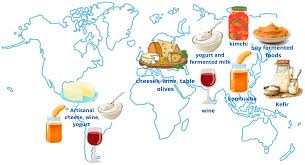
Fermentation isn’t just about preservation—it’s a flavor engine. The sourness of kimchi, the effervescence of kombucha, the deep umami of miso, and the complex esters in aged cheese all arise from microbial metabolism. Each culture has its signature fermented foods: Japan’s miso and soy sauce, Korea’s kimchi, Germany’s sauerkraut, Ethiopia’s injera, India’s idli and dosa, and Southeast Asia’s fish sauces.
These foods are so central to national identities that they’ve shaped culinary traditions for millennia. Kimchi, for instance, traces back to the Three Kingdoms period (37 BCE–7th century CE). Injera, the spongy Ethiopian flatbread, is made from fermented teff and is a daily staple for millions.
Modern Market: From Niche to Mainstream
The fermented foods market was valued at roughly $540 billion in 2023 and is projected to grow at 5–7% annually through 2030. This growth is driven by kombucha, kefir, kimchi, and plant-based fermented alternatives. The “functional foods” trend has pushed fermented products into mainstream supermarkets.
Yet there’s a paradox: many commercial products are pasteurized after fermentation, killing live cultures to extend shelf life. This means the probiotic label on a product doesn’t guarantee live microbes. Consumers seeking live cultures must look for unpasteurized products, often refrigerated, or ferment at home.
The Craft Revival: Home Fermentation
A grassroots movement has embraced home fermentation, from sourdough starters nurtured during lockdowns to small-batch kimchi made in urban kitchens. This revival connects to ancient practices and empowers individuals to control their food’s microbial content. It also underscores that fermentation is accessible—it requires only time, salt, and the right environment.
Artisanal producers are also driving quality: naturally fermented pickles, traditionally brewed soy sauce, and raw kombucha are sought after for their complex flavors and potential health benefits. This craft approach mirrors the back-slopping methods of our ancestors, but with modern quality control.
The Future: Fermentation Meets Biotechnology
As scientific understanding deepens, fermentation is poised to play a larger role in sustainable food production. Fermentation can create protein-rich foods from plant sources, reduce waste by preserving surplus produce, and even produce novel flavors and textures.
Metagenomic studies are uncovering the intricate networks within fermented food microbiomes, potentially allowing us to tailor fermentations for specific health outcomes. The intersection of traditional knowledge and modern science is fertile ground for innovation.
Fermentation is not a relic of the past but a living technology—one that connected ancient civilizations and now connects us to our food in ways that are both surprising and profound.
Fermented foods embody a dual legacy: they are ancient preservation techniques that shaped human survival and modern cuisines, and they are also a cutting-edge field of microbial science with implications for health and sustainability. The next time you enjoy a tangy bite of kimchi or sip a fizzy kombucha, remember that you’re tasting the work of billions of microscopic organisms—a collaboration that spans millennia and continues to evolve.
Summary
- Fermentation is an anaerobic metabolic process where microbes convert carbohydrates into alcohols, acids, or gases, preserving food and creating unique flavors.
- Major types include lactic acid (sauerkraut, yogurt), alcohol (beer, bread), acetic acid (vinegar, kombucha), and alkaline fermentation (natto).
- Evidence of fermented beverages dates to 9,000 BCE in China, with independent development across ancient civilizations.
- Health benefits include probiotics (live microbes), postbiotics (metabolites from dead microbes), and increased nutrient bioavailability.
- The global fermented foods market was ~$540 billion in 2023, growing at 5–7% annually, yet many commercial products are pasteurized, killing live cultures.
FAQ
Q: What is the difference between probiotics and postbiotics?
A: Probiotics are live microorganisms that provide health benefits when consumed in adequate amounts. Postbiotics are heat-killed microbes and their metabolites, such as short-chain fatty acids and enzymes, which also offer benefits. This means even pasteurized fermented foods may have health effects.
Q: Are all fermented foods good for gut health?
A: Many fermented foods can modulate gut microbiota composition, but research is still emerging. The effects may depend on the specific strains present and whether the food retains live cultures. Not all fermented foods have proven probiotic effects.
Q: Why do some commercial products label themselves as fermented but are pasteurized?
A: Pasteurization extends shelf life and ensures safety by killing microbes, including pathogens. However, it also kills beneficial live cultures. Consumers seeking live probiotics should look for unpasteurized, often refrigerated, products.
Q: Can I get vitamin K2 from fermented foods?
A: Yes, natto, a fermented soybean product, is a rich source of vitamin K2. Other fermented foods may produce K2 in smaller amounts, but natto is the most notable.
Q: What are the main types of fermentation used in food?
A: The main types are lactic acid fermentation (e.g., sauerkraut, kimchi, yogurt), alcohol fermentation (e.g., beer, wine, bread), acetic acid fermentation (e.g., vinegar, kombucha), and alkaline fermentation (e.g., natto).