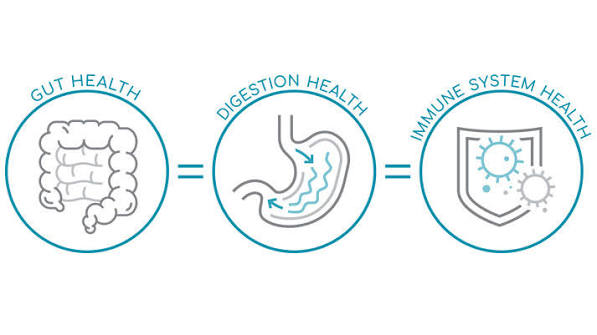
Imagine a bustling city of trillions of tiny residents living inside your colon. They outnumber your own cells, hold 150 times more genes than your entire genome, and most surprisingly they act as a training ground for your immune system. This is your gut microbiome, and it’s not just a passive passenger; it’s a hidden boss that influences how your body fights off illness, from the common cold to chronic conditions like allergies and autoimmune diseases.
For decades, we thought of the immune system as a standalone army, ready to attack any invader. But research has flipped that idea: about 70–80% of your immune cells reside in your gut, and they’re constantly talking to the microbes that live there. In this article, we’ll break down how this microscopic community runs the show, what happens when things go wrong, and what you can do to keep your microbial boss happy.
Meet Your Microbial Inhabitants
Your gut is home to roughly 100 trillion microorganisms bacteria, viruses, fungi, and archaea mostly in your large intestine. In a healthy adult, you’ll find 500 to 1,000 different species, with two major groups dominating: Firmicutes and Bacteroidetes, which together make up about 90% of the population. These microbes aren’t just freeloaders; they help digest food, produce vitamins, and most critically train your immune system.
The collective genetic material of these microbes, called the metagenome, contains about 150 times more genes than your human genome. That’s a lot of extra instruction manuals, and your body uses them to fine-tune its defenses.
The Gut-Immune Connection: How the Boss Works
Barrier Integrity: The First Line of Defense
Your intestinal lining is a single layer of cells that separates your insides from the outside world. Gut microbes help maintain this barrier, ensuring that harmful pathogens and toxins can’t slip through into your bloodstream. When this barrier breaks down—a condition often called ‘leaky gut’—the immune system goes on high alert, potentially leading to chronic inflammation.
Immune Cell Education: Teaching Friend from Foe
Deep within your gut, in areas called gut-associated lymphoid tissue (GALT), your immune cells learn their job. The microbiome acts as a teacher, showing T-cells and B-cells which bacteria are harmless and which are dangerous. This training is crucial; without it, your immune system might attack harmless food particles or your own tissues, leading to allergies or autoimmune diseases.
Short-Chain Fatty Acids: The Chemical Messengers
When gut bacteria ferment dietary fiber, they produce short-chain fatty acids (SCFAs), including butyrate, propionate, and acetate. Butyrate is particularly important: it regulates regulatory T-cells (Tregs), which are like the peacekeepers of the immune system, calming down excessive inflammation. Think of SCFAs as the boss’s email updates, keeping your immune cells informed and balanced.
Microbial Signals: The Molecular Whispers
Bacteria have unique molecular patterns on their surfaces, called microbe-associated molecular patterns (MAMPs). Your immune cells recognize these via pattern recognition receptors (like TLRs and NLRs), which trigger inflammatory responses when needed. This constant communication ensures your immune system is ready to fight real threats but doesn’t overreact to harmless ones.
The Gut-Brain Axis: A Direct Line to the Boss
The vagus nerve connects your gut to your brain, and microbial metabolites, like serotonin precursors, travel along this pathway. This gut-brain axis means your gut microbiome doesn’t just affect your immune system—it also influences your mood, stress levels, and even neurological function. So when your gut is happy, your brain and immune system feel it too.
The Numbers: Why Your Gut Matters
- 70–80% of your immune cells live in your gut-associated lymphoid tissue.
- Antibiotic use can slash microbial diversity by 30–50% within days, and recovery is often incomplete.
- Fecal microbiota transplantation (FMT) has a success rate of over 80% for recurrent Clostridioides difficile infection, a potentially deadly gut infection. This is the strongest proof that restoring a healthy microbiome can treat disease.
When the Boss Goes Rogue: Microbiome Disruption and Disease
Modern life is tough on your gut microbiome. Western diets high in fat and low in fiber, overuse of antibiotics, and even C-section births can reduce microbial diversity. This disruption is linked to a rise in chronic inflammatory diseases—allergies, autoimmune conditions, inflammatory bowel disease (IBD), and metabolic syndrome. The ‘hygiene hypothesis’ and its follow-up, the ‘old friends’ hypothesis, suggest that our immune systems evolved to expect a diverse microbial community, and when we don’t provide it, they misfire.
Research shows strong correlations between microbiome composition and immune outcomes. For example, specific gut bacteria are associated with how patients respond to cancer immunotherapy (checkpoint inhibitors). But it’s crucial to note: most human studies show correlation, not causation. Much of the causal evidence comes from germ-free mouse experiments, which don’t perfectly mimic human physiology.
Practical Steps: How to Keep Your Microbial Boss Happy
You can’t change your genetics, but you can influence your gut microbiome. Here are evidence-based strategies:
- Eat more fiber: Fiber is the fuel for SCFA-producing bacteria. Aim for a diverse range of plant foods—fruits, vegetables, legumes, whole grains.
- Include fermented foods: Yogurt, kefir, sauerkraut, and kimchi introduce beneficial bacteria (probiotics). However, strain-specific effects are modest, so don’t expect miracles.
- Consider prebiotics: These are non-digestible fibers that feed good bacteria. Examples include garlic, onions, and bananas.
- Use antibiotics wisely: Only take them when necessary, as they can damage your microbial diversity.
- Be skeptical of over-the-counter microbiome tests: Many lack clinical validation. Focus on general lifestyle changes instead.
The Future: Personalized Microbiome Medicine
We’re not yet at the point of personalized microbiome therapies, but the field is moving fast. Advances in sequencing and metabolomics are shifting research from ‘who’s there’ to ‘what are they doing.’ In the future, doctors might use your microbiome profile to tailor treatments for IBD, allergies, or even cancer. But until then, a balanced diet and mindful antibiotic use are your best bets.
Your gut microbiome isn’t just a passive resident; it’s a dynamic force that shapes your immune system’s every move. By understanding this hidden boss, you can make informed choices to support it. The science is clear: a diverse, fiber-fed microbiome is key to a resilient immune system. So next time you plan a meal, think of your microbial residents—they’re working hard to keep you healthy.
Summary
- Your gut is home to 100 trillion microbes, with 70–80% of your immune cells residing there.
- Gut microbes maintain the intestinal barrier, train immune cells, and produce short-chain fatty acids that regulate inflammation.
- Antibiotic use can cut microbial diversity by 30–50%, and a disrupted microbiome is linked to chronic inflammatory diseases.
- A diet rich in fiber and fermented foods supports a healthy microbiome; FMT is a highly effective treatment for C. diff infection.
- Research is moving from correlational studies to functional, metabolomic analysis, paving the way for personalized therapies.
FAQ
Q: What is the gut microbiome exactly?
A: The gut microbiome is the collection of trillions of microorganisms—bacteria, viruses, fungi, and archaea—living in your large intestine. They outnumber your cells and contain 150 times more genes than your genome, playing a vital role in digestion, immunity, and even brain function.
Q: How does the gut microbiome affect immunity?
A: It maintains the intestinal barrier to keep pathogens out, trains immune cells in the gut to distinguish friend from foe, and produces short-chain fatty acids like butyrate that regulate inflammation. Essentially, it acts as a teacher and modulator for your immune system.
Q: Can I change my gut microbiome?
A: Yes, through diet and lifestyle. Eating a variety of fiber-rich plants, consuming fermented foods, and avoiding unnecessary antibiotics can increase microbial diversity and support a healthy gut. Probiotics and prebiotics can help, but effects are modest and strain-specific.
Q: Are commercial microbiome tests worth it?
A: Most at-home tests lack clinical validation and can’t tell you much beyond broad trends. They might offer insights into your microbial composition, but they don’t provide medically actionable information. Focus on general healthy habits instead of chasing specific numbers.
Q: What is fecal microbiota transplantation (FMT)?
A: FMT is a procedure where stool from a healthy donor is transplanted into a patient’s gut to restore a balanced microbiome. It has a success rate of over 80% for recurrent Clostridioides difficile infection and is the strongest evidence that restoring the microbiome can cure disease.