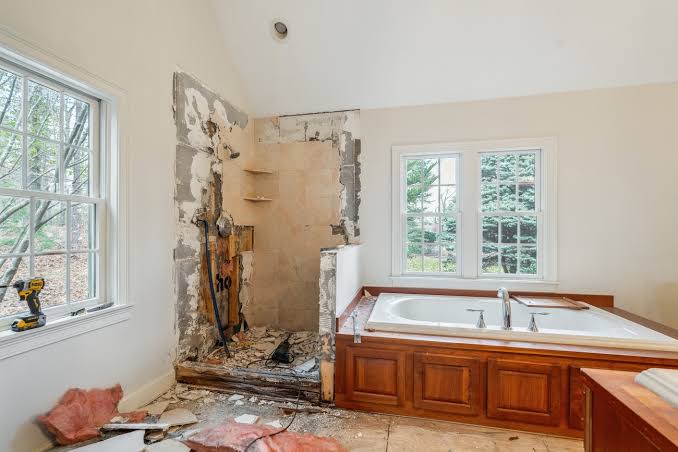
Renovating a bathroom is one of the most rewarding home improvement projects you can tackle—it boosts daily comfort and can recoup up to 67% of its cost at resale. But it’s also a minefield of hidden pitfalls. Between water, electricity, and a tight footprint, a single misstep can turn a dream remodel into a nightmare of mold, leaks, and budget overruns.
Whether you’re a seasoned DIYer or hiring a contractor, knowing where things go wrong is half the battle. This guide unpacks the most common bathroom renovation mistakes—from waterproofing myths to ventilation oversights—so you can avoid costly rework and enjoy your new space without regret.
1. Skimping on Waterproofing (The #1 Mistake)
Many homeowners assume that tile and grout are enough to keep water out. The truth is, grout is porous and will absorb moisture over time. Without a proper waterproofing membrane—like Schluter-KERDI or a liquid-applied membrane such as RedGard—water seeps behind your tile, leading to mold, rot, and structural damage.
What to do instead: Always install a waterproofing membrane in wet areas (showers, tub surrounds, and floors). This is non-negotiable, even if it adds a few hundred dollars to your budget. It’s far cheaper than tearing out a moldy wall later.
2. Ignoring Ventilation Requirements
A bathroom without adequate ventilation is a breeding ground for mold and mildew. Code typically requires an exhaust fan rated at least 50 CFM (cubic feet per minute), or 1 CFM per square foot of room area. Many older homes have undersized fans or none at all.
What to do instead: Install a properly sized exhaust fan that vents to the outside (not into the attic). Consider a model with a humidity sensor that turns on automatically. This small investment protects your paint, drywall, and health.
3. Underestimating the Budget (and Forgetting Hidden Costs)
The average mid-range bathroom remodel runs between $10,000 and $25,000, but first-timers often budget only for visible items like tile and fixtures. They forget permits, dumpster rentals, underlayment, and unexpected structural repairs—like fixing rotted subfloor or outdated plumbing.
What to do instead: Add a 20% contingency fund to your budget. Get itemized quotes from contractors and ask about potential extras. Never pay more than a 10–20% deposit upfront, and tie progress payments to completed milestones.
4. Moving Plumbing Without Thinking It Through
Relocating a toilet, shower, or sink drain is not just a matter of rerouting pipes—it involves slope calculations, venting, and sometimes structural changes. This can easily add thousands to your project and extend the timeline by weeks.
What to do instead: Keep plumbing fixtures in their existing locations whenever possible. If you must move them, consult a licensed plumber early in the design phase to get a realistic cost estimate. Sometimes a small shift (a few inches) is affordable, but a major relocation can blow your budget.
5. Choosing Trendy Materials Over Practical Ones
Large-format tiles, matte black fixtures, and floating vanities look stunning in showrooms, but they require specific installation expertise. Large tiles, for example, need perfectly flat subfloors or they will crack or ‘tent.’ Natural stone needs sealing and can be slippery when wet, making it a poor choice for shower floors.
What to do instead: Choose materials that balance aesthetics with durability. For shower floors, use small-format tiles (like mosaic) with textured surfaces for grip. If you love a trend, ask your contractor about the installation challenges and whether your home can accommodate it.
6. Skipping Permits to Save Time or Money
Many jurisdictions require permits for any work involving plumbing, electrical, or structural changes. Skipping them can lead to fines, forced removal of unpermitted work, and headaches when you sell your home—buyers’ inspectors will flag it.
What to do instead: Check with your local building department before starting. Pull the necessary permits and schedule inspections. It might add a week to your timeline, but it protects your investment and ensures the work meets safety codes (like GFCI outlets within 6 feet of water).
7. Hiring the First Contractor (or Going DIY Without Skills)
Skilled contractors are in high demand, with lead times of 4–8 weeks. In a rush, homeowners often hire the first available person or attempt complex work themselves. The result? Poor workmanship, code violations, and costly rework.
What to do instead: Vet contractors thoroughly—check licenses, insurance, references, and online reviews. Get at least three bids. If you’re DIYing, be honest about your skills: plumbing and electrical are not beginner-friendly. It’s often cheaper to hire a pro for those parts and do the cosmetic work yourself.
Bonus: Over-Personalizing for Resale
While your bathroom should reflect your taste, extreme customization (think saunas, bold color schemes, or luxury fixtures) can hurt resale value. Realtors warn that highly personalized spaces appeal to a narrow buyer pool.
What to do instead: Aim for a ‘sweet spot’—a clean, neutral design with quality materials that appeals to most buyers. You can add personal touches with accessories that are easy to change later.
A bathroom renovation is a significant investment, but it doesn’t have to be a horror story. By avoiding these common mistakes—prioritizing waterproofing, ventilation, proper budgeting, and realistic planning—you can create a space that’s beautiful, functional, and adds value to your home. Remember: the cheapest fix is the one you do right the first time.
Summary
- Waterproofing is non-negotiable: Grout is not waterproof; install a membrane to prevent mold and rot.
- Ventilation matters: Install a properly sized exhaust fan to avoid moisture damage.
- Budget for the unexpected: Add a 20% contingency for hidden costs like permits and structural repairs.
- Don’t move plumbing casually: Relocating fixtures can add thousands; keep them in place when possible.
- Choose durable over trendy: Some materials require special installation or maintenance; pick practical options for wet areas.
- Get permits and vet contractors: Protect your investment and ensure safety by following codes and hiring qualified pros.
FAQ
Q: How much does a bathroom remodel typically cost?
A: The average mid-range bathroom remodel in the U.S. costs between $10,000 and $25,000, with upscale remodels exceeding $50,000. Costs vary by region, materials, and scope.
Q: Can I do a bathroom renovation myself to save money?
A: Yes, but only for cosmetic tasks like painting or installing fixtures. Plumbing, electrical, and waterproofing require expertise—mistakes can lead to costly damage or safety hazards. Consider hiring a pro for those critical parts.
Q: What is the most common cause of mold in bathrooms?
A: Poor ventilation and improper waterproofing. Without an exhaust fan or a waterproofing membrane, moisture accumulates behind walls and under tile, leading to mold and rot.
Q: Do I need a permit for a bathroom remodel?
A: Most jurisdictions require permits for any work involving plumbing, electrical, or structural changes. Check with your local building department to avoid fines and resale complications.
Q: How long does a bathroom renovation take?
A: Typically 3–6 weeks, but delays are common due to plumbing issues, tile backorders, or permit inspections. Plan for extra time in your schedule.