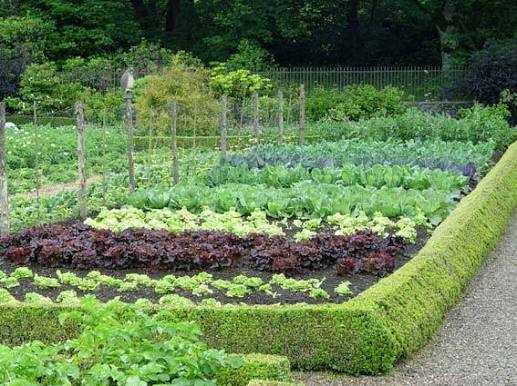
Imagine stepping outside your door to snip fresh lettuce for a salad, plucking sun-warmed tomatoes, or pulling a crisp carrot from the soil. Growing your own vegetables is not only rewarding but also a practical way to save money, eat healthier, and reduce your carbon footprint. Whether you have a sprawling backyard or a tiny balcony, this guide will walk you through every step—from choosing the right spot to harvesting your first crop.
Vegetable gardening has seen a massive resurgence in recent years, with seed sales spiking over 300% in early 2020 as people sought food security and a connection to nature. But starting a garden can feel overwhelming. Where do you begin? What do you plant? How do you keep it alive? This step-by-step tutorial breaks it all down, using clear, actionable advice that even a complete novice can follow. By the end, you’ll have the knowledge and confidence to plant, nurture, and enjoy your own vegetable garden.
Step 1: Choose the Right Location
The first and most critical decision is where to place your garden. Most vegetables need 6–8 hours of direct sunlight per day, so pick a spot that gets full sun. Leafy greens like lettuce and spinach can tolerate partial shade (4–6 hours), but fruiting crops like tomatoes and peppers will struggle without ample light.
Observe your yard or balcony throughout the day to see how sunlight moves. Also consider proximity to a water source—dragging hoses across the yard is a chore you’ll want to avoid. Finally, ensure the area has good drainage; avoid low spots where water pools after rain.
Step 2: Test and Prepare Your Soil
Soil is not just dirt—it’s a living ecosystem teeming with microorganisms that help plants thrive. The ideal soil for vegetables is well-draining, loamy, and rich in organic matter, with a pH between 6.0 and 7.0. You can buy a simple soil test kit at any garden center to check pH and nutrient levels.
If your soil is poor, don’t despair. Amend it with compost—the gardener’s gold. Compost improves drainage, adds nutrients, and encourages beneficial soil life. Spread 2–3 inches of compost over the area and work it into the top 6–8 inches of soil. If you’re gardening in containers, use a high-quality potting mix designed for vegetables.
Step 3: Plan Your Garden Layout
Before you dig, decide what you want to grow. For beginners, start small—a 4×4-foot raised bed or a few large containers is plenty. A common mistake is planting too much too soon, leading to an overwhelming, neglected garden. Instead, choose 3–5 easy crops like radishes, lettuce, green beans, zucchini, and tomatoes.
Consider the space each plant needs. Vining crops like cucumbers and squash can sprawl, so give them room or provide a trellis. Use the square-foot gardening method to maximize space: divide your bed into 1-foot squares and plant according to each crop’s spacing needs. For example, you can fit 16 radishes in one square, but only one tomato plant.
Step 4: Know Your Frost Dates and Planting Times
Timing is everything in gardening. The last frost date in your area determines when it’s safe to plant warm-season crops like tomatoes and peppers. You can find this date online or at your local extension office. Cool-season crops like lettuce and peas can be planted earlier, as they tolerate light frosts.
A typical timeline for temperate climates:
– Late winter/early spring: Start seeds indoors 6–8 weeks before the last frost.
– Early spring: Direct-sow cool-season crops (lettuce, spinach, carrots, peas).
– After last frost: Transplant warm-season crops (tomatoes, peppers, squash).
– Mid-to-late summer: Plant fall crops (kale, broccoli, root vegetables).
Step 5: Plant Your Seeds and Seedlings
Now for the fun part—planting! For seeds, follow the depth and spacing instructions on the packet. A general rule is to plant seeds at a depth of twice their diameter. Water gently after planting to settle the soil.
If you’re using seedlings (young plants from a nursery), dig a hole slightly larger than the root ball, place the plant, and firm the soil around it. Water thoroughly. For tomatoes, plant them deep—burying part of the stem encourages stronger root growth.
Step 6: Water Wisely
Water is life, but more is not always better. Overwatering is a leading cause of plant death, leading to root rot and fungal diseases. Most vegetables need about 1–1.5 inches of water per week, including rainfall. The best approach is deep, infrequent watering—soak the soil thoroughly, then let it dry out slightly before watering again.
Drip irrigation or soaker hoses are the most efficient methods, delivering water directly to the roots and minimizing evaporation. Mulching around plants (with straw, leaves, or grass clippings) helps retain moisture and suppress weeds.
Step 7: Feed Your Plants
Vegetables are hungry plants. They need nitrogen (N), phosphorus (P), and potassium (K)—the primary macronutrients found in fertilizers. A balanced fertilizer like 10-10-10 works well, but organic options like compost tea or fish emulsion are also excellent.
Apply fertilizer according to the package instructions, usually every 3–4 weeks during the growing season. Avoid over-fertilizing, which can lead to lush foliage but few fruits. Compost applied at planting time provides a slow-release source of nutrients.
Step 8: Manage Pests and Diseases Naturally
Pests and diseases are inevitable, but you can minimize damage with a few simple strategies. Start by choosing disease-resistant varieties and rotating crops each year to prevent soil-borne diseases. Encourage beneficial insects like ladybugs and lacewings, which prey on aphids and other pests.
For minor infestations, hand-pick pests or spray with a mild soap solution. Neem oil is an effective organic treatment for many common garden pests. If a plant is severely diseased, remove it promptly to prevent spread.
Step 9: Harvest and Enjoy
The ultimate reward! Harvesting at the right time ensures the best flavor and encourages continued production. Leafy greens can be picked as soon as they’re large enough to eat—cut outer leaves and let the inner ones grow. Tomatoes should be picked when fully colored and slightly soft to the touch. Zucchini is best when small (6–8 inches); oversized ones are seedy and tough.
Regular harvesting often stimulates more growth, so don’t be shy. And remember, a well-maintained 10×10-foot garden can yield 100–200 pounds of produce in a season—plenty to share with friends and neighbors.
Step 10: Extend the Season and Plan Ahead
As summer winds down, don’t let your garden go dormant. Plant fall crops like kale, broccoli, and root vegetables in mid-to-late summer. Use row covers or cold frames to protect them from early frosts and extend your harvest well into autumn.
At the end of the season, clean up spent plants, add compost, and consider planting a cover crop like clover to enrich the soil over winter. Then start planning next year’s garden—you’ll be amazed at how much you’ve learned.
Starting a vegetable garden is a journey of discovery, patience, and reward. You’ll make mistakes—every gardener does—but each season brings new lessons and, eventually, a bountiful harvest. Begin small, choose easy crops, and don’t be afraid to get your hands dirty. The taste of a homegrown tomato, still warm from the sun, is worth every bit of effort. Happy gardening!
Summary
- Start small: A 4×4-foot bed or a few containers is perfect for beginners.
- Sunlight is key: Most vegetables need 6–8 hours of direct sun daily.
- Soil matters: Test pH, amend with compost, and ensure good drainage.
- Timing is critical: Know your last frost date and plant accordingly.
- Water deeply, not frequently: Aim for 1–1.5 inches per week, and use mulch to retain moisture.
FAQ
Q: How much time does a vegetable garden require?
A: A small garden (4×4 feet) needs about 1–2 hours per week for watering, weeding, and harvesting. Larger plots can take 5–10 hours weekly.
Q: What are the easiest vegetables to grow for beginners?
A: Radishes, lettuce, green beans, zucchini, and tomatoes are all forgiving and productive. Herbs like basil and parsley are also great starters.
Q: Can I grow vegetables in containers on a balcony?
A: Absolutely! Choose compact varieties, use large pots (at least 12 inches deep), and ensure they get 6+ hours of sun. Tomatoes, peppers, lettuce, and herbs thrive in containers.
Q: How do I know when to water?
A: Stick your finger into the soil up to the first knuckle. If it feels dry, it’s time to water. If it’s moist, wait a day or two.
Q: Is gardening actually cheaper than buying produce?
A: Yes, in the long run. A $70 investment can yield $600+ in produce, but the first year may cost more due to setup (tools, soil, containers). Over time, it pays off.