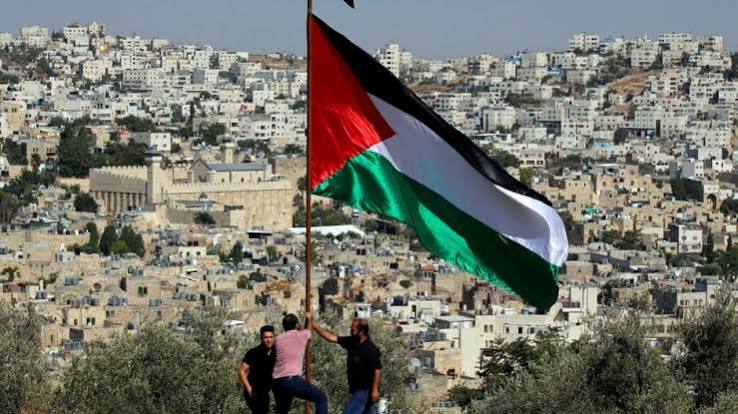
Singapore has permanently barred both members of the British trip-hop group Massive Attack from re-entering the country after they displayed a Palestinian flag during a concert. The ban, announced in a joint statement by the Singapore Police Force and the Infocomm Media Development Authority (IMDA), underscores the city-state’s strict stance on foreign political symbols in public spaces.
The decision follows an investigation into Robert “3D” Del Naja and Grant “Daddy G” Marshall, who unfurled the flag on stage during a performance in Singapore. Authorities cited concerns over public order and security, emphasizing that such displays could inflame communal tensions in the multi-ethnic, multi-religious society.
The ban is permanent, effectively preventing the duo from performing in Singapore again. It highlights the ongoing tension between artistic expression and Singapore’s legal framework, which prioritizes social harmony and foreign interference prevention.
The Incident and the Ban
During a concert in Singapore, Massive Attack’s Robert Del Naja and Grant Marshall displayed a Palestinian flag on stage. The act, captured on video and widely shared, prompted an investigation by Singapore authorities. In a joint statement, the Singapore Police Force and IMDA announced that both members are permanently barred from re-entering the country.
The statement explained that the duo’s actions were investigated for “their actions of displaying the flag,” which authorities deemed a breach of Singapore’s laws on public order and foreign interference. The flag, a potent symbol in the Israeli-Palestinian conflict, was considered a foreign political symbol that could disrupt social harmony.
Singapore’s Legal and Regulatory Context
Singapore has a robust legal framework governing public assemblies and foreign political activities. The Public Order Act and the Foreign Interference (Countermeasures) Act (FICA), enacted in 2021, are central to this framework. FICA targets foreign actors who engage in political activities that could undermine Singapore’s sovereignty or social harmony.
The IMDA, which regulates media content, can impose penalties on performers or broadcasters for content deemed objectionable. Singapore has previously banned or fined artists for political content, reflecting its cautious approach to external conflicts.
In the context of the Israel-Hamas war, which began in October 2023, Singapore has urged restraint and maintained a neutral public stance, emphasizing social cohesion at home. The government discourages public displays of foreign political symbols to avoid importing external disputes into local society.
Perspectives on the Ban
Singapore Government’s View: The ban is framed as a necessary measure to preserve public order and racial/religious harmony. Authorities stress that all performers must respect local laws, and foreign political symbols have no place in entertainment venues.
Artistic Freedom Advocates: Critics argue that banning artists for a symbolic gesture is disproportionate and that Singapore’s restrictions on expression are overly broad. Massive Attack’s history of political activism suggests the flag display was intentional, consistent with their body of work.
International Reaction: The story may draw attention from international media and human rights organizations, potentially framing Singapore as repressive. However, some commentators may note that Singapore’s approach aligns with its legal framework and cultural norms.
Local Public Opinion: Views in Singapore may be divided. Some may support the government’s stance on maintaining harmony, while others may see the ban as excessive, particularly if they sympathize with the Palestinian cause or value artistic expression.
Legal Analysis: Experts may debate whether the ban is legally sound, whether due process was followed, and whether a permanent ban fits the alleged offense.
Clarifying Common Misunderstandings
It’s important to note that the duo was not arrested or charged with a criminal offense; the ban is an administrative action under immigration powers, barring re-entry. The ban applies to both members personally, not necessarily to the band as a whole, though practically, Massive Attack cannot perform in Singapore without them. The ban does not affect their ability to perform elsewhere.
The reason for the ban is not about supporting Palestine per se, but about displaying a foreign political symbol in a public performance, which Singapore considers a breach of its laws on public order and foreign interference. This is not simply a “free speech” issue; it’s about Singapore’s specific legal and social context.
The permanent ban on Massive Attack’s members reflects Singapore’s firm commitment to maintaining social harmony and preventing foreign political interference. While the decision has sparked debate over artistic freedom, it aligns with the city-state’s legal framework and cultural priorities. As international attention focuses on this case, it serves as a reminder of the delicate balance between expression and regulation in a globalized world.
Summary
- Massive Attack’s Robert Del Naja and Grant Marshall are permanently banned from re-entering Singapore after displaying a Palestinian flag during a concert.
- The ban was announced by the Singapore Police Force and IMDA, citing concerns over public order and security.
- Singapore’s strict laws on foreign political symbols and interference, including FICA, underpin the decision.
- The ban is administrative, not criminal, and applies to the individuals, not the band as a whole.
- The case highlights tensions between artistic expression and Singapore’s emphasis on social cohesion.
FAQ
Q: Were the Massive Attack members arrested?
A: No, they were not arrested or charged with a criminal offense. The ban is an administrative action barring them from re-entering Singapore.
Q: Does the ban apply to the entire band?
A: The ban applies to both members personally. Since Massive Attack cannot perform without them, the band effectively cannot play in Singapore.
Q: Why was the flag display considered a violation?
A: Singapore considers foreign political symbols in public performances a threat to public order and social harmony, especially given its multi-ethnic, multi-religious society.
Q: Is this a free speech issue?
A: While critics may frame it as such, Singapore’s laws prioritize social cohesion and foreign interference prevention, which the government argues justifies the ban.
Q: Can the duo appeal the ban?
A: The statement did not mention an appeal process. Typically, such immigration bans are discretionary and may not be subject to appeal.