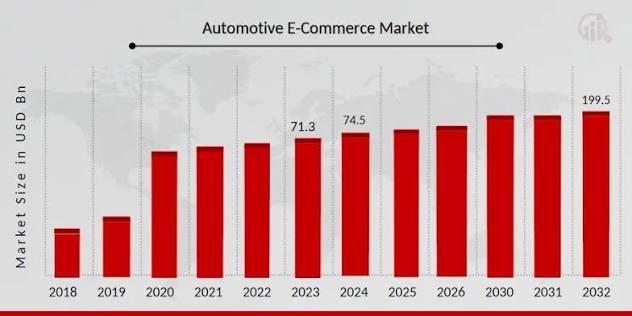
For two decades, the path to buying a car almost always began with a Google search. You’d type “best SUV 2024,” click through a few third-party aggregator sites, then finally land on a dealer’s website. But that starting point is moving. A growing number of shoppers now begin their journey directly on a manufacturer’s site or app, skipping the search engine entirely.
This isn’t a complete abandonment of Google it’s a relocation of the starting line. Instead of entering the funnel at the top, consumers are jumping in at the configurator or inventory search because they already know the brand and model they want. The shift is driven by product complexity, inventory scarcity, the EV transition, and a wave of direct-to-consumer sales models. Here’s what’s happening and why it matters.
Why the Search Starting Point Is Moving
Imagine you’re shopping for a new laptop. You might start with a Google search for “best ultrabooks 2024,” then compare specs across multiple brands on a review site. But cars aren’t laptops. A single model can have thousands of trim combinations, powertrain options (gas, hybrid, electric), and packages. Generic search results can’t easily filter that complexity.
OEM websites and apps can. Ford’s “Build & Price” tool, for example, walks you through every option and even shows real-time dealer stock. Tesla’s online configurator lets you pick a Model Y, choose a color, see the exact price with tax credits, and order it—all without ever touching a search engine. This level of specificity is impossible to replicate on a Google results page.
Inventory scarcity has accelerated the trend. After the pandemic’s supply chain disruptions, “searching for what’s on the lot” became more important than “searching for what exists.” Real-time inventory tools on dealer sites became the only reliable source of truth. If you want a specific trim with a specific color and it’s not on the lot, you need to know that immediately. Generic search can’t tell you that.
The EV transition is another major driver. Electric vehicle buyers need very specific data: range, charging speed, tax credit eligibility. OEM sites present this information in controlled, standardized formats. Tesla, Rivian, and Lucid have also normalized the idea of buying a car entirely online—no dealership, no Google search required.
Finally, there’s the economic reality. Google’s cost-per-click for high-intent automotive keywords has risen sharply, often ranging from $3 to $8. OEMs and dealers are tired of paying that premium when they could capture the customer directly. By moving shoppers to owned channels, they get first-party data (email, preferences, location) without the middleman.
The Numbers Behind the Shift
Exact figures are hard to pin down, but the signals are clear. Google has reported a decline in high-intent automotive queries, though they don’t share the exact numbers. Industry surveys from Cox Automotive and Kelley Blue Book indicate that while 60–70% of car buyers still start online, a growing minority—estimated at 15–25%—now start on a specific OEM or dealer site rather than a search engine.
App installs for OEM apps like MyFord, MyChevrolet, and the Tesla app have grown steadily. Tesla’s app, in particular, serves as both a shopping tool and an ownership hub—you can order a car, schedule service, and control your vehicle’s climate from the same interface. That kind of ecosystem keeps users coming back, further reducing reliance on search.
Who Benefits, Who’s Worried
The OEMs are the clear winners here. They’re reclaiming customer data and reducing acquisition costs. They control the narrative around pricing and incentives, and they can build a direct relationship with the buyer from the very first click.
Dealers have a mixed view. Large dealer groups with strong websites and digital marketing teams benefit from the shift because they can capture leads directly. Small dealers with poor digital presence suffer—they’re left relying on Google leads that are getting more expensive and less frequent. Some dealers also worry that OEM apps will disintermediate them further, especially as manufacturers push online reservation systems.
Consumers get faster, more accurate results and fewer irrelevant ads. But there’s a downside: OEM sites rarely show competitor models side-by-side. If you start your research on BMW’s site, you’re unlikely to see a comparison with Audi or Mercedes. This can lead to “brand lock-in” and potentially less informed purchases.
Google isn’t taking this lying down. They’re fighting back with enhanced vehicle listings using structured data, AI-generated summaries in Search Generative Experience (SGE), and improved local inventory ads. But their position is structurally weaker because they lack real-time dealer inventory data unless dealers choose to share it.
Third-party aggregators like Autotrader, Cars.com, and CarGurus are being squeezed from both sides. They’re pivoting to “marketplace” models and offering white-label inventory tools to dealers to stay relevant.
The Road Ahead
This shift is not a complete migration—Google still plays a massive role in automotive research. But the starting point is moving, and that changes the entire funnel. For OEMs and dealers, the imperative is to invest in owned channels: fast, user-friendly configurators, real-time inventory integration, and apps that retain users through ownership. For consumers, the trade-off is more convenience and accuracy versus less cross-brand comparison. And for Google, the challenge is to evolve from a simple search engine into a platform that can offer the same level of specificity that OEM sites provide—without the data.
The next time you’re in the market for a car, notice where you start. If you already have a brand in mind, you might skip Google entirely and go straight to the configurator. That’s the new reality—and it’s reshaping the automotive retail landscape, one search at a time.
Summary
- A growing number of car shoppers (15–25%) now start their research on OEM websites or apps rather than Google.
- Key drivers: product complexity, inventory scarcity, EV transition, and direct-to-consumer sales models.
- OEMs benefit by capturing first-party data and reducing ad costs; dealers and aggregators face challenges.
- Google is fighting back with AI summaries and enhanced listings, but lacks real-time inventory data.
- Consumers get faster, more accurate results but may lose out on cross-brand comparisons.
FAQ
Q: Are people completely abandoning Google for car shopping?
A: No, but a significant minority (15–25%) now start directly on OEM or dealer sites. Most buyers still use Google at some point, but the starting point is shifting.
Q: Why are OEM apps and configurators more popular now?
A: Modern vehicles have thousands of combinations, and real-time inventory is often only available on dealer or OEM sites. EVs also require specific data that these platforms present clearly.
Q: Does this shift help or hurt consumers?
A: It helps with faster, more accurate results and fewer irrelevant ads. The downside is less cross-brand comparison, which could lead to brand lock-in and less informed decisions.
Q: How are Google and third-party sites responding?
A: Google is enhancing vehicle listings and using AI-generated summaries. Aggregators like Autotrader are pivoting to marketplace models and offering white-label tools to dealers.
Q: What should dealers do to adapt?
A: Invest in a strong digital presence, real-time inventory tools, and consider using QR codes on window stickers to direct shoppers to specific VIN pages, bypassing search entirely.