Tag: nomads

  • Mongolia’s Last Nomads: How Herders Keep Ancient Traditions Alive

    Mongolia’s Last Nomads: How Herders Keep Ancient Traditions Alive

    On the windswept steppes of Mongolia, a quarter of the population still lives as their ancestors did thousands of years ago. They move with the seasons, follow the pastures, and raise the five animals—horse, sheep, goat, cattle, and camel—that define their culture. But this ancient way of life is under siege from climate change, mining, and the pull of the city.

    Yet, the nomads are not fading away. They are adapting, blending old wisdom with new tools, and proving that a 3,000-year-old tradition can survive in the 21st century. This is the story of Mongolia’s herders and the delicate balance they strike between preservation and change.

    A Life on the Move

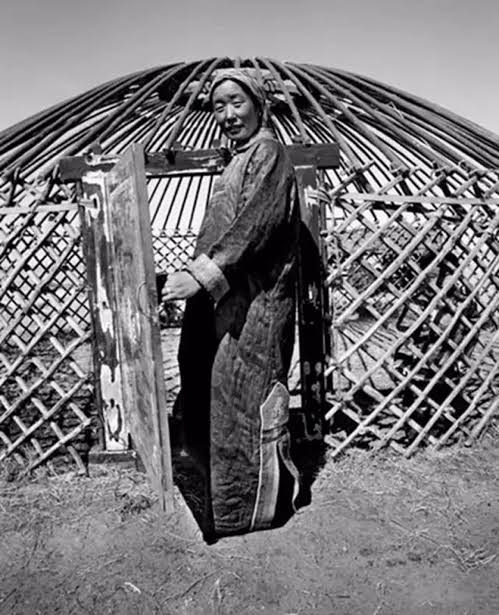
    Mongolia’s nomads move between two and four times a year, following the rhythm of the seasons. Each camp—winter, spring, summer, autumn—is chosen for its pasture and shelter. The ger, a portable felt dwelling, can be taken down and set up in under an hour, making this mobility possible.

    The ger itself is a marvel of design and symbolism. Its collapsible wooden lattice, roof poles, and crown ring are covered with felt and canvas. The door faces south, and the interior is laid out with strict purpose: the men’s side to the west, the women’s side to the east, and an altar at the north. Every element has meaning, reflecting a worldview that sees the home as a microcosm of the cosmos.

    The Five Snouts and the Steppe Economy

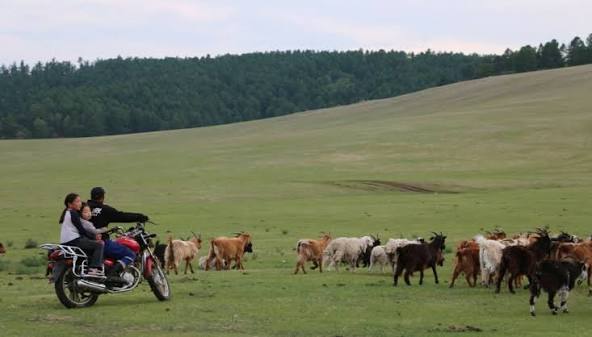
    At the heart of nomadic life are the “five snouts”—horses, sheep, goats, cattle or yaks, and camels. Each animal serves a purpose. Sheep and goats provide meat, milk, and cashmere. Cattle and yaks give milk and meat, while camels are beasts of burden in the Gobi. Horses are companions, sources of mare’s milk, and symbols of freedom.

    The numbers are staggering. Mongolia has roughly 70 million livestock, outnumbering its human population by more than 20 to one. For the 800,000 to 900,000 people who still herd, these animals are not just a livelihood—they are a way of life.

    This economy is not self-sufficient. Cashmere from goats is a major export, making Mongolia the world’s second-largest producer after China. But market integration brings volatility, and herders must navigate price swings and rising costs.

    The Cultural Fabric

    Nomadic life is woven into Mongolia’s cultural identity. Shamanism and Buddhism coexist, and sacred mountains and rivers are honored with offerings at stone cairns called ovoo. The Naadam Festival, held every July, celebrates the “Three Manly Games”: wrestling, horse racing, and archery—all skills born of the herding life.

    Music, too, reflects the steppe. Mongolian throat singing (khoomei) and long songs (urtiin duu) capture the vastness and solitude of the landscape. These traditions are passed down orally, from generation to generation, just as knowledge of weather, animal husbandry, and navigation has been for millennia.

    The Pressures Mount

    But this way of life is facing unprecedented challenges. The most immediate threat is dzud, a severe winter that follows a summer drought, leaving livestock without pasture and vulnerable to extreme cold. The 2023–2024 dzud killed over 7 million animals—roughly 10% of the national herd. Such events are becoming more frequent and more severe.

    Climate change is a driving force. Mongolia’s average temperature has risen about 2.2°C since 1940, faster than the global average. Desertification and pasture degradation are accelerating, shrinking the land available for grazing.

    At the same time, a mining boom has brought over 3,000 mining licenses, with mines consuming water and pasture and displacing herder families. And the lure of the city is strong: Ulaanbaatar’s population has swelled from 500,000 in 1990 to over 1.6 million today, nearly half the country’s people, many of them former herders.

    Adaptation and Resilience

    Despite these pressures, nomads are not simply victims. They are adapting in ways that honor tradition while embracing change. Some herders now use motorcycles and solar panels, and many have cell phones to check weather forecasts and market prices.

    The government supports a semi-nomadic model, with fixed winter bases and better infrastructure, as a compromise between full nomadism and settlement. This approach recognizes that complete settlement would be ecologically disastrous—the steppe cannot support intensive agriculture—while also acknowledging the harsh realities of nomadic life.

    Many herders want their children to become doctors, engineers, or civil servants, not necessarily to inherit the herd. Yet the knowledge and skills of herding are still valued, and there is a growing recognition that nomadic pastoralism is a sophisticated, sustainable system that has kept the steppe healthy for centuries.

    A Deliberate Choice

    Herding remains a deliberate national policy choice. The government supports it for food security, cultural identity, and rural employment. For many, it is not a fallback but a chosen way of life.

    There are real tensions. Overgrazing, especially by goats for cashmere, degrades pasture, and some argue for reducing herd sizes. Others insist that traditional mobility is the solution, not the problem. International NGOs and researchers are working with herders to find a balance.

    The Future of the Steppe

    The nomads of Mongolia are not a relic of the past. They are a living, adaptive culture, rooted in a 3,000-year-old tradition but very much of the present. As climate change and economic pressures reshape the steppe, herders are finding ways to preserve what matters most: their connection to the land, their animals, and their way of life.

    Whether they can continue to do so remains an open question. But if their history is any guide, the nomads will find a way to endure—moved by the seasons, guided by the stars, and driven by a resilience that is as much a part of Mongolia as the steppe itself.

    Mongolia’s herders are the last of a kind, but they are not disappearing. They are adapting, and in doing so, they are preserving a unique cultural heritage that offers lessons in sustainability and resilience for a warming world. The steppe is changing, but the spirit of the nomad endures.

    Summary

    • About 25–30% of Mongolia’s population still practices nomadic or semi-nomadic herding, moving with the seasons to follow pastures.
    • The ger, a portable felt dwelling, is central to nomadic life, with a design that is both practical and symbolic.
    • Herders raise the “five snouts”—horses, sheep, goats, cattle/yaks, and camels—and are deeply connected to the steppe ecosystem.
    • Climate change, dzud events, mining, and urban migration are major pressures, but herders are adapting with modern tools and government support.
    • Nomadic herding is a deliberate policy choice, valued for food security, cultural identity, and sustainable land use.

    FAQ

    Q: How many nomads are left in Mongolia?
    A: Approximately 800,000–900,000 people, or 25–30% of the population, still practice nomadic or semi-nomadic pastoralism.

    Q: What is a ger?
    A: A ger is a portable, felt-covered dwelling used by Mongolian nomads. It can be assembled or dismantled in under an hour and has a strict symbolic interior layout.

    Q: What are the “five snouts”?
    A: The five snouts are the primary livestock of Mongolian herders: horses, sheep, goats, cattle/yaks, and camels. They are central to nomadic identity and economy.

    Q: How does climate change affect nomads?
    A: Mongolia’s temperature has risen about 2.2°C since 1940, leading to desertification and more frequent dzud (severe winter) events, which can kill millions of livestock.

    Q: Are nomads moving to cities?
    A: Yes, many former herders have moved to Ulaanbaatar, whose population has grown from 500,000 in 1990 to over 1.6 million. However, many still choose to remain in rural areas.
  • The Last Nomads: How Ancient Lifestyles Survive in a Modern World

    The Last Nomads: How Ancient Lifestyles Survive in a Modern World

    In an era of skyscrapers and smartphones, it’s easy to forget that nomadism is humanity’s oldest way of life. Yet today, an estimated 30 to 40 million people still follow seasonal rhythms across the Earth’s harshest landscapes—from the frozen tundra of Siberia to the scorching deserts of Arabia. These are the last nomadic tribes, cultures that have resisted the pull of permanent settlement for millennia.

    But their survival is precarious. Climate change, government policies, and resource extraction are reshaping ancient migration routes. As the world modernizes, these communities face a stark choice: adapt, assimilate, or fight to preserve a way of life that has endured for thousands of years. Their stories reveal not just the resilience of human culture, but also the profound costs of progress.

    The Nenets: Reindeer Herders of the Arctic

    On the Yamal Peninsula in Siberia, the Nenets people live in one of the most extreme environments on Earth. Temperatures plunge to -50°C in winter, yet around 10,000 to 12,000 Nenets still practice full nomadic reindeer herding, migrating up to 1,000 kilometers each year between summer and winter pastures. Their lives revolve around the herds—providing food, clothing, shelter, and transport. The Nenets move with the seasons, living in portable conical tents called chums, covered with reindeer hides.

    But their ancient rhythm is under threat. The Yamal Peninsula sits atop vast natural gas reserves, and industrial development has encroached on their grazing lands. Climate change is also melting permafrost, disrupting migration routes and increasing the risk of anthrax outbreaks from thawing carcasses. Despite these pressures, the Nenets have shown remarkable adaptability, incorporating snowmobiles and satellite phones while maintaining their core nomadic identity.

    The Sami: Europe’s Only Indigenous People

    In the far north of Europe, the Sami people span Norway, Sweden, Finland, and Russia. Of the roughly 80,000 Sami, only about 10% are engaged in reindeer herding, and an even smaller fraction live fully nomadically. For centuries, the Sami followed their herds across the Arctic, but national borders and government policies have fragmented their traditional lands. Today, many Sami combine herding with modern livelihoods, yet reindeer remain central to their culture and identity.

    The Sami have fought for recognition and rights, winning some legal victories in recent decades. Their struggle highlights a broader issue: how can indigenous peoples maintain their traditions while participating in modern society? The Sami’s experience offers both cautionary tales and models of cultural resilience.

    The Maasai and Bedouin: Semi-Nomadic Pastoralists

    In East Africa, the Maasai are perhaps the most iconic nomadic people, known for their distinctive red shukas and intricate beadwork. With a population of 1 to 2 million, they are semi-nomadic pastoralists, moving their cattle between seasonal pastures. However, full nomadism is now rare; most Maasai have permanent village bases and increasingly engage in agriculture or tourism. Land pressures, conservation policies, and climate variability are forcing further changes.

    Similarly, the Bedouin of the Middle East and North Africa, historically nomadic Arab pastoralists, have largely settled. Of the estimated 4 to 5 million Bedouin, only 5 to 10% remain fully nomadic. Government policies in countries like Saudi Arabia and Israel have encouraged or forced settlement, often to exert control over territory. Yet Bedouin identity remains strong, and many maintain semi-nomadic practices, moving with their herds during certain seasons.

    The Mongols: The Most Intact Nomadic Culture

    Mongolia stands out as the country where nomadism is most alive. Approximately 30 to 40% of the 3.3 million population still practice nomadic or semi-nomadic herding, following a lifestyle that dates back to Genghis Khan. The vast steppes, unsuitable for farming, have preserved this tradition. Mongolian herders move with the seasons, living in gers (yurts) and herding horses, sheep, goats, cattle, and camels.

    Mongolia’s nomadic culture is not just a relic; it’s a living, evolving system. Herders use motorcycles and solar panels, and many children attend school in towns while families continue to migrate. The government supports nomadic herding as a national heritage, though mining and climate change pose significant challenges. Mongolia offers a model of how nomadism can coexist with modernization.

    The Moken: Sea Gypsies of the Andaman Sea

    In the waters of Thailand and Myanmar, the Moken people live as ‘Sea Gypsies,’ spending much of their lives on boats. With only 2,000 to 3,000 Moken remaining, and just a few hundred living fully on the water, their unique marine culture is endangered. The Moken are renowned for their freediving abilities, able to dive to depths of over 20 meters without equipment, and for their profound knowledge of the sea. They famously survived the 2004 tsunami by reading the ocean’s signs and moving to higher ground.

    But the Moken’s nomadic lifestyle is under pressure from tourism, development, and government policies that encourage settlement. Many Moken have moved to land-based villages, and their traditional boat-building skills are fading. Their story underscores the fragility of nomadic cultures that depend on specific environments.

    The Kochi and Awa-Guaja: Nomads on the Edge

    In Afghanistan, the Kochi people are nomadic pastoralists, estimated at 1.5 to 2.5 million, though numbers have declined sharply due to decades of conflict and drought. Their migration routes have been disrupted by war, and many have been forced to settle or flee. The Kochi’s plight illustrates how political instability can devastate nomadic livelihoods.

    In the Brazilian Amazon, the Awa-Guaja are one of the last nomadic hunter-gatherer tribes, with only 350 to 450 members, some still uncontacted. They face threats from illegal logging, mining, and ranching that encroach on their territory. The Awa have become a symbol of the fight to protect uncontacted peoples and their right to remain isolated.

    Why Nomadism Persists

    Nomadism is not a relic of the past but a rational adaptation to challenging environments. In arid, frozen, or mountainous regions, herding is often the most sustainable use of land. Mobility allows pastoralists to exploit seasonal grazing patterns and to manage risks from drought and climate variability. For many, nomadism is not just an economic strategy but a cultural identity, intertwined with spiritual beliefs and social structures.

    However, the pressures are immense. Climate change is altering rainfall patterns, melting permafrost, and increasing desertification. Governments often push for settlement to deliver education and healthcare, sometimes forcibly. Resource extraction—oil, gas, mining—encroaches on nomadic lands. Border controls restrict traditional migration routes. Technology, while offering new tools, also accelerates cultural change.

    The Future of Nomadic Cultures

    The future of nomadic peoples is uncertain. Some argue that modernization liberates nomads from a harsh existence, offering better healthcare and education. Others contend that forced settlement destroys cultural knowledge and autonomy. The truth lies in between: nomads themselves are increasingly asserting their rights and seeking to adapt on their own terms.

    International frameworks like the UN Declaration on the Rights of Indigenous Peoples recognize their rights, but enforcement is weak. Conservationists are beginning to acknowledge that nomadic pastoralism can be more sustainable than industrial agriculture, preventing desertification and maintaining biodiversity. As the world grapples with climate change, the traditional knowledge of nomads—how to live in harmony with fragile ecosystems—may become more valuable than ever.

    Conclusion

    The last nomadic tribes are not museum pieces but living communities facing profound challenges. Their survival depends on a delicate balance: maintaining cultural identity while adapting to a changing world. As we look to the future, we must ask whether we can support these cultures’ right to choose their own path—whether that means continuing to roam or finding new ways to preserve their heritage. Their story is not just about the past; it’s about the diversity of human experience and the resilience of the human spirit.

    The last nomadic tribes are not museum pieces but living communities facing profound challenges. Their survival depends on a delicate balance: maintaining cultural identity while adapting to a changing world. As we look to the future, we must ask whether we can support these cultures’ right to choose their own path—whether that means continuing to roam or finding new ways to preserve their heritage. Their story is not just about the past; it’s about the diversity of human experience and the resilience of the human spirit.

    Summary

    • An estimated 30–40 million people still practice nomadic pastoralism, occupying about 25% of Earth’s land surface.
    • Key groups include the Nenets, Sami, Maasai, Bedouin, Mongols, Moken, Kochi, and Awa-Guaja.
    • Nomadism persists as an environmental adaptation and cultural identity, but faces pressures from climate change, government policies, and resource extraction.
    • Mongolia has the most intact nomadic culture, with 30–40% of its population still herding.
    • The future of nomadism depends on balancing cultural preservation with adaptation, and on respecting nomads’ rights to choose their own path.

    FAQ

    Q: How many nomadic people are there in the world?
    A: Globally, an estimated 30–40 million people still practice some form of nomadic pastoralism, though the number of fully nomadic people has declined by 50–70% over the past century.

    Q: Why do some cultures remain nomadic?
    A: Nomadism is often the most sustainable way to use marginal lands like deserts, steppes, and tundra. It allows herders to follow seasonal grazing patterns and manage risks from drought and climate variability. For many, it’s also a core part of their cultural identity.

    Q: What are the main threats to nomadic lifestyles?
    A: Climate change, government policies that encourage settlement, resource extraction (oil, gas, mining), border controls, and the spread of technology all pose challenges to traditional nomadic life.

    Q: Are nomadic cultures sustainable?
    A: Many experts argue that nomadic pastoralism is more sustainable than industrial agriculture, as it can prevent desertification and maintain biodiversity. However, overgrazing and other practices can also harm ecosystems if not managed properly.

    Q: How can we support nomadic peoples?
    A: Supporting nomadic peoples involves respecting their land rights, involving them in decisions about development, and recognizing the value of their traditional knowledge. International frameworks like UNDRIP provide a basis, but enforcement is often weak.