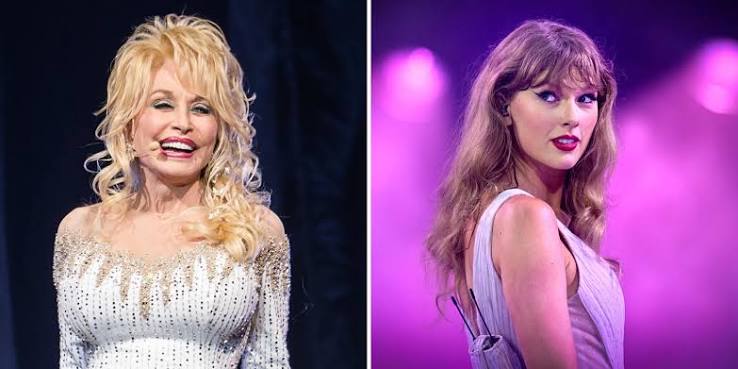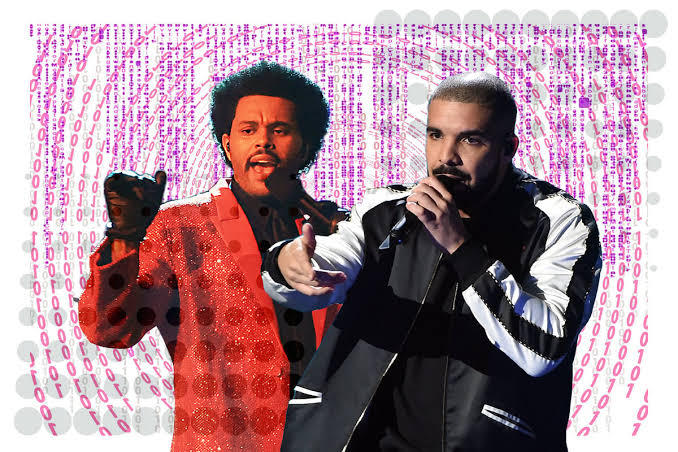
In April 2023, a track called “Heart on My Sleeve” appeared on Spotify, Apple Music, and YouTube. It sounded like a collaboration between Drake and The Weeknd—but neither artist had anything to do with it. The vocals were generated by artificial intelligence, cloned from their voices, and the song rocketed to the top of Spotify’s viral chart, outpacing Taylor Swift’s “Anti-Hero” before being yanked offline.
That brief, chaotic week raised a question the music industry had been dreading: what happens when anyone can make a hit song in a superstar’s voice without permission? The answer, as “Heart on My Sleeve” showed, is a legal gray area that’s still being sorted out.
The Song That Fooled Millions
“Heart on My Sleeve” was the work of an anonymous producer known as Ghostwriter977. The track featured AI-generated vocals that mimicked Drake and The Weeknd with unsettling accuracy—down to their distinctive cadences and vocal tics. The lyrics even name-dropped Selena Gomez, a nod to The Weeknd’s past relationship with the pop star.
Within days of its release, the song had racked up over 600,000 Spotify streams, 15 million TikTok views, and 275,000 YouTube views. It hit #1 on Spotify’s US Viral Chart and briefly appeared on Apple Music’s Top 100. Headlines screamed that an AI song had “beaten” Taylor Swift—a reference to the fact that it displaced her single “Anti-Hero” from the top of Spotify’s Global Viral 50, even though it never came close to the Billboard Hot 100.
The track was pulled from streaming platforms on April 17, 2023, after Universal Music Group (UMG), which represents both Drake and The Weeknd, filed a DMCA takedown request. But the damage—or the revelation, depending on your perspective—was already done.
How Did They Make It?
Ghostwriter977 reportedly used a custom-trained AI model on Drake and The Weeknd’s voices, likely using open-source tools like So-VITS-SVC. These tools can clone a voice from just a few minutes of reference audio. The producer then wrote original lyrics and a beat that deliberately mimicked the dark, moody trap-R&B style both artists are known for.
The result was a track that felt authentic enough to fool casual listeners and even some industry insiders. It wasn’t a crude deepfake—it was a polished pop song with vocals that sounded like the real thing. That level of quality is what made it different from earlier AI experiments, which mostly produced instrumental or ambient music.
Why the Taylor Swift Comparison Was Misleading
The viral headlines about “beating Taylor Swift” were technically true only for Spotify’s viral chart, which measures social sharing and streaming momentum, not overall popularity. Swift’s “Anti-Hero” was still dominating official charts like the Billboard Hot 100 at the time. But the comparison stuck because it captured the cultural moment: an AI-generated song, made by an unknown, was outselling one of the biggest pop stars in the world on a major streaming platform.
It also highlighted how vulnerable the music industry is to AI-generated content. If a viral song can outpace a superstar without any label backing, what happens when AI becomes more sophisticated?
The Creator’s Defense
Ghostwriter977 didn’t disappear after the takedown. Instead, they framed the song as “a statement” about the future of music. In a statement to Variety, they said they were “not trying to harm anyone” and that the goal was to show that the next big hit doesn’t need a label or a famous face—just a good song and AI tools.
They even expressed interest in signing a record deal, saying they wanted to be “on the right side of history.” Whether that was a genuine offer or a publicity stunt remains unclear, but it underscored the awkward position the music industry finds itself in: the people creating these songs aren’t necessarily trying to destroy the industry—they’re trying to break into it.
The Legal Mess
UMG’s takedown was based on two claims: copyright infringement and violation of artist likeness. The first is straightforward—if the song sampled or interpolated elements of existing UMG recordings, that’s a clear violation. The second is murkier. In most jurisdictions, a person’s voice is not protected by copyright law, though some states, like California, have right-of-publicity laws that guard against unauthorized commercial use of a person’s likeness.
The U.S. Copyright Office had already ruled in March 2023 that AI-generated works are not copyrightable if they lack human authorship. But “Heart on My Sleeve” had human-written lyrics, which complicates things. The song’s composition might be copyrightable, but the AI-generated vocals aren’t—leaving a legal gray area that experts are still debating.
UMG also sent letters to streaming services demanding they block AI services from scraping lyrics and melodies. That suggests the industry is preparing for a broader fight, not just against individual songs, but against the tools that make them possible.
What It Means for the Future
“Heart on My Sleeve” was a flashpoint, but it wasn’t the first AI song—and it won’t be the last. Projects like OpenAI’s Jukebox and AIVA have been generating music for years, but the rise of voice-cloning tools like ElevenLabs and Resemble AI in 2022–2023 made it possible to replicate a specific singer’s timbre with just a few minutes of audio.
The song’s brief success showed that AI-generated music can be commercially viable. It also showed that the legal framework is woefully unprepared. As AI tools become more accessible, we’re likely to see more artists like Ghostwriter977 pushing the boundaries—and more labels fighting back.
The music industry has two options: adapt or sue. So far, it’s choosing the latter. But as the technology improves, the lawsuits may not be enough to stop the next viral AI hit.
The story of “Heart on My Sleeve” is a preview of the battles ahead. It was a song that shouldn’t have existed, made by someone using tools that were never meant for this purpose, and it briefly outshone one of the biggest stars in music. The takedown was swift, but the questions it raised—about ownership, creativity, and the very definition of an artist—are far from resolved.
Summary
- “Heart on My Sleeve” was an AI-generated song mimicking Drake and The Weeknd, released in April 2023 by anonymous artist Ghostwriter977.
- It hit #1 on Spotify’s US Viral Chart and briefly appeared on Apple Music’s Top 100, leading to misleading headlines about beating Taylor Swift.
- UMG filed a DMCA takedown, and the song was removed from streaming platforms within days.
- The creator defended it as a “statement” about the future of music, and even expressed interest in a record deal.
- The legal case highlights gray areas in copyright and likeness rights, as AI-generated vocals aren’t clearly protected by existing laws.
FAQ
Q: Did the AI song actually beat Taylor Swift on the charts?
A: No. It reached #1 on Spotify’s Global Viral Chart, temporarily displacing Swift’s “Anti-Hero” on that specific chart, but it never charted on the Billboard Hot 100.
Q: How was the song made?
A: The creator reportedly used a custom-trained AI model on Drake and The Weeknd’s voices, likely using open-source tools like So-VITS-SVC, and wrote original lyrics and a beat in their style.
Q: Why was it taken down?
A: Universal Music Group, which represents both artists, filed a DMCA takedown request on April 17, 2023, citing copyright infringement and violation of artist likeness.
Q: Is it legal to use AI to mimic an artist’s voice?
A: It’s a gray area. Copyright law doesn’t clearly protect a person’s voice, but some states have right-of-publicity laws. The U.S. Copyright Office also ruled that AI-generated works aren’t copyrightable if they lack human authorship.
Q: Who is Ghostwriter977?
A: The identity is unknown. The creator claimed the song was a “statement” about the future of music and expressed interest in signing a record deal.