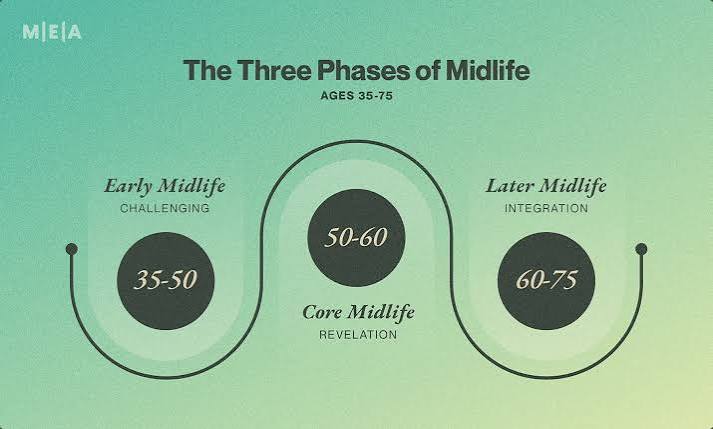
Turning 50 isn’t a cliff—it’s a crossroads. For most people in developed countries, life expectancy hovers around 78 to 82, which makes 50 the rough halfway point. The decisions you make in the next few years will shape not just your 50s, but the three decades that follow. This isn’t about morbid countdowns; it’s about using a clear deadline to force clarity.
A “mortality checklist” borrows from stoic philosophy—memento mori, remember you will die—not to scare you, but to help you prioritize. When you know time is finite, you stop drifting and start choosing. Below are the five moves that matter most before you hit the half-century mark, grounded in practical research and expert consensus.
1. Get Your Financial House in Order
At 50, you’re likely in your peak earning years—the window between 45 and 54 when income typically tops out. But the Federal Reserve reports that the median retirement savings for Americans aged 45–54 is only about $100,000 to $150,000. That’s far short of the 5–7 times your annual salary that most financial planners recommend by this age.
The good news: age 50 unlocks catch-up contributions. In the U.S., you can contribute an extra $7,500 to a 401(k) and an extra $1,000 to an IRA each year. That’s a powerful tool, but it only helps if you use it.
Before 50, also tackle debt. High-interest credit cards and personal loans eat into compounding returns. And if you haven’t bought life insurance yet, do it now—premiums rise sharply with age, and health issues that emerge in your 50s can make coverage expensive or impossible.
2. Establish a Health Baseline
Your 50-year-old body is the product of your 40s; your 60s will be shaped by your 50s. Chronic diseases like heart disease, diabetes, and cancer often surface in the 50s, but many are preventable with early action.
Start with a full physical and updated screenings. Colonoscopies now begin at 45, and mammograms, prostate checks, and bone density scans become routine. If you haven’t had a stress test or blood work panel recently, make it a priority.
Then, take stock of lifestyle. The CDC reports that 6 in 10 U.S. adults have a chronic disease, many preventable. You don’t need a radical overhaul—consistent sleep, a Mediterranean-style diet, and regular movement can reverse years of neglect. The key is to start now, not at 60.
3. Repair Relationships and Build Your Support Network
Psychologist and palliative care nurse Bronnie Ware’s book The Top Five Regrets of the Dying found that the most common regret is, “I wish I’d had the courage to live a life true to myself, not the life others expected of me.” The second most common? “I wish I hadn’t worked so hard.” The third: “I wish I’d had the courage to express my feelings.”
Those regrets point to relationships. Before 50, mend estrangements where possible—or at least make peace with them. Deepen the bonds that matter, whether with a partner, children, or close friends. Also, intentionally build a support network beyond family: a few trusted confidants, a community group, or a mentor. These connections buffer against the isolation that can creep in during midlife transitions.
4. Put Your Legacy in Writing
This is the most literal “mortality preparation,” and it’s the one people avoid most. But dying without a will or healthcare proxy leaves your family with legal battles and emotional turmoil. According to a 2023 Caring.com survey, only 34% of U.S. adults have a will.
Before 50, take these steps:
– Write or update your will and trust.
– Designate a healthcare proxy and living will.
– Buy life insurance if you have dependents.
– Inventory your digital assets—passwords, social media accounts, cryptocurrency—and store them securely where someone can find them.
– Have the conversation with your family about end-of-life wishes. It’s uncomfortable, but it’s a gift of clarity.
5. Do One Thing That Scares You—or That You’ll Never Do at 60
This is the bucket-list item, but it’s not about tourism. It’s about confronting a fear or pursuing a physical goal while your body still cooperates. High-adventure travel, learning to surf, running a marathon, or even taking up a demanding craft—these are best done before 50, when recovery is faster and energy is higher.
But the deeper purpose is psychological. Psychologists note that turning 50 often triggers a “midlife review,” where you ask, “Is this the life I wanted?” That question is healthy. Use it to audit your purpose, not just your passport.
If you can’t afford a grand adventure, choose something equally meaningful: learn an instrument, write a letter to your future self, or volunteer for a cause you care about. The point is to act intentionally, not to drift into the next decade.
Fifty is not a point of no return. Many of these items can be done at 55 or 60—but they won’t be, because life fills the space you give it. The checklist is a tool for prioritization, not a countdown to doom. Start with one item this month, and let the deadline work for you.
Summary
- Financial readiness: Peak earning years, catch-up contributions, pay off debt, buy life insurance.
- Health baseline: Full physical, screenings, lifestyle changes—your 50s shape your 60s.
- Relationship repair: Mend estrangements, deepen bonds, build a support network.
- Legacy planning: Will, healthcare proxy, digital assets, and family conversations.
- Experiential goal: Do one physically demanding or fear-confronting thing while you can.
FAQ
Q: Is the ‘before 50’ deadline really necessary?
A: No, it’s not a hard cutoff—life doesn’t end at 50. But it’s a useful psychological trigger. People act more decisively when there’s a clear temporal boundary, and starting earlier gives you compounding advantages in health, finances, and relationships.
Q: What if I can’t afford big-ticket items like travel or early retirement?
A: The checklist is adaptable. The experiential item can be free or low-cost, like learning a new skill or volunteering. Financial readiness is about debt and savings, not luxury. Prioritize what matters most for your situation.
Q: I’m already over 50. Is it too late?
A: Not at all. The list is about prioritization, and many items can be done at any age. The sooner you start, the more benefit you’ll get, but it’s never too late to make a will, improve health, or mend a relationship.
Q: Why is this called a ‘mortality checklist’? Isn’t that morbid?
A: The term borrows from memento mori—remembering you’ll die to live better. It’s not about doom; it’s about using finite time to focus on what truly matters. The tone is pragmatic, not fearful.
Q: What’s the single most important item?
A: For most people, financial readiness and health are the foundations—they affect everything else. But if you’re already healthy and debt-free, legacy planning might be the most urgent, since it protects your loved ones.