Tag: MLB

  • The Forgotten Strike: How the 1994 MLB Season Reshaped Baseball’s Economics and Culture

    The Forgotten Strike: How the 1994 MLB Season Reshaped Baseball’s Economics and Culture

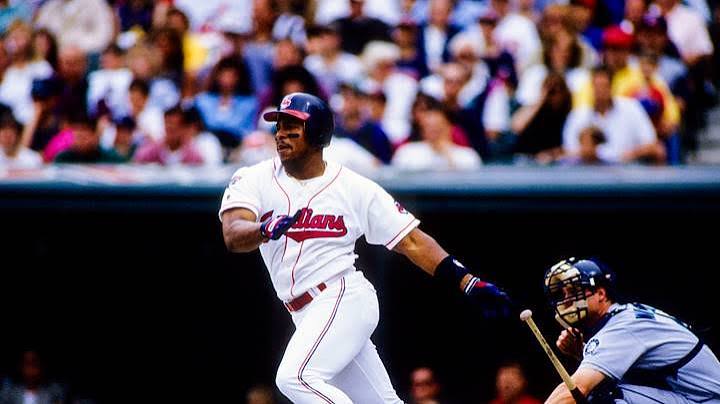
    On August 11, 1994, the Montreal Expos held the best record in baseball and were on a collision course with destiny. Tony Gwynn was flirting with .400, Ken Griffey Jr. was chasing 60 home runs, and the Yankees were marching toward October. Twenty-four hours later, the sport ground to a halt. The players went on strike, and by mid-September, the World Series was cancelled for the first time in 90 years. The 1994 season didn’t just end—it vanished.

    That strike lasted 232 days, the longest in MLB history, and it didn’t just cancel a postseason. It rewired baseball’s economy, poisoned fan trust, and triggered a chain reaction that still echoes today. The wild card, the luxury tax, interleague play, and even the Montreal Expos’ eventual relocation to Washington all trace back to that bitter labor war. Understanding the 1994 strike is not nostalgia; it’s a forensic key to how modern baseball operates.

    The Perfect Storm: Why 1994 Was the Breaking Point

    Baseball’s labor history reads like a series of warning signs ignored. Strikes in 1972, 1980, and 1981, plus lockouts in 1973, 1976, and 1990, had all been resolved without a catastrophic season loss. But the economic pressures of the early 1990s created a powder keg.

    The average MLB salary had ballooned from roughly $290,000 in 1980 to $1.2 million by 1994—a fourfold increase in real terms. Small-market teams like the Pirates and Expos watched their stars get poached by wealthy clubs. The gap between the haves and have-nots was widening, and the owners, led by acting commissioner Bud Selig, decided to draw a line in the sand.

    Their proposal was a hard salary cap linked to revenue, plus a revenue-sharing plan. On paper, it sounded like competitive balance. Players saw it as a cartel move to suppress wages. Union head Donald Fehr argued that owners voluntarily signed contracts; the market, not a cap, should set salaries. The 1993 CBA expired on December 31, 1993, and negotiations stalled through the spring and summer. Owners voted in January 1994 to implement a cap unilaterally if no deal was reached by spring training—a provocation that pushed the players toward a strike at the moment of maximum leverage: August, when most annual salaries were already paid.

    The Strike and the Wiped-Out Season

    On August 12, 1994, the players walked out. For the first time in baseball history, labor unrest didn’t just delay games—it erased them. The season was officially cancelled on September 14, taking down the postseason, the League Championship Series, and the World Series. The only other cancellation had been in 1904, and that was a owners’ dispute, not a strike.

    The statistical what-ifs are tantalizing. Tony Gwynn was hitting .394, chasing the first .400 season since Ted Williams in 1941. Ken Griffey Jr. was on pace for roughly 60 home runs. The Montreal Expos, with a 74–40 record, were the best team in baseball and poised for their first championship since 1969. None of it counted. The final seven weeks of the regular season, about 50 games per team, simply vanished.

    The strike dragged on through the winter. Owners tried to break the union by hiring replacement players for spring training 1995, a move that further alienated fans. The deadlock broke in March 1995 when a federal injunction from Judge Sonia Sotomayor—then a district judge—forced owners to restore the old CBA terms. Players returned on April 2, 1995, without a new deal, and the season started late, shortened to 144 games.

    The Aftermath: Fan Alienation and the Expos’ Tragedy

    The 1995 season was a disaster at the gate. Attendance dropped about 20%, and TV ratings cratered. Fans had watched millionaires and billionaires squabble over money while the game itself was held hostage. The damage was generational: youth participation waned, and the casual fan never fully returned until the McGwire-Sosa home run chase in 1998.

    The Montreal Expos were the strike’s biggest casualty. Their golden generation—Larry Walker, John Wetteland, and others—was dismantled in trades because the strike killed their revenue momentum. The franchise never recovered, limped along for another decade, and relocated to Washington in 2005. A team that could have been a dynasty became a cautionary tale about how a labor dispute can alter a franchise’s destiny.

    The Long Road to a New CBA

    The players returned without a contract, and the 1995 season was played under the old terms. It wasn’t until November 1996 that a new CBA was finally ratified. The owners got no salary cap, but they did secure a luxury tax and revenue-sharing provisions. That compromise laid the foundation for the modern economic structure of baseball.

    The luxury tax, which penalizes teams that exceed a payroll threshold, was designed to curb spending by the richest clubs. Revenue sharing redistributes local money from large-market teams to small-market ones. Both mechanisms remain central to MLB’s operations today, and they were born directly from the 1994-95 dispute.

    The Modern Game’s Hidden Legacy

    The 1994 strike’s fingerprints are all over today’s baseball. The wild card system, introduced in 1995, was partly a response to the strike—a way to inject excitement and draw fans back. Interleague play, which began in 1997, was another post-strike innovation. The sport that emerged from the ashes was more forgiving to small-market teams, but also more focused on parity and entertainment.

    Labor relations have been quieter since, but the scars remain. Owners and players have learned that a work stoppage risks everything, but the underlying tensions—revenue disparity, competitive balance, and player compensation—never disappeared. The 2022 lockout and the 2021 CBA negotiations were direct descendants of the 1994 battle. The union’s willingness to fight, and the owners’ desire for a cap, still shape every negotiation.

    What’s often forgotten is how close baseball came to self-destruction. The 1994 strike wasn’t just a lost season; it was a reset button. The modern game—with its expanded playoffs, luxury tax, and revenue sharing—is a direct response to that failure. The next time you see a wild card game or a team penalized for exceeding the payroll threshold, remember: it all started with a strike that nobody wanted but everyone knew was coming.

    The 1994 strike is a ghost that still haunts baseball. It wiped out a season, dismantled a franchise, and forever changed the sport’s economics and culture. But it also forced a reckoning. The luxury tax, revenue sharing, and expanded playoffs all exist because of that painful year. The lesson is clear: baseball’s modern structures are not just quirks of history; they are deliberate scars from the longest work stoppage in the sport’s history. Understanding that strike is essential to understanding why the game looks and operates the way it does today.

    Summary

    • The 1994 players’ strike began on August 12 and lasted 232 days, cancelling the World Series for the first time in 90 years.
    • The strike was triggered by owners’ demand for a salary cap; players refused, leading to a federal injunction in 1995 that forced owners to back down.
    • The Montreal Expos, who had the best record in baseball, were dismantled after the strike, leading to their eventual relocation in 2005.
    • Fan attendance dropped 20% in 1995 and didn’t recover until the 1998 home run chase.
    • The 1996 CBA introduced the luxury tax and revenue sharing, which still govern MLB economics today.

    FAQ

    Q: How long did the 1994 MLB strike last?
    A: The strike lasted 232 days, from August 12, 1994, to April 2, 1995, making it the longest work stoppage in Major League Baseball history.

    Q: Was the 1994 World Series cancelled?
    A: Yes, the World Series was cancelled for the first time since 1904. The entire postseason, including the League Championship Series, was wiped out.

    Q: What was the main issue in the strike?
    A: The owners demanded a hard salary cap and revenue sharing, while the players refused, arguing it would suppress salaries and was a restraint of trade.

    Q: Who were the key figures in the strike?
    A: Acting Commissioner Bud Selig, union head Donald Fehr, and owners’ negotiator Richard Ravitch were central. Judge Sonia Sotomayor issued the injunction that ended the strike.

    Q: How did the strike affect the Montreal Expos?
    A: The Expos had the best record in baseball (74–40) and were World Series favorites. After the strike, they were forced to trade their star players, and the franchise never recovered, eventually relocating to Washington, D.C., in 2005.

  • Cal Raleigh’s Three-Homer Night Ends Phillies’ Nine-Game Roll

    Cal Raleigh’s Three-Homer Night Ends Phillies’ Nine-Game Roll

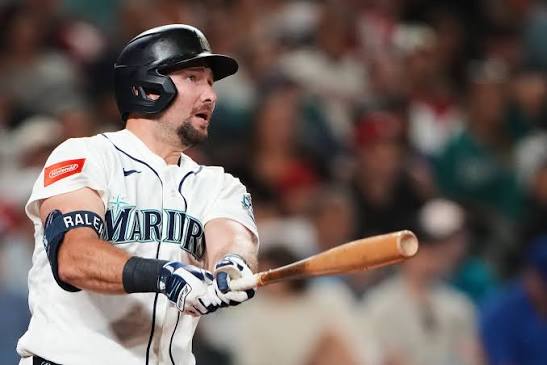
    On a cool Seattle evening, the Mariners’ catcher turned T-Mobile Park into his personal launch pad. Cal Raleigh hit three home runs, leading Seattle to a 9-2 rout of the Phillies and snapping Philadelphia’s nine-game winning streak. It was the first time a Mariner had accomplished the feat at the ballpark that opened in 1999, a place known for suppressing home runs.

    The Phillies came in as the hottest team in baseball, winners of nine straight, with a lineup featuring Bryce Harper and Trea Turner. But Raleigh’s power display shifted the narrative, giving the Mariners a statement win and a moment that will be remembered in franchise lore.

    A Rare Feat, Made Rarer by Position

    Three-home-run games are uncommon in Major League Baseball only about 50 to 60 occur each season across all teams. Doing it as a catcher adds another layer of difficulty, given the physical toll of the position. Raleigh, the Mariners’ primary backstop, is known for his pop, but even he had never put together a night quite like this one.

    His three blasts came at T-Mobile Park, a venue with a reputation for swallowing fly balls thanks to its dimensions and the marine layer that rolls in off the Puget Sound. That made the achievement even more striking. No Mariner had ever hit three homers in a game at the ballpark since it opened in 1999. The Kingdome, the team’s former home, had seen such performances, but not this one.

    The final score—9-2—reflected Seattle’s dominance, but the game wasn’t necessarily a runaway from the first pitch. Raleigh’s homers came at critical moments, each one extending the lead and deflating a Phillies team that had been riding a wave of momentum.

    The Streak That Wasn’t Meant to Last

    Philadelphia’s nine-game winning streak was impressive, though not historic. It had made the Phillies one of the league’s hottest teams, and they arrived in Seattle with confidence. But baseball is a game of momentum, and streaks like this are fragile.

    The Phillies’ pitching, which had been solid during the run, cracked under the pressure of Raleigh’s bat. The loss doesn’t erase their recent success—it’s a single game in a long season—but it exposes potential vulnerabilities that opponents might exploit. For a team with World Series aspirations, that’s worth noting.

    What This Means for the Mariners

    Seattle has been competitive in the AL West, relying on strong pitching and timely hitting. Raleigh’s performance provides a spark, showing that the lineup can go toe-to-toe with elite teams. This win could serve as a turning point, bolstering confidence as they push for playoff position.

    For Raleigh, it’s a career-defining moment. Catchers often sacrifice offense for defense, but he’s challenged that stereotype all season. His power is a weapon, and on this night, it was the difference.

    The Bigger Picture

    While this game will be remembered for Raleigh’s heroics, it’s part of a larger MLB roundup—just one of several contests on any given day. But the implications stretch beyond the box score. The Phillies will regroup, the Mariners will build on the win, and Raleigh’s name enters the franchise record books.

    T-Mobile Park’s pitcher-friendly reputation makes this feat even more remarkable. It’s a reminder that individual brilliance can overcome even the most hostile environments.

    Cal Raleigh’s three-home-run game wasn’t just a personal milestone; it was a statement that the Mariners can beat the best. For the Phillies, the streak ends, but the season continues. In a long MLB season, this is a moment to savor for Seattle fans—one that proves even the most improbable nights can happen.

    Summary

    • Cal Raleigh became the first Mariner to hit three home runs in a game at T-Mobile Park.
    • The Mariners defeated the Phillies 9-2, ending Philadelphia’s nine-game winning streak.
    • Raleigh’s performance as a catcher is rare, adding to the significance.
    • The win gives Seattle a confidence boost against a top-tier opponent.
    • The Phillies’ loss is a single game, but it highlights areas to improve.

    FAQ

    Q: Has any other Mariner hit three home runs in a game at T-Mobile Park?
    A: No, Cal Raleigh is the first to do it at T-Mobile Park. Other Mariners have hit three homers in a game at away parks or at the Kingdome.

    Q: How rare is a three-home-run game?
    A: It happens about 50-60 times per MLB season across all teams, making it a standout achievement.

    Q: Did the Phillies’ nine-game winning streak set a record?
    A: No, it was impressive but not historic. The franchise record for consecutive wins is much longer.

    Q: Why is T-Mobile Park considered pitcher-friendly?
    A: The park’s dimensions and the cool marine air tend to suppress home runs, making Raleigh’s feat more notable.

    Q: What does this win mean for the Mariners’ season?
    A: It’s a confidence booster against a top-tier team, potentially helping their playoff push in the AL West.

  • 5 MLB Players Who Should Change Teams Before the Trade Deadline

    5 MLB Players Who Should Change Teams Before the Trade Deadline

    The MLB trade deadline is a pressure cooker. With the Dodgers’ blockbuster acquisition of Tarik Skubal sending shockwaves through the league, the race to upgrade is on. But while contenders scramble for the final pieces, there are players stuck on teams going nowhere—players whose talents are being wasted, whose contracts are expiring, or whose value will never be higher. These are the players who should be moved, not just for the good of their teams, but for their own careers and the competitive balance of the league.

    In this analysis, we look beyond the rumors and examine five players who, for a variety of reasons, are prime candidates to change uniforms before Monday’s deadline. From a superstar in a walk year to a closer having a career season, these are the deals that make too much sense to ignore.

    The Skubal Effect and the Thin Starting Pitching Market

    The Dodgers’ acquisition of Tarik Skubal was more than just a blockbuster—it was a statement. It signaled that the defending champions are all-in, and it set the market for the remaining starters. With Skubal off the board, teams like the Yankees, Orioles, and Padres are now scrambling for secondary options. This creates a domino effect: contenders overpay for what’s left, and sellers with quality arms can name their price.

    But the starting pitching market isn’t the only one heating up. With several teams clearly out of contention, the deadline is ripe for moves that reshape rosters and futures. Here are five players who should be on the move, and why it’s in everyone’s best interest.

    1. Vladimir Guerrero Jr. – A Superstar Wasting in Toronto

    Vladimir Guerrero Jr. is having another stellar season, but the Blue Jays are under .500 and fading fast. With Guerrero set to hit free agency after 2025, the Blue Jays face a dilemma: trade him now and get a haul, or risk losing him for nothing but a compensatory pick. For a team that’s not close to contending, the answer is clear.

    Guerrero deserves better. He’s never played in a World Series, and at 26, he’s in his prime. A trade to a contender like the Yankees or Mets would give him the stage he’s earned and give the Blue Jays a prospect package that could accelerate their rebuild. It’s a win-win, and it’s the kind of move that defines a franchise’s trajectory.

    2. Ryan Helsley – The Closer Every Contender Needs

    The Cardinals are sellers, and Ryan Helsley is having a career year. With an expiring contract and elite closing ability, he’s the perfect rental for a team like the Phillies or Orioles that needs bullpen help. Helsley’s value will never be higher, and the Cardinals, who are clearly rebuilding, should cash in now.

    For Helsley, a move to a contender means a chance to pitch in October—something he’s never done. For the Cardinals, it’s a chance to add top prospects to a farm system that needs a boost. The logic is so sound that it’s almost surprising the deal hasn’t happened yet.

    3. Luis Robert Jr. – The High-Risk, High-Reward Center Fielder

    Luis Robert Jr. is a tantalizing talent: elite power, elite speed, and team control through 2027. But he’s also injury-prone, and the White Sox are in the middle of a full-scale rebuild. For a team like the Dodgers or Braves, Robert could be the missing piece in center field—a dynamic player who can change a game with one swing or one stolen base.

    But here’s the catch: Robert’s value is at a peak right now. If he gets hurt again, his trade value plummets. The White Sox should strike while the iron is hot, and a contender should be willing to gamble on his upside. It’s a risky move, but in a deadline market where the biggest prizes are already gone, Robert might be the best available bat.

    4. Corbin Burnes – The Rent-a-Ace Who Could Tip the Scales

    Corbin Burnes is having a solid season, but the Orioles are in a tight AL East race. If they fall out of contention, trading Burnes for prospects would be a smart move—but it’s a big if. The Orioles are contenders, and trading away their ace would be a tough sell to fans. However, if they’re on the fringe at the deadline, moving Burnes for a package of young talent could set them up for years.

    For Burnes, a trade to a team like the Padres or Mets would give him a chance to pitch in the postseason and boost his free-agent value. The Orioles, meanwhile, could restock their farm system and remain competitive in the long run. It’s a delicate balance, but if the Orioles aren’t confident in their chances, they should pull the trigger.

    5. Tyler Anderson – The Underrated Left-Hander Who Could Anchor a Rotation

    Tyler Anderson is having a quietly excellent season, and he’s on a team-friendly deal. The Angels are sellers, and Anderson is exactly the kind of reliable lefty that contenders covet. With a reasonable contract and solid numbers, he’s a low-risk acquisition compared to some of the bigger names.

    For the Angels, trading Anderson is a no-brainer: they’re not contending, and his value is high. For a team like the Braves or Dodgers, Anderson could be a stabilizing force in the rotation, providing innings and experience. He might not be the flashiest name, but he could be the difference-maker in a playoff series.

    The trade deadline is a time of tough decisions. For these five players, a change of scenery isn’t just a possibility—it’s a necessity. Whether it’s a superstar seeking a playoff stage, a closer cashing in on a career year, or a starter providing stability, these moves make sense for the players, their current teams, and the contenders who need them. As the clock ticks down to Monday, expect at least a few of these names to be on the move.

    Summary

    • Vladimir Guerrero Jr. should be traded by the Blue Jays to maximize his value before free agency.
    • Ryan Helsley’s career year and expiring contract make him a prime rental for contenders.
    • Luis Robert Jr.’s injury history means his trade value is at its peak now.
    • Corbin Burnes could be moved if the Orioles fall out of the AL East race.
    • Tyler Anderson is an underrated, affordable starter who could help a contender.

    FAQ

    Q: Why is the trade deadline important?
    A: The non-waiver trade deadline is July 31 at 6 PM ET. After that, trades are restricted, so teams must make their moves by then to improve for the playoff push.

    Q: What does ‘should change teams’ mean?
    A: It’s an editorial take, not a prediction. It argues that a trade would be beneficial for the player, their current team, or both, based on factors like contract status, team competitiveness, and player value.

    Q: Why is the starting pitching market so thin?
    A: The Dodgers’ acquisition of Tarik Skubal removed the top starter from the market, leaving fewer quality options for contenders, which drives up prices for remaining pitchers.

    Q: Are these trades likely to happen?
    A: Some are more likely than others. For example, Helsley and Anderson are strong candidates, while Burnes is less likely unless the Orioles fade. The article focuses on what should happen, not what will.

    Q: What is a ‘rental’ player?
    A: A player with an expiring contract who is traded for the remainder of the season, often for a prospect haul, with no guarantee of re-signing.

  • Tarik Skubal’s Emotional Trade to Dodgers: ‘This Isn’t What I Planned’ and the Cold Calculus Behind It

    Tarik Skubal’s Emotional Trade to Dodgers: ‘This Isn’t What I Planned’ and the Cold Calculus Behind It

    When Tarik Skubal spoke to reporters early Sunday morning, his voice cracked and tears welled in his eyes. The Detroit Tigers’ ace, a unanimous Cy Young winner just a year ago, had just been traded to the Los Angeles Dodgers. His words — ‘This isn’t what I planned’ — captured a moment of raw, human vulnerability in a sport that often reduces players to trade chips and contract values.

    Skubal’s reaction is a stark reminder that behind every deadline deal is a person whose life is upended. But it also underscores the brutal, unromantic logic of baseball’s front offices. For the Tigers, trading their franchise cornerstone was a calculated bet on the future. For the Dodgers, it was another aggressive move in their relentless pursuit of a championship. The trade is a collision of emotion and strategy, and it reveals the uncomfortable truth about how modern baseball operates.

    The Man Behind the Tears

    Tarik Skubal was not supposed to be here. Drafted in the 9th round out of Seattle University in 2018, he was a project, not a prodigy. But through relentless work, he transformed himself into one of the most dominant pitchers in baseball. His 2024 season was historic: a 2.39 ERA, 228 strikeouts, an 18-4 record, and a unanimous Cy Young Award. He also captured the AL pitching Triple Crown, leading the league in wins, ERA, and strikeouts. For Tigers fans, he was the beacon of hope in a long rebuild — the homegrown ace who would lead them back to glory.

    Skubal’s attachment to Detroit was genuine. He had spent his entire professional career there, from rookie ball to the majors. He had bought a home, built relationships, and become a leader in the clubhouse. When the Tigers made the playoffs in 2024 for the first time since 2014, Skubal was the face of that resurgence. He spoke openly about wanting to stay long-term, about the bond he felt with the city and his teammates. So when the trade news broke, it was more than a professional shock — it was a personal betrayal of the narrative he had written for himself.

    His quote, ‘This isn’t what I planned,’ is telling. It suggests he had a vision: pitch in Detroit, sign an extension, and bring a World Series to a starving fanbase. That vision was shattered in an instant. The tears he fought back were not just about leaving a team; they were about losing a future he had imagined and worked toward for years.

    The Front Office’s Cold Calculus

    From the Tigers’ perspective, the trade was a masterclass in asset management. Skubal was under team control through 2026, with arbitration years in 2025 and 2026. That meant he was not just a great pitcher — he was a great pitcher at a below-market price for 1.5 more seasons. His value had never been higher. The Tigers, hovering around .500 and in the wild-card race, were not a serious championship contender. Even with Skubal, they were a long shot to make a deep playoff run. The front office, led by President of Baseball Operations Scott Harris, made the cold, rational decision to sell high.

    The return — likely a package of top prospects — could restock a farm system that had been depleted by years of trades and promotions. For a team that is not one pitcher away from a title, this trade is about building a sustainable winner for 2027 and beyond. It is the kind of move that is unpopular in the moment but can define a franchise’s future. The Tigers are betting that the sum of the parts they receive will be greater than the singular brilliance of Skubal.

    Critics will argue that the Tigers owed it to their fans to keep their ace, especially after the emotional high of 2024. But the front office’s job is not to be sentimental; it is to win championships. And in the modern game, that often means making painful decisions that prioritize the long term over the short term. The trade is a reminder that baseball is a business, and even the most beloved players are assets to be leveraged.

    The Dodgers’ All-In Mentality

    For the Dodgers, this trade is another bold stroke in their relentless pursuit of a World Series. They already had a rotation featuring Shohei Ohtani, Yoshinobu Yamamoto, Tyler Glasnow, and Bobby Miller — arguably the best in baseball. But injuries have tested their depth, and the Dodgers are not content to simply make the playoffs; they want to dominate. Adding Skubal gives them the best left-handed starter in the game, a pitcher who can anchor a postseason rotation and deliver in October.

    The Dodgers’ approach is the polar opposite of the Tigers’. They are in win-now mode, and they are willing to part with top prospects to acquire proven talent. This trade is a statement: they will do whatever it takes to win in 2025 and 2026. For Skubal, this is a silver lining — he is joining a team with a legitimate chance to win a championship, something that was uncertain in Detroit. But that does not diminish the emotional toll of leaving the only organization he has known.

    The Human Side of the Business

    Skubal’s reaction is a powerful reminder that players are not just statistics or trade assets. They are human beings with emotions, attachments, and dreams. The trade deadline is a time of upheaval, and for every player who welcomes a move to a contender, there is another who is devastated by leaving a place they call home. Skubal’s tears are a testament to the deep bonds that form between players and the cities they represent. They are also a reminder that the business of baseball can be cruel, even to its brightest stars.

    As Skubal heads to Los Angeles, he will have to reconcile his disappointment with the opportunity ahead. He will join a team that expects to win, and he will have the chance to prove he is the best pitcher in the game on the biggest stage. But the scars of this trade will remain. ‘This isn’t what I planned’ is not just a quote; it is a lament for a future that will never be.

    The trade of Tarik Skubal is a microcosm of modern baseball: a collision of emotion and strategy, where front offices make cold calculations and players are left to pick up the pieces. For the Tigers, it is a bet on the future. For the Dodgers, it is a push for the present. And for Skubal, it is a painful reminder that in the end, baseball is a business. But as he takes the mound in Dodger blue, he will carry with him the lessons of Detroit — and the tears of a man who gave everything to a city that will always be his first home.

    Summary

    • Tarik Skubal was traded from the Detroit Tigers to the Los Angeles Dodgers, a move that left him visibly emotional and saying, ‘This isn’t what I planned.’
    • Skubal, the 2024 unanimous AL Cy Young winner, had deep ties to Detroit, having been drafted and developed by the Tigers.
    • The Tigers made a calculated decision to trade their ace at peak value, prioritizing long-term rebuild over a short playoff push.
    • The Dodgers added Skubal to an already star-studded rotation, signaling their all-in mentality for a World Series run.
    • The trade highlights the human side of baseball’s business, where players’ emotions often clash with front-office strategy.

    FAQ

    Q: Why did the Tigers trade Tarik Skubal?
    A: The Tigers traded Skubal to maximize his trade value. With 1.5 seasons of team control remaining and coming off a Cy Young season, his value was at its peak. The front office decided the long-term benefit of acquiring top prospects outweighed a short playoff push.

    Q: What does Skubal’s quote ‘This isn’t what I planned’ mean?
    A: It reflects his emotional shock and disappointment. Skubal had envisioned staying in Detroit long-term, possibly signing an extension, and leading the Tigers to a championship. The trade disrupted that personal and professional plan.

    Q: How does Skubal fit with the Dodgers?
    A: Skubal joins a rotation that already includes Shohei Ohtani, Yoshinobu Yamamoto, Tyler Glasnow, and Bobby Miller. He adds elite left-handed pitching and gives the Dodgers arguably the best rotation in baseball for a postseason run.

    Q: What does this trade mean for the Tigers’ future?
    A: The Tigers are betting on the future, using the trade to restock their farm system with top prospects. It signals a strategic pivot toward building a sustainable contender for 2027 and beyond, rather than a short-term playoff appearance.

    Q: Was Skubal seeking a trade?
    A: No, Skubal had not requested a trade and had expressed a desire to stay in Detroit. The trade came as a shock to him, which is why his emotional reaction was so raw.

  • Dodgers Land Tarik Skubal: A Superteam’s Ultimate Ace and the Tigers’ Calculated Gamble

    Dodgers Land Tarik Skubal: A Superteam’s Ultimate Ace and the Tigers’ Calculated Gamble

    In a move that sends shockwaves through Major League Baseball, the Los Angeles Dodgers have acquired two-time Cy Young winner Tarik Skubal from the Detroit Tigers. This is the blockbuster of the 2025 trade deadline, a seismic shift that redefines the balance of power in the National League and signals a bold new chapter for both franchises.

    For the Dodgers, this is the missing piece to a championship puzzle that has been held together by duct tape and desperation. Their rotation, once a fortress, has been decimated by injuries, leaving them to patch together starts with bullpen games and unproven rookies. Skubal isn’t just an upgrade—he’s a lifeline, a bona fide ace who can anchor a postseason run and give a superteam its best shot at a repeat.

    For the Tigers, this is a painful but pragmatic decision. Skubal was the crown jewel of their rebuild, a homegrown star who blossomed into the best pitcher on the planet. But with free agency looming and a roster not quite ready to contend, Detroit has chosen to cash in its most valuable asset for a future built on young talent. It’s a gamble that could define the franchise for a decade.

    The Dodgers’ Desperation and the Ace Who Answers the Call

    The Dodgers entered 2025 as defending champions, but their starting rotation has been a war zone. Tyler Glasnow, Yoshinobu Yamamoto, Bobby Miller, and Dustin May have all spent time on the injured list, and Shohei Ohtani is still recovering from his second Tommy John surgery. The result? A patchwork rotation that has forced the team to rely on bullpen games and unproven arms—a recipe for disaster in October.

    Enter Tarik Skubal. The 28-year-old left-hander is not just a starter; he’s a difference-maker. With a career ERA around 3.10, a WHIP near 1.05, and an average of 10.5 strikeouts per nine innings, Skubal has been the consensus best pitcher in baseball. In 2024, he posted a 2.39 ERA with 228 strikeouts in 192 innings, and he was having another dominant season in 2025 with an ERA in the low 2.00s. He immediately becomes the Dodgers’ ace, slotting ahead of Blake Snell and giving the team a legitimate Game 1 starter in any playoff series.

    This trade is a testament to the Dodgers’ win-now mandate. They’ve already committed over $350 million to a roster that includes Shohei Ohtani, Mookie Betts, and Freddie Freeman. Adding Skubal—who is under team control through 2026—isn’t a rental; it’s a strategic acquisition that strengthens their chances not just this year, but next year as well. The financial flexibility to absorb his arbitration salary (~$10-12 million) is a non-issue for a team that operates in a different economic stratosphere.

    The Tigers’ Calculated Rebuild: Selling High on a Homegrown Star

    For the Tigers, this trade is about maximizing value at the perfect moment. Skubal was drafted in the 9th round in 2018 and developed into a two-time Cy Young winner—a remarkable success story. But Detroit has hovered around .500 in 2025, and with Skubal’s free agency approaching after 2026, the Tigers faced a choice: extend him at a massive cost or trade him for a haul that could accelerate their rebuild.

    They chose the latter. The return package, while not fully confirmed, is expected to include multiple top-100 prospects. This is a clear signal that the Tigers are prioritizing long-term asset accumulation over a short-term playoff push. They have a young core in Riley Greene, Colt Keith, and Jackson Jobe, and these new prospects will join that group to form the foundation of the next contending Tigers team.

    It’s a move that will likely draw mixed reactions from fans. Losing a homegrown superstar is never easy, especially one as beloved as Skubal. But the business logic is sound: selling at peak value, with a year and a half of control remaining, is the kind of disciplined decision that can turn a rebuild into a sustained contender. The Tigers are betting on the future, and this trade is the first major step.

    Historical Context: A Trade for the Ages

    This deal ranks among the largest pitching trades in recent memory. Comparisons to Max Scherzer’s mid-season trade to the Dodgers in 2021, Justin Verlander’s move to the Astros in 2017, and Chris Sale’s trade to the Red Sox in 2016 are apt. But Skubal’s situation is unique: he’s the first two-time Cy Young winner to be traded mid-season since Scherzer in 2021, and he’s younger than any of those pitchers were at the time of their deals.

    The Dodgers have a history of making bold moves at the deadline, but this one feels different. They’re not just adding a piece; they’re adding the piece. With Skubal leading the rotation, the Dodgers become the overwhelming favorites in the National League, and possibly the entire league. The pressure is now on the rest of the MLB to respond.

    The Players’ Perspective: Skubal’s Shot at Glory, Prospects’ Shot at Opportunity

    For Skubal, this trade is a dream come true. He’s joining a superteam with a legitimate chance at a World Series ring, and he’ll be the clear #1 starter on a contender—a role that could boost his free-agent value in 2026. He’s no longer the lone star on a rebuilding team; he’s the final piece of a championship puzzle.

    For the prospects heading to Detroit, this is a life-changing opportunity. They go from a stacked Dodgers system, where playing time was uncertain, to a Tigers organization that will give them a clear path to the majors. It’s a chance to prove themselves at the highest level and become part of something special in Detroit.

    The Stakes: A Defining Moment for Both Franchises

    This trade is a defining moment for both franchises. For the Dodgers, it’s a declaration that they will stop at nothing to defend their title. For the Tigers, it’s a bet on the future, a willingness to sacrifice short-term success for long-term greatness. The next two seasons will reveal whether these gambles pay off, but one thing is certain: the baseball world will be watching.

    The acquisition of Tarik Skubal is a blockbuster that reshapes the MLB landscape. The Dodgers have their ace, and the Tigers have a treasure trove of prospects to build around. It’s a win-now move for one, a build-for-tomorrow move for the other, and a trade that will be analyzed for years to come. As the 2025 postseason approaches, all eyes will be on Los Angeles and Detroit to see which strategy proves superior.

    Summary

    • The Dodgers acquired two-time Cy Young winner Tarik Skubal from the Tigers in the biggest trade of the 2025 deadline.
    • Skubal, under team control through 2026, immediately becomes the Dodgers’ ace, addressing a rotation decimated by injuries.
    • The Tigers receive a significant package of top prospects, signaling a long-term rebuild strategy.
    • This trade is historically significant, comparable to mid-season deals for Scherzer, Verlander, and Sale.
    • The move solidifies the Dodgers as overwhelming favorites while giving the Tigers a foundation for future contention.

    FAQ

    Q: Why did the Dodgers trade for Skubal when they already have Blake Snell?
    A: The Dodgers’ rotation has been ravaged by injuries, and Snell alone isn’t enough. Skubal provides a proven ace who can anchor the staff in the postseason and gives them a formidable 1-2 punch at the top.

    Q: What does this mean for the Tigers’ rebuild?
    A: The Tigers are prioritizing long-term success. By trading Skubal at peak value, they acquire multiple top prospects to join their young core, positioning themselves for sustained contention in the coming years.

    Q: Is Skubal a rental?
    A: No. Skubal is under team control through the 2026 season, so the Dodgers have him for roughly a season and a half, not just the remainder of 2025.

    Q: How does this trade compare to other big pitching deals?
    A: It’s on par with the Scherzer-to-Dodgers trade in 2021, the Verlander-to-Astros deal in 2017, and the Sale-to-Red Sox trade in 2016. Skubal is younger than those pitchers were at the time, making this a particularly significant acquisition.

    Q: What are the risks for the Dodgers?
    A: Skubal has a history of Tommy John surgery, and trading multiple top prospects for a pitcher with 1.5 years of control carries inherent risk. However, the Dodgers are betting on his elite performance to deliver a championship.