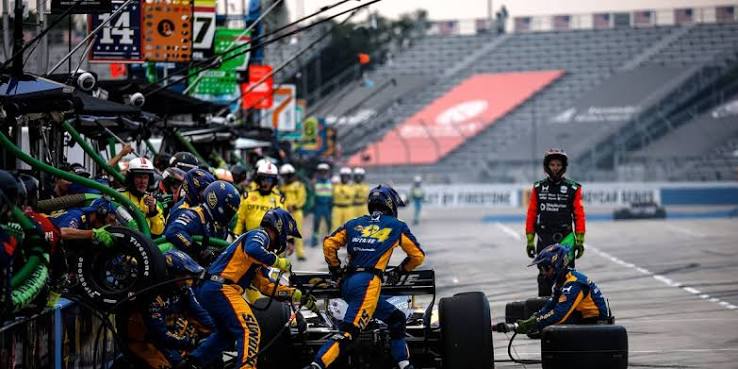
When the skies opened over the Milwaukee Mile on Saturday, the Snap-On Makers and Fixers 250 ground to a halt on lap 90. The unrelenting rain turned the historic 1-mile oval into a parking lot, and NASCAR had no choice but to red-flag the Xfinity Series race. As the day wore on and the weather refused to break, officials postponed the remainder of the event to Sunday—creating a rare two-race Sunday that would test teams, drivers, and fans alike.
This is not just a schedule tweak. Two races in one day means crews must service cars for back-to-back events with minimal turnaround, drivers must reset mentally and physically between starts, and track operators must juggle crowds and logistics. The Milwaukee Mile, a track with roots dating back to 1903, became the stage for a logistical marathon that highlights both the resilience and the fragility of NASCAR’s scheduling.
The Milwaukee Mile: A Historic Track’s Return to the Spotlight
The Milwaukee Mile is one of the oldest operating motor speedways in the United States, with racing history stretching back to 1903. Its flat, 1-mile oval is known for being technically demanding, rewarding drivers who can maintain momentum through its tight corners. After a hiatus, the track returned to the NASCAR Xfinity Series schedule, and this weekend’s event was expected to showcase the close racing the Mile is famous for.
But the rain had other plans. By lap 90 of the scheduled 250-lap race, the track was saturated, and visibility had become a safety concern. NASCAR’s rain protocol on ovals is straightforward: no rain tires, so any significant precipitation forces a red flag. With no break in the weather, officials made the call to suspend the race and resume it on Sunday morning.
Two Races, One Day: The Logistical Puzzle
A two-race Sunday is not unprecedented in NASCAR—weather delays have forced doubleheaders at tracks like Daytona, Talladega, and New Hampshire. But each instance brings its own set of challenges. The completion of the Xfinity race and a second race, likely a Cup Series event, were both shoehorned into a single day, requiring precise coordination.
Crews faced the immediate challenge of preparing cars for two races. The Xfinity cars would need to be serviced and adjusted after the rain delay, while Cup Series cars had to be prepped for their own event. Pit crews, often working in hot and humid conditions, had to manage fatigue while maintaining focus. Strategy shifted as teams considered track evolution—rubber buildup, temperature changes, and the possibility of more rain all factored into setup decisions.
Drivers competing in both races—a common occurrence in Xfinity, where Cup regulars often run double duty—faced a grueling day. The mental reset between races is critical. A poor finish in the first event could affect a driver’s approach to the second, and fatigue-related mistakes become a real risk. Championship implications loom large: points are awarded in both races, and every position matters.
Fans and Track Operators: Adapting on the Fly
For fans, the schedule change meant a full day of racing, but also potential headaches. Those who attended Saturday may have received rain checks or been allowed to stay overnight, while Sunday attendees faced crowded parking and longer lines. Track operators had to manage refunds, ticket transfers, and the logistics of a sudden influx of spectators. Concessions and merchandise sales, a key revenue stream, were disrupted by the shifting schedule.
Broadcast networks also had to adjust, potentially moving races to different channels or time slots. This affects viewership and advertising, adding another layer of complexity to an already chaotic weekend.
Weather and Track Conditions: The Unpredictable Variable
The weather didn’t just cause the delay; it continued to threaten the resumption. Track drying is a meticulous process involving jet dryers and the sun’s help, but a partially dry track can be more dangerous than a fully wet one. Overnight and morning temperatures affect tire grip, and any forecast of additional rain adds uncertainty. NASCAR aims to complete races at the first opportunity, often before the day’s scheduled events, to minimize disruption. But the possibility of more precipitation loomed over the entire two-race slate.
Historical Precedent: Lessons from Past Doubleheaders
NASCAR has navigated similar situations before. In 2001, a rain-delayed race at New Hampshire forced a Monday finish. In 2020, during the COVID-shortened season, Dover hosted a same-day doubleheader. These events offer lessons in resilience, but each has its own unique challenges. The Milwaukee Mile’s two-race Sunday will be remembered not just for the racing, but for how teams and fans adapted to an ever-changing schedule.
As the sun rose over the Milwaukee Mile on Sunday, the promise of a full day of racing was both a relief and a challenge. The two-race Sunday was a test of endurance for everyone involved—from the crews scrambling to prep cars to the drivers digging deep for a second wind. It was a reminder that in NASCAR, the weather is an unpredictable opponent, and the ability to adapt is just as important as speed on the track. For the Milwaukee Mile, a track steeped in history, this weekend added another chapter to its storied legacy.
Summary
- The Snap-On Makers and Fixers 250 at the Milwaukee Mile was red-flagged on lap 90 due to rain on Saturday.
- The remainder of the Xfinity race and a second race were rescheduled for Sunday, creating a two-race day.
- Teams faced logistical challenges in prepping cars for two events with limited turnaround.
- Drivers running double duty had to manage fatigue and mental reset between races.
- Track operators and broadcast networks adjusted schedules, impacting fans and revenue.
FAQ
Q: Why was the race stopped on lap 90?
A: Rain on Saturday made the track unsafe for racing. NASCAR does not use rain tires on oval tracks, so any significant precipitation forces a red flag. With no break in the weather, the race was postponed to Sunday.
Q: What is a ‘two-race Sunday’?
A: It occurs when a race that was postponed due to weather is completed on the same day as another scheduled race. This requires teams to prepare cars for two events in one day, and drivers may compete in both.
Q: How do teams handle the logistics of two races in one day?
A: Crews must service two sets of cars, often with minimal time between events. They adjust setups based on track conditions and manage pit crew fatigue. Drivers, especially those doing double duty, need to reset mentally and physically between races.
Q: What happens to fans if a race is postponed?
A: Fans may receive rain checks or be allowed to attend the rescheduled race. Track operators handle refunds and ticket transfers, and concession and merchandise sales are adjusted.
Q: Is this the first time NASCAR has had a two-race Sunday?
A: No, it has happened before, such as at Dover in 2020 and New Hampshire in 2001. Each instance presents unique challenges, but NASCAR has protocols in place to complete races as soon as possible.