Tag: microbiome

  • The Sourdough Microbiome: How Wild Yeast and Bacteria Shape Your Bread’s Flavor


    When you bite into a slice of sourdough, you’re tasting the work of a hidden ecosystem. Unlike commercial bread, which relies on a single strain of yeast, sourdough is leavened by a dynamic community of wild yeast and lactic acid bacteria. These microbes don’t just make the bread rise—they produce a complex array of acids and aromatic compounds that give sourdough its signature tang, chew, and crust.

    At the heart of this process is a simple mixture of flour and water. Leave it out, feed it regularly, and within days you’ll have a bubbling starter teeming with life. But what exactly is living in there, and how does it shape the bread you bake? The answers reveal a delicate balance of chemistry and ecology that bakers have been manipulating for thousands of years.

    Meet the Microbes: A 100-to-1 Ratio

    A healthy sourdough starter is a crowded place. For every yeast cell, there are roughly 100 bacteria. The yeast—species like Saccharomyces cerevisiae, Candida milleri, and Pichia—are the primary gas producers, generating carbon dioxide that makes the dough rise. The bacteria, mainly Lactobacillus sanfranciscensis, L. plantarum, and L. brevis, are the flavor workhorses. They produce lactic acid (a smooth, yogurt-like tang) and acetic acid (a sharper, vinegar-like bite). The ratio of these two acids—typically 2:1 to 4:1 lactic to acetic—defines the overall sourness.

    But these microbes don’t work alone. In a well-established starter, they form a stable community. L. sanfranciscensis and the yeast Candida milleri are a classic example: the yeast provides fructose, which the bacteria use as an energy source, while the bacteria produce amino acids that the yeast needs. This symbiosis is so effective that it’s found in starters worldwide, not just in San Francisco, despite the name.

    The Flavor Chemistry: More Than Just Sour

    Sourdough’s flavor isn’t just about acidity. Over 50 volatile organic compounds (VOCs) have been identified in sourdough bread, including alcohols, esters, and aldehydes. These compounds contribute subtle notes of butter, fruit, nuts, and even flowers. The exact mix depends on the microbial community and fermentation conditions.

    Temperature is the single most influential variable. Ferment at 25–30°C (77–86°F), and the bacteria produce more lactic acid, yielding a mild, round sourness. Drop the temperature to 15–20°C (59–68°F), and acetic acid production increases, giving a more pronounced tang. Hydration also plays a role: stiffer doughs (lower hydration) favor acetic acid, while wetter doughs lean toward lactic acid.

    The Great Starter Debate: Geography vs. Practice

    For years, bakers believed that local microbes—the air, the water, the flour—gave regional sourdoughs their unique character. The ‘San Francisco sourdough’ was thought to be a product of the city’s fog and flora. But recent research, including a 2020 citizen-science project led by the Rob Dunn lab at NC State, analyzed over 500 starters from around the world and found a different story: starter maintenance conditions matter more than geography.

    The microbes that colonize a starter come primarily from the flour itself, not the air. Whole-grain flours, especially rye, carry a richer and more diverse microbial community than refined white flour. So your choice of flour, feeding schedule, and temperature are the real determinants of your starter’s personality. That means you can cultivate a specific flavor profile—not by moving to San Francisco, but by adjusting your methods.

    Health Claims: What the Science Says

    Sourdough fermentation offers some genuine nutritional benefits. It reduces phytic acid, an antinutrient that blocks mineral absorption, by 50–90%. This means your body can better absorb iron, zinc, and magnesium from sourdough bread. The fermentation also partially breaks down gluten proteins, making the bread easier to digest for some people—but it does not make it safe for those with celiac disease.

    Several studies show sourdough bread has a lower glycemic index than conventional bread. The organic acids produced during fermentation slow starch digestion, leading to a more gradual rise in blood sugar. However, the live bacteria do not survive baking temperatures, so sourdough bread is not a probiotic food. Some research suggests the process creates prebiotic-like compounds that could benefit gut health, but more studies are needed.

    A Living Tradition, Revived

    Sourdough is the oldest form of leavened bread, with evidence of fermented bread dating back to ancient Egypt around 1500 BCE. It sustained miners during the California Gold Rush and prospectors in Alaska, who earned the nickname ‘sourdoughs.’ The late 19th century brought commercial yeast, making bread faster and more uniform, and sourdough fell out of favor for home bakers. The COVID-19 pandemic sparked a revival, as people sought a slow, tactile project during lockdowns.

    Today, sourdough is more than a baking trend. It’s a window into microbial ecology—a simple, reproducible community that demonstrates cooperation, competition, and adaptation. Whether you’re a home baker nurturing your first starter or a scientist studying microbial assembly, the sourdough microbiome offers endless opportunities to explore.

    The sourdough microbiome is a living example of how tiny organisms can shape the food we eat. From the 100:1 bacteria-to-yeast ratio to the complex chemistry of acids and VOCs, every aspect of sourdough’s flavor is a product of microbial activity. By understanding and manipulating these microbes—through temperature, hydration, and flour choice—you can create a bread that is uniquely yours. So next time you bite into a tangy slice, remember: you’re not just eating bread, you’re tasting a community.

    Summary

    • A sourdough starter contains a 100:1 ratio of bacteria to yeast, with bacteria producing lactic and acetic acids that define sourness.
    • Flavor is shaped by fermentation temperature (warmer favors lactic acid, cooler favors acetic acid) and dough hydration.
    • A 2020 global study found that starter maintenance conditions (flour type, feeding schedule, temperature) matter more than geography in determining microbial communities.
    • Sourdough fermentation reduces phytic acid by 50–90%, improving mineral absorption, and results in a lower glycemic index, but it is not gluten-free.
    • Live bacteria do not survive baking, so sourdough is not probiotic, though it may produce prebiotic-like compounds.

    FAQ

    Q: Why is my sourdough not sour enough?
    A: If your bread is too mild, try fermenting at a cooler temperature (around 18°C/65°F) to boost acetic acid production, or use a stiffer dough. Increasing the amount of whole-grain flour can also add more flavor.

    Q: Can I make a sourdough starter from any flour?
    A: Yes, but whole-grain flours, especially rye, contain more diverse microbes and nutrients, making them ideal for starting a new culture. Refined white flour works too but may take longer to establish a stable community.

    Q: Does sourdough bread contain gluten?
    A: Yes, sourdough is not gluten-free. Fermentation partially breaks down gluten proteins, which may make it easier to digest for some, but it is not safe for people with celiac disease.

    Q: How long does it take to make a sourdough starter?
    A: With daily feedings, a starter typically becomes stable and ready for baking within 5–10 days. You’ll know it’s ready when it doubles in volume within a few hours of feeding and has a pleasant, tangy aroma.

    Q: What is the ‘San Francisco sourdough’?
    A: San Francisco sourdough is known for its tangy flavor, traditionally achieved through long, cool fermentations. The bacteria Lactobacillus sanfranciscensis thrives in this environment, but it is not unique to the city—it can be cultivated anywhere with the right conditions.
  • Why Your Gut Microbiome Is the Hidden Boss of Your Immune System

    Why Your Gut Microbiome Is the Hidden Boss of Your Immune System

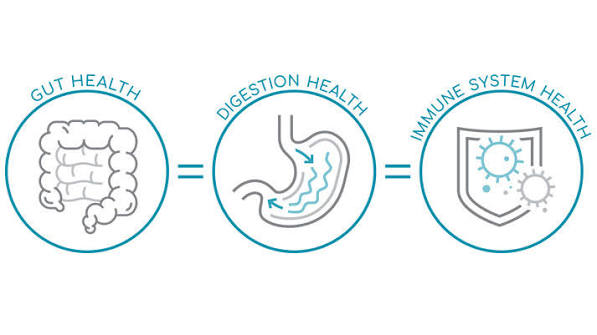
    Imagine a bustling city of trillions of tiny residents living inside your colon. They outnumber your own cells, hold 150 times more genes than your entire genome, and most surprisingly they act as a training ground for your immune system. This is your gut microbiome, and it’s not just a passive passenger; it’s a hidden boss that influences how your body fights off illness, from the common cold to chronic conditions like allergies and autoimmune diseases.

    For decades, we thought of the immune system as a standalone army, ready to attack any invader. But research has flipped that idea: about 70–80% of your immune cells reside in your gut, and they’re constantly talking to the microbes that live there. In this article, we’ll break down how this microscopic community runs the show, what happens when things go wrong, and what you can do to keep your microbial boss happy.

    Meet Your Microbial Inhabitants

    Your gut is home to roughly 100 trillion microorganisms bacteria, viruses, fungi, and archaea mostly in your large intestine. In a healthy adult, you’ll find 500 to 1,000 different species, with two major groups dominating: Firmicutes and Bacteroidetes, which together make up about 90% of the population. These microbes aren’t just freeloaders; they help digest food, produce vitamins, and most critically train your immune system.

    The collective genetic material of these microbes, called the metagenome, contains about 150 times more genes than your human genome. That’s a lot of extra instruction manuals, and your body uses them to fine-tune its defenses.

    The Gut-Immune Connection: How the Boss Works

    Barrier Integrity: The First Line of Defense

    Your intestinal lining is a single layer of cells that separates your insides from the outside world. Gut microbes help maintain this barrier, ensuring that harmful pathogens and toxins can’t slip through into your bloodstream. When this barrier breaks down—a condition often called ‘leaky gut’—the immune system goes on high alert, potentially leading to chronic inflammation.

    Immune Cell Education: Teaching Friend from Foe

    Deep within your gut, in areas called gut-associated lymphoid tissue (GALT), your immune cells learn their job. The microbiome acts as a teacher, showing T-cells and B-cells which bacteria are harmless and which are dangerous. This training is crucial; without it, your immune system might attack harmless food particles or your own tissues, leading to allergies or autoimmune diseases.

    Short-Chain Fatty Acids: The Chemical Messengers

    When gut bacteria ferment dietary fiber, they produce short-chain fatty acids (SCFAs), including butyrate, propionate, and acetate. Butyrate is particularly important: it regulates regulatory T-cells (Tregs), which are like the peacekeepers of the immune system, calming down excessive inflammation. Think of SCFAs as the boss’s email updates, keeping your immune cells informed and balanced.

    Microbial Signals: The Molecular Whispers

    Bacteria have unique molecular patterns on their surfaces, called microbe-associated molecular patterns (MAMPs). Your immune cells recognize these via pattern recognition receptors (like TLRs and NLRs), which trigger inflammatory responses when needed. This constant communication ensures your immune system is ready to fight real threats but doesn’t overreact to harmless ones.

    The Gut-Brain Axis: A Direct Line to the Boss

    The vagus nerve connects your gut to your brain, and microbial metabolites, like serotonin precursors, travel along this pathway. This gut-brain axis means your gut microbiome doesn’t just affect your immune system—it also influences your mood, stress levels, and even neurological function. So when your gut is happy, your brain and immune system feel it too.

    The Numbers: Why Your Gut Matters

    • 70–80% of your immune cells live in your gut-associated lymphoid tissue.
    • Antibiotic use can slash microbial diversity by 30–50% within days, and recovery is often incomplete.
    • Fecal microbiota transplantation (FMT) has a success rate of over 80% for recurrent Clostridioides difficile infection, a potentially deadly gut infection. This is the strongest proof that restoring a healthy microbiome can treat disease.

    When the Boss Goes Rogue: Microbiome Disruption and Disease

    Modern life is tough on your gut microbiome. Western diets high in fat and low in fiber, overuse of antibiotics, and even C-section births can reduce microbial diversity. This disruption is linked to a rise in chronic inflammatory diseases—allergies, autoimmune conditions, inflammatory bowel disease (IBD), and metabolic syndrome. The ‘hygiene hypothesis’ and its follow-up, the ‘old friends’ hypothesis, suggest that our immune systems evolved to expect a diverse microbial community, and when we don’t provide it, they misfire.

    Research shows strong correlations between microbiome composition and immune outcomes. For example, specific gut bacteria are associated with how patients respond to cancer immunotherapy (checkpoint inhibitors). But it’s crucial to note: most human studies show correlation, not causation. Much of the causal evidence comes from germ-free mouse experiments, which don’t perfectly mimic human physiology.

    Practical Steps: How to Keep Your Microbial Boss Happy

    You can’t change your genetics, but you can influence your gut microbiome. Here are evidence-based strategies:

    • Eat more fiber: Fiber is the fuel for SCFA-producing bacteria. Aim for a diverse range of plant foods—fruits, vegetables, legumes, whole grains.
    • Include fermented foods: Yogurt, kefir, sauerkraut, and kimchi introduce beneficial bacteria (probiotics). However, strain-specific effects are modest, so don’t expect miracles.
    • Consider prebiotics: These are non-digestible fibers that feed good bacteria. Examples include garlic, onions, and bananas.
    • Use antibiotics wisely: Only take them when necessary, as they can damage your microbial diversity.
    • Be skeptical of over-the-counter microbiome tests: Many lack clinical validation. Focus on general lifestyle changes instead.

    The Future: Personalized Microbiome Medicine

    We’re not yet at the point of personalized microbiome therapies, but the field is moving fast. Advances in sequencing and metabolomics are shifting research from ‘who’s there’ to ‘what are they doing.’ In the future, doctors might use your microbiome profile to tailor treatments for IBD, allergies, or even cancer. But until then, a balanced diet and mindful antibiotic use are your best bets.

    Your gut microbiome isn’t just a passive resident; it’s a dynamic force that shapes your immune system’s every move. By understanding this hidden boss, you can make informed choices to support it. The science is clear: a diverse, fiber-fed microbiome is key to a resilient immune system. So next time you plan a meal, think of your microbial residents—they’re working hard to keep you healthy.

    Summary

    • Your gut is home to 100 trillion microbes, with 70–80% of your immune cells residing there.
    • Gut microbes maintain the intestinal barrier, train immune cells, and produce short-chain fatty acids that regulate inflammation.
    • Antibiotic use can cut microbial diversity by 30–50%, and a disrupted microbiome is linked to chronic inflammatory diseases.
    • A diet rich in fiber and fermented foods supports a healthy microbiome; FMT is a highly effective treatment for C. diff infection.
    • Research is moving from correlational studies to functional, metabolomic analysis, paving the way for personalized therapies.

    FAQ

    Q: What is the gut microbiome exactly?
    A: The gut microbiome is the collection of trillions of microorganisms—bacteria, viruses, fungi, and archaea—living in your large intestine. They outnumber your cells and contain 150 times more genes than your genome, playing a vital role in digestion, immunity, and even brain function.

    Q: How does the gut microbiome affect immunity?
    A: It maintains the intestinal barrier to keep pathogens out, trains immune cells in the gut to distinguish friend from foe, and produces short-chain fatty acids like butyrate that regulate inflammation. Essentially, it acts as a teacher and modulator for your immune system.

    Q: Can I change my gut microbiome?
    A: Yes, through diet and lifestyle. Eating a variety of fiber-rich plants, consuming fermented foods, and avoiding unnecessary antibiotics can increase microbial diversity and support a healthy gut. Probiotics and prebiotics can help, but effects are modest and strain-specific.

    Q: Are commercial microbiome tests worth it?
    A: Most at-home tests lack clinical validation and can’t tell you much beyond broad trends. They might offer insights into your microbial composition, but they don’t provide medically actionable information. Focus on general healthy habits instead of chasing specific numbers.

    Q: What is fecal microbiota transplantation (FMT)?
    A: FMT is a procedure where stool from a healthy donor is transplanted into a patient’s gut to restore a balanced microbiome. It has a success rate of over 80% for recurrent Clostridioides difficile infection and is the strongest evidence that restoring the microbiome can cure disease.

  • The Sourdough Microbiome: How Wild Yeast and Bacteria Shape the World’s Oldest Bread

    Sourdough under the microscope reveals microbes cultivated over generations

    Every sourdough starter is a living ecosystem. A spoonful of flour and water, left to sit, becomes a teeming community of microbes—wild yeasts and lactic acid bacteria locked in a symbiotic dance. This ancient fermentation not only leavens bread but also shapes its flavor, texture, and nutritional profile. Yet for all its tradition, sourdough is only now revealing its microbial secrets. Recent citizen-science projects and global surveys have overturned long-held assumptions, showing that the microbes in your starter come mostly from the flour itself, not the air. The result: each starter is as unique as a fingerprint, and the bread it produces is a direct reflection of its microbial residents.

    The Dynamic Duo: LAB and Wild Yeast

    Sourdough is a fermented dough made from just flour and water, but it’s the microscopic inhabitants that do the heavy lifting. The two key players are lactic acid bacteria (LAB), primarily Lactobacillus species like L. sanfranciscensis and L. plantarum, and wild yeasts such as Saccharomyces cerevisiae and Kazachstania exigua. LAB produce lactic and acetic acids, giving sourdough its characteristic tang while lowering the pH to around 3.5–4.0. This acidic environment inhibits spoilage organisms, preserving the bread naturally. Meanwhile, wild yeasts produce carbon dioxide, which leavens the dough and gives it its airy crumb.

    But these microbes don’t just coexist; they cooperate. The acids produced by LAB create a niche that acid-tolerant yeasts thrive in. In return, the yeasts produce byproducts like amino acids and vitamins that LAB use. This symbiosis is the engine of sourdough fermentation, enabling it to rise slowly over hours or days—unlike commercial bread, which relies on a single strain of packaged yeast and is ready in a couple of hours.

    A Microbial Fingerprint

    A single mature sourdough starter can harbor more than 50 distinct microbial species, though only a handful typically dominate. The exact composition is unique to each starter, shaped by factors like flour type, hydration, and temperature. This diversity is part of what makes sourdough so fascinating—and so variable. A starter fed whole wheat flour will host a different microbial community than one fed white flour, and that community will produce a different loaf.

    The Surprising Source of ‘Wild’ Microbes

    For years, bakers assumed that wild microbes came from the air. But the research tells a different story. Studies from the Rob Dunn Lab at NC State and the Puratos Sourdough Library in Belgium have shown that the primary source of these microbes is the flour itself. The grains are covered in bacteria and yeast, and when you mix flour with water, you’re essentially cultivating what’s already there. Air, water, and the baker’s hands contribute, but flour is the dominant inoculum.

    This finding was underscored by the 2019 Sourdough Project, a citizen-science study that analyzed over 500 starters from around the world. It found that the type of flour—whole wheat, white, rye—was the strongest predictor of microbial community composition, far outweighing geographic location or baker handling. Starters made with whole-grain flour had higher microbial diversity. So, your grandmother’s sourdough isn’t special because of her kitchen’s air; it’s special because of the local grain and her careful feeding schedule.

    The San Francisco Myth

    Sourdough is often associated with San Francisco, where Lactobacillus sanfranciscensis was first isolated in the 1970s. But this bacterium is not unique to the city—it’s found in starters worldwide. The ‘San Francisco’ name is a historical artifact, not a geographical marker. In fact, the Puratos Sourdough Library in St. Vith, Belgium, houses over 100 starters from more than 20 countries, some over a century old, and each has its own microbial identity.

    Nutritional and Practical Benefits

    The fermentation process does more than create flavor. It reduces phytic acid, an antinutrient that can block mineral absorption. As a result, sourdough makes zinc, magnesium, and iron more bioavailable. The acids also produce prebiotics, which feed beneficial gut bacteria, and may lower the bread’s glycemic index, making it a better choice for blood sugar control.

    For some people with mild gluten sensitivity, sourdough may be easier to digest. LAB proteases partially break down gluten proteins during the long fermentation. However, it’s crucial to note that sourdough is not safe for people with celiac disease, as gluten is not fully eliminated.

    A Living Archive

    The Puratos Sourdough Library is more than a collection; it’s a living archive of microbial diversity. Researchers use it to study how starters evolve and to preserve traditional baking cultures. Similarly, the Sourdough Project’s data has become a resource for understanding microbial ecology on a global scale. The conclusion is clear: sourdough is not just a food; it’s a window into a microscopic world that we are only beginning to explore.

    Sourdough is a testament to the power of microbial cooperation. It’s the oldest form of leavened bread, yet we’re still learning how its microbial community works. Whether you’re a home baker nurturing a starter or a scientist sequencing its DNA, sourdough offers a tangible link to the natural world—one that’s delicious, nutritious, and endlessly fascinating.

    Summary

    • Sourdough relies on a symbiotic culture of wild yeasts and lactic acid bacteria, not commercial yeast.
    • LAB lower pH, preserving the bread and creating a niche for acid-tolerant yeasts that produce CO₂ for leavening.
    • Flour is the main source of microbes, not air; whole-grain flour yields higher microbial diversity.
    • The 2019 Sourdough Project found flour type, not geography, most strongly predicts microbial community composition.
    • Fermentation reduces phytic acid, boosting mineral bioavailability, and partially degrades gluten (though not safe for celiacs).

    FAQ

    Q: Is sourdough safe for people with celiac disease?
    A: No. While sourdough fermentation partially breaks down gluten, it does not eliminate it. People with celiac disease must avoid all gluten-containing breads, including sourdough.

    Q: Where do the ‘wild’ microbes in sourdough come from?
    A: Mostly from the flour. The grains harbor bacteria and yeast that multiply when mixed with water. Air, water, and hands contribute, but flour is the primary source.

    Q: Why does my sourdough starter smell different from my friend’s?
    A: Each starter has a unique microbial community, influenced by flour type, hydration, temperature, and feeding schedule. These differences produce distinct aromas and flavors.

    Q: How long does sourdough fermentation take compared to commercial yeast bread?
    A: Sourdough typically ferments for 4–24 hours at room temperature, or longer in the fridge, versus 1–2 hours for commercial yeast bread. This longer fermentation develops flavor and reduces antinutrients.

    Q: What is the Puratos Sourdough Library?
    A: It’s a repository in Belgium with over 100 sourdough starters from more than 20 countries, some over a century old. It serves as a living archive for research and preservation.

  • Could ‘Poop Pills’ Cure Insomnia? Early Study Hints at a Gut-Brain Connection

    Could ‘Poop Pills’ Cure Insomnia? Early Study Hints at a Gut-Brain Connection

    Imagine treating your insomnia not with a pill that sedates your brain, but with one that changes the bacteria living in your gut. That’s the provocative idea behind a new study on fecal microbiota transplantation (FMT), colloquially known as ‘poop pills.’ The early research hints that transplanting gut bacteria from a healthy donor could reduce nighttime wakefulness in people with insomnia, offering a potential root-cause approach to a condition that affects millions.

    Insomnia is more than just a nuisance; it’s a public health burden linked to depression, heart disease, and impaired cognition. Current treatments like cognitive behavioral therapy (CBT-I) and sleep medications work for many, but not everyone, and drugs often come with side effects. The gut-brain axis—a bidirectional communication system between your digestive tract and your brain—has emerged as a new frontier in mental health, and sleep is no exception. This study adds to a growing body of evidence that the trillions of microbes in your gut might hold the key to a good night’s rest.

    The Study: A Small Step, Not a Giant Leap

    The study, described as early-stage and preliminary, focused on a specific measure called wake-after-sleep-onset (WASO)—the time you spend awake after initially falling asleep. Participants with insomnia who received FMT capsules showed a reduction in WASO compared to those who didn’t, suggesting that the bacterial transplant had a real effect on sleep continuity.

    However, it’s crucial to temper enthusiasm. This was likely a pilot or proof-of-concept trial, meaning it involved a small number of participants and may not have included a rigorous control group. Insomnia is notoriously susceptible to the placebo effect, and blinding in FMT studies is tricky—participants might guess whether they received donor or placebo capsules. The results are ‘hints,’ not definitive proof, and larger, more robust trials are needed before we can draw firm conclusions.

    The Gut-Brain Axis: How Your Microbiome Talks to Your Brain

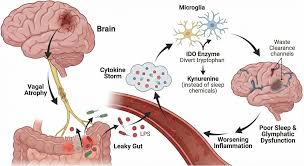
    The rationale behind FMT for insomnia lies in the gut-brain axis, a complex network of neural, immune, and metabolic signals. Your gut bacteria produce and influence a host of neuroactive compounds, including serotonin (a precursor to melatonin, the sleep hormone), GABA (an inhibitory neurotransmitter that promotes relaxation), and dopamine. These molecules can travel to the brain via the vagus nerve, enter the bloodstream, or modulate immune signaling through cytokines.

    Circadian rhythms—your body’s internal clock—are also tightly linked to gut microbes. The composition of your microbiome fluctuates in a daily rhythm, and disruptions like shift work or jet lag can throw both your bacteria and your sleep out of sync. Animal studies have shown that transplanting fecal matter from sleep-deprived mice into healthy mice induces sleep disturbances in the recipients, and vice versa, suggesting a causal relationship. This study in humans is a natural next step, though the exact mechanism—whether it’s specific bacterial strains, metabolites, or an immune response—remains unclear.

    Why FMT? From C. diff to a Potential Sleep Aid

    FMT is not new. It’s a highly effective treatment for recurrent Clostridioides difficile infection, with cure rates exceeding 90%. The procedure involves transferring stool from a healthy donor into a patient’s gut, and it’s now being explored for a range of conditions, from inflammatory bowel disease to depression. The ‘poop pill’ form—freeze-dried fecal material in oral capsules—is a more patient-friendly alternative to colonoscopy or enema delivery, though it may require taking many capsules.

    For insomnia, the appeal is a potential root-cause approach. Instead of sedating the brain with drugs, FMT aims to correct an underlying microbial imbalance that might be driving sleep problems. This resonates with patients seeking ‘natural’ or non-drug options, and the oral capsules are relatively non-invasive and low-cost to produce.

    The Skeptic’s View: Why We Should Be Cautious

    Despite the promise, there are good reasons for caution. First, pilot studies often show encouraging results that fail to replicate in larger trials. The placebo effect in insomnia is powerful, and without rigorous blinding, results can be misleading. Second, the microbiome is resilient; ‘reprogramming’ it is an oversimplification. Transplanted bacteria may not colonize permanently, and the microbiome often returns to baseline within weeks. Third, safety is a major concern. FMT carries risks of transmitting pathogens or antibiotic resistance genes, and there have been documented cases of serious infections. Regulatory agencies like the FDA treat FMT as an investigational drug, requiring strict donor screening and oversight.

    Finally, the mechanistic uncertainty is a red flag. Even if sleep improves, we don’t know if it’s due to specific bacterial strains, their metabolic products, or a broader immune-mediated effect. Without understanding the ‘active ingredient,’ it’s hard to develop a standardized, reliable treatment.

    The Road Ahead: What Would It Take to Prove It?

    To move from ‘hint’ to ‘treatment,’ we need larger, randomized, double-blind, placebo-controlled trials with diverse populations. Researchers must also track long-term outcomes and safety, including whether the microbiome changes persist. Standardizing donor selection and capsule preparation will be critical, as will developing biomarkers to identify who might benefit most.

    If confirmed, FMT could join the ranks of microbiome-based therapies for mental health, but it’s still early days. For now, the study is a fascinating glimpse into a future where a pill might not just treat the symptoms of insomnia, but address its microbial roots.

    The idea of treating insomnia with ‘poop pills’ is both intriguing and, for some, off-putting, but it underscores a broader shift in medicine: recognizing the gut as a key player in brain health. While this early study offers a tantalizing hint, it’s not yet a green light. We need more research to confirm the effect, understand the mechanism, and ensure safety. Until then, proven treatments like CBT-I and sleep hygiene remain the gold standard. But the gut-brain axis is a frontier worth watching—it might just lead to a revolution in how we approach sleep.

    Summary

    • Fecal microbiota transplantation (FMT), or ‘poop pills,’ may reduce nighttime wakefulness in insomnia, according to an early study.
    • The gut-brain axis—communication between gut bacteria and the brain—is the proposed mechanism, involving neurotransmitters, immune signals, and circadian rhythms.
    • The study is preliminary, with small sample sizes and potential placebo effects, so results are not definitive.
    • FMT is established for C. diff infections but is investigational for sleep, with safety and regulatory concerns.
    • Larger, rigorous trials are needed to confirm efficacy and understand how the microbiome affects sleep.

    FAQ

    Q: What are ‘poop pills’?
    A: They are oral capsules containing freeze-dried fecal material from a healthy donor, used in fecal microbiota transplantation (FMT) to transfer gut bacteria into a patient’s digestive tract.

    Q: How could gut bacteria affect sleep?
    A: Through the gut-brain axis, bacteria produce neuroactive compounds like serotonin and GABA, which influence sleep. They also interact with circadian rhythms and immune signaling, all of which can impact sleep quality.

    Q: Is FMT approved for insomnia?
    A: No. FMT is only approved for recurrent C. difficile infection. For insomnia, it’s experimental and under investigation in clinical trials.

    Q: What are the risks of FMT?
    A: Risks include transmission of pathogens or antibiotic resistance genes, and unknown long-term effects. Strict donor screening is essential but not foolproof.

    Q: Should I try ‘poop pills’ for my insomnia?
    A: Not yet. The evidence is preliminary, and FMT is not available as a standard treatment for insomnia. Consult a healthcare provider for evidence-based options like CBT-I.