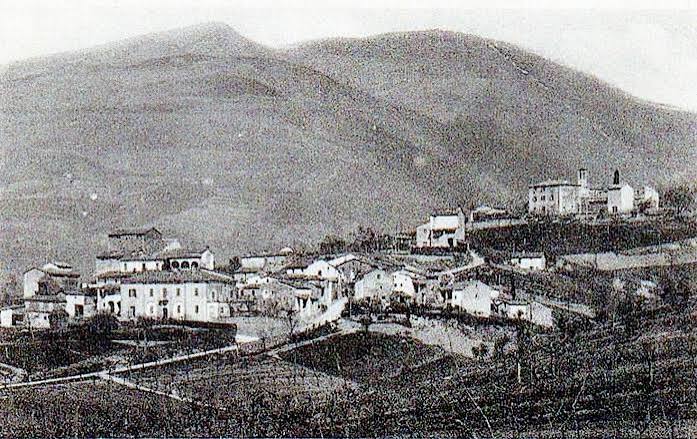
In 1440, a clerical error during a land sale left a tiny strip of Italian soil unclaimed by either the Pope or the Republic of Florence. Rather than being absorbed by a larger power, the inhabitants declared themselves an independent republic and somehow made it last for 386 years.
This accidental micro-state, Cospaia, had no army, no prison, no formal laws, and no taxes. Its survival hinged on a single, unlikely commodity: tobacco. While its powerful neighbors banned the crop, Cospaia grew it openly and became the smuggling capital of central Italy. This is the story of how a cartographic oversight and a lucrative vice kept a village free for four centuries.
The End of an Anomaly
By the early 19th century, Cospaia’s luck ran out. The Congress of Vienna (1815) reshaped Europe after Napoleon’s fall, and the Papal States began consolidating territory to strengthen their position.
Pope Leo XII formally annexed Cospaia in 1826. The annexation was peaceful—no resistance is recorded. By then, the tobacco trade had declined, and the economic rationale for tolerance had weakened. The republic that survived by accident was absorbed without a fight.
Today, Cospaia is part of the modern town of San Giustino in Umbria, Italy. Little remains of its independent past except historical records and a lingering local pride.
Cospaia’s 386-year existence is a reminder that history isn’t always driven by grand designs. Sometimes, it’s shaped by a surveyor’s mistake, a pope’s distraction, and a village’s willingness to simply declare itself free. It’s a story of how a tiny, forgotten strip of land turned a vice into a virtue—and held on to its liberty for four centuries.
Summary
- Cospaia was a micro-state in central Italy that existed from 1440 to 1826, born from a surveying error in a papal land sale.
- It had no formal government, no army, no prison, and no taxes; a council of family heads managed affairs.
- Its economy relied on tobacco cultivation and smuggling, as it was the only place in the region where the crop was legal.
- Both the Papal States and Florence tolerated its independence because they profited from the tobacco trade and avoided border conflicts.
- The republic was peacefully annexed by Pope Leo XII in 1826 after the tobacco trade declined.
FAQ
Q: How did Cospaia become independent?
A: In 1440, Pope Eugene IV sold the town of San Giustino to Florence, but surveyors accidentally omitted a strip of land. Neither side claimed it, and the inhabitants declared themselves a republic.
Q: How did Cospaia survive for so long?
A: Its survival hinged on mutual benefit: both the Pope and Florence profited from the tobacco smuggling trade, and the tiny state served as a buffer zone. It was too small to be worth conquering.
Q: What was Cospaia’s government like?
A: It had no formal constitution or written laws. A council of family heads managed communal affairs, and disputes were settled by mediation.
Q: Why was tobacco so important to Cospaia?
A: Tobacco was banned in the Papal States and restricted in Florence, but legal in Cospaia. This made it the only source of legal tobacco in the region, fueling a lucrative smuggling trade.
Q: When and why did Cospaia cease to exist?
A: Pope Leo XII annexed Cospaia in 1826. The tobacco trade had declined, and the Papal States were consolidating territory after the Congress of Vienna.