Tag: metabolism

  • FDA Clears First Wearable That Tracks Both Ketones and Blood Sugar

    FDA Clears First Wearable That Tracks Both Ketones and Blood Sugar

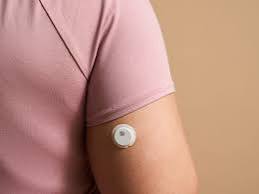
    Imagine a single sensor stuck to your arm that tells you, in real time, whether your body is burning carbs or fat. That’s now a reality: the FDA has authorized the first over-the-counter wearable that continuously monitors both blood glucose and ketone levels. The device, made by Abbott Laboratories, marks a shift from single-metric tracking to a fuller picture of your metabolic state.

    For years, people who follow ketogenic diets, practice intermittent fasting, or train for endurance events had to rely on finger-prick blood tests or breath analyzers—methods that give only snapshots, not trends. This new sensor, worn for up to two weeks, streams data to a smartphone app, letting users see how their metabolism responds to meals, exercise, and stress. But the approval also raises questions about cost, accuracy, and the risk of over-interpreting numbers.

    A New Kind of Biosensor

    The device is an expanded continuous glucose monitor (CGM). CGMs have been around for decades, primarily for diabetes care. They use a tiny filament inserted just under the skin to measure glucose in the interstitial fluid—the liquid surrounding cells—every few minutes. Abbott’s new system, part of its Lingo line, adds a second sensor that measures beta-hydroxybutyrate, the main ketone body produced when the body burns fat for fuel. Both readings are transmitted wirelessly to a receiver or smartphone app, giving users a live, dual-stream view of their metabolism.

    The FDA authorized the device through its De Novo pathway, which creates a new regulatory category when no similar device exists. That means this isn’t just a one-off approval; it sets a precedent for other companies to follow. The clearance is for over-the-counter use by adults 18 and older who want to track metabolic health—not for diagnosing or managing diabetes. Users can buy it without a prescription, something the FDA has been cautious about with medical devices.

    Why Combine Glucose and Ketones?

    Glucose and ketones are two sides of the same metabolic coin. When you eat carbohydrates, your body breaks them down into glucose, which spikes in the blood. When you fast or eat very few carbs, insulin levels drop, and the liver starts converting fat into ketones to fuel the brain and muscles. That’s why ketone levels rise during fasting, ketogenic diets, or prolonged exercise.

    Tracking both at once reveals your metabolic state more clearly than either alone. For example:

    • High glucose + low ketones = fed state, carb-burning mode.
    • Low glucose + high ketones = fasting or ketogenic state, fat-burning mode.
    • Low glucose + low ketones = a transition state, often seen after a long fast when the body is switching fuels.

    This information helps users tailor their eating and exercise. An endurance athlete might see that their ketone levels rise after a morning run, indicating they’ve tapped into fat stores. Someone on a keto diet might use the glucose reading to spot hidden carbs that are sabotaging ketosis.

    What This Replaces

    Before this, checking ketones was clunky. Blood test strips require a finger prick and cost about $1 per test. They give a single reading, so you can’t see trends without repeated pricks. Breath analyzers are cheaper but less accurate and still not continuous. Urine strips are indirect—they measure excess ketones spilled into urine, which lags behind blood levels and becomes less reliable as you become keto-adapted.

    A CGM-like sensor changes the game. No more needles or test strips. You wear it for 10–14 days, and it logs data every few minutes. That continuous stream is what makes it powerful: you can see exactly how your metabolism responds to a specific meal or workout, not just a snapshot in time.

    The Excitement and the Caveats

    For the biohacker community, this is a dream come true. Real-time feedback without the hassle of finger pricks. But there are legitimate concerns. Cost is a big one: CGMs typically run $100–$300 per sensor, and insurance rarely covers wellness use. That puts this technology out of reach for many people, making it a luxury item for the wealthy.

    Doctors also worry about misinterpretation. In people with diabetes, dangerously high ketone levels can signal diabetic ketoacidosis (DKA), a medical emergency. This device is not approved for diabetes management, but someone with diabetes might use it and misinterpret a high ketone reading as a sign to eat more carbs, or worse, ignore it. The app will need to be careful about how it presents data and what warnings it gives.

    Accuracy is another question. Interstitial fluid readings lag behind blood by 5–15 minutes, and ketone measurement in this fluid is newer and may have more variability than blood tests. The FDA’s clearance means the device meets accuracy standards for wellness use, but it’s not intended to replace clinical-grade monitoring.

    A Precedent for the Future

    The De Novo pathway is significant. It means the FDA recognizes this category of device as distinct and has set performance standards. Other companies—Dexcom, Medtronic, and startups—are likely to submit their own dual-sensor wearables. This could spur innovation and drive prices down over time, just as we’ve seen with smartwatches and fitness trackers.

    The approval also signals a broader shift: the FDA is becoming more comfortable with consumer health devices that don’t require a prescription. Smartwatches already measure heart rate, ECG, and blood oxygen. Now metabolic tracking is joining that club. The next step might be even more integration—perhaps a single wearable that tracks glucose, ketones, lactate, and other biomarkers.

    For now, this device is a tool for the curious and the committed. If you’re on a ketogenic diet, an intermittent faster, or an endurance athlete, it offers a window into your body’s fuel management that was previously available only to researchers. But it’s not a medical device for managing disease—yet. That future may come, but it will require more studies and regulatory scrutiny.

    The FDA’s authorization of the first dual glucose-ketone wearable is a milestone in consumer health technology. It gives individuals unprecedented insight into their metabolic flexibility, but it also raises questions about access, interpretation, and the line between wellness and medicine. As more devices enter this space, the real challenge will be helping people use this data wisely—not just chase numbers, but understand what they mean for their health.

    Summary

    • The FDA approved the first over-the-counter wearable that continuously monitors both glucose and ketone levels, made by Abbott Laboratories.
    • The device uses a De Novo classification, creating a new regulatory category for similar future devices.
    • It’s intended for adults to track metabolic health, not to diagnose or manage diabetes.
    • Tracking both metrics together gives a fuller picture of whether the body is burning carbs or fat.
    • Concerns include cost, potential misinterpretation (especially for people with diabetes), and accuracy limitations of interstitial fluid readings.

    FAQ

    Q: What exactly does the device measure?
    A: It measures glucose and beta-hydroxybutyrate (the primary ketone body) in the interstitial fluid under the skin, transmitting data to a smartphone app.

    Q: Do I need a prescription to get it?
    A: No, it’s authorized for over-the-counter use by adults 18 and older.

    Q: Is it approved for diabetes management?
    A: No, it’s not. It’s for wellness and lifestyle tracking. People with diabetes should not use it to make treatment decisions.

    Q: How long does a sensor last?
    A: Typically 10–14 days, after which you replace it.

    Q: Will insurance cover it?
    A: Unlikely, since it’s a wellness device. Out-of-pocket costs are expected to be similar to existing CGMs, around $100–$300 per sensor.

  • The Truth About Foods That Burn Fat While You Sleep

    The Truth About Foods That Burn Fat While You Sleep

    You’ve probably seen the headlines: ‘Eat these 10 foods and melt fat while you sleep.’ It’s a tempting promise—effortless weight loss, no exercise required. But what’s the real story? Can a late-night snack actually stoke your metabolism overnight?

    Here’s the science: your body does burn calories while you sleep. In fact, an average adult burns roughly 300–500 calories over an 8-hour night, just keeping your heart beating, lungs breathing, and cells repairing. But the idea that a specific food can ‘switch on’ fat burning during sleep is a myth. What foods can do—and do well—is support the conditions that help your body burn fat more efficiently: better sleep, stable blood sugar, and hormonal balance.

    In this article, we’ll separate fact from fiction. We’ll look at 10 commonly touted bedtime foods, what they actually do, and how to use them smartly for better sleep and weight management.

    The Real Link Between Sleep and Weight

    Before we get to the foods, let’s understand the connection between sleep and weight. It’s real, and it’s powerful.

    Poor sleep—getting less than 6–7 hours a night—disrupts two hormones that control your appetite. Ghrelin, the ‘hunger hormone,’ spikes, making you feel hungrier. Leptin, the ‘satiety hormone,’ drops, so you don’t feel as full after eating. The result? You crave high-calorie, carb-heavy foods, and you’re more likely to overeat.

    Sleep deprivation also makes your body less sensitive to insulin, which means it’s more likely to store fat, particularly around your belly. Cortisol, the stress hormone, rises, further promoting fat storage.

    So, getting good sleep is genuinely important for weight management. And certain foods can help you sleep better, which indirectly supports fat loss. That’s the real story behind ‘fat-burning bedtime foods.’

    10 Foods to Consider Before Bed

    Each of these foods has been touted as a ‘fat burner.’ We’ll give you the evidence-based reality.

    1. Greek Yogurt

    Greek yogurt is rich in casein protein, which digests slowly. That means it provides a steady stream of amino acids to your muscles overnight, supporting repair and preventing muscle breakdown. It also helps you feel full, which can curb late-night cravings.

    The truth: Casein is a solid choice for satiety and muscle support, but it doesn’t directly burn fat. A small serving (about 1/2 cup) with no added sugar is a good bedtime snack.

    2. Almonds

    Almonds are packed with magnesium, a mineral that supports sleep quality. They also contain healthy fats and protein, which promote satiety.

    The truth: Magnesium is genuinely linked to better sleep, and almonds are a convenient source. But the fat-burning effect is indirect—better sleep leads to better hormonal balance, which helps with weight control. Keep portions in check: a handful (about 23 almonds) is plenty.

    3. Kiwi

    Kiwi is a vitamin C powerhouse and contains serotonin, a precursor to melatonin, the sleep hormone. Several studies show that eating kiwi regularly improves sleep onset and duration.

    The truth: The sleep benefits are real. Better sleep means better appetite regulation, which helps with weight management. But kiwi itself doesn’t burn fat—it just helps you sleep well.

    4. Tart Cherry Juice

    Tart cherries are one of the few natural food sources of melatonin. Drinking tart cherry juice has been shown to improve sleep quality in some studies.

    The truth: If you struggle with sleep, tart cherry juice might help. But it’s also caloric, so stick to a small glass (about 8 ounces) and choose unsweetened versions. The sleep boost is the benefit, not fat burning.

    5. Cottage Cheese

    Like Greek yogurt, cottage cheese is high in casein protein. It’s a classic bedtime snack for athletes because it supports overnight muscle repair.

    The truth: Casein is great for satiety and muscle, but it won’t melt fat directly. Choose low-fat versions and avoid added sugars.

    6. Decaf Green Tea

    Green tea contains catechins, which have been shown to slightly boost metabolism. But the effect is modest, and caffeine can disrupt sleep.

    The truth: If you drink green tea, make sure it’s decaf and not too close to bedtime. The metabolic boost is minimal—the real benefit is the antioxidant content and the calming ritual.

    7. Fatty Fish (Salmon)

    Salmon is rich in omega-3 fatty acids and vitamin D, both of which support metabolic health. Some research suggests omega-3s can improve insulin sensitivity.

    The truth: Fatty fish is excellent for overall health, but there’s no direct link to overnight fat burning. Enjoy it as part of a balanced dinner, not as a bedtime snack.

    8. Whole Grains (Oats)

    Oats are a source of complex carbohydrates that digest slowly, helping stabilize blood sugar overnight. This can prevent dips that might wake you up or trigger cravings.

    The truth: A small bowl of plain oatmeal before bed can help keep blood sugar stable, which supports better sleep and less morning hunger. Just avoid sugary toppings.

    9. Bananas

    Bananas provide magnesium, potassium, and tryptophan, an amino acid that’s a precursor to serotonin and melatonin.

    The truth: The tryptophan effect is small—the ‘turkey coma’ is largely myth. But bananas are a healthy, filling snack that won’t disrupt sleep. Eat them in moderation.

    10. Turkey

    Turkey contains tryptophan, which is why many people feel sleepy after a big Thanksgiving dinner. But the effect is minor, especially compared to the other factors in that meal.

    The truth: A small slice of turkey before bed won’t hurt, but it won’t burn fat either. The real sleep-inducing effect comes from a high-carb meal, which increases tryptophan’s entry to the brain. But that’s more about carbs than turkey itself.

    How to Use These Foods Smartly

    The key takeaway: no food burns fat while you sleep. But you can use these foods to support better sleep and healthier habits.

    • Replace junk food: If you’re craving a midnight snack, a small serving of Greek yogurt or a handful of almonds beats chips or cookies. You’ll get protein and nutrients, not empty calories.
    • Control portions: Even healthy foods have calories. A bedtime snack should be 150–200 calories at most.
    • Time it right: Eat your snack about 30–60 minutes before bed. Eating too close to sleep can cause indigestion.
    • Combine with good sleep hygiene: Consistent sleep schedule, dark room, cool temperature, and no screens before bed are the real ‘fat burners.’

    The Bottom Line

    The ‘fat-burning while you sleep’ idea is a marketing fantasy. But the underlying message—that sleep quality affects your weight—is scientifically sound. By choosing foods that promote good sleep and stable blood sugar, you’re setting yourself up for better hormonal balance, fewer cravings, and easier weight management.

    So, go ahead and enjoy that kiwi or glass of tart cherry juice. Just know that the real power lies in the sleep it helps you get.

    The ‘fat-burning while you sleep’ claim is a simplification of a more nuanced relationship between diet, sleep, and metabolism. No single food will torch fat overnight, but a thoughtful bedtime snack can improve sleep quality, stabilize blood sugar, and curb late-night cravings—all of which support your weight management goals. Focus on the habits that matter: consistent sleep, balanced meals, and mindful portions.

    Summary

    • No food directly burns fat while you sleep; fat loss depends on overall calorie balance and hormonal health.
    • Poor sleep disrupts ghrelin and leptin, increasing hunger and cravings.
    • Foods like Greek yogurt, almonds, and kiwi can improve sleep quality through protein, magnesium, or serotonin.
    • Tart cherry juice and decaf green tea may support sleep via melatonin and relaxation, but they’re not fat burners.
    • Use bedtime snacks as a healthier alternative to junk food, with portions around 150–200 calories.

    FAQ

    Q: Can eating before bed make you gain weight?
    A: Not inherently. Weight gain depends on total daily calorie intake, not meal timing. A small, balanced snack can be part of a healthy diet.

    Q: What’s the best bedtime snack for weight loss?
    A: Choose a protein-rich, low-sugar option like Greek yogurt or cottage cheese. They promote satiety and muscle repair without spiking blood sugar.

    Q: Does green tea before bed help burn fat?
    A: Green tea contains catechins that may slightly boost metabolism, but the effect is small, and caffeine can disrupt sleep. Stick to decaf and drink it early in the evening.

    Q: Are bananas and turkey good for sleep?
    A: They contain tryptophan, a precursor to serotonin and melatonin, but the effect is modest. They’re healthy snacks, but don’t expect a dramatic sleep boost.

    Q: How many calories should a bedtime snack be?
    A: Aim for 150–200 calories. A larger snack can cause indigestion and contribute to excess calorie intake.