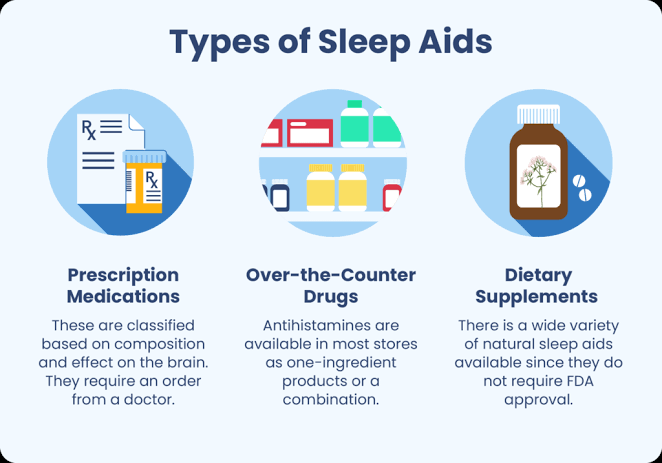
If you’re among the 30% of adults who struggle with short-term insomnia, you’ve likely considered a sleep aid. Prescription pills like Ambien and OTC antihistamines can knock you out, but they come with a cost: dependence, next-day grogginess, and a growing list of side effects. That’s why many are turning to natural alternatives that work with your body’s own sleep systems rather than overriding them.
But not all natural aids are created equal. Some have solid science behind them, others are mostly hype. Here are nine evidence-backed options that may help you sleep better without the pill bottle.
Why Natural Aids Beat Pills for Many People
Prescription sleep medications—benzodiazepines and Z-drugs like zolpidem—work by broadly depressing your central nervous system. That’s effective in the short term, but it also leads to tolerance, dependency, and serious risks like falls in older adults. OTC antihistamine-based aids (diphenhydramine) cause their own problems, including anticholinergic effects linked to cognitive decline with long-term use.
Natural sleep aids typically target specific pathways: boosting GABA, supporting serotonin, or regulating your circadian rhythm. They’re generally gentler, with fewer side effects, and they don’t create physical dependence. Here’s what the evidence actually supports.
1. Melatonin: The Circadian Regulator
Melatonin is a hormone your brain produces in response to darkness, signaling that it’s time to sleep. As a supplement, it’s most effective for jet lag and shift work—situations where your internal clock is out of sync with your environment. For general insomnia, results are mixed, but it can help some people fall asleep faster.
Dose and timing matter. Taking 0.5–5 mg about 30–60 minutes before bedtime is typical. Start low: higher doses can cause vivid dreams or next-day grogginess. In the U.S., it’s available OTC; in the UK and EU, it’s prescription-only.
2. Magnesium: The Muscle Relaxer
Magnesium glycinate, in particular, helps relax muscles and calm the nervous system. Some studies show improved sleep quality in older adults who are often deficient. Magnesium plays a role in regulating neurotransmitters involved in sleep, like GABA.
Try 200–400 mg of glycinate or citrate before bed. Avoid magnesium oxide, which is poorly absorbed. If you have kidney issues, check with your doctor first.
3. Valerian Root: The Herbal Sedative
Valerian root has been used for centuries as a sleep aid. Meta-analyses show modest improvements in sleep latency (how long it takes to fall asleep) and overall quality. The evidence is inconsistent, though—some studies find no effect.
Take 300–600 mg of standardized extract 30 minutes before bed. It may take a few weeks to notice a difference. Side effects are rare but can include mild headaches or dizziness.
4. Chamomile: The Gentle Soother
Chamomile contains apigenin, an antioxidant that binds to benzodiazepine receptors in the brain—the same receptors targeted by anti-anxiety drugs. This produces a mild sedative effect, making it easier to drift off.
Drink a cup of chamomile tea 45 minutes before bed, or take a supplement. It’s one of the safest options, with few interactions, though those allergic to ragweed should be cautious.
5. L-Theanine: Calm Without Drowsiness
L-theanine, an amino acid in green tea, promotes relaxation without making you sleepy. It increases alpha brain waves, similar to what you experience during meditation. It’s often combined with GABA for a synergistic effect.
Try 100–200 mg in the evening. It can also be taken during the day to reduce stress without sedation.
6. Glycine: The Temperature Regulator
Glycine is an amino acid that lowers your core body temperature—a physiological cue for sleep onset. Studies show improved sleep quality in adults with insomnia, including faster sleep onset and less daytime fatigue.
Take 3 grams about 30–60 minutes before bed. It’s often available as a powder that dissolves easily in water.
7. Lavender: The Aromatic Aid
Lavender works both as aromatherapy and in oral supplements. Silexan, a standardized lavender oil preparation, has shown significant improvements in sleep quality and anxiety reduction in clinical trials. The scent alone can slow your heart rate and lower stress.
Use a lavender essential oil diffuser in your bedroom, or try 80 mg of Silexan daily. Always ensure you’re using a product safe for ingestion if you go the oral route.
8. Tart Cherry Juice: The Melatonin Booster
Tart cherries are a natural source of melatonin and tryptophan. Studies show that drinking tart cherry juice increases sleep time and sleep efficiency, likely due to its impact on circadian rhythm and inflammation.
Drink 8–12 ounces of unsweetened tart cherry juice twice daily, or once at night. Look for concentrates without added sugar.
9. Passionflower: The GABA Enhancer
Passionflower increases levels of GABA, the brain’s primary inhibitory neurotransmitter. Some trials show improved sleep quality comparable to mild sedatives, but with a better safety profile. It’s often used for anxiety-related insomnia.
Take 250–500 mg of dried herb extract, or drink as tea. It may interact with blood thinners and sedatives, so check with your healthcare provider.
How to Choose What’s Right for You
No single natural aid works for everyone. Start with one at a time, and give it at least two weeks to assess its effect. Keep a sleep diary to track changes. And remember: these aids work best when combined with good sleep hygiene—consistent schedule, dark and cool room, and limited screen time before bed.
If you have an underlying condition like sleep apnea or depression, supplements won’t fix it. And if you’re already taking prescription sleep aids, talk to your doctor before switching, as withdrawal can be challenging.
The evidence for natural aids is mixed, and some may work through a placebo effect. But the safety profile is generally better than pills, making them a reasonable first line of defense for occasional sleeplessness.
A Word on Safety and Interactions
“Natural” doesn’t automatically mean safe. Melatonin is a hormone, and overusing it can disrupt your own production. Valerian and passionflower can interact with medications like antidepressants and sedatives. Always check with a pharmacist or doctor, especially if you’re pregnant, nursing, or have chronic conditions.
Also, the FDA regulates supplements as foods, not drugs, so quality varies. Choose reputable brands that third-party test for purity and potency.
Natural sleep aids offer a compelling alternative to prescription and OTC pills, especially for people who want to avoid dependency and side effects. The nine options above have the strongest evidence behind them, but remember: they’re not a magic bullet. Combine them with good sleep habits, and you’ll get the best results. If your insomnia is chronic, consider cognitive behavioral therapy for insomnia (CBT-I), which is the gold standard treatment—no bottle required.
Summary
- Melatonin works best for jet lag and shift work, not general insomnia.
- Magnesium glycinate relaxes muscles and calms the nervous system.
- Valerian root has modest evidence for improving sleep latency and quality.
- Chamomile and lavender offer gentle, anxiety-reducing effects.
- L-theanine, glycine, and tart cherry juice target specific sleep mechanisms.
- Passionflower boosts GABA, but watch for interactions.
- Combine any supplement with good sleep hygiene for best results.
FAQ
Q: Are natural sleep aids safer than prescription pills?
A: Generally, yes. They have fewer and milder side effects, and no risk of physical dependence. However, “natural” doesn’t mean risk-free—melatonin is a hormone, and herbs can interact with medications. Always consult a healthcare provider.
Q: How long should I take a natural sleep aid before deciding it works?
A: Give it at least two weeks of consistent use. Some, like valerian, may take longer to show effects. Track your sleep in a diary to assess objectively.
Q: Can I take multiple natural aids together?
A: It’s best to start with one at a time to identify what works. Combining them can increase the risk of side effects and interactions. If you do combine, use low doses and consult a practitioner.
Q: What is the best natural aid for falling asleep quickly?
A: Melatonin, glycine, and valerian have the strongest evidence for reducing sleep latency. Glycine’s effect on body temperature may be particularly fast-acting.
Q: Will natural aids work if I have chronic insomnia?
A: They may help, but chronic insomnia often has underlying causes that supplements can’t address. Cognitive behavioral therapy for insomnia (CBT-I) is the most effective long-term treatment. Use natural aids as a complement, not a replacement.