
Tag: meditation

  • 5 Morning Rituals That Rewire Your Brain Chemistry

    5 Morning Rituals That Rewire Your Brain Chemistry

    The first hour after waking is not just a transition—it’s a biological window. Your brain is primed to respond to specific cues that can set your mood, focus, and stress levels for the rest of the day. While the idea of a ‘perfect morning’ often veers into wellness cliché, a handful of practices have genuine, measurable effects on neurotransmitters and hormones.

    These five rituals aren’t about productivity hacks. They work by directly influencing the chemical messengers that govern alertness, motivation, calm, and even your brain’s ability to rewire itself. Here’s what the science says about each, and how to put them into practice.

    Morning Sunlight: Your Brain’s Master Clock

    Expose your eyes to natural light within 30–60 minutes of waking. Even 10 minutes on a clear day—or 20–30 under cloud cover—is enough to trigger a cascade of effects. Light hits retinal ganglion cells, which send a signal to the suprachiasmatic nucleus (SCN) in the hypothalamus, the brain’s master clock. This synchronizes your circadian rhythm, timing the release of cortisol to promote alertness and setting up melatonin production for the evening.

    Morning light also boosts serotonin synthesis. Serotonin is the neurotransmitter that stabilizes mood and supports a sense of well-being. Without adequate morning light, your circadian rhythm can drift, leading to sluggishness and poor sleep quality. The effect is so potent that light exposure is considered the single strongest cue for circadian alignment.

    Practical tip: Step outside before checking your phone. If you’re in a climate with limited morning sun, consider a light therapy lamp that emits 10,000 lux.

    Cold Exposure: A Shock That Sharpens Focus

    A cold shower or plunge triggers the sympathetic nervous system, releasing a flood of norepinephrine and dopamine. A 2014 study by Shevchuk found that cold showers increased blood norepinephrine by 530%. That’s a massive spike in alertness. Dopamine, the reward and motivation neurotransmitter, can stay elevated for hours afterward, which may explain why many people report feeling focused and upbeat after a cold start.

    The discomfort is brief, but the effects are not. Beta-endorphins also rise, providing a natural mood lift. If you’re new to cold exposure, start with 30 seconds of cold water at the end of your regular shower and gradually extend the time.

    Exercise: A Neurochemical Cocktail

    Moderate aerobic exercise—a brisk walk, a jog, a bike ride—increases synthesis and release of dopamine, serotonin, and endorphins. It also triggers the release of brain-derived neurotrophic factor (BDNF), a protein that supports neuroplasticity, the brain’s ability to form new connections. The effects last 4–8 hours after you finish, meaning a morning workout can enhance your mental performance well into the afternoon.

    The classic ‘runner’s high’ is now understood to involve endocannabinoids like anandamide, which contribute to feelings of euphoria and reduced anxiety. You don’t need to run a marathon; 20–30 minutes of moderate activity is enough to get the benefits.

    Mindfulness: Shrinking Stress, Growing Focus

    Ten to twenty minutes of mindfulness meditation each morning can reduce cortisol and regulate amygdala activity—the brain’s alarm center. A 2019 study by Šramková and Heretik found that 10 minutes of daily mindfulness for 8 weeks decreased cortisol and improved emotional regulation. Over time, meditation increases gray matter density in the hippocampus (memory) and prefrontal cortex (decision-making, impulse control).

    GABA, the brain’s primary inhibitory neurotransmitter, also rises with regular practice, promoting calm without sedation. You don’t need an app or a special cushion; simply sit comfortably, close your eyes, and focus on your breath for 10 minutes.

    High-Protein Breakfast and Hydration: Fuel for Neurotransmitters

    Your brain needs amino acids to build neurotransmitters. Tyrosine is a precursor to dopamine and norepinephrine; tryptophan is a precursor to serotonin. A breakfast with adequate protein—eggs, Greek yogurt, tofu, or a protein shake—ensures a steady supply of these building blocks. Pair it with hydration: even 1–2% dehydration impairs attention, memory, and mood. The brain is about 73% water, so morning hydration is non-negotiable.

    Avoid a sugar-heavy breakfast, which causes a rapid glucose spike and crash, undermining the stable energy you’ve just built with the other rituals. Instead, aim for a balanced meal with protein, healthy fats, and complex carbs.

    Why These Rituals Work Together

    Individually, each ritual has benefits. Stacked, they amplify each other. Sunlight sets your circadian rhythm, cold exposure boosts alertness, exercise primes your brain for learning, meditation reduces stress, and nutrition provides the building blocks. This isn’t about perfection; even one or two of these practices can shift your brain chemistry in a positive direction.

    Start small. Pick one ritual and commit to it for a week. Then add another. The goal is not to overhaul your life overnight, but to build a morning that works for your brain.

    Your morning is a lever. Each ritual pulls a different chemical switch, and together they can shape a day of greater focus, calm, and resilience. The science is clear: these practices are not mere trends. They are evidence-based tools for influencing brain chemistry. Start with one, be consistent, and let your brain do the rest.

    Summary

    • Morning sunlight within 30–60 minutes of waking synchronizes your circadian rhythm and boosts serotonin.
    • Cold exposure increases norepinephrine by up to 530% and elevates dopamine for hours.
    • Moderate morning exercise raises dopamine, serotonin, and BDNF, supporting neuroplasticity for 4–8 hours.
    • Ten minutes of mindfulness daily reduces cortisol and increases gray matter in brain regions tied to memory and decision-making.
    • A high-protein breakfast and adequate hydration supply the amino acids your brain needs to produce neurotransmitters.

    FAQ

    Q: How long should I spend on each ritual?
    A: Sunlight: 10–30 minutes. Cold exposure: start with 30 seconds. Exercise: 20–30 minutes. Meditation: 10 minutes. Breakfast: 15 minutes. Total: about an hour, though you can scale down.

    Q: Can I do these in any order?
    A: Yes, but sunlight first is best because it sets your circadian rhythm. Then cold exposure and exercise work well together, followed by meditation and breakfast.

    Q: What if I don’t have time for all five?
    A: Prioritize sunlight and exercise—they have the most profound effects on brain chemistry. Add others as you can.

    Q: Are these rituals safe for everyone?
    A: Generally, yes. But if you have a medical condition (e.g., cardiovascular issues), consult a doctor before starting cold exposure or intense exercise.

    Q: How long until I notice changes?
    A: Some effects, like alertness from cold exposure, are immediate. Others, like increased gray matter from meditation, take weeks. Consistency is key.
  • Meditation for Beginners: A Practical, Evidence-Based Guide to Getting Started

    Meditation for Beginners: A Practical, Evidence-Based Guide to Getting Started

    You’ve probably heard that meditation can reduce stress, improve focus, and even lower blood pressure. Maybe you’ve tried an app for a few days, only to give up because your mind wouldn’t stop wandering. Or perhaps you’re curious but feel intimidated by the lotus position and incense.

    Here’s the good news: meditation is simpler than you think, and you don’t need any special equipment or 30-minute blocks of silence. This guide will walk you through the basics, clear up common misconceptions, and give you a practical starting point—all grounded in evidence and expert consensus.

    What Meditation Really Is (and Isn’t)

    Meditation is not a single practice but a family of techniques designed to cultivate a heightened state of awareness and focused attention. Think of it as a mental workout—not a mystical escape from reality.

    Common forms for beginners include:

    • Mindfulness meditation: Observing the present moment without judgment, often using the breath as an anchor.
    • Focused attention: Concentrating on a single object, sound (like a mantra), or sensation.
    • Loving-kindness (metta): Cultivating compassion toward yourself and others.
    • Body scan: Progressively moving your attention through physical sensations.

    One of the biggest myths is that meditation means emptying your mind. In reality, it’s about noticing when your mind wanders and gently bringing it back. That ‘noticing and returning’ is the core exercise—like a bicep curl for your attention.

    Getting Started: The Practical Basics

    Duration: Start Small

    Forget the idea that you need to meditate for 30 minutes a day. Research and teachers agree that 5–10 minutes daily is effective for beginners. Consistency beats duration. A short daily practice will yield more benefit than an occasional marathon session.

    Posture: Comfort is Key

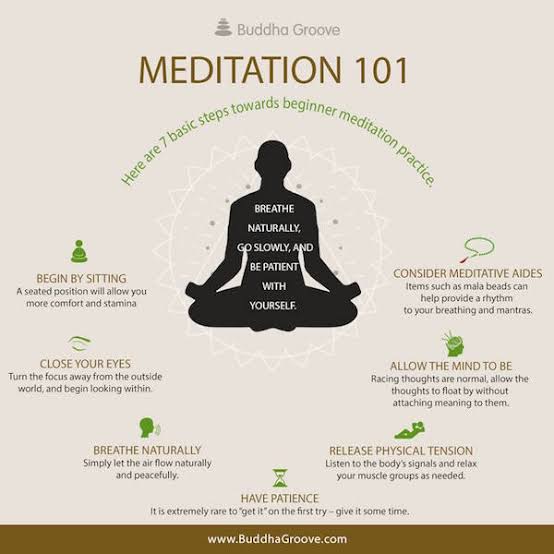
    You don’t need to sit cross-legged on the floor. The goal is a comfortable position with a straight but relaxed spine. You can sit on a chair, a cushion, or even lie down—though lying down might make you sleepy. Keep your eyes open or closed, whatever feels natural, and rest your hands on your knees or lap.

    A Simple 5-Minute Mindfulness Practice

    1. Find a quiet spot where you won’t be disturbed. Set a timer for 5 minutes.
    2. Sit comfortably with your back straight but not rigid.
    3. Close your eyes or lower your gaze.
    4. Bring your attention to your breath—notice the sensation of air entering and leaving your nostrils, or the rise and fall of your chest.
    5. When your mind wanders (and it will), simply notice that you’ve drifted, and gently return your attention to the breath. No judgment, no frustration.
    6. When the timer goes off, take a moment to notice how you feel before getting up.

    That’s it. The ‘distraction and return’ loop is the practice. Each time you notice your mind wandering and bring it back, you’re strengthening your attention muscle.

    Why It Works: The Evidence Behind the Hype

    Meditation isn’t just feel-good woo—it has a growing body of scientific support. Here’s what the research shows:

    • Reduced stress and anxiety: Moderate evidence supports meditation’s ability to lower stress markers like cortisol.
    • Improved attention and focus: Regular practice trains your ability to sustain attention and resist distraction.
    • Better emotional regulation: You become less reactive to emotional triggers.
    • Lower blood pressure: Some studies show modest reductions in blood pressure.
    • Improved sleep quality: Meditation can help quiet a racing mind at bedtime.

    These benefits accrue over weeks and months of consistent practice—not after a single session. So don’t expect a miracle after one try. Think of it like physical exercise: you wouldn’t expect to run a marathon after one jog.

    Common Misconceptions, Debunked

    • “I can’t meditate because I can’t empty my mind.” As we’ve said, that’s not the goal. You’re not trying to stop thoughts; you’re learning to observe them without getting swept away.
    • “I need to sit on the floor in lotus position.” Absolutely not. Chairs, cushions, lying down, or even walking meditation are all valid.
    • “Meditation is a religion.” While meditation has roots in Hindu and Buddhist traditions, it’s also found in Taoist, Christian, Jewish, and Islamic contemplative practices. Secular forms, like Mindfulness-Based Stress Reduction (MBSR), are widely used in healthcare without any religious framing.
    • “It works instantly.” A single session might feel relaxing, but durable changes require regular practice.
    • “I need to meditate for at least 30 minutes.” False. Short daily practice (5–10 minutes) is effective for beginners.
    • “If I get distracted, I failed.” Distraction is normal and part of the practice. The ‘repetition’ of noticing is the workout.
    • “Meditation is safe for everyone.” Generally yes, but it can exacerbate anxiety or trauma in some individuals. If you have severe mental health conditions, consult a professional before starting.

    Choosing Your Path: Secular, Spiritual, or Something In Between

    Meditation today comes in many flavors. You can use an app like Headspace or Calm, join a local meditation group, or explore traditional teachings. Some people appreciate the secular, science-based approach; others find deeper meaning in the spiritual context.

    There’s also a growing debate about “McMindfulness”—the commercialization of meditation as a productivity tool, stripped of its ethical and spiritual roots. Critics argue that this dilutes the practice, while proponents say it makes meditation accessible to more people. There’s no right answer; it’s about what resonates with you.

    Making It a Habit

    Here are some tips to stick with it:

    • Anchor it to an existing habit: Meditate right after brushing your teeth or with your morning coffee.
    • Use a timer: This prevents you from checking the clock.
    • Be kind to yourself: Missed a day? No problem. Just start again tomorrow.
    • Try different styles: If mindfulness doesn’t click, try a body scan or loving-kindness meditation.

    A Note on Accessibility and Safety

    Meditation should be inclusive. If sitting still is uncomfortable, try walking meditation or lying down. If you have a history of trauma, be cautious—silent meditation can sometimes bring up difficult emotions. In such cases, it’s wise to work with a qualified teacher or therapist.

    The Bottom Line

    Meditation is a simple, evidence-based practice that can improve your well-being—but it’s not a quick fix. Start with 5 minutes a day, keep your expectations realistic, and remember that the wandering mind is not a failure; it’s the very thing you’re training.

    Meditation is a journey, not a destination. By starting small, staying consistent, and letting go of perfectionism, you can build a practice that supports your mental and physical health. Whether you’re seeking stress relief, better focus, or a deeper sense of calm, the benefits are within reach—one breath at a time.

    Summary

    • Meditation is a family of techniques, not a single practice; mindfulness is a popular starting point.
    • Start with 5–10 minutes a day; consistency matters more than duration.
    • You don’t need to empty your mind or sit cross-legged—comfort and a relaxed spine are key.
    • Evidence supports benefits like reduced stress, improved focus, and better sleep, but they require regular practice over weeks.
    • Common myths include needing 30+ minutes, instant results, and that distraction means failure.

    FAQ

    Q: How long should I meditate as a beginner?
    A: Start with 5–10 minutes a day. It’s more effective to practice daily for a short time than occasionally for a long time.

    Q: What if I can’t stop thinking during meditation?
    A: That’s completely normal. The goal isn’t to stop thoughts but to notice them and gently return your attention to your breath. Each time you do that, you’re strengthening your focus.

    Q: Do I need to sit on the floor?
    A: No. You can sit on a chair, a cushion, or even lie down. The key is a comfortable position with a straight but relaxed spine.

    Q: Is meditation a religious practice?
    A: Meditation has roots in many religious traditions, but it’s not inherently religious. Secular forms like MBSR are widely used in healthcare and wellness settings.

    Q: Can meditation make my anxiety worse?
    A: In some cases, yes—especially if you have a history of trauma or severe anxiety. If you’re concerned, consult a mental health professional before starting a meditation practice.