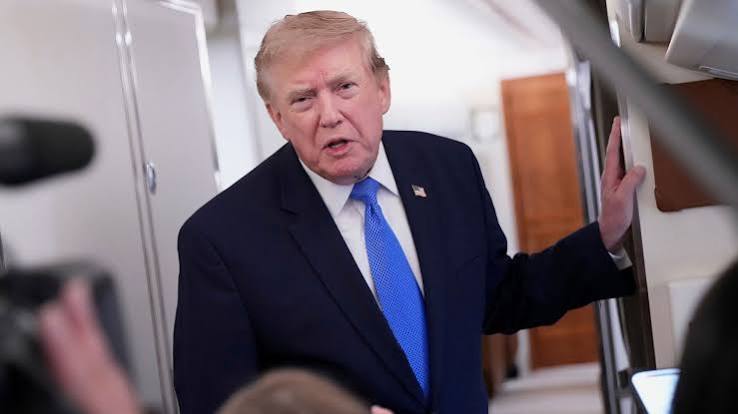
In a move that has sent shockwaves through state capitols and healthcare circles alike, the Trump administration has withheld more than $1 billion in Medicaid funds from California and Minnesota. The stated reason? Concerns about fraud and improper payments. But critics see a different motive: political retribution against two Democratic-led states that have been vocal opponents of the administration’s policies.
Medicaid, the joint federal-state program that provides health coverage to over 70 million low-income Americans, is no stranger to fraud allegations. Yet the distinction between intentional fraud and administrative errors is often blurred in political discourse. This withholding action raises critical questions about the balance of power between federal and state governments, the weaponization of oversight tools, and the real-world impact on vulnerable populations.
As the administration continues its aggressive push to cut federal spending, this latest move underscores a growing trend: using fiscal enforcement as a cudgel to pressure states on policy compliance. But is it legal? Is it fair? And what does it mean for the millions of Americans who rely on Medicaid? Let’s dive in.
The Mechanics of the Withholding
The Centers for Medicare & Medicaid Services (CMS), the federal agency that oversees Medicaid, has the authority to audit state programs and recoup funds when improper payments are identified. Improper payments can range from outright fraud—like billing for services never rendered—to simple clerical errors, such as missing documentation or technical noncompliance. The Trump administration has cited these issues as the basis for withholding funds from California and Minnesota.
While the exact figures vary by state, reports indicate that California faces the larger share of the withheld funds, with Minnesota also bearing a significant burden. The administration frames this as a necessary step to protect taxpayer dollars and ensure states comply with federal rules. Supporters argue that similar actions were taken under previous administrations, including during the Obama era, and that fiscal responsibility demands such enforcement.
However, state officials and policy experts are pushing back. They argue that the alleged “fraud” often stems from documentation issues, not intentional wrongdoing, and that the federal government is moving the goalposts on compliance standards. States also point out that the methodology used to calculate improper payment rates is contested, with CMS’s estimates often criticized as inflated.
A Pattern of Political Targeting?
California and Minnesota are not just any states—they are Democratic strongholds that have repeatedly clashed with the Trump administration on issues ranging from immigration to healthcare. This has led many to question whether the withholding is politically motivated. Both states’ governors have characterized the action as retaliation for their vocal opposition to the administration’s policies.
This is not the first time the administration has used fiscal tools to pressure states. In its second term, the Trump administration has pursued aggressive cuts to federal programs, including efforts to impose work requirements on Medicaid recipients and tighten eligibility rules. The withholding action fits into a broader pattern of using oversight mechanisms to achieve policy goals that might otherwise be blocked by Congress or the courts.
Advocacy groups and healthcare providers warn that withholding funds could force states to reduce services, delay payments to providers, or increase state spending to cover the gap—ultimately harming low-income residents who depend on Medicaid for their health coverage. The long-term consequences could destabilize state budgets and create uncertainty in a program that serves a significant portion of the American population.
The Legal and Ethical Questions
Policy experts are divided on the legality of the administration’s action. Some question whether the administration has the statutory authority to withhold funds for the stated reasons, arguing that it may be exceeding its discretion. Others point to the precedent of federal oversight and argue that the administration is within its rights to enforce compliance.
The ethical implications are equally complex. On one hand, the federal government has a responsibility to ensure that taxpayer dollars are not wasted. On the other, using fraud allegations as a pretext for political retribution undermines the integrity of the Medicaid program and erodes trust between federal and state governments.
There’s also the human cost. Medicaid is a lifeline for millions of Americans, including children, the elderly, and people with disabilities. When funds are withheld, it’s not just state budgets that suffer—it’s the individuals who rely on the program for their health and well-being. The distinction between fraud and administrative error is often lost in the political discourse, but for beneficiaries, the impact is the same: potential loss of coverage or access to care.
What’s Next?
As the legal battles unfold, the future of Medicaid funding remains uncertain. States may challenge the withholding in court, arguing that it is politically motivated and legally flawed. Meanwhile, the administration is likely to continue its efforts to reduce federal spending, using whatever tools are available.
For now, the withholding serves as a stark reminder of the fragility of the federal-state partnership that underpins Medicaid. It also highlights the need for clearer guidelines on what constitutes fraud versus error, and for a more transparent process for resolving disputes between states and the federal government.
Ultimately, the question is not just about $1 billion—it’s about the principles of fairness, accountability, and cooperation that should guide the administration of public programs. As this story develops, it will be crucial to watch how the courts, Congress, and the public respond to this latest example of weaponizing real and imagined fraud.
The withholding of Medicaid funds from California and Minnesota is a significant escalation in the Trump administration’s efforts to crack down on federal spending. While the administration cites fraud prevention as its motivation, the political undertones are hard to ignore. As states and the federal government clash over the legality and fairness of this action, the real losers could be the millions of Americans who rely on Medicaid for their healthcare. It’s a reminder that behind every policy decision, there are human lives at stake.
Summary
- The Trump administration has withheld over $1 billion in Medicaid funds from California and Minnesota, citing fraud and improper payments.
- Both states are Democratic-led and have been vocal critics of the administration, raising concerns about political targeting.
- Improper payments include clerical errors and documentation issues, not just intentional fraud, complicating the narrative.
- States argue the action is politically motivated and could harm Medicaid beneficiaries by forcing service cuts or delays.
- The move is part of a broader pattern of using fiscal oversight to pressure states on policy compliance.
FAQ
Q: Why is the Trump administration withholding Medicaid funds from California and Minnesota?
A: The administration cites concerns about fraud and improper payments in the states’ Medicaid programs. However, critics argue the action may be politically motivated, as both states are Democratic-led and have opposed the administration’s policies.
Q: What are improper payments in Medicaid?
A: Improper payments include not only intentional fraud but also clerical errors, missing documentation, and technical noncompliance with federal rules. They are not always the result of wrongdoing by states or providers.
Q: How does the withholding affect Medicaid beneficiaries?
A: Withholding funds could force states to reduce services, delay payments to providers, or increase state spending to cover the gap. This could ultimately harm low-income residents who depend on Medicaid for their healthcare.
Q: Is the withholding legal?
A: The legality is contested. The administration argues it has the authority to enforce compliance, but some experts question whether it is exceeding its statutory discretion. Legal challenges are likely.
Q: What can states do in response?
A: States can challenge the withholding in court, negotiate with CMS, or adjust their programs to address the cited issues. They may also seek support from Congress or advocacy groups to push back against the action.