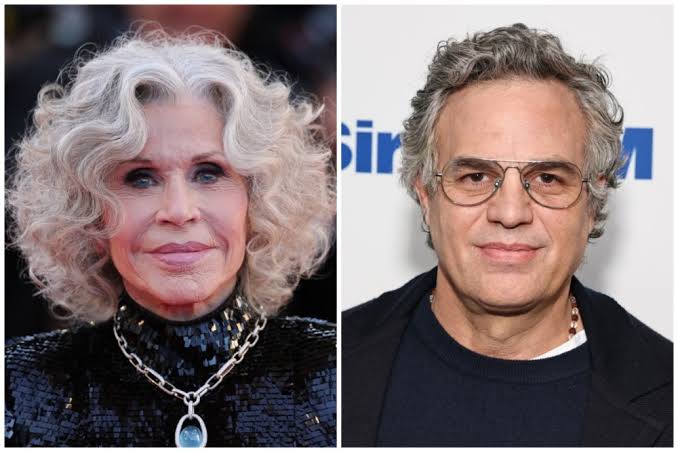
Actress Jane Fonda has publicly defended Mark Ruffalo after Paramount Global labeled his social media comments about the Ellison family’s ties to Israel as antisemitic. Fonda, who identifies as Jewish American, called the accusation ‘a smear to delegitimize criticism of the merger.’ The dispute highlights the charged intersection of Hollywood, corporate interests, and the ongoing Israel-Hamas conflict.
Ruffalo, a four-time Oscar nominee known for his activism, had criticized the proposed Skydance-Paramount merger, pointing to Larry Ellison’s financial support for Israel. Paramount’s response, which branded the remarks as antisemitic, has sparked a debate over where criticism of Israel ends and antisemitism begins.
The Controversy Unfolds
Mark Ruffalo took to social media to denounce the planned merger between Skydance Media and Paramount Global, a deal backed by Oracle co-founder Larry Ellison and his son David, CEO of Skydance. Ruffalo’s post highlighted Ellison’s donations to Israel amid the ongoing conflict, framing the merger as problematic for that reason. Paramount responded with a statement calling Ruffalo’s comments ‘antisemitic,’ a characterization that immediately drew backlash from supporters of the actor and critics of the merger.
Jane Fonda, a longtime friend and fellow activist, issued a statement defending Ruffalo. ‘This is a smear to delegitimize criticism of the merger,’ Fonda said. ‘Criticizing a business deal or a person’s political donations is not antisemitism. We must not conflate the two.’ Fonda’s intervention carries weight, given her Jewish heritage and vocal advocacy on social issues.
The Merger and Its Critics
The Skydance-Paramount merger, announced in July 2024, has faced scrutiny over its governance structure, debt load, and the future of Paramount’s legacy assets. The deal, backed by Larry Ellison and RedBird Capital Partners, would create a new entity with significant influence in Hollywood. Critics, including Ruffalo, have questioned the concentration of power in the hands of a billionaire family with clear political allegiances.
Ruffalo’s specific criticism centered on Larry Ellison’s support for Israel, particularly in the context of the Israel-Hamas war. The actor framed the merger as a potential vehicle for advancing Ellison’s political interests, a concern that resonated with many who view corporate consolidation as a threat to creative independence.
The Antisemitism Debate
Paramount’s accusation has ignited a familiar and contentious debate. Defenders of the label argue that Ruffalo’s focus on Ellison’s Jewish identity and Israel ties plays into harmful tropes about wealthy Jews controlling media. They contend that singling out Jewish individuals for criticism, especially when tied to Israel, can constitute antisemitism, even if unintentional.
Critics of Paramount’s response, however, argue that conflating criticism of Israel with antisemitism is a tactic to silence legitimate dissent. They point to Fonda’s statement as evidence that the label is being weaponized to protect corporate interests. ‘We must be able to criticize policies and business deals without being accused of prejudice,’ Fonda said. ‘This is about accountability, not bigotry.’
Industry and Public Reaction
The controversy has rippled through Hollywood, with many actors and activists taking sides. Some have praised Fonda for her clarity and courage, while others have defended Paramount’s right to protect its leadership. The incident also underscores the broader tensions in the entertainment industry over the Israel-Hamas war, with several celebrities facing backlash for both pro-Israel and pro-Palestinian statements.
Industry observers note the irony of a major studio engaging in a public spat with a prominent actor, potentially alienating talent and audiences. The dispute comes at a delicate time for Paramount, as the merger faces regulatory review and shareholder concerns. The studio’s decision to label Ruffalo’s comments as antisemitic may have been intended to deflect criticism, but it has instead drawn more attention to the deal’s controversial aspects.
The Larger Implications
At its core, this clash raises questions about the boundaries of corporate speech and individual activism. Can a corporation label an individual’s political criticism as hate speech? What responsibilities do public figures have when commenting on business deals tied to political conflicts? And how do we distinguish between legitimate criticism and prejudice in a polarized climate?
Fonda’s statement offers a perspective that many find compelling: that criticism of specific actions or policies, no matter how harsh, is not the same as prejudice against a group. ‘We must hold people accountable for their actions, not their identities,’ she said. ‘That is the foundation of a just society.’
The dispute between Mark Ruffalo and Paramount, with Jane Fonda’s intervention, is far from resolved. As the merger proceeds through regulatory review, the debate over what constitutes antisemitism in political discourse will likely continue. What is clear is that Fonda’s defense of Ruffalo has reframed the conversation, challenging the notion that criticism of Israel’s policies or its supporters is inherently antisemitic. Whether that reframing will hold in the court of public opinion remains to be seen.
Summary
- Mark Ruffalo criticized the Skydance-Paramount merger, citing Larry Ellison’s support for Israel.
- Paramount labeled Ruffalo’s comments as ‘antisemitic,’ prompting backlash.
- Jane Fonda, a Jewish American, defended Ruffalo, calling the label a ‘smear’ to silence dissent.
- The dispute highlights the blurred line between criticism of Israel and antisemitism.
- The merger’s regulatory review and public perception are now entangled in the controversy.
FAQ
Q: What did Mark Ruffalo say about the merger?
A: Ruffalo criticized the Skydance-Paramount merger, pointing to Larry Ellison’s financial support for Israel as a reason to question the deal.
Q: How did Paramount respond?
A: Paramount labeled Ruffalo’s comments as ‘antisemitic,’ arguing that singling out Jewish individuals for criticism based on their support for Israel crosses into prejudice.
Q: Why did Jane Fonda defend Ruffalo?
A: Fonda, who identifies as Jewish American, said the accusation was ‘a smear to delegitimize criticism of the merger’ and that criticizing a business deal is not antisemitism.
Q: What is the broader context of this dispute?
A: The incident occurs amid heightened tensions over the Israel-Hamas war, with debates about where criticism of Israel ends and antisemitism begins.
Q: What are the implications for the merger?
A: The controversy could influence public perception and regulatory review of the merger, as well as Paramount’s relationship with talent.