Tag: Managers

  • The Longevity Elite: Why Wenger, Ferguson, and Now Arteta Define Premier League Staying Power

    The Longevity Elite: Why Wenger, Ferguson, and Now Arteta Define Premier League Staying Power

    In an era where a handful of bad results can trigger a P45, the Premier League’s longest-serving managers stand as monuments to a bygone age of patience—or, in some cases, to the power of a well-protected project. Arsène Wenger’s 21 years and 7 months at Arsenal remains the gold standard, edging out Sir Alex Ferguson’s 20 years and 8 months in the Premier League era alone. But as Mikel Arteta climbs the all-time rankings, a new question emerges: is longevity a relic of football’s past, or a blueprint for sustainable success in a sport increasingly defined by instant gratification?

    The Record Holders: Wenger and Ferguson

    Arsène Wenger’s tenure at Arsenal (October 1996 – May 2018) is the longest continuous reign in Premier League history, spanning 21 years, 7 months, and 23 days. His arrival revolutionized English football—from diet and training methods to a possession-based philosophy that yielded three league titles, including the unforgettable 2003–04 ‘Invincibles’ season. Yet his later years were marked by a trophy drought from 2005 to 2014, and critics argued his longevity became a liability. Still, Wenger’s consistency in securing top-four finishes provided the financial stability that allowed Arsenal to build the Emirates Stadium, a trade-off the board accepted.

    Sir Alex Ferguson’s 21 years, 1 month, and 14 days at Manchester United (November 1986 – May 2013) technically predates the Premier League, but his Premier League-specific tenure of 20 years and 8 months places him second. Ferguson’s 13 Premier League titles defined the competition’s first two decades, and his ability to rebuild teams across generations—from Eric Cantona to Cristiano Ronaldo—remains unmatched. The distinction matters: Wenger’s entire reign was within the PL era, while Ferguson’s includes pre-1992 years, a nuance often lost in casual comparisons.

    The Modern Climb: Arteta and the ‘Process’ Model

    Mikel Arteta, appointed at Arsenal in December 2019, is currently on track to enter the top 10 if he remains through the 2025–26 season. His tenure already represents a rare modern example of a club ‘sticking with the process.’ After winning the FA Cup in 2020, Arteta endured a rocky 2020–21 season, narrowly missed the title in 2022–23, and has rebuilt the squad with a clear identity. Arsenal’s patience contrasts sharply with the league’s average managerial tenure of just 1.5–2 years, and the 10 managerial changes in the 2023–24 season alone.

    Arteta and Pep Guardiola (Manchester City, 2016–present) embody a new archetype: clubs deliberately hire a manager with a long-term project, accept short-term pain, and measure success over multi-year cycles. Guardiola’s 8+ years at City have yielded multiple titles, but his longevity is also a product of a supportive board and a recruitment structure that aligns with his philosophy. This ‘process’ model is a deliberate counter-trend to the sack-happy norm, but it requires patience—a commodity in short supply.

    The Top 10 and the Changing Landscape

    Beyond the top two, David Moyes ranks third with 11 years and 1 month at Everton (2002–2013), a testament to his ability to overachieve on a budget. Jürgen Klopp’s 8 years and 6 months at Liverpool (2015–2024) and Guardiola’s ongoing tenure round out the top five. Harry Redknapp’s longest single spell was just 3 years and 10 months at West Ham, illustrating that cumulative longevity across clubs (13 years total) doesn’t always translate to long single-club reigns.

    The Premier League era is defined by escalating financial stakes, global broadcasting revenues, and instant-gratification ownership models. Sackings have become more frequent, and the pressure to qualify for the Champions League—a financial safety net—often dictates a manager’s fate. Structural factors that enable long tenures include strong academy pipelines, supportive boards, and a clear footballing philosophy. Wenger and Ferguson benefited from a less globalized, less data-driven era, where squads were smaller and owners more patient. Their longevity is partly a product of their era’s lower pressure.

    Perspectives on Longevity: Golden Age, Process, Survivor, or Stagnation?

    The ‘Golden Age’ argument holds that Wenger and Ferguson’s success was aided by a less chaotic transfer market and a more forgiving media cycle. The ‘Process’ model, exemplified by Arteta and Guardiola, suggests that clubs can deliberately choose patience as a strategy. The ‘Survivor’ perspective highlights managers like Sam Allardyce and Tony Pulis, who built long careers through pragmatic survival football, though their per-club tenures were shorter. Finally, the ‘Trophy or Bust’ critique argues that Wenger’s later years were marked by stagnation, and that his longevity was a liability. Similarly, some argue Arteta’s early years were underwhelming, and only Arsenal’s financial stability allowed him to survive.

    The Statistical View: Does Longevity Even Matter?

    Analytics suggest that managerial impact on results is often overstated; squad quality and recruitment matter more. Longevity may correlate with good recruitment structures rather than managerial genius. Ferguson’s success was built on a legendary youth academy and astute signings, while Wenger’s early years were powered by a scouting network that unearthed gems like Thierry Henry. In this light, longevity is as much a reflection of the club’s infrastructure as it is of the manager’s ability.

    Common Misunderstandings

    One common error is confusing ‘longest-serving’ with ‘most games managed.’ Ferguson managed more Premier League games (810) than Wenger (828? Actually, Wenger managed 828 PL games, Ferguson 810—so Wenger holds that record too). Another is conflating total English top-flight tenure with Premier League-only tenure. Ferguson’s overall Manchester United reign is longer than Wenger’s, but within the PL era, Wenger edges him out. Clarifying these distinctions is crucial for accurate historical comparisons.

    Longevity in the Premier League is a rare and complex achievement, shaped by era, club structure, and sheer resilience. Wenger and Ferguson set a bar that may never be reached again, while Arteta and Guardiola represent a new model of patient project-building. As the league’s average tenure shrinks, these long-serving managers remind us that sustained success is as much about institutional support as it is about individual brilliance. Whether Arteta can join the elite ranks depends not just on trophies, but on Arsenal’s continued faith in the process.

    Summary

    • Arsène Wenger holds the Premier League record for longest continuous tenure: 21 years, 7 months, 23 days at Arsenal.
    • Sir Alex Ferguson’s Premier League-only tenure is 20 years, 8 months, though his total Manchester United reign was longer (pre-dating the PL).
    • Mikel Arteta is climbing the all-time rankings and could enter the top 10 if he stays through 2025–26.
    • Average Premier League managerial tenure has fallen to 1.5–2 years, with 10 changes in 2023–24 alone.
    • Longevity is often tied to structural factors like academy pipelines, board patience, and Champions League revenue, not just managerial skill.

    FAQ

    Q: Who is the longest-serving Premier League manager of all time?
    A: Arsène Wenger, with 21 years, 7 months, and 23 days at Arsenal (October 1996 – May 2018).

    Q: Why is Sir Alex Ferguson sometimes listed as longer-serving than Wenger?
    A: Ferguson’s total Manchester United tenure (21 years, 1 month) includes years before the Premier League’s 1992 founding. His Premier League-only tenure is 20 years, 8 months, placing him second behind Wenger.

    Q: How close is Mikel Arteta to breaking into the top 10?
    A: Arteta, appointed in December 2019, would enter the top 10 if he remains at Arsenal through the 2025–26 season, surpassing managers like Harry Redknapp’s longest single spell.

    Q: What factors enable a manager to stay at a club for a long time?
    A: Key factors include a supportive board, a clear footballing philosophy, a strong academy pipeline, and consistent Champions League qualification as a financial safety net.

    Q: Does longevity always mean success?
    A: Not necessarily. Some managers like Sam Allardyce built long careers through survival football, while others like Wenger faced criticism for stagnation in later years. Longevity often correlates with good recruitment structures rather than pure managerial genius.
  • Premier League’s 2026/27 Managerial Carousel: Nine New Faces Set to Break Records and Reshape the Title Race

    Premier League’s 2026/27 Managerial Carousel: Nine New Faces Set to Break Records and Reshape the Title Race

    The Premier League has always been a league of relentless change, but the 2026/27 season is shaping up to be a watershed moment. With as many as nine clubs expected to enter the campaign with a new manager at the helm, the league is poised to break its own record for managerial turnover, surpassing the eight new bosses who took charge in 2016/17. This isn’t just a statistical anomaly—it’s a signal of deeper tectonic shifts in the footballing world, from the financial chasm of Champions League qualification to the globalized coaching market that now spans from the Red Bull system to the Saudi Pro League.

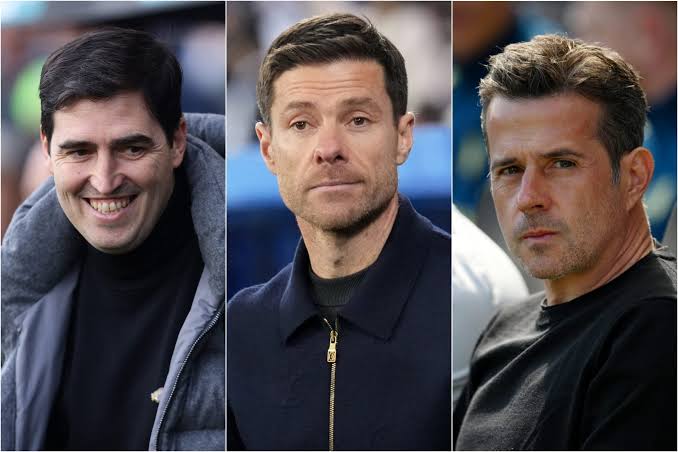
    At the center of this upheaval are names like Matthias Jaissle, the 37-year-old German tactician currently plying his trade at Al-Ahli, and Xabi Alonso, the Bayer Leverkusen mastermind who turned the football world on its head with an unbeaten Bundesliga title. Their potential arrival, alongside the uncertain future of Eddie Howe at Newcastle, paints a picture of a league in transition—one where the old guard is making way for a new generation of coaches with fresh ideas and global pedigrees.

    But what does this record-breaking churn mean for the Premier League’s competitive balance, its clubs’ long-term ambitions, and the very identity of English football? As the 2025/26 season winds down, the stakes couldn’t be higher. This is a story about the relentless pursuit of success, the fragility of managerial tenure, and the ever-accelerating globalization of the beautiful game.

    The Perfect Storm: Why 2026/27 Will See Unprecedented Turnover

    The projected nine new managers entering the Premier League in 2026/27 isn’t a random spike—it’s the convergence of several long-building trends. First, there’s the contractual cliff edge. Several of the league’s most established managers, including Pep Guardiola at Manchester City and Mikel Arteta at Arsenal, have contracts that expire in 2026. While both could renew, the uncertainty alone creates a domino effect: if one of the ‘Big Six’ changes, it triggers a chain reaction across the league as clubs scramble to secure the best available candidates.

    Second, the financial stakes have never been higher. Missing out on Champions League football now costs clubs upwards of £100 million per season—a gap that makes the difference between competing for trophies and merely making up the numbers. This pressure cooker environment means that a single disappointing campaign can be fatal for a manager, regardless of their past achievements. The 2025/26 season will inevitably see several clubs fall short of their European ambitions, and the boardroom response will be swift and merciless.

    Third, the ownership landscape has shifted dramatically. Manchester United’s INEOS-led restructure and Chelsea’s Clearlake Capital regime are just two examples of new power brokers who are less patient and more willing to install their own coaching appointments. These owners view managers not as long-term partners but as interchangeable assets in a high-stakes game of football management. The result is a culture where the average tenure of a Premier League manager has shrunk to barely 18 months, and the 2026/27 season is set to be the ultimate expression of this short-termism.

    The New Guard: Jaissle, Alonso, and the Global Coaching Market

    If the 2026/27 season does see nine new managers, the most intriguing storylines will revolve around the names walking through the doors. Matthias Jaissle is the archetype of the modern, data-driven coach. His high-pressing, attacking philosophy was honed at Red Bull Salzburg, where he won two Austrian Bundesliga titles and developed a reputation for nurturing young talent. Now at Al-Ahli in Saudi Arabia, Jaissle represents the new reality of football’s coaching market—a globalized talent pool where a stint in the Gulf is no longer a career dead-end but a stepping stone to the Premier League.

    Xabi Alonso, meanwhile, is the crown jewel of this managerial cycle. His unbeaten Bundesliga title with Bayer Leverkusen in 2023/24 was one of the greatest achievements in modern football history, and his name has been linked with Liverpool and Real Madrid for years. If he does arrive in the Premier League in 2026, it would be a statement of intent—a signal that the league remains the ultimate destination for the world’s best coaching talent. Alonso’s positional play and calm authority would be a fascinating contrast to the intensity of the Premier League’s existing managerial elite.

    But the influx isn’t limited to these two. The Red Bull system alone has produced a conveyor belt of coaches—from Julian Nagelsmann to Marco Rose—and Jaissle is just the latest to be linked with a Premier League move. The Bundesliga, too, has become a fertile hunting ground, with several of its brightest young coaches reportedly on the radar of English clubs. This globalization of coaching is a double-edged sword: it brings fresh ideas and tactical innovation, but it also accelerates the decline of the traditional British manager. With only a handful of English coaches—Eddie Howe, Graham Potter, Sean Dyche—still holding top-flight jobs, the 2026/27 season could mark the point where the Premier League’s managerial ranks become truly international.

    Eddie Howe’s Crossroads: The Symbol of a Changing League

    No figure embodies the precariousness of the modern managerial career more than Eddie Howe. Since taking over Newcastle United in 2021, Howe has transformed the club from relegation battlers to Champions League contenders, earning widespread acclaim for his tactical acumen and man-management. Yet his contract expires in 2026, and with Newcastle’s Saudi-backed ownership reportedly eyeing a ‘marquee’ name to take the club to the next level, Howe’s future is far from secure.

    This is the cruel paradox of the Premier League’s managerial merry-go-round: even success is no guarantee of job security. If Newcastle do decide to move on from Howe—perhaps to bring in a Jaissle or Alonso—it would send a chilling message to every manager in the league. But it would also open up a vacancy at one of the most exciting projects in English football, creating a ripple effect that could see Howe land at another top club, further fueling the turnover.

    Howe’s situation is a microcosm of the league’s broader dilemma. On one hand, clubs crave stability and long-term project building—the kind that saw Arsenal stick with Arteta through difficult early years and reap the rewards. On the other hand, the financial pressures and the allure of a ‘big name’ are almost irresistible. The 2026/27 season will be a test of whether the Premier League can balance these competing impulses, or whether it will continue its slide into a culture of permanent revolution.

    The Historical Precedent: 2016/17 and the Myth of Chaos

    To understand what nine new managers might mean, it’s worth looking back at the current record of eight, set in 2016/17. That summer saw Chelsea, Manchester United, Manchester City, Liverpool, Tottenham, Southampton, Watford, and Hull all begin the season with new bosses. The pundits predicted chaos, but what followed was one of the most thrilling title races in Premier League history, with Antonio Conte’s Chelsea and Mauricio Pochettino’s Spurs pushing each other to new heights.

    The lesson of 2016/17 is that managerial turnover doesn’t necessarily lead to decline—it can, in fact, be a catalyst for renewal. New managers bring new ideas, new energy, and a clean slate that can unlock a squad’s potential. The 2026/27 season, with its projected nine new faces, could similarly produce a campaign of unpredictability and excitement, as clubs like West Ham, Tottenham, and Newcastle—all reportedly in the market for a new boss—seek to disrupt the established order.

    But there’s a darker reading too. The 2016/17 season also saw clubs like Watford and Hull struggle with the fallout of constant change, and the churn has only accelerated since. The Premier League’s ‘sacking culture’ has been criticized for rewarding short-termism and undermining the development of young coaches. If nine clubs do change managers in 2026/27, it will be a record that speaks to the league’s restlessness—and its refusal to let any project breathe.

    The Financial Arms Race: Paying for Success

    The managerial carousel of 2026/27 will also be a story of money. Clubs are spending record fees on compensation packages, with the likes of Chelsea and Manchester United willing to pay tens of millions to pry managers away from their current contracts. The Saudi Pro League’s aggressive poaching of European coaches—from Steven Gerrard to Nuno Espírito Santo—has only driven up prices, as Premier League clubs must now compete with Gulf state wealth for the same talent.

    This financial arms race has profound implications. It means that the ‘best’ managers are increasingly concentrated at the richest clubs, widening the gap between the haves and have-nots. It also means that clubs are less willing to take risks on unproven coaches, preferring the safety of a big name. The result is a paradox: more turnover than ever, yet less diversity in the types of managers being hired. The 2026/27 season will be a test of whether this model is sustainable—or whether the league’s relentless churn will eventually undermine its own competitiveness.

    The 2026/27 Premier League season is poised to be a historic one, not just for the football on the pitch but for the unprecedented turnover in the dugout. Nine new managers would break records and signal a league in constant flux, driven by financial pressures, ownership changes, and a globalized coaching market. Whether this churn proves to be a source of renewal or a symptom of deeper instability remains to be seen. But one thing is certain: the managers who do survive the summer of 2026 will be operating in an environment where patience is a luxury and success is measured in months, not years. For fans, it promises drama; for clubs, it’s a high-stakes gamble that will shape the league’s future for years to come.

    Summary

    • The 2026/27 Premier League season is projected to see nine new managers, breaking the current record of eight set in 2016/17.
    • Key figures include Matthias Jaissle (Al-Ahli) and Xabi Alonso (Bayer Leverkusen), with Eddie Howe’s future at Newcastle in doubt.
    • The turnover is driven by expiring contracts, financial pressure from Champions League qualification, and new ownership models.
    • The globalization of coaching is accelerating, with fewer British managers in top-flight jobs.
    • Historical precedent from 2016/17 suggests that high turnover can lead to exciting seasons, but it also raises concerns about short-termism.

    FAQ

    Q: Why are so many Premier League managers expected to leave in 2026/27?
    A: Several factors converge: expiring contracts for top managers like Guardiola and Arteta, the financial chasm between Champions League qualification and not, and new ownership groups wanting to install their own coaches.

    Q: Who are the key managers linked with Premier League moves?
    A: Matthias Jaissle, currently at Al-Ahli, and Xabi Alonso of Bayer Leverkusen are the most high-profile names. Eddie Howe’s contract situation at Newcastle also makes him a potential departure.

    Q: What is the current record for new managers in a Premier League season?
    A: The record is eight, set in 2016/17 when clubs like Chelsea, Manchester United, and Manchester City all changed managers.

    Q: How does the Saudi Pro League factor into this?
    A: The Saudi league has poached European managers, creating vacancies and driving up compensation costs, making it harder for Premier League clubs to retain their current bosses.

    Q: Is high managerial turnover necessarily bad for the Premier League?
    A: Not necessarily. The 2016/17 season with eight new managers produced a thrilling title race. However, it can also lead to instability and short-termism, as seen with clubs like Watford historically.