You’ve probably heard about the keto diet—maybe from a friend who lost weight, a headline about celebrities, or a social media influencer. But what exactly is it, and is it right for you? The ketogenic diet is more than just a trend; it’s a scientifically backed eating plan that shifts your body’s fuel source from carbs to fat. This guide breaks down the basics, the science, and what to expect if you’re considering going keto.
What Is the Keto Diet?
The ketogenic (keto) diet is a very low-carbohydrate, high-fat, moderate-protein eating plan. The goal is to push your body into a metabolic state called ketosis, where it burns fat for fuel instead of glucose from carbs.
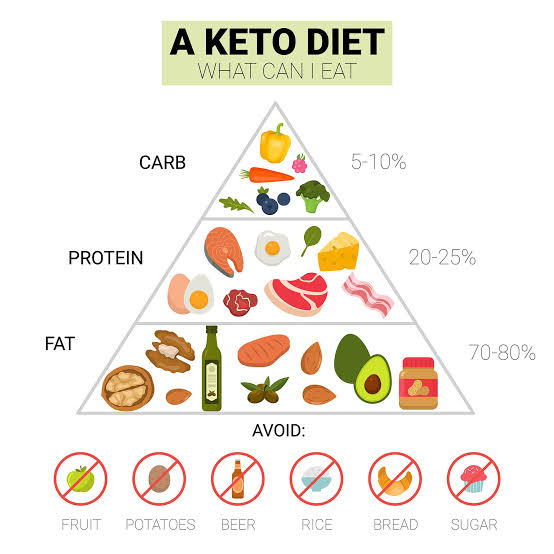
Typically, the keto diet breaks down like this:
- Fat: 70–80% of daily calories
- Protein: 15–20% of daily calories
- Carbohydrates: 5–10% of daily calories (usually 20–50 grams of net carbs per day)
Net carbs are calculated by subtracting fiber and sugar alcohols from total carbs, since these aren’t fully digested and absorbed. This means you can eat plenty of non-starchy vegetables and still stay in ketosis.
How Ketosis Works
When you drastically cut carbs, your body’s glycogen stores (the stored form of glucose) deplete within 24–48 hours. In response, your liver starts breaking down fat into ketone bodies—acetoacetate, beta-hydroxybutyrate, and acetone—which serve as an alternative energy source.
Nutritional ketosis is typically defined as blood ketone levels of 0.5–3.0 mmol/L. It usually takes 2–7 days to reach this state, depending on your metabolism and activity level. It’s important to note that ketosis is not the same as diabetic ketoacidosis (DKA), a dangerous condition that occurs primarily in type 1 diabetes, where ketone levels become extremely high and blood becomes acidic.
What to Eat (and Avoid)
Eat these foods:
- Meat (beef, pork, chicken, lamb)
- Fatty fish (salmon, mackerel, sardines)
- Eggs
- Butter, cream, cheese
- Nuts and seeds
- Avocados
- Olive oil, coconut oil
- Non-starchy vegetables (leafy greens, broccoli, cauliflower, zucchini)
Avoid these foods:
- Grains (wheat, rice, oats, corn)
- Sugar and sweets (soda, candy, pastries)
- Most fruits (berries in small amounts are sometimes allowed)
- Starchy vegetables (potatoes, sweet potatoes, peas)
- Legumes (beans, lentils, chickpeas)
- Sugary drinks and most processed foods
Potential Benefits
Research shows the keto diet can offer several benefits, though results vary by individual.
Weight loss: Multiple randomized controlled trials show greater short-term weight loss compared to low-fat diets. This is partly due to reduced appetite and water loss. However, long-term (12+ months) differences often diminish.
Blood sugar control: The keto diet can significantly reduce HbA1c and fasting glucose in people with type 2 diabetes. Some patients are able to reduce or discontinue medication under medical supervision.
Epilepsy: This is the original use of the diet, dating back to the 1920s. It remains an established treatment for drug-resistant epilepsy in children, with emerging evidence for some adults.
Other areas of research: Preliminary studies suggest potential benefits for polycystic ovary syndrome (PCOS), metabolic syndrome, certain neurological conditions (like Alzheimer’s and Parkinson’s), and acne. However, evidence is mixed and more research is needed.
Common Side Effects
When you first start keto, you may experience what’s commonly called the “keto flu.” This includes headache, fatigue, brain fog, nausea, irritability, and muscle cramps during the first 1–2 weeks. These symptoms are caused by electrolyte shifts and carbohydrate withdrawal.
Other short-term side effects include:
- Constipation due to low fiber intake
- Bad breath (a fruity or metallic odor from acetone)
- Leg cramps often due to magnesium or potassium depletion
- Elevated LDL cholesterol in some people, though others see improvements in HDL and triglycerides
A Brief History
The ketogenic diet was developed in the 1920s at Johns Hopkins Hospital as a treatment for epilepsy, mimicking the metabolic effects of fasting. It fell out of favor when antiepileptic drugs were introduced in the 1930s–40s, but remained a niche therapy. It re-emerged in the 1990s thanks to the Charlie Foundation and gained mainstream popularity in the 2010s as a weight-loss trend, driven by social media and books like The Art and Science of Low Carbohydrate Living.
Today, there are several variations: Standard Keto (SKD), Cyclical Keto (CKD), Targeted Keto (TKD), and Dirty Keto (which allows processed low-carb foods). The distinction between “clean keto” (whole foods) and “dirty keto” (processed foods) is also popular.
Is Keto Right for You?
The keto diet can be a powerful tool, but it’s not for everyone. Medical organizations like the American Diabetes Association acknowledge it as a viable option for some populations, but emphasize the need for individualized guidance and monitoring. Long-term safety data is still limited, and the diet excludes food groups like fruits, whole grains, and legumes that are linked to chronic disease prevention.
If you’re considering keto, especially if you have a medical condition like diabetes or high cholesterol, consult a healthcare professional before starting. They can help you decide if it’s safe and guide you on how to do it healthfully.
The keto diet is a scientifically grounded approach to eating that can lead to weight loss, better blood sugar control, and other health benefits—but it comes with challenges and potential side effects. It’s not a one-size-fits-all solution, and it requires commitment and careful planning. If you’re curious, start by researching more, talking to a doctor, and maybe trying it for a few weeks to see how your body responds. Remember, the best diet is one that fits your lifestyle and health needs.
Summary
- The keto diet is very low-carb, high-fat, and moderate-protein, aiming to shift your body into ketosis.
- Ketosis typically takes 2–7 days to achieve and is defined by blood ketone levels of 0.5–3.0 mmol/L.
- Benefits include weight loss, blood sugar control, and epilepsy treatment, but long-term evidence is limited.
- Common side effects include the “keto flu,” constipation, bad breath, and leg cramps.
- Consult a healthcare professional before starting, especially if you have underlying health conditions.
FAQ
Q: What is the keto diet?
A: The keto diet is a very low-carbohydrate, high-fat, moderate-protein eating plan designed to shift your body’s fuel source from glucose to ketones, which are produced from fat.
Q: How long does it take to get into ketosis?
A: It typically takes 2–7 days to enter nutritional ketosis, depending on factors like your metabolism, activity level, and how strictly you follow the diet.
Q: Can I eat fruit on keto?
A: Most fruits are too high in carbs, but small amounts of berries (like strawberries or raspberries) can be included occasionally if they fit within your daily carb limit.
Q: What is the “keto flu”?
A: The keto flu is a collection of symptoms like headache, fatigue, and nausea that some people experience during the first 1–2 weeks of starting keto, due to electrolyte shifts and carbohydrate withdrawal.
Q: Is keto safe for everyone?
A: No, keto is not suitable for everyone. People with certain medical conditions, such as type 1 diabetes, pancreatitis, or liver disease, should avoid it. Always consult a healthcare professional before starting.