In the entertainment category, search queries of four or more words grew by 62.1% in a recent analysis. That’s not a minor blip—it’s a signal that how people search is fundamentally changing. These long-tail queries, once the quiet backwater of SEO, now dominate search volume and convert at rates head terms can’t touch.
But what’s driving this growth? And what does it mean for businesses, marketers, and anyone trying to be found online? The answers lie in the intersection of voice search, smarter algorithms, and a user base that’s getting more specific about what they want.
What Exactly Is a Long-Tail Query?
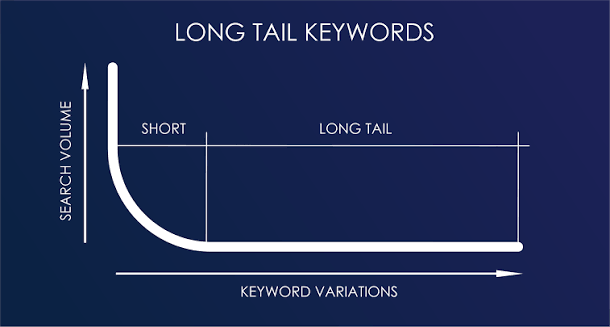
A long-tail query is a search phrase with at least four words. Think “best noise-cancelling headphones under $100 for commuting” versus “headphones.” The former is a long-tail query; the latter is a head term.
These phrases are highly specific, which means they capture precise user intent. Someone typing that long query isn’t just browsing—they’re comparison shopping with a budget and a use case in mind. That specificity is why long-tail queries convert at two to three times the rate of generic head terms.
They also make up the bulk of all searches. Industry estimates put long-tail queries at 70–80% of total search volume on major engines. Each individual query might get only a handful of searches a month, but together they form a massive aggregate.
Why the Sudden Surge?
The 62.1% jump in entertainment long-tail queries isn’t happening in a vacuum. Several forces are at play.
Voice Search Changes the Game
Voice search is a primary driver. When people talk to their phones or smart speakers, they naturally use full sentences. The average voice query runs four to six words, compared to two or three for typed searches. Ask your assistant “what’s the best way to remove red wine stains from a white shirt?” and you’ve just issued a long-tail query.
Smarter Search Engines
Google’s algorithm shifts—Hummingbird in 2013, BERT in 2019, MUM in 2021—moved the engine from matching keywords to understanding intent. That makes long-tail queries easier to rank for, because the engine now parses meaning rather than exact word matches. A page that answers the intent behind “movies like Inception on Netflix” can rank even if it never uses that exact phrase.
Users Get More Sophisticated
Users are also getting better at searching. Instead of fragmented keywords like “wine stain removal,” they type or speak full questions: “what’s the best way to remove red wine stains from a white shirt?” This behavior shift is especially pronounced in entertainment, where the explosion of streaming platforms has fragmented content across dozens of services. People don’t just search for “movies”—they search for “movies like Inception on Netflix” or “best sci-fi series on Hulu 2024.”
What This Means for SEO and Content Marketing
For anyone trying to attract organic traffic, long-tail queries are a low-competition, high-conversion opportunity. Because these queries are so specific, they face less competition than head terms. A small blog can rank for “best budget espresso machine for beginners” when it couldn’t touch “espresso machine” in a million years.
The catch is volume. Each long-tail query attracts few searches, so you need a portfolio of many pages targeting many different long-tail phrases. That means building out FAQ sections, blog posts, and product pages that answer specific questions.
But the payoff goes beyond rankings. Long-tail queries reveal what your audience actually cares about. Analyzing them can uncover pain points and micro-intents that inform product development and content strategy. If you see a surge in “how to fix a leaky faucet without a plumber,” you know there’s a market for DIY repair guides.
Not All Long-Tail Queries Are Informational
A common misconception is that long-tail queries are always informational—people asking questions. But many are transactional or navigational. “Buy organic dog food 20lb bag free shipping” is a long-tail query with clear purchase intent. “YouTube app update for Samsung TV 2024” is navigational, searching for a specific update.
Understanding the intent behind your target queries is crucial. An informational query might call for a blog post; a transactional one might call for a product page with a strong call-to-action.
The Entertainment Example: Fragmentation Drives Specificity
The 62.1% growth in entertainment is a textbook case. With streaming services multiplying, users face an overwhelming array of choices. They don’t just search for “what to watch”—they search for “movies like Inception on Netflix” or “best Korean dramas on Amazon Prime 2024.”
The content libraries are fragmented, so users need help navigating. This drives long-tail queries as people seek specific recommendations, plot details, or release dates.
A Note of Caution: Don’t Overhype the Numbers
While the growth is real, some skepticism is warranted. The 62.1% figure comes from a single analysis and may not be generalizable. Different categories grow at different rates; entertainment is outpacing finance or B2B, for instance. Always check the source and methodology before acting on such data.
Also, the growth is partly an artifact of search engines’ improved understanding. As algorithms get better at classifying queries, they may label more queries as “long-tail” even if user behavior hasn’t shifted. And while individual long-tail queries have less competition, the aggregate competition is fierce—Google’s quality algorithms favor authoritative sites even for niche queries.
The Bottom Line for Your Strategy
Long-tail queries are not a new phenomenon, but their importance is growing. They’ve existed since search began; what’s new is their share of total queries and the tools to track them.
For businesses and content creators, the message is clear: specific beats generic. Target the questions your audience is actually asking. Build content that answers those questions thoroughly. And don’t ignore the transactional long-tail—those queries convert.
Voice search will only accelerate this trend. As more people talk to their devices, queries will get longer and more conversational. The long tail is getting longer, and those who adapt will reap the rewards.
The 62.1% growth in entertainment long-tail queries is more than a statistic—it’s a reflection of how search has evolved. Users are more specific, engines are smarter, and voice is changing the game. For anyone looking to be found online, the path forward is clear: embrace the long tail, answer real questions, and let specificity be your guide.
Summary
- Long-tail queries (4+ words) account for 70–80% of all searches and convert at 2–3x the rate of head terms.
- Growth in entertainment (+62.1%) is driven by voice search, smarter algorithms, and fragmented streaming content.
- Long-tail queries are low-competition but require a portfolio approach to capture aggregate volume.
- Intent varies: long-tail can be informational, transactional, or navigational.
- Treat growth figures with caution—they’re category-specific and partly an artifact of improved search classification.
FAQ
Q: What is a long-tail query?
A: A search phrase with four or more words, like “best noise-cancelling headphones under $100 for commuting.” It’s highly specific and signals precise user intent.
Q: Why are long-tail queries growing so fast?
A: Voice search is a major driver—spoken queries are naturally longer. Also, search engines now understand intent better, making it easier to rank for these specific phrases. Users are also getting more sophisticated in how they search.
Q: Are long-tail queries always informational?
A: No. Many are transactional (“buy organic dog food 20lb bag free shipping”) or navigational (“YouTube app update for Samsung TV 2024”). Intent varies widely.
Q: Does the +62.1% growth apply to all categories?
A: No, that figure is specific to the entertainment category. Other categories may grow slower or even decline. Always check the source and methodology.
Q: How can I target long-tail queries in my SEO strategy?
A: Build a portfolio of content targeting specific questions and phrases—FAQ sections, blog posts, product pages. Use keyword research tools to find long-tail opportunities with manageable competition.