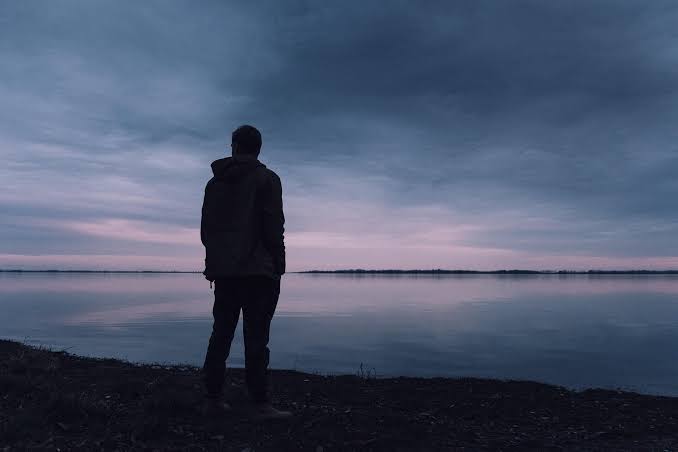
On a sweltering July afternoon in Phoenix, the streets empty out by noon. Sidewalks that would normally host lunchtime foot traffic are abandoned; playgrounds sit vacant, their metal slides too hot to touch. People retreat behind closed doors, into air-conditioned living rooms, and the casual encounters that once punctuated daily life simply don’t happen.
This isn’t just a discomfort issue—it’s a social one. A growing body of research suggests that climate change, through extreme heat and severe weather, is disrupting the very fabric of human connection. When we stay indoors to escape the heat, when floods destroy the café where neighbors gathered, when festivals are canceled due to storms, we lose the casual interactions that make us feel part of a community. The result: loneliness, already declared a public health epidemic by the U.S. Surgeon General in 2023, is being amplified by a warming planet.
The Heat Makes Us Hide
On days when the thermometer climbs past 90°F (32°C), something measurable happens: people stop going outside. Urban studies show that pedestrian traffic drops by 20–40% during extreme heat events. Parks, plazas, and sidewalks—the accidental meeting grounds of city life—become ghost towns.
This behavioral withdrawal is more than just a matter of comfort. A 2023 study in Nature Human Behaviour found that extreme heat days were directly associated with increased self-reported loneliness among older adults. The mechanism seems straightforward: when it’s dangerously hot, we cancel plans, skip the walk to the coffee shop, and avoid the bus stop where we usually chat with a neighbor. Over time, these missed micro-interactions accumulate into real social isolation.
Heat also affects our mood in ways that discourage connection. Research shows that high temperatures increase irritability and aggression while reducing patience. Even when we do venture out, we’re less likely to linger, less likely to strike up a conversation. We’re primed for flight, not fellowship.
The Loss of Third Places
Sociologist Ray Oldenburg coined the term “third places”—the informal gathering spots beyond home and work where community is built. Think of the corner café, the neighborhood park, the community center, the place of worship. These are the venues where casual friendships form and social networks are maintained.
Climate change is systematically dismantling these spaces. Hurricanes, floods, and wildfires physically destroy them: after Hurricane Katrina, countless New Orleans gathering spots were never rebuilt. Superstorm Sandy did similar damage to New York-area community institutions. Even when buildings survive, the economic strain on small businesses—the backbone of third places—can force permanent closure.
Then there’s the subtler shift in design. As cities adapt to extreme heat, they’re increasingly steering people toward climate-controlled private spaces: shopping malls, private gyms, subscription lounges. These places require money to access, creating a two-tiered system of social connection where those with resources can buy community, while those without are left out in the heat.
Disrupted Rituals and Traditions
Human societies have long woven social life around the climate. Siestas in hot regions, monsoon-season festivals in South Asia, winter celebrations in cold climates—these are cultural adaptations that bring people together. But climate change is making weather patterns unpredictable and extreme in ways that prevent stable adaptations.
Farmers’ markets close early due to heat warnings. Outdoor concerts are canceled for lightning risk. Neighborhood block parties are postponed for smoke from wildfires. When these recurring rituals vanish, even temporarily, they leave a social void. A 2023 study on community resilience after disasters found that the loss of shared traditions is a key driver of post-disaster isolation, lasting years after the physical recovery is complete.
Displacement: The Ultimate Disruption
When climate change forces people to move, it severs social networks at the roots. Floods, fires, and rising seas are already displacing millions worldwide, and each displacement means leaving behind the neighbors, friends, and support systems that took years to build.
Post-disaster surveys after Hurricane Katrina and Superstorm Sandy show that displaced individuals face elevated rates of depression and social isolation that persist long after they find new housing. The challenge of rebuilding a social network from scratch—in a new community, often with limited resources—is a lonely process.
Who Bears the Brunt?
Climate-exacerbated loneliness doesn’t affect everyone equally. Public health researchers describe climate change as a “threat multiplier”—it amplifies existing vulnerabilities. People who are already socially isolated—older adults, people with disabilities, low-income individuals—are hit hardest.
Consider: those without air conditioning or a car to escape the heat are more likely to be confined to their homes. Low-income neighborhoods often have less tree cover and more concrete, making them “heat islands” that are significantly hotter than wealthier areas. And after a disaster, those with thinner social safety nets have fewer people to call for help or companionship.
The health consequences are severe. Loneliness is linked to cardiovascular disease, dementia, depression, and premature mortality—some analyses put its risk equivalent to smoking 15 cigarettes a day. During heat waves, social isolation is a known risk factor for death: people die alone in hot apartments, with no one to check on them.
What Can Be Done?
Addressing climate-exacerbated loneliness requires thinking about social connection as a public health priority. Urban planning can help: planting shade trees, creating public water features, and designing mixed-use neighborhoods that encourage walking and lingering. Cooling centers can be designed not as sterile emergency rooms but as welcoming social spaces where people can gather safely.
There’s also a role for community-level adaptation. Some cities have implemented “buddy systems” for vulnerable residents during heat waves, pairing volunteers to check on older neighbors. Others are investing in covered, shaded public spaces that remain usable in extreme heat. These efforts recognize that in a warming world, maintaining social connection requires deliberate design—it won’t happen by accident.
Climate change is not just an environmental or economic crisis—it’s a social one. As heat waves intensify and storms become more destructive, the everyday interactions that stitch communities together are becoming harder to maintain. The loneliness epidemic and the climate crisis are intertwined, each amplifying the other’s effects. Recognizing this connection is the first step toward building communities that are resilient in every sense of the word—prepared for extreme weather, but also equipped to keep their residents connected, cared for, and never alone.
Summary
- Extreme heat reduces outdoor activity by 20–40%, leading to canceled plans and fewer casual social encounters.
- A 2023 study found extreme heat days are linked to increased loneliness in older adults.
- Climate disasters destroy “third places” (cafés, parks, community centers) that are vital for community building.
- Displacement due to climate change severs social networks, with isolation lasting years after the move.
- Vulnerable populations—older adults, low-income individuals, those with fewer resources—are disproportionately affected.
FAQ
Q: How does climate change contribute to loneliness?
A: Climate change—particularly extreme heat and severe weather—disrupts social connections by driving people indoors, destroying gathering places, canceling community events, and forcing displacement. These disruptions reduce the casual interactions that maintain social bonds, leading to increased isolation.
Q: What are “third places” and why do they matter?
A: Coined by sociologist Ray Oldenburg, “third places” are informal gathering spots like cafés, parks, and community centers—neither home nor work—where people build community. They are crucial for social connection, but climate change threatens them through physical destruction, economic pressure, and design shifts toward private, costly spaces.
Q: Are some people more at risk of climate-related loneliness?
A: Yes. Older adults, people with disabilities, and low-income individuals are more vulnerable because they have fewer resources to adapt (e.g., no air conditioning, no car) and often live in heat-vulnerable neighborhoods. They also have thinner social safety nets after disasters.
Q: What can be done to mitigate this problem?
A: Urban planning can incorporate shade trees, public water features, and mixed-use neighborhoods to encourage outdoor socializing. Cooling centers can be designed as welcoming social spaces. Community programs like buddy systems for checking on vulnerable residents during heat waves also help maintain connections.
Q: How serious is loneliness as a health issue?
A: Loneliness is a serious public health concern, linked to cardiovascular disease, dementia, depression, and premature mortality—some analyses equate it to smoking 15 cigarettes a day. During heat waves, isolation is a known risk factor for death, making climate-exacerbated loneliness a direct health threat.