
Tag: legacy

  • Taylor Swift Honors Dolly Parton’s ‘True Grace and Grit’ and an Everlasting Legacy

    Taylor Swift Honors Dolly Parton’s ‘True Grace and Grit’ and an Everlasting Legacy

    When Taylor Swift speaks about Dolly Parton, the music industry listens. In a recent tribute, Swift described Parton as possessing “true grace and grit,” adding that “her legacy will be everlasting.” The words carry weight from one of today’s biggest stars to one of country music’s most enduring icons.

    Swift’s admiration for Parton is no secret. Earlier, she told The Hollywood Reporter that Parton was “a force of evolution and transformation in our industry.” That quote, combined with the new tribute, paints a clear picture: Swift sees Parton not just as a peer, but as a pioneer who shaped the path for artists like herself.

    Two Titans of Music

    Taylor Swift has earned her place in music history with 14 Grammy Awards, including multiple Album of the Year wins. Dolly Parton, a Country Music Hall of Fame inductee and 10-time Grammy winner, has built a legacy that spans songwriting, performing, philanthropy, and business. Both women have navigated the tricky crossover from country to pop, and both have fiercely protected their creative ownership.

    Parton wrote “I Will Always Love You” and famously kept the publishing rights, even declining Elvis Presley’s offer to record it unless she received half the publishing. That decision, made decades ago, has paid off countless times over. Swift’s own re-recording campaign—releasing Taylor’s Version albums to reclaim her masters—echoes that same ethos of ownership and control.

    The Mentor-Protégé Connection

    Parton has often been seen as a godmother to younger female artists. She broke barriers in a male-dominated industry, and her success has inspired generations. Swift’s tribute can be read as a nod to that lineage. In a business where women have historically been undervalued, Parton’s longevity and savvy stand as a model.

    Swift has cited Parton as an influence, particularly regarding longevity and reinvention. Parton has returned the praise, complimenting Swift’s songwriting and business instincts. This mutual admiration underscores a professional respect that transcends genre and era.

    More Than Music

    Parton’s legacy reaches far beyond the stage. Her Imagination Library has donated over 200 million books to children. She built Dollywood into a major theme park. She even contributed $1 million to fund Moderna’s COVID-19 vaccine research. Her cultural footprint is enormous, and Swift’s tribute recognizes that breadth.

    When Swift says Parton’s legacy will be everlasting, she’s not just talking about songs like “Jolene” or “I Will Always Love You.” She’s talking about a woman who has shown that you can be both a beloved entertainer and a shrewd businessperson, that you can give back and still build an empire.

    A Generational Handoff

    Some commentators see Swift’s tribute as a passing of the torch. Swift is the current reigning pop-country crossover star, and Parton is the artist who paved the way. But it’s not a simple handoff—it’s a recognition of a shared journey. Both have faced industry skepticism and both have triumphed through sheer talent and determination.

    Parton is alive and active, so “remembers” here is about honoring, not mourning. Swift’s words serve as a celebration of a career that has inspired her and countless others. In an industry that often discards its veterans, Swift’s public acknowledgment is a powerful statement.

    The Bottom Line

    Taylor Swift’s tribute to Dolly Parton is more than a kind word between stars. It’s a testament to the impact one artist can have on another, and on the entire industry. Parton’s grace and grit have defined her career, and Swift’s words ensure that legacy continues to be recognized.

    As Taylor Swift continues to shape her own legendary career, her tribute to Dolly Parton stands as a reminder of the giants whose shoulders she stands on. Parton’s influence is woven into the fabric of modern music, and Swift’s acknowledgment cements her place in that lineage. The legacy is indeed everlasting.

    Summary

    • Taylor Swift has publicly honored Dolly Parton, praising her “true grace and grit” and noting her “everlasting” legacy.
    • Swift previously told The Hollywood Reporter that Parton was “a force of evolution and transformation” in the industry.
    • Both artists are celebrated for their songwriting, crossover success, and fierce protection of their creative ownership.
    • Parton’s legacy includes philanthropy like the Imagination Library and business ventures like Dollywood, extending beyond music.
    • The tribute is a celebration of Parton’s career, not an obituary—she is alive and active.

    FAQ

    Q: Is Dolly Parton still alive?
    A: Yes, Dolly Parton is alive and active. Taylor Swift’s tribute was a celebration of her career, not a memorial.

    Q: What did Taylor Swift say about Dolly Parton?
    A: Swift described Parton as having “true grace and grit” and said “her legacy will be everlasting.” She previously told The Hollywood Reporter that Parton was “a force of evolution and transformation in our industry.”

    Q: How many Grammy Awards has Taylor Swift won?
    A: As of the 2024 Grammy Awards, Taylor Swift has won 14 Grammy Awards, including Album of the Year for Midnights.

    Q: How many Grammy Awards has Dolly Parton won?
    A: Dolly Parton has won 10 competitive Grammy Awards, plus several honorary awards, including the Grammy Lifetime Achievement Award.

    Q: What is the significance of the tribute?
    A: The tribute highlights the mutual admiration between two of music’s biggest stars and acknowledges Parton’s influence on Swift and the industry as a whole.
  • The 50-Year Deadline: 5 Moves That Matter Most Before Midlife

    The 50-Year Deadline: 5 Moves That Matter Most Before Midlife

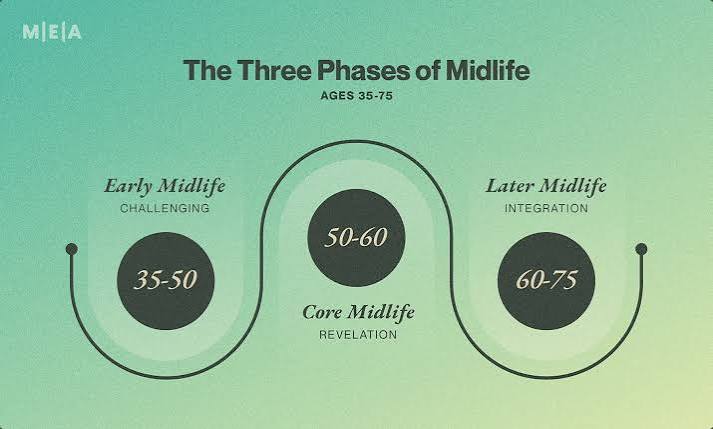
    Turning 50 isn’t a cliff—it’s a crossroads. For most people in developed countries, life expectancy hovers around 78 to 82, which makes 50 the rough halfway point. The decisions you make in the next few years will shape not just your 50s, but the three decades that follow. This isn’t about morbid countdowns; it’s about using a clear deadline to force clarity.

    A “mortality checklist” borrows from stoic philosophy—memento mori, remember you will die—not to scare you, but to help you prioritize. When you know time is finite, you stop drifting and start choosing. Below are the five moves that matter most before you hit the half-century mark, grounded in practical research and expert consensus.

    1. Get Your Financial House in Order

    At 50, you’re likely in your peak earning years—the window between 45 and 54 when income typically tops out. But the Federal Reserve reports that the median retirement savings for Americans aged 45–54 is only about $100,000 to $150,000. That’s far short of the 5–7 times your annual salary that most financial planners recommend by this age.

    The good news: age 50 unlocks catch-up contributions. In the U.S., you can contribute an extra $7,500 to a 401(k) and an extra $1,000 to an IRA each year. That’s a powerful tool, but it only helps if you use it.

    Before 50, also tackle debt. High-interest credit cards and personal loans eat into compounding returns. And if you haven’t bought life insurance yet, do it now—premiums rise sharply with age, and health issues that emerge in your 50s can make coverage expensive or impossible.

    2. Establish a Health Baseline

    Your 50-year-old body is the product of your 40s; your 60s will be shaped by your 50s. Chronic diseases like heart disease, diabetes, and cancer often surface in the 50s, but many are preventable with early action.

    Start with a full physical and updated screenings. Colonoscopies now begin at 45, and mammograms, prostate checks, and bone density scans become routine. If you haven’t had a stress test or blood work panel recently, make it a priority.

    Then, take stock of lifestyle. The CDC reports that 6 in 10 U.S. adults have a chronic disease, many preventable. You don’t need a radical overhaul—consistent sleep, a Mediterranean-style diet, and regular movement can reverse years of neglect. The key is to start now, not at 60.

    3. Repair Relationships and Build Your Support Network

    Psychologist and palliative care nurse Bronnie Ware’s book The Top Five Regrets of the Dying found that the most common regret is, “I wish I’d had the courage to live a life true to myself, not the life others expected of me.” The second most common? “I wish I hadn’t worked so hard.” The third: “I wish I’d had the courage to express my feelings.”

    Those regrets point to relationships. Before 50, mend estrangements where possible—or at least make peace with them. Deepen the bonds that matter, whether with a partner, children, or close friends. Also, intentionally build a support network beyond family: a few trusted confidants, a community group, or a mentor. These connections buffer against the isolation that can creep in during midlife transitions.

    4. Put Your Legacy in Writing

    This is the most literal “mortality preparation,” and it’s the one people avoid most. But dying without a will or healthcare proxy leaves your family with legal battles and emotional turmoil. According to a 2023 Caring.com survey, only 34% of U.S. adults have a will.

    Before 50, take these steps:
    – Write or update your will and trust.
    – Designate a healthcare proxy and living will.
    – Buy life insurance if you have dependents.
    – Inventory your digital assets—passwords, social media accounts, cryptocurrency—and store them securely where someone can find them.
    – Have the conversation with your family about end-of-life wishes. It’s uncomfortable, but it’s a gift of clarity.

    5. Do One Thing That Scares You—or That You’ll Never Do at 60

    This is the bucket-list item, but it’s not about tourism. It’s about confronting a fear or pursuing a physical goal while your body still cooperates. High-adventure travel, learning to surf, running a marathon, or even taking up a demanding craft—these are best done before 50, when recovery is faster and energy is higher.

    But the deeper purpose is psychological. Psychologists note that turning 50 often triggers a “midlife review,” where you ask, “Is this the life I wanted?” That question is healthy. Use it to audit your purpose, not just your passport.

    If you can’t afford a grand adventure, choose something equally meaningful: learn an instrument, write a letter to your future self, or volunteer for a cause you care about. The point is to act intentionally, not to drift into the next decade.

    Fifty is not a point of no return. Many of these items can be done at 55 or 60—but they won’t be, because life fills the space you give it. The checklist is a tool for prioritization, not a countdown to doom. Start with one item this month, and let the deadline work for you.

    Summary

    • Financial readiness: Peak earning years, catch-up contributions, pay off debt, buy life insurance.
    • Health baseline: Full physical, screenings, lifestyle changes—your 50s shape your 60s.
    • Relationship repair: Mend estrangements, deepen bonds, build a support network.
    • Legacy planning: Will, healthcare proxy, digital assets, and family conversations.
    • Experiential goal: Do one physically demanding or fear-confronting thing while you can.

    FAQ

    Q: Is the ‘before 50’ deadline really necessary?
    A: No, it’s not a hard cutoff—life doesn’t end at 50. But it’s a useful psychological trigger. People act more decisively when there’s a clear temporal boundary, and starting earlier gives you compounding advantages in health, finances, and relationships.

    Q: What if I can’t afford big-ticket items like travel or early retirement?
    A: The checklist is adaptable. The experiential item can be free or low-cost, like learning a new skill or volunteering. Financial readiness is about debt and savings, not luxury. Prioritize what matters most for your situation.

    Q: I’m already over 50. Is it too late?
    A: Not at all. The list is about prioritization, and many items can be done at any age. The sooner you start, the more benefit you’ll get, but it’s never too late to make a will, improve health, or mend a relationship.

    Q: Why is this called a ‘mortality checklist’? Isn’t that morbid?
    A: The term borrows from memento mori—remembering you’ll die to live better. It’s not about doom; it’s about using finite time to focus on what truly matters. The tone is pragmatic, not fearful.

    Q: What’s the single most important item?
    A: For most people, financial readiness and health are the foundations—they affect everything else. But if you’re already healthy and debt-free, legacy planning might be the most urgent, since it protects your loved ones.