Tag: lactic acid bacteria

  • The Sourdough Microbiome: How Wild Yeast and Bacteria Shape the World’s Oldest Bread

    Sourdough under the microscope reveals microbes cultivated over generations

    Every sourdough starter is a living ecosystem. A spoonful of flour and water, left to sit, becomes a teeming community of microbes—wild yeasts and lactic acid bacteria locked in a symbiotic dance. This ancient fermentation not only leavens bread but also shapes its flavor, texture, and nutritional profile. Yet for all its tradition, sourdough is only now revealing its microbial secrets. Recent citizen-science projects and global surveys have overturned long-held assumptions, showing that the microbes in your starter come mostly from the flour itself, not the air. The result: each starter is as unique as a fingerprint, and the bread it produces is a direct reflection of its microbial residents.

    The Dynamic Duo: LAB and Wild Yeast

    Sourdough is a fermented dough made from just flour and water, but it’s the microscopic inhabitants that do the heavy lifting. The two key players are lactic acid bacteria (LAB), primarily Lactobacillus species like L. sanfranciscensis and L. plantarum, and wild yeasts such as Saccharomyces cerevisiae and Kazachstania exigua. LAB produce lactic and acetic acids, giving sourdough its characteristic tang while lowering the pH to around 3.5–4.0. This acidic environment inhibits spoilage organisms, preserving the bread naturally. Meanwhile, wild yeasts produce carbon dioxide, which leavens the dough and gives it its airy crumb.

    But these microbes don’t just coexist; they cooperate. The acids produced by LAB create a niche that acid-tolerant yeasts thrive in. In return, the yeasts produce byproducts like amino acids and vitamins that LAB use. This symbiosis is the engine of sourdough fermentation, enabling it to rise slowly over hours or days—unlike commercial bread, which relies on a single strain of packaged yeast and is ready in a couple of hours.

    A Microbial Fingerprint

    A single mature sourdough starter can harbor more than 50 distinct microbial species, though only a handful typically dominate. The exact composition is unique to each starter, shaped by factors like flour type, hydration, and temperature. This diversity is part of what makes sourdough so fascinating—and so variable. A starter fed whole wheat flour will host a different microbial community than one fed white flour, and that community will produce a different loaf.

    The Surprising Source of ‘Wild’ Microbes

    For years, bakers assumed that wild microbes came from the air. But the research tells a different story. Studies from the Rob Dunn Lab at NC State and the Puratos Sourdough Library in Belgium have shown that the primary source of these microbes is the flour itself. The grains are covered in bacteria and yeast, and when you mix flour with water, you’re essentially cultivating what’s already there. Air, water, and the baker’s hands contribute, but flour is the dominant inoculum.

    This finding was underscored by the 2019 Sourdough Project, a citizen-science study that analyzed over 500 starters from around the world. It found that the type of flour—whole wheat, white, rye—was the strongest predictor of microbial community composition, far outweighing geographic location or baker handling. Starters made with whole-grain flour had higher microbial diversity. So, your grandmother’s sourdough isn’t special because of her kitchen’s air; it’s special because of the local grain and her careful feeding schedule.

    The San Francisco Myth

    Sourdough is often associated with San Francisco, where Lactobacillus sanfranciscensis was first isolated in the 1970s. But this bacterium is not unique to the city—it’s found in starters worldwide. The ‘San Francisco’ name is a historical artifact, not a geographical marker. In fact, the Puratos Sourdough Library in St. Vith, Belgium, houses over 100 starters from more than 20 countries, some over a century old, and each has its own microbial identity.

    Nutritional and Practical Benefits

    The fermentation process does more than create flavor. It reduces phytic acid, an antinutrient that can block mineral absorption. As a result, sourdough makes zinc, magnesium, and iron more bioavailable. The acids also produce prebiotics, which feed beneficial gut bacteria, and may lower the bread’s glycemic index, making it a better choice for blood sugar control.

    For some people with mild gluten sensitivity, sourdough may be easier to digest. LAB proteases partially break down gluten proteins during the long fermentation. However, it’s crucial to note that sourdough is not safe for people with celiac disease, as gluten is not fully eliminated.

    A Living Archive

    The Puratos Sourdough Library is more than a collection; it’s a living archive of microbial diversity. Researchers use it to study how starters evolve and to preserve traditional baking cultures. Similarly, the Sourdough Project’s data has become a resource for understanding microbial ecology on a global scale. The conclusion is clear: sourdough is not just a food; it’s a window into a microscopic world that we are only beginning to explore.

    Sourdough is a testament to the power of microbial cooperation. It’s the oldest form of leavened bread, yet we’re still learning how its microbial community works. Whether you’re a home baker nurturing a starter or a scientist sequencing its DNA, sourdough offers a tangible link to the natural world—one that’s delicious, nutritious, and endlessly fascinating.

    Summary

    • Sourdough relies on a symbiotic culture of wild yeasts and lactic acid bacteria, not commercial yeast.
    • LAB lower pH, preserving the bread and creating a niche for acid-tolerant yeasts that produce CO₂ for leavening.
    • Flour is the main source of microbes, not air; whole-grain flour yields higher microbial diversity.
    • The 2019 Sourdough Project found flour type, not geography, most strongly predicts microbial community composition.
    • Fermentation reduces phytic acid, boosting mineral bioavailability, and partially degrades gluten (though not safe for celiacs).

    FAQ

    Q: Is sourdough safe for people with celiac disease?
    A: No. While sourdough fermentation partially breaks down gluten, it does not eliminate it. People with celiac disease must avoid all gluten-containing breads, including sourdough.

    Q: Where do the ‘wild’ microbes in sourdough come from?
    A: Mostly from the flour. The grains harbor bacteria and yeast that multiply when mixed with water. Air, water, and hands contribute, but flour is the primary source.

    Q: Why does my sourdough starter smell different from my friend’s?
    A: Each starter has a unique microbial community, influenced by flour type, hydration, temperature, and feeding schedule. These differences produce distinct aromas and flavors.

    Q: How long does sourdough fermentation take compared to commercial yeast bread?
    A: Sourdough typically ferments for 4–24 hours at room temperature, or longer in the fridge, versus 1–2 hours for commercial yeast bread. This longer fermentation develops flavor and reduces antinutrients.

    Q: What is the Puratos Sourdough Library?
    A: It’s a repository in Belgium with over 100 sourdough starters from more than 20 countries, some over a century old. It serves as a living archive for research and preservation.
  • The Science of Sourdough: How Wild Yeast and Fermentation Create Perfect Bread

    The Science of Sourdough: How Wild Yeast and Fermentation Create Perfect Bread

    Sourdough is more than a baking trend—it’s a living ecosystem in a jar. Unlike commercial breads that rely on a single strain of yeast, sourdough harnesses a symbiotic community of wild yeast and lactic acid bacteria to leaven, flavor, and preserve the loaf. This ancient technique, dating back thousands of years, has seen a modern revival as home bakers and scientists alike marvel at its complexity.

    But what exactly happens inside that bubbling starter? How do microbes transform flour and water into a crusty, tangy loaf? And are the health claims—from lower glycemic index to better mineral absorption—backed by science? Let’s dive into the fermentation science behind sourdough and uncover why it produces bread that’s not just delicious, but also potentially better for you.

    The Starter: A Microbial Community

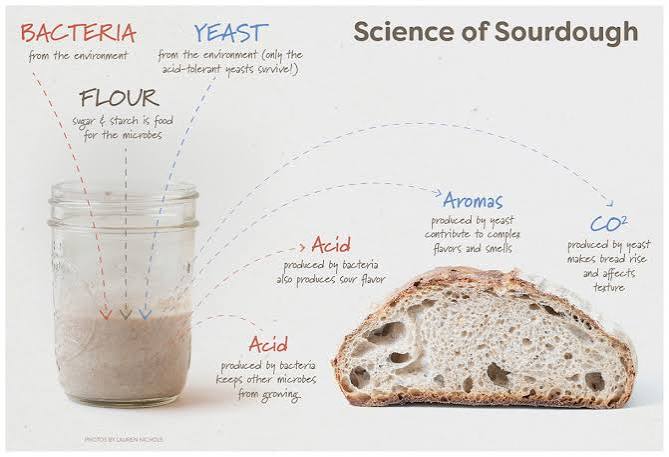
    At the heart of sourdough is the starter: a simple mixture of flour and water that, over time, captures wild microbes from the environment and the flour itself. With regular feedings of fresh flour and water, this mixture becomes a stable ecosystem dominated by two key players: wild yeasts and lactic acid bacteria (LAB).

    Wild yeasts—such as Saccharomyces exiguus, Candida milleri, and Kazachstania species—are responsible for producing carbon dioxide (CO₂), which gives the bread its rise. Meanwhile, LAB—like Lactobacillus sanfranciscensis and L. plantarum—produce lactic acid and acetic acid. These organic acids are what give sourdough its characteristic tang and also act as natural preservatives, keeping the bread fresh longer.

    In a mature starter, LAB outnumber yeast by about 100 to 1. This balance is crucial: the acids produced by LAB create an acidic environment that suppresses unwanted spoilage organisms while allowing the yeast and beneficial bacteria to thrive.

    The Fermentation Process: More Than Just Bubbles

    Fermentation is the heart of sourdough baking. Unlike commercial breads that rise in 1–3 hours, sourdough undergoes a slow fermentation that can last 4 to 24+ hours, depending on temperature and technique. This extended timeline allows a cascade of chemical reactions to occur.

    Enzymes at Work

    Flour contains enzymes like amylase and protease. Amylase breaks down starches into simple sugars, which the yeast and bacteria consume. Protease, on the other hand, partially breaks down gluten proteins. This improves the dough’s extensibility—making it easier to shape—and may also make the final bread easier to digest for some people.

    Acid Production and pH

    The metabolic activity of LAB lowers the dough’s pH from around 6.0 to between 3.8 and 4.5. This acidity affects gluten structure, making it more elastic and helping the bread hold its shape. It also contributes to the sour flavor profile and inhibits mold growth, which is why sourdough bread has a longer shelf life.

    Flavor Development

    The combination of organic acids, ethanol from yeast, and other byproducts creates a complex flavor profile. During baking, the Maillard reaction—the browning of sugars and amino acids—adds another layer of taste and aroma, especially in the crust.

    The Health Claims: What Science Says

    Sourdough has been touted for various health benefits, but not all claims are equally supported. Here’s what the evidence shows:

    Lower Glycemic Index

    A 2008 study in the Journal of Agricultural and Food Chemistry found that sourdough fermentation reduces post-meal blood glucose spikes compared to conventional bread. The mechanism? Organic acids slow gastric emptying and starch digestion, leading to a more gradual release of sugar into the bloodstream. This could be beneficial for people managing blood sugar levels.

    Improved Mineral Absorption

    Sourdough’s low pH activates an enzyme called phytase, which breaks down phytic acid—a compound that binds minerals like iron, zinc, and magnesium, preventing their absorption. Studies show sourdough can reduce phytate content by 50–90%, making minerals more bioavailable.

    Gluten Digestibility

    It’s important to note: sourdough is not safe for people with celiac disease. However, some research suggests that the fermentation process may reduce certain gluten peptides that cause discomfort in non-celiac gluten-sensitive individuals. This area of study is preliminary and contested, so more research is needed.

    Gut Microbiome

    Fermentation produces prebiotic fibers and organic acids that may positively influence gut bacteria. While promising, the evidence is still emerging and not conclusive.

    The Art of Control: Temperature, Hydration, and Flour

    Bakers have long known that small changes in the starter’s environment dramatically affect the final loaf. Temperature is a prime example: warmer starters (25–30°C) favor LAB and produce more lactic acid, resulting in a milder tang. Cooler starters (15–20°C) encourage acetic acid production, yielding a sharper, more pronounced sourness.

    Hydration also plays a role. A stiff starter (50–60% hydration) tends to favor yeast, while a liquid starter (100% or more) favors LAB. The type of flour matters too: whole wheat and rye flours contain more nutrients and microbes, leading to more vigorous starters.

    These variables give bakers a toolkit to craft the perfect loaf—whether they prefer a mild, slightly sweet crumb or an aggressively sour one.

    From Ancient Egypt to Your Kitchen

    Sourdough is the oldest form of leavened bread, with evidence dating back to ancient Egypt around 3,000–4,000 BCE. Before commercial yeast was developed in the 19th century, all leavened bread relied on wild fermentation. The 1849 California Gold Rush even popularized the term “sourdough” as a nickname for prospectors who carried starter pots, and San Francisco’s distinctive tang is linked to Lactobacillus sanfranciscensis, a species first identified there in the 1970s.

    The COVID-19 pandemic sparked a global sourdough boom, as home bakers sought comfort and a new skill. But the revival also reflects a broader “slow food” movement that values craftsmanship and tradition. However, beware: many commercial “sourdough” loaves are made with commercial yeast and added acidulants like vinegar to mimic the flavor without true fermentation. Real sourdough takes time—and that’s exactly what makes it special.

    Sourdough is a testament to the power of microbes. What begins as flour and water transforms into a living culture that leavens, flavors, and preserves bread in ways commercial yeast cannot replicate. The science behind it—from enzyme activity to acid production—explains why sourdough has a unique texture, taste, and potential health benefits. Whether you’re a seasoned baker or a curious eater, understanding the fermentation process deepens your appreciation for every slice.

    Summary

    • Sourdough uses a symbiotic culture of wild yeast and lactic acid bacteria, not commercial yeast.
    • Fermentation lasts 4–24+ hours, allowing enzymes to break down starches and gluten, and acids to lower pH.
    • Health benefits include a lower glycemic index and improved mineral absorption, but it is not safe for celiacs.
    • Temperature, hydration, and flour type control the balance of microbes and sourness.
    • True sourdough is time-intensive; many commercial products use shortcuts to mimic the flavor.

    FAQ

    Q: Is sourdough bread gluten-free?
    A: No, sourdough is not gluten-free. While fermentation may reduce some gluten peptides, it does not eliminate gluten, so it is not safe for people with celiac disease.

    Q: How do I maintain a sourdough starter?
    A: Keep it at room temperature and feed it daily with equal parts flour and water, or refrigerate it and feed it weekly. If a liquid layer (hooch) forms, you can stir it back in or pour it off.

    Q: Why does my sourdough taste more sour at some times?
    A: Sourness is influenced by fermentation time, temperature, and starter feeding ratios. Cooler temperatures and longer fermentations favor acetic acid, which gives a sharper tang.

    Q: Can I make sourdough without a starter?
    A: You can create a starter from scratch by mixing flour and water and letting it capture wild microbes from the environment. It typically takes 5–7 days to become active.

    Q: What is the difference between sourdough and regular bread?
    A: Regular bread uses commercial yeast for a quick rise (1–3 hours), while sourdough relies on wild yeast and bacteria over a longer fermentation (4–24+ hours), resulting in a more complex flavor and texture.